Snowboard Bindings
Supermatics Step-In Snowboard Bindings: A First Day on the Mountain
A strap-based step-in binding system with a locked-in feel on hardpack, but deep powder demands extra patience and technique.
Introduction
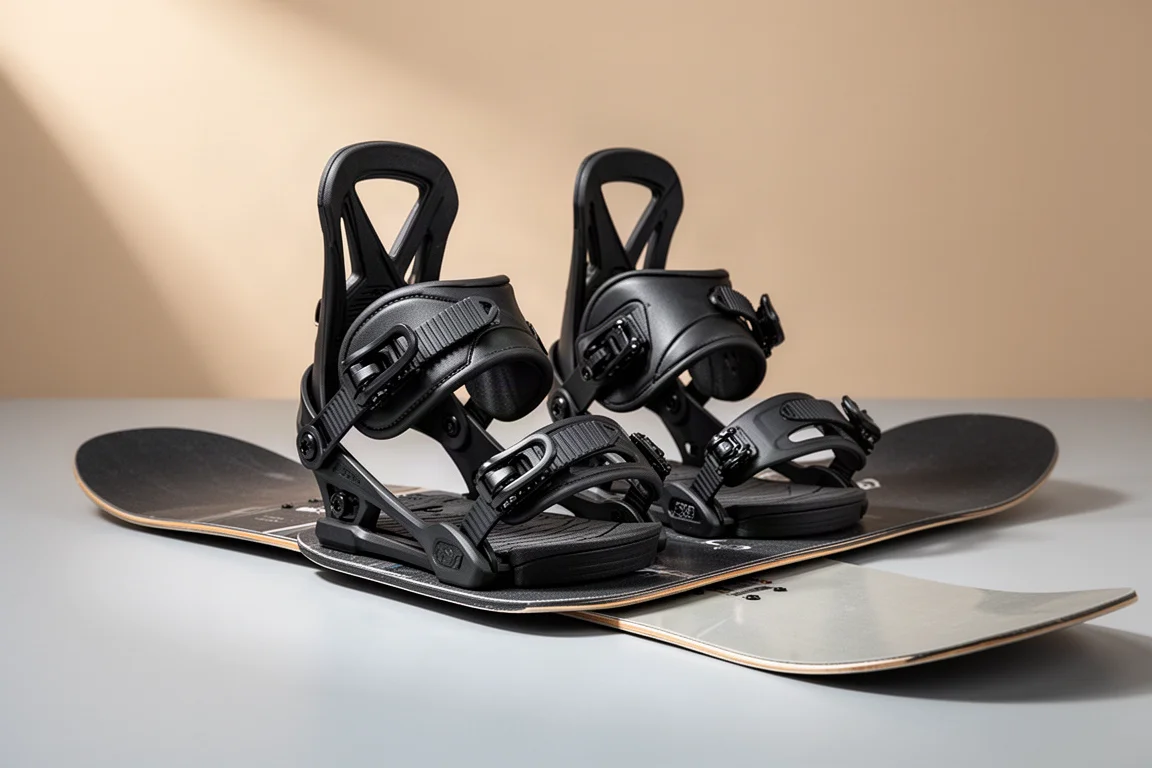
Step-in bindings have always promised the same thing: click in and ride without sitting down in the snow to strap in. Supermatics attempts to deliver that convenience while keeping the feel of traditional strap bindings. I spent a day riding them at Heavenly to see where that promise holds up and where it falls short.
Getting In and Getting Out
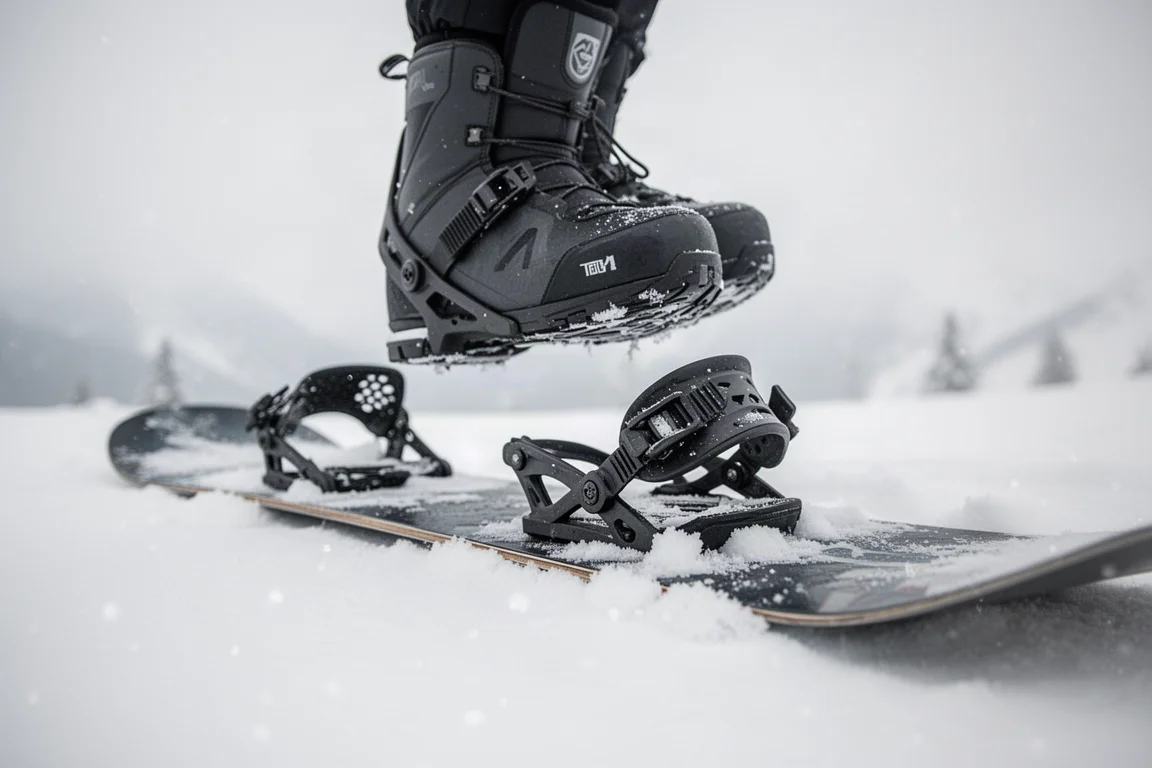
The core appeal is straightforward: stepping in and clicking in is quick, and getting your boot out is very smooth. That ease of entry and exit is the headline reason anyone considers a step-in system, and it works as advertised once you understand the process.
There is a learning curve, though. On the very first turn I thought I was clicked in and was not; the binding opened and down I went. Part of that was user error, but with powdery snow around, snow can get inside the mechanism and interfere with the click. Once your foot is in, you really need to give it a couple of extra pushes to confirm the binding is locked and clicked in.
The Strap System: Security with Adjustability
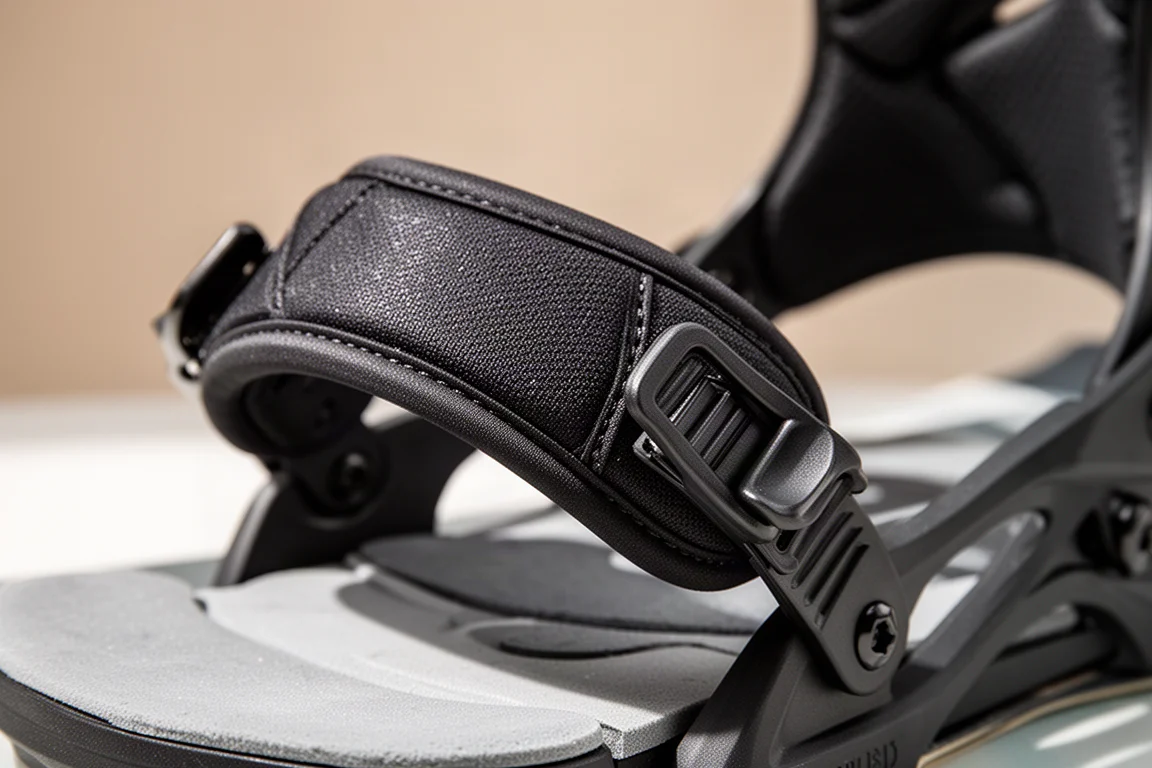
What sets this system apart is that it still uses straps. The binding has multiple straps that actually lock: you open the lock, adjust the strap, then re-lock it. Once set, the straps are already positioned when you step in, so you get a tight, strapped-in feel without re-adjusting every run.
I was skeptical that the straps would tighten enough given how often your foot goes in and out, but as I rode they felt super secure and locked in place. My right boot initially felt a little loose, so a quick strap adjustment fixed it. Once dialed in, the feeling is essentially that of riding traditional bindings.
Main Strengths
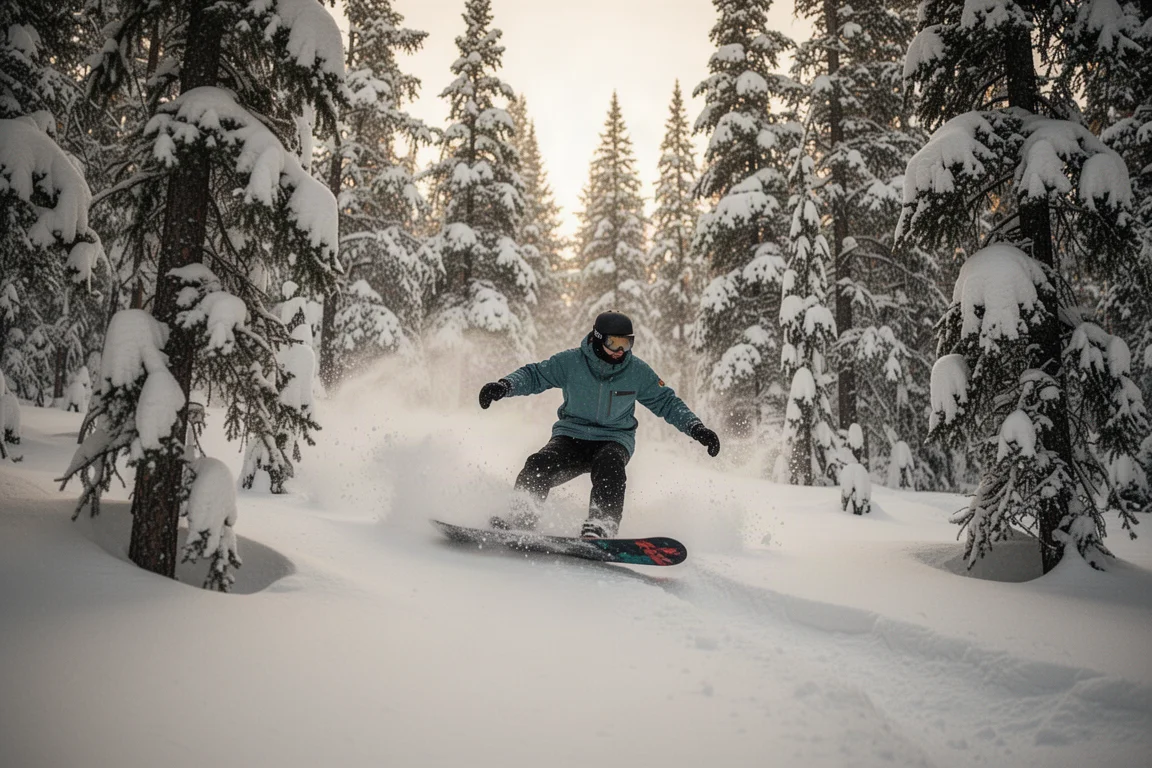
The pros are clear. Stepping in and clicking in is easy, getting out is super smooth, and the strap system is a genuine bonus: while riding, I felt fully locked into the snowboard, which is the most important thing. Straps or step-ins do not matter to me as long as the gear lets me ride to my fullest potential, and in that respect these deliver. Running through the trees felt very secure and confident.
Things to Consider Before Buying
A few drawbacks are worth knowing upfront. The bindings weigh a little more than traditional bindings, so there is some extra weight on your board. Entry also requires some technique: you need to clear the snow out, be on somewhat level ground, and keep snow from getting into the mechanism. Even then, a couple of extra pushes are needed to make sure everything is locked in.
Deep snow is where the system struggles most. I found myself fighting to get my foot in: snow gets into the binding, you have to clear it out, and pushing down to seat your foot makes you sink further. These bindings will also likely perform differently in powder than on groomers or in the park, and they did not make a deep powder day easier for me. If anything, they added some struggles, though day one on any new system plays a role in that.
Who These Bindings Are For
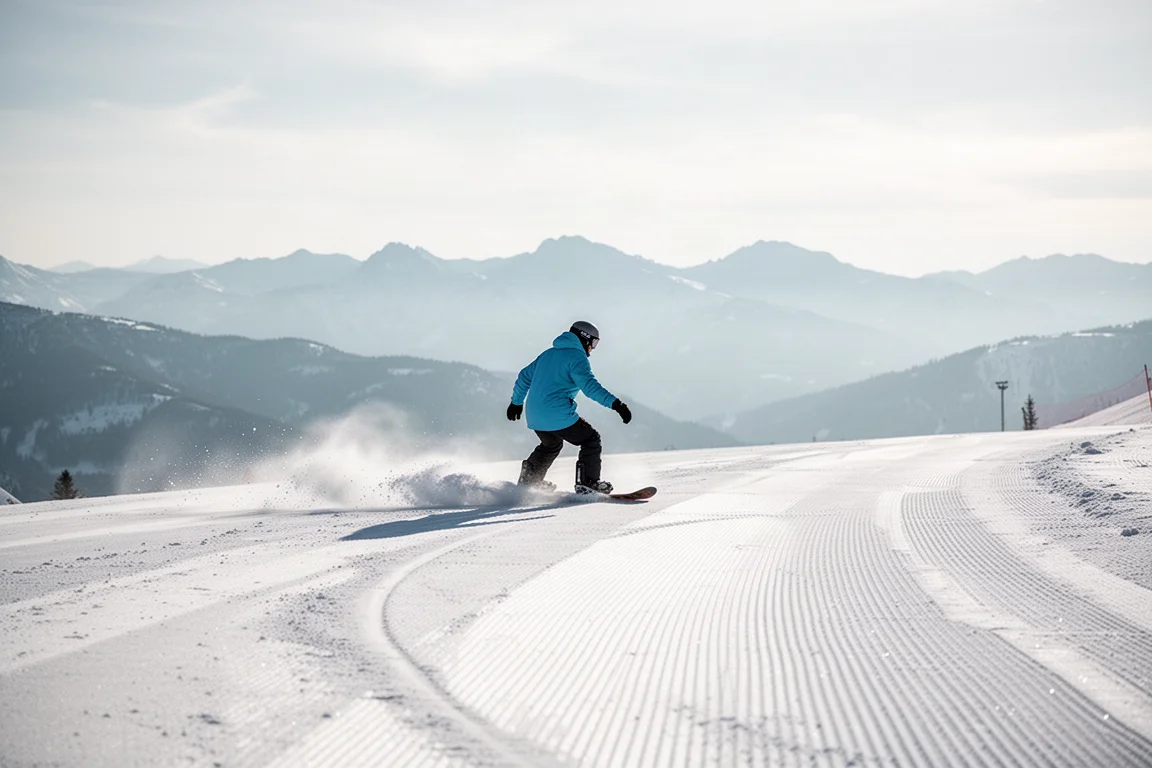
If you mostly ride groomed runs, I see real potential here. On managed runs the entry process should be easier, and the locked-in strapped feel carries over to everyday riding. For deep snow days, traditional bindings worked just as well for me, if not better.
Buying Advice
Treat your first day as a setup day: dial in the strap tension, learn the locking mechanism, and get used to confirming that click before you drop in. If your riding is mostly resort and groomer focused and you value quick entry and exit, this system deserves a look. If deep powder is your bread and butter, weigh the entry hassles carefully before committing.
Conclusion
Supermatics delivers on the promise of easy entry and exit while keeping a genuinely secure, strapped-in ride feel. The trade-offs are extra weight, a specific entry technique, and real difficulty in deep snow. For groomer riders, there is clear potential here; for powder-focused riders, traditional bindings remain a simpler choice.
Product link
View more details for Supermatics Bindings
This product is mentioned in the review. Check the specifications, options, and compatibility before buying.
View more details for Supermatics BindingsFurther reading
Related Reviews

Snowboard Bindings
2024 Union Ultra Snowboard Bindings Review: A Cushy, Freestyle-Focused Favorite
Two seasons on the 2024 Union Ultra: a lightweight, tweakable freestyle binding with standout comfort, a damp molecular bushing, and thoughtful hardware fixes.

Snowboard Bindings
32 Team Phase Binding Review: A Fast Entry Binding Built for Freestyle Laps
The first binding from 32 uses the Phase chassis for quick step-in entry with a softer, freestyle-leaning flex. Here's how it performed on the snow.

Snowboard Bindings
Arbor Cypress Snowboard Binding Review: A Laid-Back Cruiser That Can Charge
A closer look at the Arbor Cypress binding's adjustability, strap feel, and that oddly tall highback before you decide to buy.