Running Shoes
Super Trainer Showdown: New Balance SC Trainer 3 vs Brooks Hyperion Max 2 vs Asics Glideride Max
Three super trainers with different stack heights, foams, and plate setups, compared for daily mileage, long runs, and light speed work.
Introduction
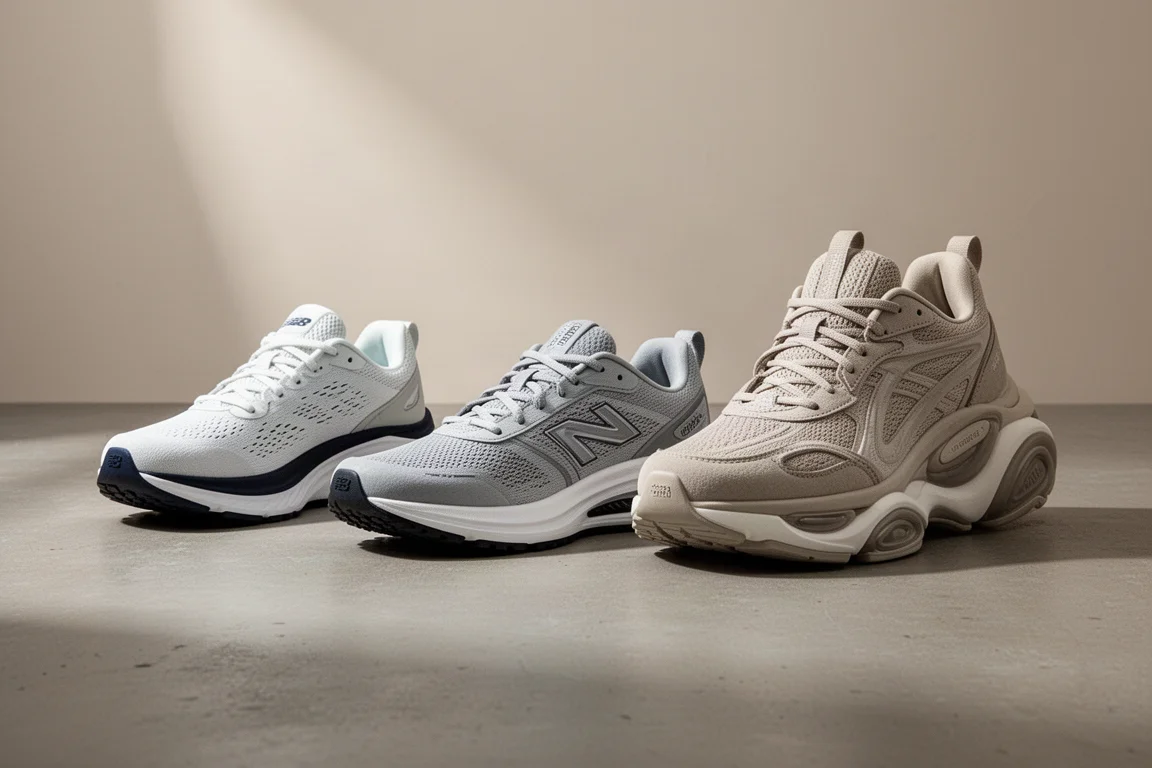
Three super trainers, three very different personalities. The New Balance SC Trainer 3, Brooks Hyperion Max 2, and Asics Glideride Max all share a rocker profile, a 6 mm drop, and a daily-training focus, but they get there in completely different ways: a stiff carbon-plated workhorse, a lighter snappy all-rounder, and a tall plush cruiser with no plate at all. This comparison breaks down where each one earns its place in a rotation.
New Balance SC Trainer 3: The Stiff, Consistent Mileage Machine
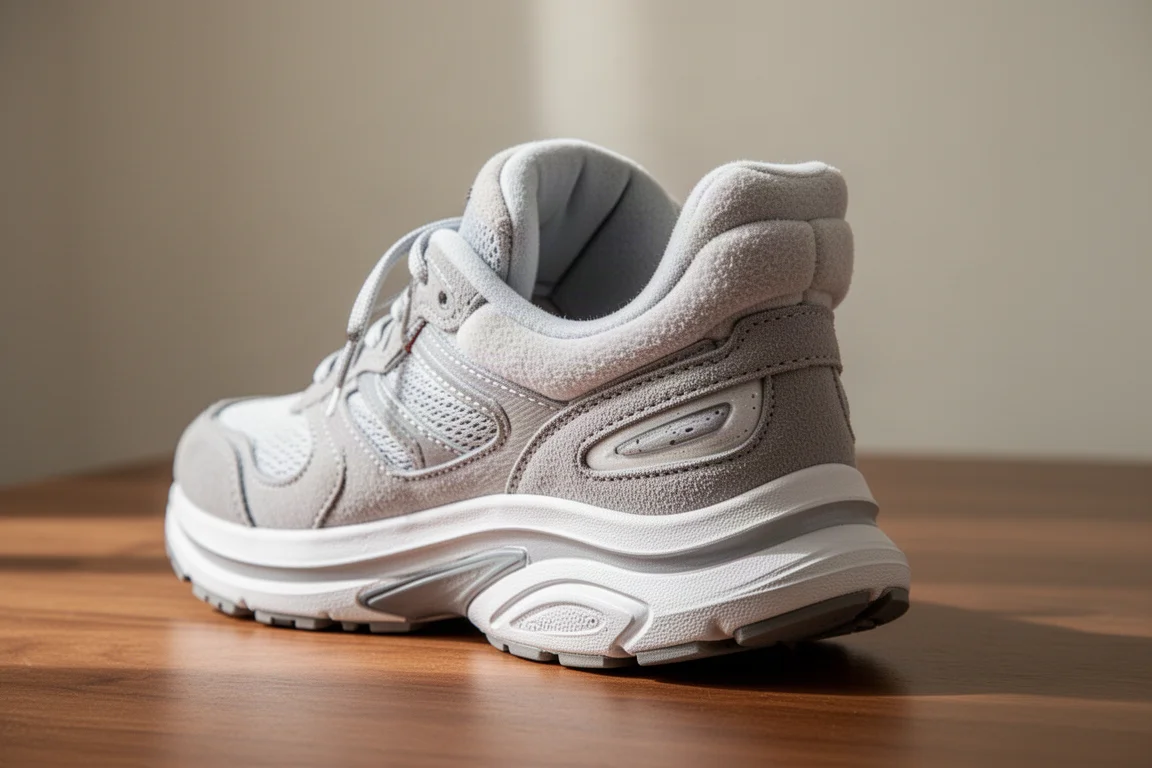
The SC Trainer 3 runs 41 mm in the heel and 35 mm in the forefoot at 9.2 oz in men’s sizing. It uses the FuelCell compound tuned mostly for daily training, paired with a carbon plate and the Energy Arc system. The geometry leans on a large heel bevel and a more gradual toe spring up front, with soul flaring in both heel and forefoot over a wider platform. Outsole traction and coverage are solid, and the shoe is clearly built for training.
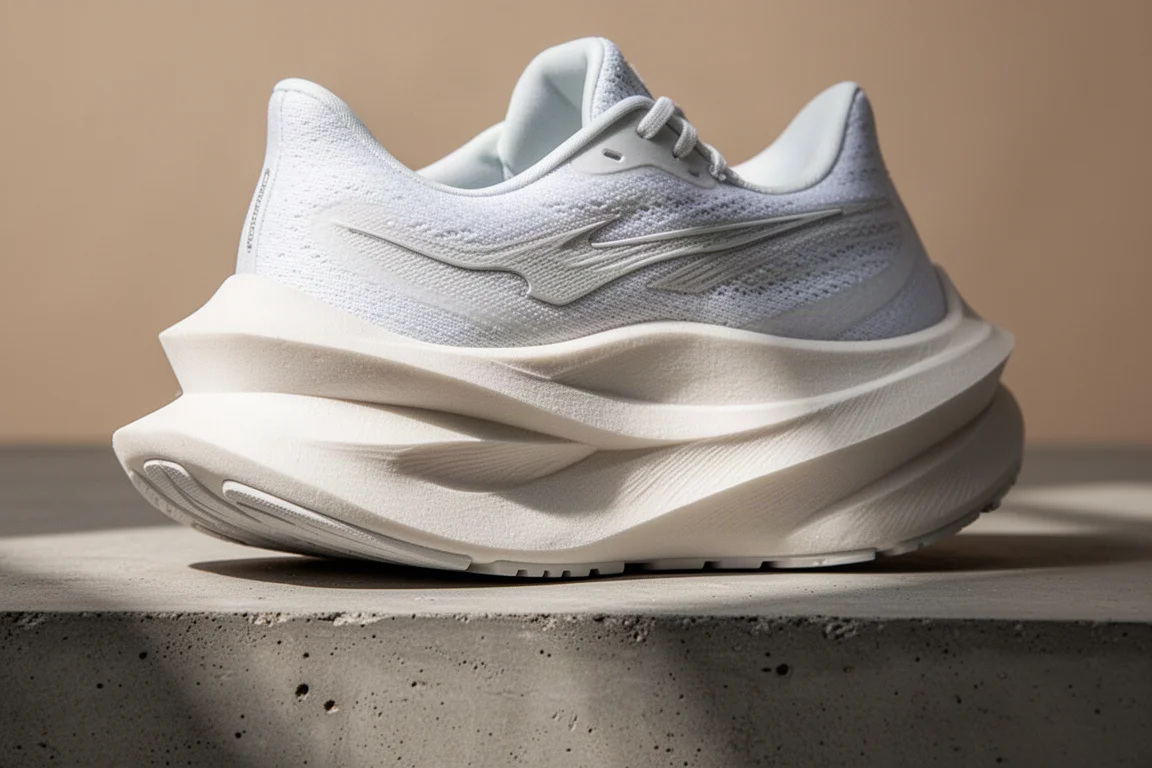
The upper is the most accommodating of the three for wider heels and midfoots. The supportive mesh does not stretch much and holds the foot in well, the lightweight tongue prevents lace bite, and the softer laces make for a comfortable fit. Volume runs on the higher side through the heel and midfoot.
The ride itself is the stiffest of the bunch thanks to the carbon plate; you genuinely cannot bend it much. The foam absorbs load with a shock-absorbing feel and some bounce, though not the hyper-lively kind. This is a shoe dialed in for consistent daily mileage: rhythmic, durable, and dependable. If you want to do workouts in it, you can, but it is best treated as a smooth daily trainer that can also handle long runs.
Brooks Hyperion Max 2: The Nimble All-Rounder
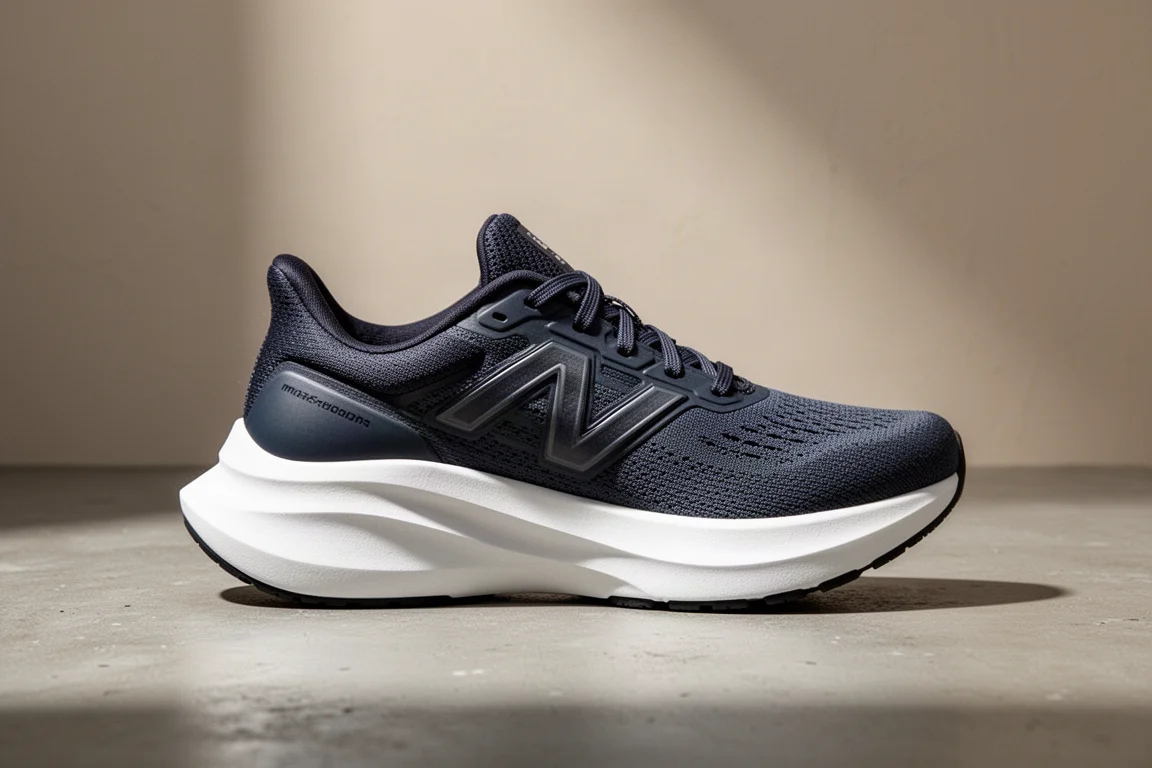
The Hyperion Max 2 comes in at 37 mm in the heel and 31 mm in the forefoot, also a 6 mm drop, at 9.2 oz. That makes it the lightest of the group, with less foam underfoot. It pairs DNA Flash v2, a firmer foam with a resilient bounce, with a plastic plate the brand calls SpeedVault, plus solid outsole rubber coverage.
The upper is more streamlined and performance oriented, with an elastic gusseted tongue that hugs the dorsum of the foot so well you feel locked in before you even pull the laces. Forefoot volume is on the higher side with room for swelling, while heel and midfoot width are more anatomically normal and dialed in. The mesh even has a bit of vertical stretch that keeps it from pressing down on your toes.
On the run, the forefoot rocker is the sharpest of the three and the heel bevel the smallest, so the shoe keeps you forward and centered. There is a flex point in the forefoot, more than in the other two, but on foot it still feels firm and responsive. When you load the foam and pop off, this is the shoe of the three that makes you want to pick up the pace. It still shines best for daily efforts and long runs, but if you want to dabble in speed work, this is the one of the trio to reach for.
Asics Glideride Max: The Plush Max-Stack Cruiser
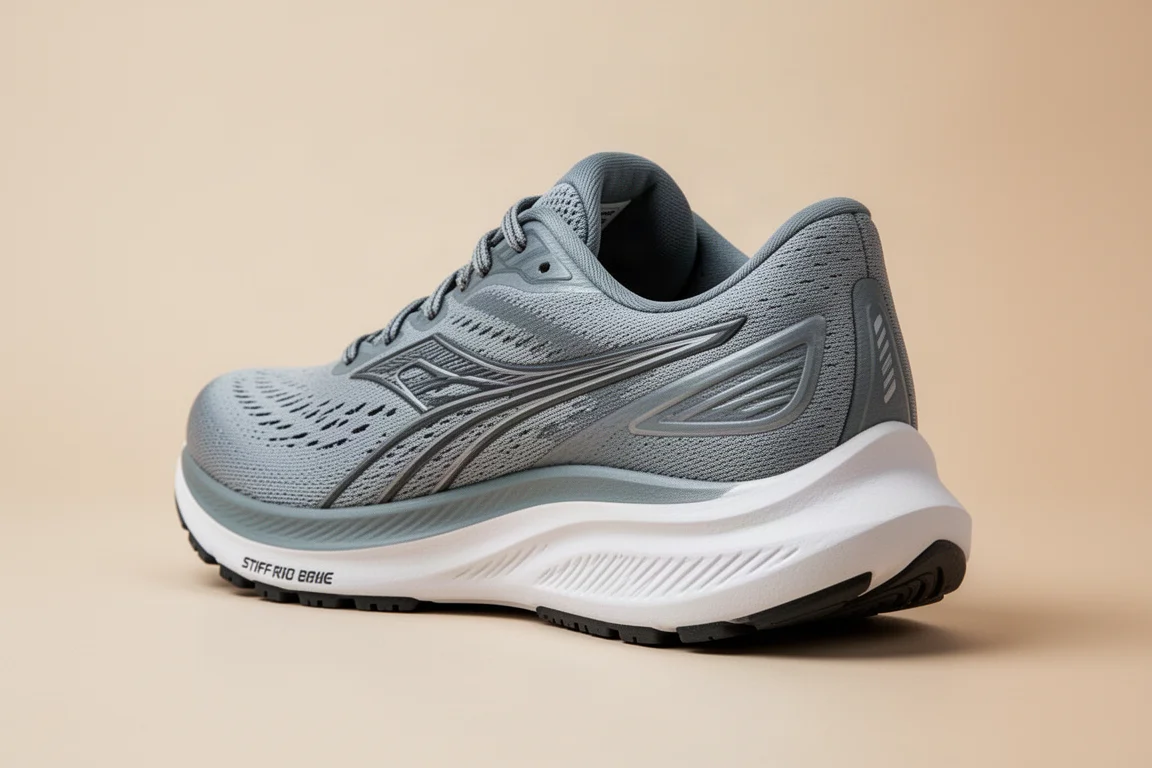
The Glideride Max is the tallest shoe here at 44 mm in the heel and 38 mm in the forefoot, still a 6 mm drop, and the heaviest at 10.1 oz in men’s size 9. That weight is reasonable given how much foam is underfoot. The top layer is FF Blast Max, noticeably soft, while the bulk of the stack is the firmer Blast Plus Eco. Traditionally the Glideride series has always carried a plate, but this version does not, relying on foam volume and a sharp toe spring to keep stiffness.
The upper is the most plush and voluminous of the three, with generous padding around the heel collar and tongue and lots of forefoot room for swelling. Lockdown is good and the structure holds up, though the top eyelet can bite slightly at the ankle crease because of how the lace pulls downward. Width falls in the middle of the group: normal heel, slightly wider midfoot, wider forefoot.
The ride absorbs and rolls you forward rather than bouncing back. Despite the flexibility from having no plate, the deep stack and aggressive toe spring still deliver a rolling step forward. This is a shoe for daily, easy, and long-run mileage, consistent and unpretentious, made to soak up miles rather than produce speed.
Which One Should You Buy?
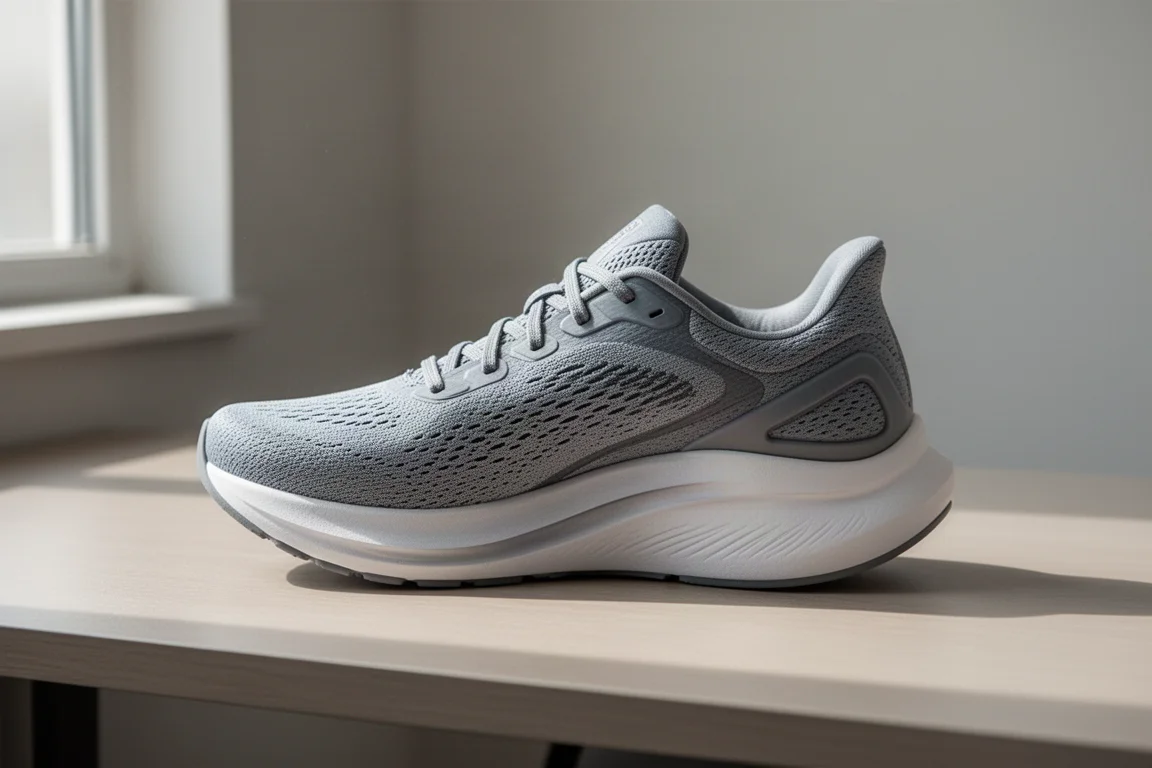
Going from one extreme to the other: the Hyperion Max 2 is the most agile, nimble, and lightweight of the bunch, with lower stack and a snappier, bouncier feel. The SC Trainer 3 sits in the middle: more plush than the Hyperion Max 2, still light, and the stiffest, best for smooth, rhythmic daily efforts. The Glideride Max is the plush cruiser for easy days and long-run shuffling, with the least responsiveness but a consistent ride you can put a lot of miles into.
All three serve well as long run shoes, so the real question is what feel you want. Prefer a stiffer, more protective platform for daily mileage? Go SC Trainer 3. Want the lightest and most responsive option that can still handle everything? The Hyperion Max 2. After maximum cushion for easy miles? The Glideride Max.
Conclusion
These three super trainers cover a wide spectrum within one category. The SC Trainer 3 is the stiff, consistent daily workhorse, the Hyperion Max 2 the light and versatile all-rounder with the most pop, and the Glideride Max the plush, plate-less max-stack cruiser. Match the ride character to the runs you do most, and any of the three can anchor a training rotation.
Further reading
Related Reviews

Running Shoes
Best Road-to-Trail Running Shoes: Three Versatile Options for Mixed Terrain
A practical guide to three road-to-trail running shoes that handle both pavement and mild trails, with clear strengths and trade-offs for different runner types.

Running Shoes
Best Running Shoes for Achilles Tendonitis: Three Options Explained
Three running shoes with different heel drops and support features designed to help reduce Achilles tendon pain during walking and running.

Running Shoes
Best Running Shoes for Women: Five Top Choices Ranked
A ranked guide to five women's running shoes, from versatile daily trainers to high-performance racing options, with real strengths and trade-offs for each.