Running Shoes
Super Shoes vs Lightweight Trainers: Asics Metaspeed Sky and Evo Ride 3 Compared
A carbon-plated super shoe or a featherweight non-plated trainer? We compare two fast Asics options to help you decide which one belongs in your rotation.
Introduction
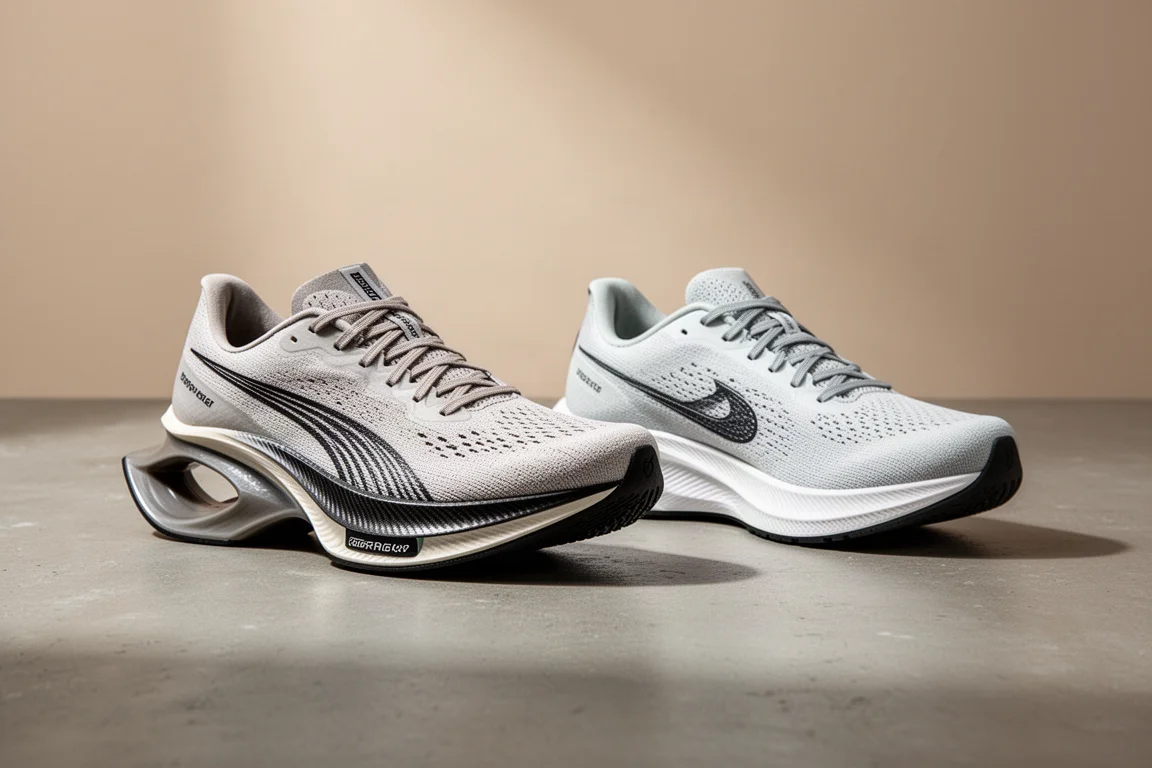
Two fast Asics options keep coming up in the same conversation: the Metaspeed Sky, a carbon-plated super shoe, and the Evo Ride 3, a lightweight non-plated trainer. On paper they are closer than you might expect. Spec-wise they differ mainly in foam and plate construction, with both sitting around seven ounces and sharing a five-millimeter drop and similar geometry. The real decision comes down to how each one feels at speed and how much stress you want your body to absorb during training.
Evaluation Criteria
To decide between the two, it helps to look at the same short list of factors: weight, midsole feel, geometry, versatility for workouts versus racing, and how much adaptation your body needs. One shoe is clearly built for race day performance, while the other trades some of that aggression for a less demanding ride that still feels genuinely quick.
The Case for the Super Shoe: Asics Metaspeed Sky
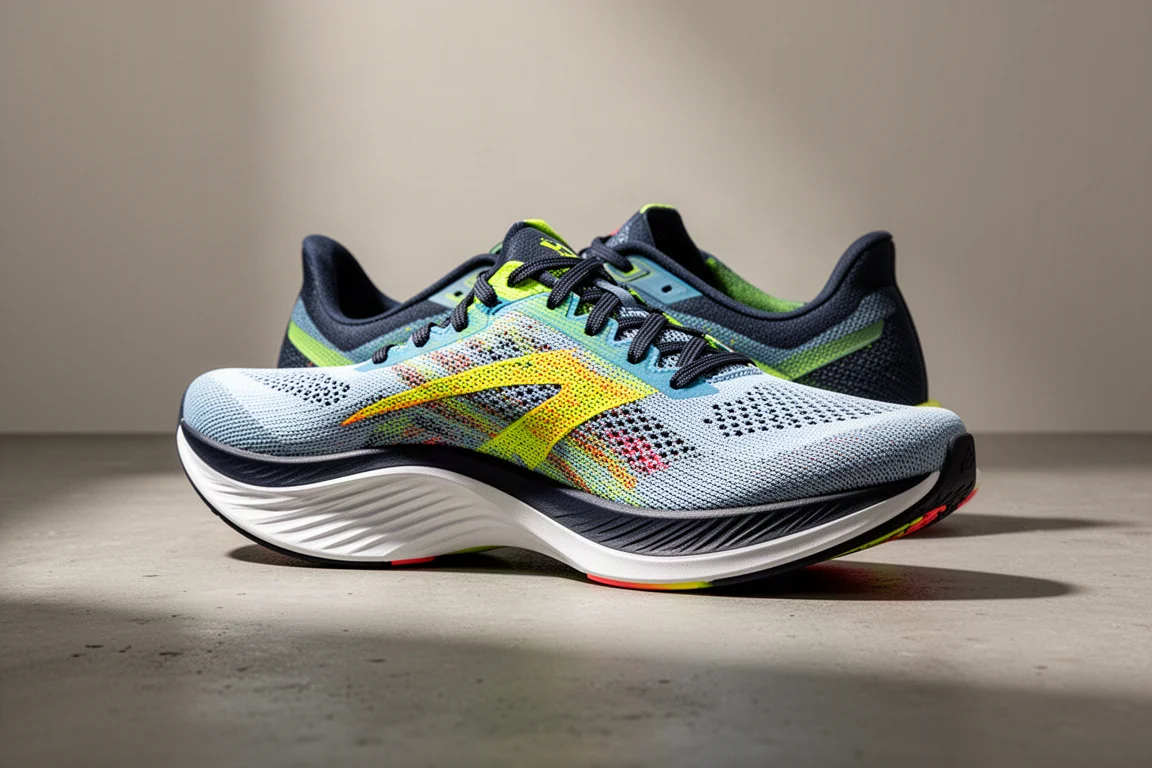
The Metaspeed Sky is the aggressive option. It uses super foam and a carbon plate, with a stiff, highly rockered forefoot and pronounced toe spring that makes it feel lively at race pace. It is a very stiff, very aggressive shoe, and it feels exciting to run fast in.

For racing, this is the shoe many runners will reach for every time, and it is worth noting that super shoes are not only about outright speed. Some runners find they do not enjoy doing every run or workout in such a soft, aggressive platform. The stiffness and the plate demand a body that is used to them, which makes structured workouts in the shoe an important part of preparation.
The Case for the Lightweight Trainer: Asics Evo Ride 3
The Evo Ride 3 takes a different route. It is not carbon plated and does not use super foam, but it comes in at an extremely light 7.4 ounces, which makes it feel snappy and quick. The sole is a little firmer, and that firmness translates into a responsive feel that works particularly well for tempo runs and workouts.
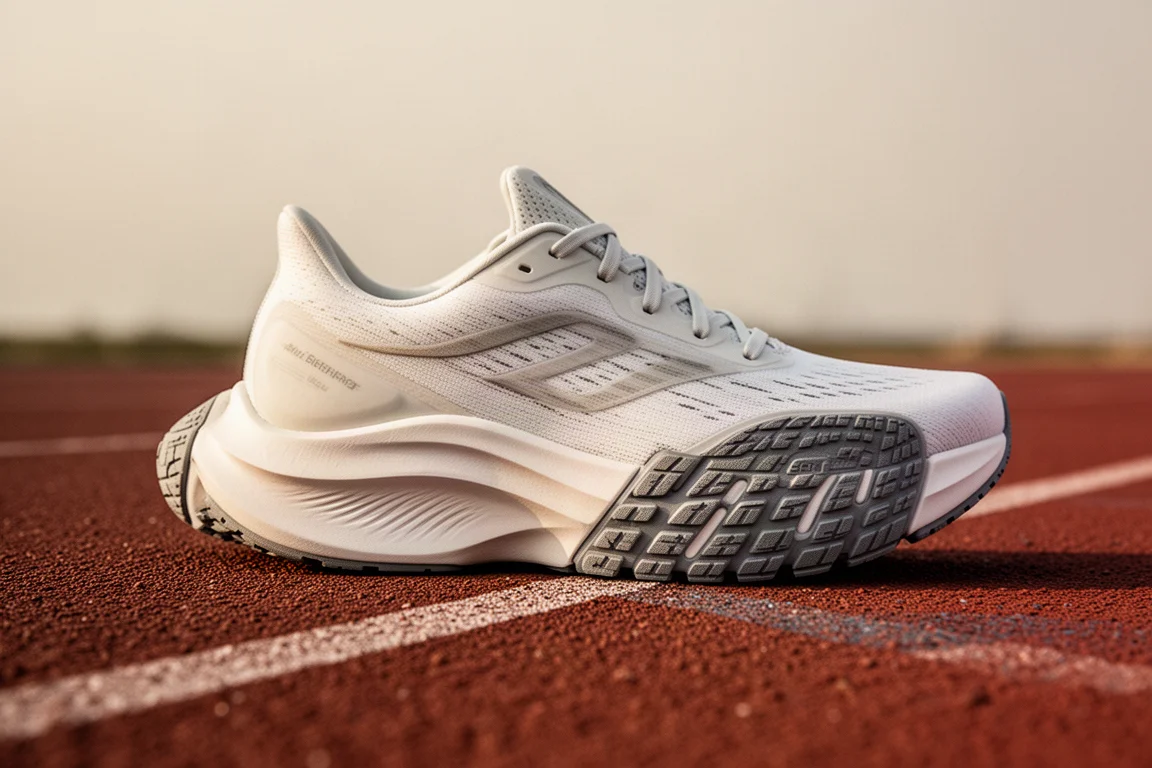
Because it is less aggressive than a plated super shoe, it lets more of your body do the work. That can be a real advantage for runners easing back into structured training, helping you get your feet under you without the demands of a stiff plate underfoot.
Choosing the Right Shoe for Workouts
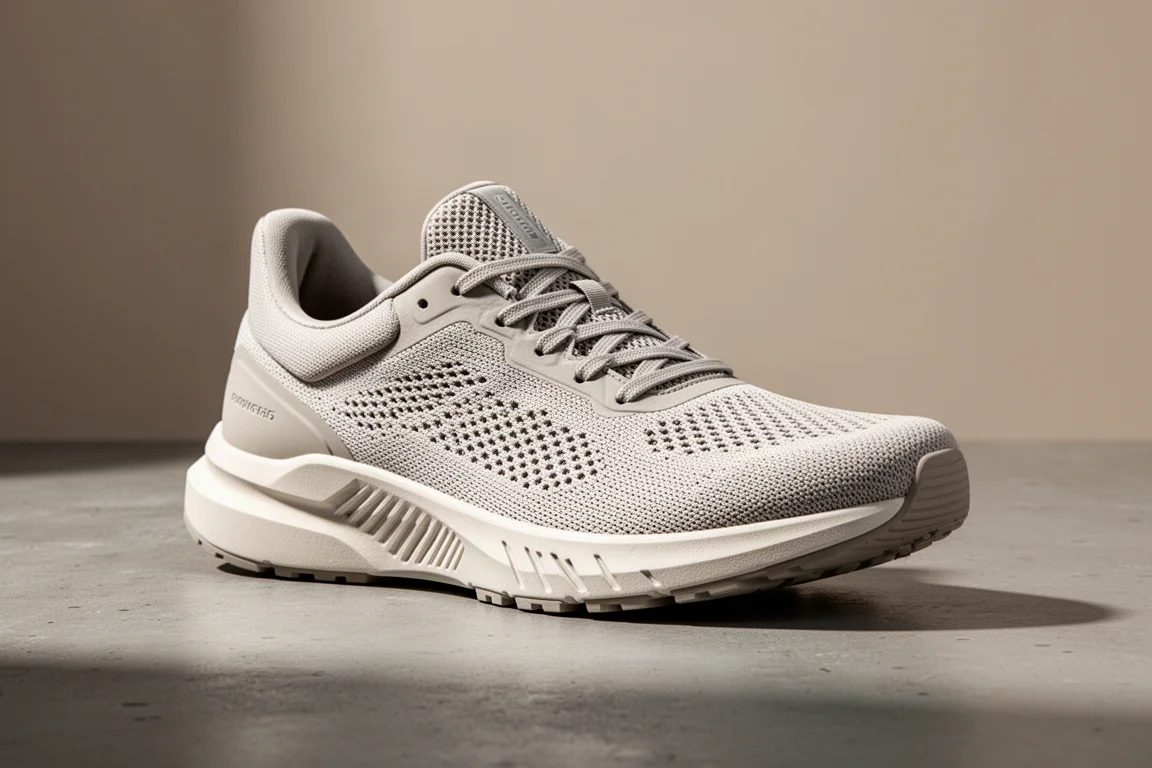
Aggressive super shoes demand adaptation. If you plan to race in them, you need to do some workouts in them first so your body gets used to the stiffness and rocker. There is no evidence that they cause injuries, but jumping into a shoe your body is not ready for can predispose you to injury risk, as with any new stimulus.
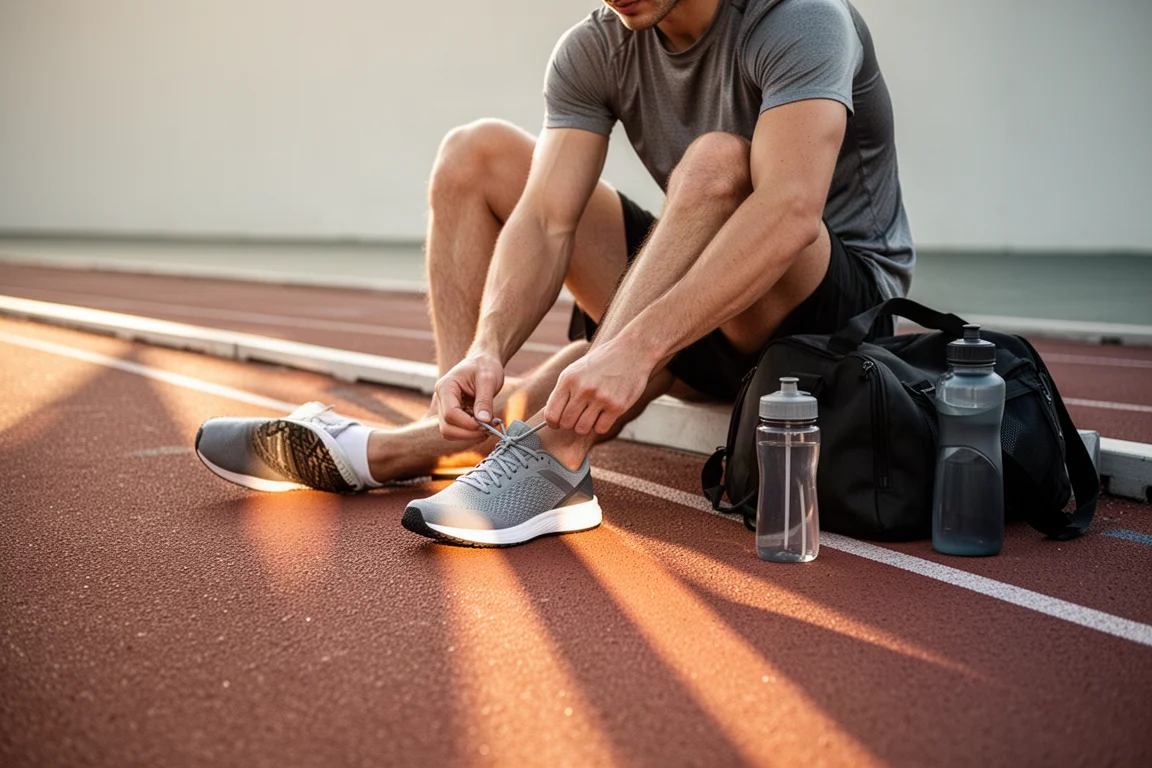
That is where a lightweight trainer like the Evo Ride 3 earns its place in a rotation. Workouts in it have been described as genuinely fun, with the shoe allowing your body to carry more of the load while still delivering a fast ride. If you are building fitness or returning to harder sessions, this kind of shoe can smooth the transition.
Overall Buying Advice
The practical answer is that both shoes belong in different moments. For races, the Metaspeed Sky is the pick: it is the most aggressive, most exciting option on race day. For workouts, tempo runs, and days when you want speed without the full demands of a plate, the Evo Ride 3 makes a strong case at a friendlier overall package.
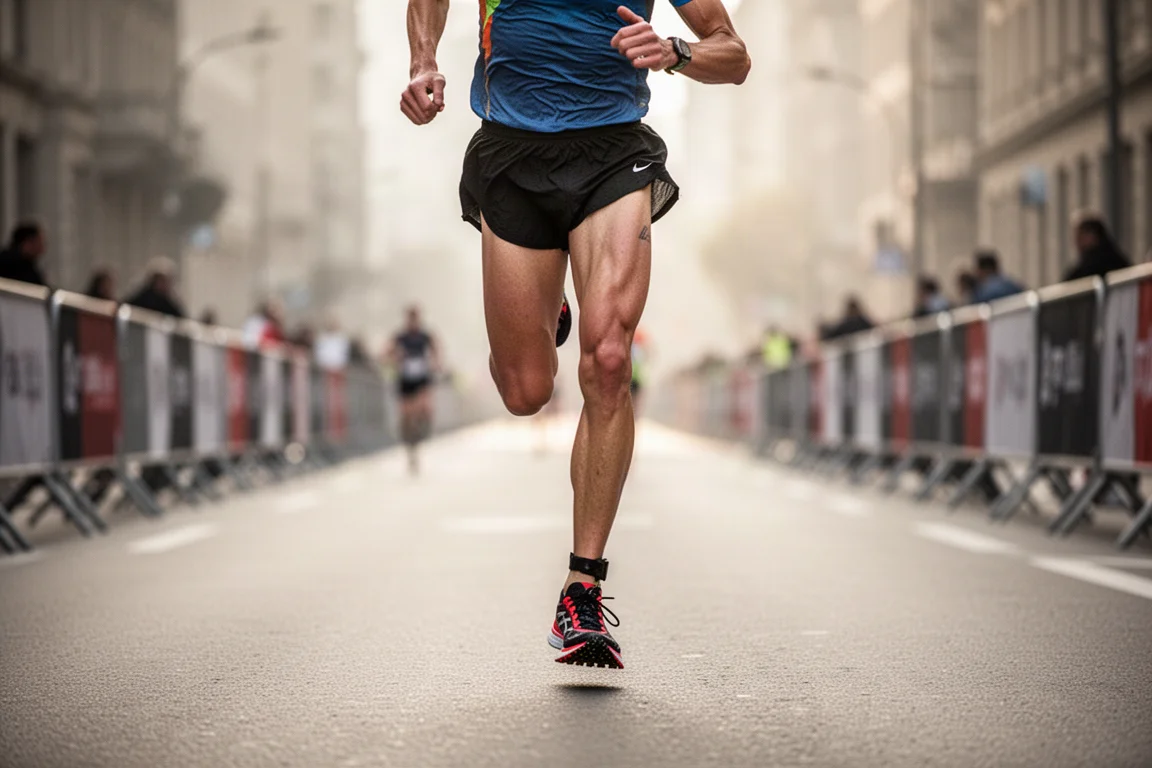
Ultimately, there is nothing wrong with using lightweight trainers for races, workouts, and everything in between. You have to find what works for you, and that often means trying both before deciding which one you trust on the start line.
Conclusion
The Asics Metaspeed Sky and Evo Ride 3 are more alike than their categories suggest, but they serve different purposes. Choose the Sky when you want maximum race-day aggression and are willing to prepare your body for it. Choose the Evo Ride 3 when you want lightweight speed for workouts with less stress on your legs. Many runners will find that the right answer is not one shoe, but knowing which to lace up for which session.
Further reading
Related Reviews

Running Shoes
Best Road-to-Trail Running Shoes: Three Versatile Options for Mixed Terrain
A practical guide to three road-to-trail running shoes that handle both pavement and mild trails, with clear strengths and trade-offs for different runner types.

Running Shoes
Best Running Shoes for Achilles Tendonitis: Three Options Explained
Three running shoes with different heel drops and support features designed to help reduce Achilles tendon pain during walking and running.

Running Shoes
Best Running Shoes for Women: Five Top Choices Ranked
A ranked guide to five women's running shoes, from versatile daily trainers to high-performance racing options, with real strengths and trade-offs for each.