Running Shoes
Four New Super Shoes, Sorted: Which Running Shoes Are Worth Your Money
A practical look at four recently released racing and stability shoes: what has genuinely changed, what the specs say, and who each pair makes sense for.
Introduction
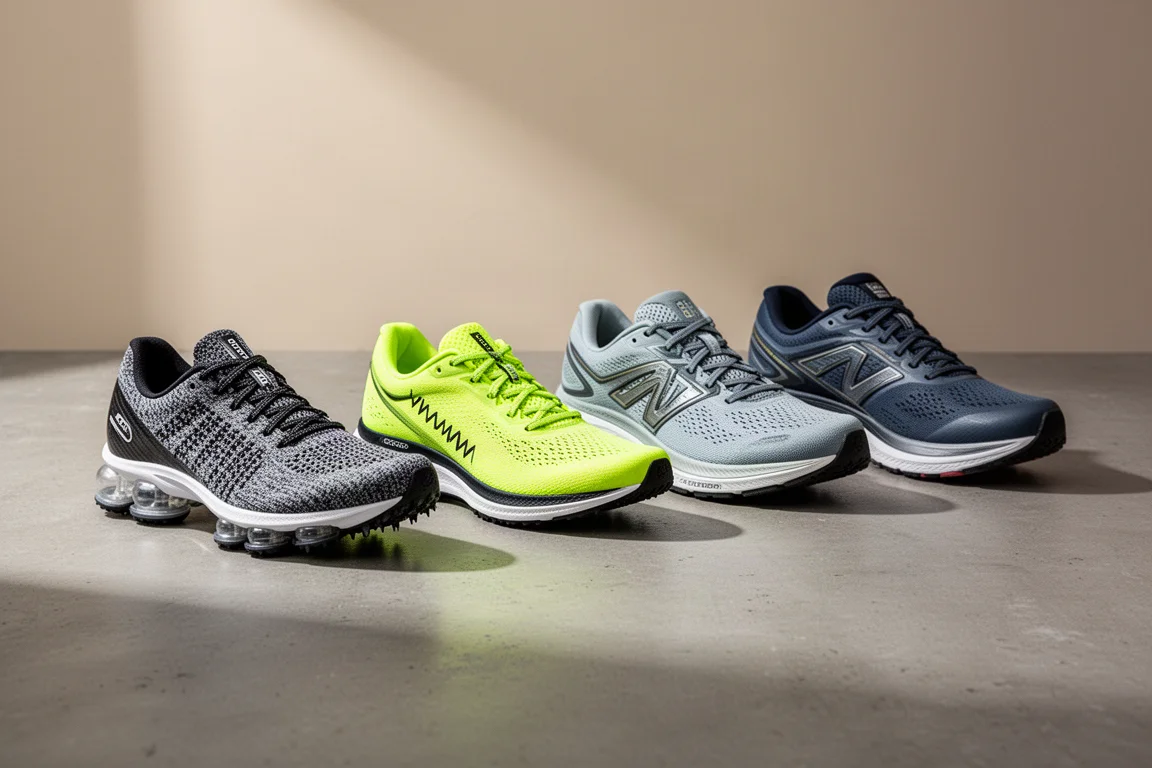
Super shoe releases tend to arrive in clusters: nothing for months, then several in a single week. This roundup covers four of the most talked-about recent drops, including a long-awaited sequel to a race-day favorite, a carbon trainer built for mixed surfaces, a familiar podium staple, and a stability option for overpronators. The goal is simple: separate genuine updates from marketing noise and help you decide which, if any, deserve a place in your rotation.
How We Sorted the Field
Each shoe was judged on what has actually changed from its predecessor, how the claimed specifications stack up against rivals, and whether the design suits a specific type of runner. Weight, midsole stack, outsole coverage, and fit all factored in. A shoe did not need to be perfect to earn a recommendation; it needed to be the right tool for a real running need.
Adidas Adios Pro 5: The Lighter One Finally Lands
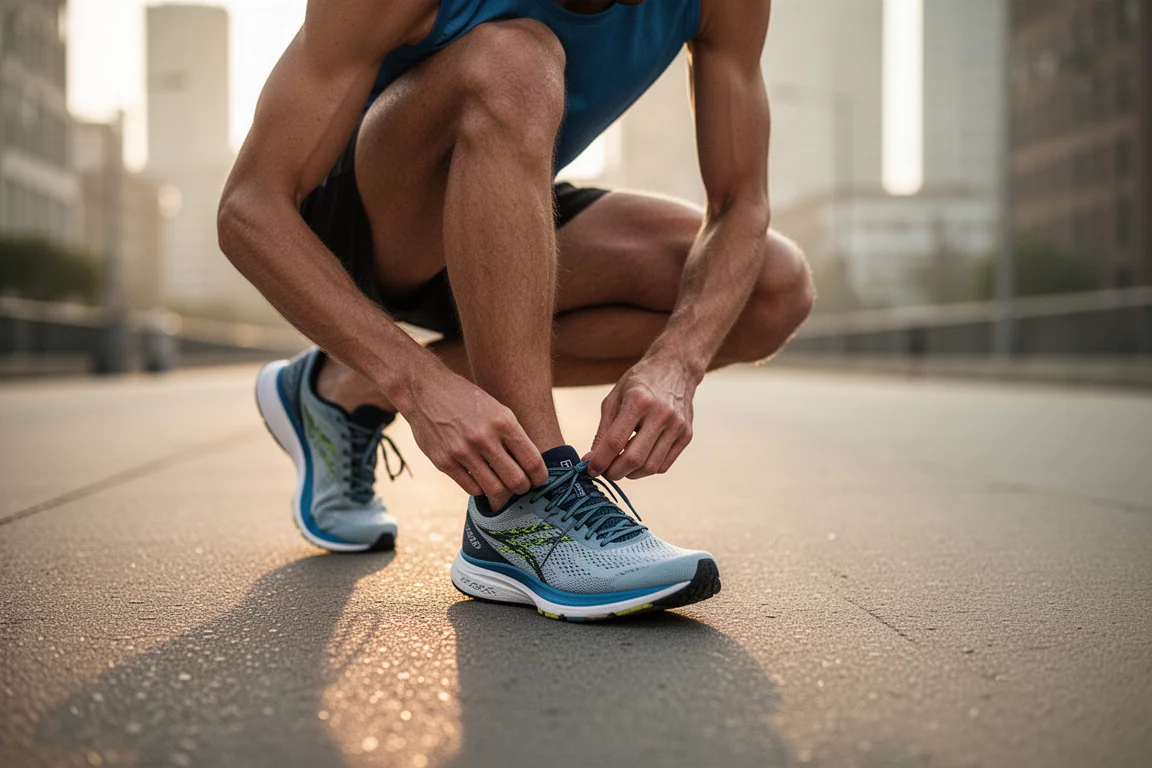
After months of questions about availability, the Adios Pro 5 has finally arrived in shops in a solar turbo, core black and lucid red colorway, priced at 220 pounds at retail. That is a surprisingly competitive figure in a market where plenty of rivals cost far more. The familiar heel stack sits around 40mm, with the same light lock upper feature as before and serrated laces as a welcome bonus.
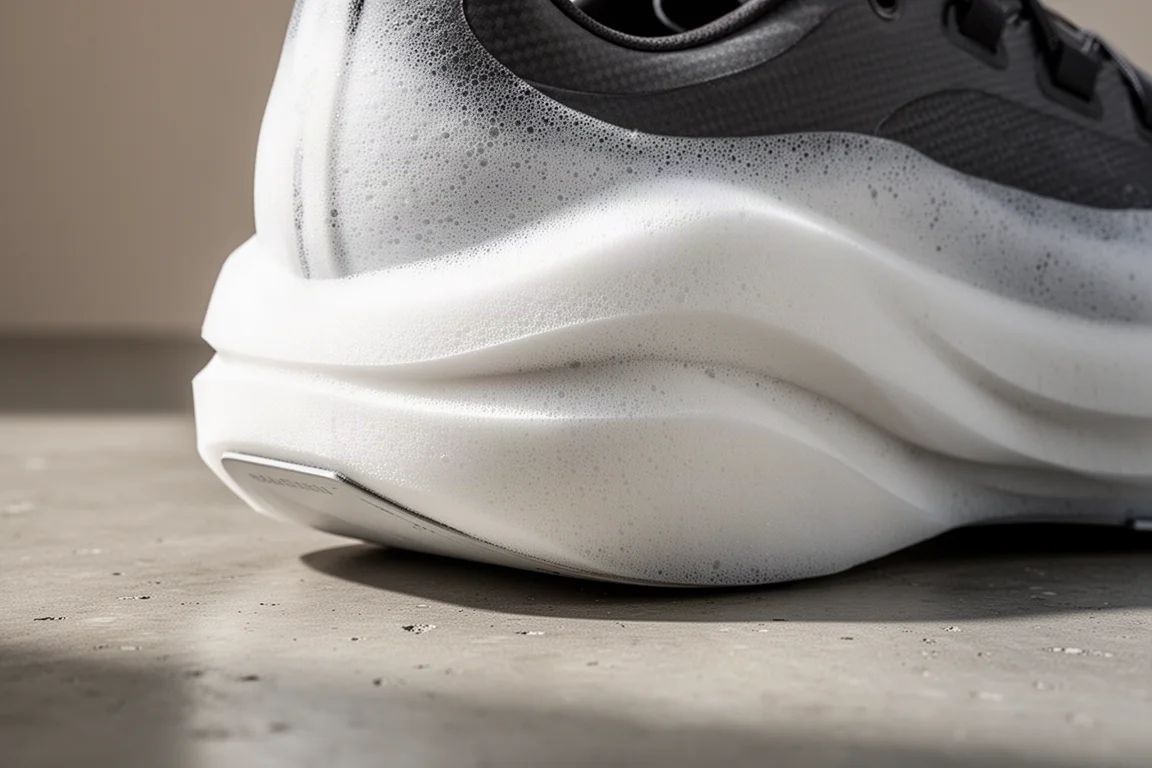
The headline improvement is weight. A sample size comes in at just 150g, roughly an ounce lighter than the Adios Pro 4. Some of that saving likely comes from new upper materials and the switch to an energy rim replacing the previous energy rods, which reduces the amount of carbon or fiberglass in the construction. The midsole is expected to remain a softer Lightstrike Pro-style compound rather than an entirely new formulation, though notes vary between individual pairs.
This is a shoe with a long racing pedigree, and the weight reduction plus competitive pricing make it a strong pick for race days from the half marathon up.
Altra Vanish Carbon 3: Built for Mixed Surfaces
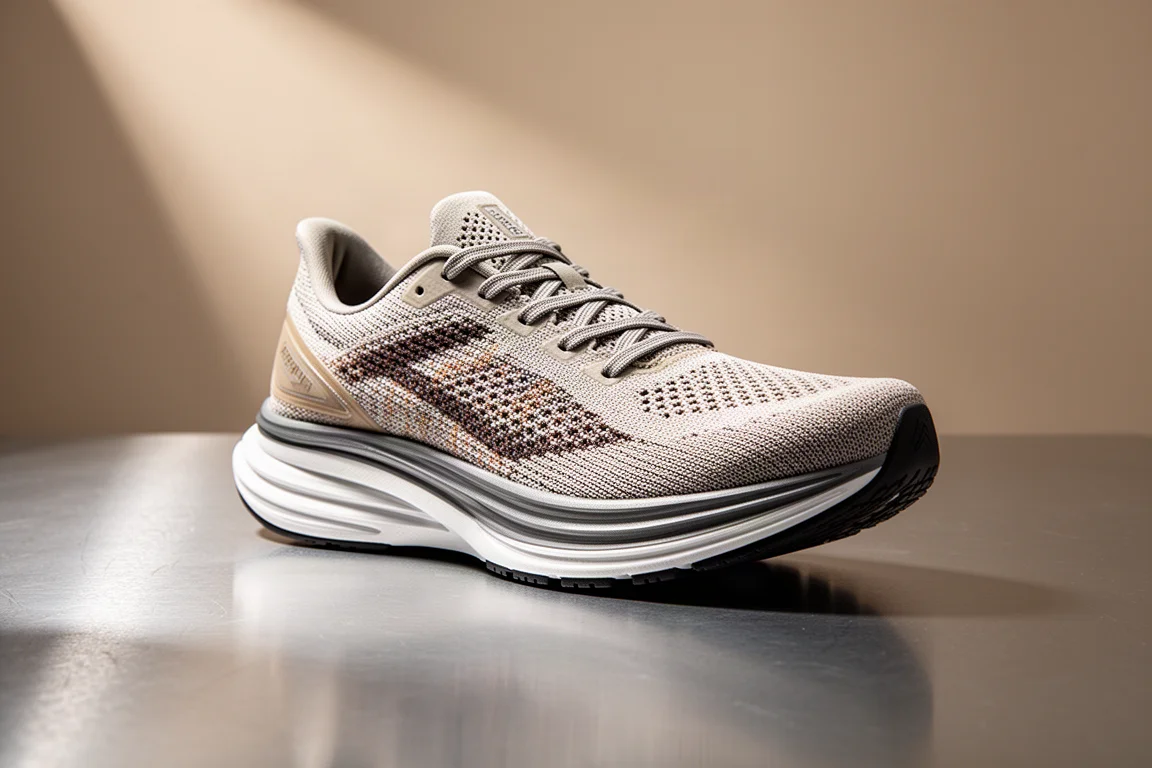
The Altra Vanish Carbon 3 is a bulkier proposition. At 220g for a sample size, roughly 70g heavier than the Adios Pro 5, it leans more toward durability than pure race weight. There is more rubber underfoot and very little exposed midsole on the outsole, which points to long-term traction over minimalism. As expected from Altra, the expanded and extended toe box lets toes splay naturally, and the 4mm drop suits runners who prefer a lower heel-to-toe offset.
The midsole uses a two-piece supercritical PEBA construction, one of Altra’s lighter and more responsive foams. Combined with that durable outsole, this looks like a compelling option for road-to-trail racing, gravel sections, or ultra events where surfaces change constantly. One practical caveat: sizing runs only from UK 7 to UK 11, and the roomy fit may feel too loose for narrower feet.

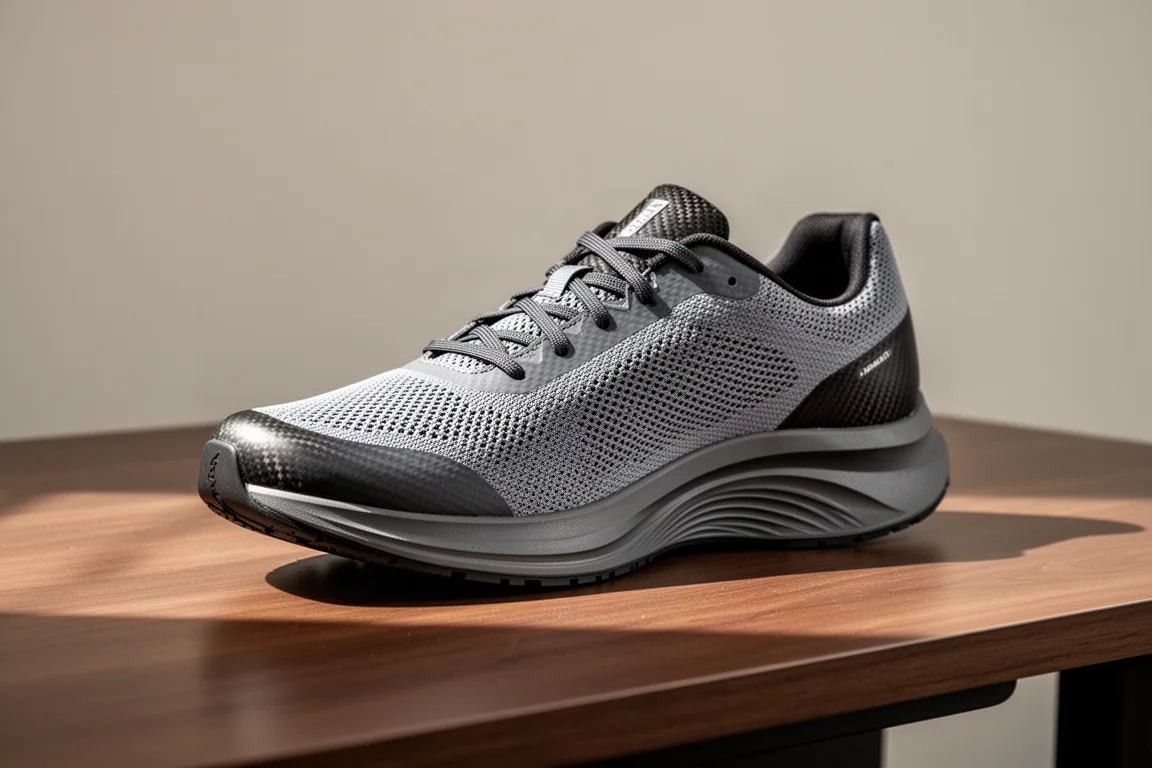
Nike Alphafly 4: An Evolution, Not a Revolution
The Alphafly 4 has reached a small number of early reviewers, and early impressions suggest it is less of a dramatic departure than the marketing might imply. That is partly by design. The Alphafly’s identity rests on elements you cannot simply strip away: the wider base, the ZoomX foam, the forefoot air pods, the plastic pod surfaces, and the knit-like upper. Remove those and it stops being an Alphafly.
One familiar quirk remains: the shoe is still loud and still squeaks, a long-running Alphafly trait that a quick spray of lubricant at the pod joints tends to fix. Whether the update from the third version justifies a purchase is a fair question, especially with excellent deals still available on the previous model. However, the new version is cheaper than its predecessor at launch, and given how many runners have raced in all three generations, trying the fourth is an easy decision for anyone invested in the line. Resellers asking inflated prices well above retail for early pairs are not worth entertaining. If you can secure a pair at retail, it is worth a look, just without expecting it to change everything.
Puma ForeverRun Nitro 3: Stability for Overpronators
The Puma ForeverRun Nitro 3 is the most niche of the four. It carries a hint of stability, but the extra structure comes at a cost: a sample size weighs around 290g, which puts larger sizes well into the 330 to 340g range. That is a chunky shoe by any standard.
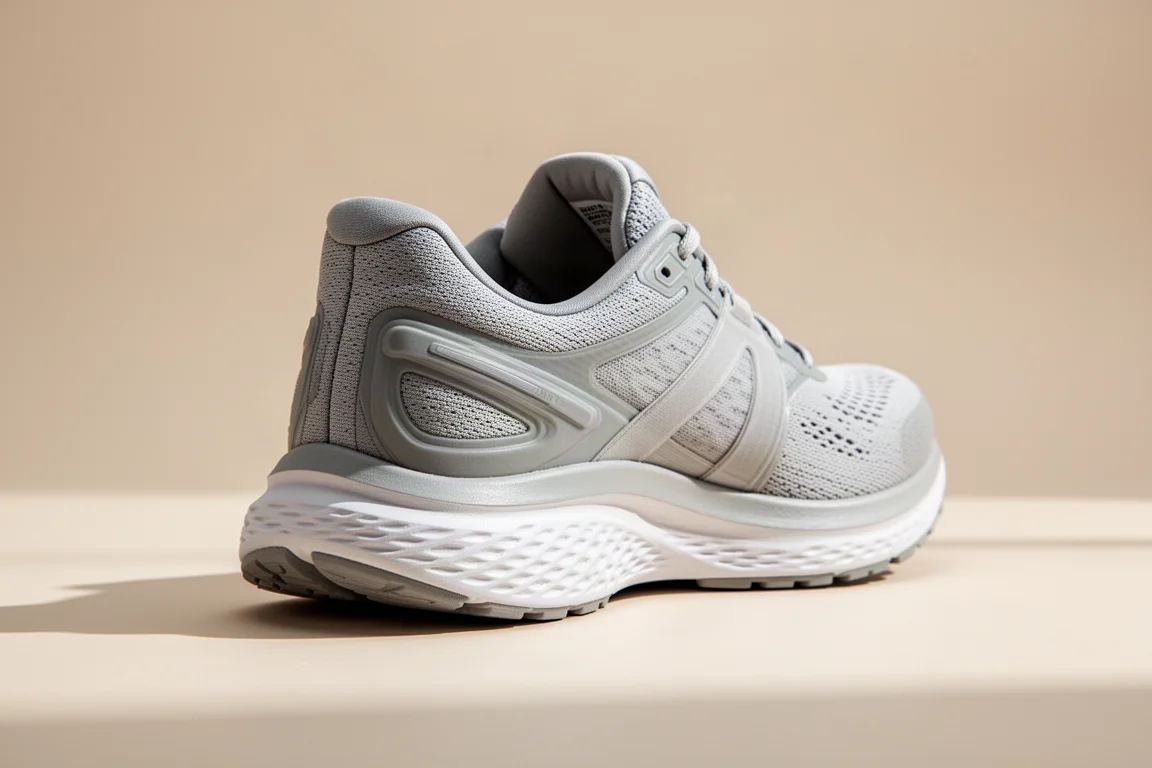
Changes from the previous versions are modest. The outsole design is similar to the V1 and V2, and the power tape across the upper remains to add structure. The foam appears to use a firmer Nitro compound in certain areas to enhance support, and the construction is dual density, typically meaning a firmer outer layer with a softer inner layer. The midsole stack is generous: 38mm in the heel and 30mm up front for an 8mm drop. At around 140 pounds in the UK, the price is reasonable, and for runners who genuinely overpronate and want that support, it could be a very good fit. Runners who already feel stable in a Velocity Nitro or Deviate Nitro may prefer the lighter alternative.
Buying Advice: Which One Is for You
If you want a race-day weapon with a proven lineage and a competitive price, the Adios Pro 5 is the standout of this group, thanks to its weight savings and familiar racing feel. If your events wander off-road or between surfaces, the Vanish Carbon 3’s durable outsole and low drop make a strong case, provided the roomy fit suits your foot shape and the size range includes you. If you already love the Alphafly formula and can buy at retail, the fourth version is a sensible incremental upgrade rather than a must-have. And if you overpronate and want structured cushioning, the ForeverRun Nitro 3 delivers that support at a fair price, as long as you can live with the weight.
Conclusion
Four very different shoes, four very different verdicts. The Adios Pro 5 earns clear enthusiasm for its weight and pricing. The Vanish Carbon 3 is a capable mixed-surface option with a fit that will not suit everyone. The Alphafly 4 is an evolution of a proven design rather than a leap forward. The ForeverRun Nitro 3 remains a niche stability pick best reserved for runners who actually need the support. Match the shoe to your foot, your race, and your budget, and each of these has a place.
Further reading
Related Reviews

Running Shoes
Best Road-to-Trail Running Shoes: Three Versatile Options for Mixed Terrain
A practical guide to three road-to-trail running shoes that handle both pavement and mild trails, with clear strengths and trade-offs for different runner types.

Running Shoes
Best Running Shoes for Achilles Tendonitis: Three Options Explained
Three running shoes with different heel drops and support features designed to help reduce Achilles tendon pain during walking and running.

Running Shoes
Best Running Shoes for Women: Five Top Choices Ranked
A ranked guide to five women's running shoes, from versatile daily trainers to high-performance racing options, with real strengths and trade-offs for each.