Running Shoes
Super Shoe Tier List: The Best Race Shoes on the Market Right Now
A subjective ranking of today's carbon-plated racers, from transcendent picks to shoes that fall flat.
Introduction
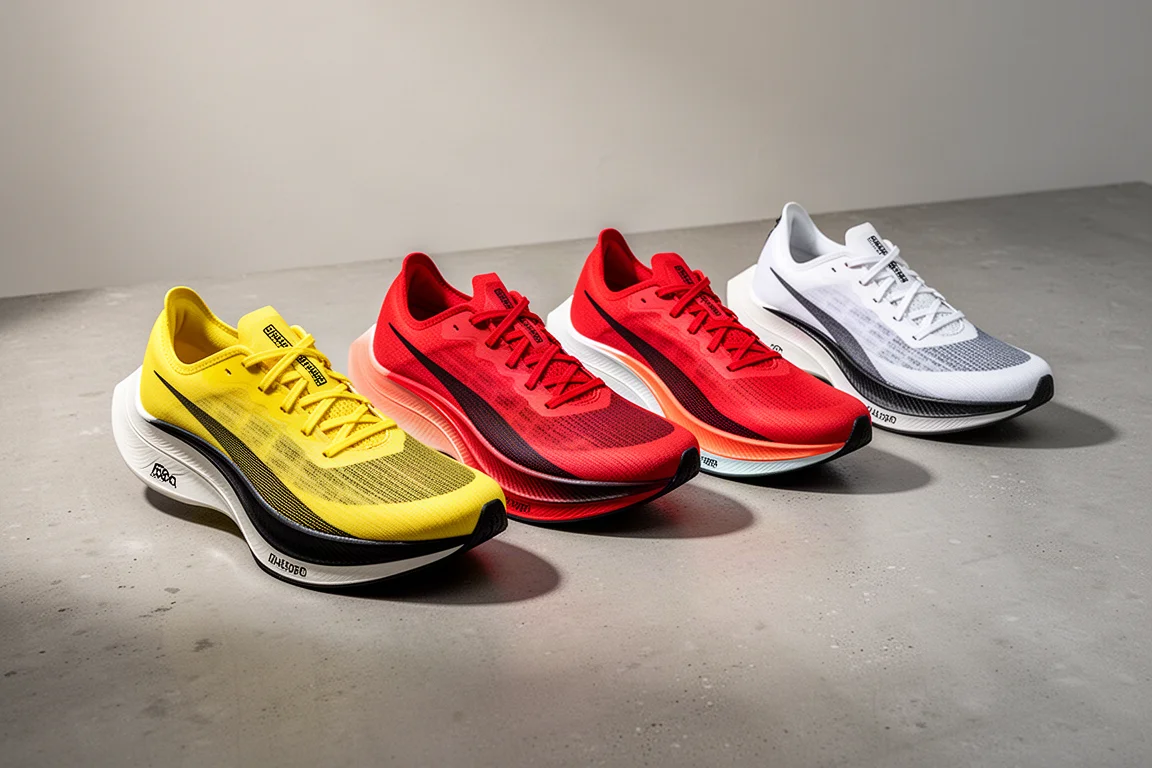
Race shoes have multiplied fast. Mizuno alone has rolled out several racers in the past year and a half, and nearly every major brand now has at least one super shoe on shelves. With so many options, a straight spec sheet does not tell you much. What matters is how each shoe actually rides at race pace.
This tier list is deliberately subjective. It ranks today’s carbon-plated racers from transcendent to terrible based on ride feel, speed, protection, and how the shoe treats your legs over a long effort. Here are the standouts and the falls at each end of the list.
How We Ranked the Shoes
The tiers ran from S+ (transcendent) down to F (brick). A shoe earns the top tier only when it offers something no other racer does: either extreme lightness with a protective ride, or huge cushion that still turns over fast. Anything that needs a specific foot strike or pace window to work gets docked accordingly, because a race shoe that only helps you at one tempo is a compromised race shoe.
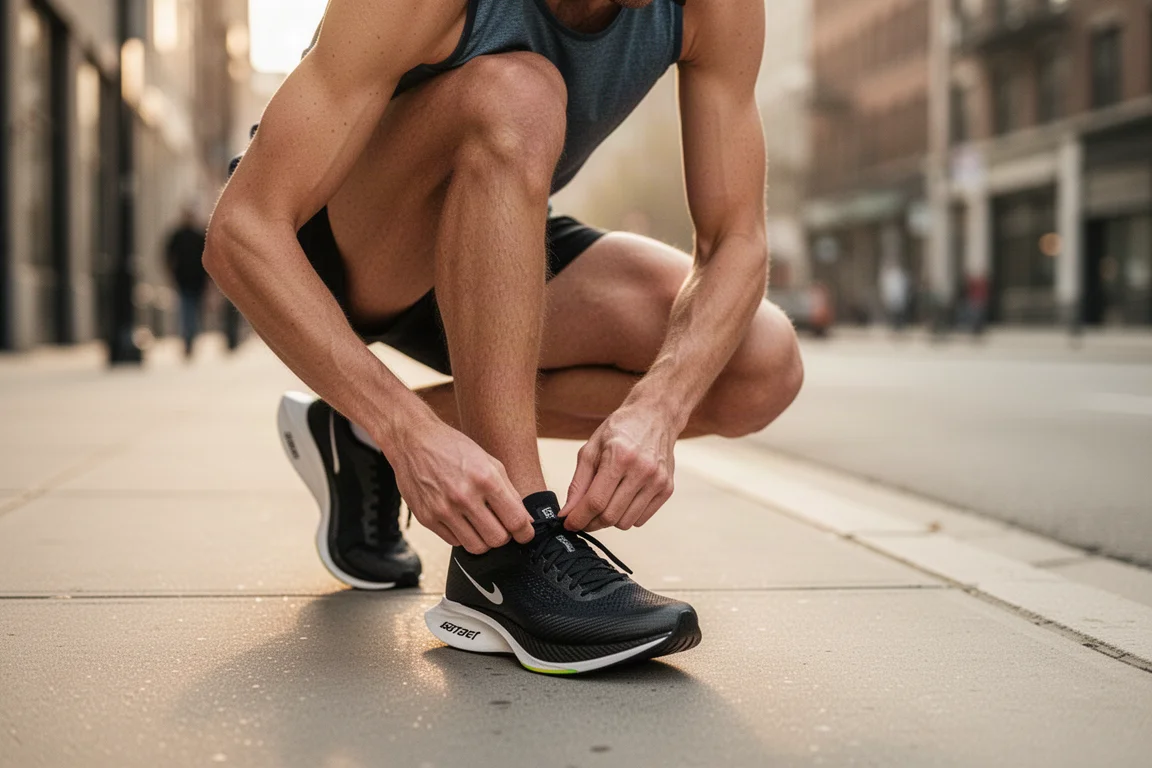
One pattern held across the whole list: bad trainers are forgivable, but bad racers are not. A trainer being a little heavy is fine. A racer being a little heavy and firm is awful. A trainer being thin in the forefoot is manageable. A racer you cannot push off from is a failure.
The Transcendent Picks
The Hoka Cielo X1 3.0 takes S+ for a simple reason: it pairs close to 50mm of stack with the ability to zip down to mile race pace without leaving you wrecked. The firmness sits on the softer side of Goldilocks without sinking underfoot, and the geometry makes turnover feel effortless. It is the best marathon shoe out there for most runners right now.
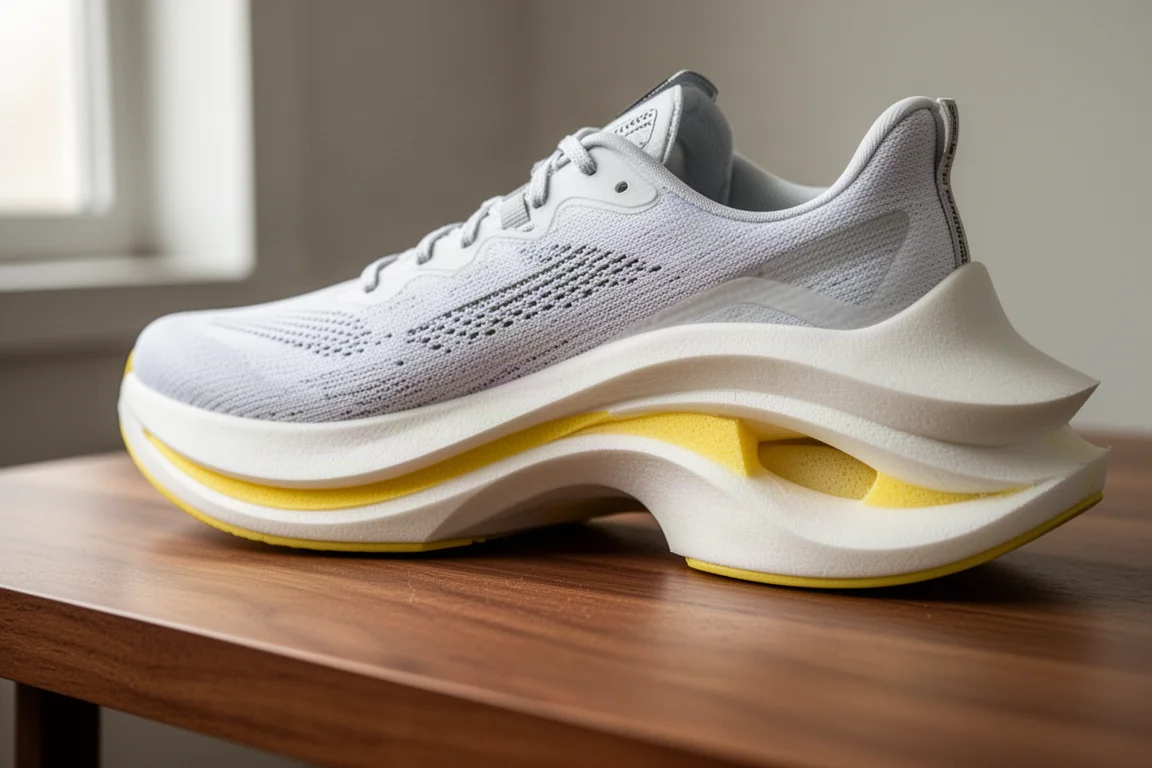
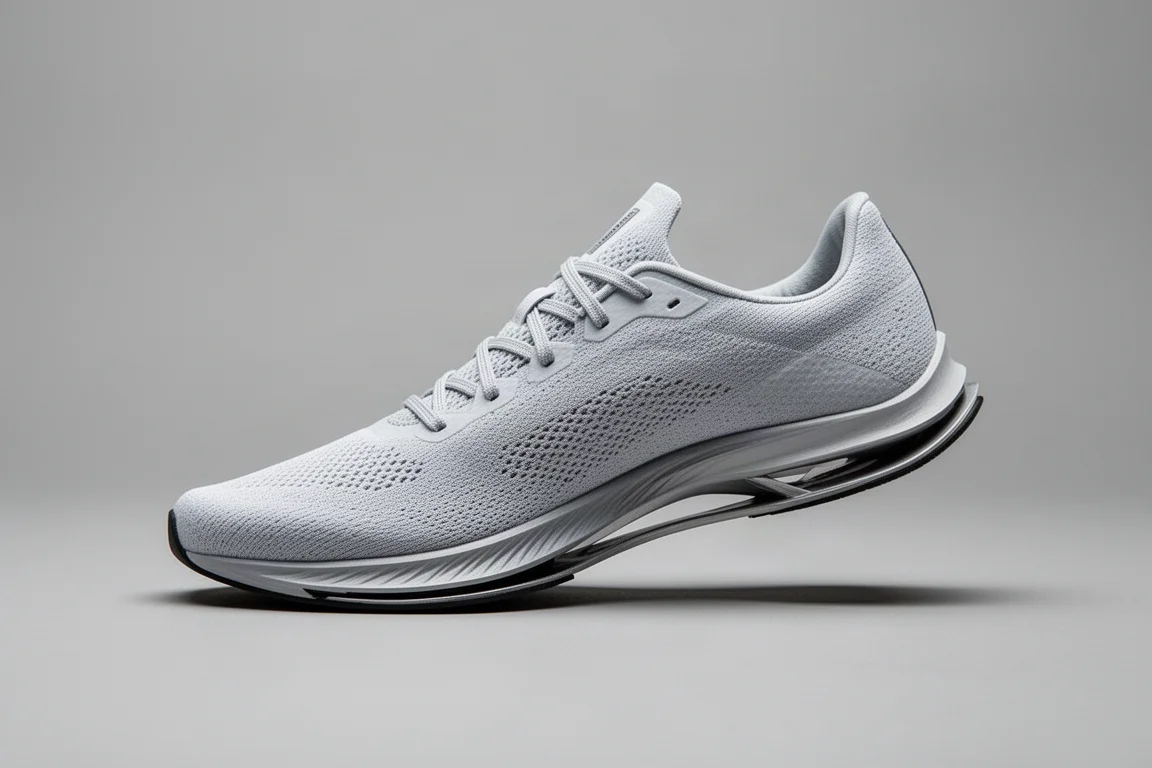
At the other weight extreme, the Nike Streakfly 2 also earns S+. It is the lightest racer on the list, turnover is immediate, and it is still the pick for a 5K PR. The trade-off is real: it hammers your legs, so it belongs at short distances where the damage does not compound.
Certified Bangers
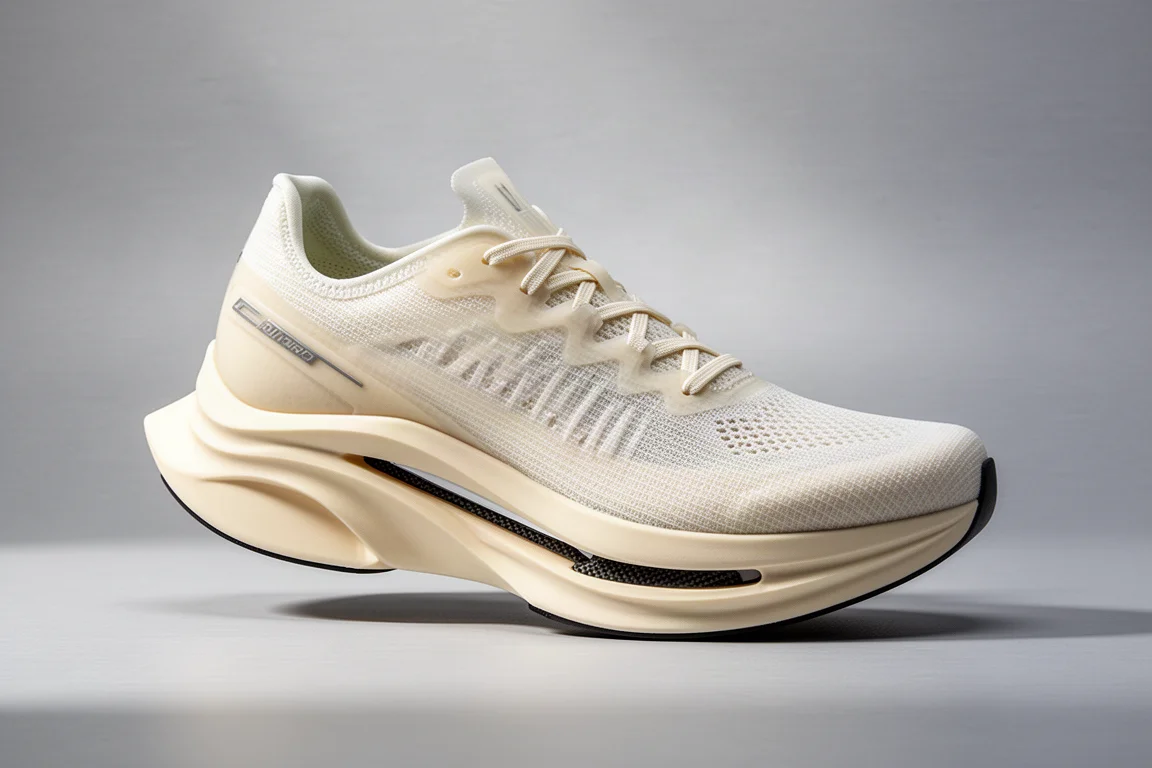
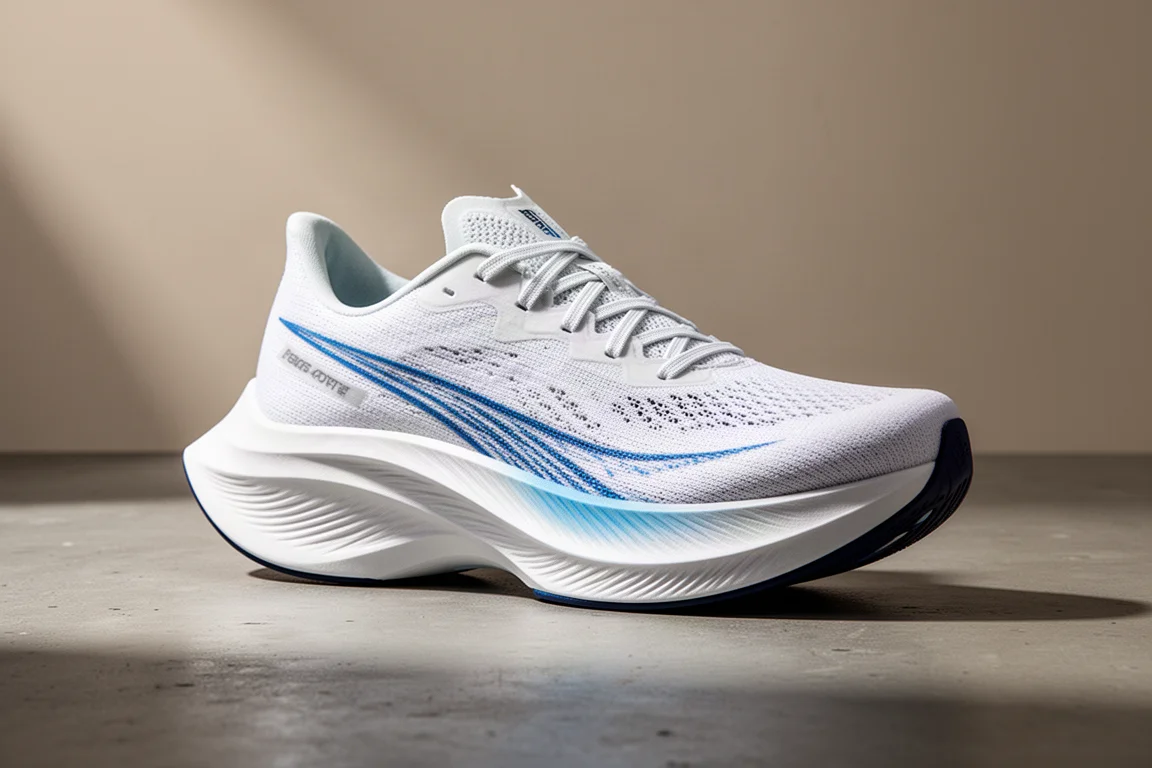
The Puma Fast-R 3 is the most dominant race shoe on the market. The aliphatic TPU foam, aggressive geometry, and plate extension combine into a ride that is genuinely fast, and it is the default answer for everything from a 10K to a marathon. Runners did note a heel blister risk on one race-day debut, so make sure it is broken in before race day.
The Asics Metaspeed Sky Tokyo is another certified banger with a loyal following. The FF Leap foam is exceptionally bouncy, and the shoe rewards finding the right rhythm: you sink into the soft lower layer and bounce back up. It ends up being faster than it feels, and it holds up over long builds with pace work.
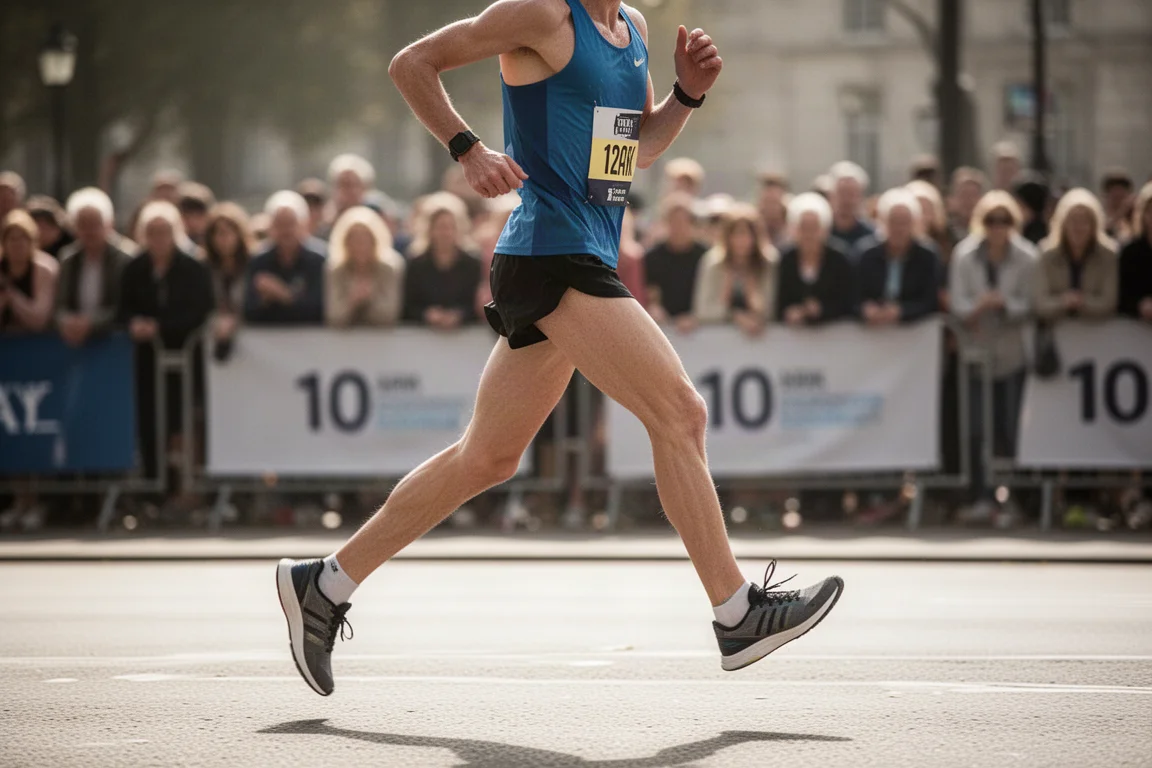
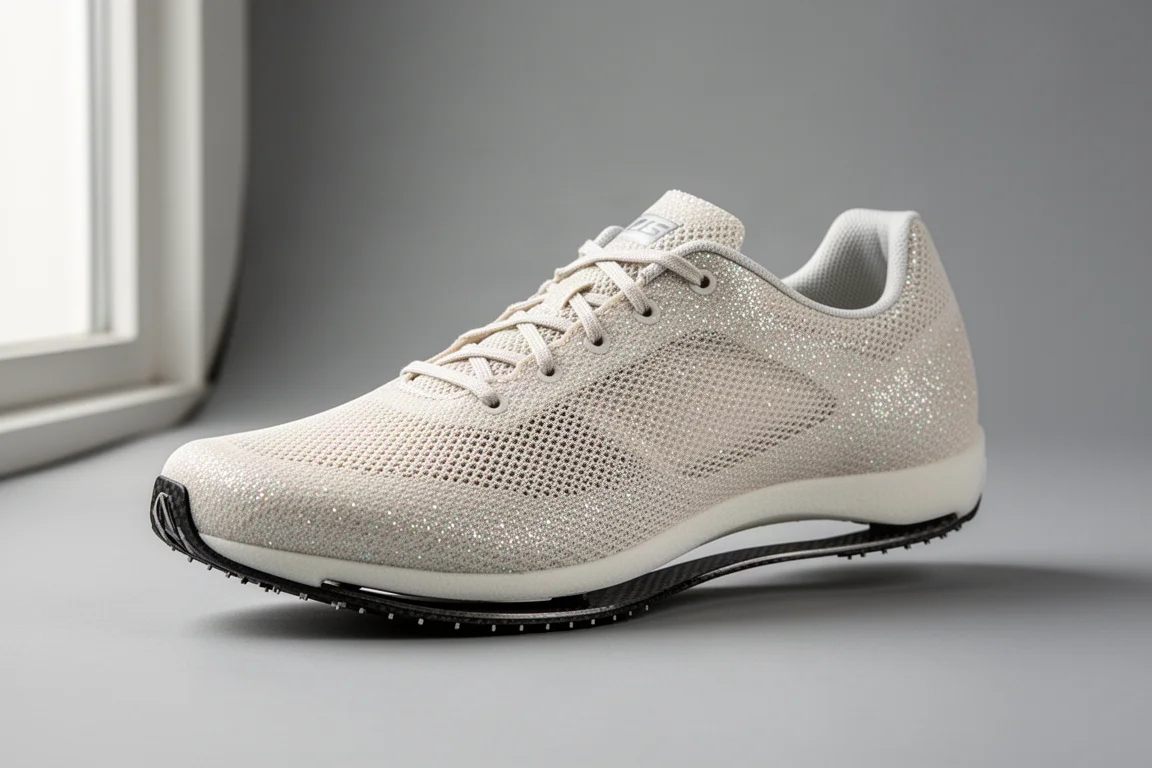
The Mizuno Hyperwarp Pure is close to the purest expression of the original super-shoe template: a lightweight PEBA midsole, a carbon plate, and aggressive geometry that makes it a 5K to 10K weapon for most people, with the ride character to handle a marathon if you can handle the calf load. It just comes from a brand people overlook.
What We Would Skip
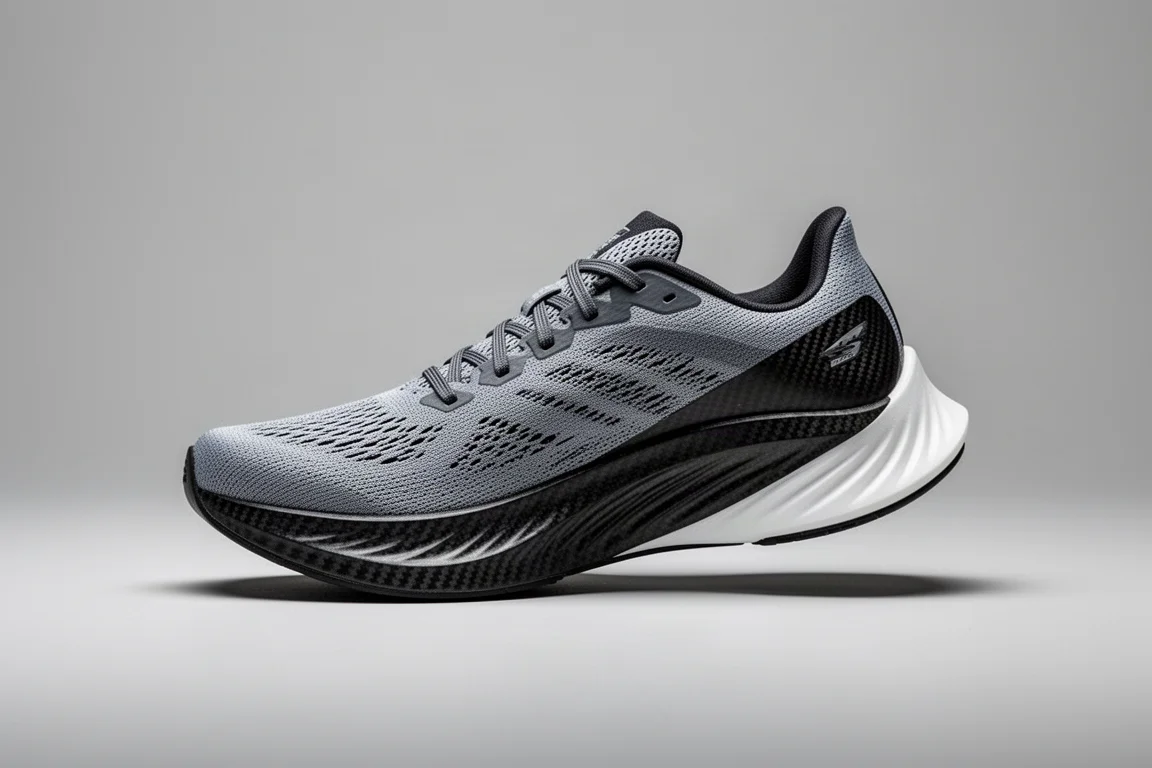
The Salomon S/Lab Phantasm 3 is the lone F. The foam is mushy at relaxed paces, the shoe flexes in half despite carrying a plate, and it costs $280, which is more than the Fast-R 3. The aggressive look invites expectations the ride never delivers.
Other disappointments worth flagging: the Nike Vaporfly 4 has earned a reputation as the definition of mid, with little support in the forefoot unless you are a light midfoot runner. The Puma Deviate Nitro Elite 4 lands in the really good tier rather than the top because it reads more as a super trainer than a race-day weapon, though its upper is outstanding for high-volume feet. The Adidas Adizero Adios Pro 4 splits opinion: some pairs feel hot, others feel flat, so treat it as a shoe you may need to buy twice.
The takeaway for shoppers is straightforward. If you want maximum cushion and speed together, start with the Cielo X1 3.0. If you want outright pace at a reasonable level of protection, the Fast-R 3 is the safest bet. And for short-distance PRs where your legs can absorb the cost, the Streakfly 2 remains special.
Conclusion
The super shoe market has genuinely matured: most shoes on this list are at least competent, and the gap between good and great comes down to geometry, foam tuning, and how each shoe treats your legs. Match the racer to your race distance and foot strike, buy within your budget, and you have more excellent options now than at any point since the super shoe era began.
Further reading
Related Reviews

Running Shoes
Best Road-to-Trail Running Shoes: Three Versatile Options for Mixed Terrain
A practical guide to three road-to-trail running shoes that handle both pavement and mild trails, with clear strengths and trade-offs for different runner types.

Running Shoes
Best Running Shoes for Achilles Tendonitis: Three Options Explained
Three running shoes with different heel drops and support features designed to help reduce Achilles tendon pain during walking and running.

Running Shoes
Best Running Shoes for Women: Five Top Choices Ranked
A ranked guide to five women's running shoes, from versatile daily trainers to high-performance racing options, with real strengths and trade-offs for each.