Running Shoes
Super Shoe Longevity: How Long Do Race Shoes Really Last?
We break down how the most popular super shoes hold up over real miles, what wears out first, and how to get better value from your race day pair.
Introduction
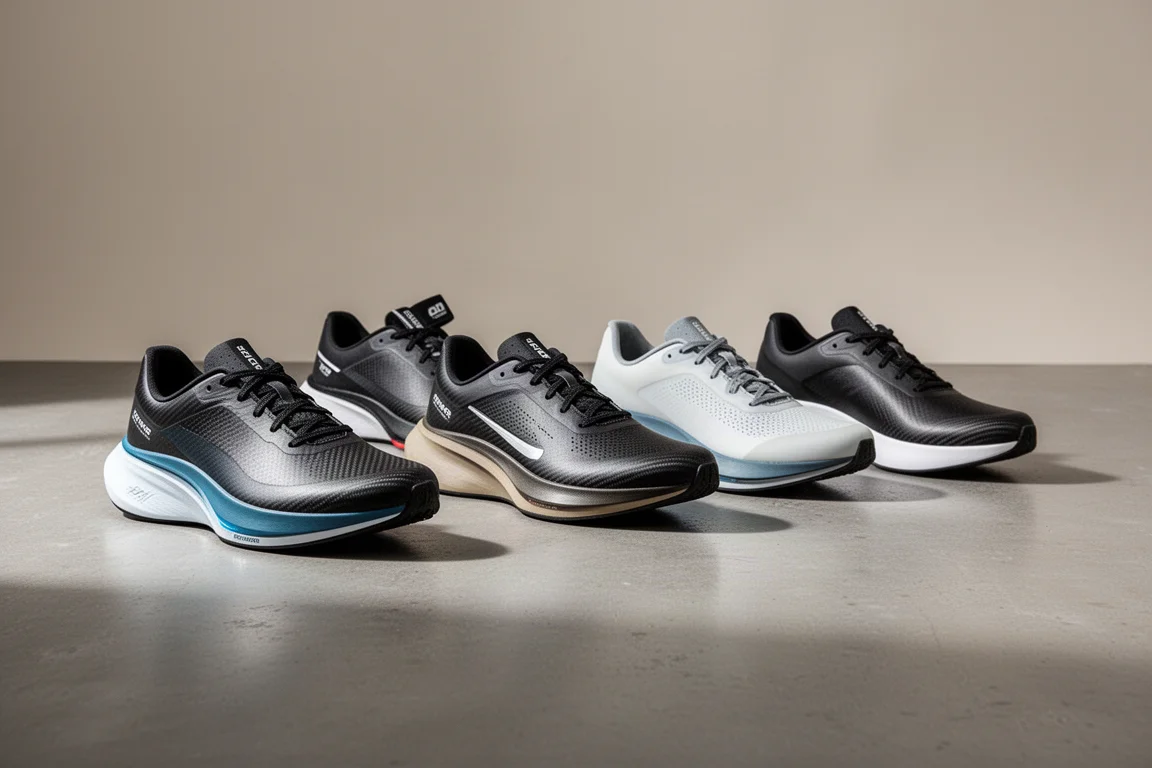
Super shoes have become the default choice on race start lines, but one question comes up more than almost any other: if you can only buy one pair, which should it be, and will it actually last? The concern is understandable. These are expensive shoes built around soft, lightweight foam, and plenty of runners worry the magic fades before they get their money’s worth.
The Myth of Super Shoe Longevity
When super shoes first appeared, the common claim was that they were only for fast elite runners. That clearly did not hold up. Today you cannot arrive at a local race without seeing a full spread of super shoes on feet, from Saucony and Adidas to Nike, Puma, and ASICS. Brands now want runners of every pace buying them, which makes sense commercially.
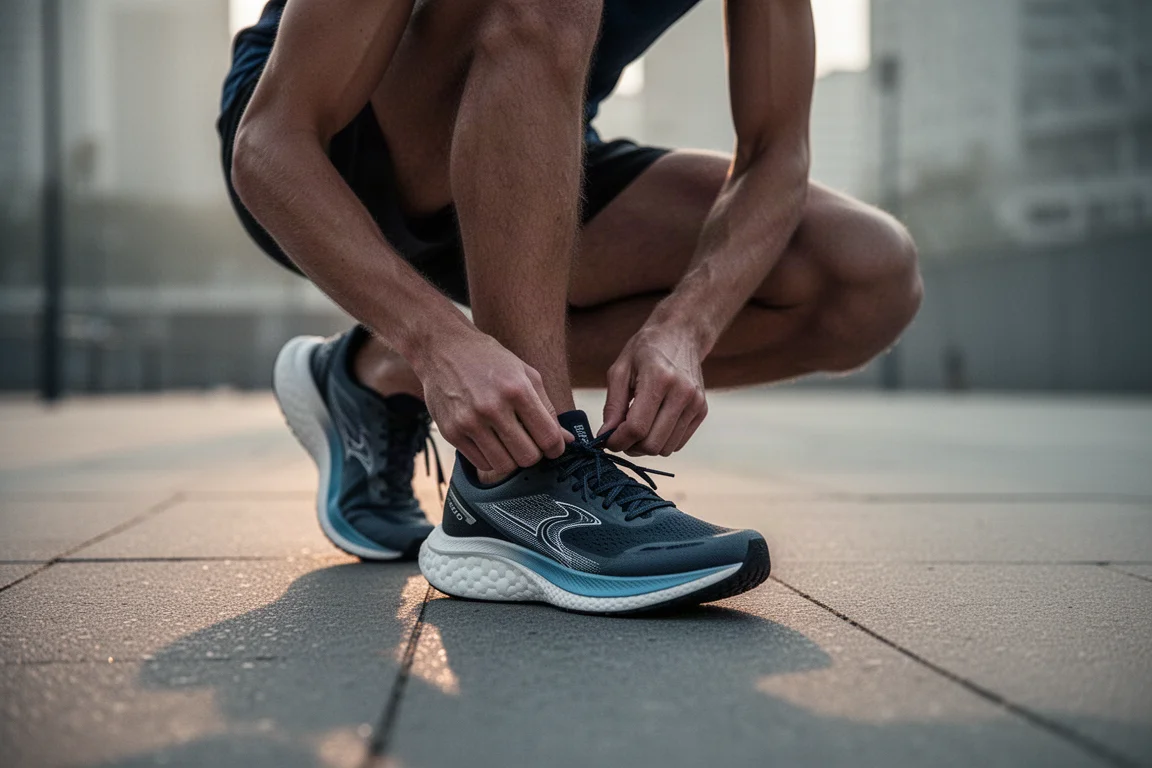
Longevity, however, is not the same across the range, and it depends on several factors: your running form, your foot strike, where you run, and the weather. Foot strike in particular may be one of the most important things to consider before choosing a model. The other key rule: get to know the shoe before race day. Running a marathon in a pair you have barely worn is a gamble, and a few easy runs beforehand make for a far better experience.
What Wears Out First: Foam Beats the Outsole
Do not judge a super shoe by its outsole. Seeing plenty of rubber left does not mean the shoe is fine, because these shoes live and die by their foam. Many runners report losing the magic somewhere around 100 to 200 miles, and the experience varies a lot by model.
The Adidas Adizero Adios Pro 4 felt great at around 100 miles, but while it kept its super soft ride, it lost some of its apparent spring and returned toward its natural form. The foam wore long before the outsole showed any signs of wear. The Saucony Endorphin Elite 2 bucked that trend: soft out of the box, a little initial wear after the first couple of runs, then essentially no more apparent wear and the same feel at 100 miles as on day one.
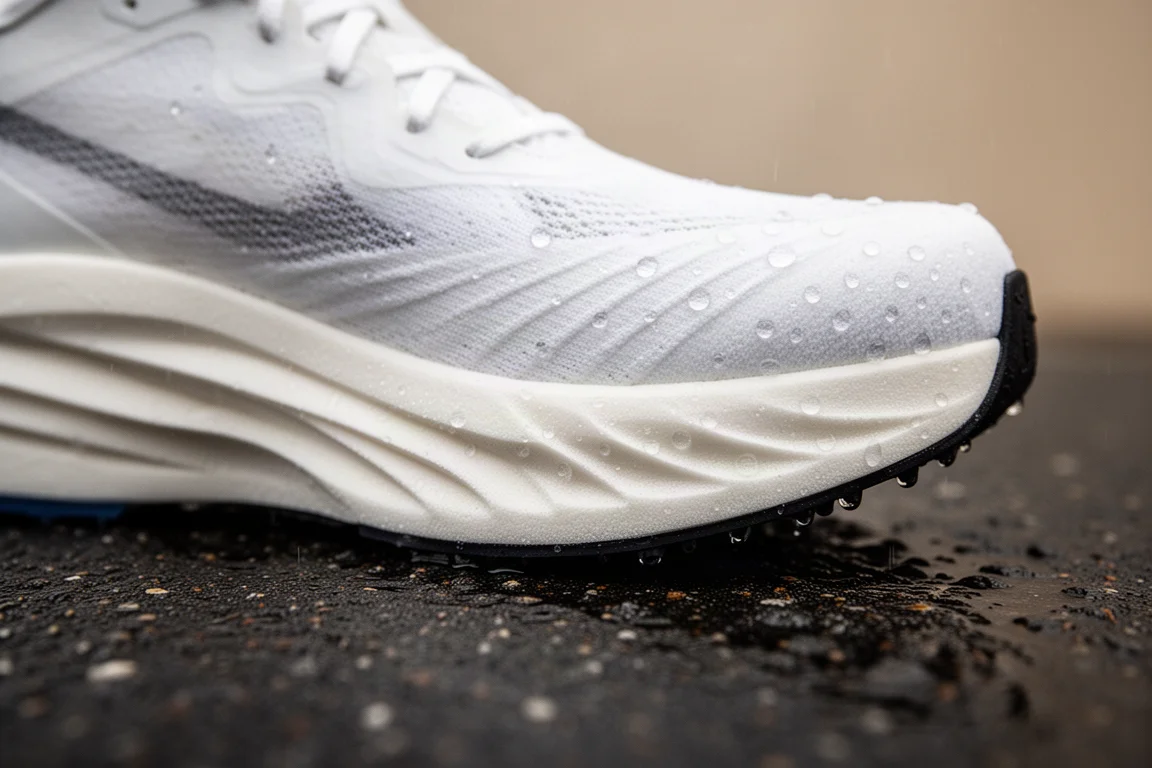
Foot strike matters here too. Some runners have carved through the rear lateral section of brand new Alphafly 3 heels during a single half marathon, with big chunks of foam gone. Newer PEBA and PEBA-like midsoles seem somewhat more resilient overall, and that is worth factoring into your choice.
How to Maintain a Super Shoe
You can maintain these shoes, but weather and conditions play a huge role. Standing water and heavy rain are major contributors to wear. Rain does not play well with ZoomX foam: the outer layers of Nike’s race shoes crease up badly in wet weather, shrivelling like a prune. PEBA-based midsoles show plenty of creasing too, though that is really just the foam compressing. PEBA-like foam is more resistant overall, which might swing your decision.
Avoid harsh surfaces such as gravel and stone. These shoes will not survive that kind of terrain. For repairs, a shoe goo-style adhesive works well on torn foam: it takes about two days to fully dry, leaves a protective layer, and helps against water, though it wears off after a few runs and needs redoing.
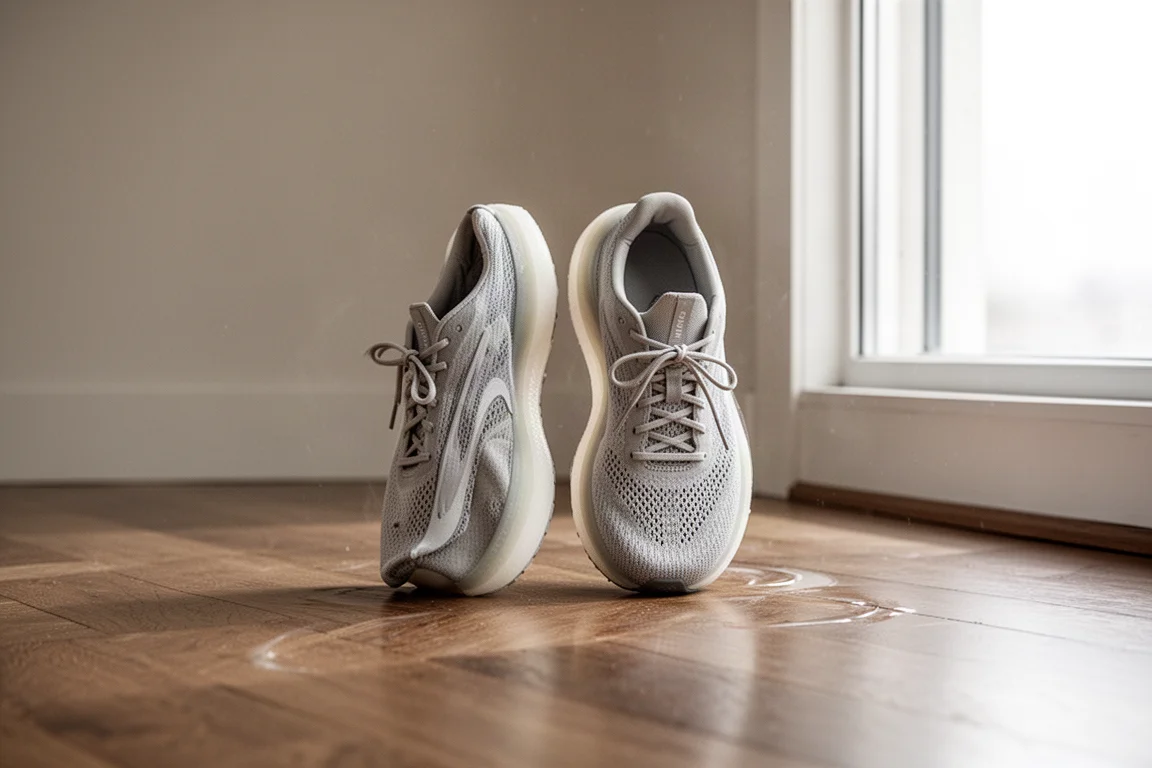
For general care: keep shoes at a consistent room temperature, away from heat sources, and never leave them in a car. Clean them with a damp cloth and let them dry naturally. Avoid the washing machine except as an absolute last resort; the foam is light and brittle and can tear.
Getting Real Miles Out of Your Race Shoes
Use them. Run in a new pair a couple of times before a race, because the glues improve and everything settles once the shoe has been compressed a little. Shoes left in a box for months or years are the ones that tend to fall apart.
As for value, price per mile is very much in the eye of the beholder. In the UK, super shoes typically run around £220 to £260, higher for the Alphafly 3, which works out to roughly a pound a mile if you retire them around 250 miles or 400 kilometres. Frame it another way and the picture improves: four marathons plus some training in one shoe, a few 5k or 10k races, maybe a half marathon, all on top of a 12-week or longer marathon build. After race entries, travel, and hotels, a discounted super shoe starts to look like reasonable insurance for the one piece of kit that actually touches the ground.
With a bit of care, 250 miles from a pair is achievable. Just do not expect daily-trainer durability from these shoes, because that is not what they are built for. And honestly, the idea that super shoes simply fall apart with no longevity is, on the evidence, a bit of a myth.
Conclusion
Super shoes reward runners who buy deliberately, break them in before race day, protect the foam from wet and abrasive conditions, and judge wear by feel rather than by the outsole. Foam is the heart of these shoes, and models with more resilient PEBA-style midsoles tend to hold their ride longer. Treated well, a race-day pair can comfortably cover a full training block and several events, which makes the price far easier to justify.
Product link
View more details for Nike Vaporfly 4
This product is mentioned in the review. Check the specifications, options, and compatibility before buying.
View more details for Nike Vaporfly 4Further reading
Related Reviews

Running Shoes
Best Road-to-Trail Running Shoes: Three Versatile Options for Mixed Terrain
A practical guide to three road-to-trail running shoes that handle both pavement and mild trails, with clear strengths and trade-offs for different runner types.

Running Shoes
Best Running Shoes for Achilles Tendonitis: Three Options Explained
Three running shoes with different heel drops and support features designed to help reduce Achilles tendon pain during walking and running.

Running Shoes
Best Running Shoes for Women: Five Top Choices Ranked
A ranked guide to five women's running shoes, from versatile daily trainers to high-performance racing options, with real strengths and trade-offs for each.