Running Shoes
Super Max Trainers Compared: adidas Prime X, Asics Superblast, and New Balance SC Trainer
Three high-stack super trainers with very different purposes. Here is how each one is meant to be used, and who should think twice before buying.
Introduction
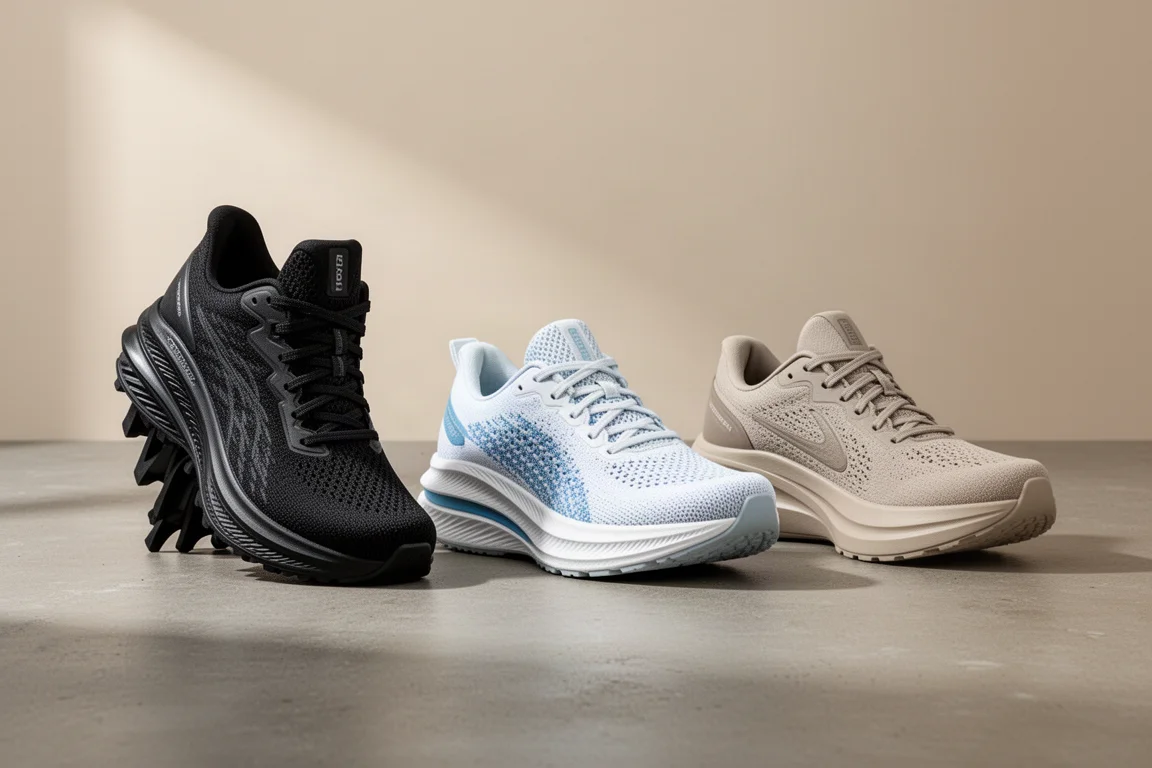
Super max trainers are the tall, heavily cushioned cousins of modern super shoes, and the adidas Prime X, Asics Superblast, and New Balance SC Trainer are three of the most talked-about options in the category. What makes this comparison interesting is that these shoes are not really trying to do the same job. One is built to go fast, one is pitched as a do-everything trainer, and one is aimed squarely at recovery days.
What Super Max Trainers Are Actually For
The common thread between these three shoes is the use of new-generation super foams in very tall stacks. High stack height, rocker geometry, and compliant, resilient midsoles are meant to reduce vibration loading on the joints, make running a bit more economical, and take some of the pressure off the runner so they can come back the next day feeling better.
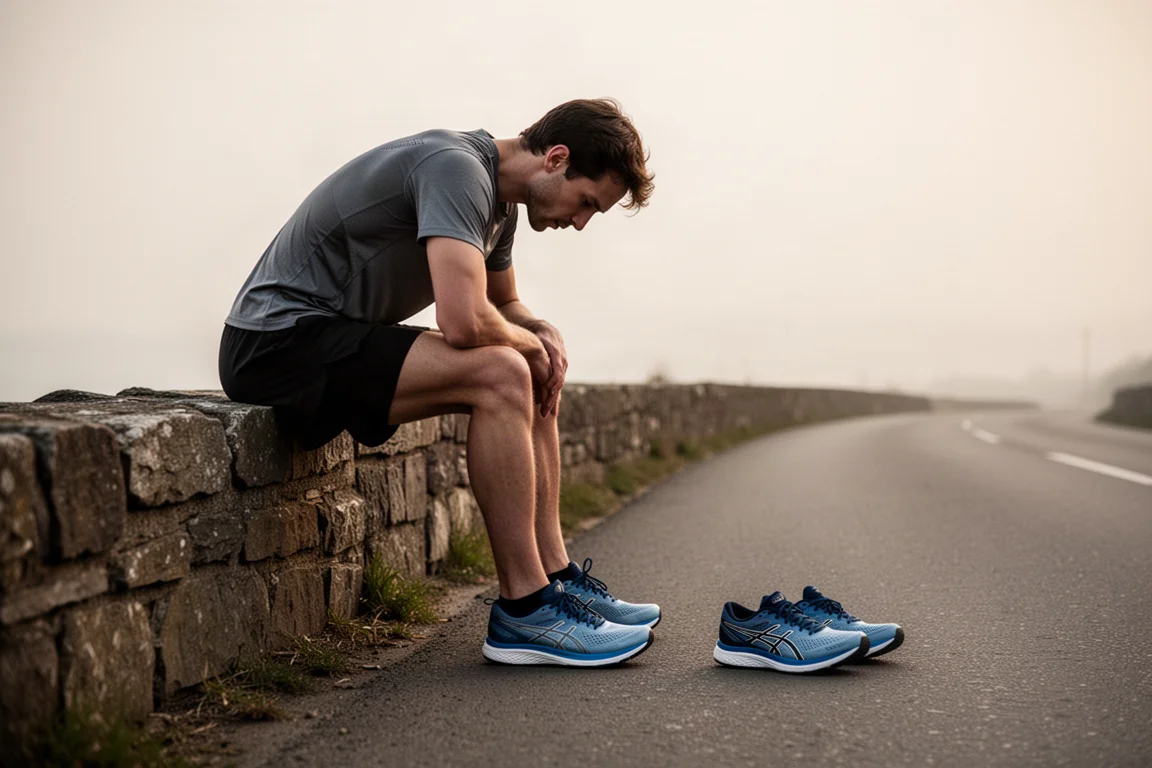
That matters most on hard surfaces. When darkness pushes more runners onto the roads for predictable out-and-back routes, road pounding can beat the legs up, and these shoes are the kind of footwear you reach for when you want a little more cushion underneath you and less accumulated strain. Some can even handle workouts, letting you save your legs during harder sessions.

They are not for everyone, though. Two groups should think carefully. First, runners with proprioception or neuropathy issues: tall, soft, compliant foams put your foot far off the ground, making it harder to sense where your foot is during landing and swing, which can be a genuine tripping hazard. Second, runners who struggle to hold back on easy days: these foams bounce back with strong energy return, and they will not help you keep your pace in check. If anything, they can make pushing the pace easier when you should not be. There is also limited research on how extra stack height changes mechanics, though a taller stack increases the lever arm of the limb and may add load to structures like the hamstrings.
adidas Prime X
The Prime X sits in the Adizero line, and that placement tells you its purpose. Adidas did not market this as a trainer; it is positioned as a racing shoe, or a faster option for workouts where you want more protection. It uses a very compliant and resilient super foam on a narrow platform with aggressive rocker geometry and a stiffened build, which is exactly why it will not work for everyone.
This is a niche shoe for a specific population that can handle the geometry. If you are not ready for true super shoes like the Metaspeed Sky or Edge but want to spend time in that kind of platform, this is one way to test the waters, at a lower price point than a full-priced racer.
Asics Superblast
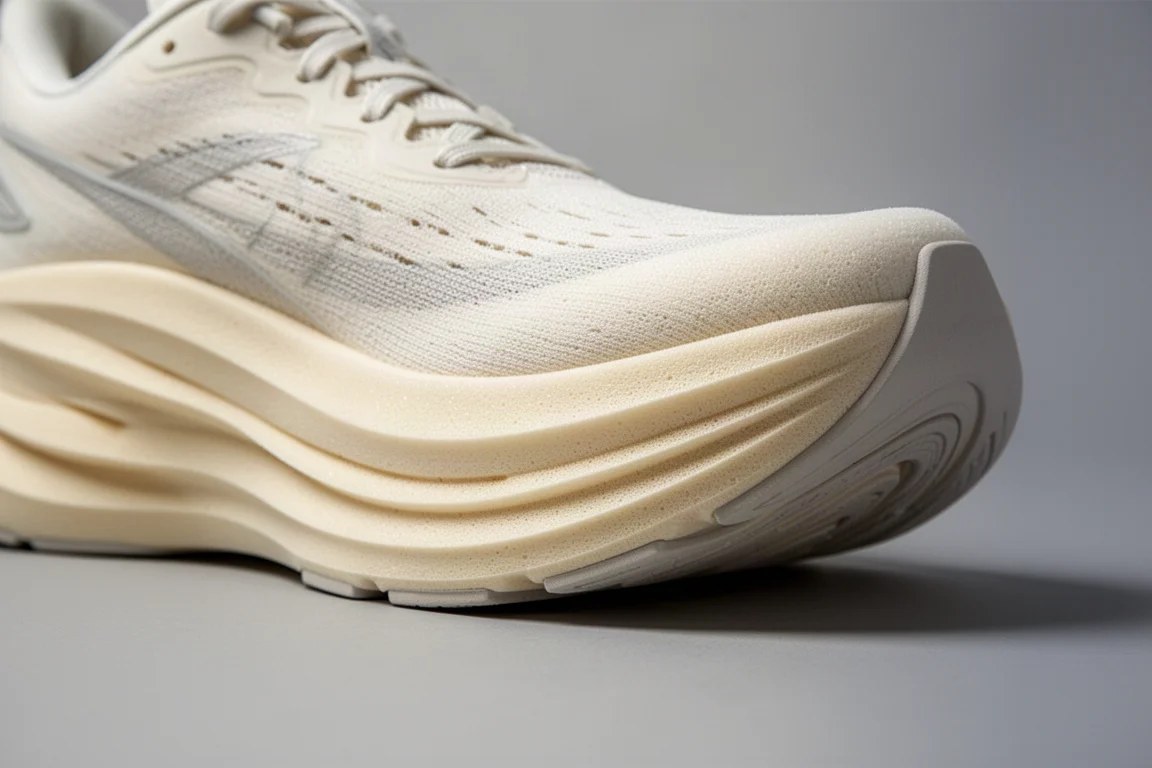
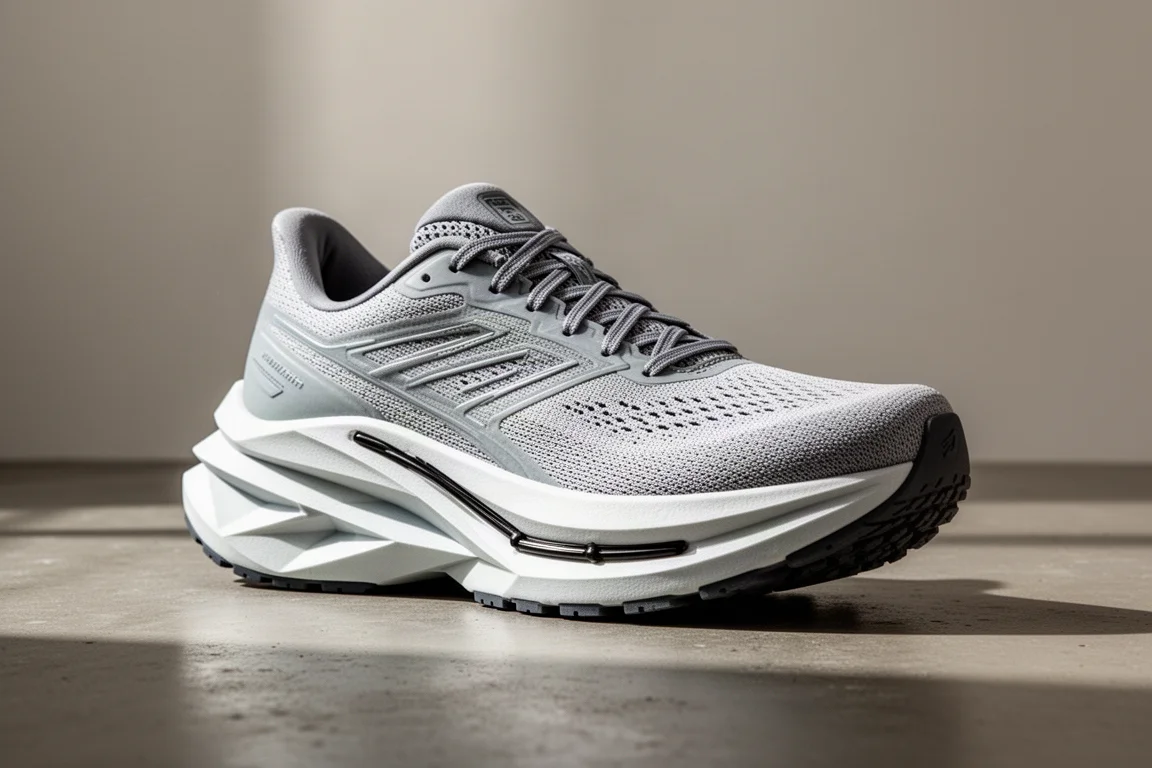
Asics positioned the Superblast as a Swiss army knife: an up-tempo, tempo-run, long-run kind of do-it-all shoe. Of the three, it tends to work for the widest range of runners, partly because it is a little more forgiving in its geometry while still offering a lot of resilience and compliance in the sole.
One notable quirk: despite having no plate, it actually feels the stiffest of the three. If you are designing a shoe for long runs, toe-off geometry matters a great deal, and some runners have reported needing to compensate to get their foot off the shoe, which can lead to aches like knee soreness. That is worth keeping in mind if you are sensitive to stiff toe-offs.
New Balance SC Trainer
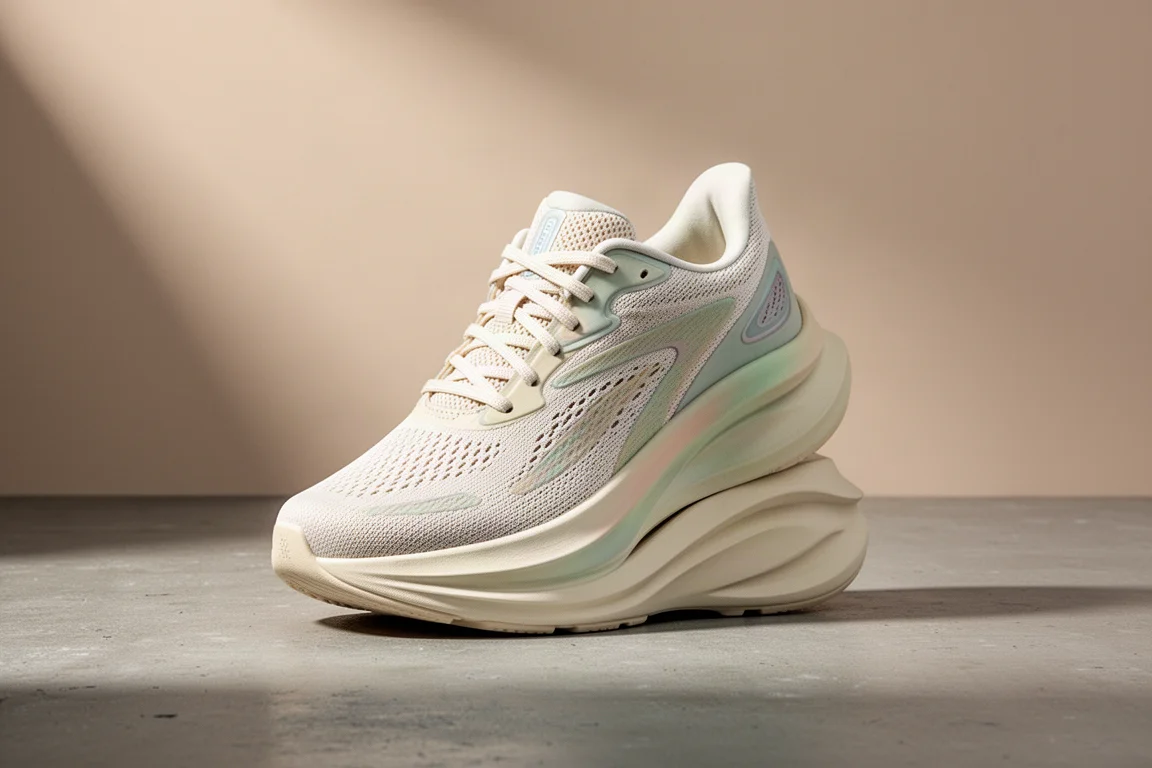
New Balance marketed the SC Trainer as a recovery shoe: a way to get some of the responsiveness benefits of its racing shoes in a package meant for daily training and easy days. The goal was to give athletes an alternative to doing recovery work in shoes like the SC Elite v3 or RC Elite 2, which were never intended for that role.
The plate design and guiding structure do a decent job of keeping the shoe from feeling super unstable despite the amount of FuelCell foam involved. That said, with super soft shoes there is still an instability trade-off that can show up at the hip, so it is not entirely free of compromise. As a leg-saver for recovery days, though, this is the clearest pick of the three.
Overall Buying Advice
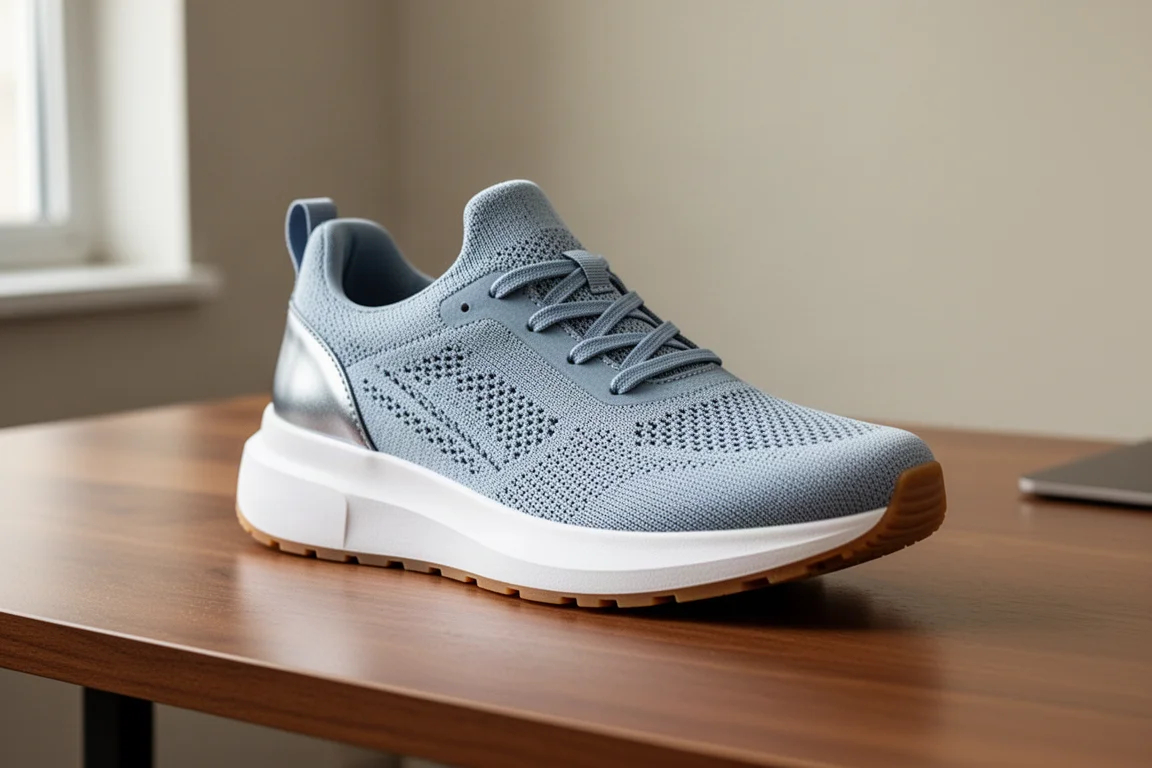
The practical way to choose between these three is to match the shoe to the job. If your priority is recovery days and saving your legs on easy road miles, the SC Trainer is the most purpose-built option. If you want one shoe that can cover easy days, long runs, and up-tempo work, the Superblast is the most versatile of the group. If you want speed with extra protection and you are comfortable with aggressive geometry, the Prime X fits, but treat it as a fast shoe rather than a daily trainer.
Also be honest with yourself about pace discipline. These foams are resilient and bouncy, and runners who like to push easy days may find themselves in the red zone more often than they should be. These shoes are not invincibility devices, and anecdotal reports suggest they may enable over-reaching rather than reducing injury risk.
What Could Be Improved
The biggest improvement opportunity is platform design. Very compliant foams on narrow platforms with aggressive geometry simply do not work for many runners. Widening the platform, adding some sole flaring, or integrating sidewalls more effectively would make these shoes friendlier to more people without losing the resilient foam. Saucony showed what this looks like in the racing category with the Endorphin Pro 3, pairing PBA-based foam with a more stable, comfortable package.
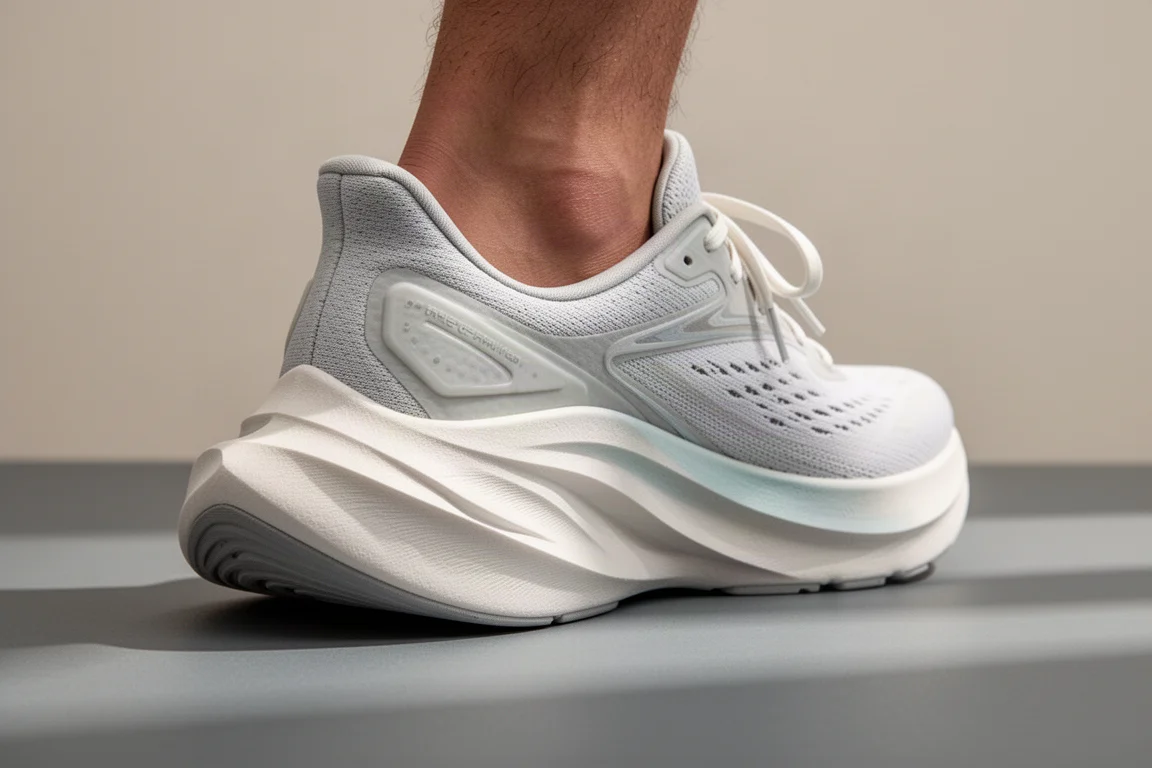
There may also be diminishing returns as stack height climbs higher and higher, since weight, size, and geometry eventually stop working together. The encouraging part is that brands are being specific about what each shoe is for, which is a real improvement over the early super shoe era, and the trickle-down of racing foam into more affordable training shoes is a direction that should benefit most runners over time.
Conclusion
The adidas Prime X, Asics Superblast, and New Balance SC Trainer all use the same basic recipe of tall stacks and super foams, but they answer different questions. The Prime X chases speed, the Superblast tries to do everything, and the SC Trainer protects your legs. Pick the one that matches the role you actually need filled, and be honest about whether your body and habits suit this category.
Further reading
Related Reviews

Running Shoes
Best Road-to-Trail Running Shoes: Three Versatile Options for Mixed Terrain
A practical guide to three road-to-trail running shoes that handle both pavement and mild trails, with clear strengths and trade-offs for different runner types.

Running Shoes
Best Running Shoes for Achilles Tendonitis: Three Options Explained
Three running shoes with different heel drops and support features designed to help reduce Achilles tendon pain during walking and running.

Running Shoes
Best Running Shoes for Women: Five Top Choices Ranked
A ranked guide to five women's running shoes, from versatile daily trainers to high-performance racing options, with real strengths and trade-offs for each.