Fountain Pens
Styx De Magno Fountain Pen Review: A Pure Copper Writing Oddity from India
The De Magno is an all-copper cartridge converter fountain pen with a Schmidt steel nib, distinctive grooved section, and some bold marketing claims. Here's what it's actually like to use.
Introduction
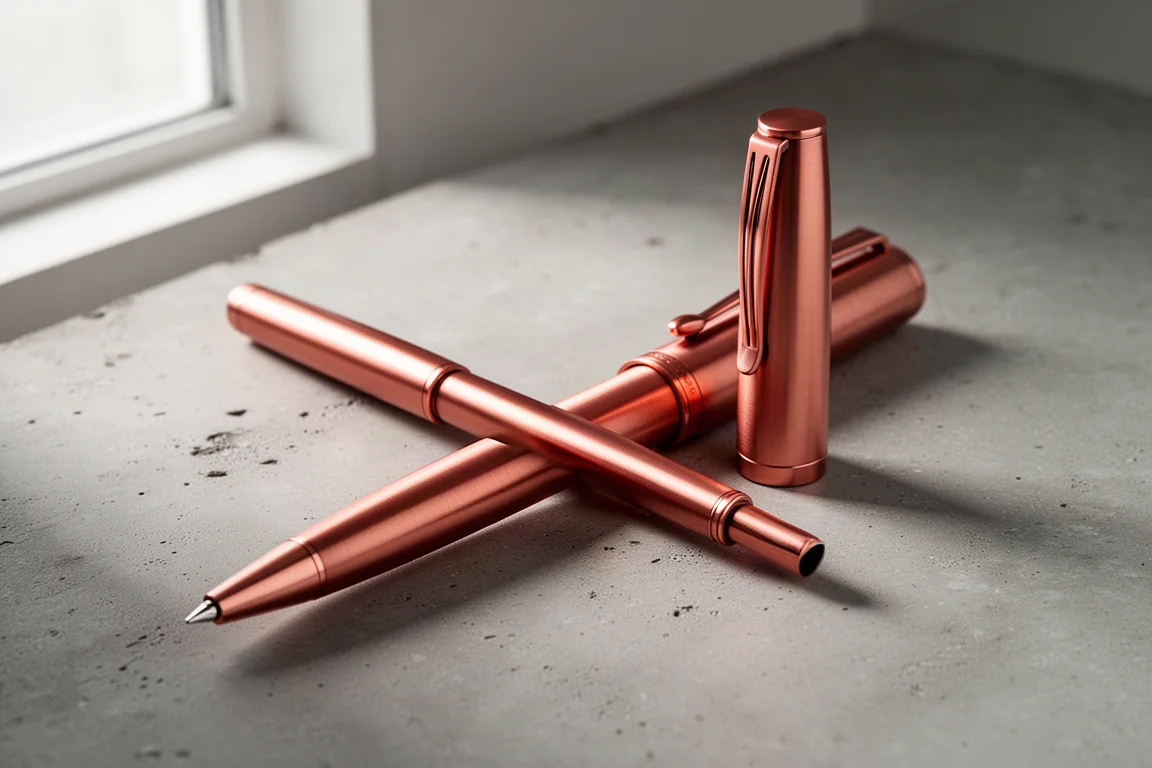
One of the quiet pleasures of the fountain pen hobby is stumbling across a brand you have never heard of, and the De Magno from Styx is exactly that kind of discovery. Styx is based in Gujarat on the west coast of India and is run by the husband and wife team of Nandesh and Jinga Shah. The name itself is a portmanteau of the parent company, Star Axiom. The De Magno, spelled D’Magno, is their all-copper cartridge converter pen, and it retails for $210 directly from the company’s website, with shipping to the US from India at a reasonable $25.
First Impressions and Design
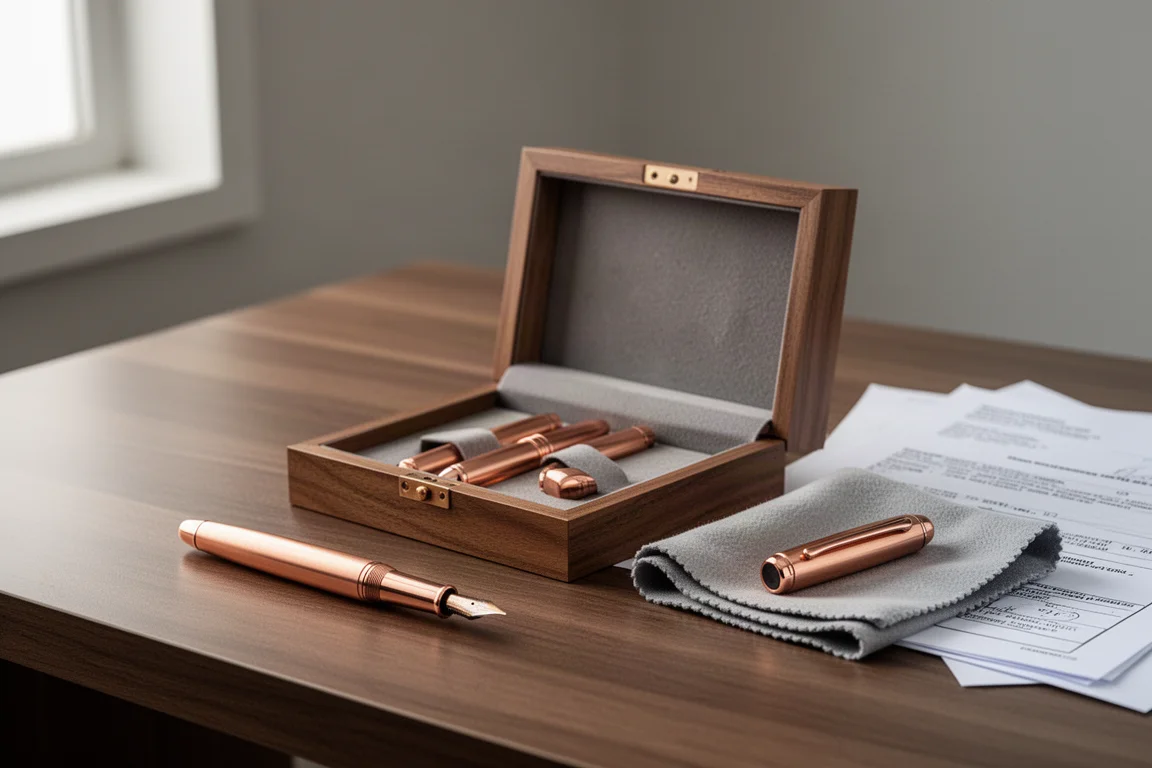
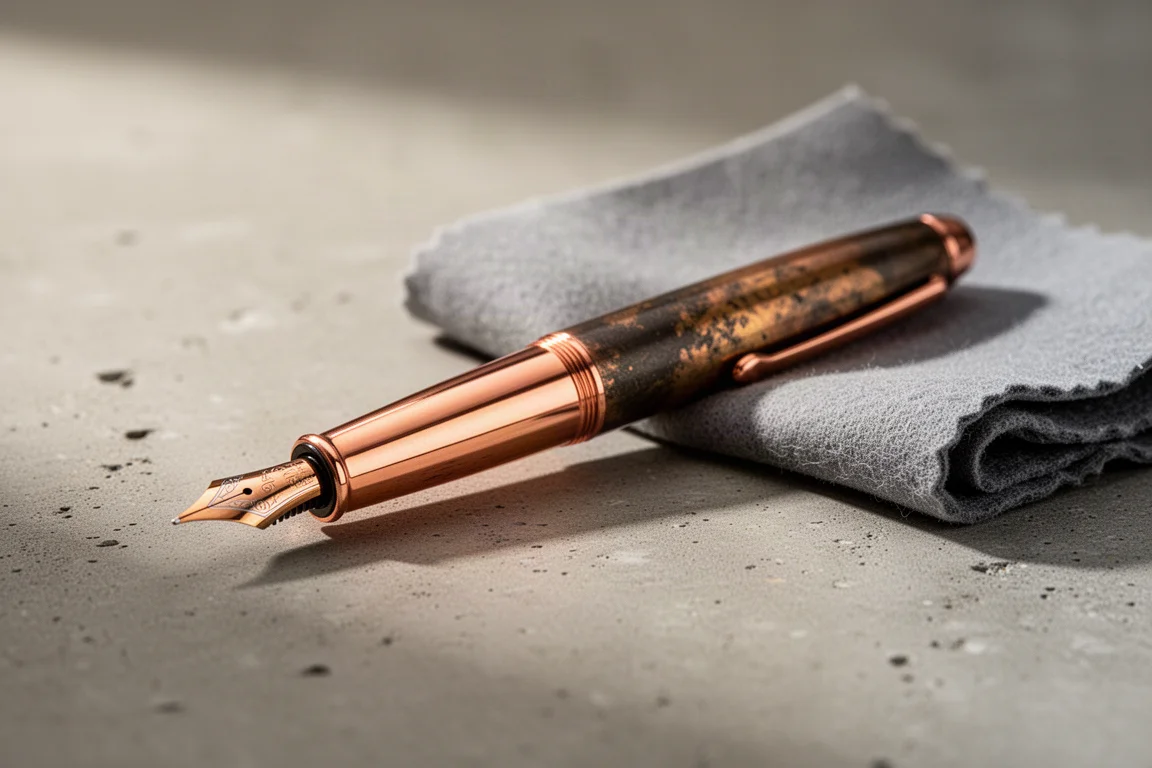
The pen arrives in a lift-off lid box that includes a polishing cloth, warranty information, and marketing materials. At first glance it resembles a slightly thicker Cross Century, but with a very different material story. The De Magno is made from 99.95% pure copper, and the company claims to be the only pen manufacturer using pure copper rather than an alloy. That claim is hard to verify. Other manufacturers who produce copper pens tend to use alloys because they machine more easily, so Styx may well be unique, but it may also be marketing. From a practical standpoint, there is no discernible benefit of pure copper over an alloy.
The design details are thoughtfully handled. The cap tops out with a flat copper finial, and the clip carries the company name above a mark that looks like three lines but is actually a stylized S. The clip itself is stiff and takes some effort to use, even on thinner fabrics. The cap is straight along its length and ends in a plain, unmarked copper band, followed by a small step down to the barrel. The barrel runs straight to the end piece, where you will find posting threads and an angled, rounded step down. Styx offers the copper in two finishes: this tarnishing version, and an anti-tarnish coated alternative.
Nib, Filling, and Handling
The cap twists off in just under two full rotations to reveal a number six stainless steel Schmidt nib, available in fine, medium, and broad, paired with a plastic feed. This is a cartridge converter pen accepting standard international cartridges, and a converter is included in the box. With the all-metal construction, eyedropper conversion is not recommended.
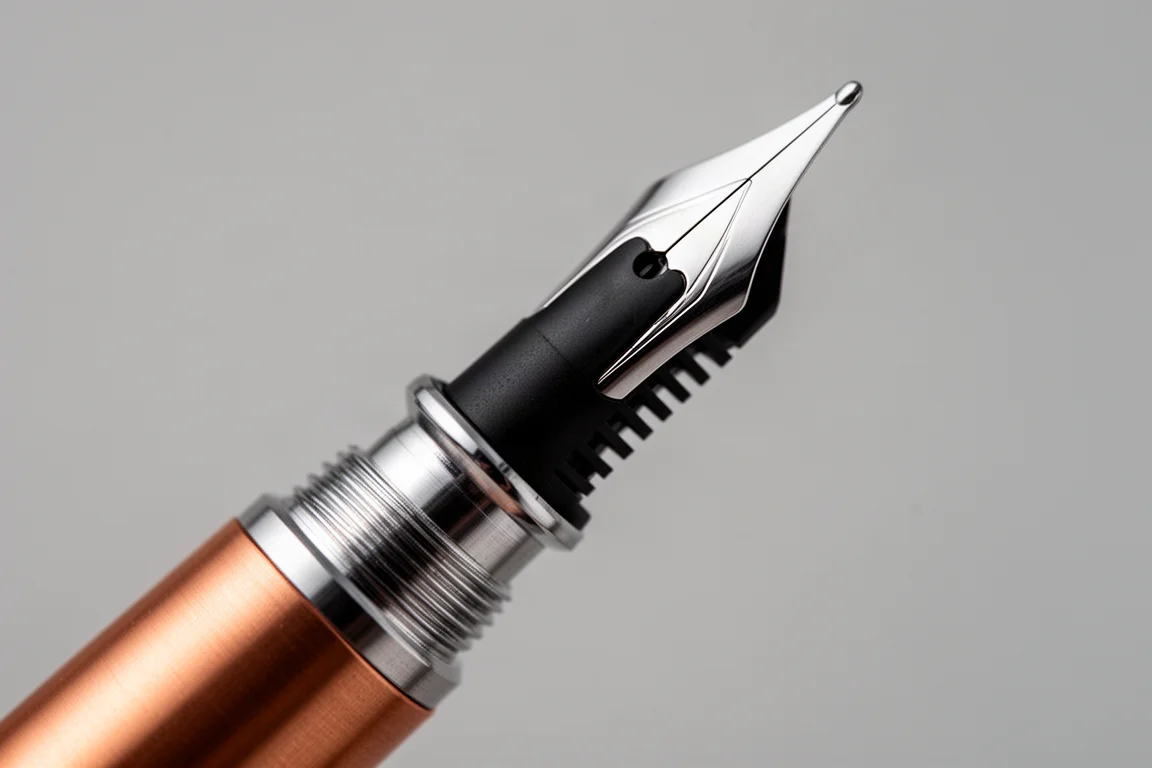
The section is one of the more interesting parts of the pen. It angles upward at an even incline and is grooved, which does a genuinely good job of helping you keep a solid grip despite the metal body. Blocky threads and a small step up to the barrel complete the transition. In the hand, the pen is comfortable and not overly heavy at roughly 50 grams. For perspective, an all-copper pen from Kera’s Customs weighs nearly three times as much at about 120 grams. The cap posts securely with a single posting thread, and the clip aligns directly with the nib when posted, a nice touch of detail. The posted metal cap does not badly backweight the pen, but the edge of the cap feels a bit sharp against the hand while writing, so unposted use is the better choice.
The Marketing Angle
Here the story gets a little unusual. The company’s marketing leans heavily into beliefs about the health benefits of holding copper. Their site describes the pen as “a magical wand with a healing touch,” and the included materials list reported benefits such as regulating blood pressure and strengthening bones. While copper is an important mineral inside our bodies, the mainstream medical community does not widely recognize benefits from holding or being in contact with copper objects. The listed benefits concern dietary copper, not touching it. The footnote citing “Google” as the information source does not inspire extra confidence either, since Google is a search engine, not a medical authority. To be clear, this has nothing to do with how the pen writes or how well it is made; it is simply worth knowing before you buy.
Writing Sample and Performance
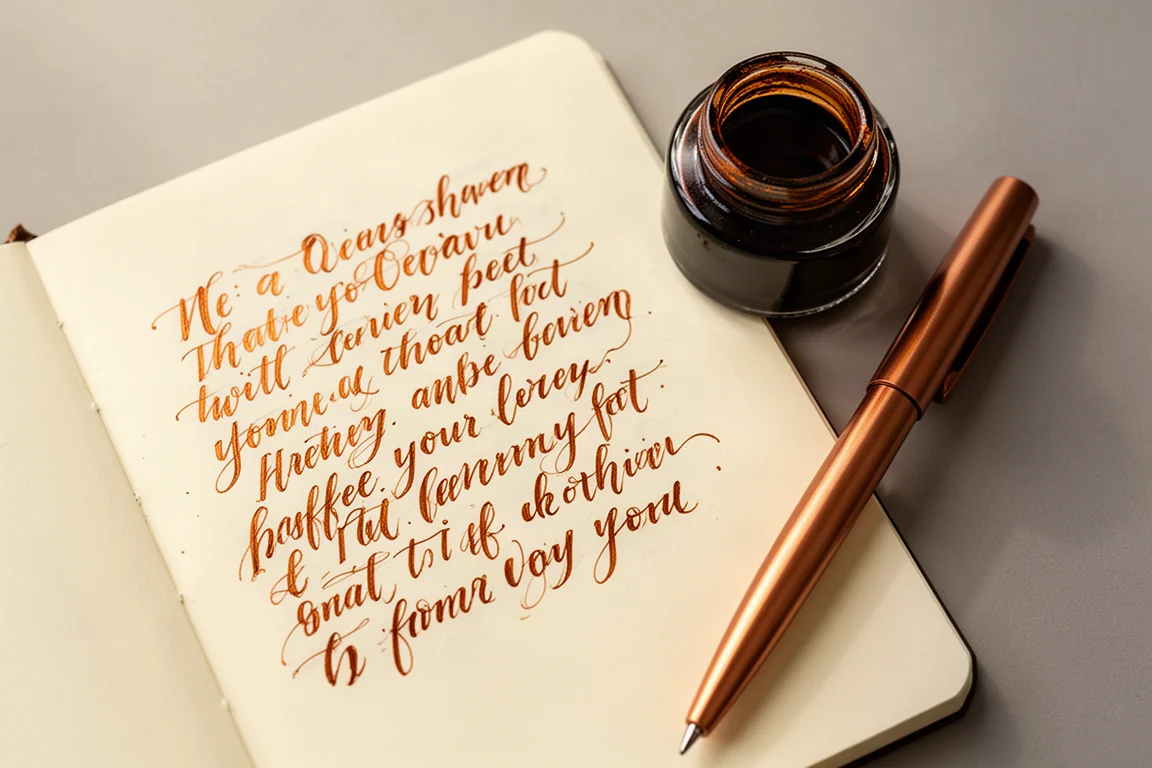
The medium stainless steel Schmidt nib put down a pleasant line with a Private Reserve copper burst ink, a favorite copper ink with plenty of shading and sheen. Under normal writing, ink flow is decent and the nib keeps up well. Pushing the nib hard produces some railroading, and reverse writing is very scratchy, but neither reflects normal use. Schmidt nibs remain underrated, and this one delivers a solid, dependable writing experience for fast, everyday notes.
Care, Maintenance, and Tarnish
Since this version of the pen tarnishes over time, some upkeep is expected if you want to keep it bright. The included polishing cloth is not treated, so it will not remove tarnish on its own. A treated jewelry polishing cloth does the job properly: with the right cloth, a little maintenance brought the barrel back to a considerably brighter finish. If you prefer low effort, the anti-tarnish coated version is worth considering instead.
Buying Advice
At $210, the De Magno is not out of line for an all-copper pen, but it sits at the high end of the value proposition for this particular model. It makes the most sense if you specifically want a pure copper pen with real heft-free comfort, a grooved metal section, and a reliable Schmidt nib, and you enjoy the living patina that tarnishing copper develops over time.
Conclusion
The Styx De Magno is an interesting copper offering and a welcome introduction to a newer Indian brand. It is comfortable, well detailed, and pleasant to write with, with a few caveats around the sharp-edged posted cap, the stiff clip, and marketing claims that deserve a healthy dose of skepticism. For copper lovers, it is a distinctive pen worth a look.
Product link
View more details for Styx De Magno
This product is mentioned in the review. Check the specifications, options, and compatibility before buying.
View more details for Styx De MagnoFurther reading
Related Reviews
Fountain Pens
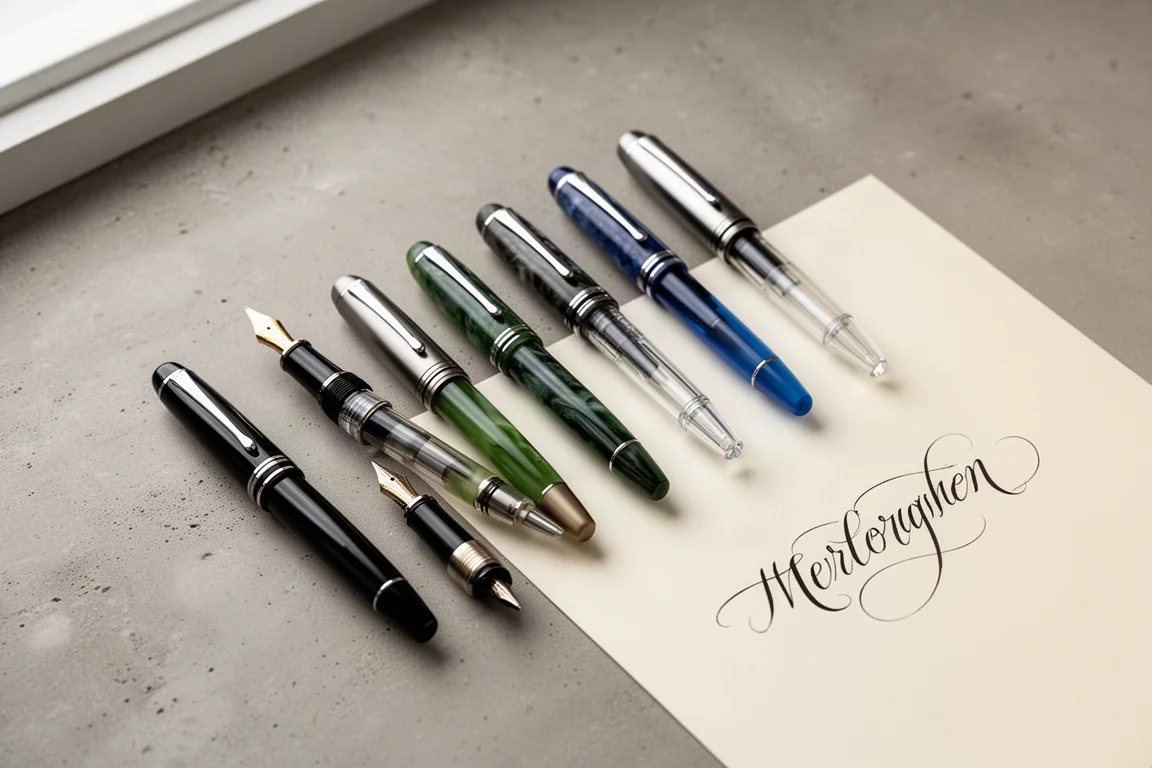
Best Budget Fountain Pens Tested: 9 Pens, One Clear Winner
A hands-on comparison of nine affordable fountain pens for everyday writing, calligraphy, and sketching, with a clear standout for flexible nib fans.
Fountain Pens
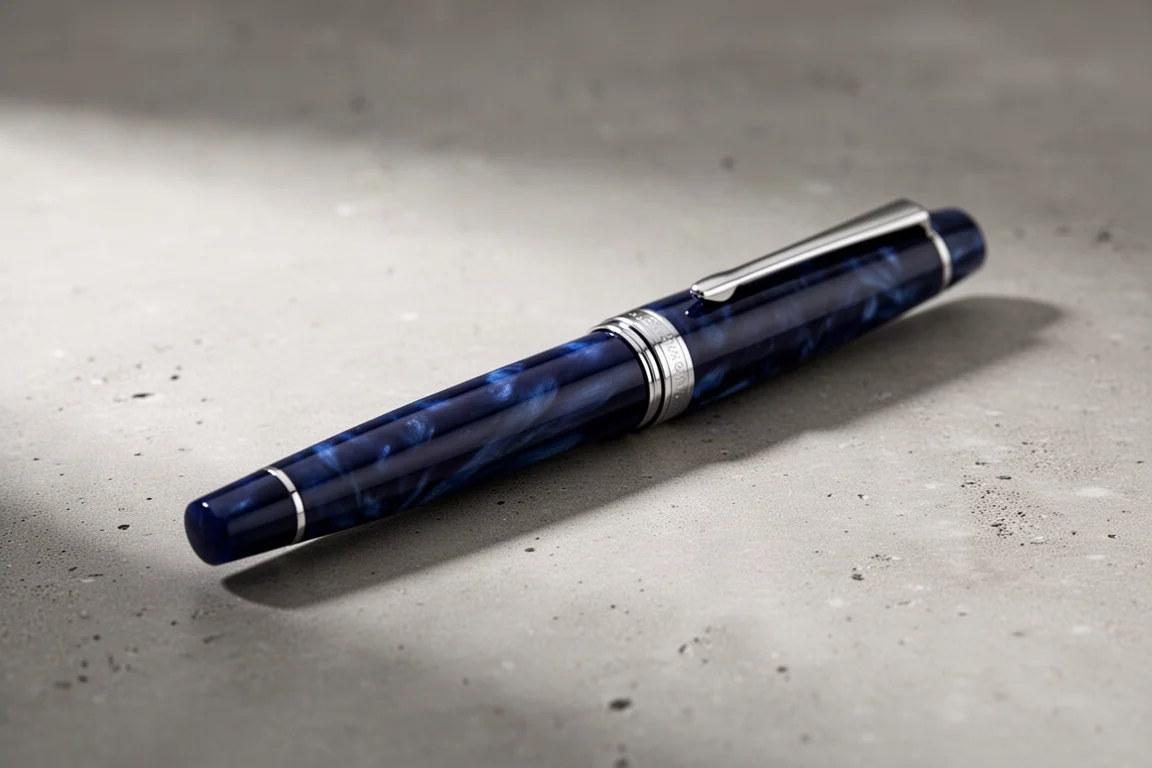
Aurora Optima Review: An Italian Piston Filler That Punches Above Its Price
A 14k gold nib, ebonite feed, and a beautifully deep oraloid body make the Aurora Optima one of the most rewarding piston fillers around.
Fountain Pens
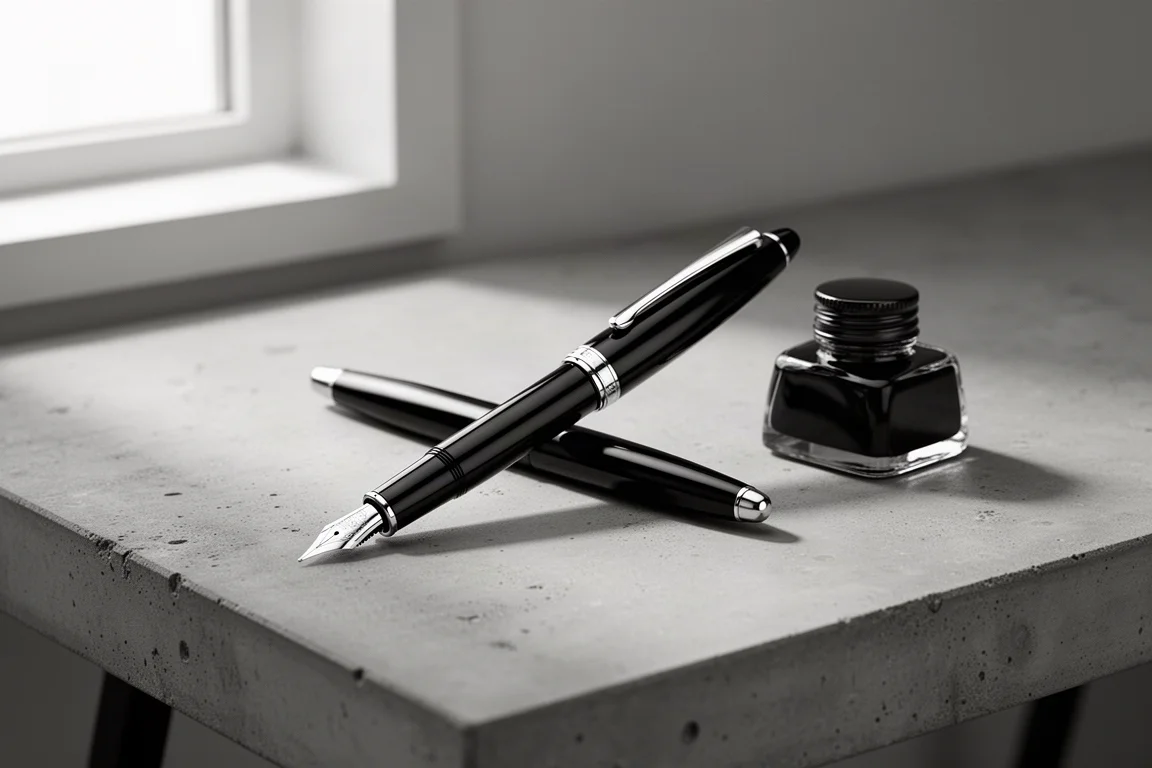
Cross Bailey Light Review: The Entry-Level Fountain Pen Worth Keeping at the Office
A plastic-bodied Cross with a metal clip, snap cap, and famously smooth extra fine steel nib. Around $15, available almost everywhere, and easy to recommend.