Snowboards
Stranda Bow Rider Review: A Camber-Dominant Carver Built for Wide-Open Terrain
A directional cam-rocker snowboard that rewards big carving lines and pow slashes, but demands space, effort, and the right terrain.
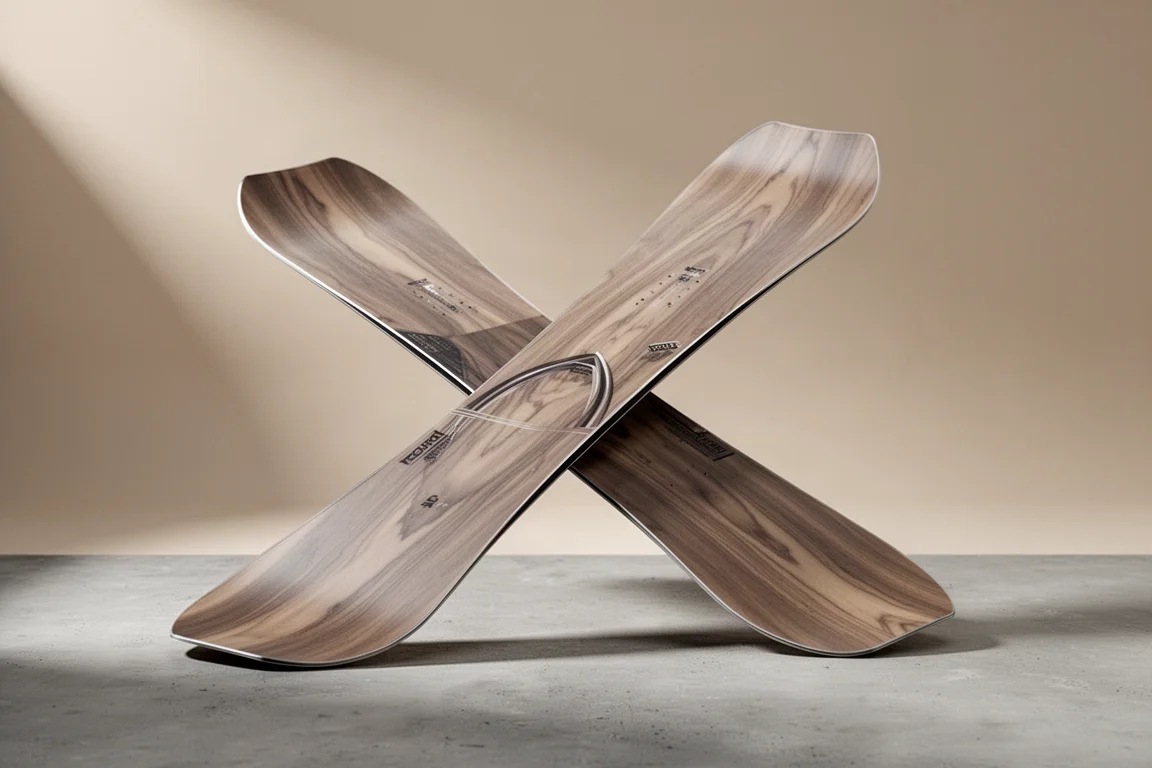
Introduction
The Stranda Bow Rider is a directional snowboard built around one clear idea: turning. It uses a low camber profile with tip and tail rocker, so you get mellow rocker in the nose and tail with camber through the rest of the board. That camber section delivers load, pop, snap, and drive, while the rocker eases turn entry and helps with powder float.
It is available in 159, 165, and 165 wide, and it was tested at Copper Mountain on a spring bluebird day that covered everything from firm and fast upper-mountain snow to soft mid-mountain groomers, leftover heavy powder from the previous day’s storm, and shaded, scraped-off ice. Paired with Rome Black Label bindings and K2 Thraxis boots, it saw a genuinely mixed bag of conditions.
First Impressions on Snow
Out of the gate, this board makes its intentions obvious. The shape and camber profile point it firmly at speed and long drawn-out turns, and on firm upper-mountain runs it felt planted and confident from the first few lifts.
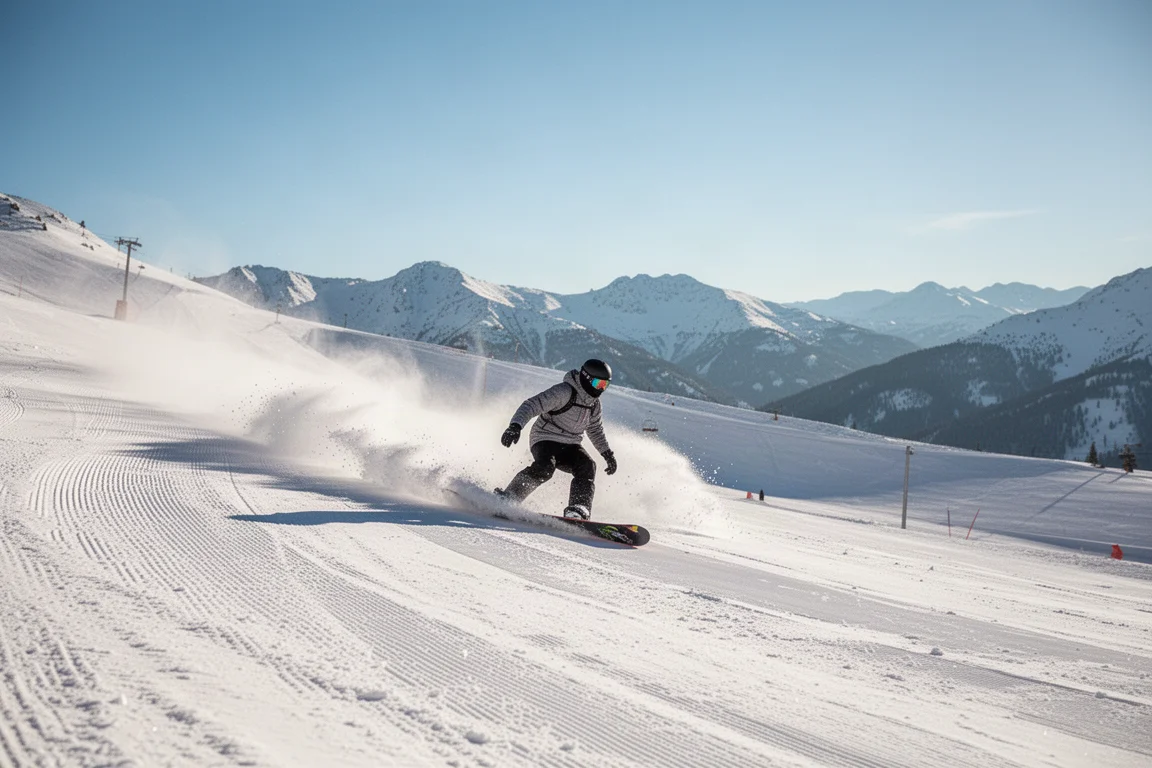
It does not try to be everything for everyone. Riders looking for a playful jib-style board will want to look elsewhere, but if your idea of a good day is pointing it downhill and laying over big carves, the Bow Rider starts making sense quickly.
Flex, Stability, and Ride Feel
The flex pattern is clearly directional. The nose is softer thanks to the rocker, then the board stiffens up right outside the front insert pack all the way back through the tail. The torsional flex matches that layout: rigid and responsive. If you steer mostly with your ankles, expect to put in a bit more effort.
Stability is the headline here. Between the shape, the camber profile, and how the core is built, this board is very smooth. Run it up to speed in variable terrain and it cuts through everything without complaint. Chatter from the rocker in the nose is minimal, and you never really feel it underfoot. This is a board that wants to go fast and keep you on top of it without fatiguing you.
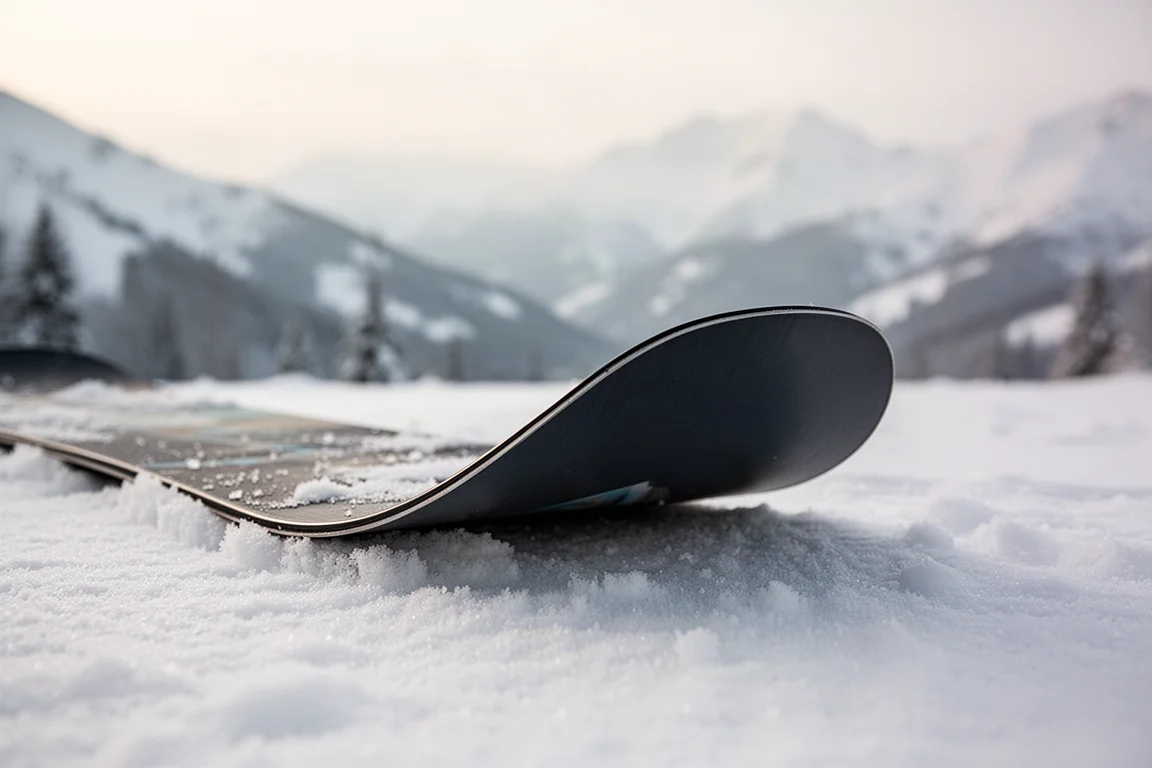
Pop is the compromise. Because of the shape and the minimal camber underfoot, loading the tail and rolling back produces some snap, but you get out less than you put in. Ollies and poppy side hits require you to really suck your knees up, and porpoising through heavy powder just to hold speed turns into a genuine workout. Side hits are possible, but they are not what this board is about. It is meant for being on the ground and turning.
Turning Performance: Built for Big Arcs
This is the Bull Rider’s whole reason for existing, and it is a genuinely unique ride. The softer, rockered nose gives you an easy entry into the turn. The board stiffens up outside the front foot, but there is a small flex point with a bit of give that changes how it engages off the front foot.
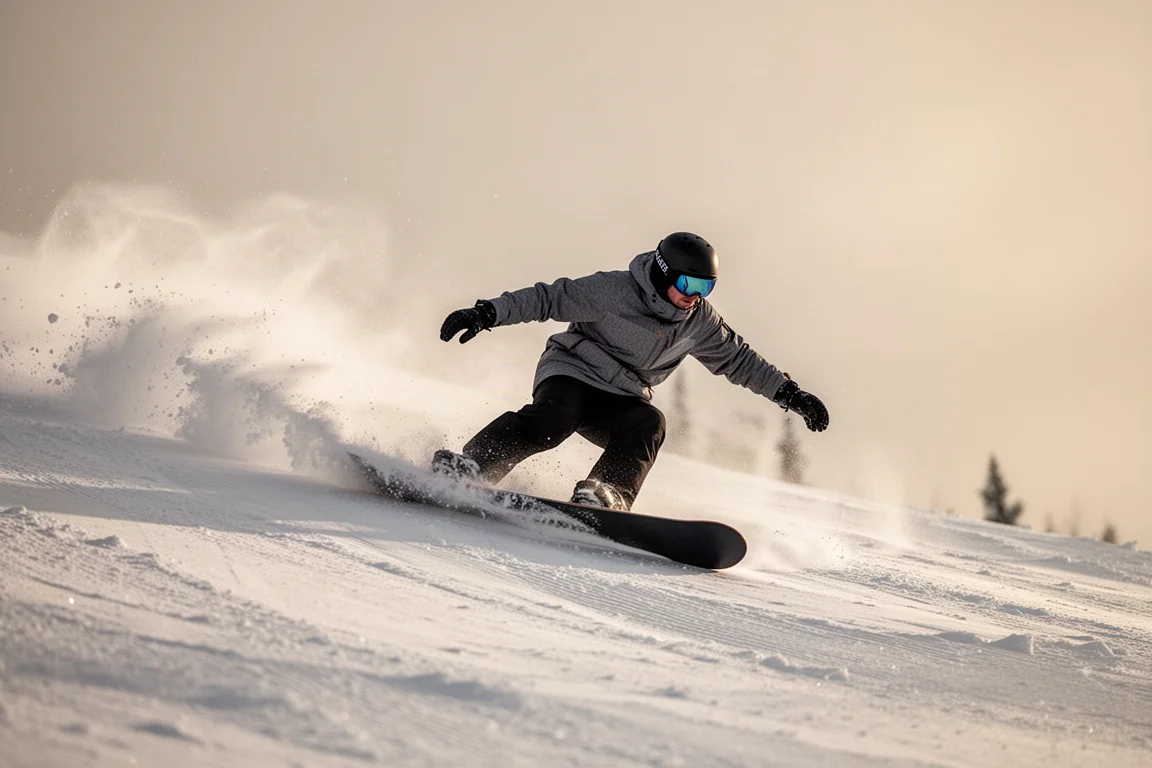
The technique that works: ride with your weight slightly forward, throw it into the turn, then transition back and drive it from the middle through the tail through the apex of the carve, letting it slingshot you out. Once it is on edge, it is locked in and smooth, and you can genuinely lay it over and cut a trench.
The catch is space. This board wants room to turn. Short, tight, quick carves take real effort because of the flex, and you have to exaggerate your movements to get the board where you need it. It is not the most nimble deck; riders who want nimble from Stranda are better served by the Beer Ru. But on edge, at speed, with room to work, it carves in a way that is hard to describe and worth experiencing firsthand.
Who This Board Is For
The Bow Rider is made for riders with wide-open terrain: big bowls, wide groomers, and space to smash powder and link long, beautiful turns. It is exceptionally good at cutting through chop and chunder, which makes variable spring conditions far less punishing than they should be.
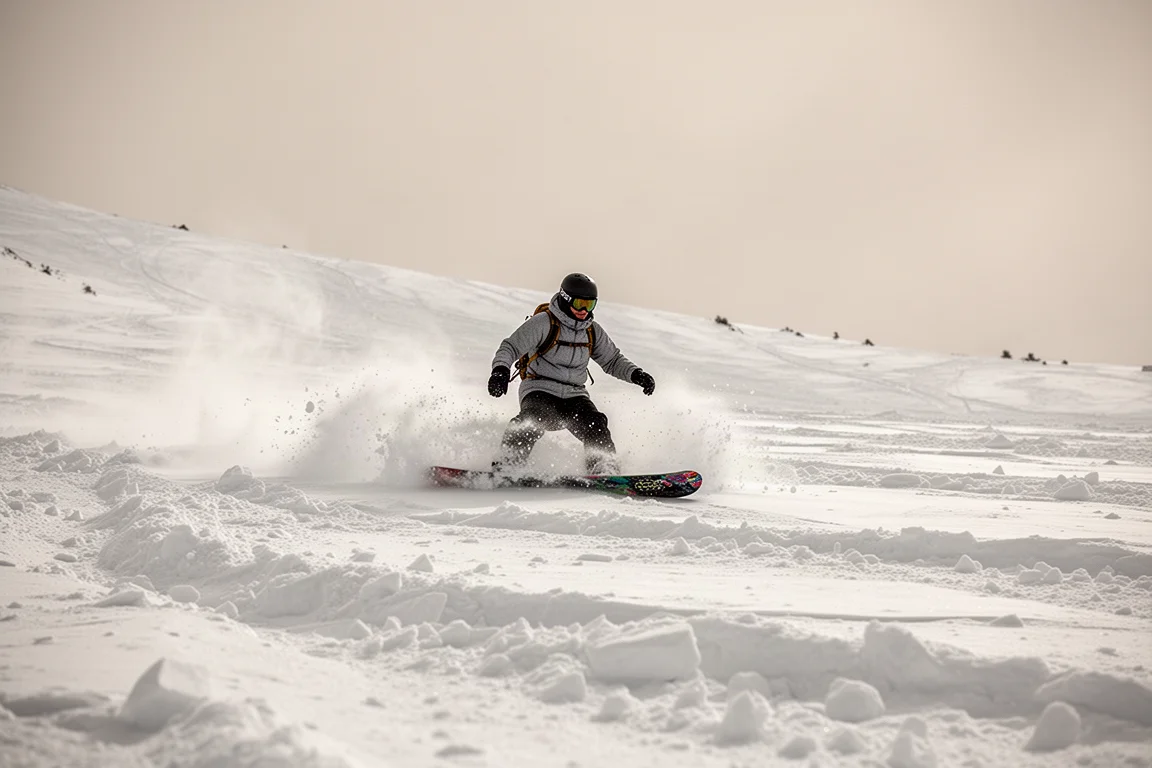
It is stiffer than it first appears, and it is a bit of a workout in tight or technical terrain. Riders who prefer playful, short-turn boards may not connect with it, and that is a fair takeaway rather than a flaw. If you can demo before buying, do it. Shops in Breckenridge carry Stranda demos, which is the best way to understand what this board does before committing.
Buying Advice
Comparable boards to consider include the Amplid Time Machine, the Korua Pencil Plus, and the Nitro Pantera. For bindings, the Ride A-10, Union Atlas Pro, and Jones Apollo are recommended matches. And if you have a local shop that carries Stranda, buying in person and supporting them is always worth it.
Conclusion
The Stranda Bow Rider is not a bad board by any measure. It is unique, smooth, and blisteringly stable at speed, with a carving feel that rewards riders who understand what it is built for. It demands space, rewards commitment, and punishes laziness in tight terrain. If you ride wide-open bowls and love big carves, it deserves a demo. If you want quick and nimble, look elsewhere in the lineup.
Product link
View more details for Stranda Bow Rider
This product is mentioned in the review. Check the specifications, options, and compatibility before buying.
View more details for Stranda Bow RiderFurther reading
Related Reviews

Snowboards
32 Middle Earth Scott Stevens Pro Model Snowboard Review: A Park Board With a Reversed Flex
A medium traditional camber park board with carbon V reinforcement that is stiffer in the tips and more playful between the feet. Here is how it rides and who it suits.

Snowboards
32 Snafu Review: A Directional All-Mountain Freestyle Board with Serious Pop
The 32 Snafu pairs a directional camber-rocker profile with a stiffening tail for powerful carves, big ollies, and a surprisingly damp ride.

Snowboards
32 XXX Pat Fava Pro Snowboard Review: A Stiff Camber Beast for Hard-Charging Riders
A full-width traditional camber deck that rewards aggression with stability and edge power, but demands effort everywhere else.