Alpine Skis
Stöckli Laser SC Review: A Frontside Carver With Real Energy
The Stöckli Laser SC is a 70 mm frontside carver with a poplar and beech core, two sheets of metal, and a smooth, quiet ride built for short, energetic turns.
Introduction
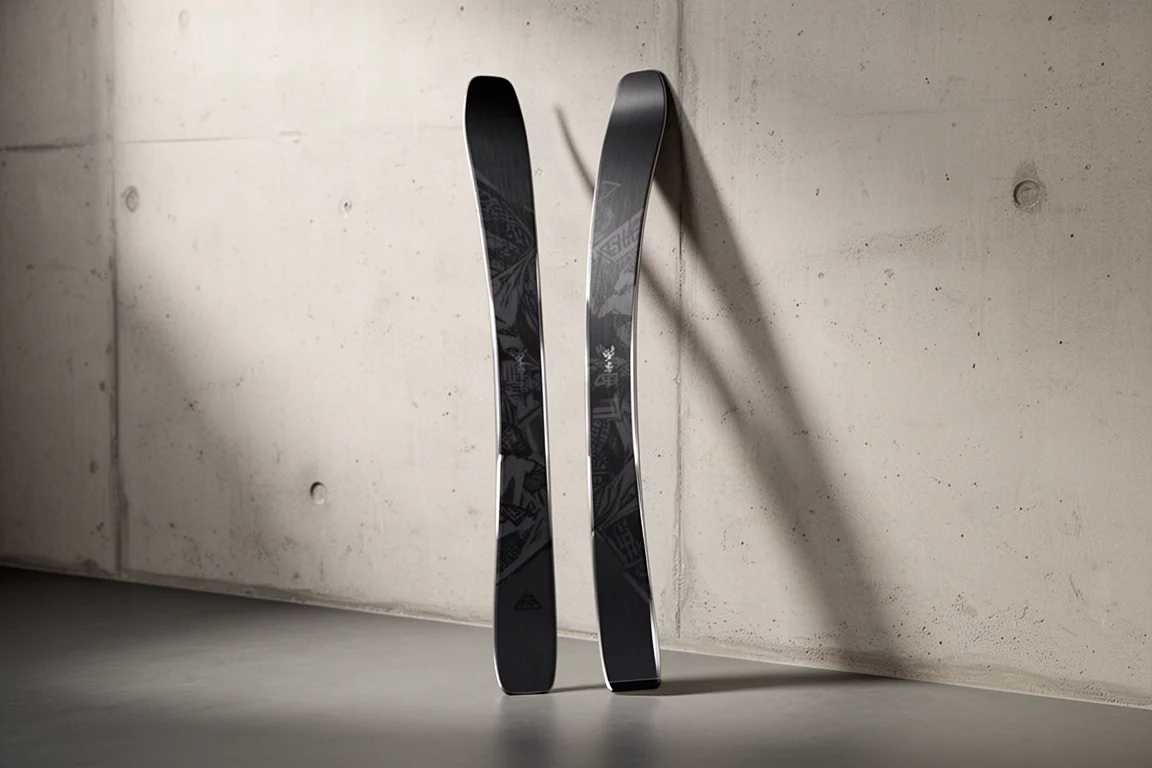
The Stöckli Laser SC returns this season with a new cosmetic, and underneath the graphics it stays the same ski: a 70 mm frontside carver built around high-end componentry and a very specific idea of what a good day on groomers should feel like. It is crisp, agile, and unusually smooth, and it is at its best when the turns are short and the pace is energetic.
That combination is not accidental. The Laser SC sits closer to a high-end recreational frontside ski than to a low-end race ski, which means it is built to deliver real performance without demanding that you hammer it from first chair to last.
Who This Ski Is For
This is a ski for the person who spends most of the day on groomed terrain and wants a short-radius turn shape with energy coming back out of the tail. It suits skiers who like to stay active and engaged, linking quick carved turns down a firm piste rather than making long, lazy arcs across the hill.
It is also a good fit for anyone who values refinement as much as raw capability. The Laser SC has a smooth, quiet character that stands out even against frontside skis with a higher outright performance ceiling, and its low-speed and mid-speed manners are a large part of what makes it so easy to enjoy.
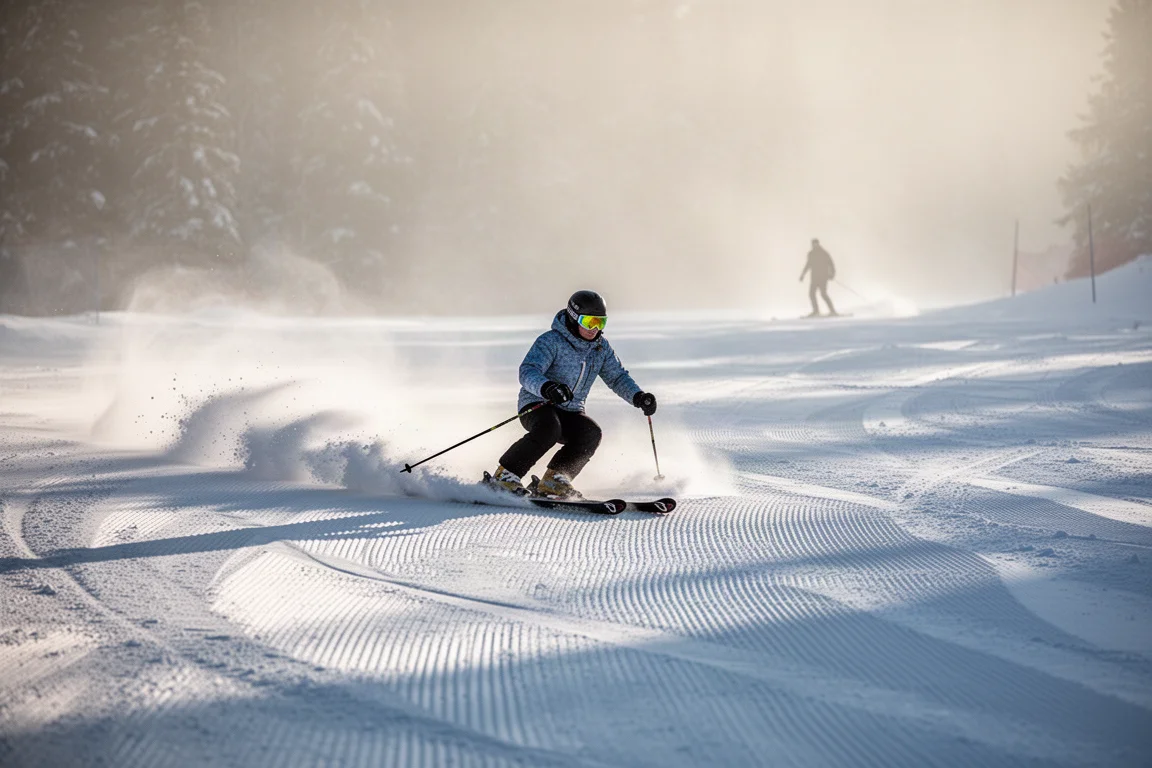
Because the shovel is more accessible than the rest of the ski, it does not punish you for slowing down or for mixing a few shorter, more relaxed turns in between more aggressive ones. That flexibility is what makes it a strong option for a confident recreational skier, not only for someone chasing a race-like feel.
Build and Materials
The Laser SC uses a wood core that blends poplar and beech, sandwiched with two sheets of metal. That construction is a big part of why the ski feels solid and planted, and it is also part of why it carries a price tag that can be a little shocking at first glance.
What makes the build more interesting is the flex torsion control. The upper layer of metal is milled with slits, which allows the ski to flex more torsionally than a fully solid metal laminate would. The practical result is more compliance at slower speeds and in shorter turns, so you can get a lot of performance out of the ski without working for it constantly.
Stöckli also uses rubber dust in the adhesive layers, and that detail contributes directly to the smooth and silent feel that defines the ride. Black racing sidewalls, introduced the previous season, add edge grip on firm snow, and an aluminum insert in the tail gives that end of the ski a blockier, more planted character.
Carving Performance and Ride Character
The profile is unapologetically frontside. There is positive camber underfoot, no taper and no rocker, and the widest part of the ski flares right out to the tip. The tail is straight, square, and sturdy, with a business-like feel that delivers slalom-like performance when you commit to it.
Underfoot and through the tail the ski is quite stiff, but the tip is more accessible, which makes turn initiation noticeably easier at the very entry phase. The sidecut measures 120/70/102, and the 164 cm length tested comes in with a 13.8 m turn radius. That geometry clearly wants to live in the short and crisp turn zone.
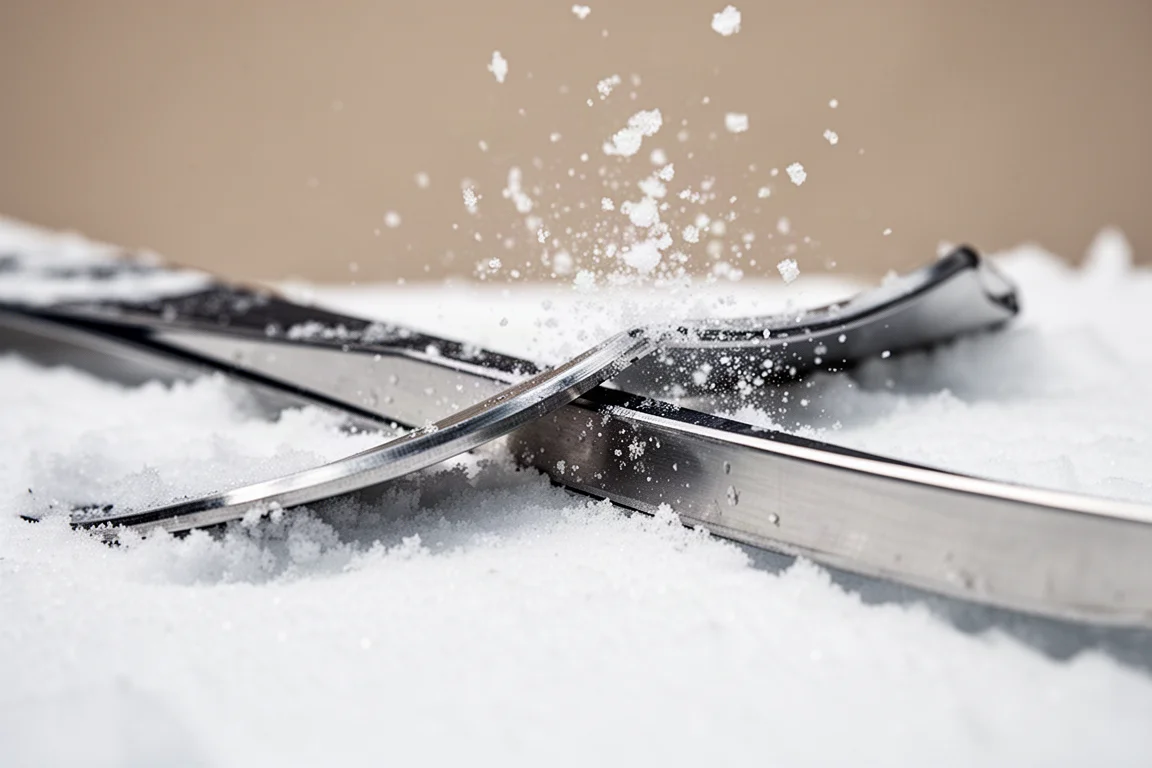
Energy is a defining trait. There is a lot of rebound out of the tail, and the ski feels lively in and out of transitions. Think of it as a recreational slalom ski applied to an all-mountain mindset: the tail generates energy that carries you into the next turn, and the whole package stays remarkably quiet while it does it.
Performance in Softer Snow and Mixed Terrain
At 70 mm underfoot, this is a frontside ski first. Even so, it performs better than its width suggests when the snow gets softer or conditions turn more adverse, which gives it a little more range than the numbers alone imply.
That said, the shape and profile keep it anchored to groomed terrain. Full camber, no rocker, and a wide-flaring tip are all choices that favor edge hold and turn shape on prepared snow rather than float or smear in deeper conditions.
Things to Consider Before Buying
The most obvious consideration is cost. The Laser SC sits at the premium end of the market, and the price reflects the materials and the finish rather than a long list of features.
Second, this is a narrow, cambered carver. If your season includes a lot of soft snow, off-piste travel, or days when you want a ski to do the work for you, the frontside focus will feel limiting.
Third, the ski rewards an active style. It has a better low range than many skis in its class and an excellent mid-range, but the higher-speed, more aggressive end of the spectrum is where the quality really shows itself. If you rarely ski at that pace, you may not be getting everything the ski has to offer.
Length, Binding, and Setup Notes
The 164 cm length was tested with an SRT 12 binding, and it produced the 13.8 m turn radius quoted above. There is a plate underfoot, and its weight slightly masks the feel of the camber in that zone, which is worth knowing if you are used to a more direct connection to the snow.
Because the ski is stiff underfoot and through the tail, the setup suits a skier who likes a planted platform and a strong finish to the turn. If you prefer a softer, more forgiving flex pattern, this is not the ski that will give it to you.
Buying Advice
If your days are mostly spent on groomers, you like making short and energetic carved turns, and you want a ski that feels refined rather than merely powerful, the Laser SC makes a compelling case. It holds up on the firmest snow you can find, it stays composed, and it delivers a level of smoothness and silence that is genuinely rare.
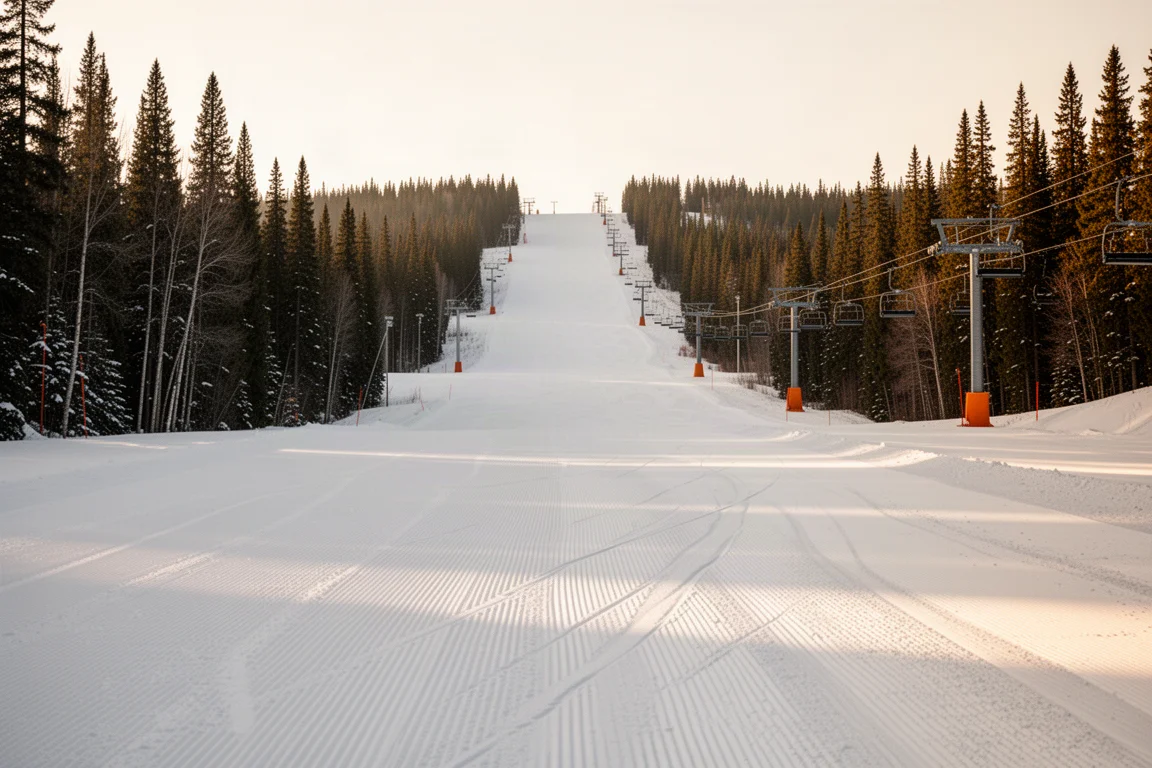
The honest way to decide is to match the ski to your habits. If you want one ski for a frontside-focused season, value quiet composure, and are comfortable paying for high-end componentry, this is a straightforward choice. If you need width, float, or a more relaxed flex, look elsewhere and keep the money.
Conclusion
The Stöckli Laser SC is a well-rounded, high-quality frontside carver at 70 mm underfoot. It is at its best in short, crisp turns on groomers, it has a genuinely wide usable range for its width, and its smooth, quiet character is what separates it from other frontside performers. It costs what it costs, but the ride explains where the money went.
Product link
View more details for Stöckli Laser SC
This product is mentioned in the review. Check the specifications, options, and compatibility before buying.
View more details for Stöckli Laser SCFurther reading
Related Reviews
Alpine Skis
Atomic Redster X9 Review: An Ultra-Precise Carving Ski for Firm Snow
A close look at the Atomic Redster X9, a 65.5 mm carving ski built for firm groomed snow, covering its construction, strengths, limits, and who should buy it.
Alpine Skis
Atomic Redster X9 S Review: A Precision Carving Ski for Firm Snow
The Atomic Redster X9 S pairs a 65.5 mm waist with race-derived construction and steel damping, delivering knife-like precision on firm groomers.
Alpine Skis
Blizzard Thunderbird R15 WB Review: A 76 mm Frontside Carver Compared With the Firebird HRC
A practical look at the Blizzard Thunderbird R15 WB, its TrueBlend core and Active Carbon Armor, and how it differs from the race-oriented Firebird HRC.