Alpine Skis
Blizzard Thunderbird R15 WB Review: A 76 mm Frontside Carver Compared With the Firebird HRC
A practical look at the Blizzard Thunderbird R15 WB, its TrueBlend core and Active Carbon Armor, and how it differs from the race-oriented Firebird HRC.
Introduction
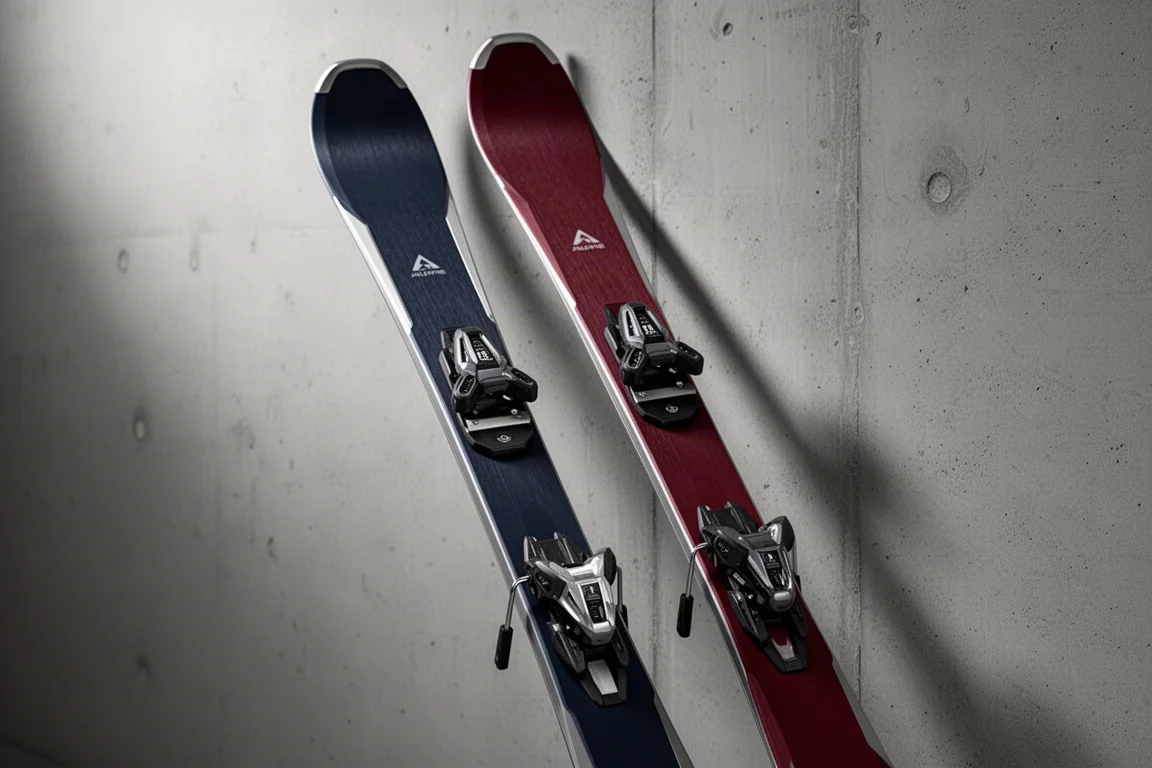
The Blizzard Thunderbird R15 WB is a frontside carving ski with a 76 mm waist, a shape that has quietly fallen out of fashion as all-mountain widths have crept upward. The WB stands for wide body, a nod to its position next to narrower siblings in the same collection, and the ski effectively replaces the Firebird Comp 76 in Blizzard’s line.
It is also the first carving ski from Blizzard to use the TrueBlend wood core that the brand introduced on its all-mountain models. That combination of a relatively narrow waist, a metal-laminate build, and a floating carbon plate is what makes the Thunderbird interesting: it promises race-adjacent grip without the demands of an actual race ski.
This article covers what the Thunderbird R15 WB does well, who it suits, and how it compares with the race-oriented Firebird HRC that sits above it.
What the Blizzard Thunderbird R15 WB Is Built For
The numbers set the intent clearly. The Thunderbird R15 WB pairs a 76 mm waist with a 15 m turn radius, and the same ski in a 182 cm length measures 17 m. That puts it firmly in frontside carving territory: groomed runs, firm snow, and the kind of day when a wider ski feels like more work than reward.
There is 2 mm of rocker at the tip and tail, but the ski is effectively fully cambered. The rocker is there to soften the grab that a more race-oriented ski can have on entry, not to create a loose, surfy feel. Blizzard also offers the same construction in the R15 Ti at 72 mm, and a women’s Phoenix version uses the same core.
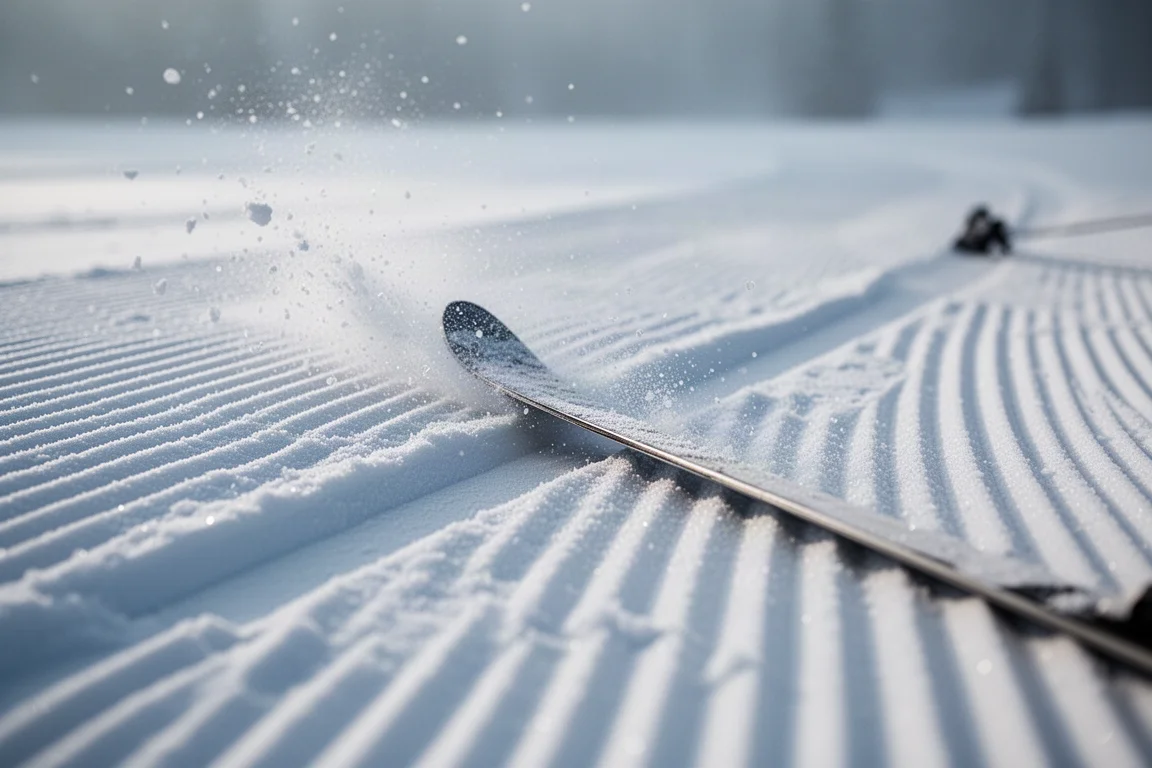
For skiers who mostly see groomed terrain, that shape is a feature rather than a compromise. A 76 mm waist was considered a mid-width ski not long ago, and it still delivers a precise, quick feel on firm snow that wider skis cannot match.
Blizzard Thunderbird R15 WB: Carving Performance
On groomers, the Thunderbird R15 WB is easy to start a turn on, holds firmly underfoot, and finishes with a clean, round exit. It does not lock you into a single radius either; you can tighten or open the turn shape as the terrain changes.
Core Construction: TrueBlend and Active Carbon Armor
The TrueBlend core uses a mix of beech and poplar stringers in an 11 to 3 ratio. Beech is the denser of the two, and the stringers are packed more tightly underfoot and spaced further apart toward the tip and tail. Because the layout is built per length, the 174 cm reference size and the 182 cm flex differently rather than simply scaling up.
Two sheets of metal, one above and one below the core, give the ski its strength. On top of that sits Active Carbon Armor, a carbon plate that runs rivet to rivet and floats as the ski bends. The practical result is a more natural, rounder flex than a fixed plate would allow, and it is one of the reasons the ski turns as smoothly as it does.
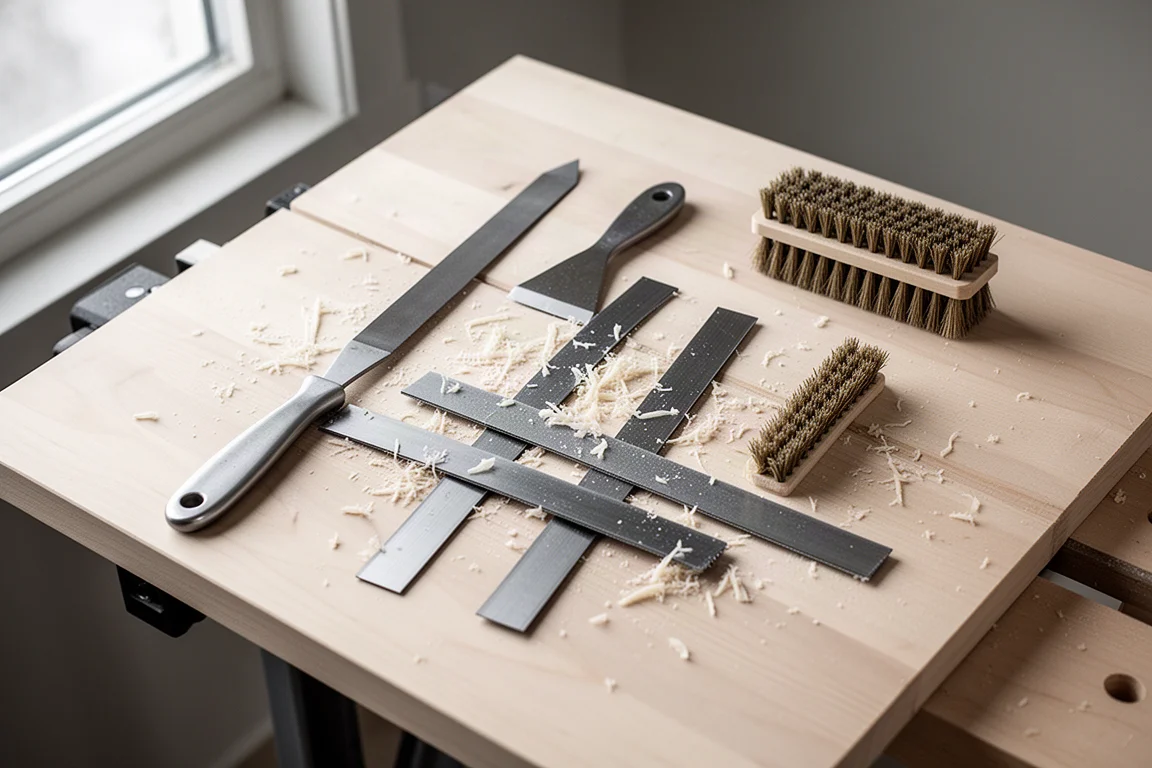
Hardware like this often reads as a gimmick on paper. Here it is a genuine part of the ride quality rather than a talking point.
Turn Shape and On-Snow Feel
The ski is quick and agile in short to medium radius turns, which is where the 76 mm waist and the tighter radius do their best work. It can also be skidded rather than carved, which matters for skiers who are still building edge control.
Softer snow and cut-up groomer edges are handled better than the shape suggests. Even though this is not a race ski, it is difficult to push past its limits, and it stays composed when you ask for more. At the same time, the narrower platform gives it a precision on firm, non-deep snow that wider skis cannot offer.
Who the Thunderbird R15 WB Suits
This is not an expert-only ski. A comfortable intermediate will find stability and power in it without being overpowered, and an athletic skier moving up through the levels has plenty of room to grow into it. Advanced skiers who want a lively frontside carver will also feel at home.
The case for owning a ski like this is strongest in a season with limited natural snow, when groomed runs are what is actually available. Even in snowier regions, there are days when a narrower ski is simply more rewarding to ski.
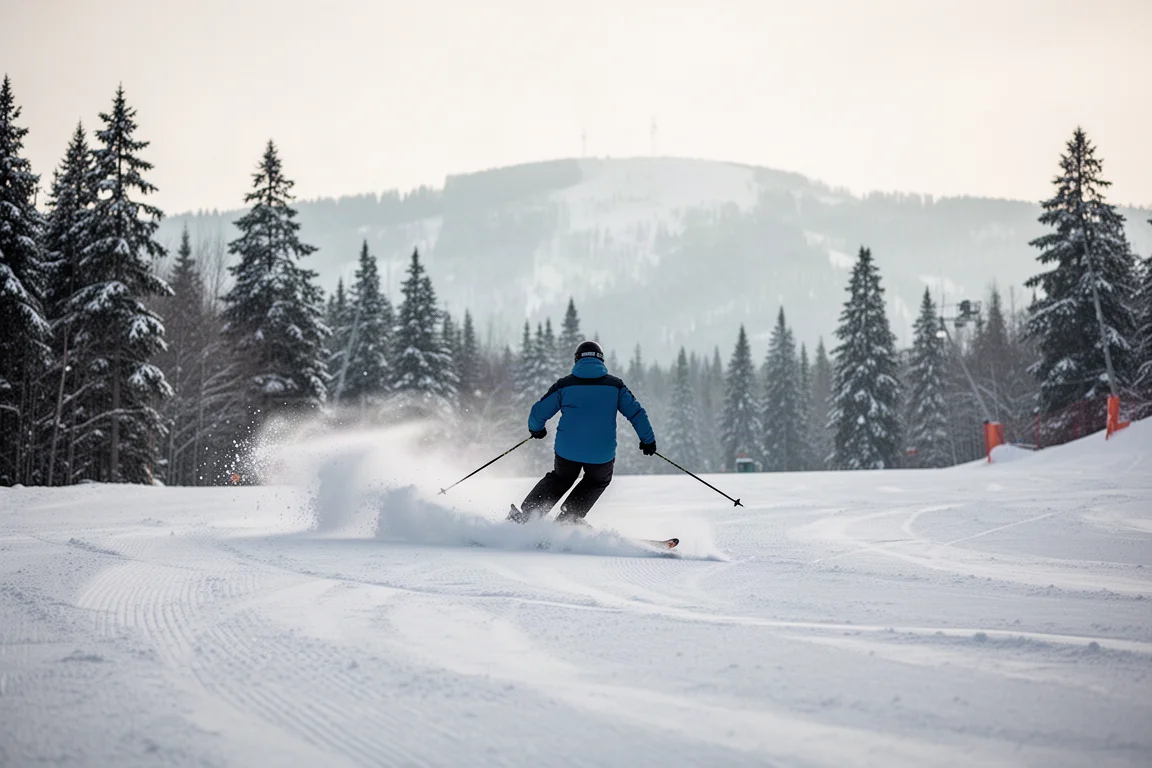
If you already own a wide all-mountain ski, a 76 mm carver complements it rather than replaces it.
Blizzard Firebird HRC: The Race-Oriented Alternative
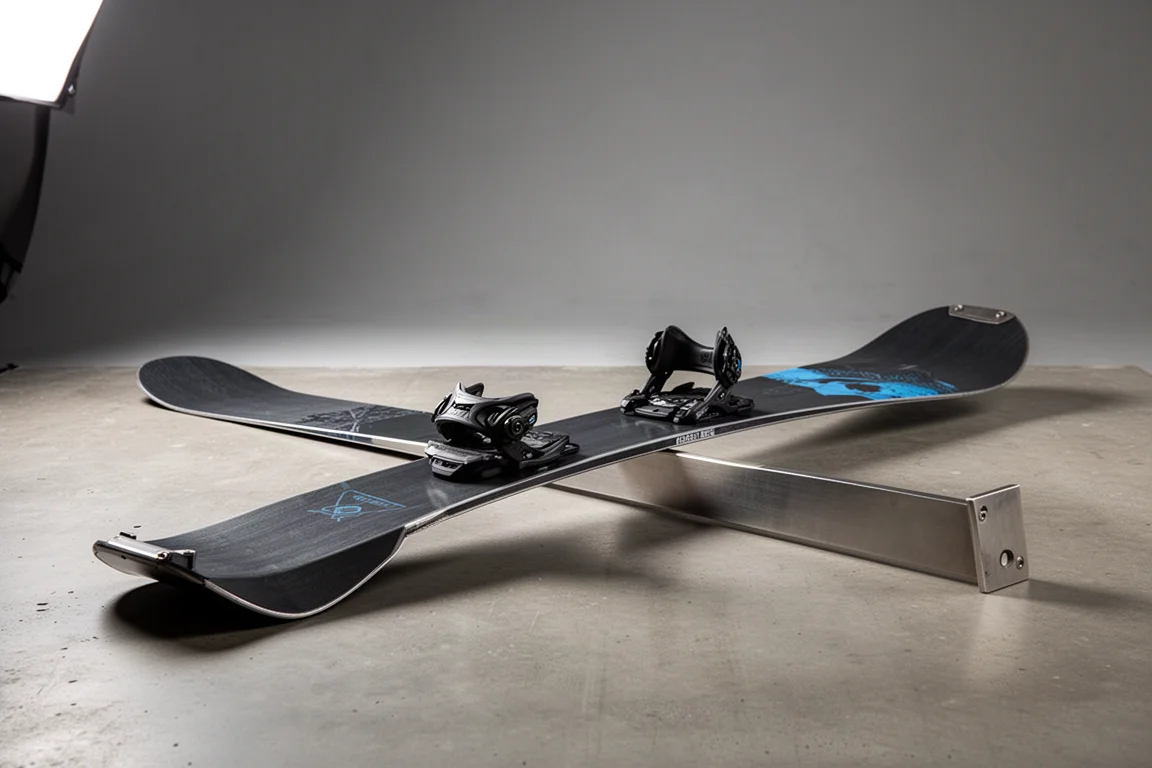
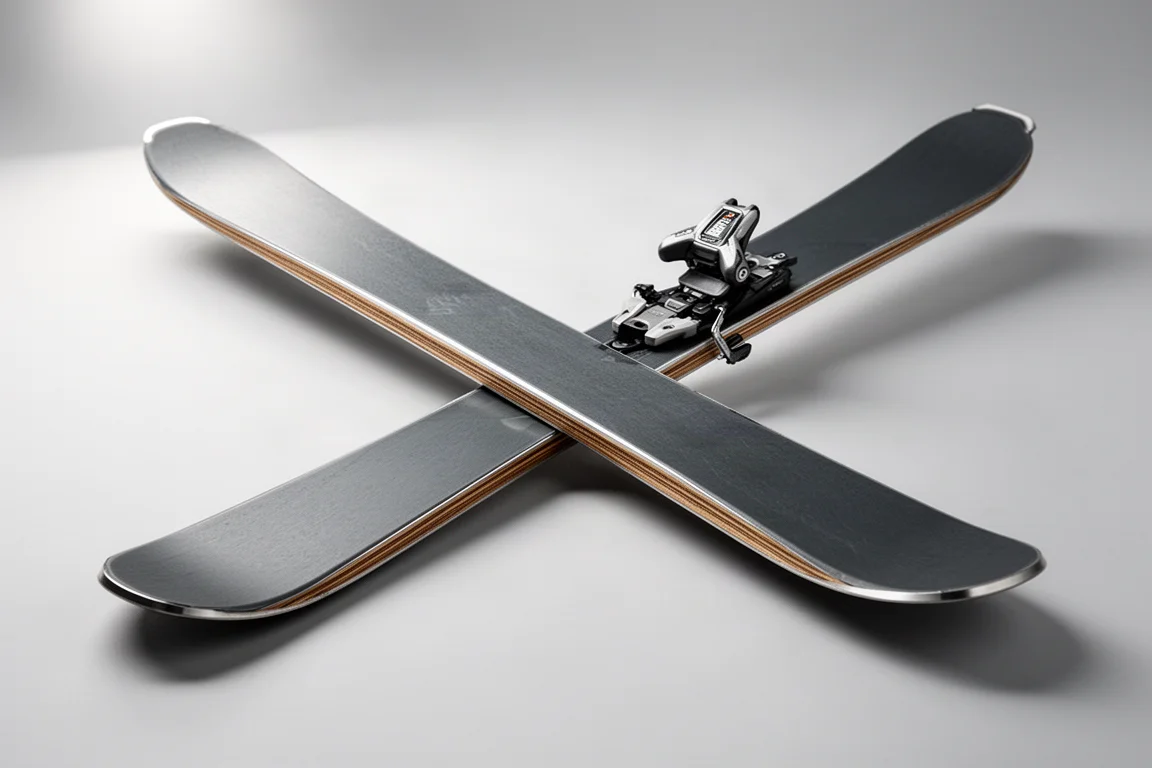
The Firebird HRC shares the same shape as the Thunderbird R15 WB and the older Comp 76, so the difference is in the build and the binding rather than the footprint. It carries carbon armor construction and ships with a Race XL 14 binding, against the TPX 12 on the Thunderbird.
That extra stiffness and the race binding push the HRC toward a firmer, more demanding ride. Skiers who are not used to a race-oriented platform may find it overpowering, while those who want maximum edge grip and a stiffer flex will prefer it.
The price difference reflects the hardware: the Thunderbird R15 WB comes in at $899, while the Firebird HRC steps up to $1,099.
Buying Advice: Choosing Between the Two
Both skis are built for the same terrain, so the decision comes down to how much ski you want underfoot and how you plan to use it.
The Thunderbird R15 WB is the more versatile and more accessible option at $899. Its TrueBlend core and floating carbon plate give it a smooth, round flex that works across a wide range of abilities, and it is easy to skid, carve, or reshape a turn on demand.
The Firebird HRC at $1,099 is the choice for skiers who want a stiffer, race-adjacent feel and are comfortable driving a demanding platform.
The mid-70s category tends to get skipped over. Skiers shopping for a carving ski often jump straight to narrower and stiffer race models, while anyone looking at a wider ski starts around 88 mm and works upward. If most of your days are on groomed terrain, the 76 mm class deserves a serious look, and this ski is one of the more well-rounded examples of it.
Stock was limited toward the end of the season, and the Thunderbird R15 WB is expected to return in the next collection, so availability should improve.
Conclusion
The Blizzard Thunderbird R15 WB is a frontside carver that stays fun without asking for race-level technique. Its 76 mm waist, TrueBlend core, and Active Carbon Armor add up to a ski that holds well underfoot, exits turns cleanly, and remains easy to manage at lower speeds. The Firebird HRC is the stiffer, race-leaning alternative for skiers who want more.
If your days are mostly groomed and you want one ski that makes those days better, the Thunderbird R15 WB is a strong place to start.
Further reading
Related Reviews
Alpine Skis
Atomic Redster X9 Review: An Ultra-Precise Carving Ski for Firm Snow
A close look at the Atomic Redster X9, a 65.5 mm carving ski built for firm groomed snow, covering its construction, strengths, limits, and who should buy it.
Alpine Skis
Atomic Redster X9 S Review: A Precision Carving Ski for Firm Snow
The Atomic Redster X9 S pairs a 65.5 mm waist with race-derived construction and steel damping, delivering knife-like precision on firm groomers.
Alpine Skis
Fischer RC1 82 GTW Review: An Agile Frontside Ski for Advanced Skiers
A close look at the Fischer RC1 82 GTW, an agile frontside ski with strong edge hold, smooth stability, and a build that rewards advanced and expert skiers.