Art Supplies
Are $100 Crayons Worth It? Stockmar Beeswax Crayons vs Crayola vs Karen Doh
Stockmar's Waldorf Farbin beeswax crayons cost nearly 30 times more than Crayola. Here is how they stack up against budget crayons and professional-grade Karen Doh wax crayons.
Introduction
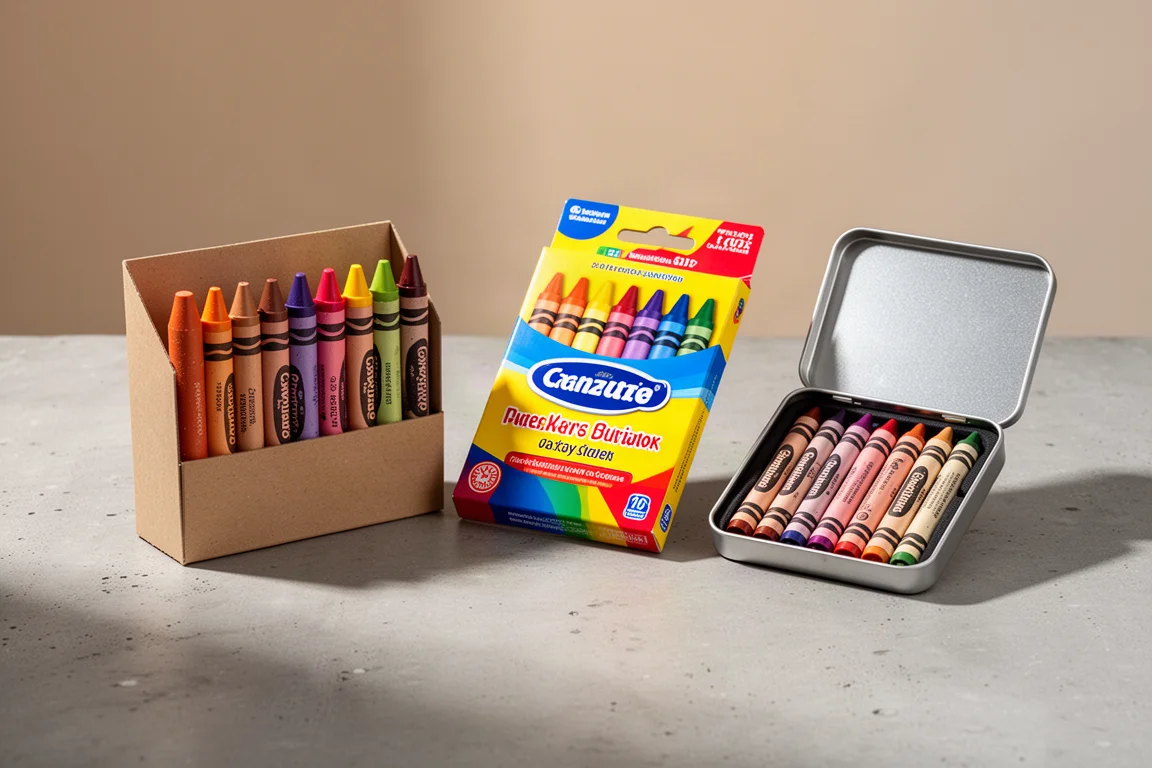
Specialty crayons are having a moment, and nothing illustrates that better than a 24-piece set of German beeswax crayons priced at $100. That works out to roughly $2.40 per crayon, nearly 29 times the cost of a standard box from Walmart. The big question: does the formula justify the price, or are you paying for a name? To find out, this comparison pits three tiers against each other: premium beeswax crayons from Stockmar, a familiar $2 budget set, and professional-grade Karen Doh wax crayons that actually cost less per piece.
Stockmar Waldorf Farbin: The $100 Crayons
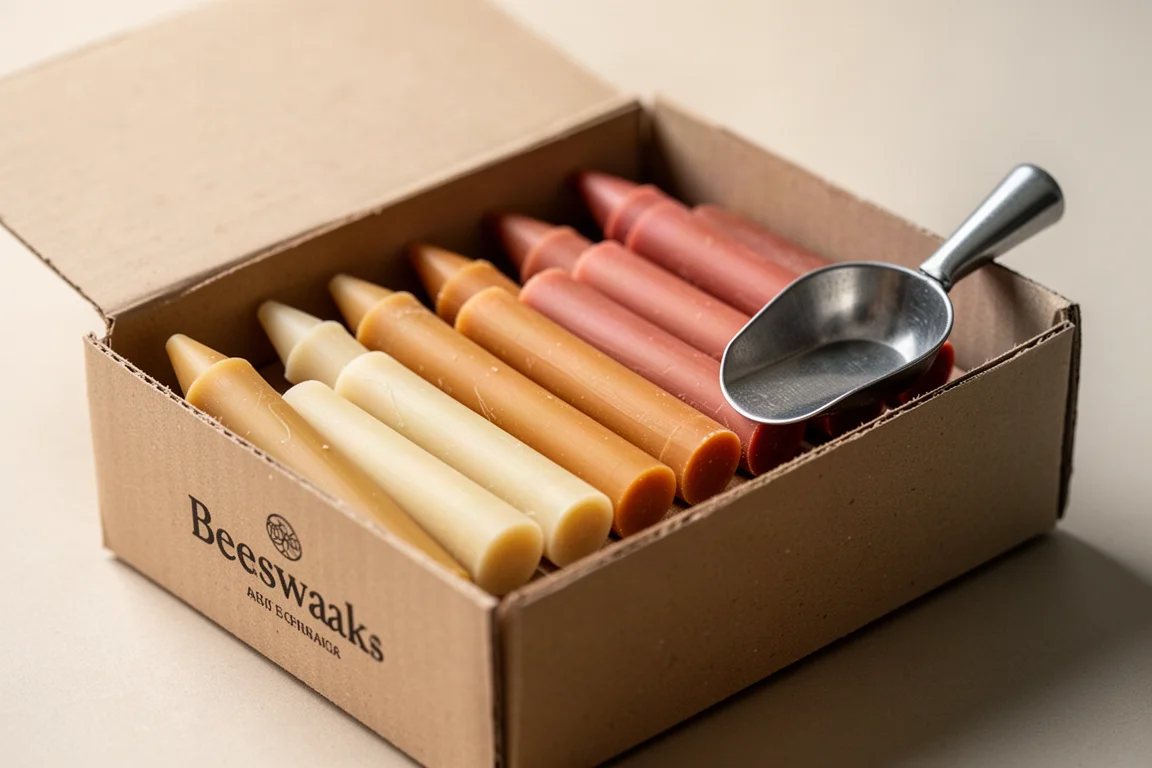
Stockmar’s Waldorf Farbin line is a specialty German product made with beeswax rather than the paraffin wax used in most budget crayons. Beeswax is significantly more expensive to source, and the crayons are noticeably thicker than standard ones. The set includes a small scoop tool so you can pop crayons out of their tray without using your fingers.
Packaging is deliberately minimal: a plain box, explained by the company as an environmentally friendly choice to avoid excess packaging. The crayons themselves have a pleasant beeswax scent, which the company describes as part of a unique color experience: vibrant yet translucent, with outstanding color properties and continuous quality and safety monitoring. One quirk in the color selection: six shades in the brown, red and blue families, but only a single yellow variety.
Crayola: The Budget Baseline
Crayola crayons are the default crayon for a reason. They are cheap, widely available, and completely non-toxic, which matters if the crayon is going anywhere near a child who might taste-test it. For about $2, you get a set that performs surprisingly well in a straight comparison against far more expensive wax.
Karen Doh: Professional-Grade Wax Crayons
Karen Doh is a premium art supply brand with a reputation among artists for professional-grade materials, and its wax crayons deliver a genuinely different class of product. The tested set includes 10 wax crayons with the highest quality pigments, completely lightfast so they will not fade over time, packaged in a padded protective aluminum tin.
The math is the surprising part: at $17 for 10 crayons, that is about $1.71 per crayon, which is cheaper per piece than the $100 beeswax set. Because Karen Doh crayons are not made to be non-toxic or safe to eat, the brand has more freedom in pigment and binder choices, which shows in the results.
Pigment Power
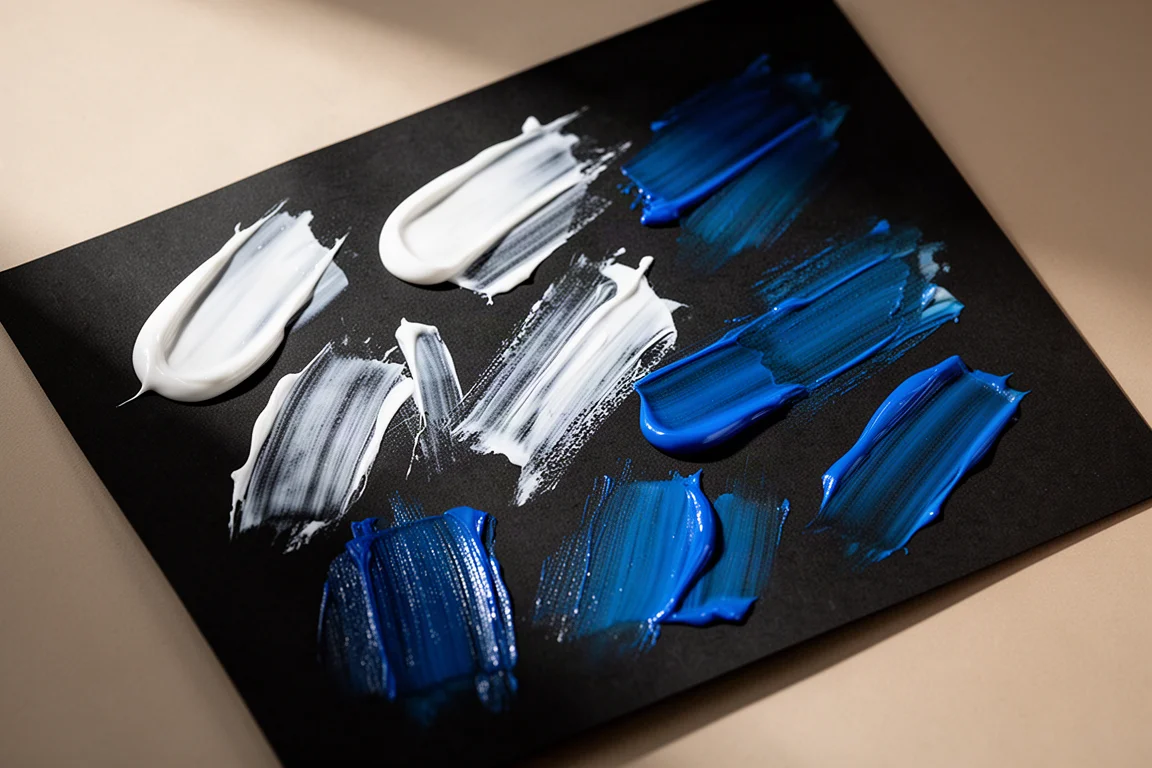
On black paper, the difference between the beeswax crayons and a white budget crayon is stark. The beeswax crayons deliver far stronger pigment payoff, visible even from several feet away. The colors are described as vibrant and translucent, and in pure pigment terms, the premium claim holds up. Budget crayons cannot match this density of color on dark surfaces.
Blending Test
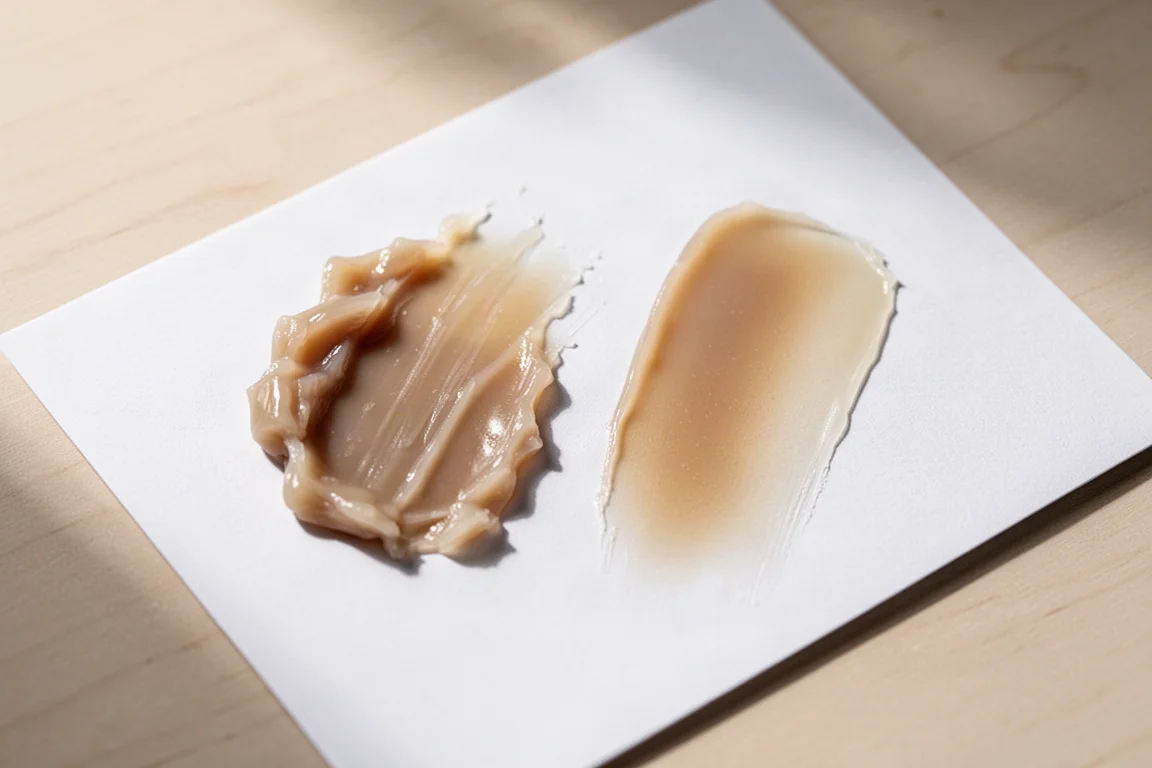
Blending is where things get interesting. Beeswax behaves differently from paraffin: it is chunkier, waxier, shinier and more slippery. That makes it harder to work with. When two complementary beeswax colors were blended, even with extra time and effort, the result was uneven and streaky. The wax resists smooth transitions.
The Karen Doh crayons, by contrast, blended almost perfectly on the first pass, producing a smooth gradient with minimal effort. If blending matters to your artwork, this is a decisive difference, and it favors the professional-grade set that costs a fraction per crayon.
Drawing Performance
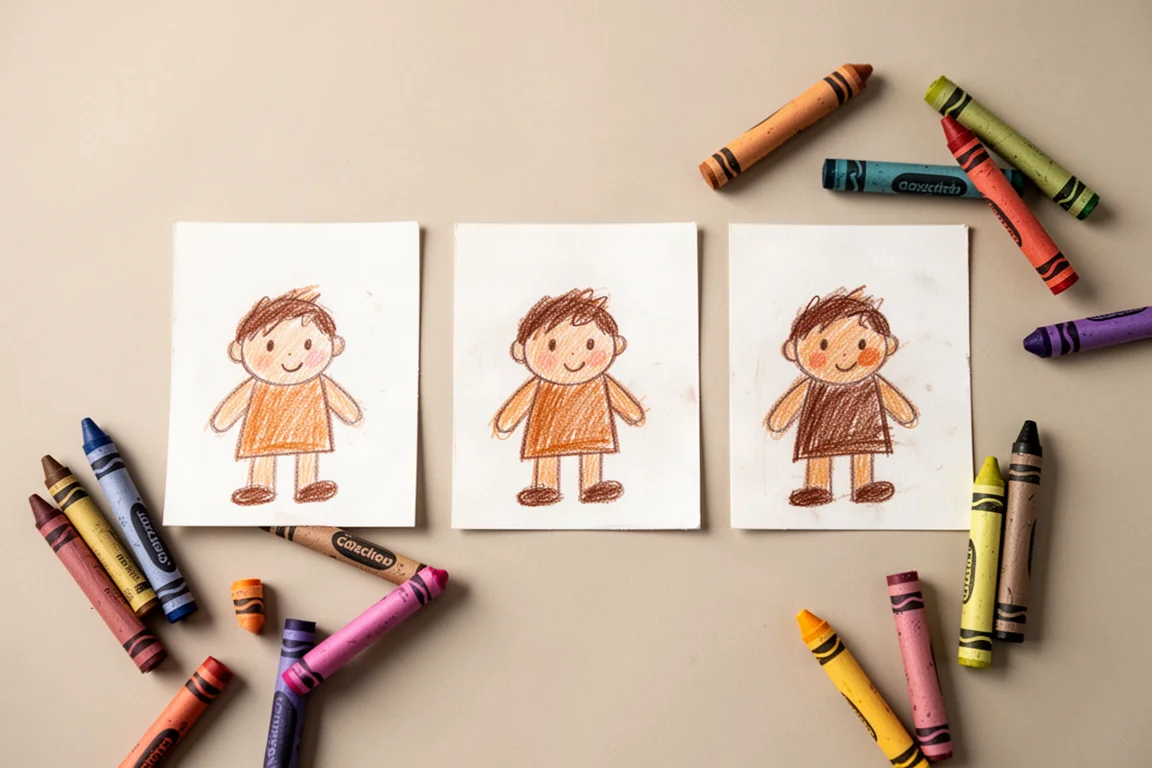
Three simple drawings, one with each set, revealed the most humbling result of the comparison. The $100 beeswax crayons performed remarkably similarly to the $2 budget crayons in a finished drawing. Genuinely, it is difficult to tell the difference in the final artwork. Against the Karen Doh crayons, though, the gap reopens: depth of color, pigment quality and overall handling are all clearly superior with the artist-grade set.
The lesson repeats itself: an expensive art supply is not automatically a good one.
So Who Should Buy the $100 Crayons?
If pure performance were the only criterion, the answer would be Karen Doh for artists or Crayola for kids. But there is a reason people buy Stockmar beyond the crayons themselves. The company states that ecological and social sustainability shapes every step of manufacturing, and that its parent company directs profits toward benefiting society. In other words, part of the premium funds how the product is made and where the money goes.
Conclusion
The $100 beeswax crayons are undeniably charming: thick, fragrant, vibrantly pigmented and sustainably produced. But for actual artwork, the $17 Karen Doh set outperforms them at less money per crayon, and for children, a $2 box of non-toxic Crayola remains nearly unbeatable on value. Buy Stockmar if sustainability and the Waldorf ethos are what you are paying for. Buy Karen Doh if performance per dollar is the goal.
Product link
View more details for Stockmar Waldorf Farbin Beeswax Crayons
This product is mentioned in the review. Check the specifications, options, and compatibility before buying.
View more details for Stockmar Waldorf Farbin Beeswax CrayonsFurther reading
Related Reviews
Art Supplies
Art Pop Watercolor Pencils 48-Color Set: A Thoughtfully Designed Student-Grade Option
The Art Pop 48-color watercolor pencil set blends well, dissolves smoothly, and includes artist-friendly details like barrel-printed color names, all at an affordable price.
Art Supplies
Artics Acrylic Markers 3mm Review: Versatile Paint Markers With a Few Caveats
A 48-color set of water-based acrylic paint markers that blend while wet, dry permanent, and keep the price low, though safety transparency remains a question.
Art Supplies
Best Art Supplies Worth Your Money: Pencils, Pens, Paints, and Paper That Earned Their Spot
After years of daily use and testing, these are the pencils, pens, watercolors, gouache, brushes, sketchbooks, and erasers that stand above the rest.