All-Mountain Skis
Stockli Storm Rider 95 Review: A Smoother Take on the All-Mountain Ski
The 2024 Stockli Storm Rider 95 gets a new freeride tail, a lighter build, and a forward mount point. Here is what changed, how it rides, and who it suits.
Introduction
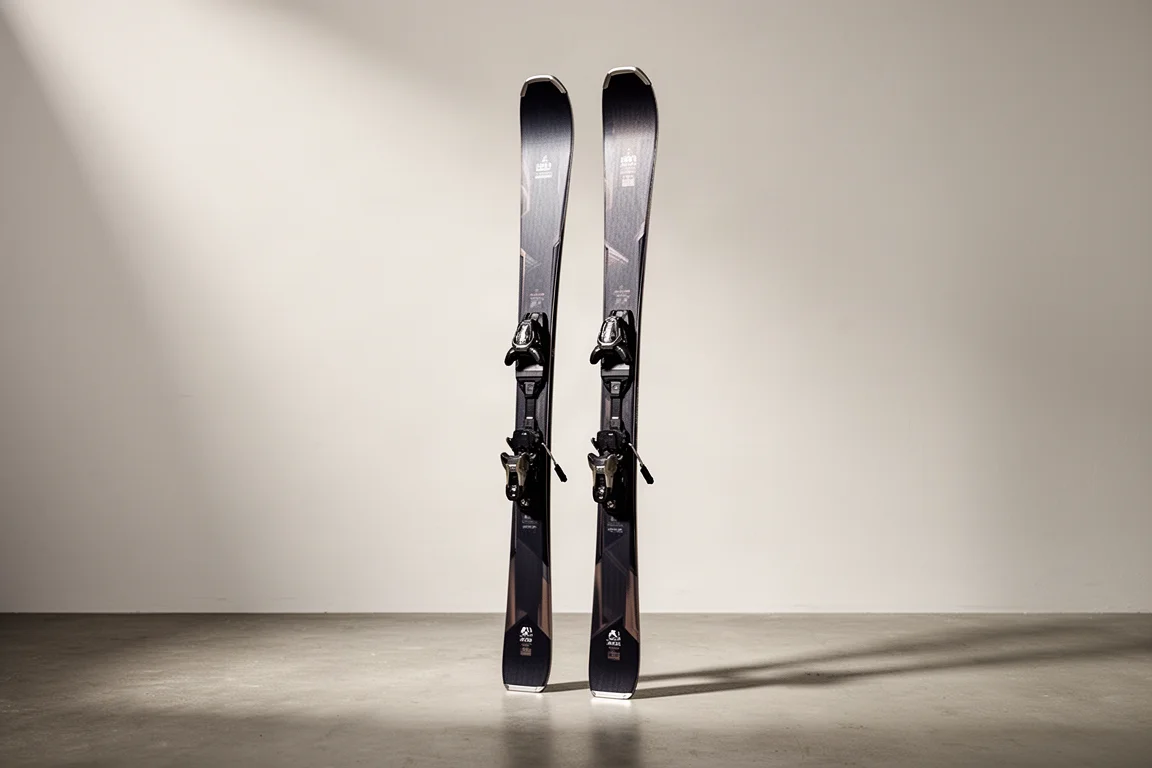
For 2024 the entire Storm Rider line is updated, and the Storm Rider 95 is the model that changes the most. That said, the changes are more about character than about outright performance. Construction and shaping stay close to the previous version, and on snow there is no dramatic jump or drop in capability. What you get instead is a ski that feels noticeably different underfoot, and for a lot of skiers that difference is the interesting part.
This is a 95 mm directional all-mountain ski built around precision and a smooth, quiet ride. Below is what actually changed, how it behaves on snow, and what is worth weighing before committing to a premium pair.
Who This Ski Is For
The Storm Rider 95 is a fully directional ski with a fairly flat tail and a subtle tip rocker. Decamber the ski and you can see the rocker lift, but when it sits fully cambered it almost looks like there is none at all. That combination is deliberate. It keeps a lot of edge contact and precision while still giving a supple turn entry and a bit more versatility out of the tip.
This is a ski for someone who wants a strong, precise mid-90s all-mountain ski and prefers a smooth, damp feel to a loud, high-energy one. It also suits skiers who intend to use a 95 mm ski the way it is meant to be used, across varied snow and terrain rather than only on groomers. The waist is 95 mm, the tip is 132 mm, and the tail is 120 mm, which keeps it firmly in the all-mountain middle rather than in the frontside carving category.
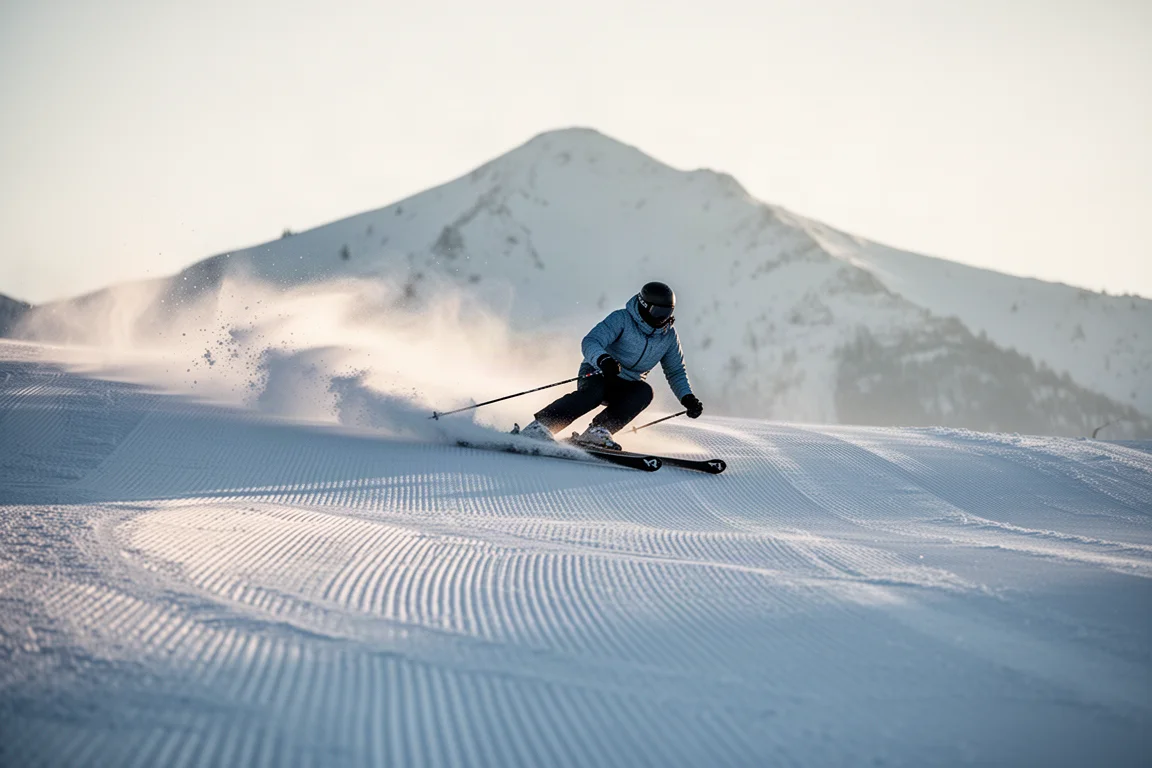
Because the shape is directional and the tail is flat, the ski rewards a forward stance and a driver’s approach rather than a centered, switch-friendly style.
Main Strengths
The strengths here are less about a headline number and more about how the ski is put together and how that translates into feel.
Lightweight Wood Core and Metal Laminate
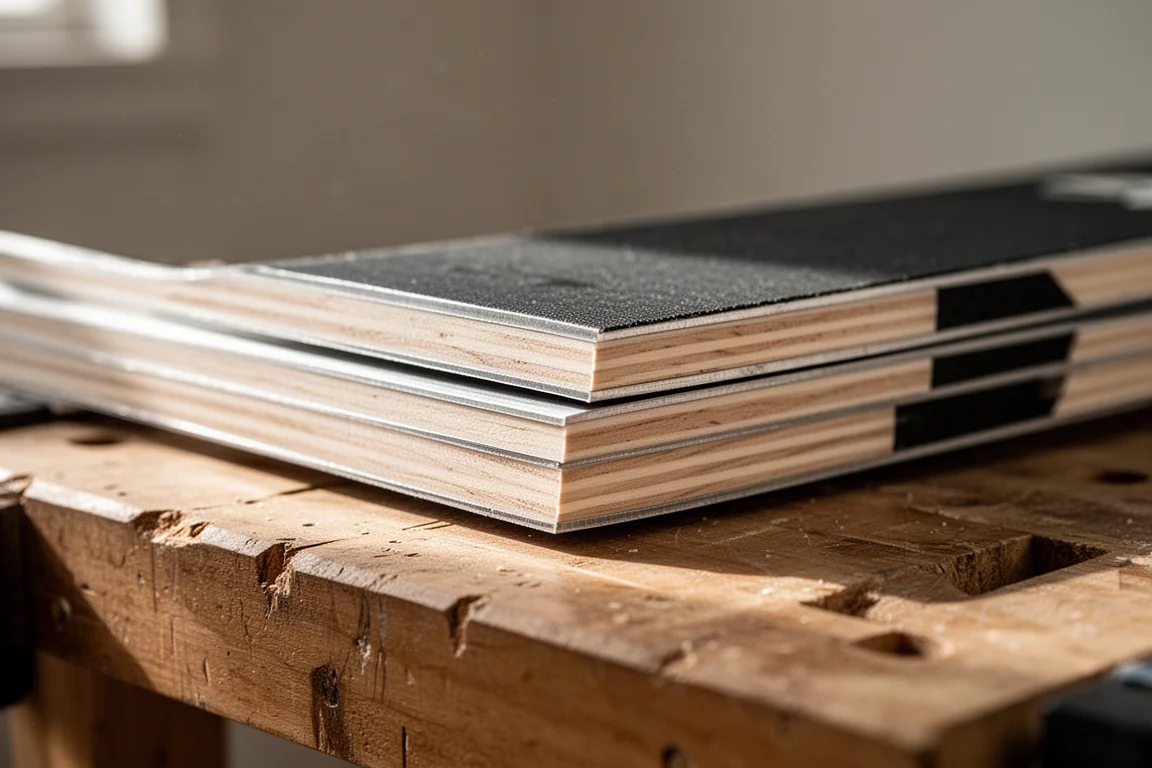
The basic recipe carries over. There is a light wood core built from balsa and fuma wood, metal in the layup, and a laminate on top. One detail worth knowing is that the graphic is printed directly onto the metal, which removes an entire layer from the ski’s construction. That is how the ski keeps the benefits of metal while staying relatively light.
Every laminate in the build also gets a glue layer that incorporates rubber dust, which acts as damping material throughout the ski. That is a large part of why the ride feels as smooth as it does.
Compared with the previous comparable length, the new version is roughly 100 grams lighter. That matters because light and stiff usually means a core with far less vibration damping, and this ski avoids that trade-off.
Freeride Tail and Updated Shape
The tail is where the biggest difference lives, in both shape and construction. The additional metal cap in the tail is gone, replaced by a polymer material, and the ski adopts the freeride tail shape from the 102. This is the main source of the weight reduction and the main character change.
The effect is a small reduction in torsional stiffness right at the very end of the turn. The shovel and waist are unchanged, and the ski is still stiff overall. The tail also stays more squared off than a lot of skis in this category, which typically finish with a rounder tail.
On paper the numbers look odd at first. The listed tail measurement is slightly narrower than before, yet the turn radius drops by about a meter at the comparable length, from roughly 19.6 m to 18.5 m. The reason is that the widest point of the tail has moved toward the center of the ski, so the taper angle at the very end is steeper. It is a difference you can feel with your fingers, and it is why the on-snow behavior does not match a simple reading of the spec sheet.
The mount point has also moved forward 2 cm. Combined with the new tail, that puts the skier more in the middle of the ski and makes the tail feel more playful.
Length options have been tightened as well. The range now runs 170, 176, 182, and 188, replacing the previous 166, 175, 184, and 193. Those old 9 cm gaps are gone, and the 182 and 176 sit in the sweet spot for most skiers. The 188 is a far more manageable long option than the old 193, and 170 is a much more common length for most skiers than 166.
Smooth, Quiet Ride Character
On snow, the new tail makes the ski feel smoother and more maneuverable. It floats a little more and feels less locked in than the previous version, while still holding up in high edge angle, high g-force turns.
The most distinctive quality is how quiet it is. It does not chatter, it does not move around underfoot, and it does not transmit a lot of noise up through the boot. It feels like glass. That is unusual for a ski that manages to be this light and this stiff at the same time.
Compared with heavier metal skis that rely on a lot of material underfoot, the Storm Rider 95 does much of the same job with far less sound and far less felt energy transfer. It does not necessarily outperform those skis, but it delivers a very similar level of capability in a way that feels calmer and more refined.
Things to Consider Before Buying
Two things are worth thinking through carefully, and neither is a dealbreaker for the right skier.
Turn Finish and Torsional Stiffness
The trade-off for the new tail is a slightly softer finish at the very end of the turn. On firm groomers you lose a small amount of the rebound the previous tail provided. It is a narrow difference that shows up only in the final part of the carve, and it is the price of the smoother, more versatile behavior everywhere else.
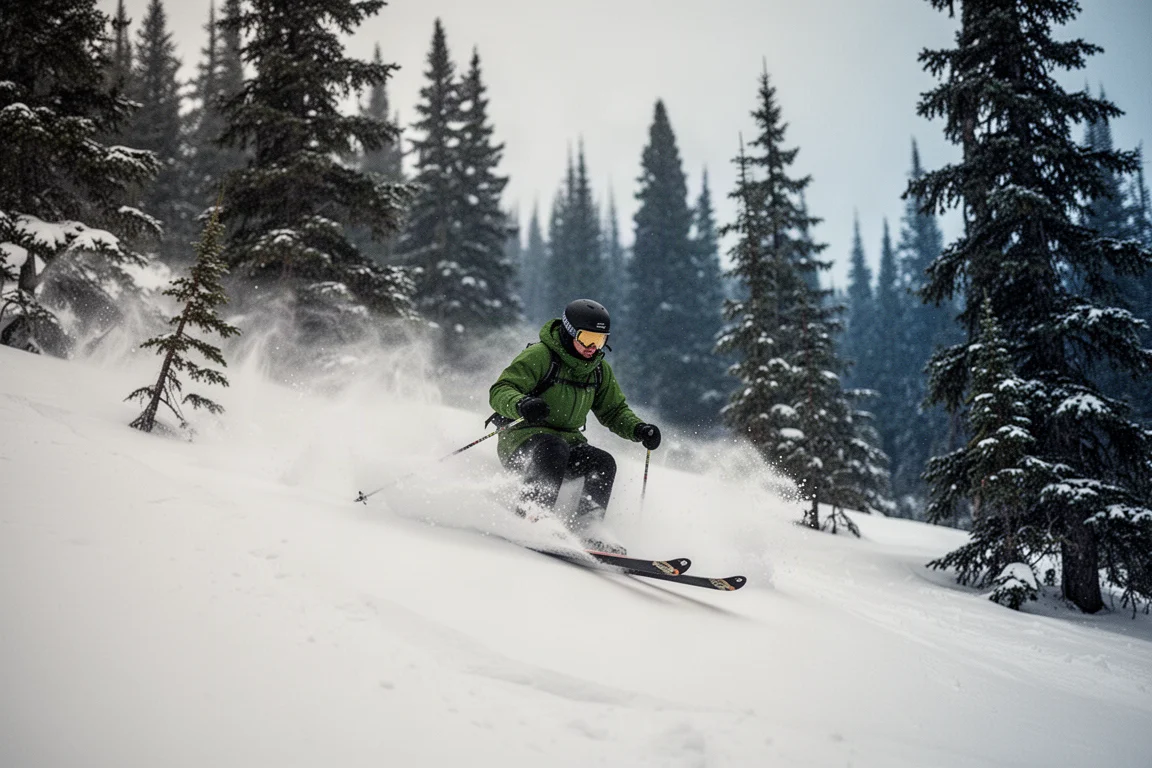
If your priority is maximum grip and rebound on hardpack above all else, a narrower and more frontside-focused ski will serve you better. The Storm Rider 95 is aimed at the all-mountain side of the mid-90s category, and it is built to be used there.
Price and Positioning
This is a premium ski, priced somewhere around $1,250 to $1,400 depending on the configuration. That price reflects a labor-intensive, hand-built process and materials that are genuinely expensive to work with, including the metal top sheet and the layered damping built into every laminate.
Whether that is worth it comes down to what you value. The ski is not three times better than a $400 ski, and it is not twice as good as a $650 ski, but it does behave on a different level in terms of quality and refinement. It is also worth noting that premium ski pricing in general has been climbing, so this is no longer an outlier in the category.
Buying Advice
The honest recommendation is to ski it before you commit, ideally back to back with something else. If you have access to a demo rack, take out the Storm Rider 95 and a heavier metal all-mountain ski on the same day and swap between them. The difference in sound, in feel, and in how much feedback travels up through your boots is the whole point, and it is much easier to feel than to describe.
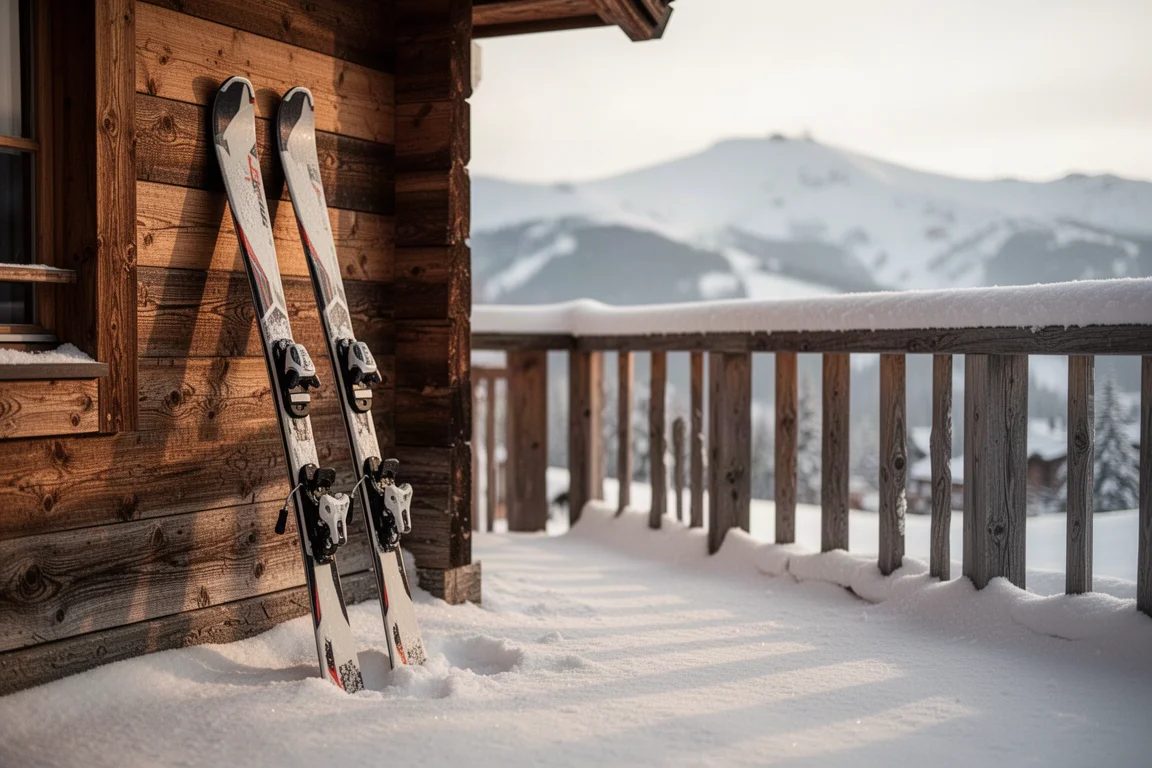
On sizing, the 182 and 176 cover most skiers well. The 188 is a realistic long option for bigger or more aggressive skiers, and the 170 is a sensible choice for lighter skiers who would previously have been stuck between an overly long and an overly short option.
If you are upgrading from an older directional ski, the forward mount point and the new tail mean the Storm Rider 95 will feel more centered and more playful than its predecessor from the first run. Give yourself a day to adjust your stance before judging it.
Finally, be honest about where you ski. If you spend nearly all of your time on hardpack, a narrower ski will reward you more. If you want one ski that holds an edge, stays quiet, and still handles soft snow and mixed terrain, this is the version of the Storm Rider 95 that does it best.
Conclusion
The 2024 Storm Rider 95 is the most changed ski in the Storm Rider line, but the changes are about character rather than a leap in performance. A lighter build, a freeride tail borrowed from the 102, a mount point moved forward 2 cm, and a tighter length range add up to a ski that feels smoother, more maneuverable, and more at home across varied terrain, while keeping the precision and the quiet, damp feel that define the line. If that combination matches how you ski, it is an easy ski to feel confident about.
Product link
View more details for Stöckli Storm Rider 95
This product is mentioned in the review. Check the specifications, options, and compatibility before buying.
View more details for Stöckli Storm Rider 95Further reading
Related Reviews
All-Mountain Skis
100mm All-Mountain Skis Compared: 23 Versatile Models Worth Knowing
A practical walkthrough of 23 all-mountain skis around 100mm underfoot, covering weight, rocker, metal construction, and the rider each model suits best.
All-Mountain Skis
2026 Black Crows Camox Review: A More Stable, More Versatile All-Mountain Twin Tip
The 2026 Black Crows Camox adds an ash layer underfoot, wider tips and tails, and a revised rocker profile. Here is what those changes mean on snow.
All-Mountain Skis
Armada Antimatter 88 Review: A Light, Lively All-Mountain Ski That Rewards Any Style
The Antimatter 88 pairs a poplar core with carbon stringers for a surprisingly energetic ride that suits intermediates and experts alike.