Ski Gear
Stöckli Montero AX Ora Review: A Refined 80 mm Frontside Carver
A close look at the Stöckli Montero AX Ora, a smooth and quiet 80 mm frontside ski with a forgiving shovel, a stiff tail, and Flex Torsion Control.
Introduction
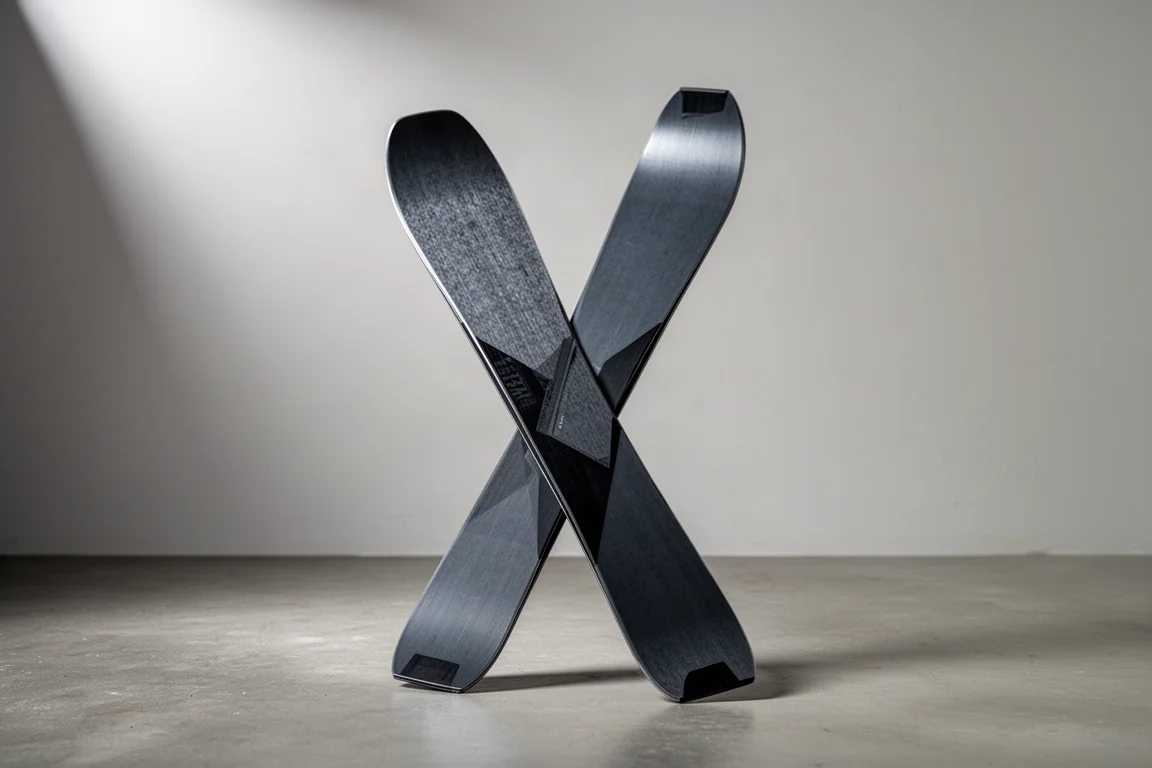
The Stöckli Montero AX Ora is a refinement of an established shape rather than a new direction. Overall dimensions and riding character carry over from the Montero AX, with a more textured topsheet and black sidewalls marking the changes. The result is a ski that stays true to what the platform already does well: smooth, stable, and quiet performance across a wide range of groomed conditions and terrain.
At 80 mm underfoot there is an all-mountain component here, but the profile leans clearly toward the frontside. What sets this ski apart is not an extreme performance ceiling. It is how capable the lower end of the range feels, which broadens who can ride it well.
Who the Montero AX Ora Is For
This is a ski for people who spend most of their day on groomed runs and want those runs to feel calm and precise. The 80 mm waist and frontside-leaning shape suit carving and medium-radius turns, while the construction leaves room for softer snow and variable conditions when the day takes you there.
Stöckli builds a more accessible low range into this ski than most of its direct competition. Faster, harder-charging 80 mm skis exist, but few match how usable this one feels for a skier still building technique. That makes the Montero AX Ora a genuine option for progressing skiers who want a taste of high-end snow feel, as well as for advanced and expert skiers who can access the top of its performance.
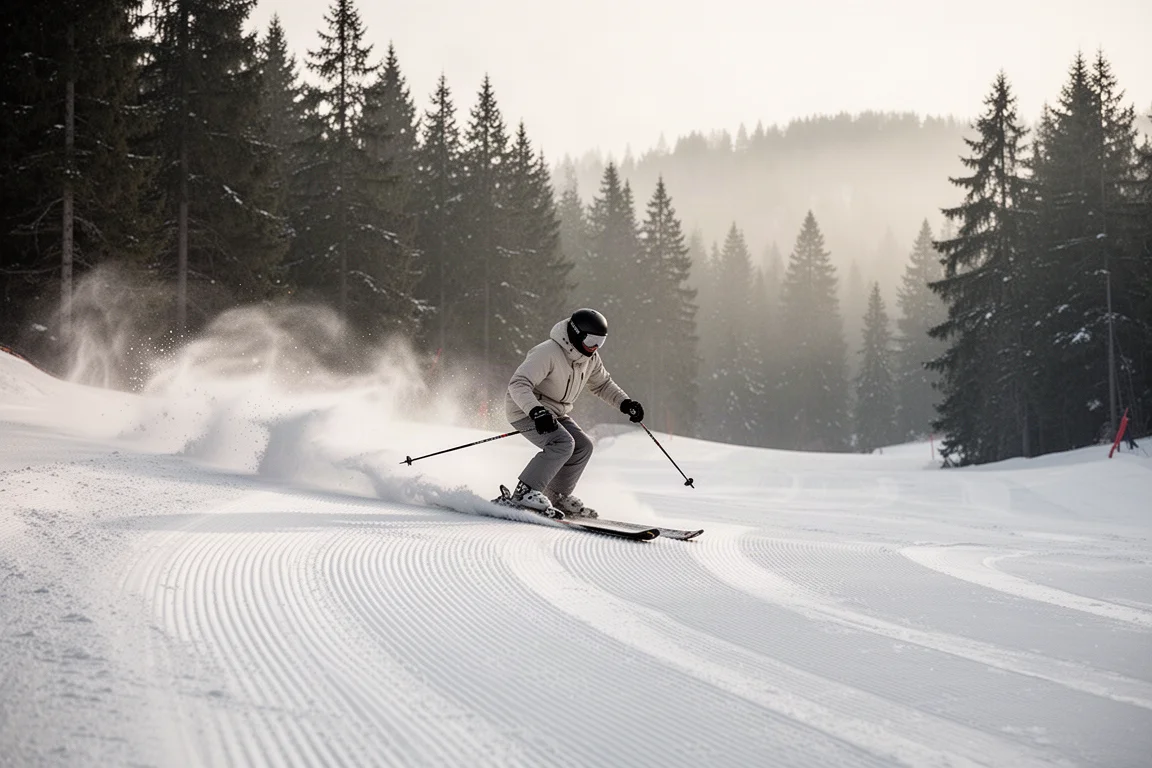
It is worth being clear about the ceiling as well. Reaching the highest levels of this ski’s performance takes strong technique and committed input. The reward for that input is precision nearly everywhere you point it, including in terrain where a carving ski is not usually the first choice.
Main Strengths
The build explains most of the character. A wood core combining poplar and beech is paired with two sheets of metal, and the adhesive includes rubber that furthers the quiet nature of the ride. The outcome is a ski that feels composed rather than edgy, with a consistent snow feel from turn entry to exit.
Smooth, Stable, and Quiet on Groomed Terrain
The metal layers do most of the work here, keeping the ride smooth and settled even when speed picks up. The rubber in the adhesive supports that same goal, muting vibration and giving the ski a silent quality that stands out on hard, early-morning groomers.
Long camber underfoot delivers a longer effective edge, and the more ski that stays in contact with the snow, the smoother the performance feels. That combination is why this ski is happiest on piste, where its stability and quietness are most obvious.
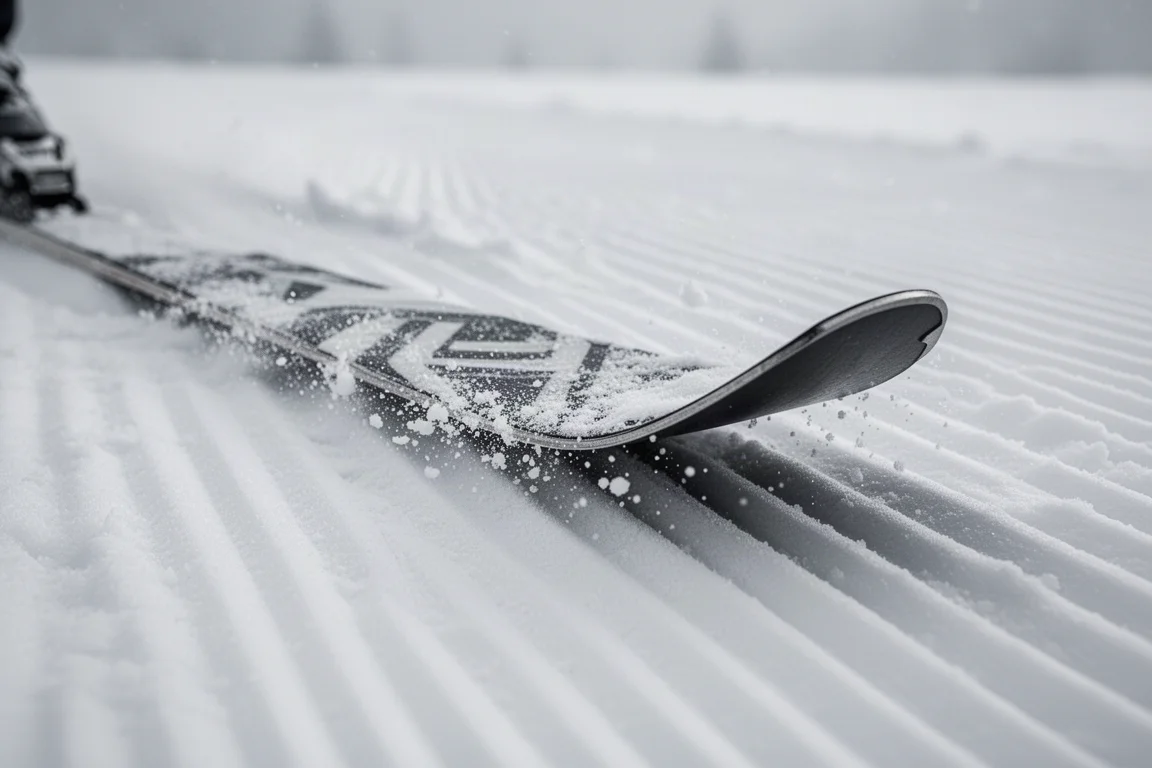
It is stable enough to handle aggressive skiing, and the stiff tail keeps things composed when you push. The ski responds well to being used in an arc, and it can be let run when you want more speed.
Flex Torsion Control and a Forgiving Shovel
Flex Torsion Control is the technology that shapes the low end of this ski’s range. Slits are carved into the top layer of metal, which lets the ski flex more torsionally at lower speeds. That translates into friendlier behavior in slower, more moderate turns and a more forgiving set of rules at the entry level.
Push the ski harder and those slits come together, delivering a much stronger dose of performance. It is an unusual arrangement: the same construction that makes the ski easy to manage at moderate speeds is what firms it up when you open the throttle.
The flex pattern reinforces that idea. The shovel is not overly stiff, with some give at the very end of the tip, then the ski grows stiffer and more stable through the middle and finishes with a notably stiff tail. That gives you a responsive ski that is still amenable to flexing up front, which is a useful trait in softer snow and variable terrain.
Precision Carving with a Race-Like Tail
The shape is deliberately traditional. A rounder tip transitions to a squarer tail with an aluminum insert, a flat profile, minimal taper, and only a small amount of tip rocker. Stöckli describes it as a little bit of tip rocker, and that is accurate: just enough to help you exit a turn and stay balanced in softer or more variable snow.
Quoted turn radii sit in the 12 to 16 metre range, and the ski likes to be used in that arc. Carving and medium-radius turns are where it feels most at home, though it is stable enough to handle higher speeds when you let it run.
The same precision carries into terrain that is not groomed. Bumps and trees are handled well enough, especially given the construction, and the ski stays precise no matter where you put it. It will make you work in the bumps because of that stiff tail, but the accuracy is there.
Things to Consider Before Buying
The stiff tail is the main trade-off. It is what gives the ski its precision and grip, but it also means moguls demand real effort. If a low-effort bump ski is what you are after, this is not the shape for that job.
The 80 mm waist is the other consideration. There is an all-mountain element in the design, and it copes with softer snow better than a pure race ski, but this remains a frontside-leaning carver. Riders chasing deep days will want a wider companion in the quiver.
Weight and setup are worth noting too. In the 178 cm length with the included Strive system binding, the ski comes in at 3,068 grams. The system binding keeps things simple, and the pairing is designed to work as one package.
Buying Advice
The right buyer here is someone whose days are mostly spent on groomed terrain, who values a smooth and quiet ride, and who wants a ski that grows with their technique rather than punishing it. The accessible low range makes it unusually approachable for a metal-laminate carver, and the high end is real for skiers who can reach it.
If you are an advanced or expert skier who wants a precise, stable carver for medium-radius turns and is willing to work for it in the bumps, this ski fits that brief well. If your priorities lean toward soft snow, tight trees, or effortless mogul skiing, a different shape will serve you better.
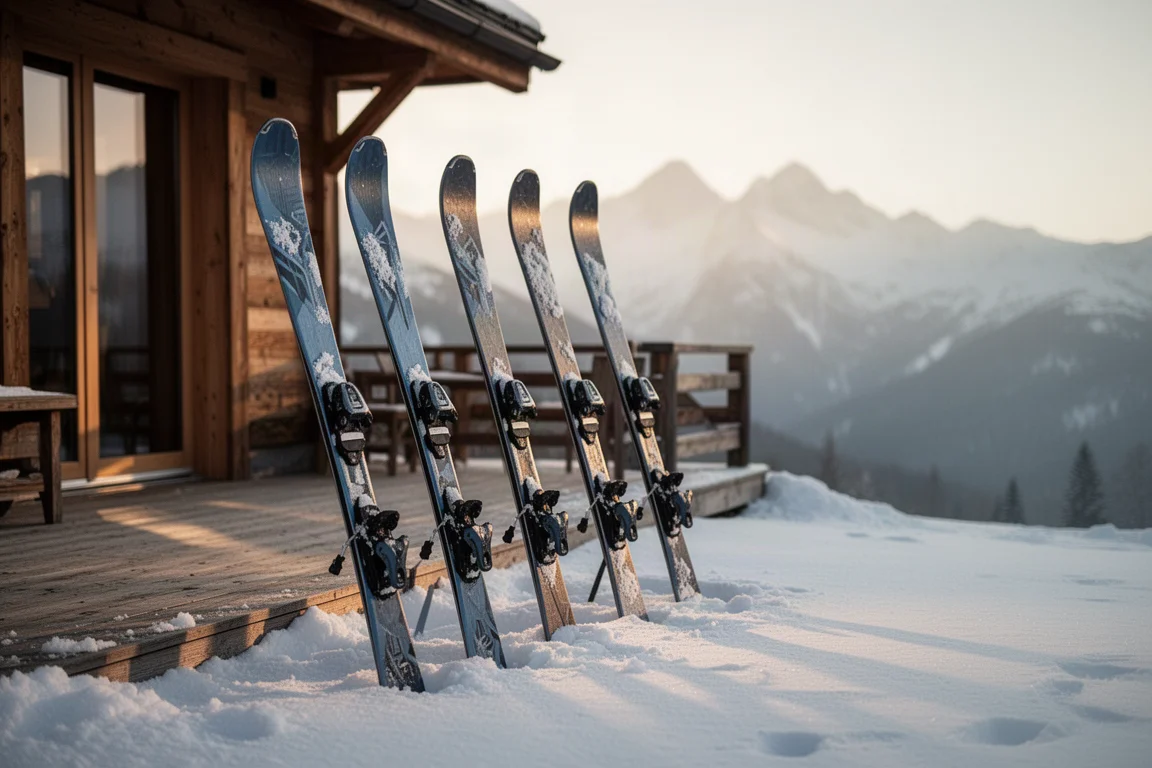
Sizing matters with a ski this shape-driven. Match the length to your height, weight, and the turn shapes you actually ski rather than the ones you hope to ski, and you will get more out of the construction.
Conclusion
The Stöckli Montero AX Ora takes a proven frontside design and refines it without disturbing what made it work. A poplar and beech core, two metal sheets, Flex Torsion Control, and a rubber-infused adhesive add up to a ski that is smooth, stable, and quiet on groomed runs, with a lower range that is genuinely accessible.
The trade-offs are honest ones: a stiff tail that rewards precision but asks for effort in the bumps, and an 80 mm waist that stays firmly on the frontside of the spectrum. For skiers who carve groomers most of the time and want a composed, precise ski that supports their progression, this is a well-judged option worth serious consideration.
Product link
View more details for Stöckli Montero AX Ora
This product is mentioned in the review. Check the specifications, options, and compatibility before buying.
View more details for Stöckli Montero AX OraFurther reading
Related Reviews

Ski Gear
2023 Blizzard Hustle vs Rustler: Six Freeride Skis Compared
Blizzard's 2023 Hustle collection rebuilds the Rustler shape with a lighter core and no metal. Here is how all six skis differ, and which one suits your riding.

Ski Gear
2023 Skis of the Year: Atomic Maverick 88 TI, Salomon QST 106, and Look SPX 12 Pro
Three standout ski picks for all-mountain carving, powder days, and reliable binding performance, with practical buying notes for 2023 models.

Ski Gear
2025 Nordica Enforcer 104 Review: A Directional Charger Replaces the 104 Free
The 2025 Nordica Enforcer 104 drops the Free name and the twin-tip personality, gaining weight, stiffness and composure in rough snow. Here is what changed and who it suits.