All-Mountain Skis
Stöckli Montero AX and Montero AR: Two All-Mountain Carvers Compared
A close look at the Stöckli Montero AX and Montero AR: quiet, damp, planted all-mountain skis, with binding setup notes and practical buying guidance.
Introduction
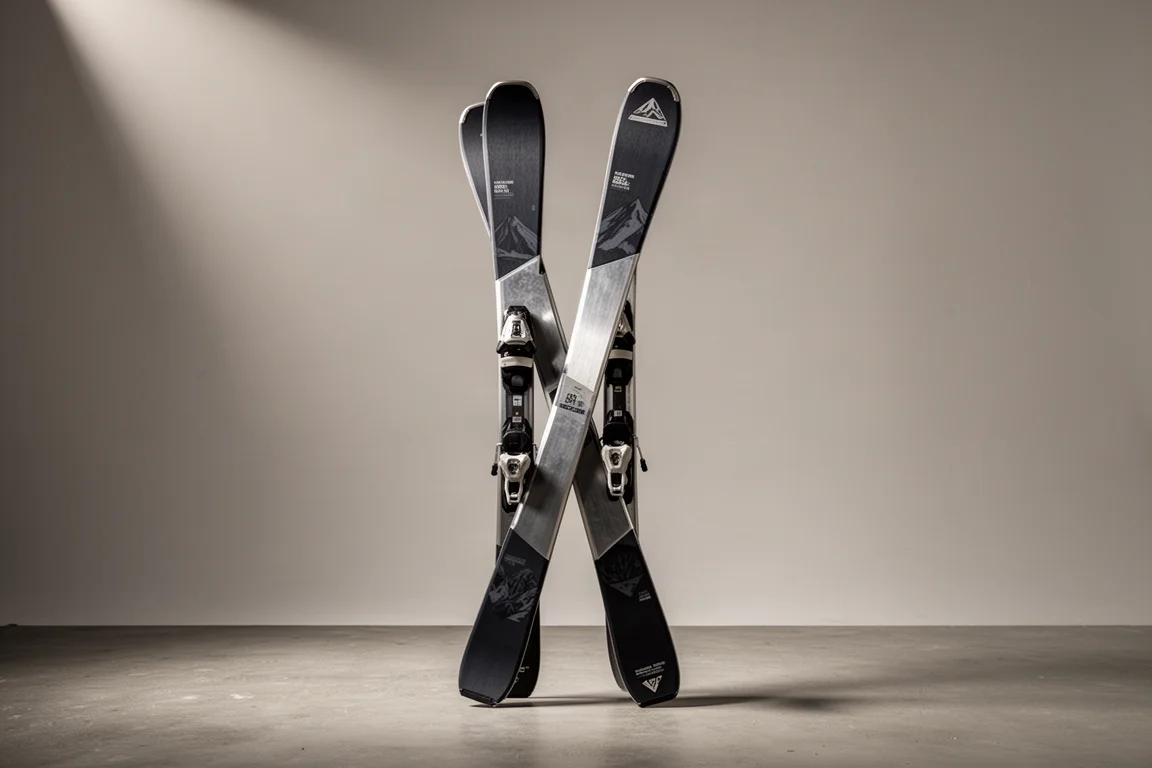
The Stöckli Montero AX and the Stöckli Montero AR are two all-mountain skis from the same family, and they were skied back to back in the same conditions on the same day. The verdict is simple enough to state up front: smoothness and composure define both models. Neither is a light ski, and that is precisely where the appeal comes from.
If you are shopping in this part of the market, the useful questions are narrower than they first appear. Does the Montero character match how you ski? Which of the two models fits your terrain? And what binding gets the most out of the ski without turning it into something it is not?
What Both Montero Models Get Right
Quietness is the first thing that registers. There is a damped, muted quality to the ride that is hard to miss, and it holds up even when the snow underneath is not perfect. Skis with metal in the construction tend to feel predictable for the same reason: the ski does not react in a way you did not ask for. There is no surprising kick, no sudden release of grip, just a steady, planted feel underfoot.
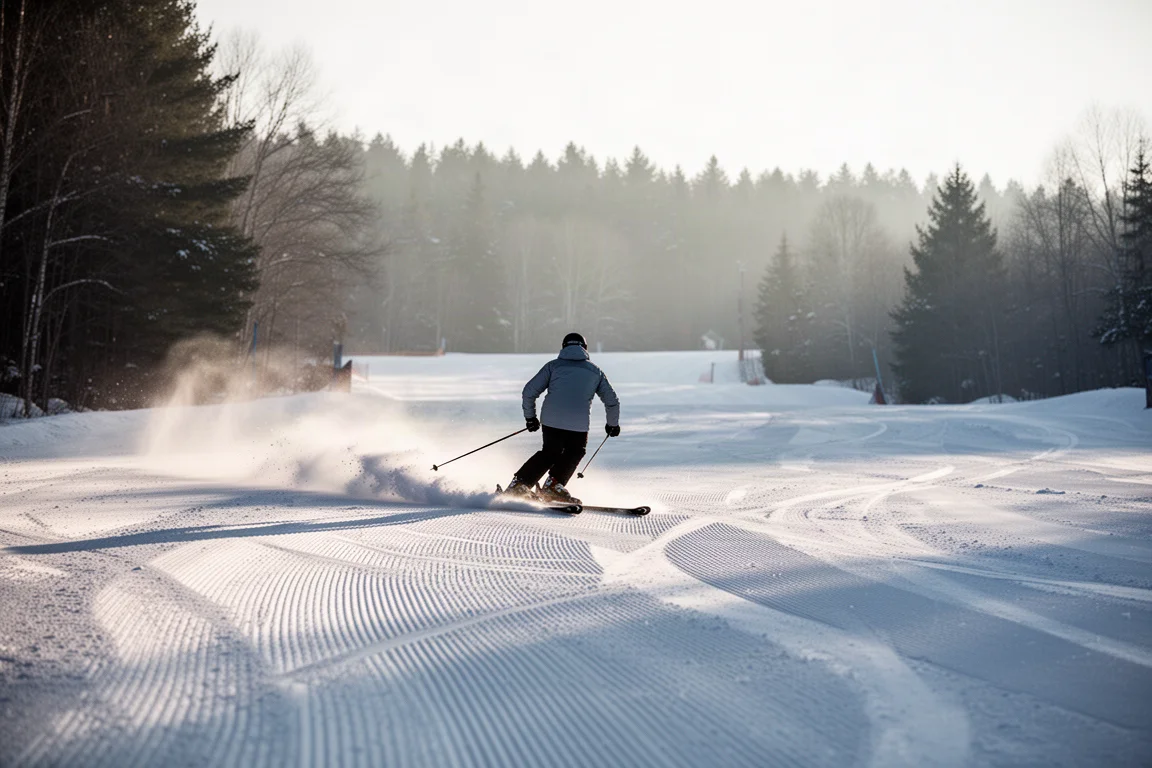
That planted feel translates directly into carving confidence. Because the ski is not light, it stays settled when you commit to an edge, and the shape of the turn follows what you asked for rather than what the snow decided. Lighter skis in a similar width can get pushed around, particularly for lighter or less powerful skiers, and the Montero sits at the opposite end of that spectrum.
The second quality worth highlighting is how well these skis behave when you are not going fast. A stable, damp ski can easily feel lifeless on flatter terrain, and that is not the case here. On a low-pitch run the Montero still feels responsive, rewarding, and genuinely fun, which is a harder trick to pull off than outright high-speed stability.
Stöckli Montero AX
The AX is the model with the deepest lineage in this conversation. Skiers who have spent seasons on a Laser AX are the most obvious audience, and the Montero AX reads as the natural continuation of that ski’s personality: precision first, with a strong and quiet edge hold that rewards a clean turn rather than a muscled one.
It is also a ski that suits a broader range of abilities than the numbers suggest. A strong skier can push it hard, run it out on a groomer, and find that the limit arrives at the skier before it arrives at the ski. A less aggressive skier gets the same composure without having to earn it through speed or strength, and that is a meaningful part of the value here. Precision and build quality are things you can enjoy at any pace.
View more details for Stöckli Montero AX
Stöckli Montero AR
The AR sits in the same family and shares the same core character on snow. It is not a light ski either, and it carries the same settled, confident feel that makes the AX easy to trust at speed. Skied back to back with the AX in the same conditions, the two models read as variations on one theme rather than two unrelated designs.
One practical point that applies to both: there is enough power underfoot that a race plate or a full race system is not necessary to get the most out of the ski. A plate would push the feel toward a stiffer, more race-like flex, which is the right answer on a dedicated GS ski and the wrong one here. The AR is stable and composed at speed without being jarringly stiff, so it stays forgiving and dynamic rather than punishing when you are tired or the light goes flat. There is very little limit in sight when you let it run, and you can still slow down when you want to.
Binding and Setup Considerations
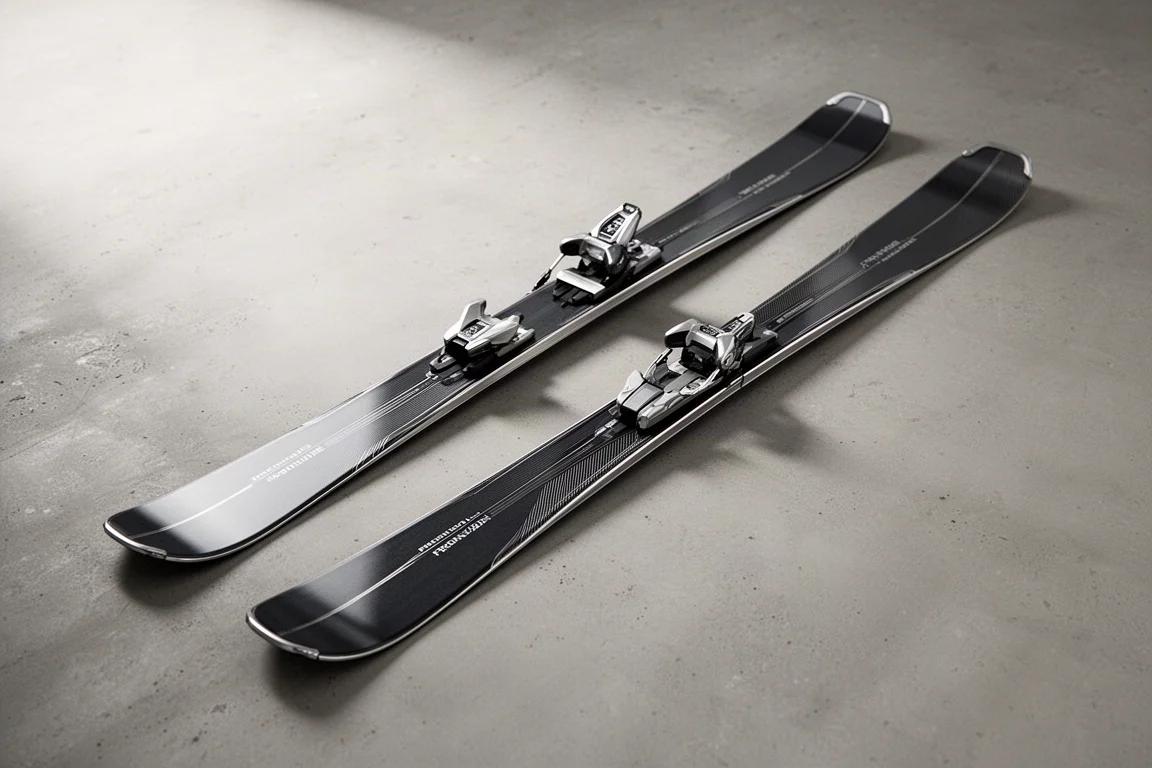
Binding choice changes the feel of these skis more than you might expect, and both models have been skied with different setups.
A Pivot 14 was used on one pair. The heel piece is lighter, which lets the tail flex a little more, and the ski feels slightly more intuitive as a result. Shorter skidded turns come a touch more easily. The tail is still stiff, so this is a subtle change rather than a transformation, but it is a change you can feel, particularly if you have only ever skied the model on a demo binding. A 15 or 18 toe is a common preference on that binding, but the heel is arguably the more important part of the equation on a ski like this.
A Strive 16 with a driver toe was used on the other pair. The toe is burlier, it is a proven option for carving performance, and the brake tucks in neatly at 85 mm width, where Pivot brake compatibility becomes awkward. That is worth knowing before you buy, because binding availability should not quietly dictate which ski you end up on.
Who These Skis Suit
These are all-mountain skis, not race skis, and the waist underfoot sits in the 80 mm range. That places them in the category of ski that can be carved hard on a groomer and still be pleasant when the surface is inconsistent.
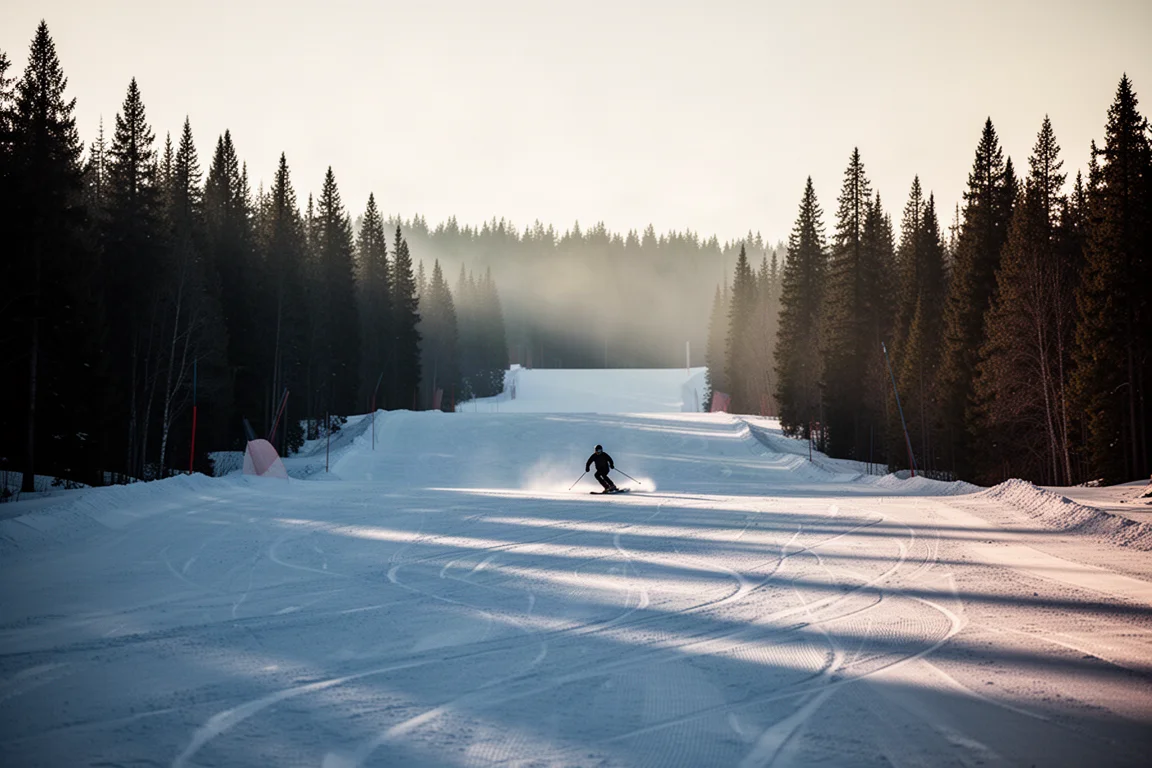
The audience is wider than the finish and the positioning might suggest. Strong skiers who want to ski fast and carve cleanly will get everything the ski has to offer. Less aggressive skiers who value precision, quality, and a quiet ride get the same experience at their own pace. Heavier, more powerful skiers appreciate the planted feel. Lighter skiers appreciate not being thrown around when the snow gets rough.
That range is unusual, and it is the strongest argument for the Montero family. A ski that flatters a confident carve without demanding one is a rare combination, and it explains why these models show up under such a wide variety of skiers.
What to Expect on Groomers and Mixed Snow
On smooth early-morning groomers these skis feel close to ideal: quiet, grippy, and confidence-inspiring, with a stability that lets you keep adding speed without a corresponding increase in anxiety.
As the day goes on and the surface changes, the composure holds. Choppy, cut-up snow and variable conditions do not unsettle them, and the same damp quality that makes them quiet on corduroy keeps them calm when the surface is not. Wind, traffic, and crowded runs are the variables you notice more than the snow itself.
One honest limitation: these are not powder skis. A ski in the 80 mm range can be skied in fresh snow, and not so long ago a waist this size would have been the widest ski on the hill, but a dedicated wider ski is the better tool on a deep day. If powder is a large part of your season, this is a complement to that ski rather than a replacement for it.
Buying Advice: AX or AR?
Start with the model that matches your skiing rather than the model with the most impressive-sounding spec sheet. Both the AX and the AR deliver the same smooth, damp, planted character, so the decision is about fit rather than about which one is better. Skiers coming from a Laser AX and wanting that same precision-first feel have the clearest case for the AX.
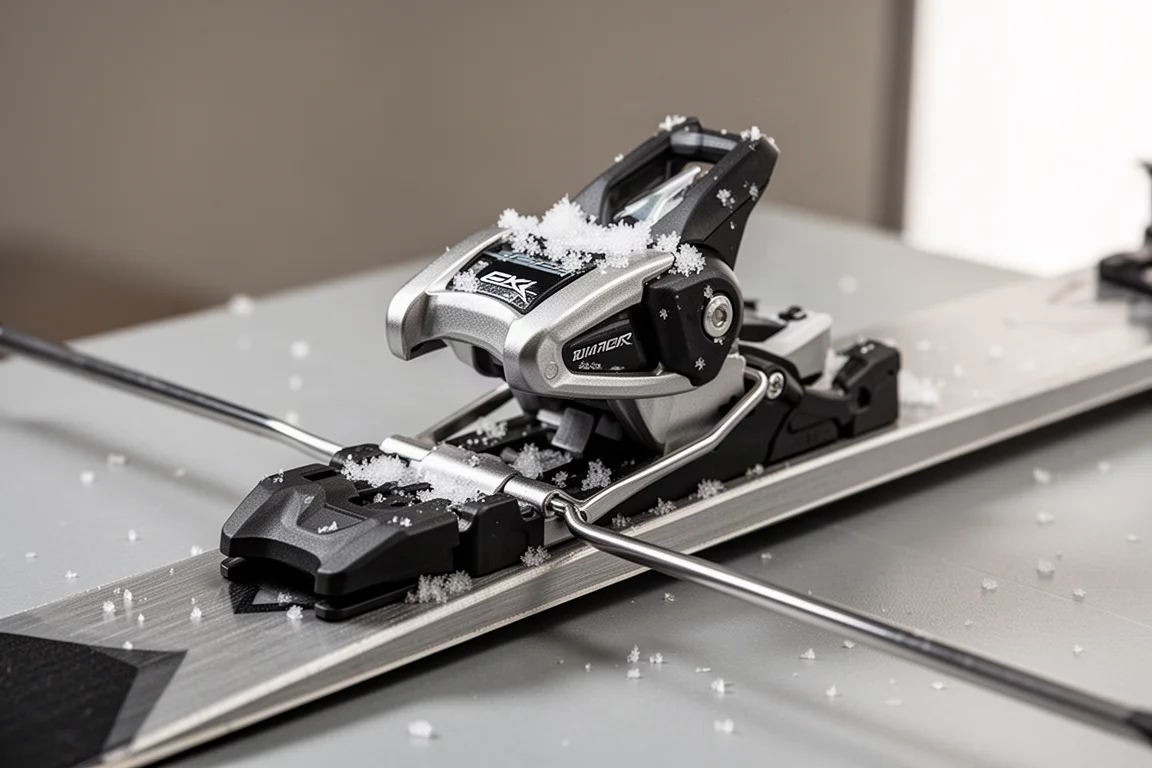
Budget for the binding as part of the purchase rather than an afterthought. The setup genuinely shapes how the ski feels, and a lighter heel or a burlier toe will each push the ride in a different direction. There is no need to add a race plate: the ski already has enough power underfoot for the terrain it is built for, and a plate works against the forgiving quality that makes it enjoyable.
Finally, be realistic about how you actually ski. This is a ski that flatters a confident carve and still feels rewarding at moderate speeds, which is a large part of why it appeals to such a wide range of skiers. If you want one pair that handles firm groomers well and does not punish you on the last run of the day, either model is a sensible place to look.
Conclusion
The Stöckli Montero AX and the Stöckli Montero AR share a character that is easy to describe and hard to fake: quiet, damp, planted, and confident, with enough forgiveness that you never feel like a passenger. They are not light, and they are not meant to be. If you want a ski that stays composed when you push it and still feels alive when you back off, this family deserves a serious look, and the choice between the two models is mostly a matter of which one matches how you ski.
Further reading
Related Reviews
All-Mountain Skis
100mm All-Mountain Skis Compared: 23 Versatile Models Worth Knowing
A practical walkthrough of 23 all-mountain skis around 100mm underfoot, covering weight, rocker, metal construction, and the rider each model suits best.
All-Mountain Skis
2026 Black Crows Camox Review: A More Stable, More Versatile All-Mountain Twin Tip
The 2026 Black Crows Camox adds an ash layer underfoot, wider tips and tails, and a revised rocker profile. Here is what those changes mean on snow.
All-Mountain Skis
Armada Antimatter 88 Review: A Light, Lively All-Mountain Ski That Rewards Any Style
The Antimatter 88 pairs a poplar core with carbon stringers for a surprisingly energetic ride that suits intermediates and experts alike.