Alpine Skis
Stockli Laser WRT ST Review: A Narrow, Stable Frontside Carver
A detailed look at the Stockli Laser WRT ST, a narrow metal-laminated frontside ski built for firm groomed snow, with clear guidance on who it suits and what to weigh before buying.
Introduction
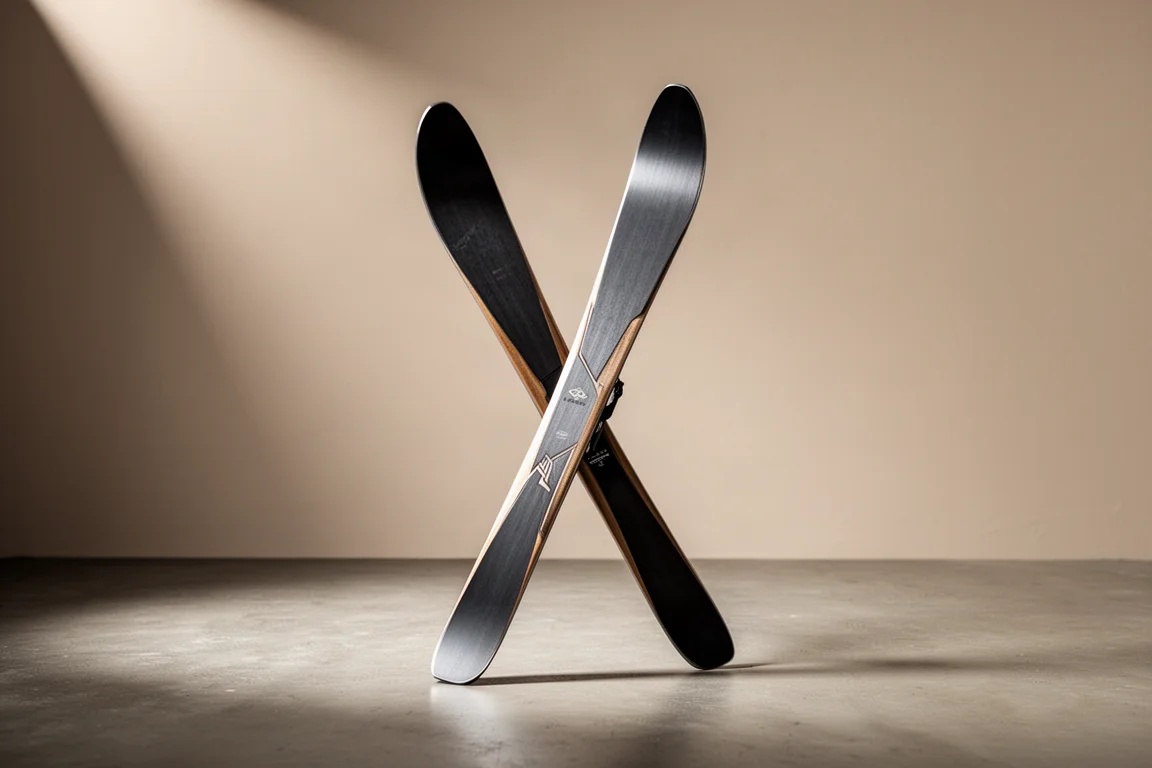
The Stockli Laser WRT ST is a frontside carving ski built around firm, groomed snow. A narrow waist, a stiff flex, and a damp, quiet ride define it far more than any single number on the spec sheet.
The headline figures are straightforward. The ski measures 66 mm underfoot with a 14.8 m turn radius in the 172 length. Under the topsheet sits a wood core, two sheets of metal, and two separate carbon applications. None of those elements is unusual on its own. What sets this ski apart is how tightly they are tuned to work together.
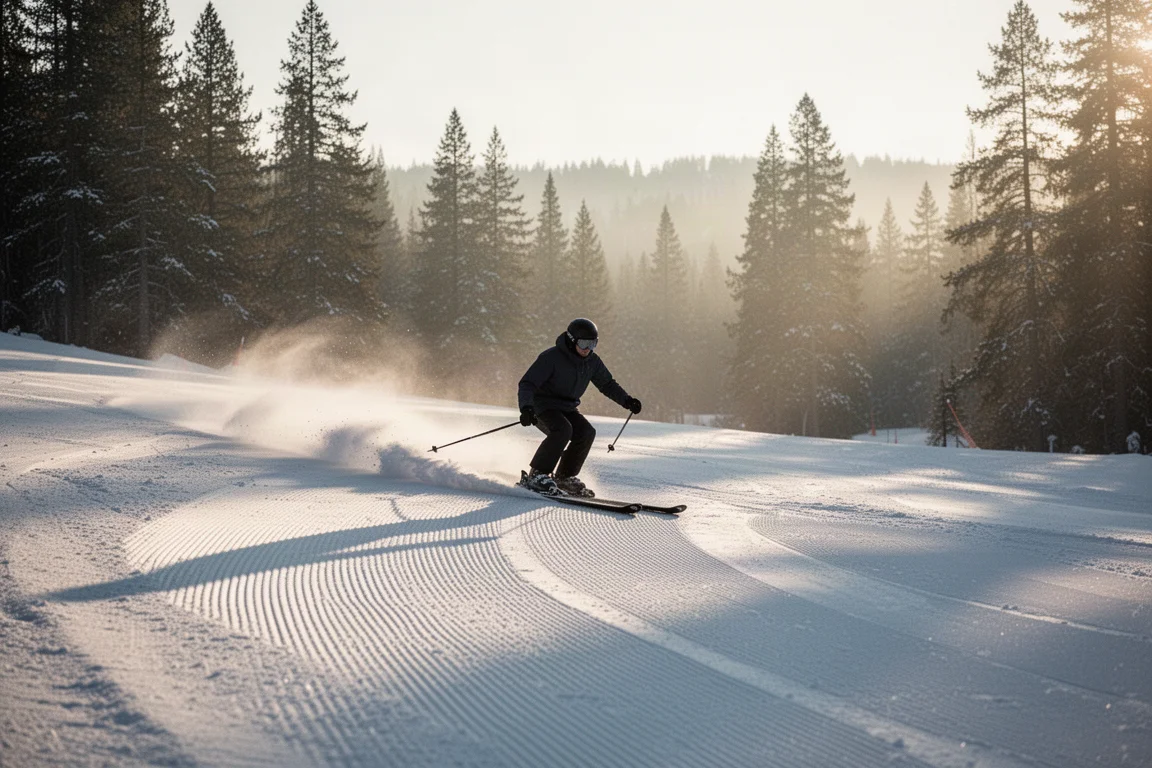
The result is a ski that feels smooth and composed at speed while staying manageable enough to enjoy across a full day on piste. The sections below cover who it suits, where it performs best, and what to think about before you commit.
Who This Ski Is For
This is a ski for advanced and expert skiers who spend most of their time on firm, groomed terrain.
The narrow 66 mm waist pushes it into a race-inspired shape underfoot, and that shape asks for a specific skill set. The ski has a balance point you need to respect. Ridden flat, it can feel twitchy. Ridden at higher edge angles, it comes alive. Skiers who are comfortable committing to an edge and holding a carved turn will get far more from it than those who prefer to drift and smear.
Intermediate and advanced skiers often dislike the feeling of a very narrow platform underfoot, and this ski is no exception. It rewards technique and edge control rather than forgiving loose inputs.
Main Strengths: Stable, Quiet, and Strong
The first thing that stands out is the calmness. The Laser WRT ST is stiff, stable, and strong, yet it somehow remains agile and damp. That combination is difficult to achieve, and it sits at the heart of what makes this ski feel so composed on hardpack.
Much of that character comes from the adhesive layers that bond the ski’s components. Those layers are infused with rubber dust, and the rubber goes a long way toward smoothing out the ride. The result is a notably silent ski, with vibration and chatter filtered out before they reach the skier.
Carbon is used in two distinct ways. Carbon Power Turn technology places a layer of carbon underfoot and runs it through the length of the ski, boosting torsional stiffness in the underfoot zone. Carbon Steering Control adds a separate carbon strip toward the front of the ski. That strip stiffens the forebody, which adds energy and snap during the initiation phase of the turn while also helping to take vibration out of the ski.
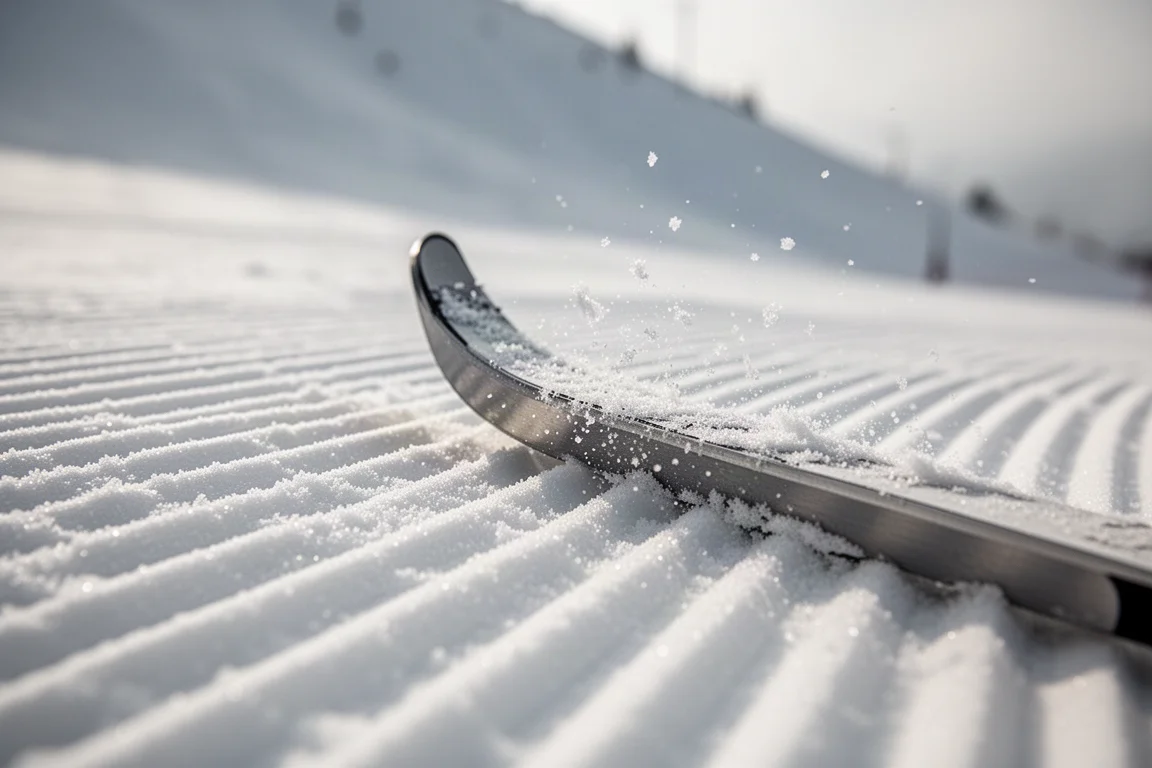
Two sheets of metal complete the picture. They give the ski its power and provide a very stable exit from the turn. Combined with a long effective edge, the ski holds a smooth, predictable arc from start to finish.
Construction and Materials
The profile is camber-dominant, with noticeably more camber than rocker. Tip rocker is minimal at most, and there is no taper, which means edge contact runs essentially from tip to tail. The tail is flat and businesslike.
That geometry is deliberate. Full edge contact along the entire length of the ski produces a long effective edge, and the metal inserts in the tail keep the finish of the turn stable. The overall shape sits closer to a race-inspired frontside design than to a freeride platform.
Things to Consider Before Buying
The narrow waist is the main thing to weigh. It creates a balance point that the skier has to stay on top of, and the ski can feel twitchy when it is ridden flat or with a low edge angle. If your days are mostly spent at moderate edge angles on softer or more variable snow, this is probably not the shape you want.
The ski also prefers to stay within its own turn radius. It is stiff enough that shorter turns require more input from the skier, and it settles most naturally into mid-range carved turns. Let it run and it remains powerful and stable, though it will not match the composure of a more giant slalom shaped ski at very high speed.
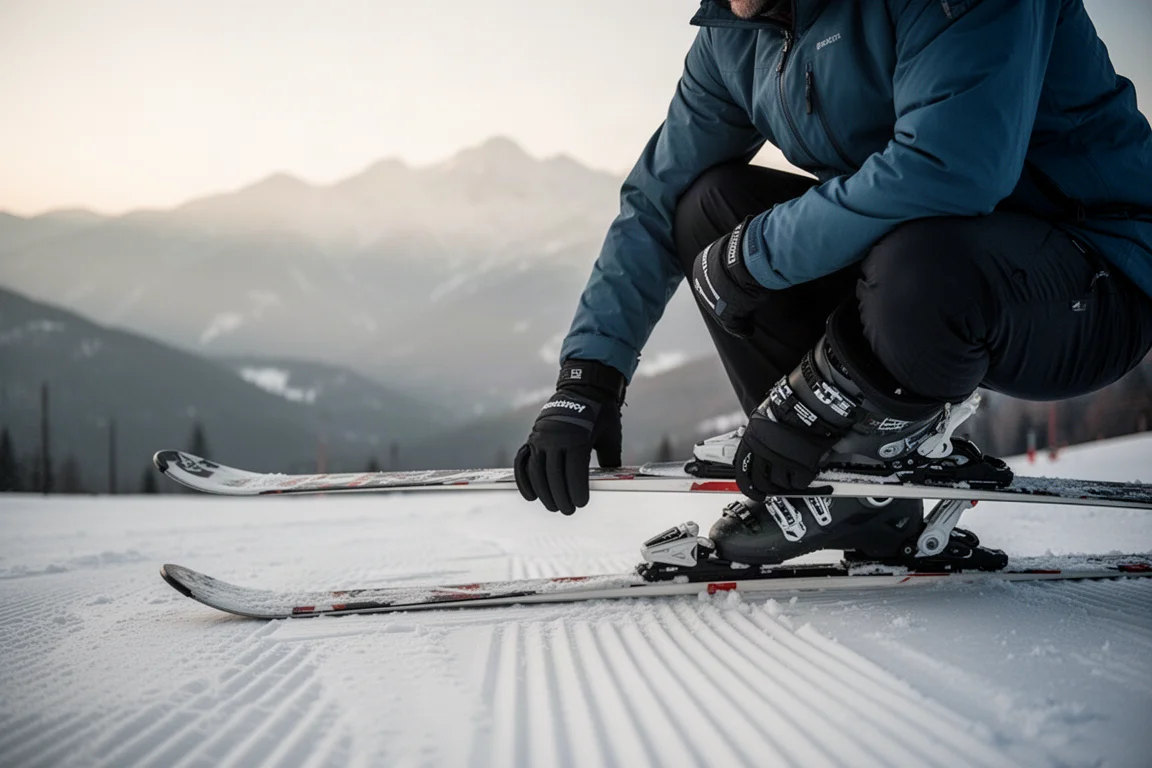
In short, this is a specialized frontside tool. It is happiest on edge, in a carved turn, on firm or groomed surfaces.
Where This Ski Performs Best
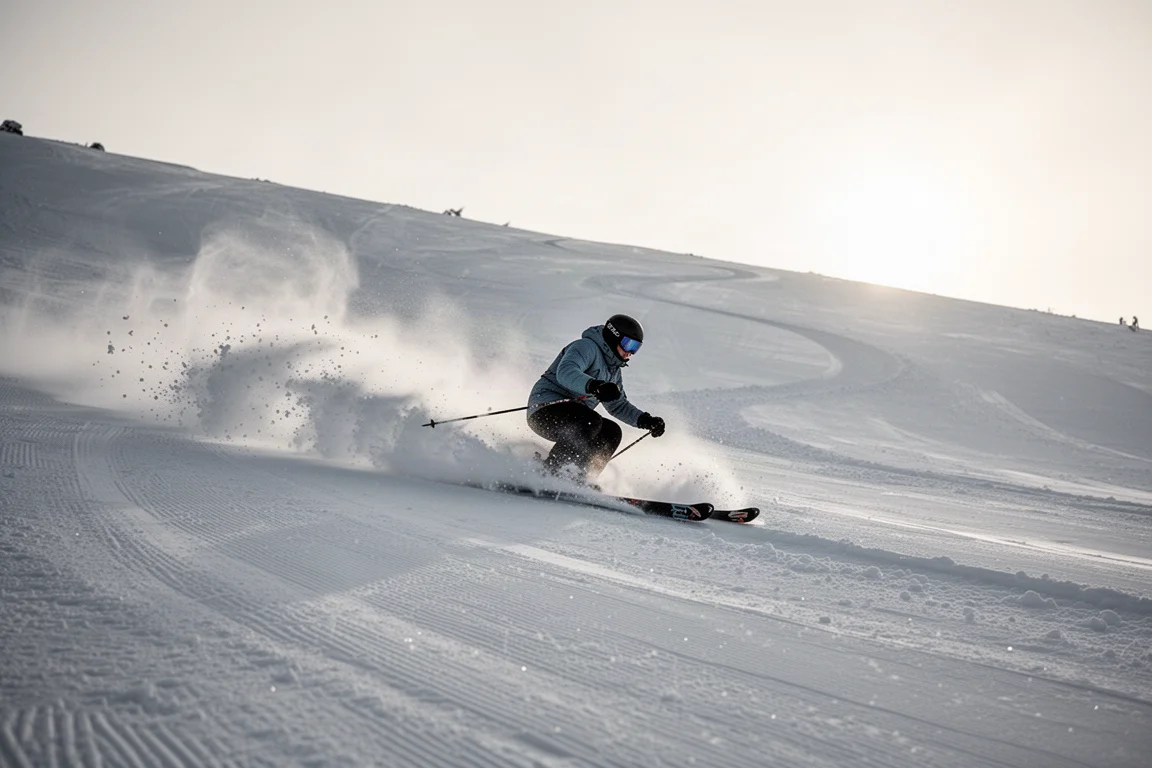
Firm and groomed snow is where this ski lights up. Hardpack, freshly groomed corduroy, and the kind of consistent surface that lets an edge bite cleanly are its natural home. On those surfaces the smoothness of the ride is immediately apparent, and it becomes a genuinely fun ski to spend a day on.
It is also at its best when the skier keeps it on the snow and lets the sidecut do the work. That is where the stability and the long effective edge combine into the calm, quiet turn that defines the ski.
Buying Advice
Buy the Laser WRT ST if your skiing is built around firm, groomed runs and you are comfortable holding a high edge angle through a carved turn. Its strengths are power, stability, and a quiet, damp feel that makes long days on piste easy on the legs.
Be honest about your terrain and your technique before committing. The ski does not hide a narrow platform or soften the demands of a race-inspired shape, so it suits skiers who already know they like that feel rather than those hoping to grow into it.
If that description matches how you ski, the combination of stiffness, stability, and smoothness here is hard to argue with. If it does not, a wider and more forgiving frontside shape will likely serve you better.
Conclusion
The Stockli Laser WRT ST is a narrow, stiff, and remarkably quiet frontside carving ski. Its wood core, twin metal sheets, and two carbon applications give it power and torsional stiffness, while the rubber-infused laminate smooths out the ride. It asks for higher edge angles and rewards skiers who can stay balanced over a 66 mm waist, and on firm groomed snow it delivers a composed, energetic carve that makes it one of the most convincing frontside options for advanced and expert skiers.
Product link
View more details for Stockli Laser WRT ST
This product is mentioned in the review. Check the specifications, options, and compatibility before buying.
View more details for Stockli Laser WRT STFurther reading
Related Reviews
Alpine Skis
Atomic Redster X9 Review: An Ultra-Precise Carving Ski for Firm Snow
A close look at the Atomic Redster X9, a 65.5 mm carving ski built for firm groomed snow, covering its construction, strengths, limits, and who should buy it.
Alpine Skis
Atomic Redster X9 S Review: A Precision Carving Ski for Firm Snow
The Atomic Redster X9 S pairs a 65.5 mm waist with race-derived construction and steel damping, delivering knife-like precision on firm groomers.
Alpine Skis
Blizzard Thunderbird R15 WB Review: A 76 mm Frontside Carver Compared With the Firebird HRC
A practical look at the Blizzard Thunderbird R15 WB, its TrueBlend core and Active Carbon Armor, and how it differs from the race-oriented Firebird HRC.