Alpine Skis
Stöckli Laser SC Ora Review: A Premium Frontside Ski With a Broader Speed Range
A full look at the Stöckli Laser SC Ora, a premium full-camber frontside ski with Flex Torsion Control, an SRT12 system binding, and a genuinely usable low-speed range.
Introduction
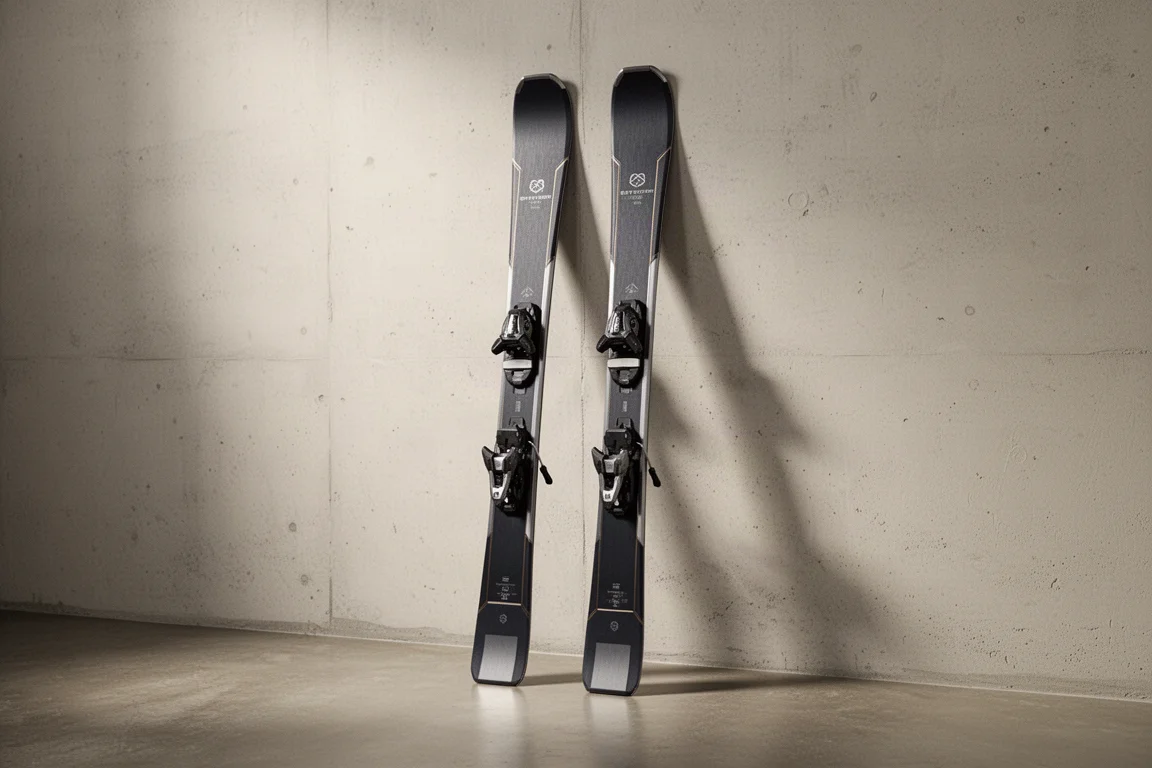
The Stöckli Laser SC Ora is a premium frontside ski that shares its shape and construction with the standard Laser SC. What separates the two is a different top sheet and a cleaner overall look. The changes are largely cosmetic, but they make clear what this ski is meant to be: a high-end model that has been refined rather than redesigned.
What matters far more is how it behaves on snow. It is smooth, damp, and energetic at the same time, and it manages to feel supportive rather than demanding. That combination is rare in a ski with this level of performance, and it is the main reason the Laser SC Ora deserves a closer look.
Who This Ski Is For
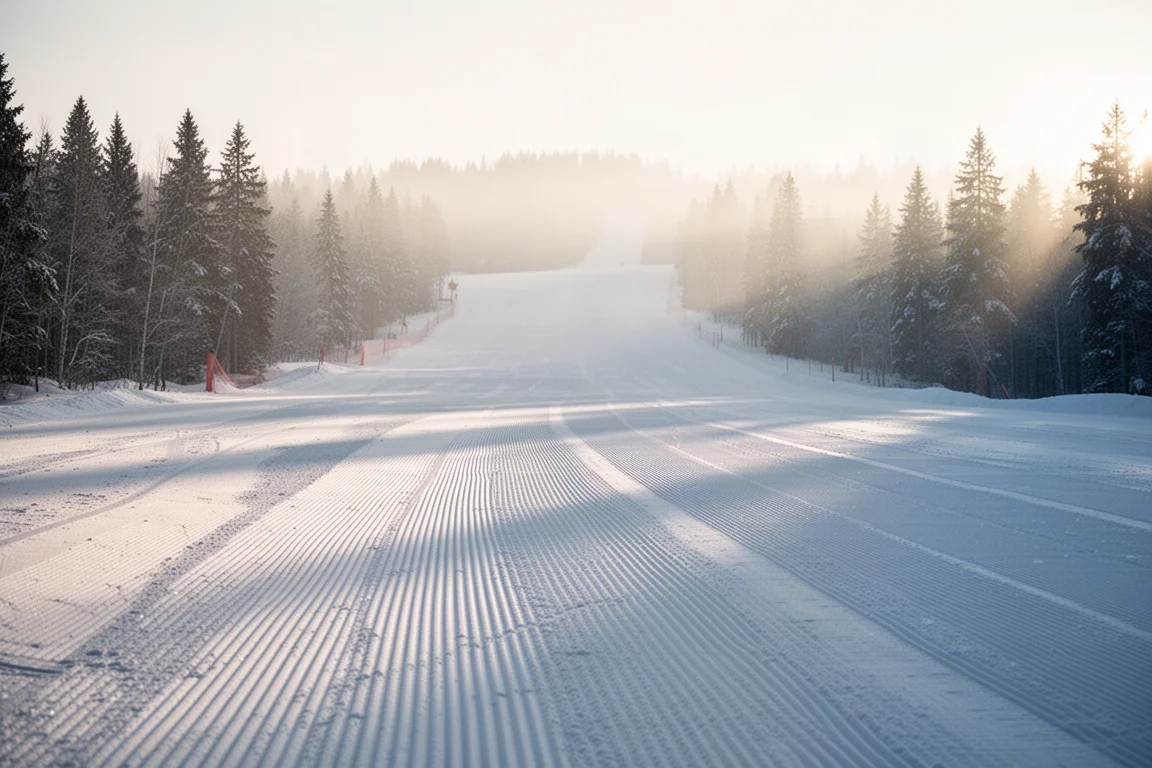
This is a ski for riders who spend most of their time on groomed runs and firm snow. A 70 mm waist, a full camber profile, and minimal rocker and taper point clearly toward frontside skiing rather than soft snow or off-piste terrain.
It also suits skiers who do not ski at maximum speed all day. Traffic on the hill, maneuvering through tighter terrain, and shorter turns are all part of a normal day, and the Laser SC Ora keeps performing in those moments instead of asking to be pushed hard before it comes alive.
Advanced and expert skiers will get the most out of it, yet it remains approachable for how high its performance ceiling is. That balance is what makes it worth considering rather than simply admiring.
Main Strengths: Smooth, Damped, and Energetic
The wood core blends poplar and beech, and two sheets of metal run through the ski. That construction shows up directly in the ride quality: the ski feels calm and damp underfoot while still delivering energy whenever it is loaded.
The tail is square and blocky, and it produces a genuinely surprising amount of rebound and pop. An angular tail shape like this translates into performance, and it is a large part of why the ski feels so lively out of a turn while staying composed on the way in.
The overall impression is of a ski that is fun and supportive at the same time. It does not ask for constant input, and it does not punish a rider who eases off.
Flex Torsion Control and the Broader Speed Range
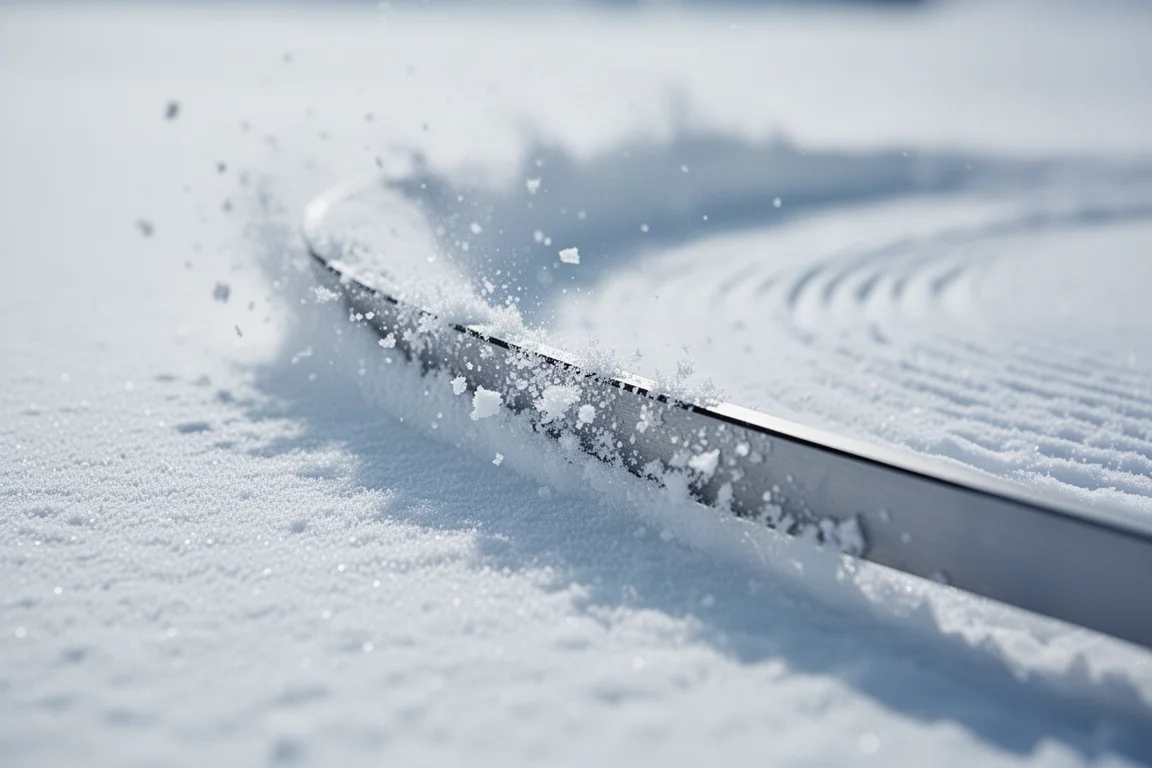
Stöckli builds this ski with its Flex Torsion Control technology, which carves S-shaped slits into the top layer of metal. The slits allow greater torsional mobility toward the front and back of the ski, which in practice opens up shorter and moderate radius turns with noticeably less effort.
The clearest benefit is at the lower end of the speed range. Very few skiers spend the entire day at top speed, and a lot of time is spent at slow to moderate speeds, whether that means dealing with traffic on the hill or maneuvering through terrain. The Laser SC Ora delivers performance in exactly that range.
That is a meaningful difference from many skis in this category, which need to be driven hard and brought up to speed before their performance becomes accessible. Here, the compliance at lower speeds does not come at the cost of the high-end ceiling, so the ski covers the full scope of a normal day rather than only its fastest moments.
Build, Binding, and Weight
The ski comes with an SRT12 system binding. At the 170 cm length, the complete setup weighs 3150 g, which is a decent figure for this class of ski.
The binding and plate add weight, but they also create a stable platform to stand on and give extra leverage over the 70 mm waist. That leverage is part of why the ski turns so quickly and precisely. There is also enough flex in the ski to access the sidecut and key into the turn radius, which sits at roughly 14.5 m at this length, so the full arc of the turn stays available.
Shape and Snow Preference
Looking at the shape and profile, the frontside intent is unmistakable. The system binding weighs down the camber, but the ski remains fully cambered, with very little rocker and taper even when decambered. There is no movement at the front, and the widest point of the ski sits well up into the tip.
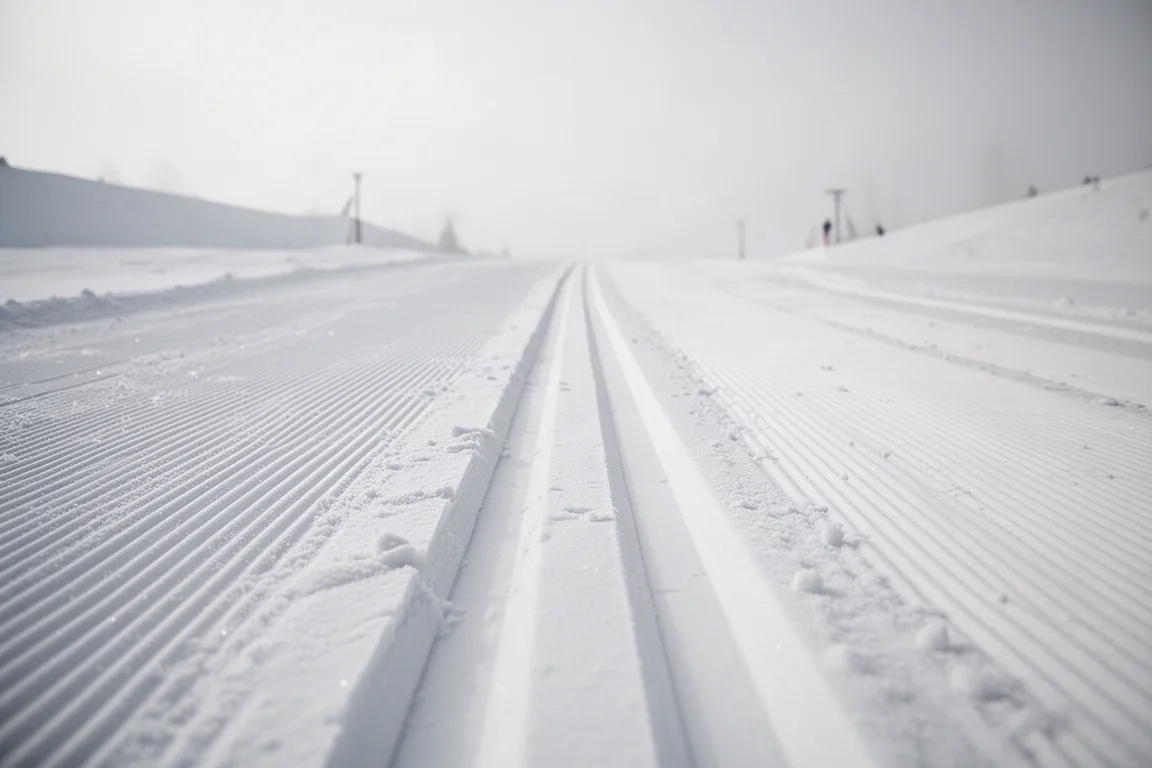
This is an on-piste performer first and foremost. Firm snow and groomed terrain are where it is happiest, and that is where it will light up a day. The flex and the torsion control technology do make moguls and packed-out trees accessible, and that is a slight move toward versatility, but those conditions are workable rather than preferred.
If most of your time is spent on piste and in more manicured terrain, the Laser SC Ora is built for exactly that kind of skiing, and it delivers without asking much in return.
Things to Consider Before Buying
The frontside focus is the main thing to weigh up. This is not a ski aimed at deep snow or off-piste terrain, and riders who split their time between groomers and softer conditions should look at a wider platform instead.
The binding and plate add weight to the setup, which is a trade-off worth knowing about if you prefer a very light feel underfoot. In exchange, you get a more planted platform and more leverage over the ski.
It is also worth noting that the difference between the Laser SC Ora and the standard Laser SC comes down to the top sheet and the overall finish, not the shape or construction. If you are choosing between the two, the decision is largely about looks rather than performance. Finally, this sits in premium territory, so it is a considered purchase rather than an impulse one.
Buying Advice
If your skiing is mostly groomed runs and firm snow, and you want a ski that performs at moderate speeds as readily as it does at high speed, the Laser SC Ora is a strong match. The low-speed compliance is the standout quality here, because it means the ski stays useful during the parts of a day when you are not charging.
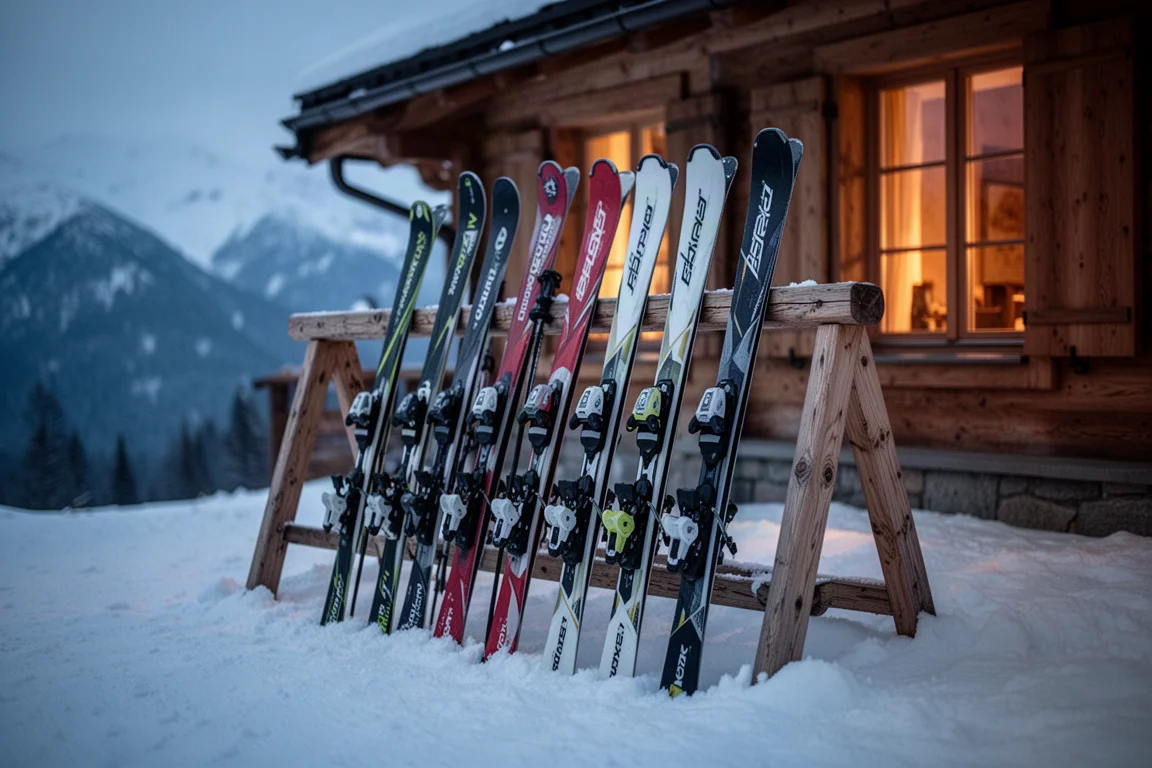
Match the length to what you normally ski. The 170 cm build comes in at 3150 g with the SRT12 system binding and offers a turn radius of roughly 14.5 m, which is a sensible reference point if you are deciding between sizes.
If you want a ski that rewards being driven hard at all times, plenty of alternatives in this category will suit you. If instead you want high-end performance that remains accessible when you slow down, this one earns its place on the shortlist.
Conclusion
The Stöckli Laser SC Ora is a premium frontside ski that does something genuinely useful: it delivers a smooth, damp, and energetic ride across a wider speed range than its category usually allows. Flex Torsion Control and the full camber profile keep it precise and quick edge to edge, while the square tail supplies an impressive amount of rebound.
It is happiest on firm, groomed terrain, and it is honest about that. For skiers who spend most of their time there and want a high-performance ski that does not demand full commitment every run, this is a confident choice.
Product link
View more details for Stöckli Laser SC Ora
This product is mentioned in the review. Check the specifications, options, and compatibility before buying.
View more details for Stöckli Laser SC OraFurther reading
Related Reviews
Alpine Skis
Atomic Redster X9 Review: An Ultra-Precise Carving Ski for Firm Snow
A close look at the Atomic Redster X9, a 65.5 mm carving ski built for firm groomed snow, covering its construction, strengths, limits, and who should buy it.
Alpine Skis
Atomic Redster X9 S Review: A Precision Carving Ski for Firm Snow
The Atomic Redster X9 S pairs a 65.5 mm waist with race-derived construction and steel damping, delivering knife-like precision on firm groomers.
Alpine Skis
Blizzard Thunderbird R15 WB Review: A 76 mm Frontside Carver Compared With the Firebird HRC
A practical look at the Blizzard Thunderbird R15 WB, its TrueBlend core and Active Carbon Armor, and how it differs from the race-oriented Firebird HRC.