Fountain Pens
Stipula Etruria Inverness Review: A Limited-Edition Safety Filler Fountain Pen
A blue celluloid limited edition with a retractable-nib safety filler, an 18K medium nib, and some practical trade-offs worth weighing before buying.
Introduction
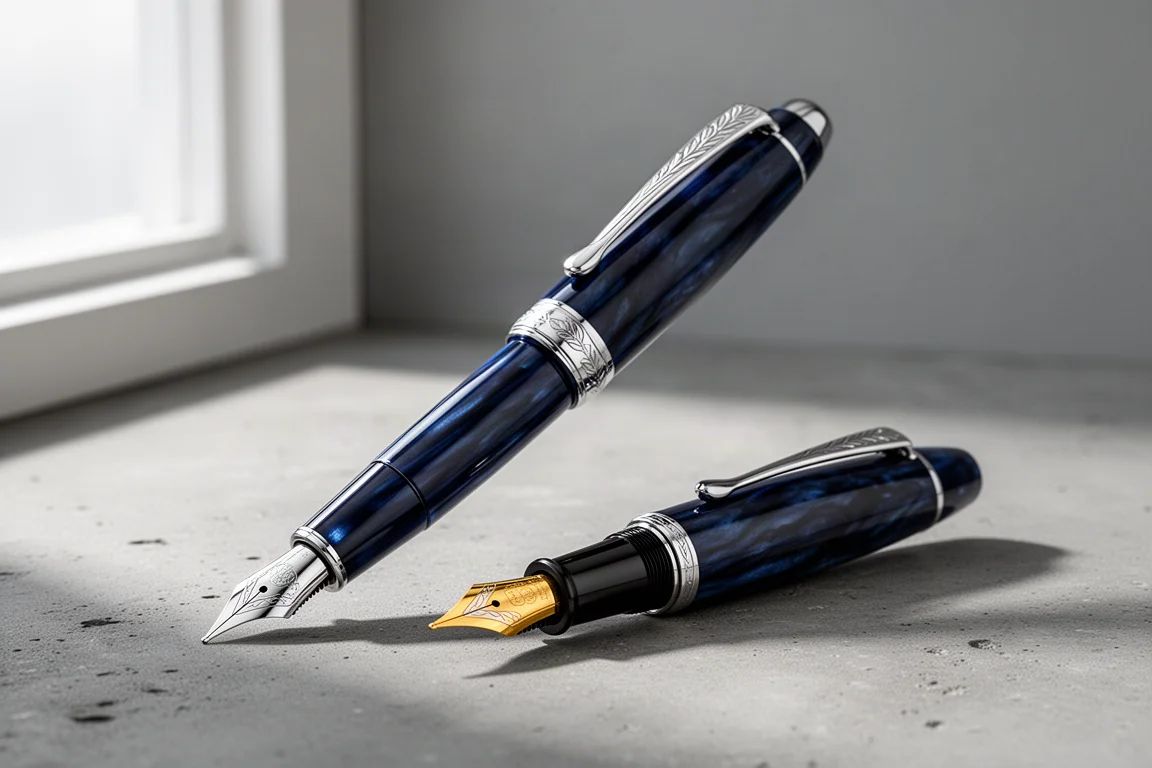
The Stipula Etruria Inverness is one of those pens that rewards a closer look. It is a limited-edition model in deep blue celluloid, and what really sets it apart is the filling system: a safety filler with a nib that retracts into the barrel when you turn the end of the pen. Uncap it, and there is nothing but an empty cavity; twist the barrel and the nib slides out ready to write.
It is a very old mechanism, one that goes back a long way in fountain pen history and shows up on plenty of vintage pens. That makes the Inverness something of a novelty in a modern market dominated by cartridge converters and piston fillers, and it shapes almost everything about how the pen feels to use, for better and for worse.
Who This Pen Is For
The Etruria model is a comfortable pen for many people. It is not too large and not too small, a size that works for a lot of hands, and while the pen is certainly long, it is not especially girthy. It sits close in length to a Pilot Metropolitan, though the Etruria is noticeably wider. It posts if you want it to, though some owners get nervous posting on celluloid, so that is a matter of personal caution.
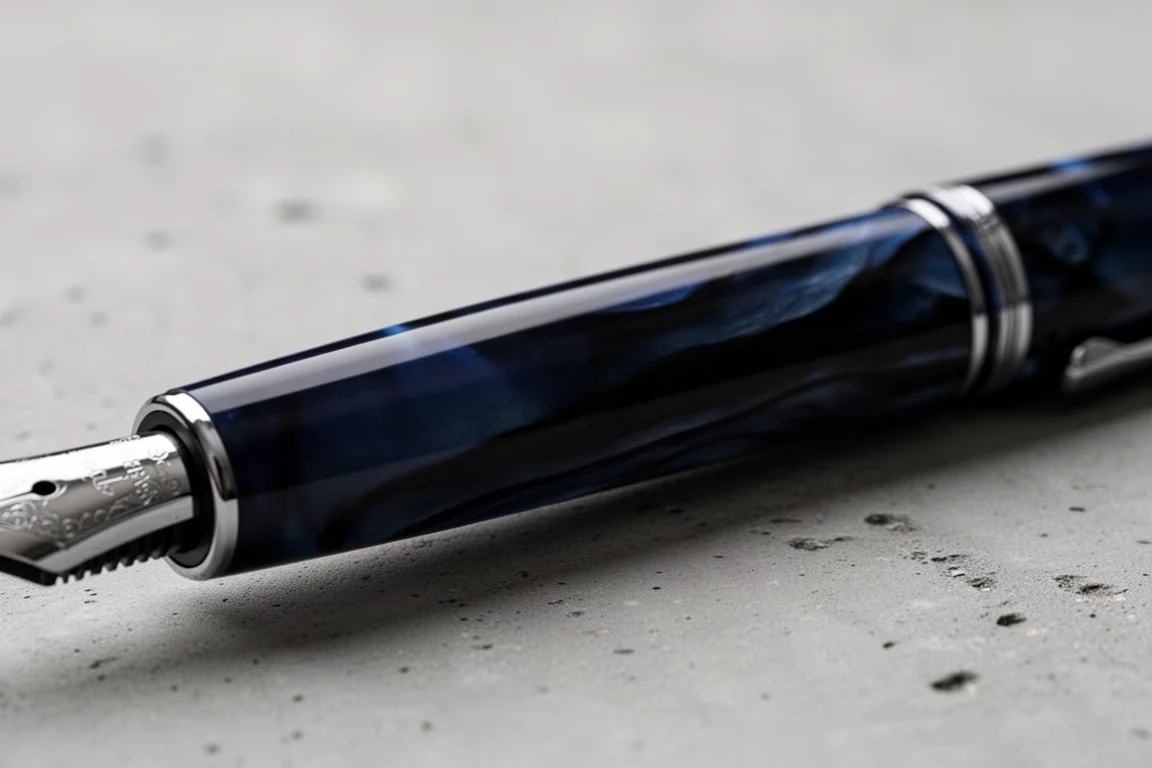
The section is a real highlight here. It is fairly slim, which is pleasant to hold, and because the nib has to withdraw into the barrel, it is also very long, giving you plenty to grip.
One thing to be blunt about: information about this pen online is thin. What is clear is that it is a limited edition, with the barrel blind-engraved with the model name, the edition number, and “Made in Italy.” Pens of this type have been spotted for sale at around $550 in the US, which seems a fair guideline price for a limited-edition celluloid pen with an exotic filling mechanism, even if it is not exceptional value.
Design and Materials
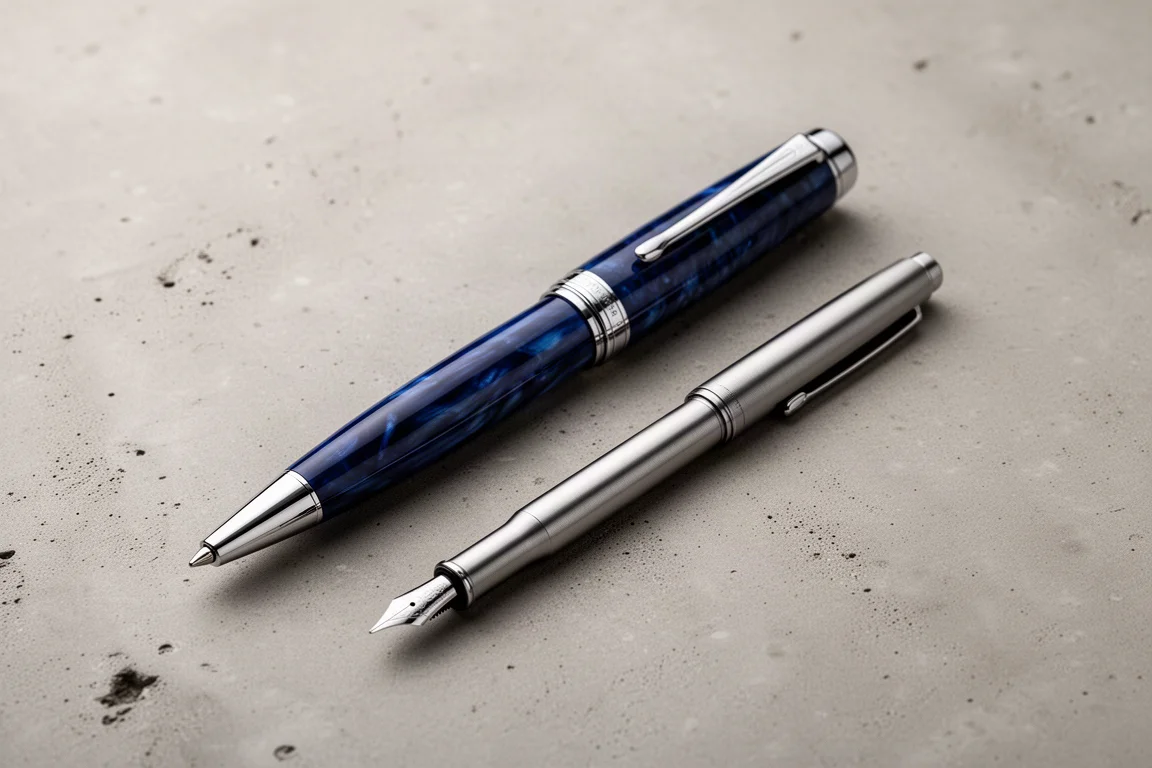
This is a blue celluloid with nice striations throughout. From a distance it can read almost black, but up close the striations catch the light and reveal real depth in the material. Celluloid is always a welcome material, and it is put to good use here.
The trim follows what Stipula typically does, with silver center band and trim, and the clip carries the brand’s signature little leaf detailing. It is a refined touch, and the clip itself is well judged, not too loose and not too tight. The blind engraving on the barrel confirms the edition; notably, some online listings have quoted a different edition size than what is actually engraved on the barrel, so trust the pen itself.
The Safety Filler Filling System
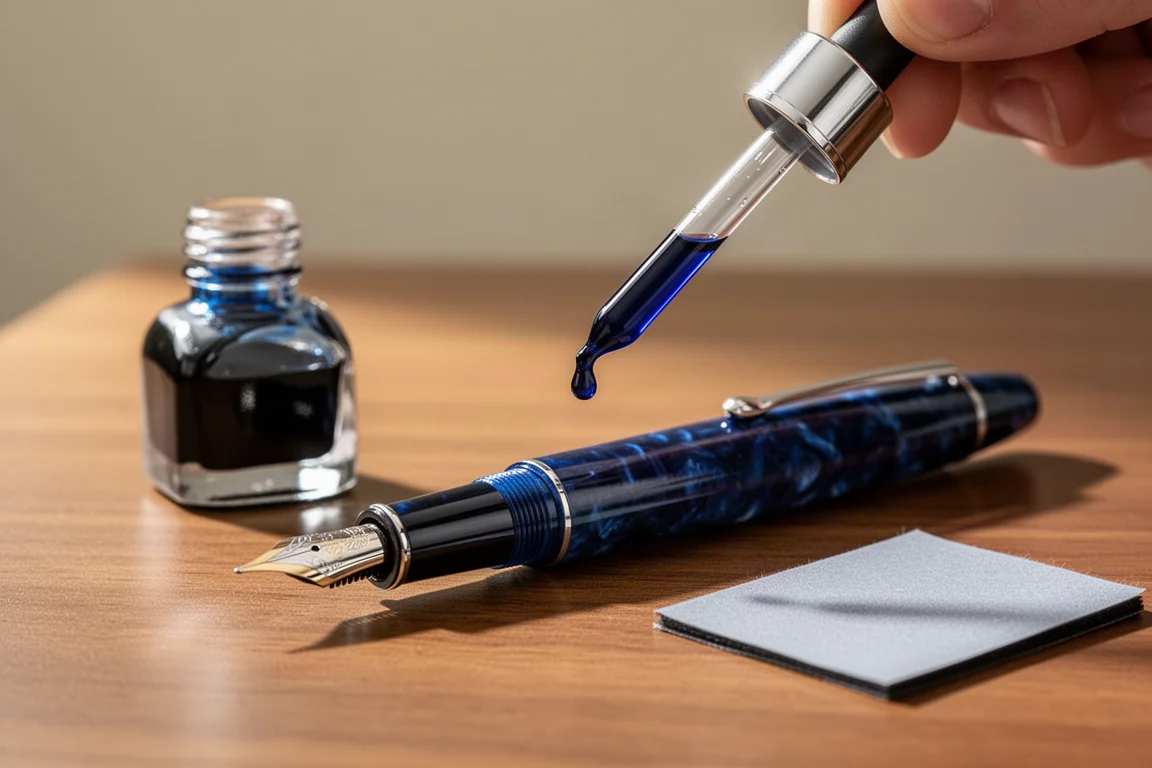
The mechanism is the star of the show. To fill it, you first turn the barrel so the nib retracts fully, then drop ink directly into the barrel with an eyedropper, and finally extend the nib again by turning the barrel the other way. It is a fascinating, old-fashioned system, and it offers something genuinely different from the ubiquitous cartridge converter or even a captive converter.
There are two rules to live by. First, never turn the barrel while the nib is out. Second, never cap the pen with the nib extended. Safety fillers are built in such a way that capping with the nib out can bend the nib out of shape. It is an extreme outcome, but it happens, particularly when a pen gets passed around and someone caps it absent-mindedly.
How It Writes
The pen carries an 18K medium nib with a plastic feed, a large and handsome nib that suits the pen’s proportions. Stipula nibs have a reputation for being pleasant to write with while also looking good, and this one lives up to that.
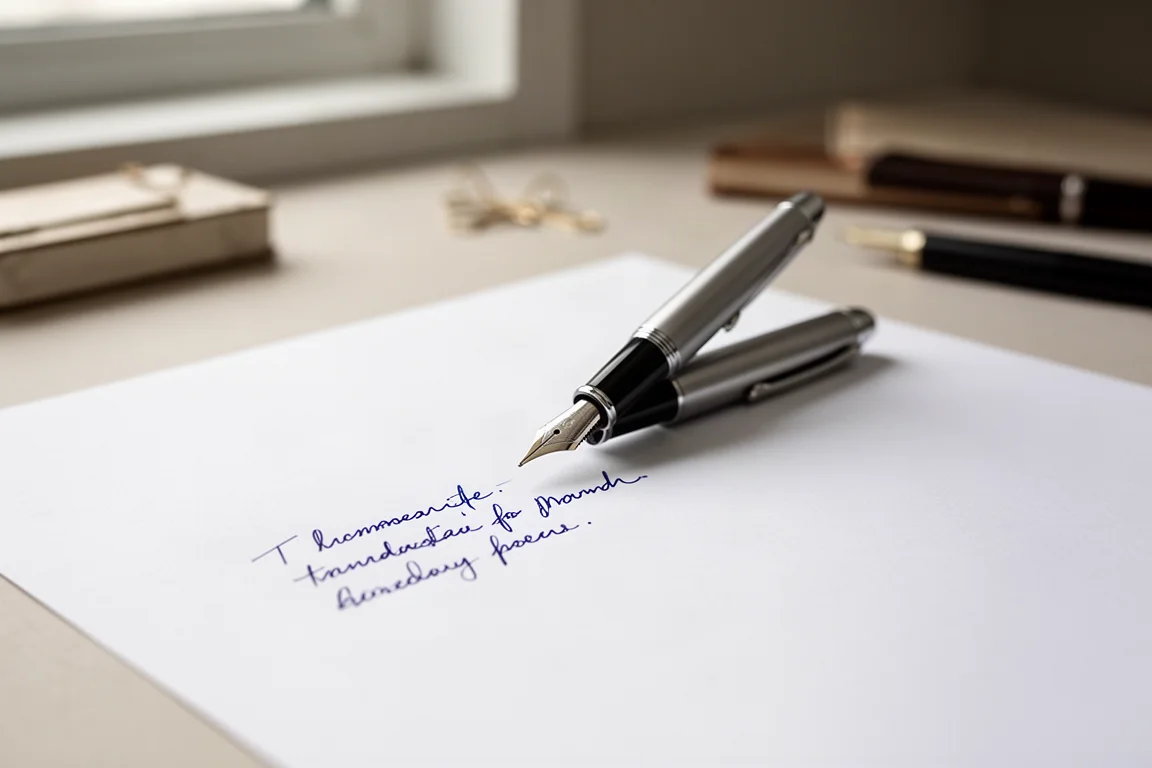
On paper, it is an interesting writer with a slightly italic feel, smooth, nicely balanced, and neither too wet nor too dry. There also appears to be some natural line variation in the nib, which gives the writing a bit of character. The nib has a degree of springiness, though careful use is always wise with a gold nib like this. Reverse writing works for a couple of words, but the feed runs dry quickly in that direction.
Things to Consider Before Buying
The honest downside is that the safety filler is a finicky filling system. Ink can escape from the back of the barrel during filling, and it can end up on your hands. It is fun to use and fun to play with, but it is more complicated than a converter, and that is an immediate dislike for some.
There is also the maintenance question. Converters are easy to clean, easy to replace for a few dollars if the plastic nipple cracks, and forgiving for everyday use. A mechanism like this has quite a lot of moving parts that are not easily accessible, and a repair would likely mean sending the pen off to a specialist. That is higher upkeep, even if nothing actually breaks.
And then there is the capping discipline. Even experienced owners can forget, at some point, that a pen is a safety filler and absent-mindedly try to cap it with the nib out. If you like passing pens around at pen meets, that is a real risk to weigh.
Buying Advice
If you are drawn to the unusual, the Etruria Inverness delivers: a limited edition, attractive celluloid, a large 18K nib, and a genuinely old-school filling mechanism at around $550. If your priority is low-maintenance daily use, a cartridge converter or piston filler will serve you better. This is a pen for enthusiasts who enjoy the ritual as much as the writing.
Conclusion
The Stipula Etruria Inverness is a fun pen with a fun filling system, a beautiful material, and a nib that writes with character. Its quirks, fiddly filling, higher upkeep, and strict capping discipline, are exactly what make it interesting, and exactly what make it a considered purchase rather than an impulse one. For the right buyer, it is a rewarding addition to a collection.
Product link
View more details for Stipula Etruria Inverness
This product is mentioned in the review. Check the specifications, options, and compatibility before buying.
View more details for Stipula Etruria InvernessFurther reading
Related Reviews
Fountain Pens
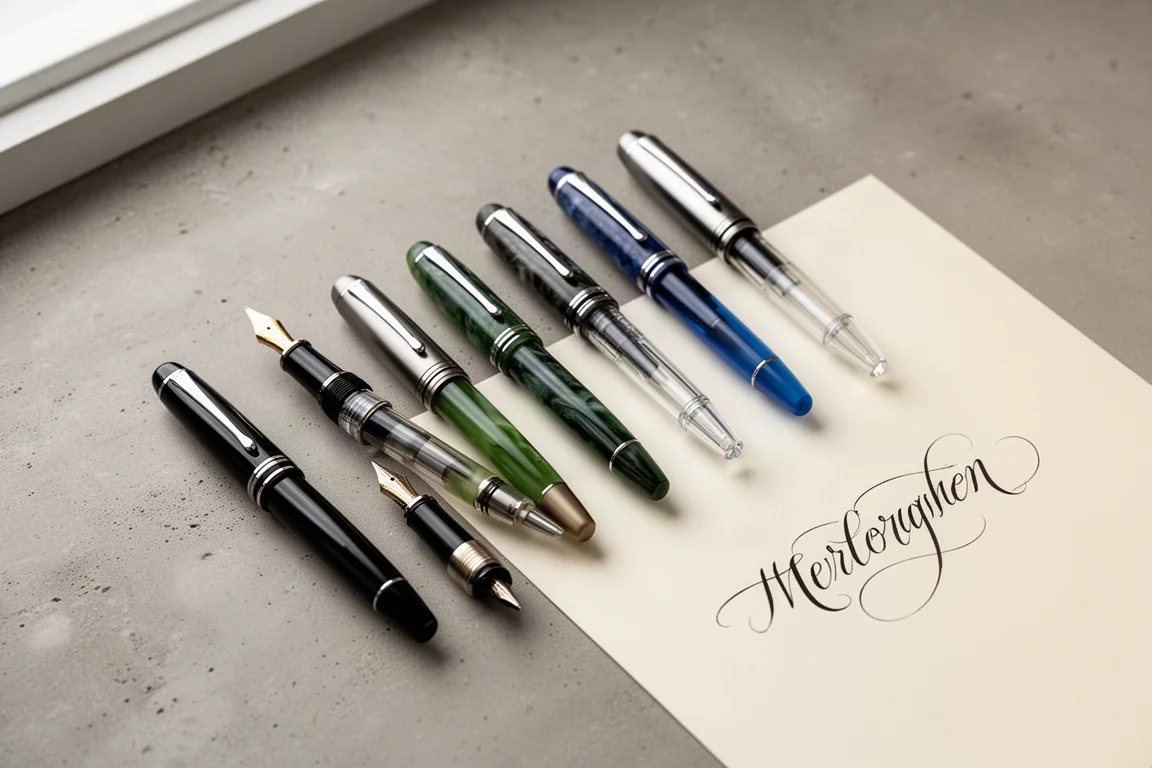
Best Budget Fountain Pens Tested: 9 Pens, One Clear Winner
A hands-on comparison of nine affordable fountain pens for everyday writing, calligraphy, and sketching, with a clear standout for flexible nib fans.
Fountain Pens
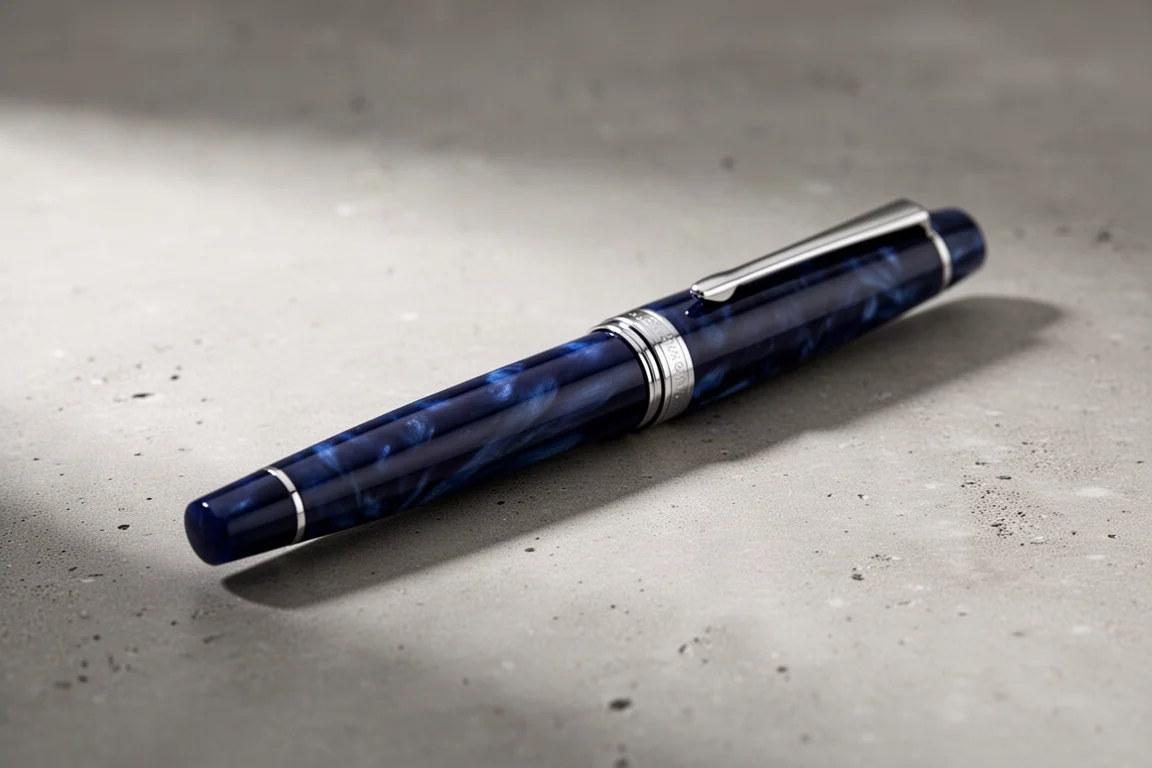
Aurora Optima Review: An Italian Piston Filler That Punches Above Its Price
A 14k gold nib, ebonite feed, and a beautifully deep oraloid body make the Aurora Optima one of the most rewarding piston fillers around.
Fountain Pens
Cross Bailey Light Review: The Entry-Level Fountain Pen Worth Keeping at the Office
A plastic-bodied Cross with a metal clip, snap cap, and famously smooth extra fine steel nib. Around $15, available almost everywhere, and easy to recommend.