Tools
Stiletto T-Bone Hammer and Nail Bar: A Working Carpenter's Take
A practical look at the Stiletto T-Bone framing hammer and Stiletto nail bar, covering what makes them useful on the job and what to consider before buying.
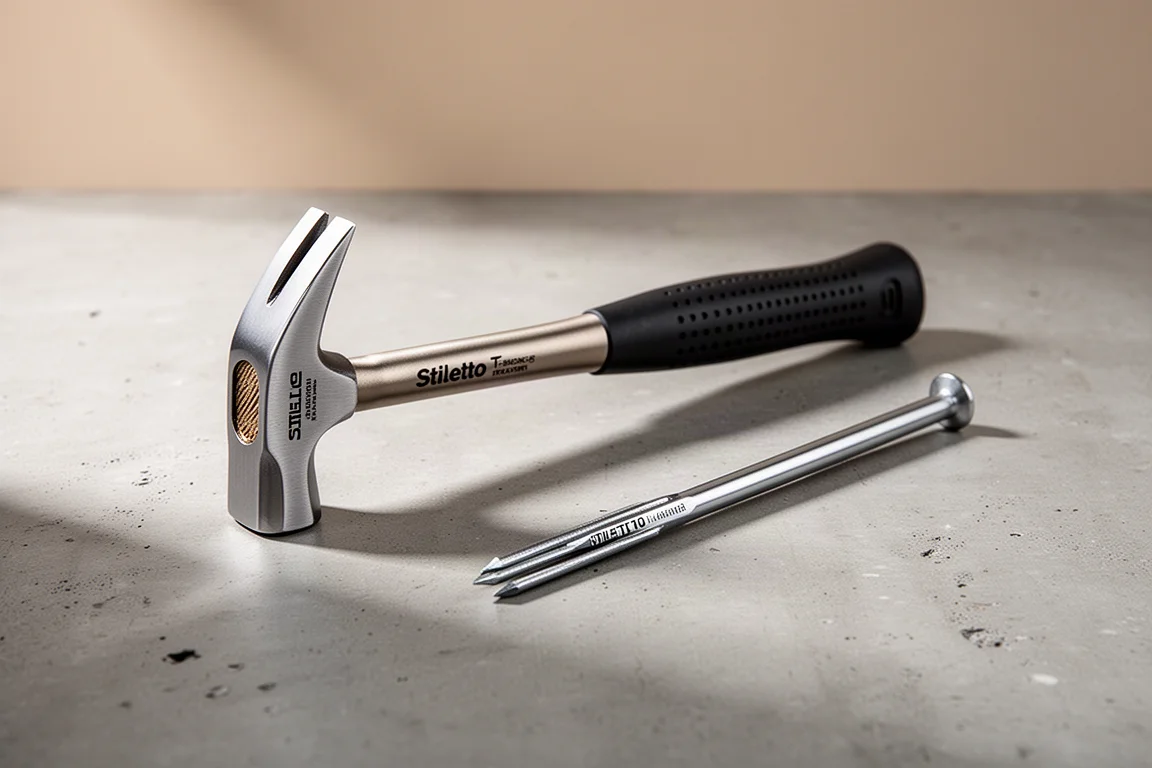
Introduction
A good tool belt setup comes down to the tools you carry and how they feel after a full day of work. This look at two Stiletto tools covers a framing hammer and a nail bar that have earned regular spots in a working carpenter’s pouch. Both tools have clear strengths, and both have a few details worth knowing about before you commit to them.
The Stiletto T-Bone Framing Hammer
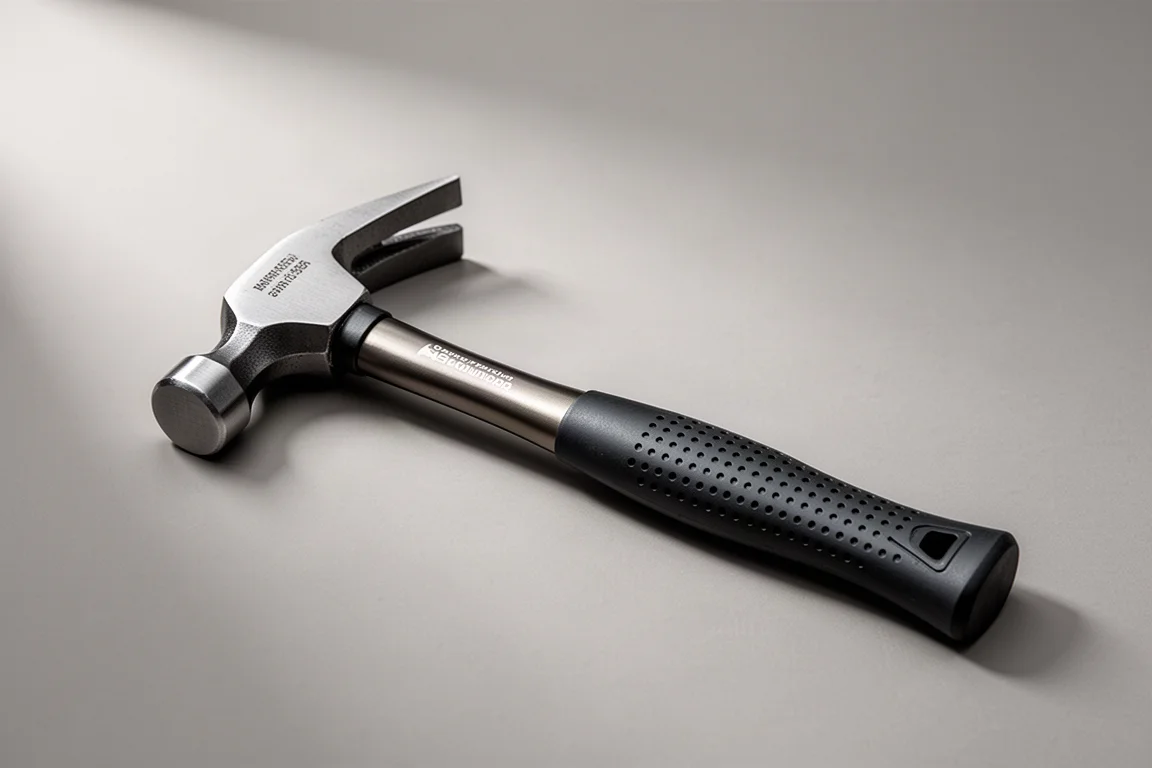
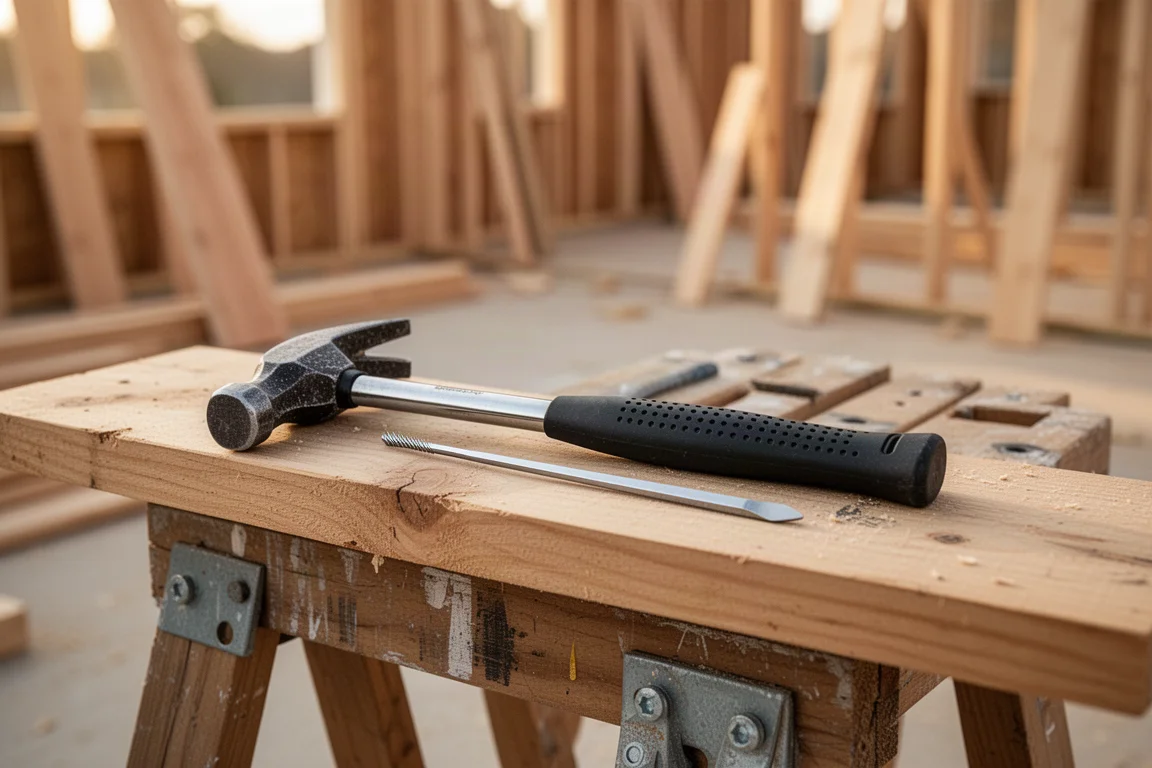
The Stiletto T-Bone is a milled face framing hammer that has become a daily driver for carpentry work. It stands out first for its strength. The handle allows you to pull and pry on things in ways a wooden handled hammer would not handle well. That durability opens up a range of uses beyond simple nailing.
One of the most useful features is the side nail puller. It works well for removing nails and is the kind of feature you find yourself reaching for constantly once you have it. The claws are also nicely shaped, small enough to jam into tight spots and move material around without much effort.
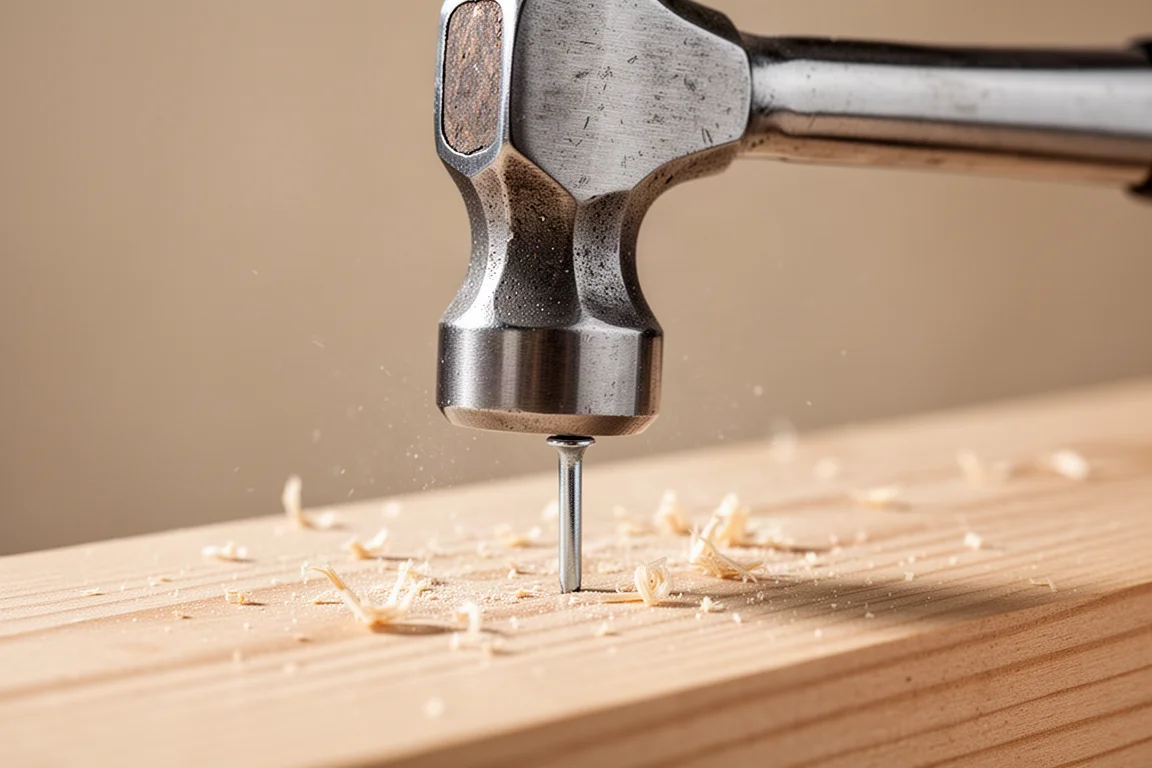
The T-Bone uses a steel face instead of a titanium one. That matters because titanium faces tend to be softer and can mushroom out over time. A milled steel face stays flat much longer, which means it keeps its grip on nail heads and does not glance off as easily, especially when you are pulling nails out of plywood. The combination gives you the lightness and shock absorption of titanium with the durability of a steel striking face.
The main complaint is a small notch in the handle, likely intended for the thumb. In practice, it feels unnecessary and can be uncomfortable when you choke up on the handle to set a nail in an awkward position. It is a minor issue, but it is worth knowing about before you buy.
The Stiletto Nail Bar
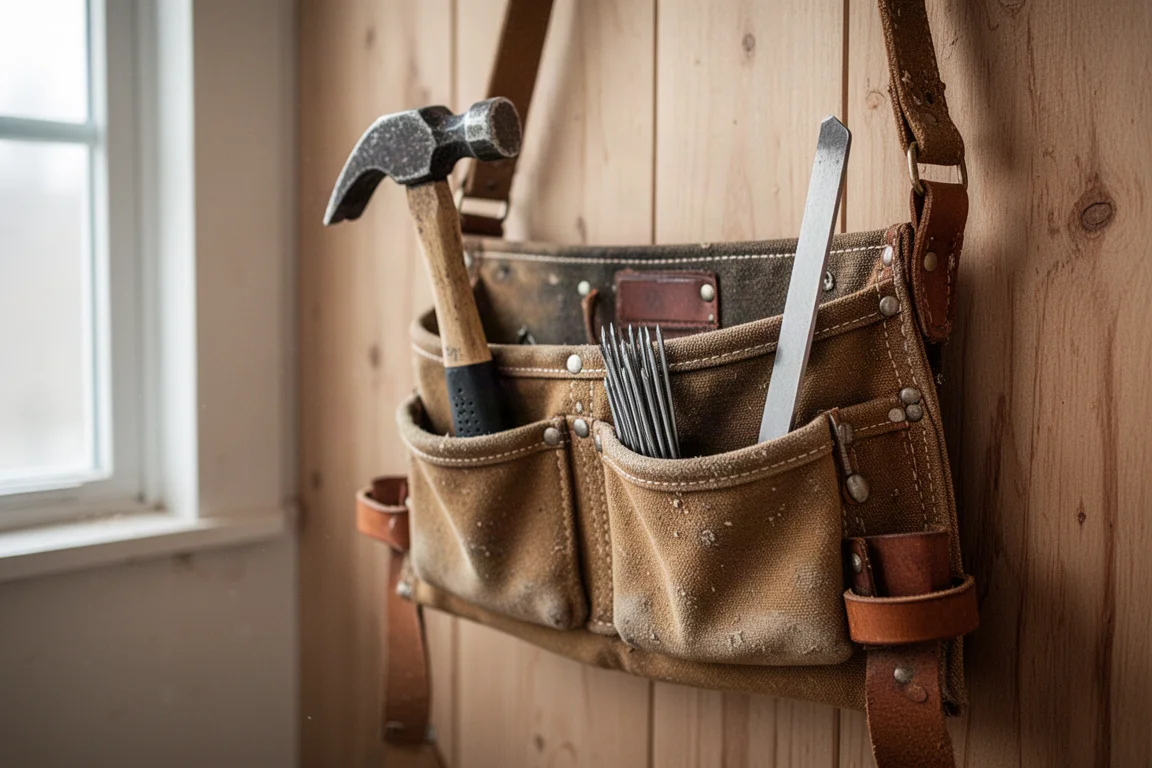
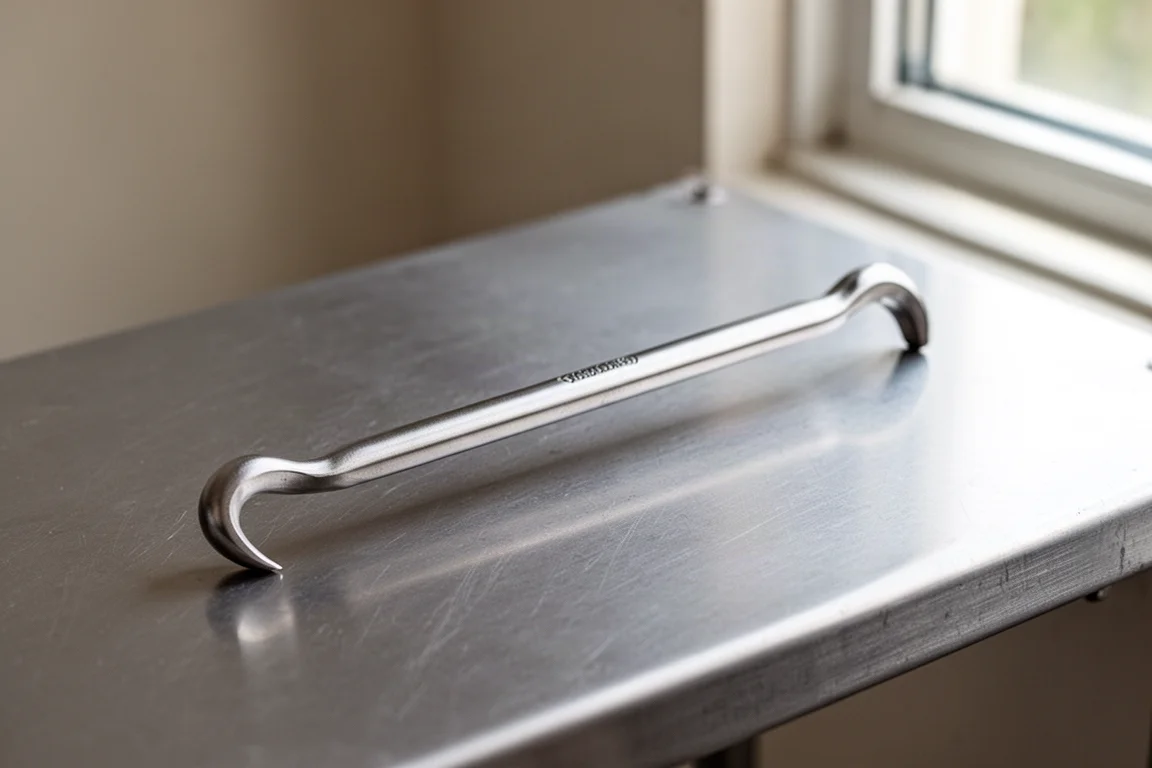
The Stiletto nail bar is a slim pry bar designed for pulling nails with minimal material damage. It is noticeably lighter than comparable bars, which makes a real difference when you are carrying it in a pouch all day. The reduced weight helps keep the overall tool belt load down, especially when paired with a light hammer.
The nail bar also transmits less vibration into the hand when striking. That reduced reverberation makes extended use more comfortable and is one of the reasons it stands out as a good buy.
The bar is designed to get under nail heads without tearing out too much surrounding material. In practice, the difference in tear out is modest when you are pulling framing nails, where a little damage rarely matters. But for finer work, the design does help preserve the surface.
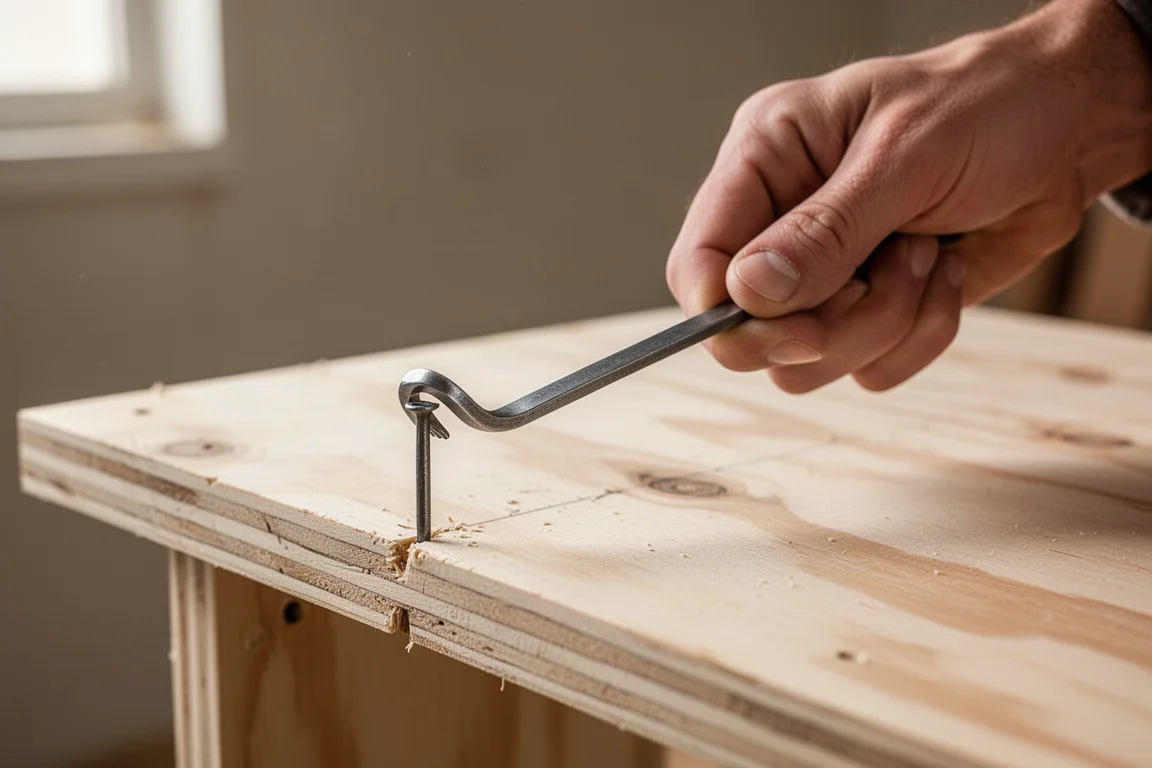
One note: the rubber grip can be removed to make the bar slide in and out of a pouch more easily. That is a simple modification that many users will appreciate, even if it means losing a little grip comfort.
Buying Advice
Both tools make sense for carpenters who spend long days on their feet and want to keep their pouch light. The T-Bone hammer is a strong choice if you want the durability of a steel face with the lighter feel of a titanium handle. The nail bar is a solid addition if you regularly pull nails and want a tool that is easy to carry and comfortable to use.
The hammer is a premium tool, and the nail bar sits at a similar price point. If you are used to wooden handled hammers, the T-Bone will feel different at first, but the strength and reduced fatigue are noticeable. The nail bar is the kind of tool you might not think you need until you have one in your pouch.
Conclusion
The Stiletto T-Bone hammer and nail bar are both well made tools that earn their place in a working tool belt. The hammer offers a great balance of strength, weight, and a durable steel face. The nail bar is light, comfortable, and effective for everyday nail pulling. If you are looking to upgrade your framing setup, both are worth serious consideration.
Further reading
Related Reviews

Tools
Best Contractor Grade Tape Measures 2026: Eight Models Tested Head to Head
We tested eight contractor grade tape measures from Milwaukee, DeWalt, Crescent Lufkin, Tajima, Stanley, Irwin, Gelan, and Craftsman to find the best value and performance.

Tools
Best Precision Screwdriver Sets 2026: Manual and Electric Options Compared
We compare 19 precision screwdriver sets, from budget manual kits to electric drivers, to find the strongest bits and best value.

Tools
Best Stud Finders 2026: Five Popular Models Put to the Test
We tested five popular stud finders on drywall, firewall, and lath and plaster surfaces to see which ones really find studs and avoid false readings.