Outdoor Power Equipment
STIHL Battery Lines Explained: AI, AK and AP at a Glance
STIHL runs four separate battery platforms for outdoor power equipment. Here is what each line offers, where it falls short, and who it actually suits.
Introduction
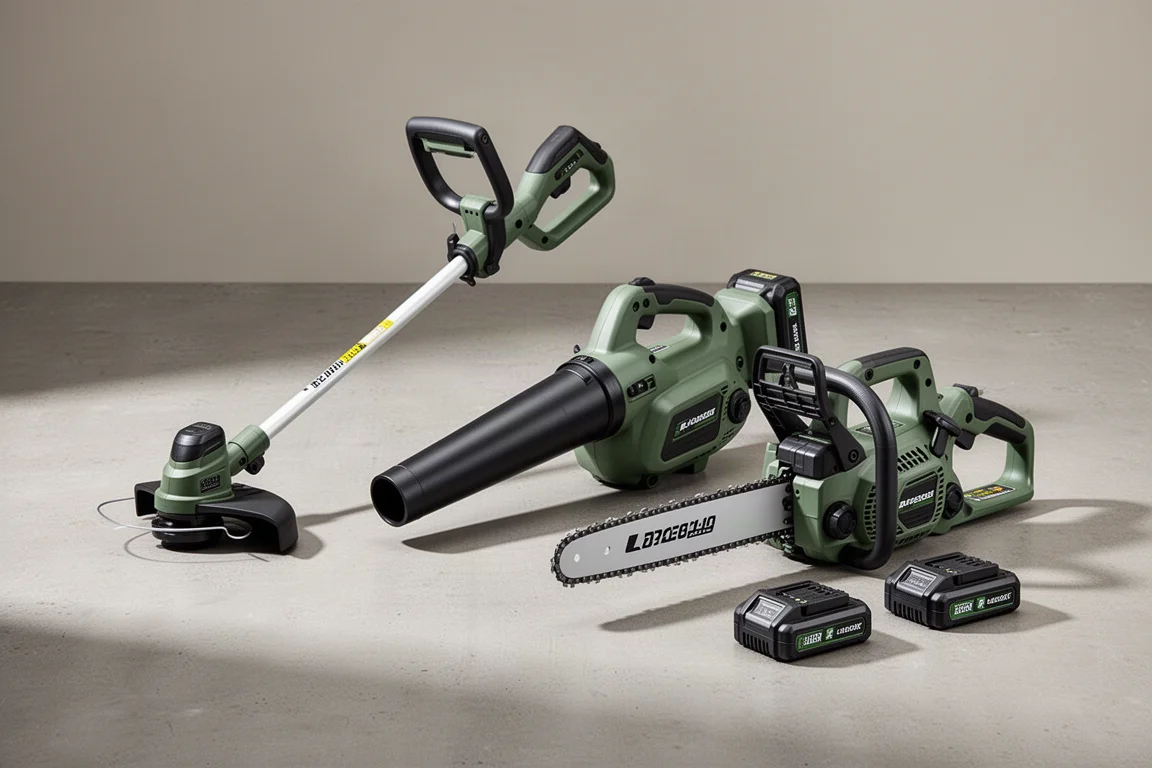
STIHL has built a strong reputation with gas-powered equipment, and its move into battery tools has been underway for several years. Yet the current cordless lineup is arguably the most confusing part of the catalog. Instead of one or two battery platforms, STIHL currently offers four separate systems: AS, AI, AK and AP. For anyone used to brands like DeWalt, Milwaukee, Makita or Ryobi, which manage with a maximum of two battery lines each, that structure raises a fair question: does anyone need four?
This guide walks through the three main lines worth knowing, the AI, AK and AP platforms, and looks at what each offers, where the gaps are, and who each one genuinely suits. (There is also a small AS line with only two tools, one battery and one charger, which we touch on briefly at the end.)
The AI Line: Integrated Batteries Raise Questions
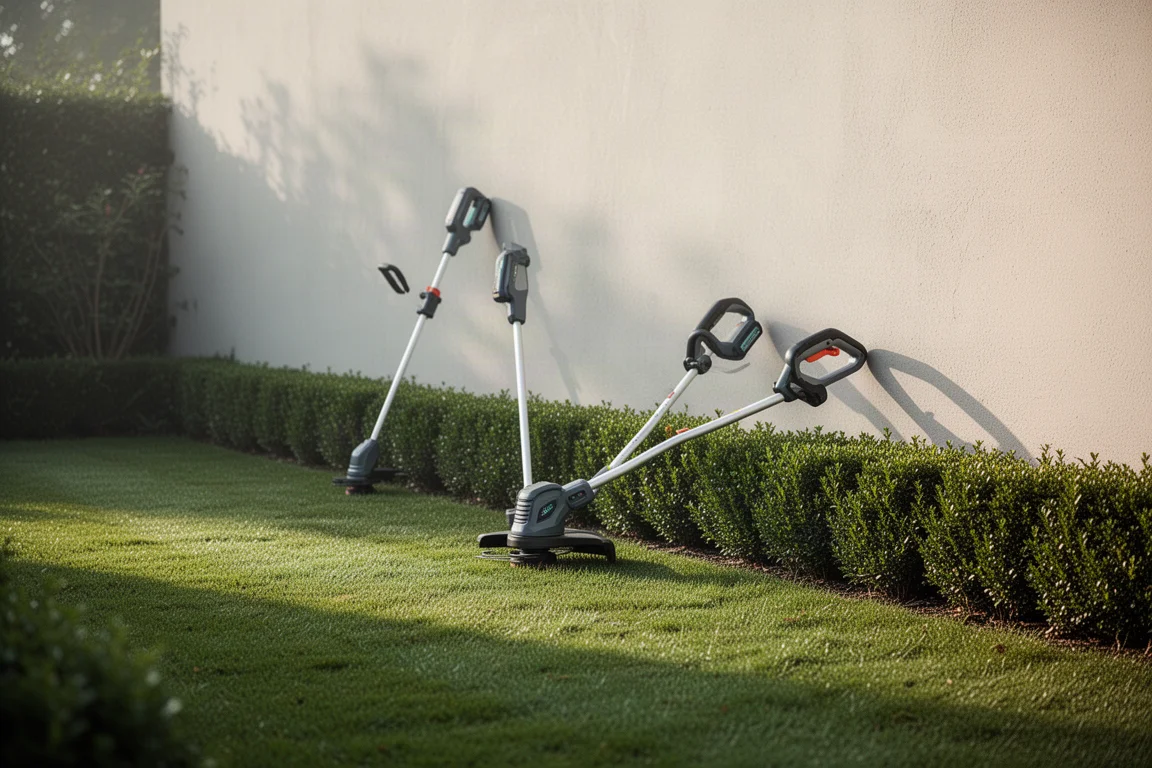
The AI line takes an unusual approach: the battery is built into the tool itself. There is no pack you snap in and out. Instead, you plug the entire tool in to recharge it.
That is the core problem. Every other major platform relies on swappable slide packs, and for good reason. If you forget to charge and the battery dies mid-job, a swap takes seconds, while an integrated battery means plugging the whole tool in and waiting. For anyone with more work than charge level, that design is a genuine limitation rather than a feature.
The line is also tiny, with only a couple of tools available. Unless a specific AI tool happens to match your exact needs, there is little reason to invest in this platform.
The AK Line: The Homeowner Option
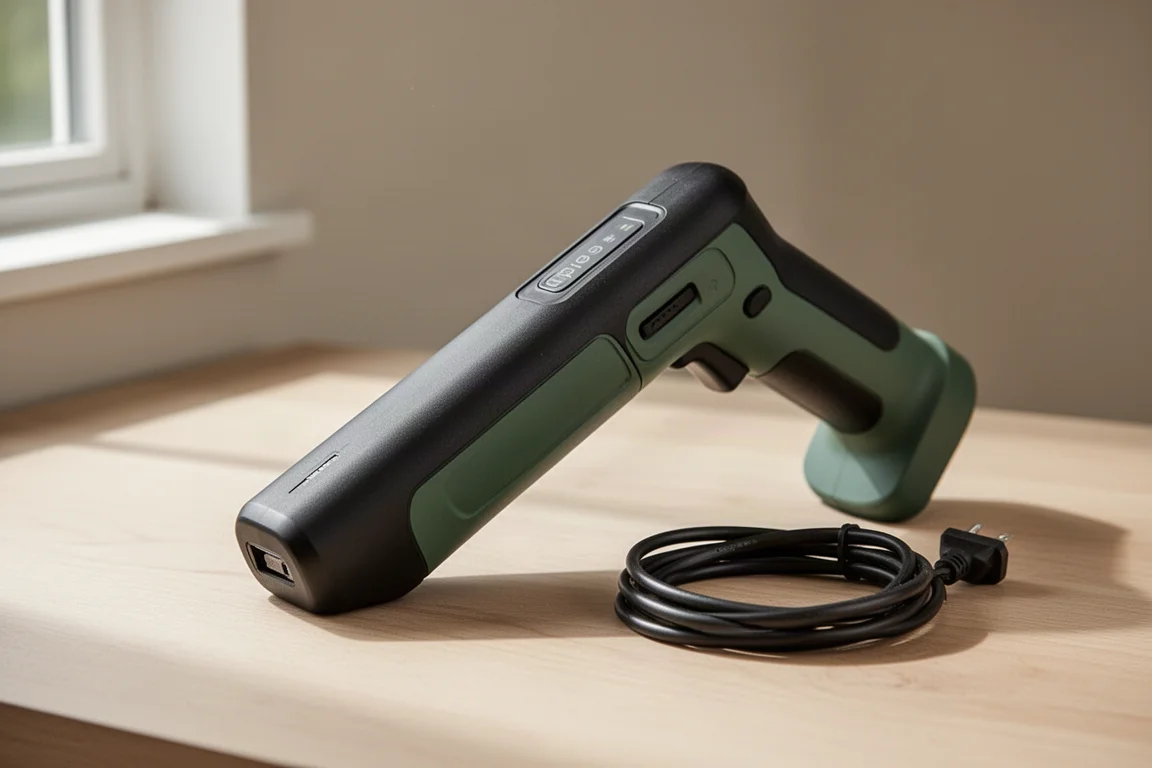
The AK line is positioned as the homeowner tier, with around 11 tools, three batteries and a single charger. The naming deserves a mention: “homeowner” is an odd label for an entire lineup. Buyers comparing tools tend to gravitate toward stronger language, whether that is brushless, pro or commercial, because it signals better build quality and heavier-duty design. A name that simply says homeowner does not invite much confidence.
The more practical concern is feedback on the chargers in this line, which has been mixed at best. Pricing is also not aggressive: you are in competitive territory alongside Ryobi 40V, DeWalt and Makita LXT, where similar tools can be picked up from brands with broader ecosystems.
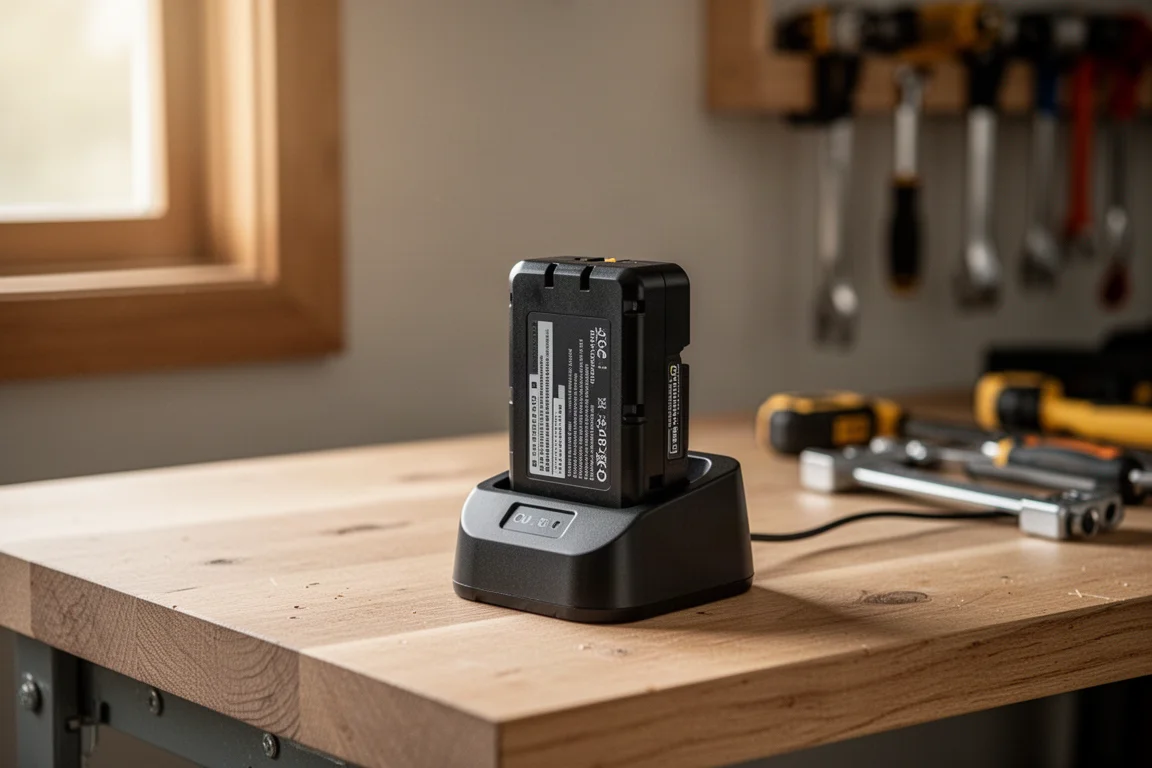
If you already own AK batteries and your needs are modest, the line can work. For a fresh buyer, though, it is worth comparing carefully before committing.
The AP Line: The Professional Platform
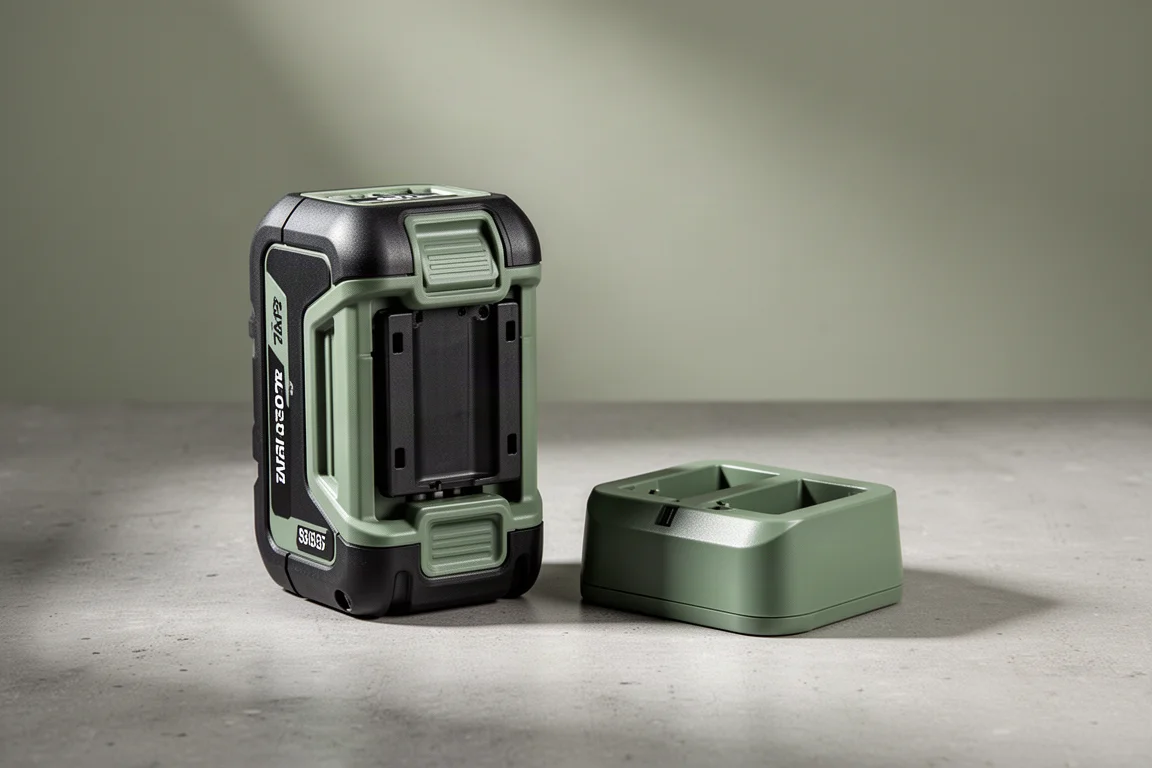
The AP line is the professional series and the platform with the most promise. It offers roughly 40 items in total, but the split matters: five of those are batteries and three are chargers, so the actual tool count is considerably smaller than the headline suggests. Notably, there are only two lawn mowers in the entire professional platform.
That thinness shows in the market. Professional lawn care operators have largely gravitated toward Ego, which covers riding mowers, chainsaws, string trimmers, edgers and backpack blowers in a single battery ecosystem. The absence of a STIHL battery riding mower is one of the most visible gaps in the AP line, especially since other brands have already filled that space.
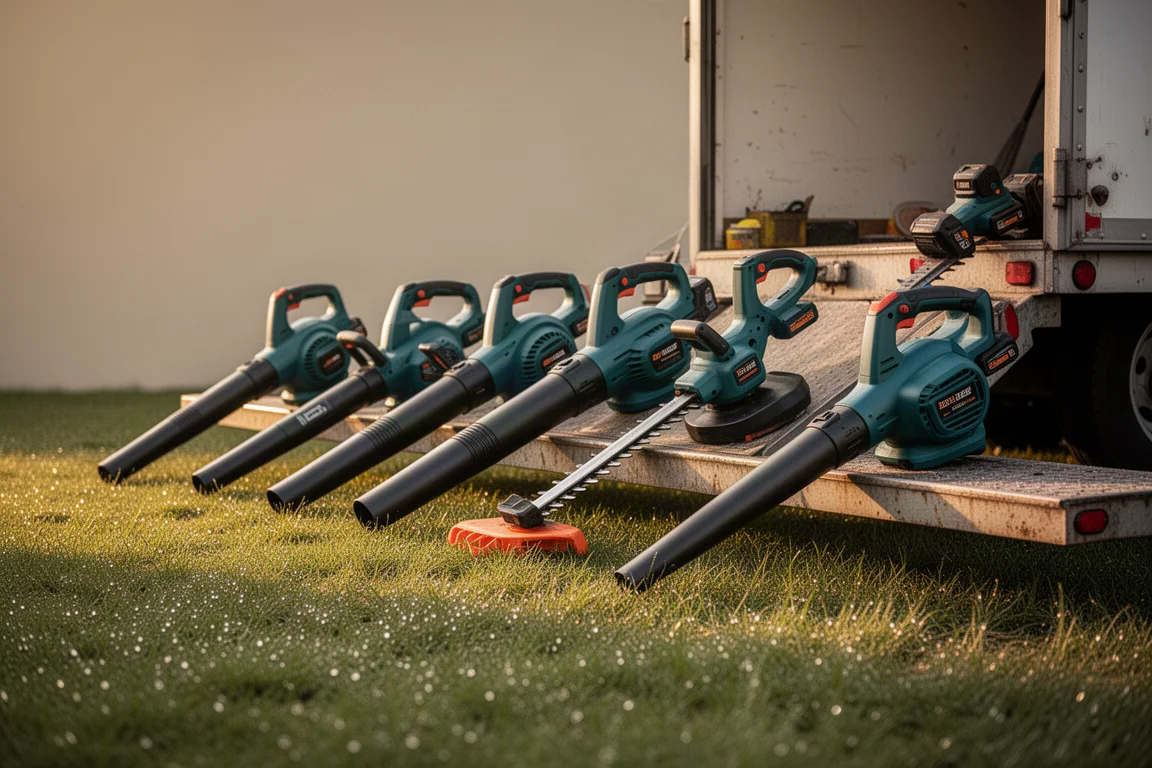
For buyers already invested in AP batteries, the professional tools remain the strongest part of STIHL’s cordless offering, backed by the brand’s well-regarded dealer network with knowledgeable staff and service technicians on hand.
Four Lines, One Brand: Why It Matters
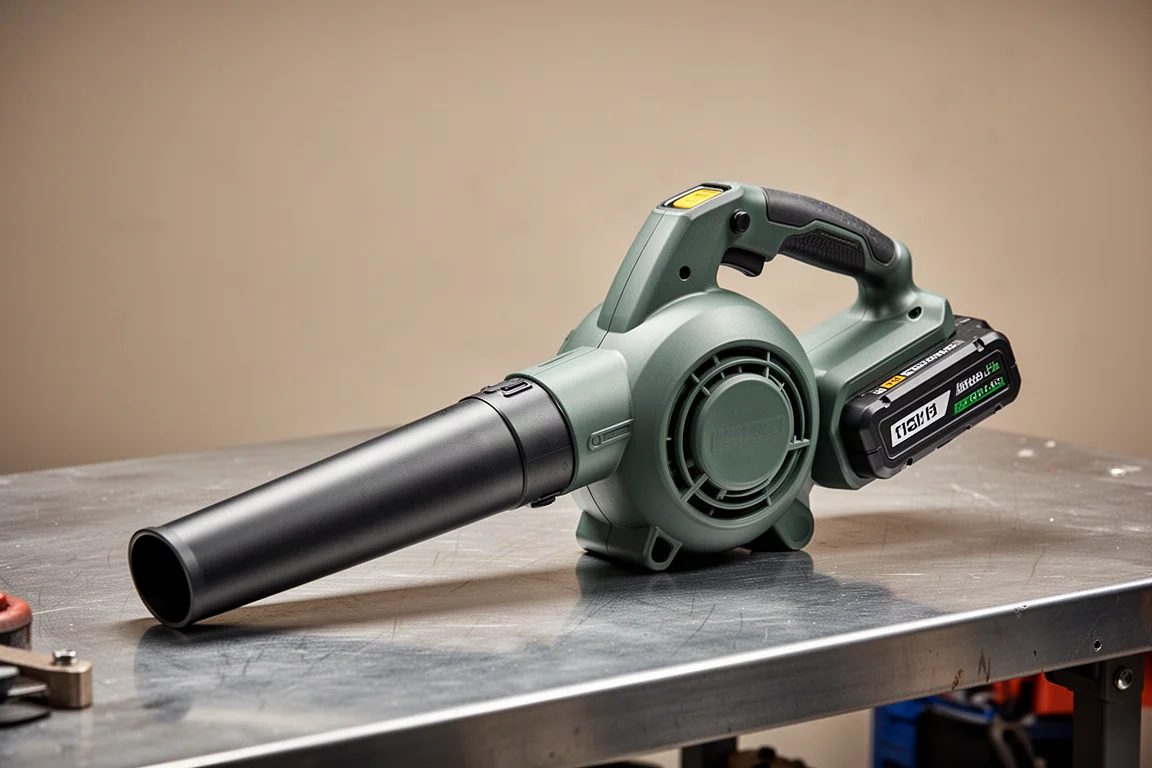
Splitting a catalog across four incompatible battery systems creates real friction. Even brands with two platforms, like Makita with LXT and XGT, can feel fussy to buyers. Four lines means four chargers, four sets of spare batteries and no cross-compatibility between a homeowner trimmer and a professional blower.
A single slide-pack system, the approach DeWalt and Milwaukee use, would let STIHL offer the same tools on one shared battery. As it stands, the AS line’s four total items and the integrated-battery AI design add complexity without adding value. The AK and AP lines alone could arguably have covered the entire market.
Battery Power Is Still the Right Direction
The criticism above is about lineup structure, not the battery concept itself. Cordless outdoor equipment remains the better long-term choice for most buyers. There is no gas, no oil changes and no filters, and maintenance costs drop dramatically: one owner reported spending only around 100 to 150 dollars in parts and repairs across five years of running cordless DeWalt, Milwaukee and Makita tools, both at home and on commercial jobs. Aside from a mower blade now and then, upkeep is close to zero.
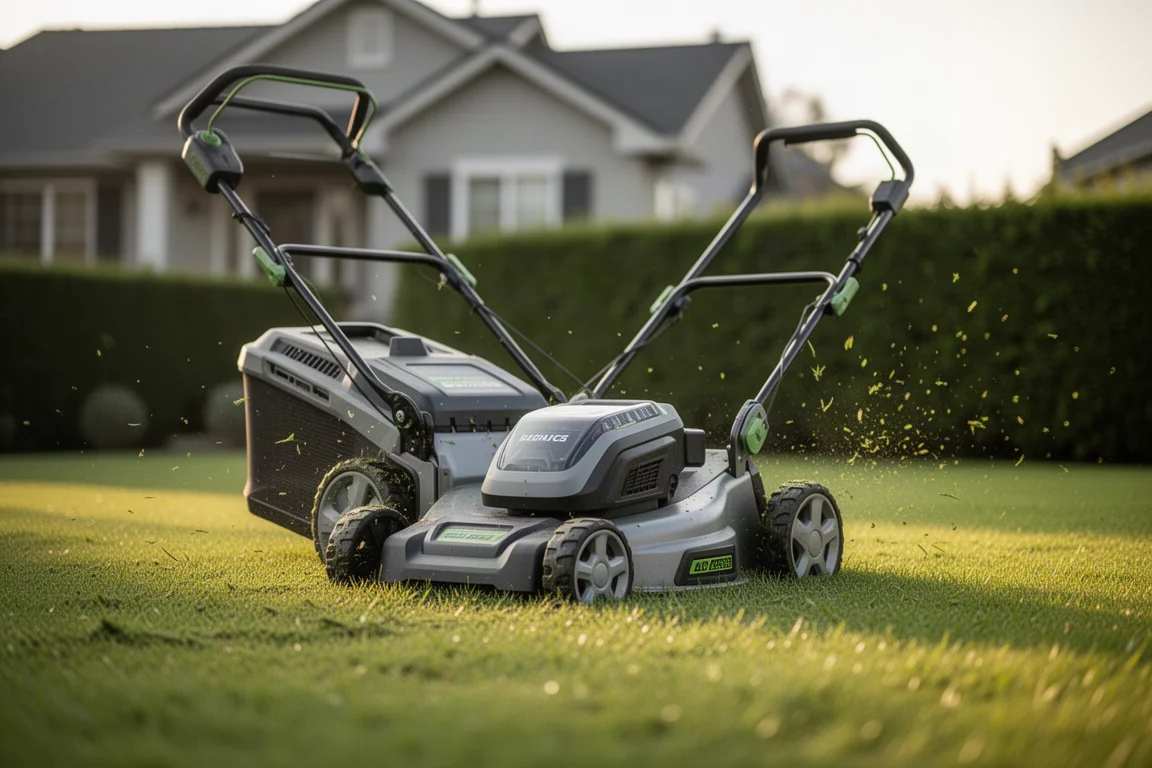
There are still edge cases. Large gas chainsaws have no real battery equivalent yet, and some buyers prefer the extended runtimes of dedicated outdoor batteries. But for most homeowners and many professionals, battery power is the practical choice.
Should You Buy Into a STIHL Battery Line?
Deciding comes down to two questions:
- Do you want one battery for everything? If your drill, impact driver, saw and trimmer should all share batteries, a platform like DeWalt 20V Max or Milwaukee M18 covers handheld tools and outdoor equipment alike. STIHL’s four-line structure does not.
- Do you want a dedicated outdoor power tool ecosystem? Dedicated lines offer bigger, longer-running batteries, but those packs are not useful for anything beyond yard work. Ego currently offers the most complete dedicated cordless lineup, including riding mowers.
The dealer experience is a genuine STIHL strength. Sales staff know the products, and service technicians are on hand for repairs. Just note that buying typically means visiting a dealer rather than a big-box store, which adds friction if you are used to picking tools up on the way home.
Conclusion
STIHL’s gas equipment remains excellent, and its dealer network is among the best in the industry. The battery lineup, however, is doing the brand no favors: four incompatible platforms, an integrated-battery line with no swappable packs, thin tool counts and a visible gap where a riding mower should be. If you are already invested in AK or AP batteries, the ecosystem can still serve you well. If you are starting fresh, compare the whole market first, because the battery platform wars are far from settled and the most complete line today may not hold that position for long.
Further reading
Related Reviews

Outdoor Power Equipment
Best Cordless Chainsaws 2026: EGO, Milwaukee, and Stihl Compared
Three flagship battery-powered chainsaws from EGO, Milwaukee, and Stihl go head to head in cutting speed, power, weight, and price.

Outdoor Power Equipment
Best Cordless Leaf Blowers 2026: Nine Models Put to the Test
We tested nine leading cordless leaf blowers from Ryobi, STIHL, Toro, EGO, Husqvarna, DeWalt, Makita, Milwaukee, and Echo to find the best blowing force, run time, and value.
Outdoor Power Equipment
Amazon Big Spring Sale 2026: Best Outdoor Power Equipment and Backyard Deals
Cordless mowers, blowers, grills, and portable power on sale this spring, with practical advice on which packages are actually worth buying.