Planners & Stationery
Sterling Ink Common Planner B6 vs Hobonichi Hon A6: A First-Year User's Verdict
Two beloved paper planners compared after a full year of daily use: build quality, paper performance, layout design, and who each one is really for.
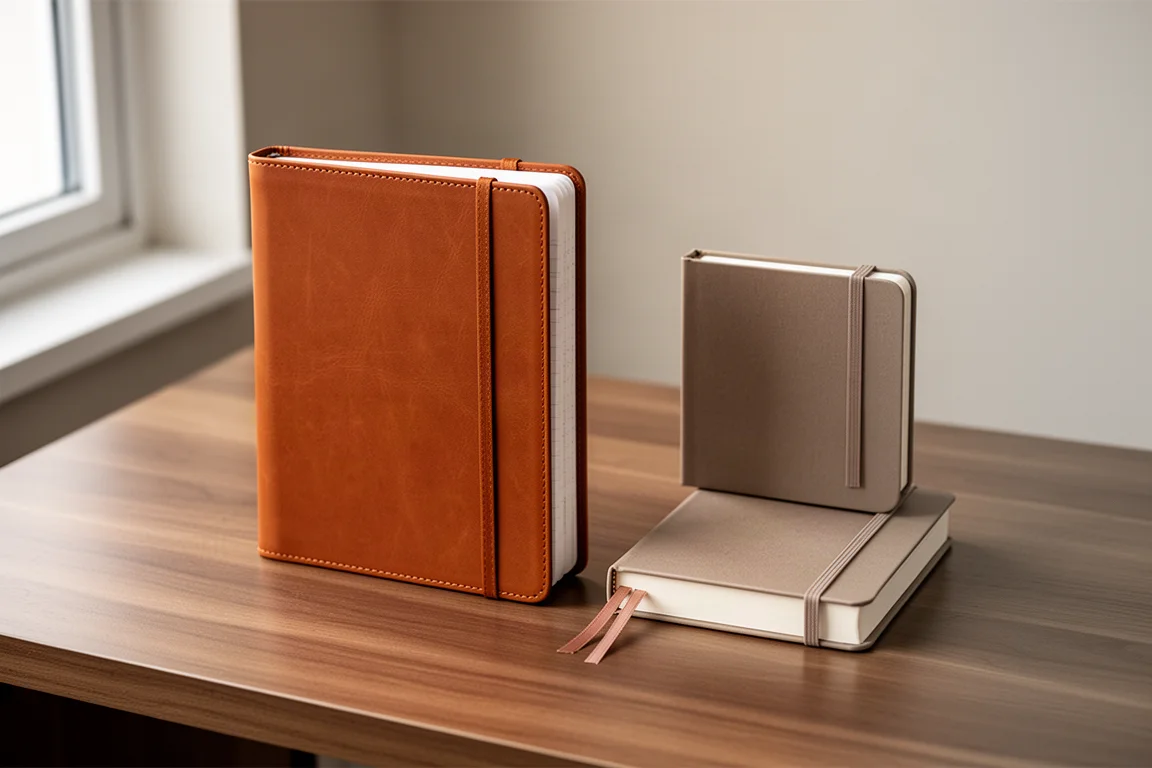
Introduction
After a full year of daily use, two planners stood out enough to be worth a proper retrospective: the Sterling Ink Common Planner B6 and the Hobonichi Hon A6. Neither had been used before this year, so this comparison reflects a genuine first-year experience: how each held up, how the paper behaved, which layouts earned their keep, and whether either deserves a repeat purchase.
How the Common Planner Performed Over a Year
The Sterling Ink Common Planner B6 served as the main planner for the year, handling scheduling, to-do lists, time tracking, memory keeping, and light journaling. It is a B6 vertical weekly, full-year format, tested here in the caramel colorway with a faux leather cover, deliberately used without a protective cover to see whether it could survive on its own.
The short answer: yes, impressively well. With roughly 40 percent of its time spent in a backpack for office trips and family visits, the cover only shows minor upturning along the edges and slightly bent corners. The gold foil detailing on both the front and back covers shows no scratching or wear at all, which says a lot given that the back cover constantly presses against desk surfaces. The only quirks are a couple of claw marks from a curious cat and a few tiny black dots on the back cover, likely debris rubbed in from desk friction, which would be more visible on lighter colorways.
The binding deserves special mention. Despite being deliberately bulked up with stickers, pasted-in paper, letters, and ephemera, the binding remains fully intact. Better still, the book can be bent back on itself to create a flat, supported writing surface across both pages, a genuinely useful feature that causes no damage.
Paper Quality and Fountain Pen Ink
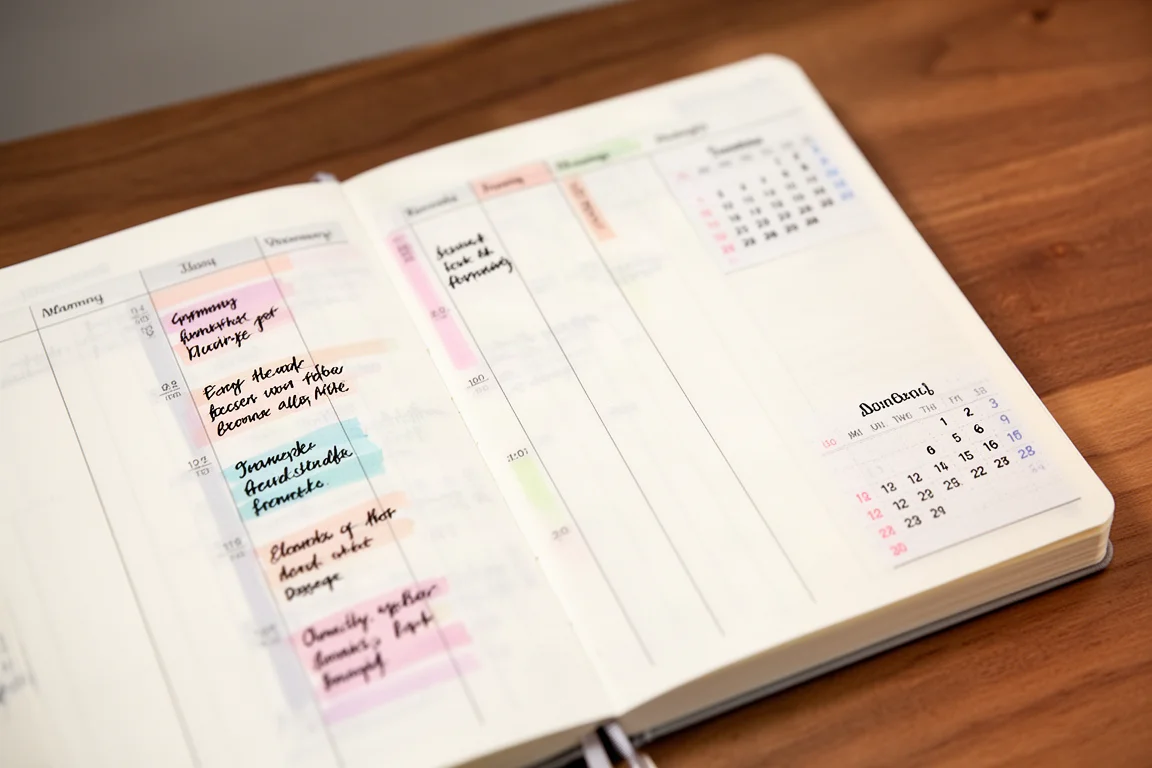
The Common Planner uses Sanzen Tomoe River paper at 52gsm, which allows a substantial page count of around 572 pages without excessive bulk. Ghosting is part of the deal at this weight, so if ghosting is a dealbreaker, this is not the planner for you.
For gel pens, highlighters, watercolor, and general writing, the paper performed beautifully. Watercolor warps the page slightly, as expected, but the paper shows off washes very nicely. Fountain pens are more of a mixed story: most inks performed perfectly, but heavier swatching, especially with a glass dip pen, produced bleed-through with a few saturated inks. Notably, those same inks behaved flawlessly once loaded into an actual pen. Given the well-known inconsistencies with Tomoe River paper since the Sanzen acquisition, treat fountain pen use as trial and error rather than a guarantee.
Inside the Common Planner: Spreads and Structure
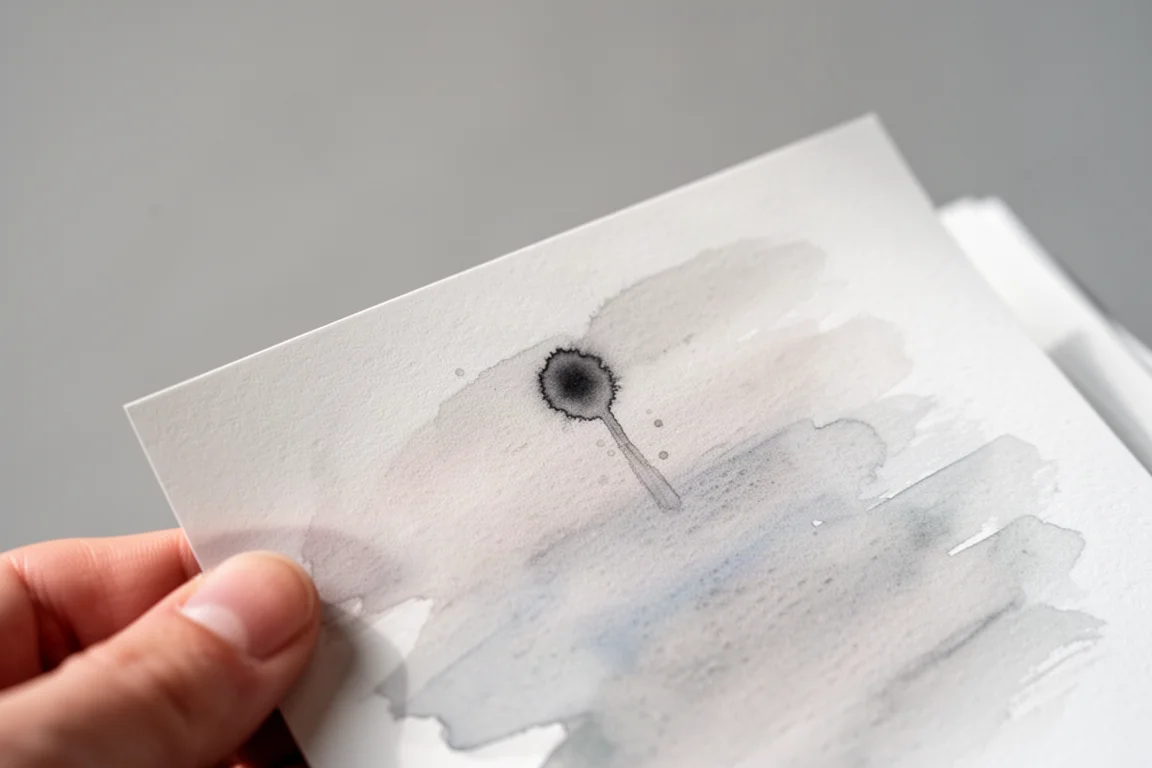
The layout follows a funnel structure from year down to day. The blank grid pages at the front were used for a master bills list, a future plans section, and a “when did I last” task tracker, all of which proved their worth. The goal breakdown spread, divided into timelines from someday down to daily, was less useful in practice, though that likely says more about the user than the layout. The yearly tracker was a highlight: a full-year at-a-glance grid that worked beautifully as a combined health tracker for workouts, weight, and cycle tracking.
The quarterly spreads pair a priorities box with monthly boxes and vertical monthly columns. Those vertical monthlies started the year as habit trackers, with completed habits colored in with highlighters, then were repurposed from May onward as media trackers for music, shows, films, and books. Monthly calendars handle bills, appointments, and birthdays, with the expense tracker moved into the vertical sidebar alongside a monthly to-do list. The ruling is a soft light gray that stays classy when left undecorated and never clashes with stickers or seasonal themes.
The weekly spread is the star: vertical daily columns from Monday through Sunday with a faint 6 a.m. to midnight timeline, a mini monthly calendar with the current week highlighted, and a blank sidebar used as a weekly to-do brain dump. The timeline makes chronological logging easy, and a small nicety worth noting: hours are labeled in standard time rather than military time. Daily pages in the back section, around 367 blank grid pages in the 2025 edition, absorbed journaling, ink swatches, layout tests, and pasted-in ephemera, making this effectively a planner and notebook in one.
A Simple Bookmarking System That Stuck
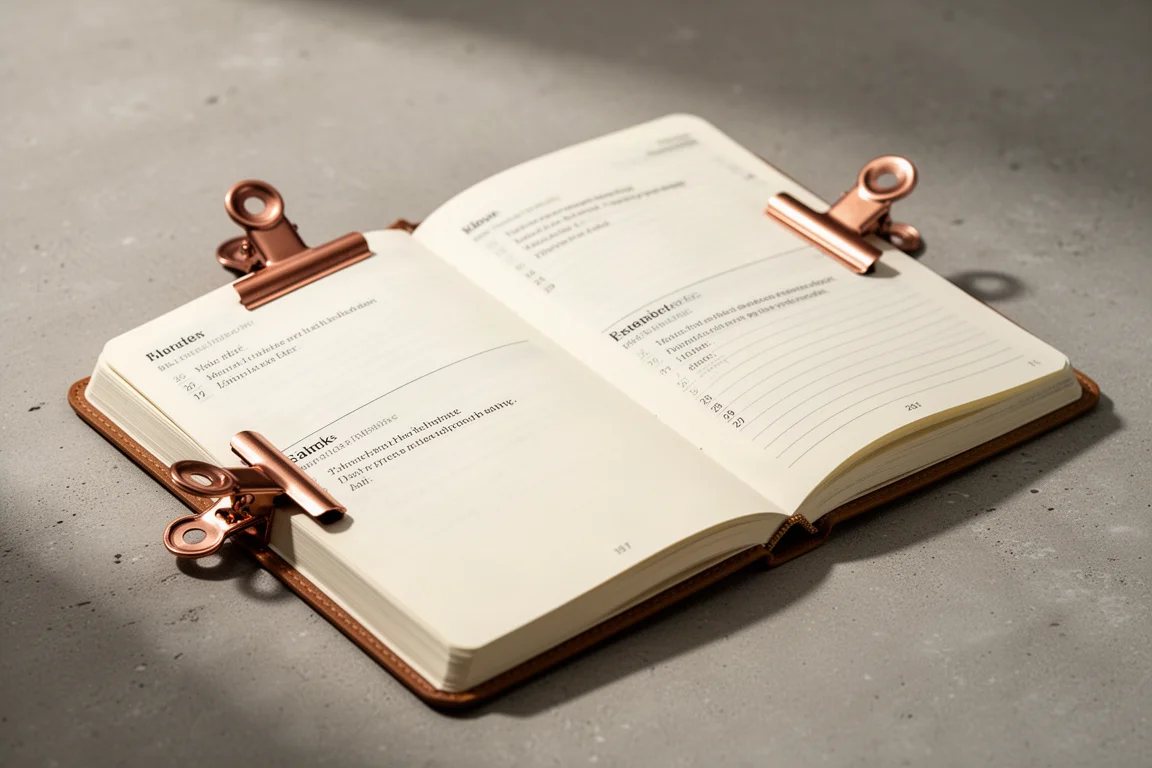
A Midori Churorado tabs and clips system made navigation effortless. Permanent metallic-design tabs marked spreads referenced all year, while removable copper-finish index clips tracked the current quarter, month, week, and next blank page. The system worked so well it is being carried over unchanged into next year’s planner.
Best for Daily Journaling: Hobonichi Hon A6
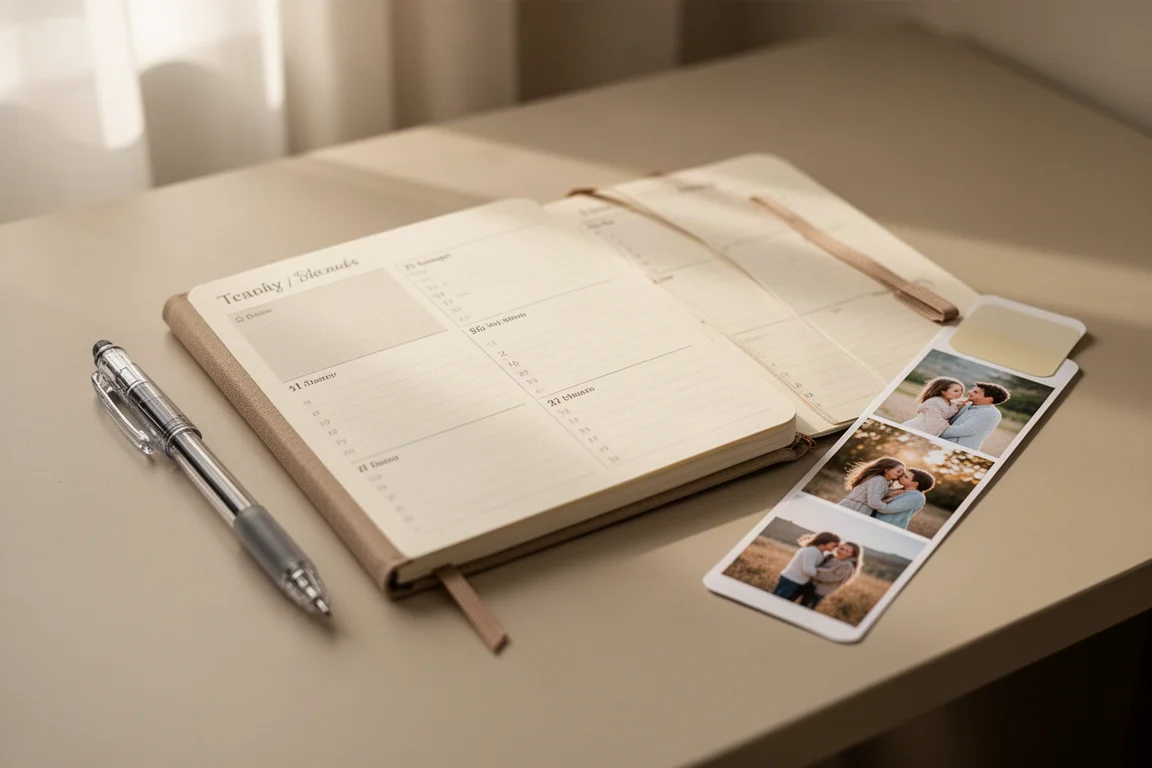
The Hobonichi Hon A6 is the Hobonichi Techo Original with its own designed hard cover and two ribbon bookmarks. It was not used as a planner this year; instead it served as a dedicated memory keeper.
The cover, unfortunately, took more abuse than the Common Planner’s. Scuffs and roughing accumulated over the year, and the honest verdict is that a clear cover should have been purchased from the start. One is already on order for the 2026 edition. Structurally, though, the cover held together with no tearing and no design flaking, so the construction itself is solid.
The monthly calendars became a daily doodle habit, documenting each day’s highlight with a Sakura Pigma Micron, which performed flawlessly on the paper. Blank pages preceding each month’s daily pages became a “month in pictures” spread using small printed photo collages from a compact Bluetooth printer with adhesive backing. The daily pages hosted short journal entries, written with a gel pen matched to each month’s color, starting with the time of day. At roughly 10 minutes per page, the A6 size makes daily journaling genuinely manageable, even on busy days.
The paper is the same 52gsm Sanzen Tomoe River as the Common Planner, with the same ghosting expectations. Fountain pen use was limited here but worked perfectly with no feathering or bleed-through, and gel pens, colored pencils, and brush pens caused no issues. The only bleed-through incident came from swatching a couple of inks heavily on a blank monthly page.
Which One Should You Buy?
Choose the Sterling Ink Common Planner B6 if you want a true planning hub: a full year-at-a-glance to quarter to month to week funnel, vertical weekly spreads with a timeline, and hundreds of blank pages for journaling or daily planning, all in a cover that genuinely does not need extra protection. At roughly $50 US, it earns its price, and the ghosting caveat aside, it is easy to recommend.
Choose the Hobonichi Hon A6 if you want something small, portable, and charming for daily journaling or one-line-a-day memory keeping, especially if you have smaller handwriting and do not need a weekly layout. Budget for a clear cover, though, because the hard cover scuffs noticeably in daily use.
Conclusion
Both planners delivered a satisfying year. The Common Planner proved thoughtful in construction and earned a possible future return, while the Hobonichi Hon was enjoyable enough that a 2026 edition is already lined up, combining what worked in each. For anyone torn between a full planning system and a compact daily journal, this comparison should make the choice fairly clear.
Product link
View more details for Sterling Ink Common Planner B6
This product is mentioned in the review. Check the specifications, options, and compatibility before buying.
View more details for Sterling Ink Common Planner B6Further reading
Related Reviews
Stationery
Musgrave Pencils Review: Four Classic Pencils from Tennessee's Last Pencil Factory
We put four Musgrave pencils to paper, from the classic Harvest to the Unigraph 1200 drawing pencil, to see what a century-old Tennessee workshop can still do.
Stationery
Fountain Pen Tiers Explained: From Starter Pens to Luxury Grails
A practical overview of the different levels of fountain pens and inks, from a sub-$20 starter setup to Italian piston fillers and retractable gold-nib everyday carries.
Fountain Pen Paper
Life L Writing Paper Pad Review: A Lesser-Known Gem for Fountain Pen Letter Writing
A glue-bound B5 writing pad from Japan's Life stationery brand that handles sheen, shading, and even notorious inks with almost no bleed-through.