Planners & Stationery
Hobonichi Techo Buying Guide: Six Planners and What to Know Before You Pick One
From the A6 Original to the Plain Notebook, here's how to choose the right Hobonichi Techo format, size, and paper setup before you invest.
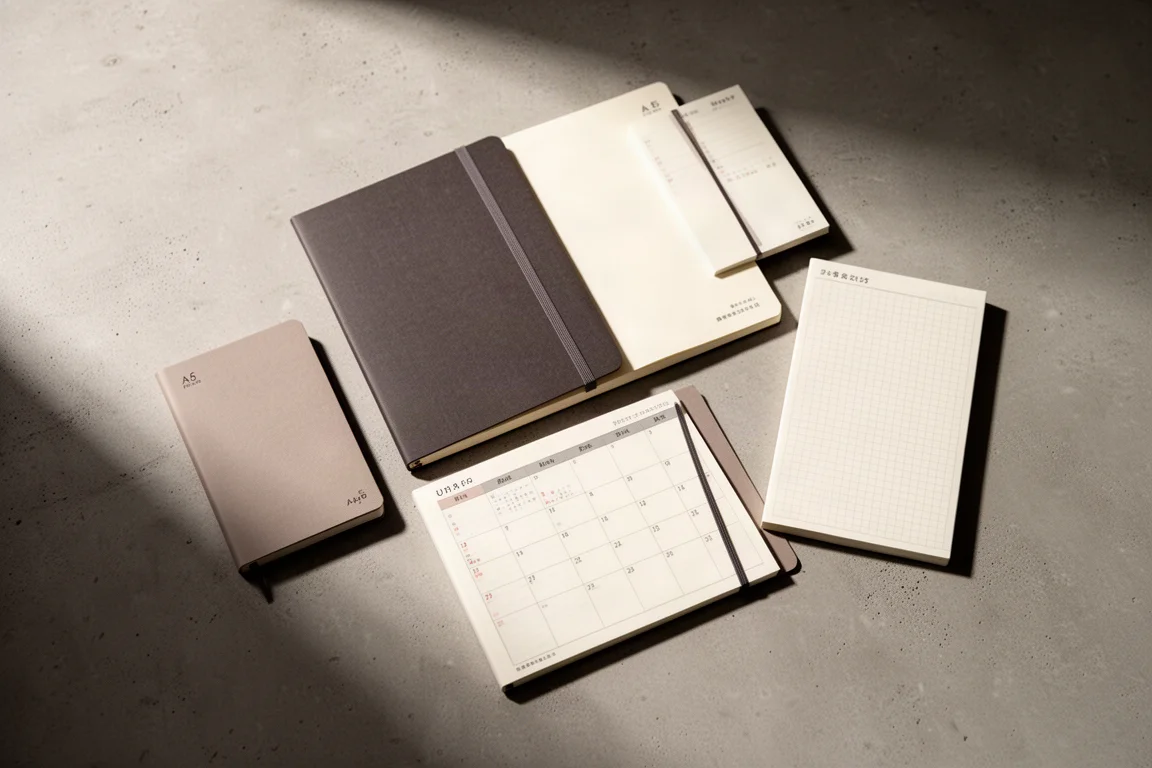
Introduction
Hobonichi Techos have a devoted following for good reason: thoughtful layouts, famously thin paper, and enough variety to fit almost any planning style. But that variety is also the trap. These planners are not cheap, and buying the wrong format or size is the fastest way to end up with a beautiful book you never open.
Before the next Hobonichi release, it helps to think through a few things many buyers wish they had considered first: format, size, paper behavior, drying times, built-in features, and the option of building your own system entirely.
Start With the Format, Not the Cover
Hobonichi planners come in two everyday planning formats: daily and weekly. Both include monthly calendars for a big-picture view of upcoming events. The daily format works well if you need lots of space for tasks or want to write journal entries. The weekly format suits people who record deadlines rather than details and don’t need much room for everyday entries.
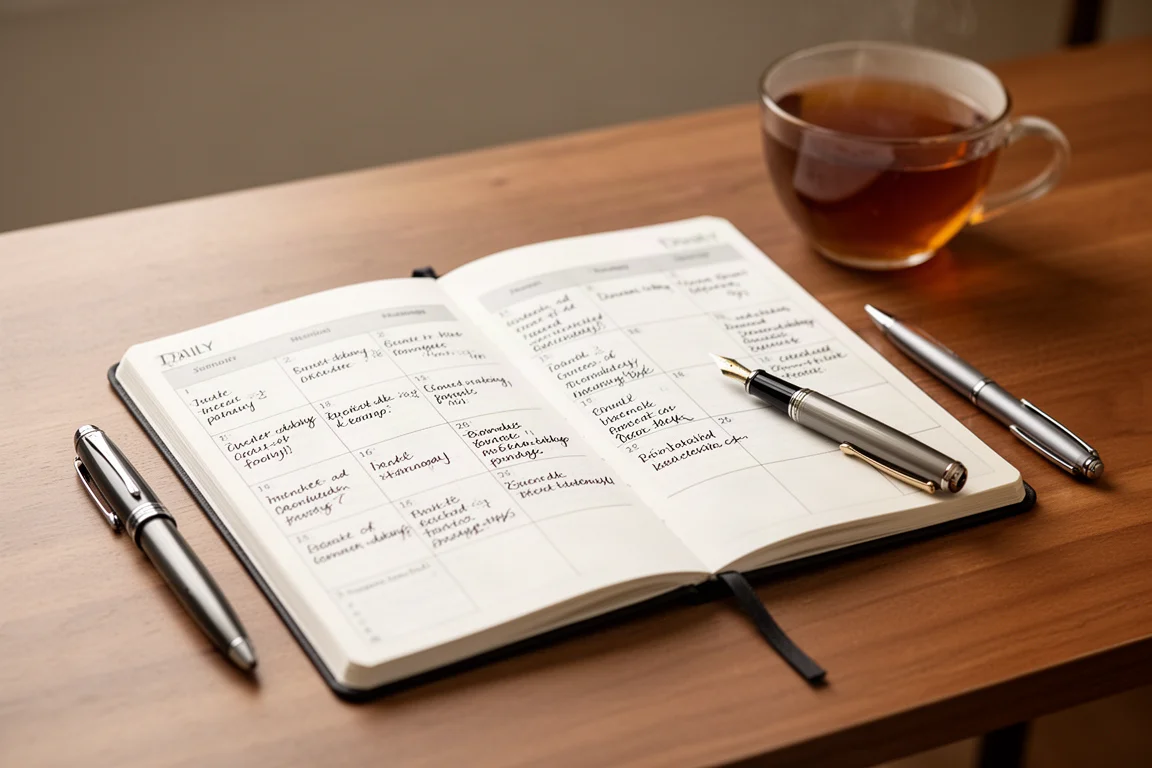
Sitting between these is the Day-Free, which has dated monthly calendars and undated gridded pages. It’s a strong choice if you don’t write every day or prefer to create your own planning system from scratch.
Size Decides Whether You’ll Actually Use It
A planner you hate carrying is a planner you stop using. The Weeks comes in only one size, and it’s the most portable of the lineup. The daily planners, meanwhile, are available in A5 and A6. The A5 Cousin is heavy enough that it works best kept at home or in the office, while the A6 fits comfortably in a purse or backpack for everyday carry.
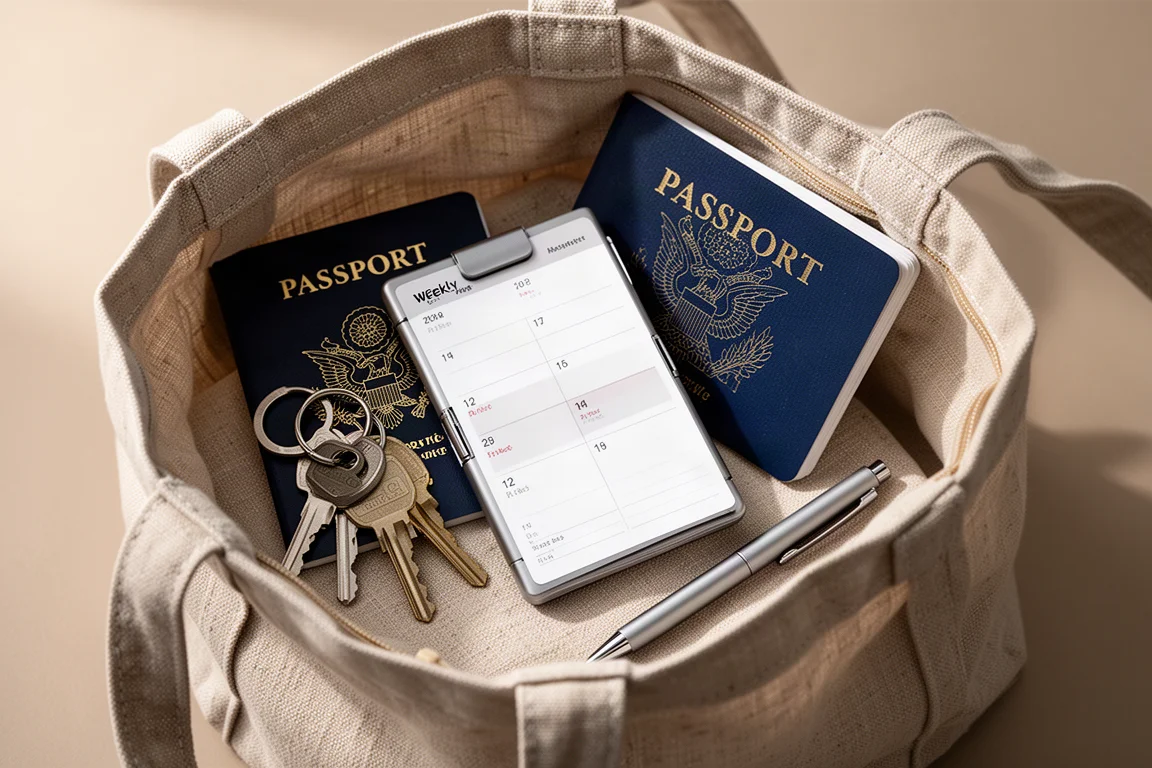
The trade-off is writing space. If you have a lot to say, squeezing notes or journal entries onto a single A6 page can feel tight. That’s where the Avec comes in: it splits the year into two six-month booklets, giving you more writing space while staying easier to carry. There’s an A5 Avec for maximum room and an A6 Avec if you want something slim and portable.
The Paper Is Great, But It Takes Getting Used To
Hobonichi’s Tomoe River S paper is legendary for a reason. At just 47 gsm, it keeps these planners surprisingly slim while handling fountain pens and markers with minimal bleedthrough. That performance is exactly why so many ink enthusiasts swear by these books.
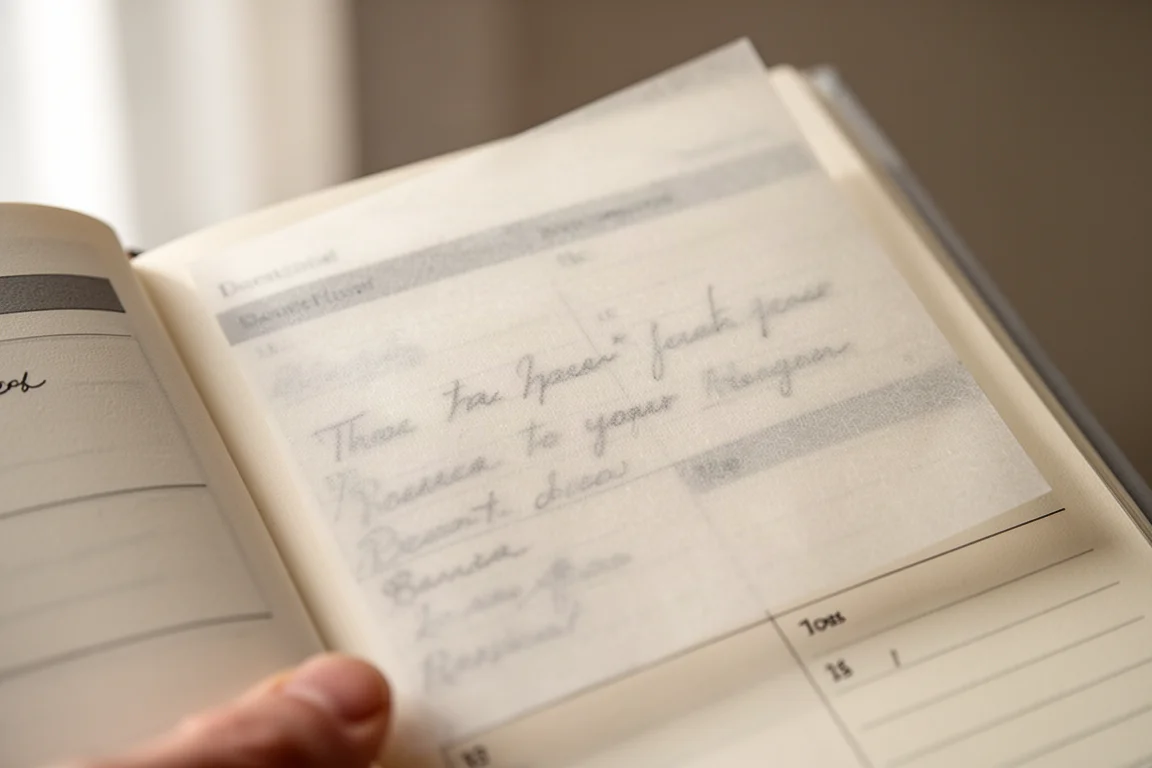
The catch is expectation management. If you’re used to thick, opaque paper, Hobonichi pages can feel flimsy, and the amount of showthrough on the back of the page bothers some people. If crisp, dense paper matters to you, handle a sample first if you can.
Plan Around Slow-Drying Ink
To reduce feathering and bleedthrough, inks take a long time to dry on Hobonichi paper. That means fast writers can smudge their notes. If you want zero smears, graphite pencils or fast-drying instruments like ballpoint pens are the safest bet. Otherwise, simply learn how long your favorite pen takes to dry.
Blotting paper is worth picking up too. Tucked between the pages, it soaks up excess ink and protects the next page. Testing your pens before the year starts saves a lot of frustration later.
Use the Hidden Features Packed Into Every Page
If the Hobonichi format seems too simple at first glance, you may be missing the subtle features built into every page. Even long-term users overlook the Secret Line in the Original or the tick marks in the Weeks. These marks help you divide the page to match your own system, such as splitting each day into thirds for meals, work, and personal tasks.
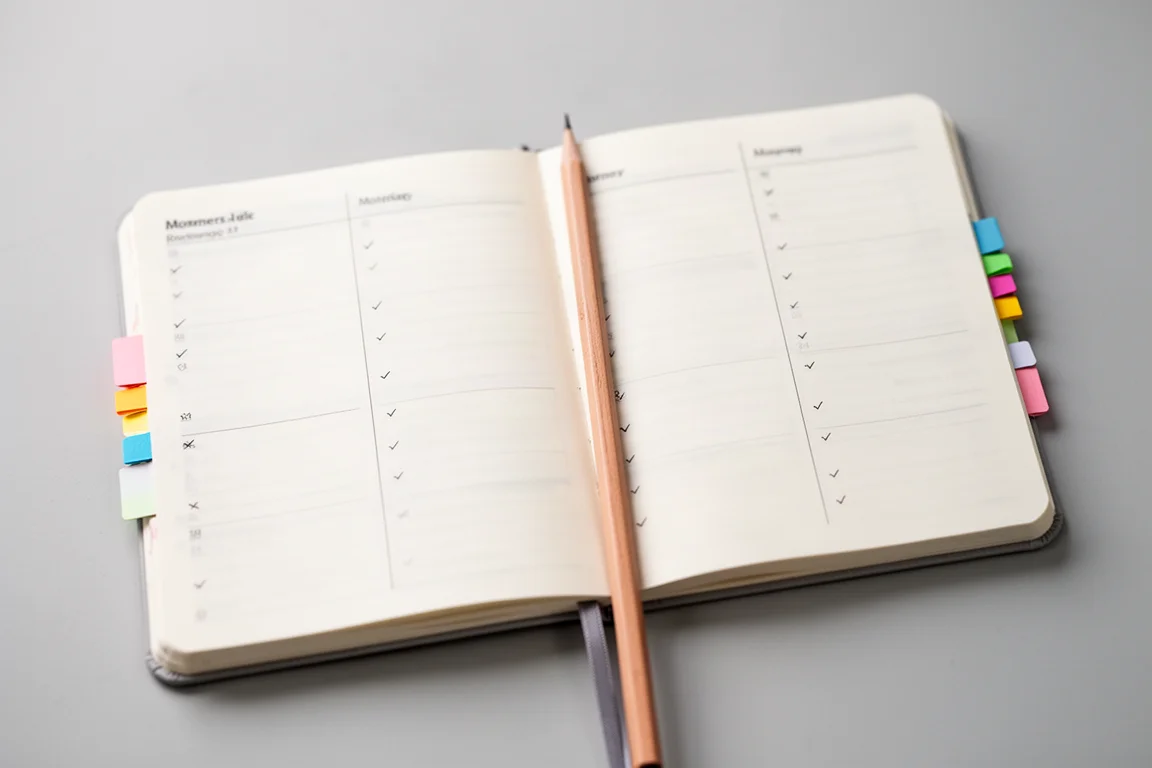
Beyond the daily pages, there’s an index at the beginning for tracking habits across the whole year, and a My 100 list at the back for writing down everything you want to do. One detail worth checking before buying: while the Original and the Planner both use daily formats, only the Original has check boxes at the top of the page.
Build Your Own: The Plain Notebook
Not everyone wants a dated planner. The Plain Notebook is the pick for people who like to design their own layout, whether that means calendars in front of weekly pages or a completely custom structure. Pair it with small index tabs and it becomes a fully personalized system that can evolve year after year.
Which One Should You Buy?
If you journal daily and want maximum writing room, the A5 Cousin is the obvious choice, as long as you’re happy leaving it on a desk. For everyday carry with plenty of space, the A6 Original is the classic pick, and the Avec versions split the year into lighter, more portable halves.
Deadlines-over-details planners should look at the Weeks, while flexible, non-daily planners will be happiest with the Day-Free or the Plain Notebook. Whichever you choose, match the format to how you actually plan rather than how you wish you planned. That single decision is the difference between a planner you love and one that collects dust.
Conclusion
The Hobonichi lineup is versatile enough that nearly everyone can find something that works, whether that’s a dated daily planner, a compact Weeks, or a self-built system in the Plain Notebook. Know your format, respect the paper, and use the built-in features, and your next Techo will earn its place in your daily routine.
Product link
View more details for Hobonichi Techo Original
This product is mentioned in the review. Check the specifications, options, and compatibility before buying.
View more details for Hobonichi Techo OriginalFurther reading
Related Reviews
Planners & Stationery
Sterling Ink Common Planner B6 vs Hobonichi Hon A6: A First-Year User's Verdict
Two beloved paper planners compared after a full year of daily use: build quality, paper performance, layout design, and who each one is really for.
Planners & Stationery
Best 2025 Planners and Diaries: 12 Formats Worth Considering
From the Hobonichi Techo to the Roterfaden Weekly Calendar, here are 12 dated planners and diaries for 2025, with layouts and features to help you choose.

Backpacking Gear
Building a 10 lb Base Weight: An Ultralight Backpacking Gear List
A practical walkthrough of the ultralight pieces behind a 10 lb base weight, from a 765 g pack and a roomy one-person tent to a full camp chair and a dependable water filter.