Gaming Headsets
SteelSeries Arctis Nova Pro OMNI vs Elite vs Pro Wireless: Which Flagship Is Worth It in 2026?
The Arctis Nova Pro OMNI brings the full Nova feature set with a much better mic at a lower price than the Elite. Here is how it stacks up against the Elite, the aging Pro Wireless, the Audeze Maxwell 2, and the Astro A50 Gen 5.
Introduction
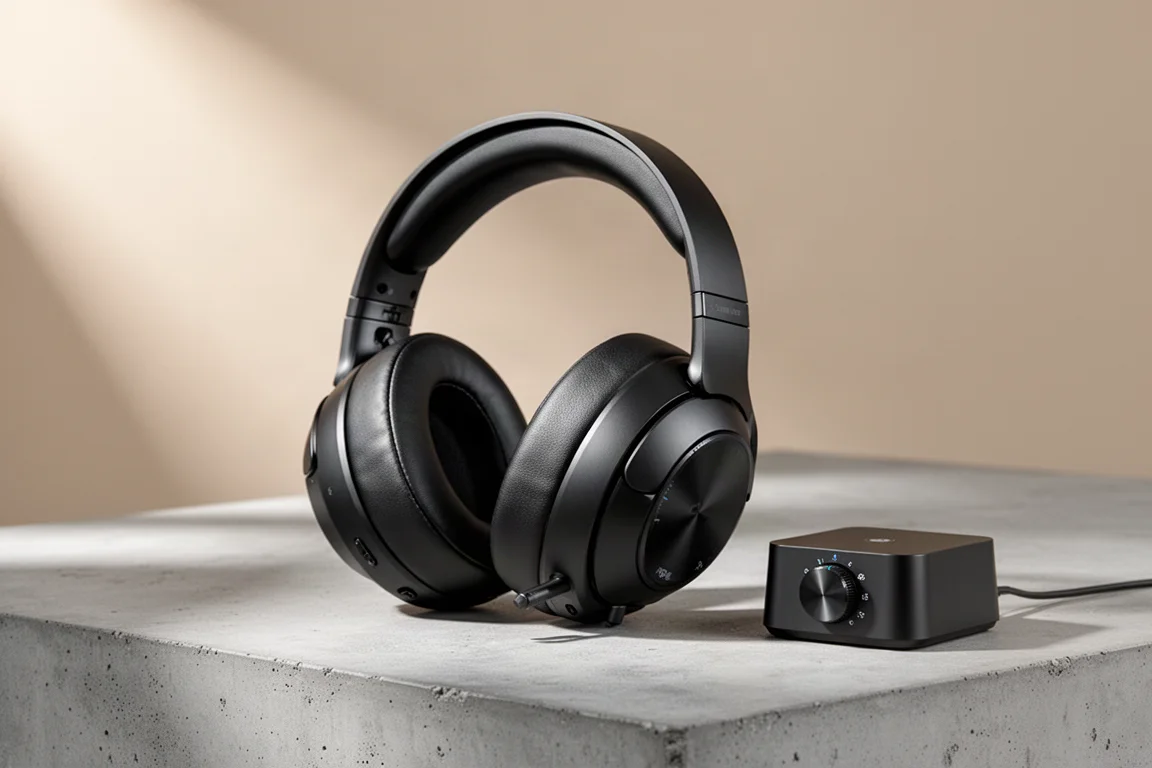
SteelSeries has refreshed its flagship wireless headset line with the Arctis Nova Pro OMNI, a model that sits below the Arctis Nova Elite in price but delivers a feature set that is nearly identical. At $349.99, the OMNI is a serious contender, especially when compared to the $599.99 Elite that launched last September.
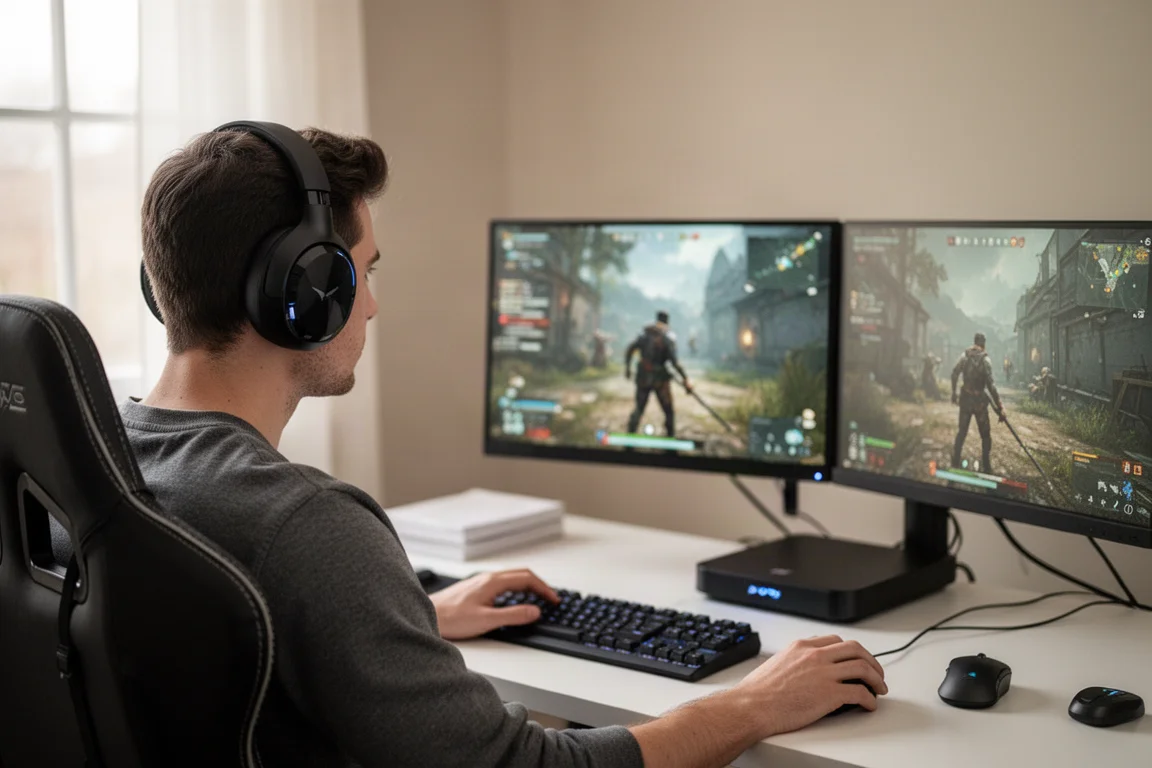
The OMNI is essentially the feature set of the Arctis Nova Pro Wireless, upgraded with a new omnidirectional microphone and high-resolution wireless audio. It also brings the same connectivity and battery system as the Elite, making it one of the most complete wireless gaming headsets available right now.
Evaluation Criteria
To judge these headsets fairly, we looked at several key areas: feature set, audio quality, microphone performance, build quality, comfort, and overall value. Each headset was tested with music, single-player games, and competitive FPS titles to get a full picture of its strengths and weaknesses.
SteelSeries Arctis Nova Pro OMNI
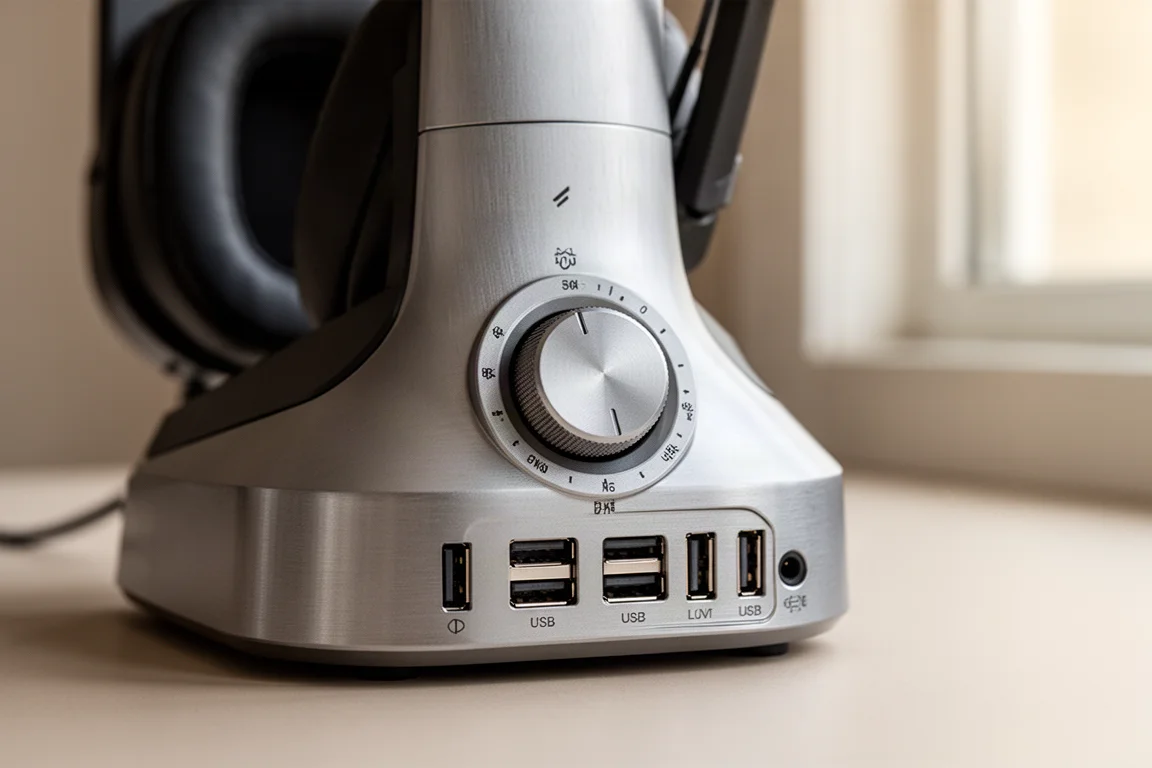
The Arctis Nova Pro OMNI is the most feature-complete wireless headset SteelSeries has made. It includes three USB connections on the rear of the base station, so a PC and two consoles can stay connected at all times. You can mix two of those USB sources plus Bluetooth plus line-in simultaneously, which means up to four different audio sources at once.
The OMNI also supports high-resolution wireless audio at 96kHz and 24-bit, both over 2.4GHz wireless and Bluetooth 5.3 with LC3 Plus support. Active noise cancelling is included, matching the quality seen on previous Arctis Nova models. The infinite battery system uses two swappable batteries, each rated for up to 30 hours, and hot-swapping means you never need to power off the headset to change batteries.
The microphone is the biggest improvement. The new omnidirectional mic sounds natural, with good tone and low-end presence, and it is a clear step up from any previous SteelSeries microphone. The side tone automatically turns off when you push the mic back into the earcup, which prevents accidental background noise from being picked up.
The stock tuning is not the most impressive out of the box, with a hot high-end and a dip in the upper mids, but the extensive EQ options in the Arctis mobile app and Sonar software give you plenty of control to shape the sound to your liking.
SteelSeries Arctis Nova Elite
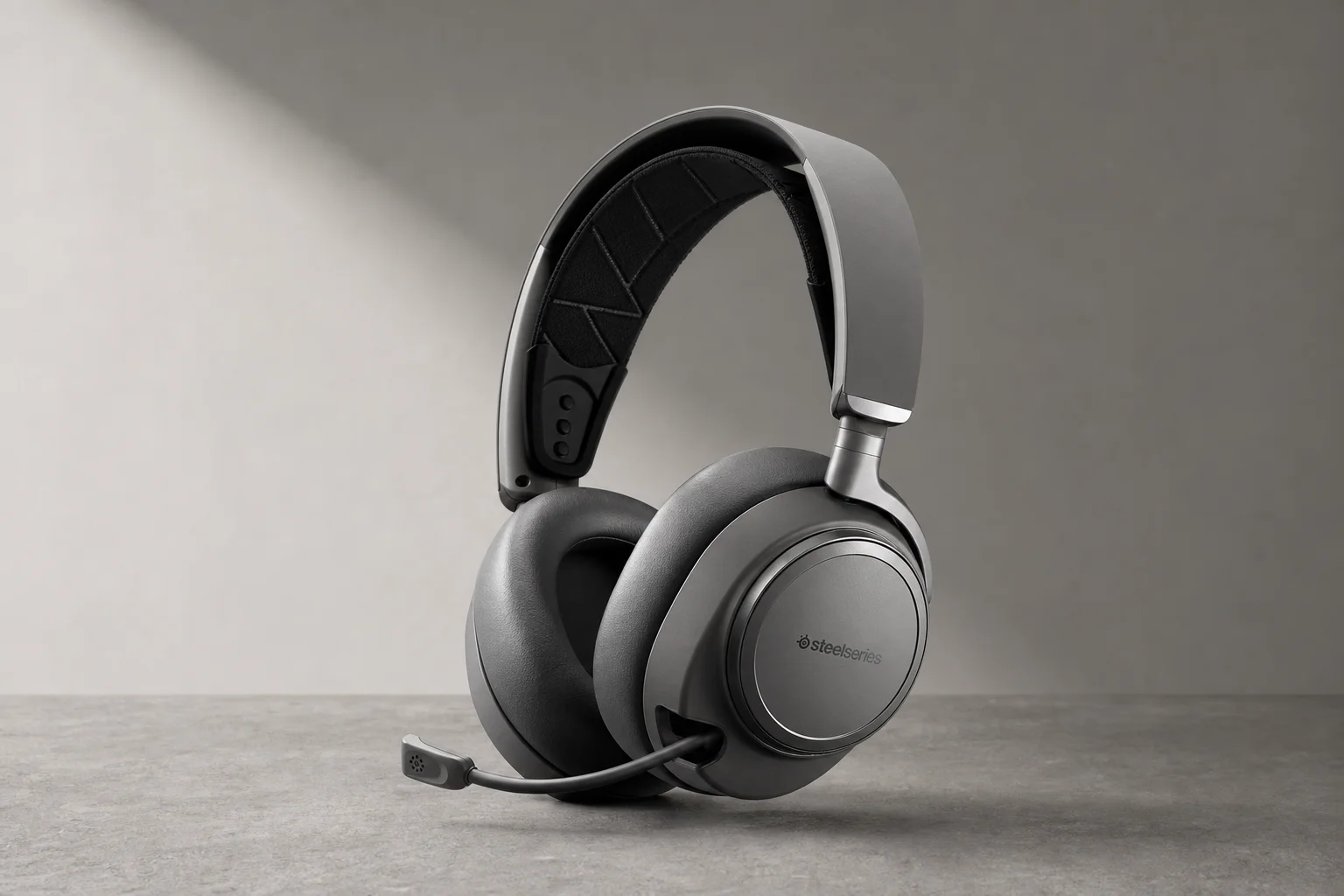
The Arctis Nova Elite launched at $599.99 and remains the most expensive headset in the lineup. It shares nearly the same feature set as the OMNI, including the three USB connections, high-resolution wireless audio, active noise cancelling, and the infinite battery system.
The Elite differentiates itself with custom carbon fiber drivers, secondary on-head beamforming mics, and a more premium build. The carbon fiber drivers sound slightly more detailed and come with a warmer stock tuning that sounds good without any EQ adjustments. The earpads feel buttery and are believable as lambskin, and the hinges appear to be metal.
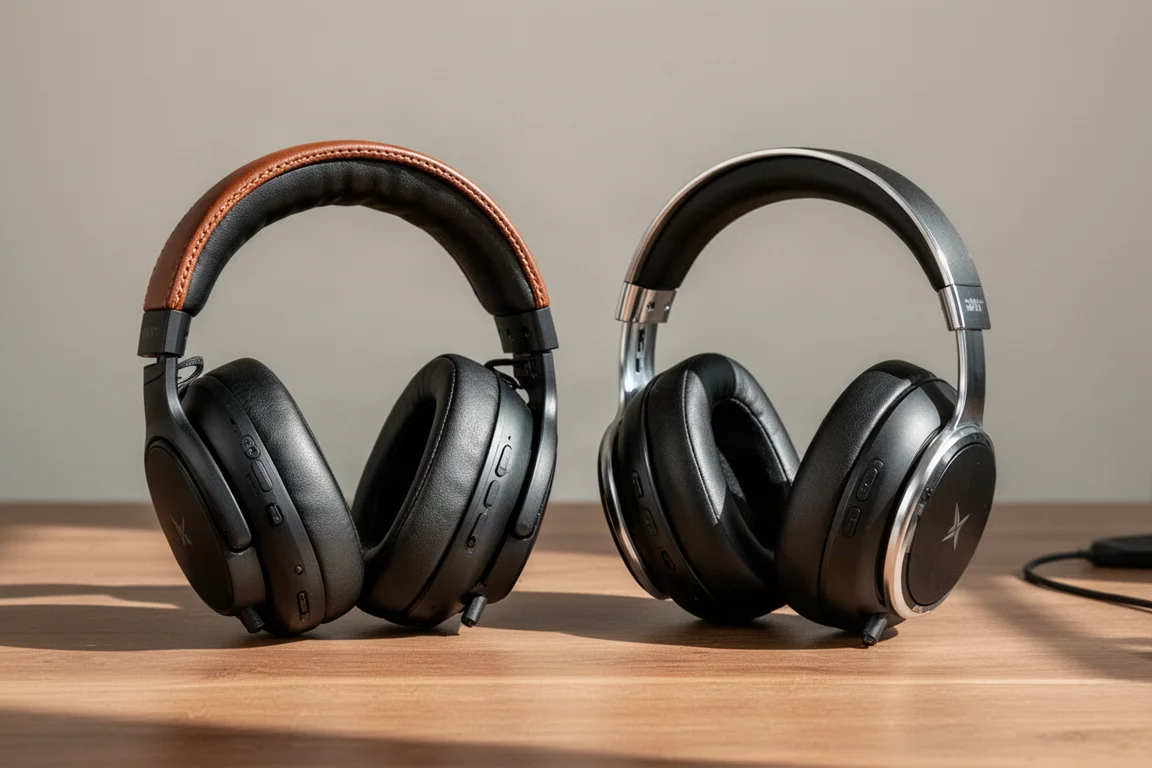
However, the Elite’s microphone is a step back toward the classic gaming headset sound, with high compression and a robotic tone. It is noticeably worse than the OMNI’s mic, which is a significant issue at this price point. The Elite also weighs about 50 grams more than the OMNI, though both remain comfortable.
For most people, the $200 price difference is hard to justify. The OMNI offers nearly everything the Elite does, with a better microphone, at a much lower price.
SteelSeries Arctis Nova Pro Wireless
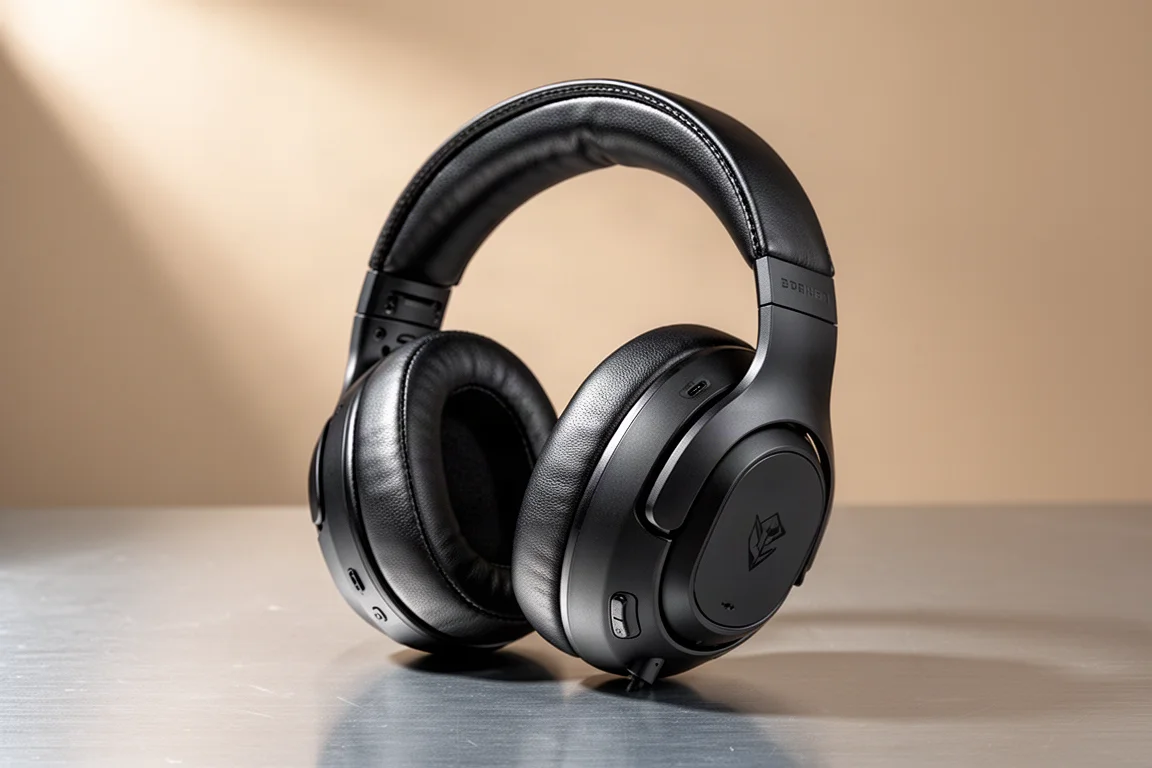
The Arctis Nova Pro Wireless has long been the feature king of the lineup, but it is now showing its age. It lacks the high-resolution wireless audio of the newer models, does not support the Arctis mobile app due to a chipset difference, and its microphone quality has been a consistent criticism.
The OMNI is a massive improvement over the Pro Wireless in nearly every way. The feature set alone justifies the price increase, and the new mic closes the gap that the Pro Wireless never managed to address. If you are considering the Pro Wireless today, the OMNI is the better buy.
Audeze Maxwell 2
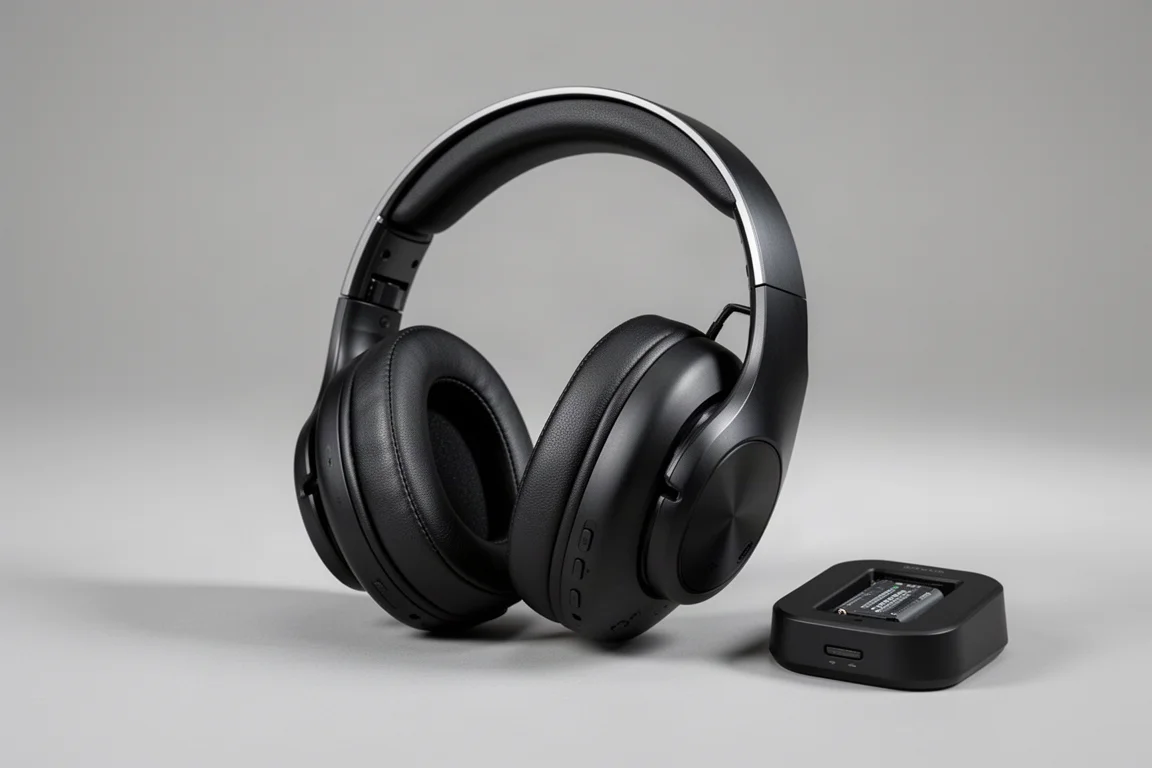
The Audeze Maxwell 2 is a different kind of headset. It is built around sound quality, with planar magnetic drivers that deliver exceptional detail and bass handling. In terms of pure audio, it is arguably the best-sounding wireless headset available.
However, the Maxwell 2 falls short in other areas. It weighs 567 grams, which is 69% heavier than the OMNI, and it feels heavy on the head even with the upgraded headband. The feature set is minimal compared to the OMNI, and the microphone, while improved after a January firmware update, still captures breath noises and is not as natural as the OMNI’s mic.
There have also been reports of occasional wireless connectivity issues, which is unusual for a modern wireless headset. At $329.99, the Maxwell 2 is a niche product for audiophiles who prioritize sound above everything else.
Astro A50 Gen 5
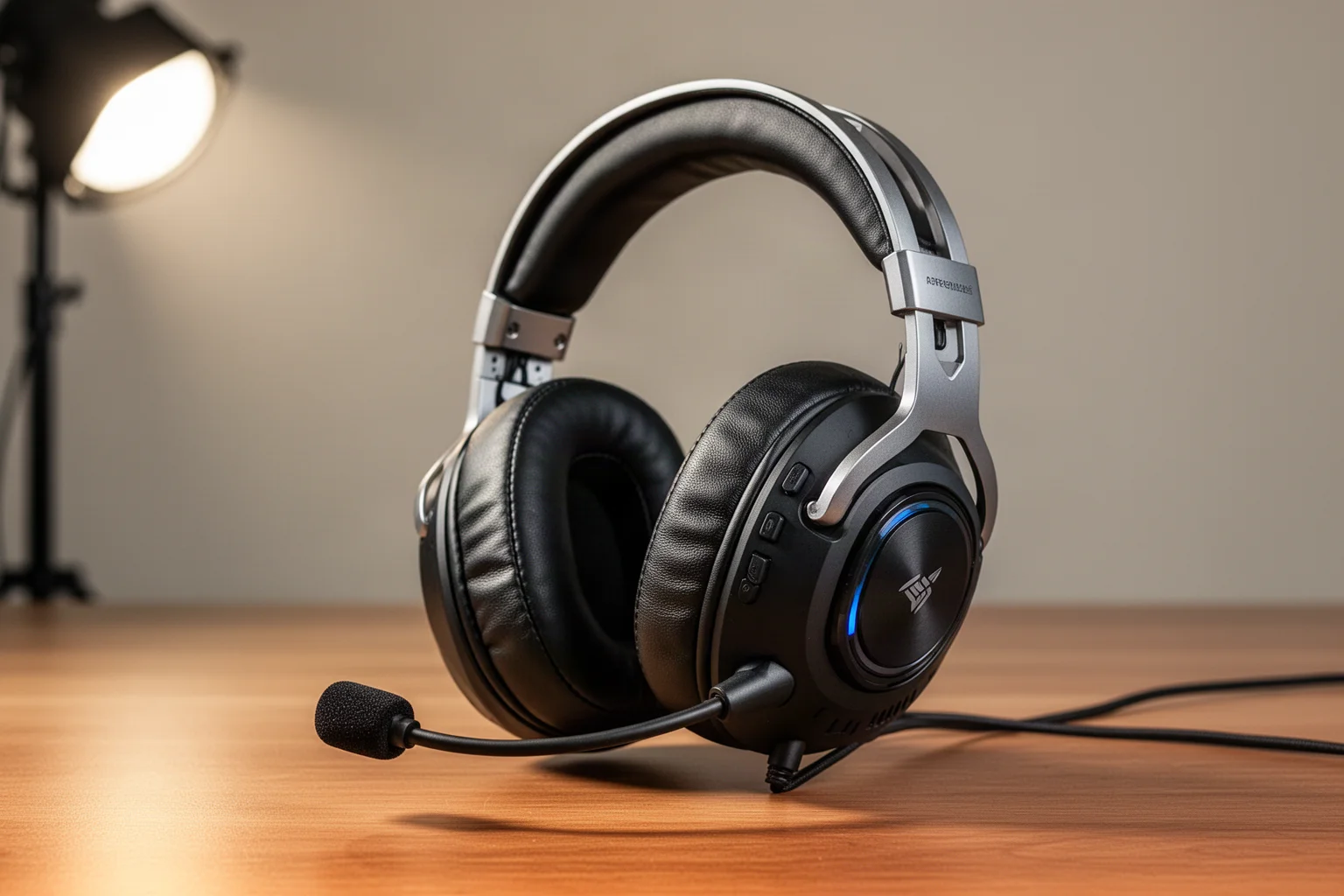
The Astro A50 Gen 5 remains a strong contender, especially for console players. It has one of the best microphones in the wireless headset space, with a natural sound that handles loud voices well. It is slightly more comfortable than the OMNI for some users, and it supports simultaneous Bluetooth.
The A50 Gen 5 does not have active noise cancelling, and its configuration requires the Logitech G Hub software rather than a mobile app. The X version adds HDMI 2.1 home theater routing, making it more of a living room option than a desktop one.
Originally priced at $299 for the base model and $399 for the X, recent reductions to $260 and $360 make it a more attractive option. However, the OMNI offers a considerably larger feature set, including ANC, high-resolution audio, and a more flexible connection system.
Overall Buying Advice
The Arctis Nova Pro OMNI is currently the wireless gaming headset to beat. It offers a feature set that no competitor matches, and for the first time, it does not sacrifice anything to get there. The microphone is a major improvement, the battery system is excellent, and the connectivity options are unmatched.
If you already own an Arctis Nova Pro Wireless, the OMNI is a worthwhile upgrade. If you are deciding between the OMNI and the Elite, the OMNI is the better value unless you specifically want the warmer stock tuning and slightly more detailed carbon fiber drivers of the Elite.
The Audeze Maxwell 2 is only worth considering if sound quality is your absolute priority and you can live with its weight and limited feature set. The Astro A50 Gen 5 is a solid choice for console-focused players, but it lacks the versatility of the OMNI.
Conclusion
The SteelSeries Arctis Nova Pro OMNI is the most complete wireless gaming headset available today. It combines the best features of the Elite and the Pro Wireless into a single package with a better microphone and a more reasonable price. Whether you are upgrading from an older model or buying your first premium wireless headset, the OMNI is the safest and most capable choice.
Further reading
Related Reviews

Gaming Headsets
ASUS ROG Cathara Review: Planar Magnetic Sound With a Few Caveats
The ASUS ROG Cathara brings planar magnetic drivers and audiophile-grade tuning to a gaming headset, but volume sensitivity and mic quirks mean it is not for everyone.

Gaming Headsets
Asus ROG Kithara Review: A Cozy Open-Back Headset With Audiophile Sound
The Asus ROG Kithara blends HiFi Man planar magnetic drivers with ROG gaming features. We test comfort, microphone quality, and sound across games and music.
Gaming Headsets
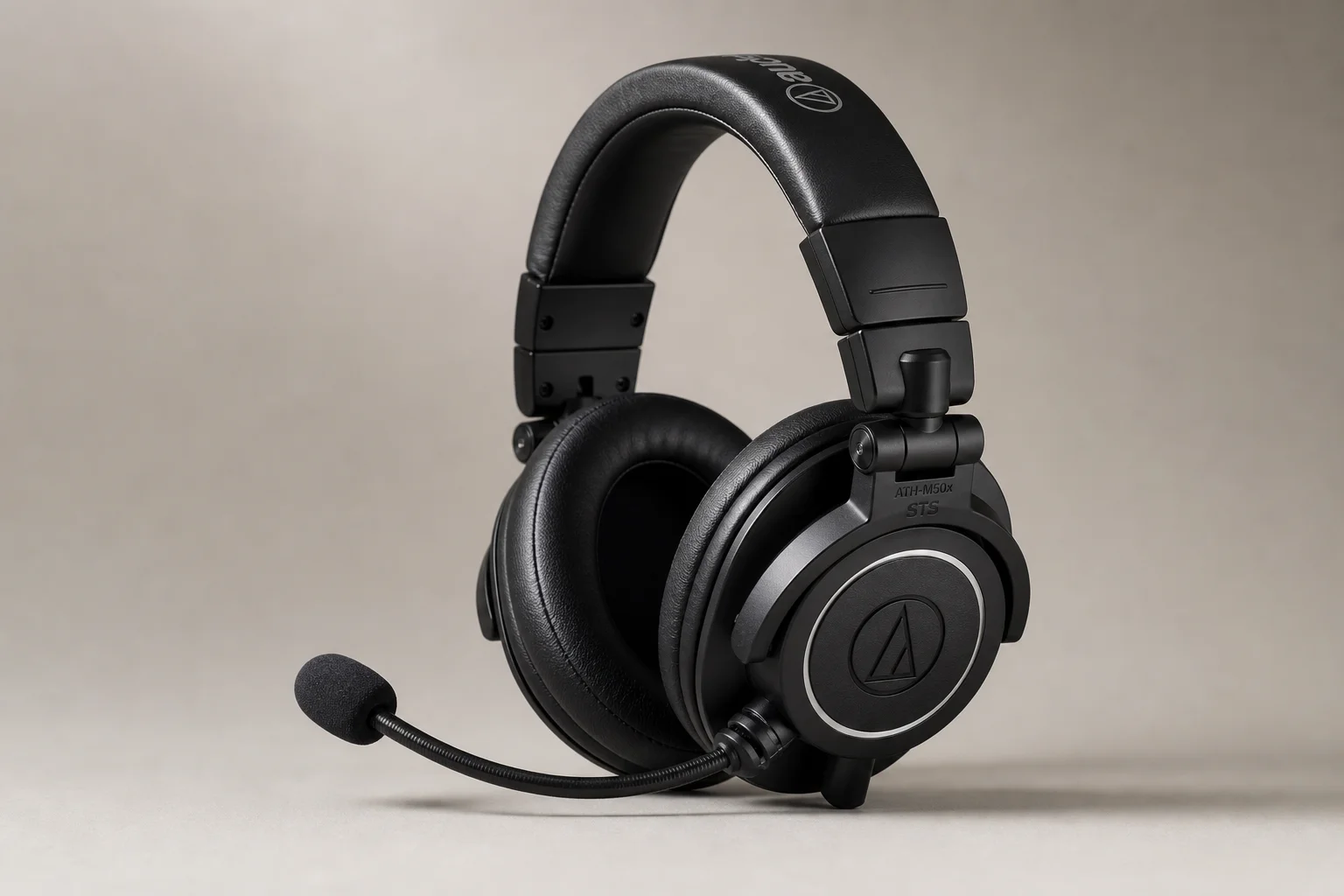
Audio Technica ATH-M50x STS Review: Music Headphones Meet Gaming Headset
Audio Technica combined their respected M50x headphones with an integrated microphone to create a hybrid gaming headset. We tested both the USB and XLR versions to see if the formula works.