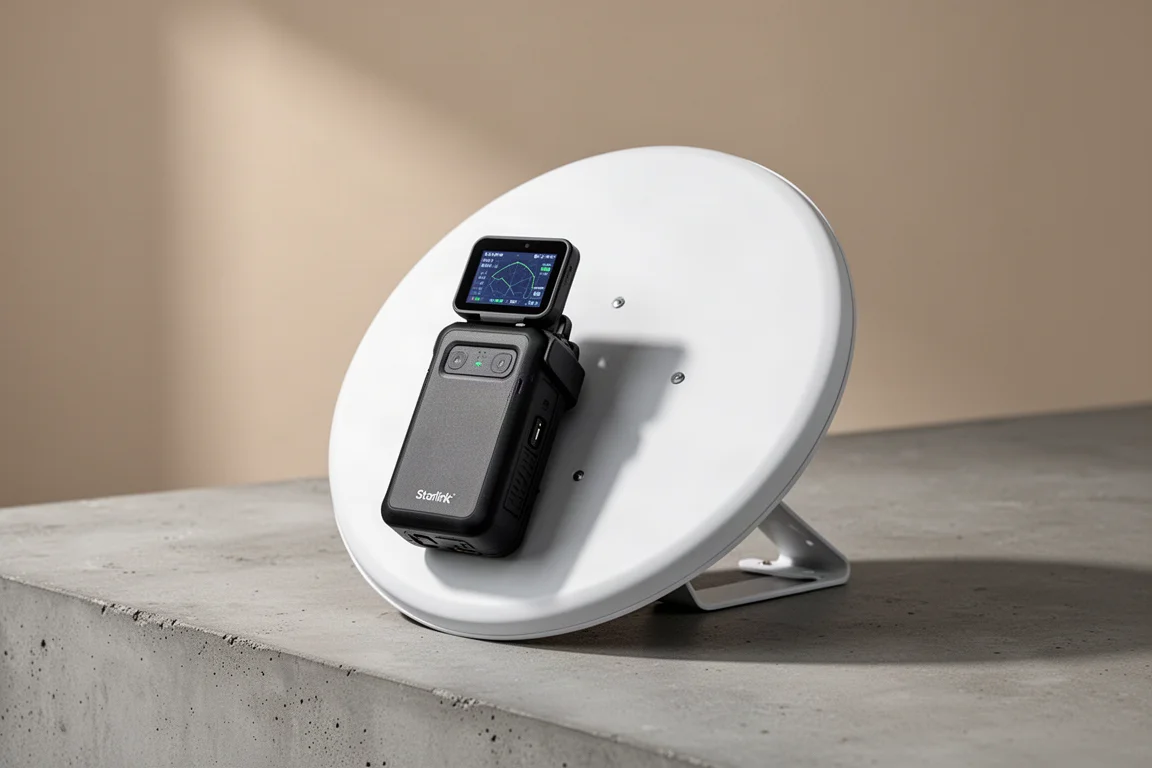
Satellite Internet
Starlink Review: Why I Kept It for Two Years and Then Paused It
Two years of Starlink across RV roaming and a fixed location: where it excelled, where it frustrated, and who should still buy it.
Introduction
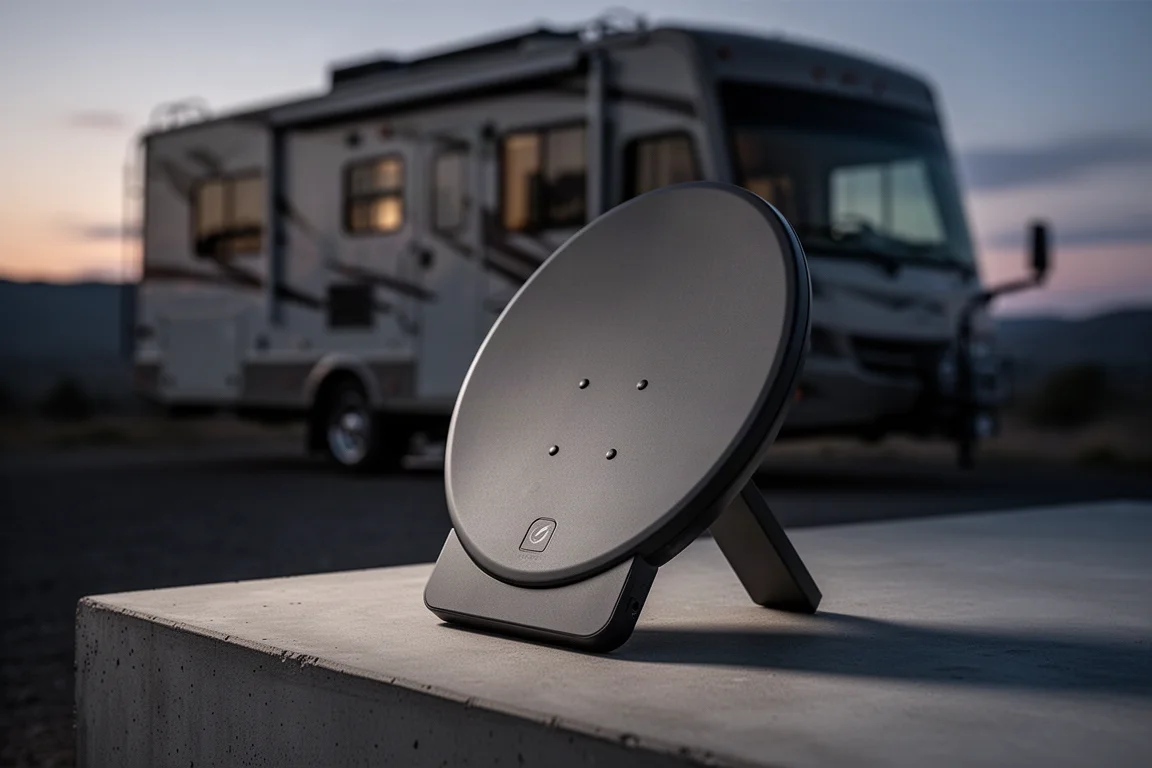
This is the story of two years with Starlink: why I bought it, why I kept it far longer than I should have, and why it is now paused and packed back into the RV. It is not a story about the hardware failing. The dish itself worked fine the whole time. It is a story about how the service performed for one specific user, and how that changed as my situation changed.
Why I First Bought Starlink
We split the year between Montana in the summer and the Las Vegas area in the winter, living part-time in an RV. Anyone who has tried to work from an RV park knows that RV internet is often a lie. My phone hotspot was struggling, and being a content creator on the road made connectivity a genuine problem.
A neighbor with Starlink offered to share his connection, and it was marvelous. It was faster than my home internet at the time. That settled it: before our next trip south, I ordered a Starlink kit in Montana and had it ready to go.
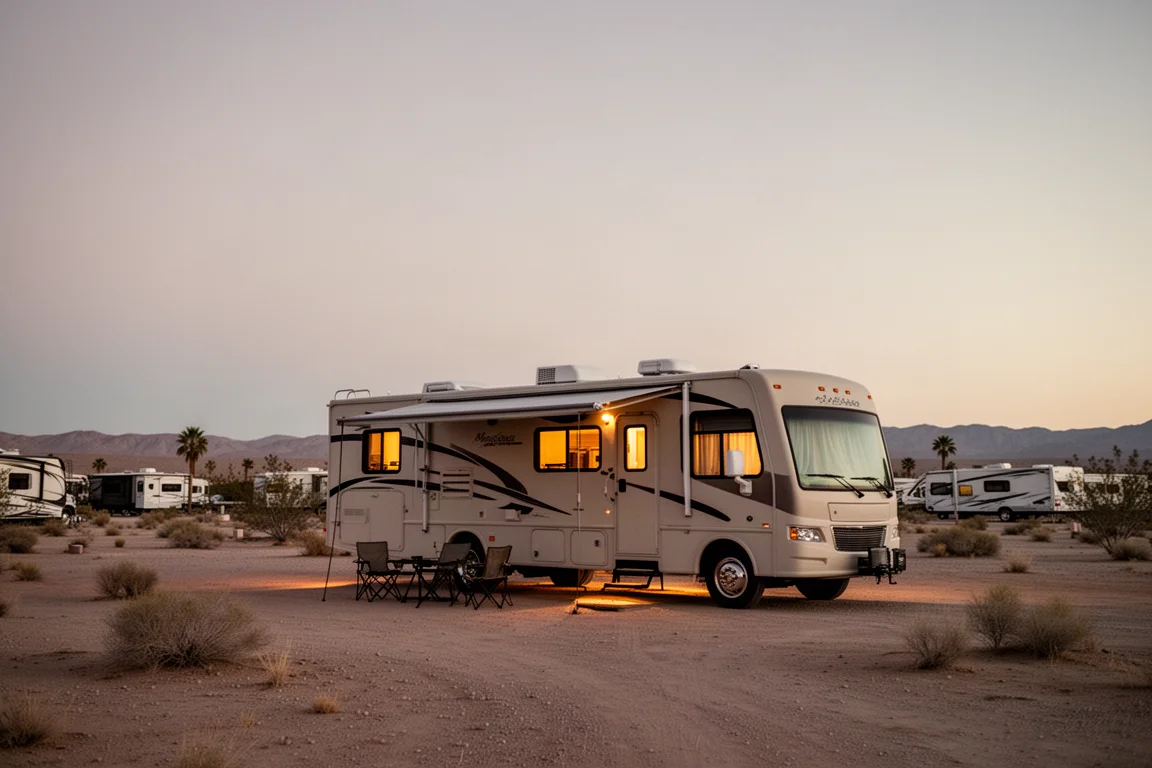
By then, the service had moved past the early workaround era, where users pretended to live at one address and then reported new ZIP codes as they traveled. The official Roaming plan existed, priced around $150 for regional North America roaming, and it had already been raised two or three times. Roamers also got deprioritized: local subscribers got first access, mobile users secondary access. On paper that still seemed workable.
Life on Roaming: Workable but Painful
In practice, secondary access was painful. Download speeds were acceptable, serviceable for my needs, but never screaming fast. The upload side was the real problem: my cell phone hotspot was often faster for uploads than Starlink was. My routine became doing all my downloads and work on Starlink, then switching to the phone hotspot whenever I needed to upload.
It was not worse than the cell service, but not by much either. For anyone whose work depends on pushing large files upstream, that is a serious limitation of the deprioritized roaming tier.
Moving to a Fixed Location Made It Worse
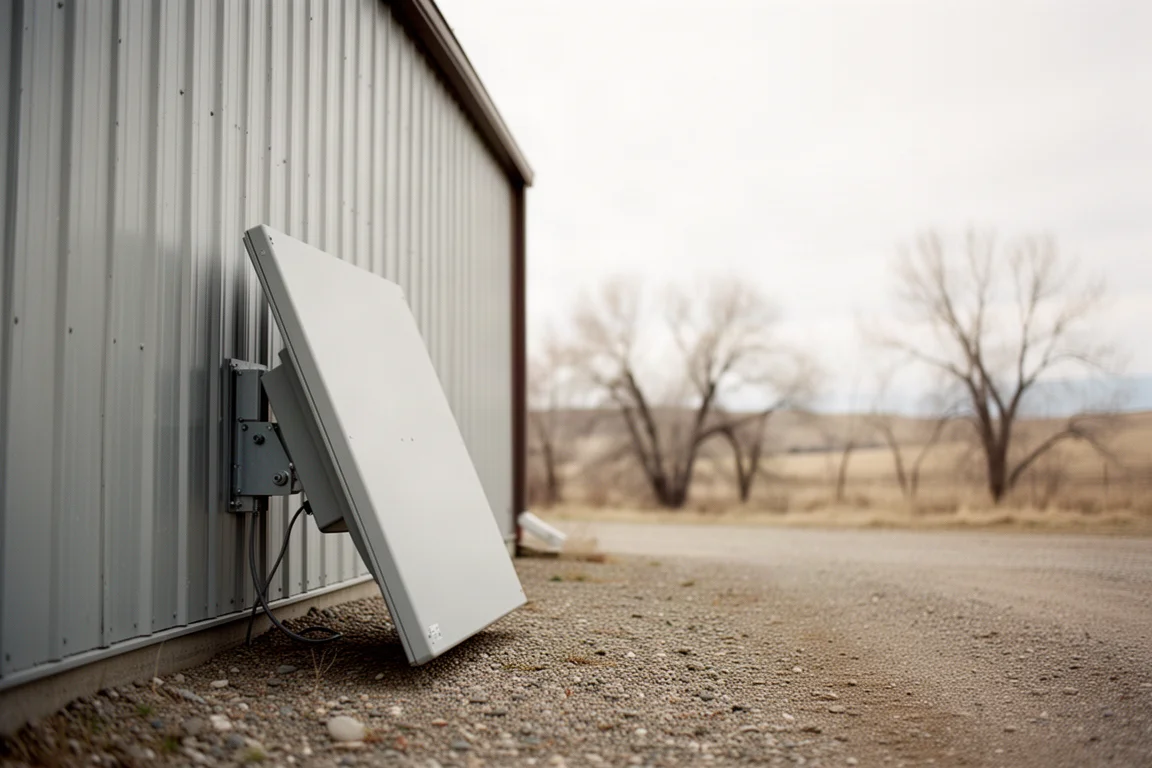
Plans changed. Our kids wanted to try regular school for a year, so we set up a base in Montana and I moved into a shop space. I needed internet there, and I already owned a Starlink, so I set it up. Even as a secondary mobile user in Montana, I expected it to be at least okay.
It was not. Downloads were okay, but uploads could take two to three hours to push a single video at times. It was genuinely hindering my productivity.
Starlink had by then enabled switching from Mobile to a fixed location plan, so I switched, expecting faster access and some savings. It was not noticeably faster. Support interactions went round and round: text messages first, then claims about obstructions. There was no obstruction, and having spent years as a network engineer teaching Cisco certification classes and wiring networks across the United States and Canada, I tried everything I knew. Nothing improved the speeds.
The Final Switch to Wired Internet
Frustrated, I reached out to our local Spectrum dealer and had a wired connection installed in the shop. This was not sponsored or endorsed in any way; I simply needed reliable bandwidth.
The results spoke for themselves. Across multiple independent speed test sites, I measured roughly 380 to 660 Mbps downstream and consistently mid-30s Mbps upstream. Spectrum’s advertised figure was around 600 down and 35 up, so downloads came in a bit under the marketing number, but that upload speed is what I was really after, and 35 up is overkill for most things.
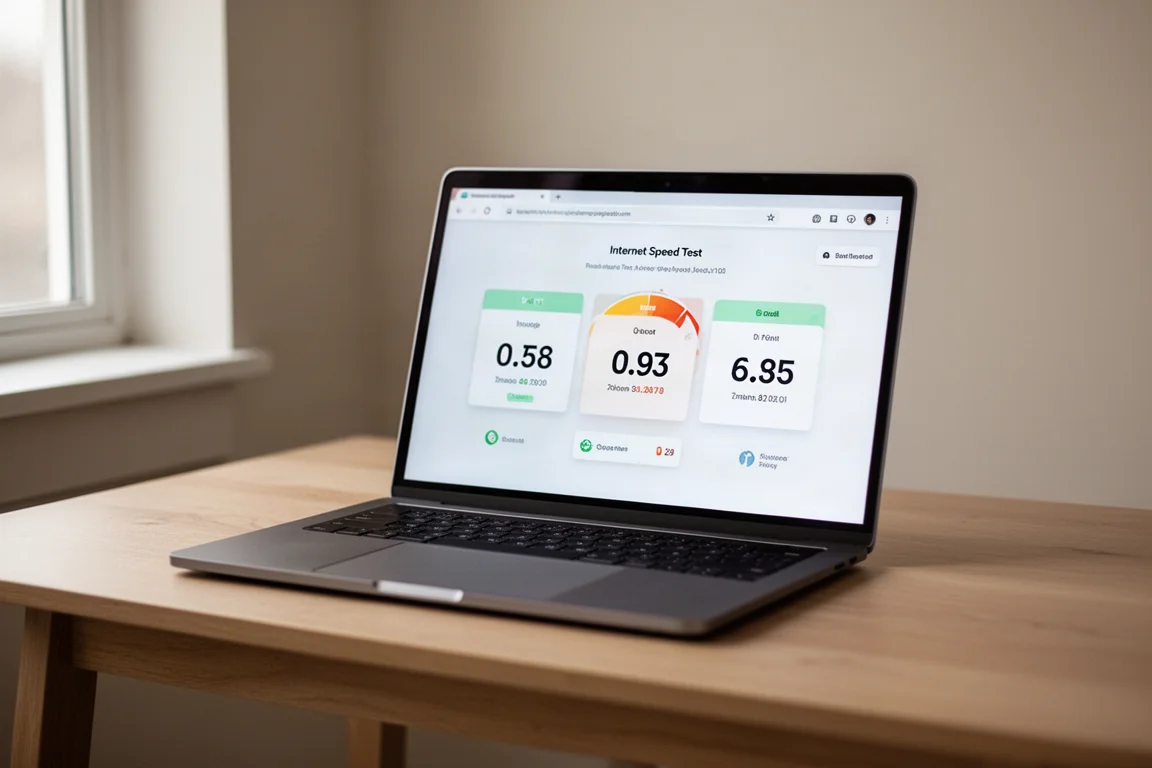
One honest caveat: Spectrum’s reliability at our home has been questionable. We once had a two-and-a-half-hour outage right as we sat down to watch a show, and ended up hot spotting off a phone. That is life in rural and semi-rural Montana, and it is exactly why the Starlink is not leaving.
Who Should Still Buy Starlink
I know several people who still have Starlink and get good service and great speeds. The key difference is location. I am considered rural, but I am on the edge of town in Livingston, Montana, a town of about 7,500 people. Apparently that is enough population to cause congestion for the local network.
If you are well outside town, out in the boonies with no cable option, Starlink is still probably the right choice for you. The congestion penalty seems to bite hardest where cell towers and wired options are also within reach.
So What Happens to My Starlink Now?
I switched the service back to the Roaming plan, then paused it. You cannot pause the fixed-location home service, but you can pause mobile. I timed the switch just before the billing date, absorbed a small prorated difference of about $2, paused the plan, stowed the dish, and packed the whole kit up.
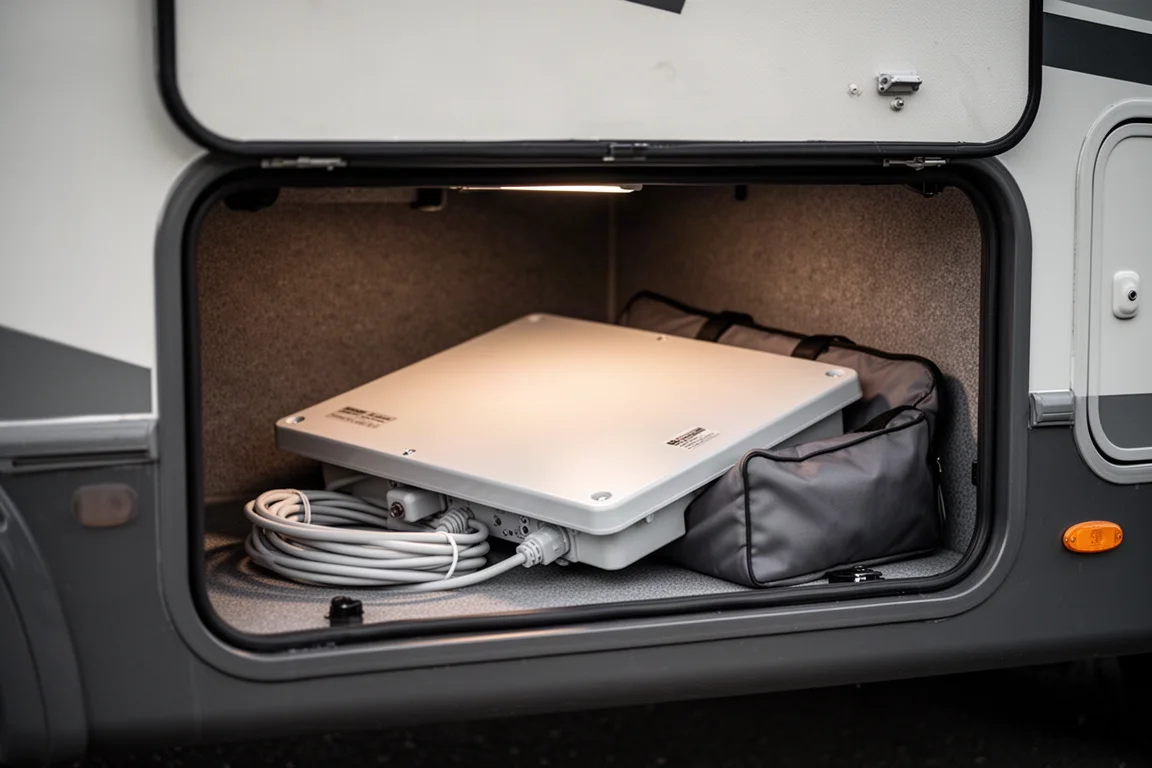
It will now live full-time in the RV as a backup. If we travel somewhere and need it, great. If not, it is there in case other things happen, like the next multi-hour wired outage.
Conclusion
Starlink earned its place in our setup by solving a problem nothing else could: real internet in an RV. It lost that place when we planted roots somewhere with a wired option that delivered around 400 to 600 Mbps down and mid-30s up, while the deprioritized Starlink tiers struggled with uploads and congestion near town. If you travel full-time off the grid, it remains the best solution we have seen. If you are near a town with cable service, test carefully before committing, and remember that you can pause a mobile plan rather than cancelling outright.
Product link
View more details for Starlink
This product is mentioned in the review. Check the specifications, options, and compatibility before buying.
View more details for StarlinkFurther reading