Backpacking Tents
Stansport Scout Backpack Tent Review: A Cheap A-Frame That Struggles in the Rain
A detailed look at the Stansport Scout Backpack Tent, covering its A-frame layout, packed size, guy-line hardware, seam sealing, and how it behaves when rain arrives.
Introduction
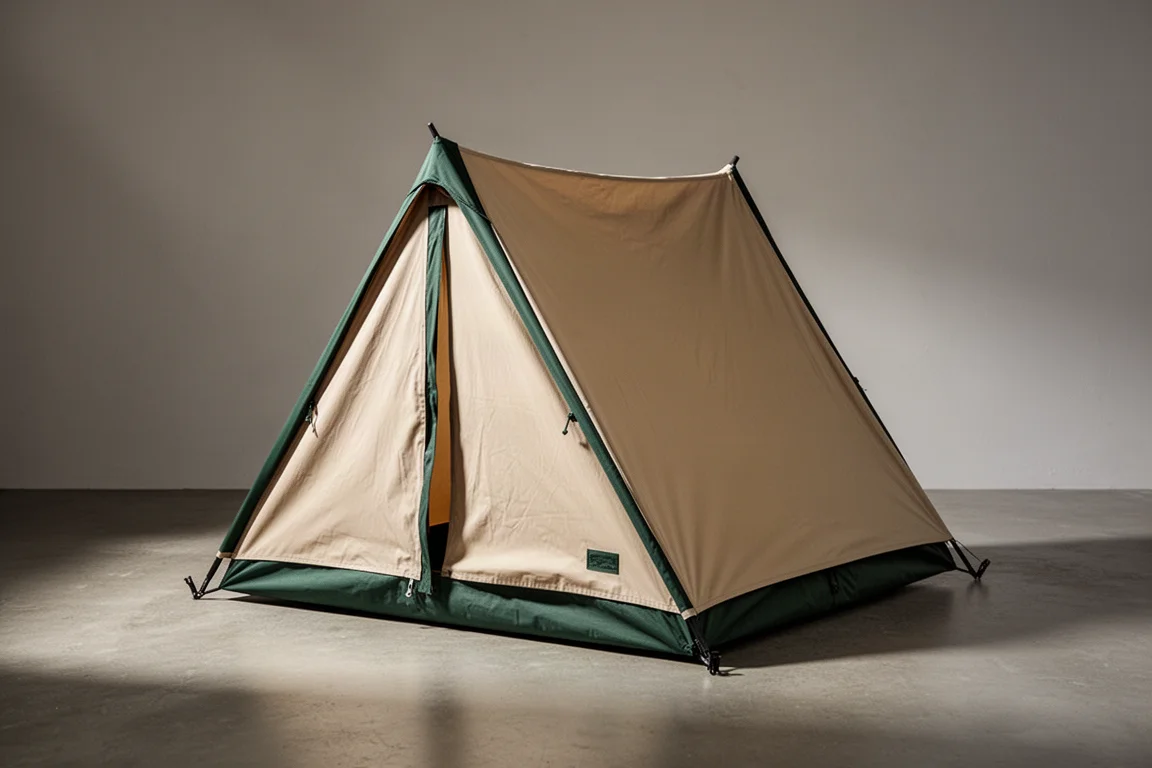
The Stansport Scout Backpack Tent sits at the very bottom of the camping shelter market, and it is sold with a set of claims that deserve scrutiny. The packaging describes a nostalgic A-frame silhouette, a proven design updated with modern features, compact and lightweight construction, three-season use, and waterproof performance. Those are meaningful promises for anyone planning to sleep outside.
What follows is a practical breakdown of how this tent is actually built, which details matter before you spend money on it, and what happened when it was left pitched through a light rain event. If you are shopping at this price point, the differences between a usable shelter and a decorative one come down to a handful of small construction details, and this tent has several of them worth knowing about before you commit.
Who the Stansport Scout Backpack Tent Is For
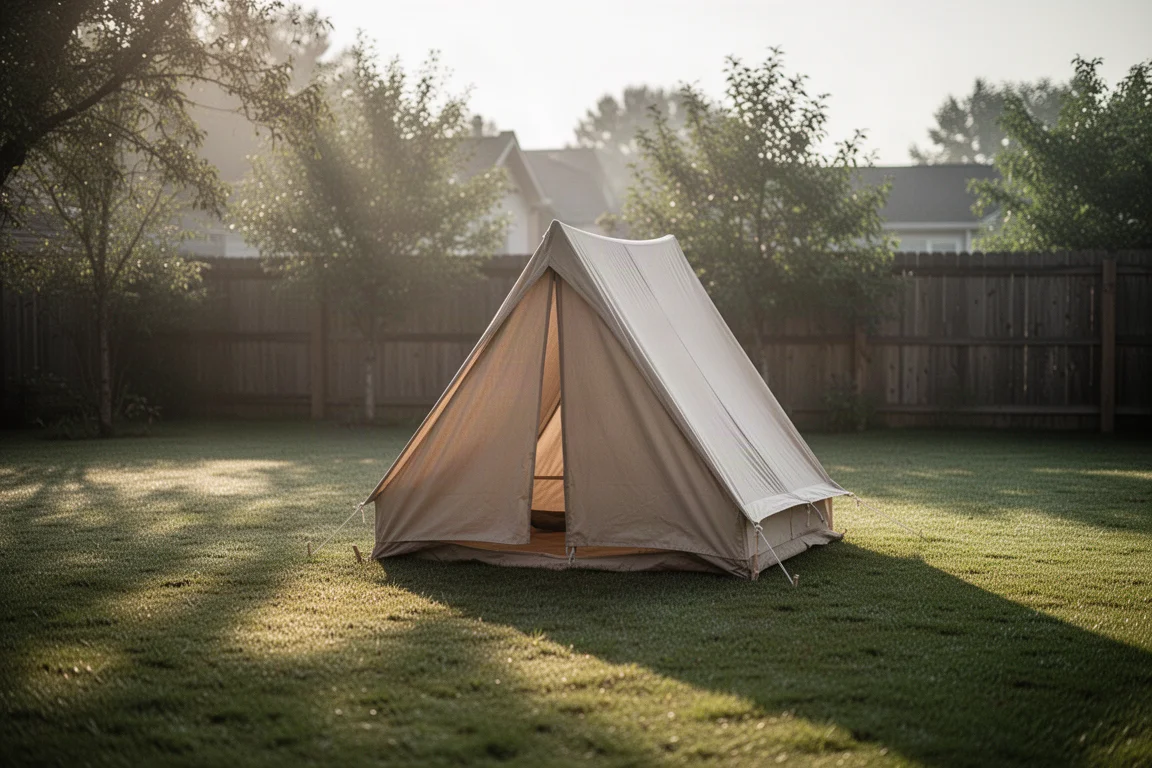
This tent is best understood as a very inexpensive entry-level shelter rather than a serious backcountry tool. Its natural role is supervised backyard use, the kind of thing you pitch on the lawn so children have somewhere to play on a summer afternoon. In that setting, the low cost makes sense and the shortcomings matter far less.
It is not a good match for anyone who intends to carry a shelter into the backcountry, camp in exposed terrain, or rely on it during wet weather. The interior is genuinely small, and getting in and out of the single entry takes some effort. If you are looking for a lightweight backpacking tent for overnight trips away from a vehicle, this is not the product to build those plans around.
What Works: The A-Frame Concept and Packed Size
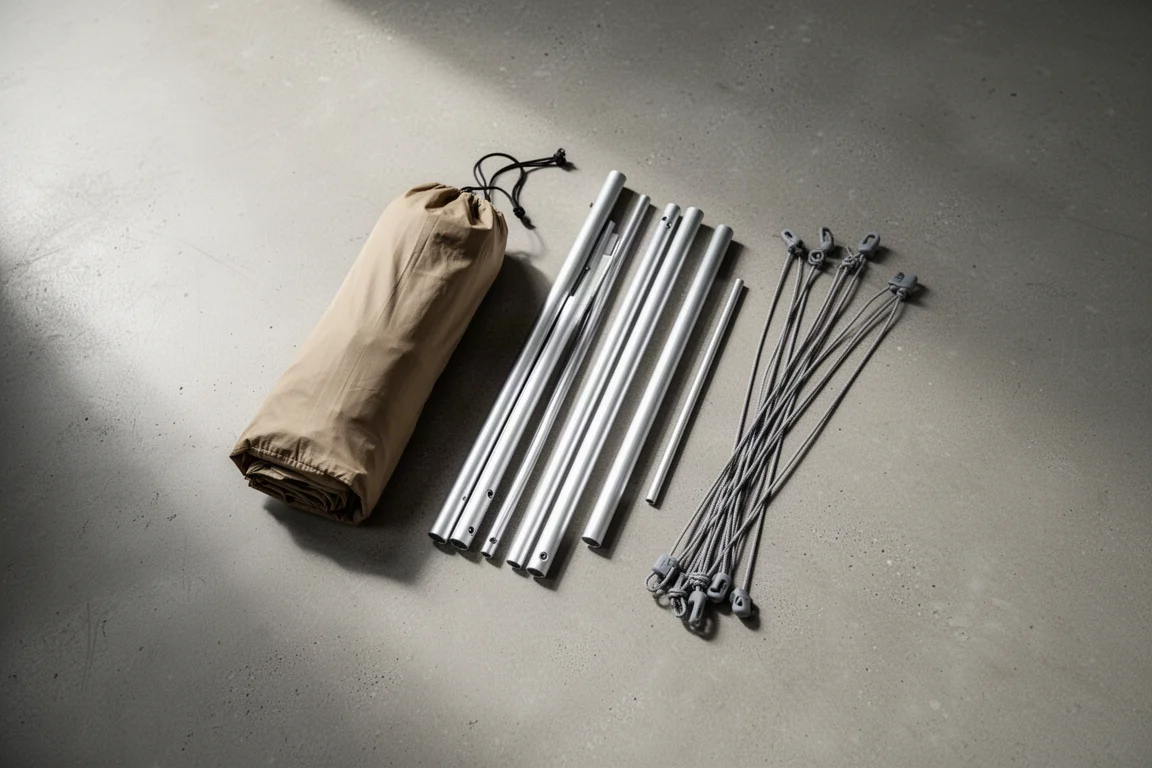
The A-frame format itself is the most defensible part of this tent. It is a familiar, simple shape that most people can understand immediately, and Stansport leans on that heritage in its marketing. The pole set breaks down into short segments, which keeps the packed bundle compact, and the overall package is easy to store in a car boot or a cupboard.
The poles are not connected to one another, though. Each section is separate, joined at the ends by small clips, with a rubber-ended piece for the ground and a straight piece for the top of the tent. That means more individual parts to keep track of during setup and a slightly longer assembly process than a continuous pole design. The low asking price, roughly fifty dollars, is the other obvious point in its favour, provided you go in with realistic expectations about what that money buys.
Where the Design Falls Short
Several construction details stand out as weaknesses. The guy lines are thin and cheaply finished, cut without singeing the ends, so the material frays and comes apart. The plastic adjusters do not hold tension properly and simply pull out, which makes them close to useless for fine-tuning the pitch.
The guy-out points are positioned too high on the tent body. When you tension a line, it pulls the upper part of the wall rather than the main panel, so the shelter does not tighten up the way it should. The tent also arrives without seam sealing, and stitching holes are visible at the corners, with light passing through them. That is a clear route for water to enter. Finally, the interior is very small, and the entry is awkward enough that climbing in and out is a chore rather than a convenience.
Waterproofing: What a Light Rain Revealed
The waterproof claim is where this tent is most exposed. During a light rain event that delivered roughly a tenth of an inch of precipitation, water found its way inside in substantial volume. Water ran off the walls, pooled on the ground, and left the interior thoroughly wet. This was not a storm, and it was not a sustained downpour.
That result is consistent with the unsealed seams and visible stitch holes. A shelter that lets this much water through in mild conditions offers very little margin if the weather turns worse or if you are far from shelter and dry clothing. For anyone considering this tent for anything beyond a garden, that risk is the single most important thing to weigh.

Things to Consider Before Buying
- The tent is not seam sealed from the factory, and stitching holes are visible at the corners, so do not assume it arrives ready for wet weather.
- The guy lines fray because the ends are cut rather than finished, and the adjusters do not hold tension.
- The guy-out points sit too high on the body, so lines pull the top of the wall instead of the main panel.
- The poles are not connected, which means more loose parts during setup.
- The interior is small and the entry is awkward to use.
- The packaging describes the tent as waterproof, three-season, compact and lightweight, which is a broader set of claims than the construction supports.
Buying Advice
At around fifty dollars, the Scout Backpack Tent is priced like a disposable shelter, and that framing is the fairest way to approach it. If your goal is a cheap play structure for children in a garden, and it never has to keep anyone dry overnight, the price is low enough that the limitations may not matter much to you.
If you need a tent that performs, the specification to look for is factory seam sealing or taped seams, along with a design that lets you tension the main wall panels properly. Those two things do more for real-world weather protection than any headline claim on a box. Buyers who need a shelter for backpacking trips, exposed campsites, or wet climates should put their budget toward a tent built for that job rather than trying to make this one work.
Conclusion
The Stansport Scout Backpack Tent is an inexpensive A-frame shelter with a simple, recognisable shape and a compact packed size. Those are real advantages at this price. They are also the only areas where it holds up particularly well. The unsealed seams, fraying guy lines, poorly placed guy-out points, cramped interior, and the substantial leaking observed in a light rain event all point in the same direction.
Treat it as a backyard toy rather than camping equipment. For garden play on a dry day, it can serve a purpose. For backpacking, bad weather, or any trip where being dry matters, look elsewhere.
Product link
View more details for Stansport Scout Backpack Tent
This product is mentioned in the review. Check the specifications, options, and compatibility before buying.
View more details for Stansport Scout Backpack TentFurther reading
Related Reviews
Backpacking Tents
3F UL Lanchan Pro 1 Review: A 1 lb 8 oz Single-Wall Trekking Pole Tent
A practical look at the 3F UL Lanchan Pro 1, a single-wall trekking pole shelter with a 1 lb 8 oz weight, 20D silnylon fabrics, and a roomy 90 x 31 x 49 inch interior.
Backpacking Tents
3F UL Taiji 2-Person Tent: A Convertible Backpacking Shelter Worth a Closer Look
A practical look at the 3F UL Taiji two-person tent, covering its materials, true two-person interior, fly-first pitching, and the seasonal inner swap that lets one shelter cover more of the year.
Backpacking Tents
3FUL Lanshan Twoerson Pro Review: A Light Trekking Pole Shelter That Struggled in Rain
A two-person trekking pole shelter with a 2026 redesign, pitched with sticks and put through a night of steady rain. Here is what worked, what did not, and what to check before buying.