Cookware
Stainless Steel Cookware: Why It Outperforms Other Materials and How to Use It Right
A practical guide to understanding cookware construction, why stainless steel delivers the best overall performance, and how to cook anything without sticking.
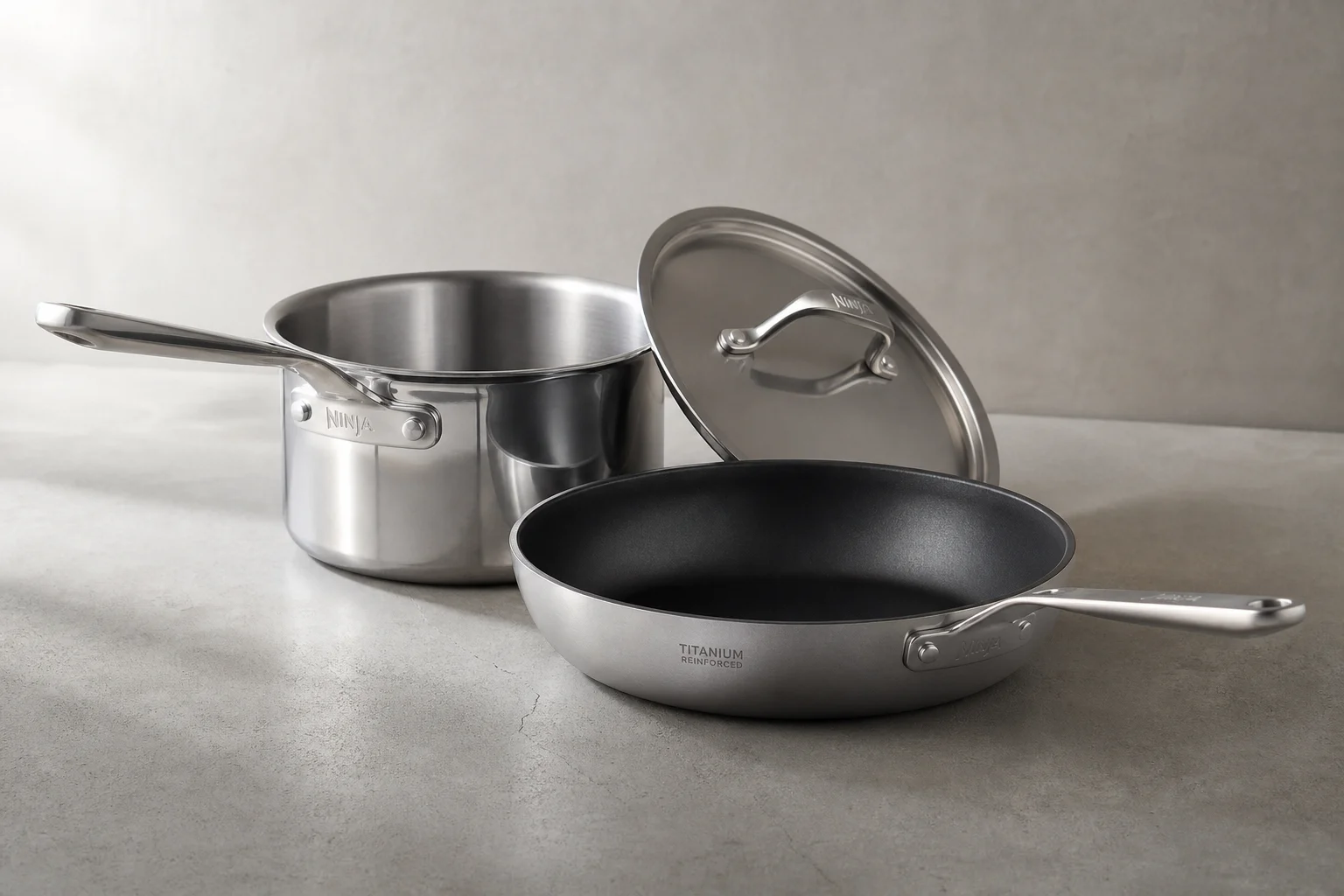
Introduction
Choosing cookware can feel overwhelming. Non-stick, stainless steel, carbon steel, cast iron, ceramic, aluminum, copper, enameled cast iron, hybrid—the options multiply, and marketing claims promise that each surface is ideal for something. The truth is simpler: stainless steel, when properly constructed, outperforms other materials for everyday cooking. Understanding why requires looking beyond the cooking surface to what lies beneath.
Understanding Cookware Construction
Every pot or pan breaks down into three basic parts: the cooking surface that interacts with food, the base that interacts with the stove, and the inner core that separates them. Most cookware is categorized by its cooking surface, but the real performance comes from what’s inside.
Single-material pans—made entirely of aluminum, cast iron, or carbon steel—are straightforward and affordable. However, each material has inherent trade-offs. Aluminum conducts heat quickly but warps easily and reacts to acidic foods. Cast iron and carbon steel hold heat well for consistent searing but heat slowly, require thickness to cook evenly, and corrode without proper care.
The best stainless steel pans use a layered or fully clad construction, combining materials strategically. By placing durable stainless steel on the outside with a conductive aluminum or copper core inside, clad pans achieve the best of both worlds: durability and even heating. Adjusting the thickness and purity of an aluminum core can increase conductivity by up to 35 percent, matching the performance of solid copper while remaining easier to clean and compatible with induction cooktops.
Why Stainless Steel Wins Overall
Stainless steel on its own is less conductive than carbon steel, which is why the best stainless steel cookware uses layered construction. This design solves the fundamental problem: no single material excels at everything. Copper conducts heat fastest, making it ideal for saucepans where precise temperature control matters. Cast iron holds heat longest, perfect for high-heat searing. But stainless steel, when clad with aluminum or copper, delivers reliable, even heating across a wide range of cooking tasks without the maintenance demands or durability concerns of other materials.
The durability advantage matters most over time. Stainless steel resists corrosion far better than carbon steel or cast iron. It won’t rust if neglected, and it won’t require seasoning or special care. For a pan you’ll own for decades, this reliability is invaluable.
Handle and Rim Design Matter
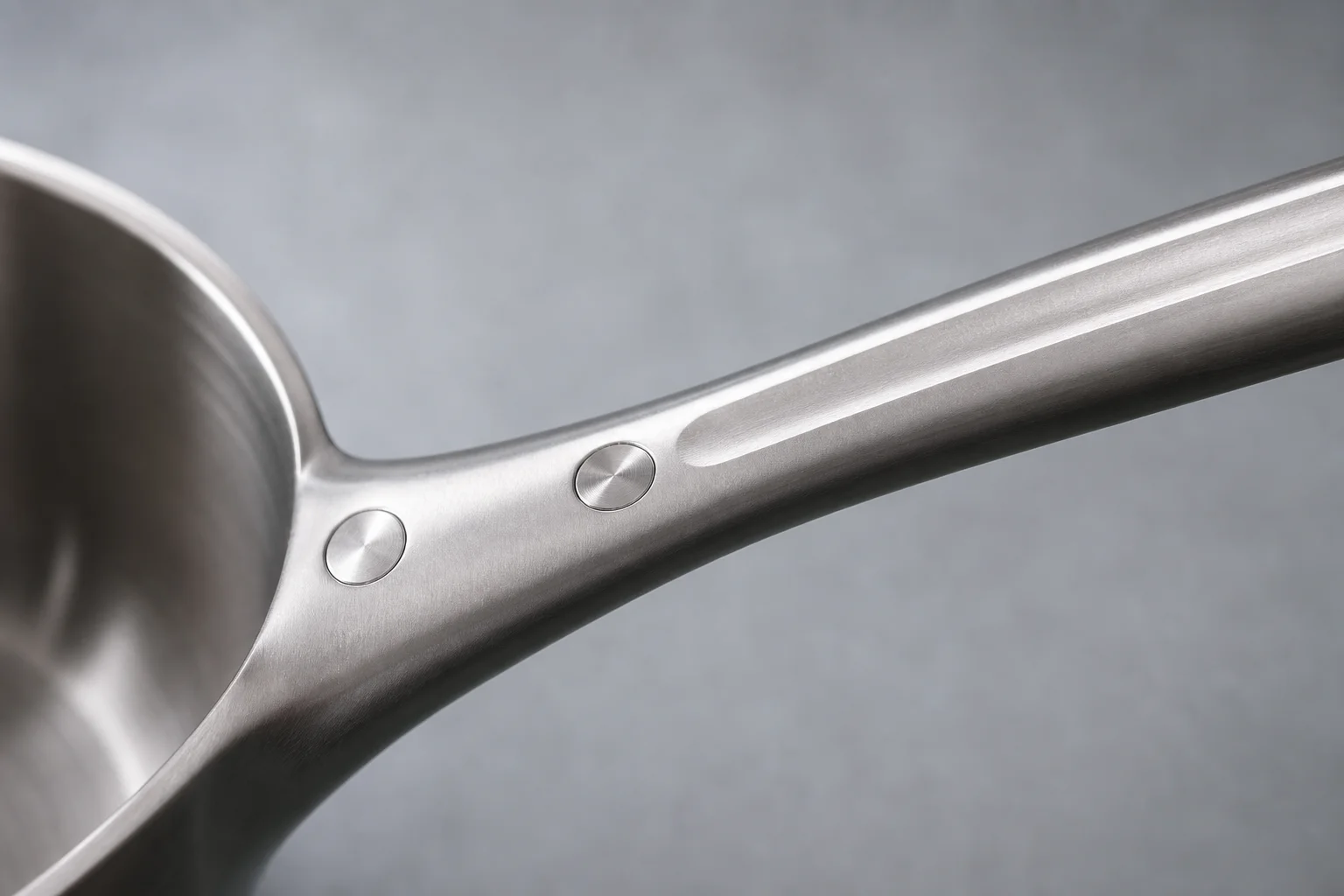
Small details separate cookware that lasts a lifetime from cookware that fails within a few years. The handle is the first place to check. Screwed-on handles can loosen or detach; riveted handles stay secure. Better still are flush rivets that don’t collect food debris, paired with handles designed with a groove or gap to disperse heat and provide grip when hot.
The rim is where most pans fail first. Rolled rims trap food and oil, which corrode the pan from the inside out. Flush, unsealed rims last longer and clean more easily, but they expose the inner core layers, which can corrode in a dishwasher. The best option is a fully sealed rim that protects the inner core from harsh chemicals and high temperatures. Only clad pans with sealed rims are truly dishwasher safe without fine-print caveats.
Defining Non-Stick: What It Actually Means
The term “non-stick” gets misused constantly. True non-stick means the surface releases food without any oil or butter, relying solely on the material’s properties. By this definition, only PTFE (polytetrafluoroethylene) is genuinely non-stick. Cast iron, ceramic, carbon steel, and hybrid surfaces all require oil to prevent sticking. The oil is non-stick, not the pan.
PTFE non-stick coatings do wear over time—that’s by design. The coating doesn’t stick to food or the pan, which means it eventually releases from the pan itself through normal use. After a few years, you’ll need to replace a non-stick pan, making it wasteful and expensive compared to stainless steel, which lasts indefinitely.
Some manufacturers, like Hestan, have developed layered non-stick coatings anchored with plasma technology and reinforced with titanium and diamond particles. These innovations extend the coating’s lifespan and allow for lifetime warranties, but the fundamental limitation remains: non-stick coatings eventually degrade.
Cooking Eggs and Proteins Without Sticking
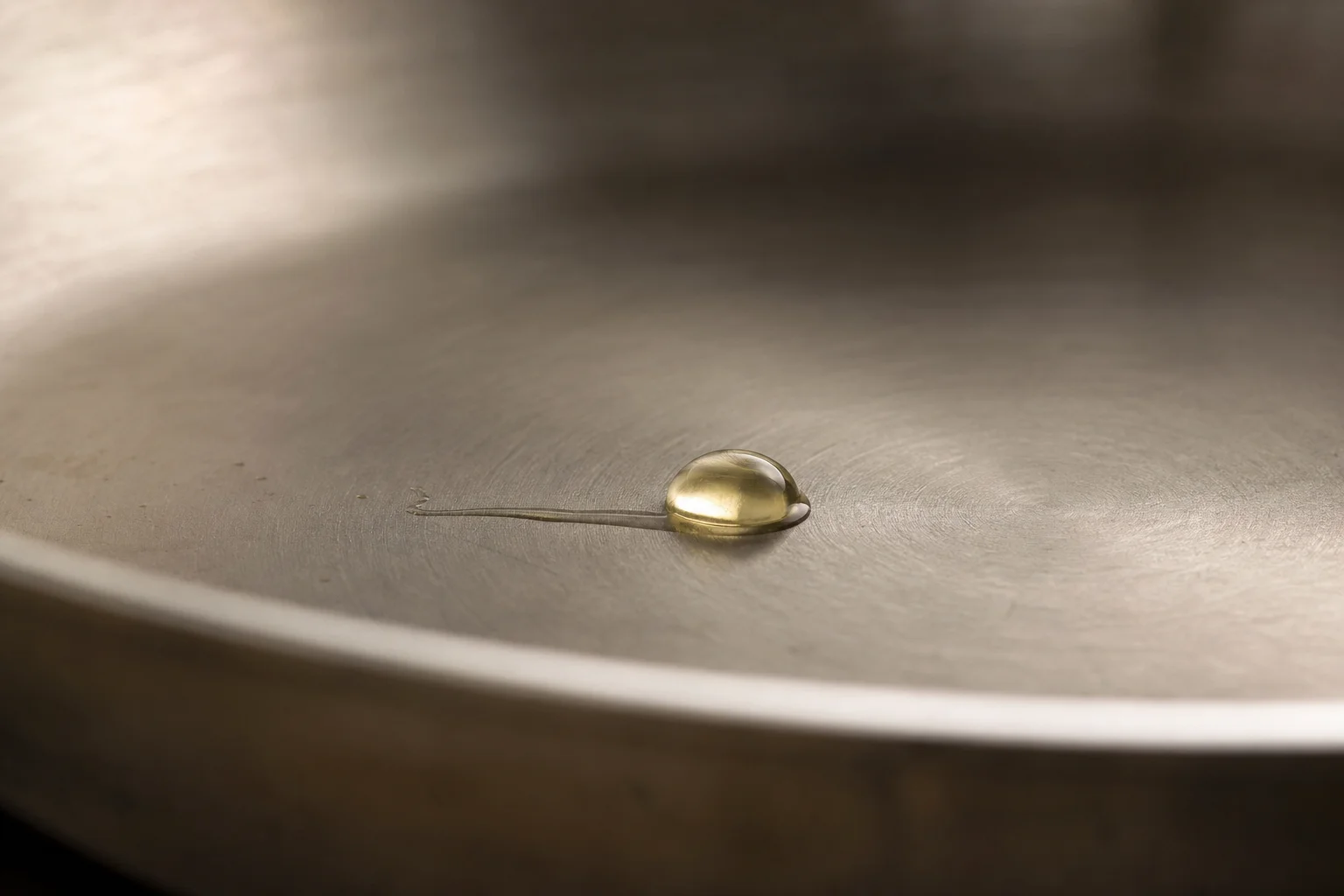
The most common complaint about stainless steel is that eggs stick. This isn’t a flaw in the pan; it’s a technique issue. The key is controlling temperature. When oil reaches approximately 450 degrees Fahrenheit, it forms a layer on the pan’s surface. When you add food—especially eggs, which are mostly water—the water heats into steam, creating a barrier between the egg and the oil. The egg floats on this steam layer and releases naturally once it reaches temperature.
To achieve this without a thermometer, heat the empty pan until water beads up on the surface. This bead floats on a steam layer, indicating the pan is hot enough. Add oil, let it heat for a few seconds, then add your food. With proteins like chicken or fish, they’ll release naturally once the exterior is golden brown, leaving behind a flavorful fond perfect for pan sauces.
This technique works for any protein and any stainless steel pan. Scrambled eggs, contrary to popular belief, are not the one exception where non-stick is necessary.
Cleaning and Maintenance
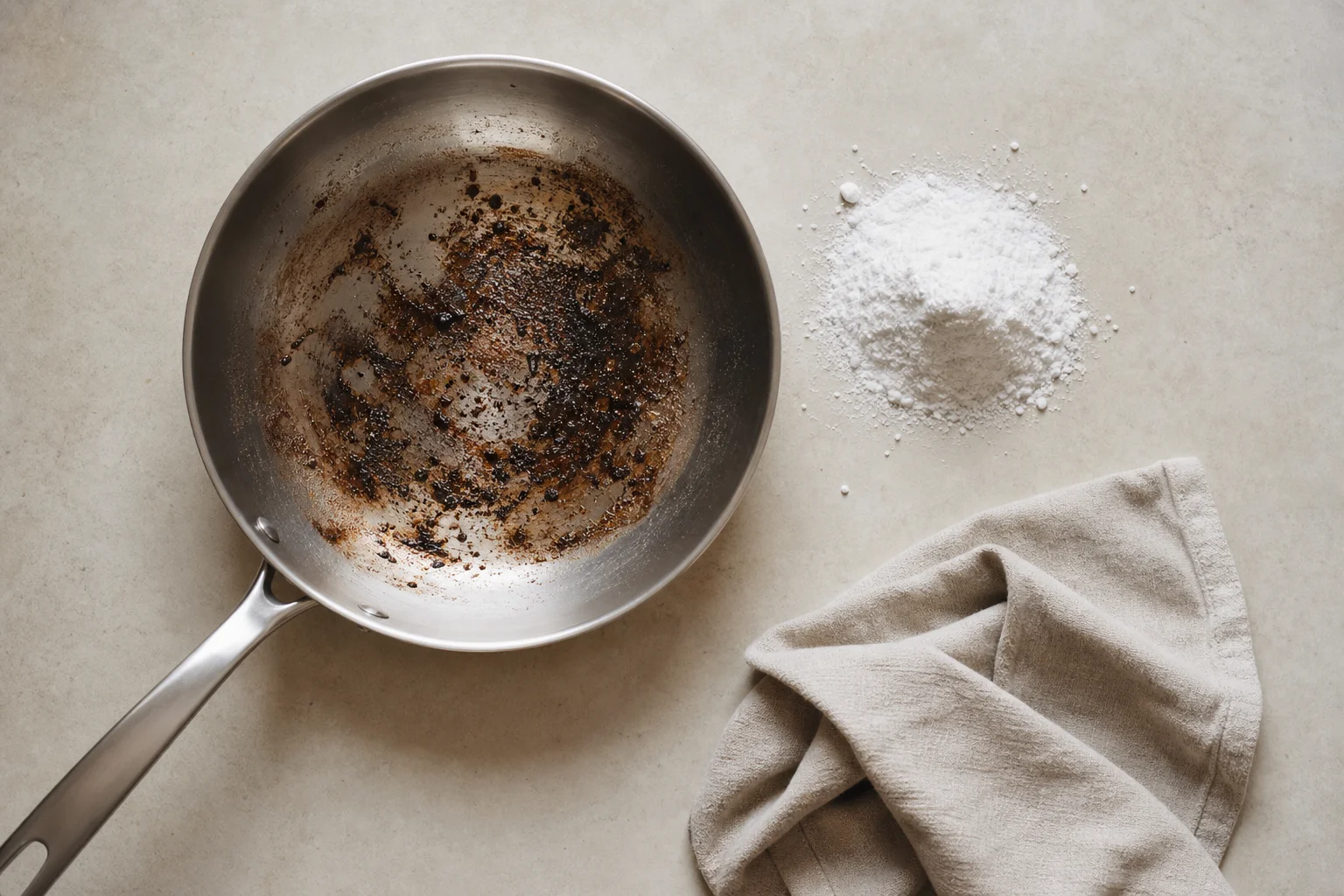
Stainless steel and titanium pans are remarkably forgiving to clean. Unlike non-stick surfaces, there’s no coating to damage. If food burns on, add a little water to the hot pan and wipe it clean. For stubborn residue, use a powdered abrasive cleaner without worry—you can’t damage the surface.
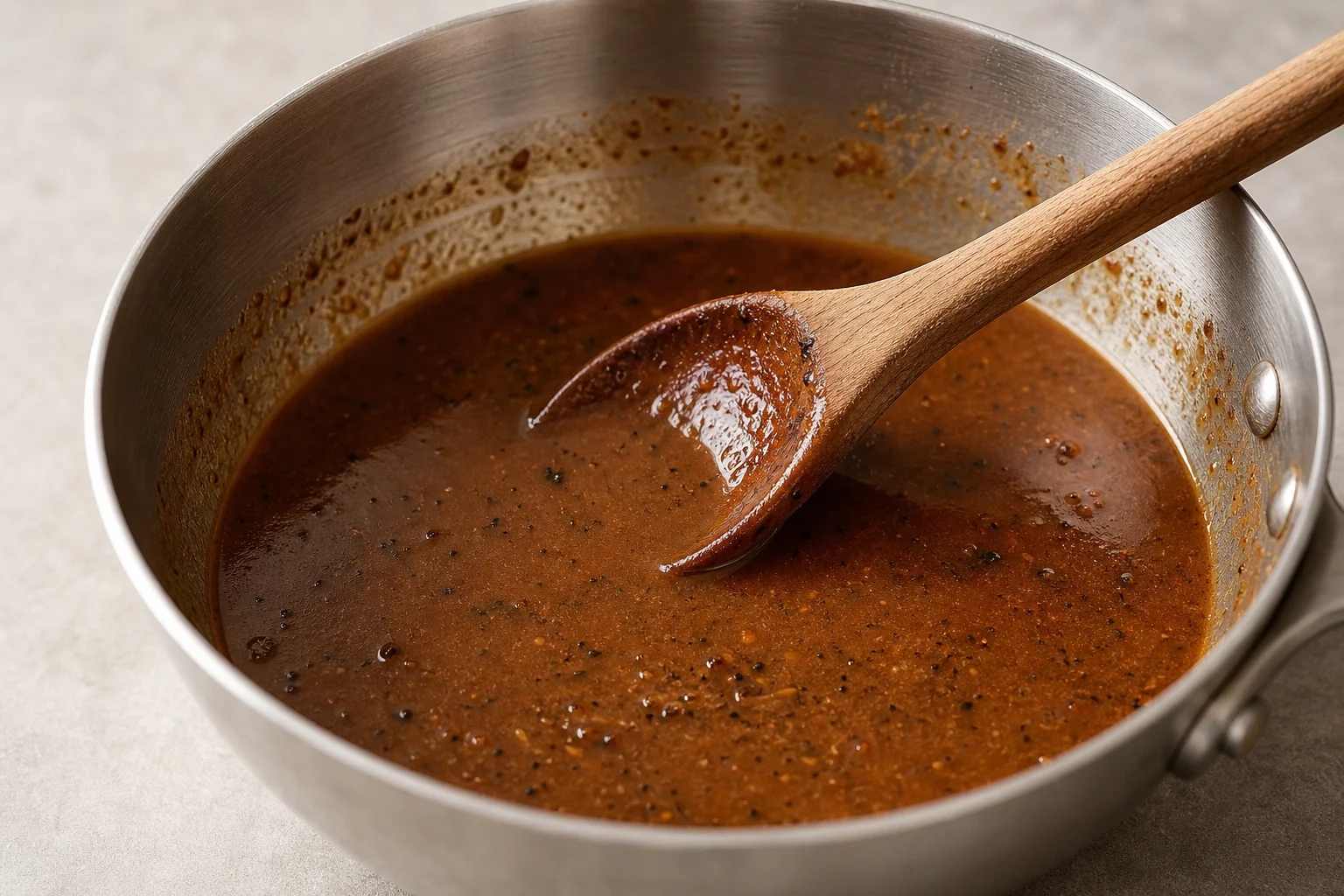
For rainbow discoloration that sometimes appears on stainless steel, use stainless steel cleaner, vinegar, or lemon juice to restore the finish. If you have a dishwasher-safe pan with a sealed rim, the dishwasher handles tough jobs easily. For pans without sealed rims, hand washing preserves longevity.
The beauty of stainless steel is that it doesn’t degrade from aggressive cleaning. Scratches don’t affect performance. Burnt-on food doesn’t ruin the pan. This durability is why stainless steel pans can genuinely last a lifetime.
What You Actually Need to Buy
If you’re learning to cook, start with one quality stainless steel pot, one stainless steel pan, and a universal lid. This modest investment will serve you well as your skills grow. Once you’re cooking larger meals multiple times weekly, add a stainless steel set and consider one truly non-stick pan for the single use case where it genuinely excels: reheating leftovers that start cold and need warming without oil.
For those who love cooking and want the absolute best performance, titanium is worth considering. It’s four times tougher than stainless steel, handles temperatures up to 1,050 degrees Fahrenheit, and recovers from the harshest cleaning imaginable. It’s the choice for professional-level home cooking.
Conclusion
Stainless steel cookware, especially when fully clad with aluminum or copper cores, delivers the best overall performance for everyday cooking. It lasts decades, handles any cooking task, cleans easily, and doesn’t require special maintenance. While non-stick has its place—reheating leftovers without oil—it’s a temporary solution that eventually fails. Invest in quality stainless steel with solid handles and sealed rims, and you’ll have cookware that grows with your cooking journey and lasts a lifetime.
Product link
View more details for Hestan Cookware
This product is mentioned in the review. Check the specifications, options, and compatibility before buying.
View more details for Hestan CookwareFurther reading
Related Reviews
Cookware
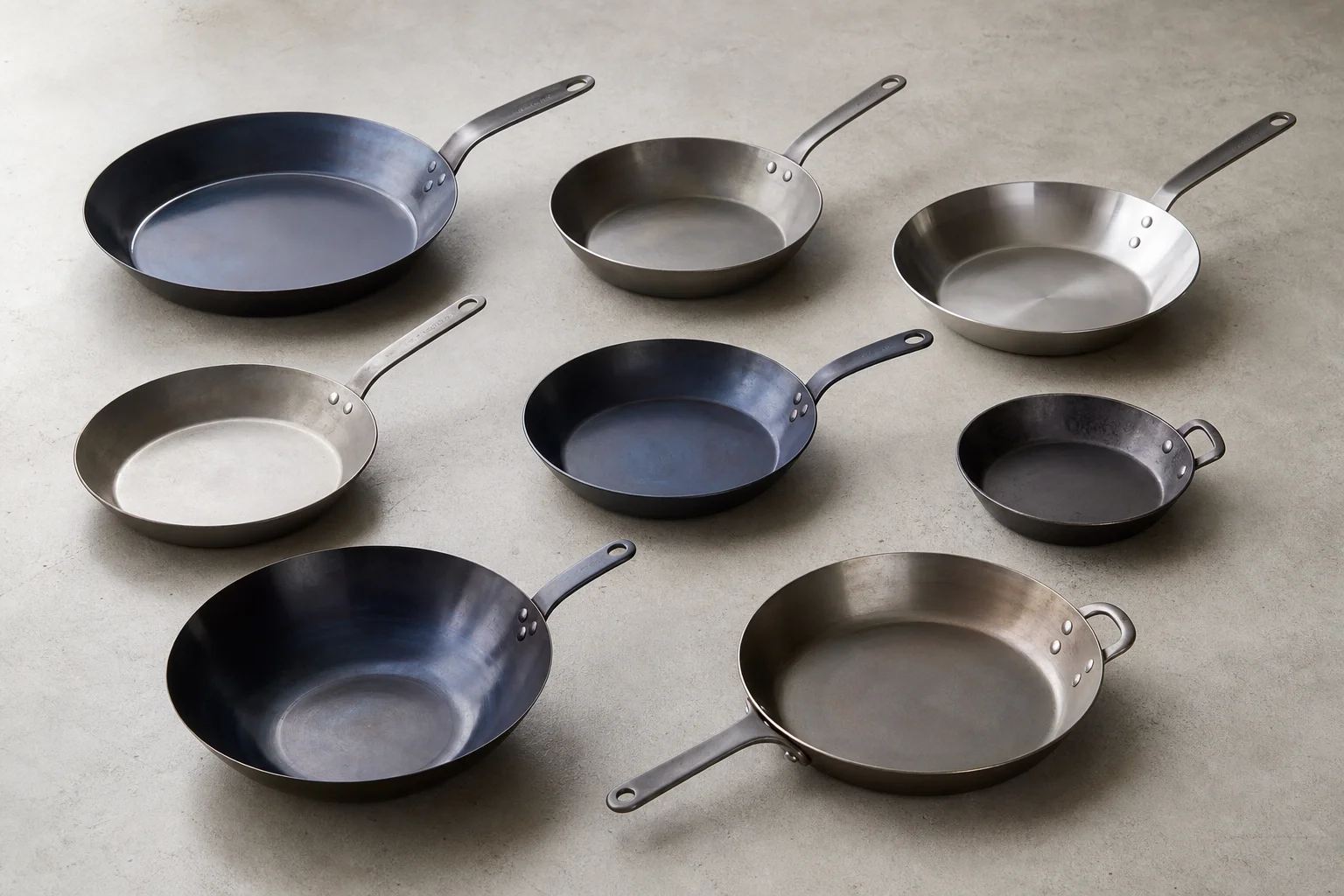
Best Carbon Steel Pans Tested: Which Brands Deliver Real Value
We tested eight popular carbon steel pans with controlled durability, heat, and cooking tests. Here's which ones perform best and which to avoid.
Cookware
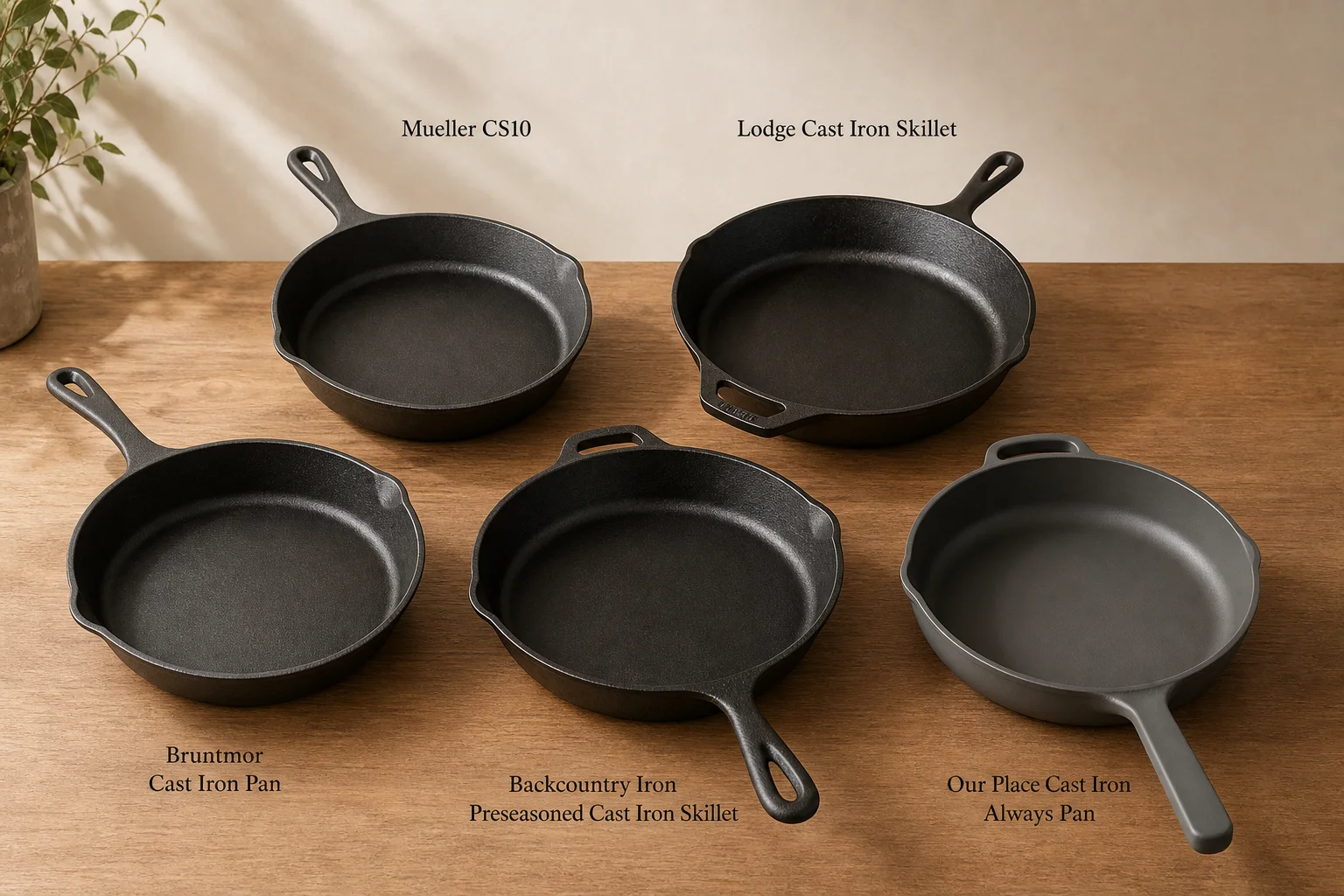
Best Cast Iron Pans 2026: Five Options from Budget to Premium
A practical breakdown of five cast iron skillets, from affordable Mueller to premium Our Place, with clear strengths and trade-offs for different cooking needs.
Cookware
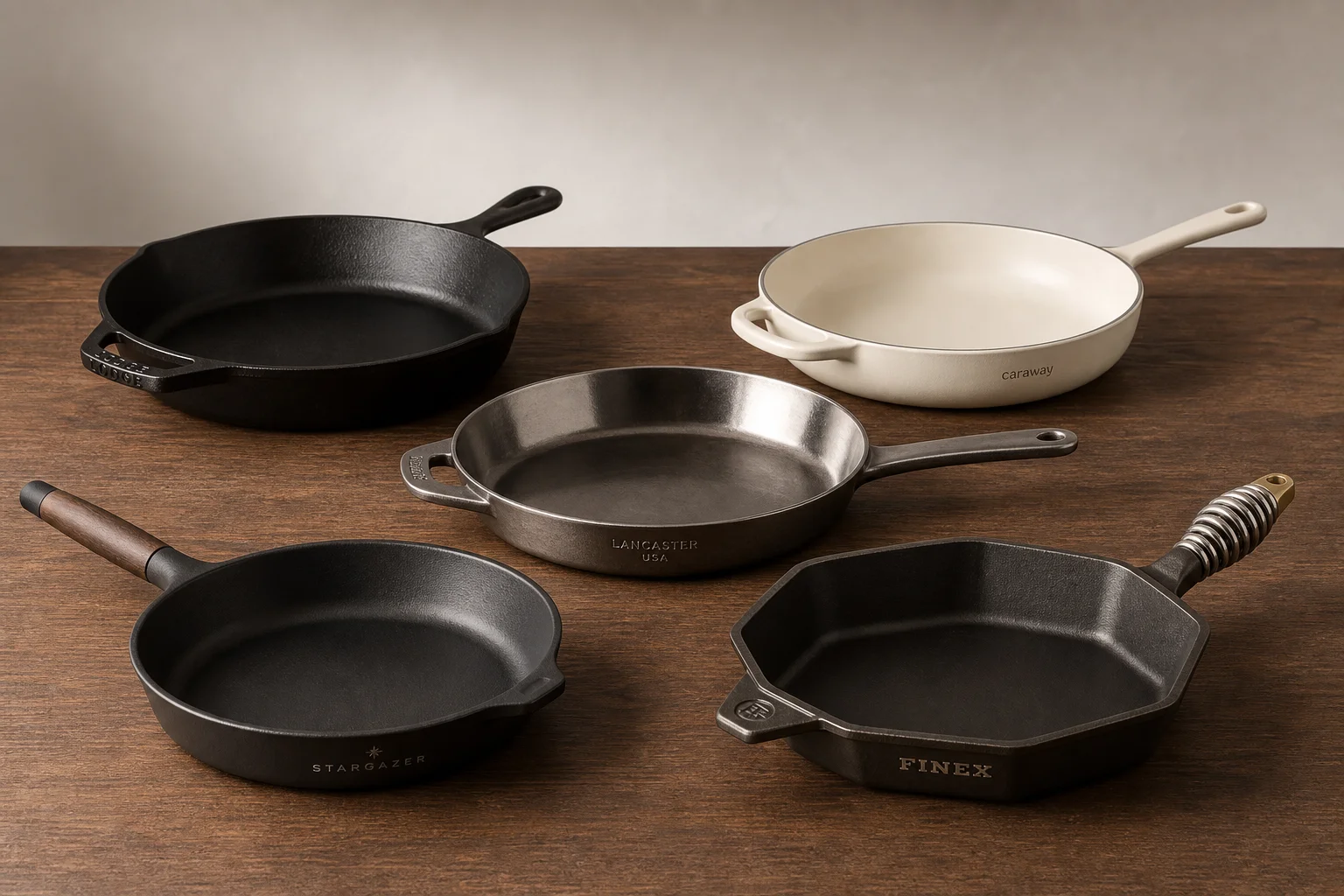
Best Cast Iron Skillets: Five Options for Every Kitchen
A comprehensive guide to five cast iron skillets, from budget-friendly classics to premium handcrafted options, each with distinct strengths and use cases.