Kitchen
Stainless Steel Cookware Buying Mistakes to Avoid: 5 Brands Compared
From ply counts to handle shapes and rim styles, here is what actually matters when buying stainless steel cookware, plus five brands worth comparing.
Introduction
Stainless steel cookware is expensive and, if you choose well, it can last a lifetime. That makes the buying decision worth some thought: a pan you love is a daily tool, while a pan you regret becomes an expensive mistake. The most common errors come from features that sound important but are not, and features that sound minor but matter a lot.
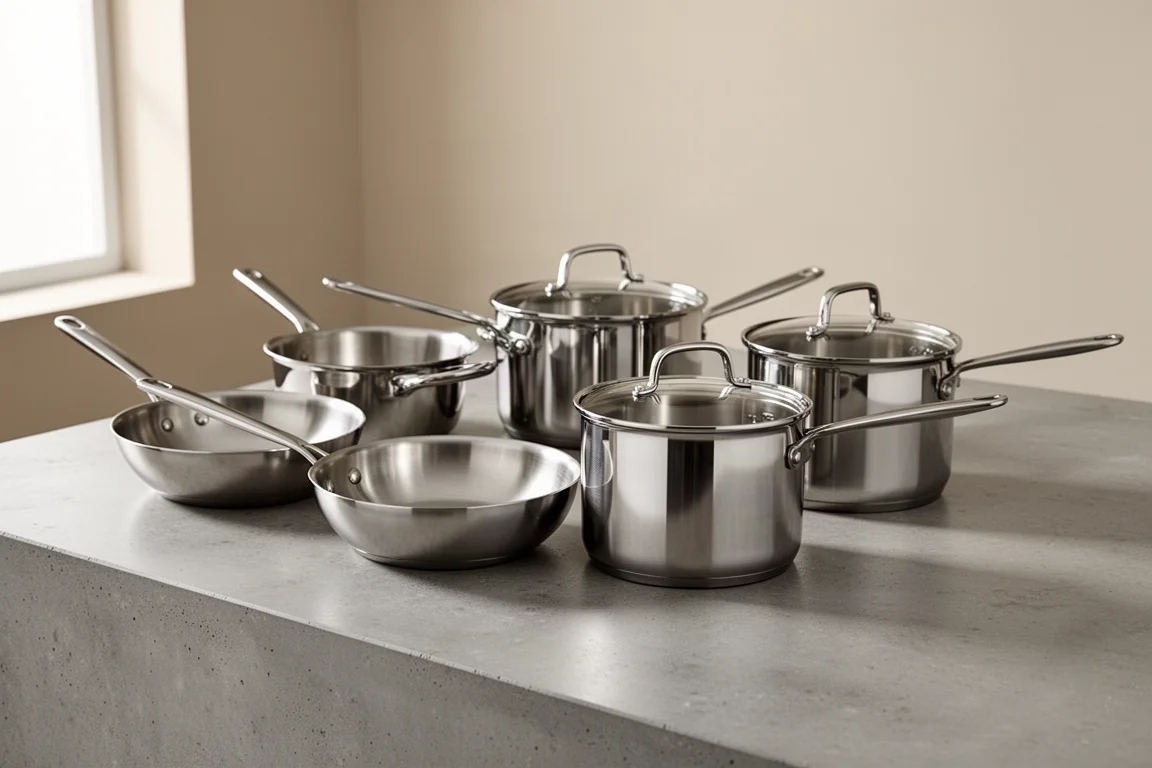
This guide walks through the biggest mistakes people make when buying stainless steel cookware, and highlights five brands that illustrate the trade-offs: All-Clad D3, Made In, Demeyere ProLine, Demeyere Atlantis, and Viking.
Mistake 1: Buying the Wrong Type of Stainless Steel Cookware
Most people do not realize that stainless steel pans are not made entirely of stainless steel. They mainly consist of aluminum or copper encased by thin layers of stainless steel. Steel is durable and will not rust or react with acidic foods, but it is a poor heat conductor. Aluminum and copper conduct heat beautifully but are less durable. Bonding the two gives you a pan that heats evenly, lasts long, and can cook any ingredient.
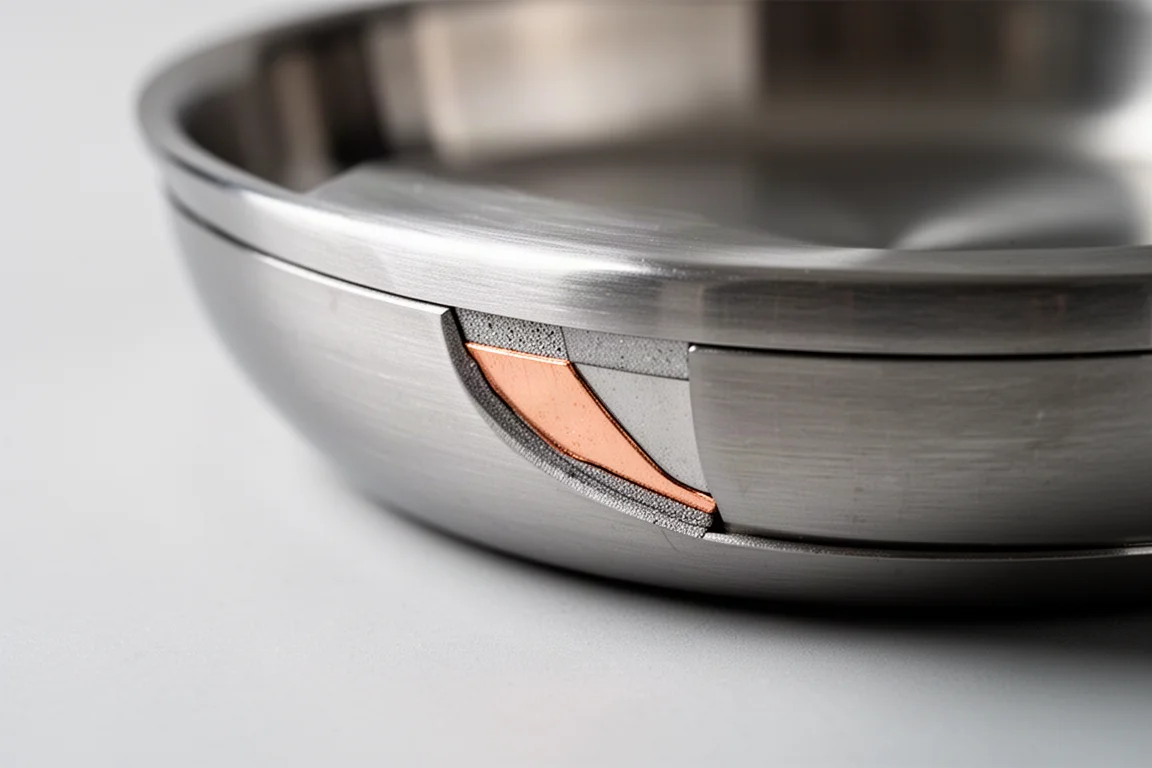
The trap is buying disc-bottom pans instead of fully-clad pans. Fully-clad pans have the conductive core running through the entire pan, including the sides. Disc-bottom cookware only has that layer at the base. Fully-clad pans distribute heat across the whole cooking surface more evenly, so the bottom and sides stay the same temperature while you toss food. They are also more durable, since disc-bottom pans can sometimes separate at the bond line. Fully-clad cookware costs more upfront, but it performs better and lasts longer.
You may also see 3-ply and 5-ply labels. Ply refers to the number of bonded layers. The big mistake here is assuming more plys are better. Most stainless cookware is 3-ply: two layers of steel around an aluminum core. Some brands call their 3-ply construction 5-ply because the aluminum core is technically three sheets, a middle aluminum alloy bonded to the steel by two layers of pure aluminum. An All-Clad D3 pan and a Made In pan, for example, share the same composition even though All-Clad calls it 3-ply and Made In calls theirs 5-ply. What matters is the materials and thickness, not the label.
Mistake 2: Not Paying Attention to Thickness
Most brands do not list thickness online, so this one is easy to overlook. As a general rule, the thicker the cookware, the better. Thick pans heat slower but more evenly, retain heat better, and are less likely to warp. Thin pans heat up extremely fast, making it easy to burn food or smoke up your kitchen. On electric stoves that cycle heat on and off, thin pans lose heat quickly and the cycling throws off your cooking, while thicker pans maintain a more consistent temperature.
Look for pans around 3 mm thick for a good balance of thickness and weight. If you do not mind a heavy pan, the Demeyere ProLine is one of the thickest available at 5.5 mm.
Mistake 3: Buying Pans That Are Too Heavy
Thick, even-heating pans are great, but if a pan is too heavy to use comfortably, that is a problem. Think about the weight of the pan plus the food, especially for pieces you will use for stove-to-oven meals. Most 12-inch stainless steel fry pans weigh around 3 pounds, but some exceed 5 pounds. If you buy a heavy fry pan, make sure it has a second helper handle so you can move it with two hands.
Mistake 4: Overlooking Handle Shape
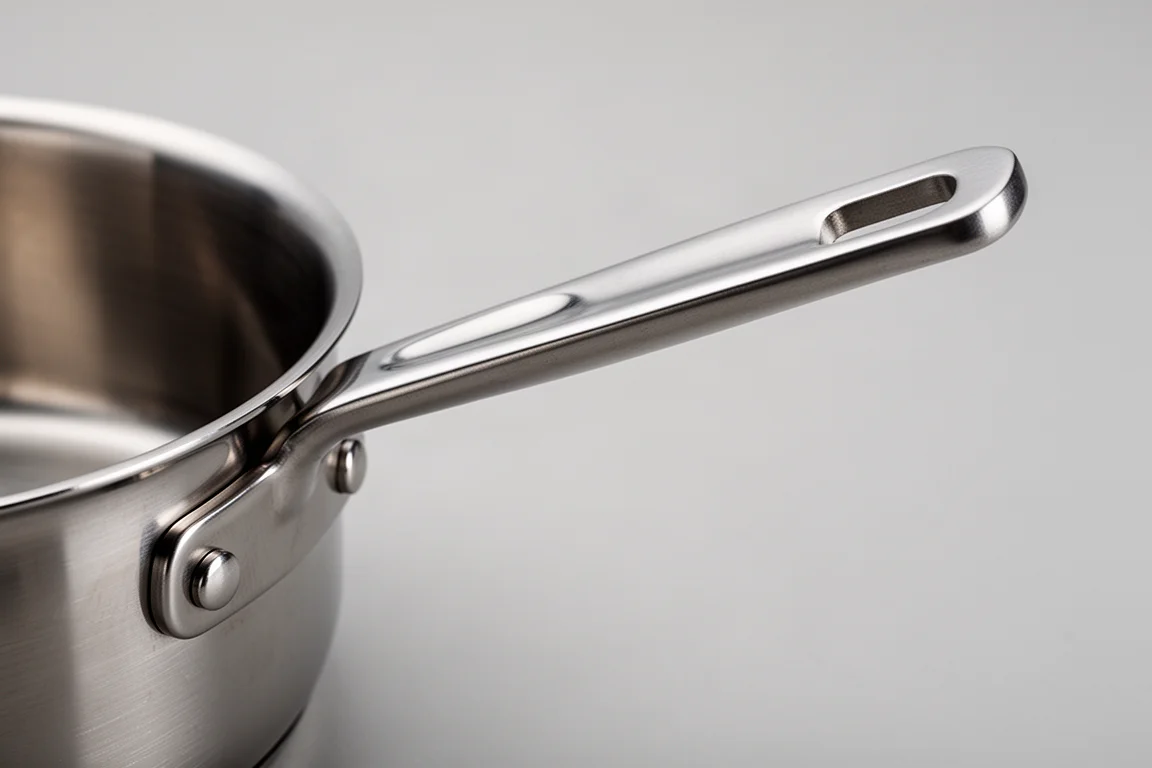
Rounded handles feel comfortable and smooth in the store, but they can be dangerous. When your hands are wet, greasy, or you are wearing an oven mitt or holding a towel, your hand can slip. If you are tilting a saucepan of hot pasta into a strainer, you want your hand to stay secure so the handle does not rotate and cause a spill.
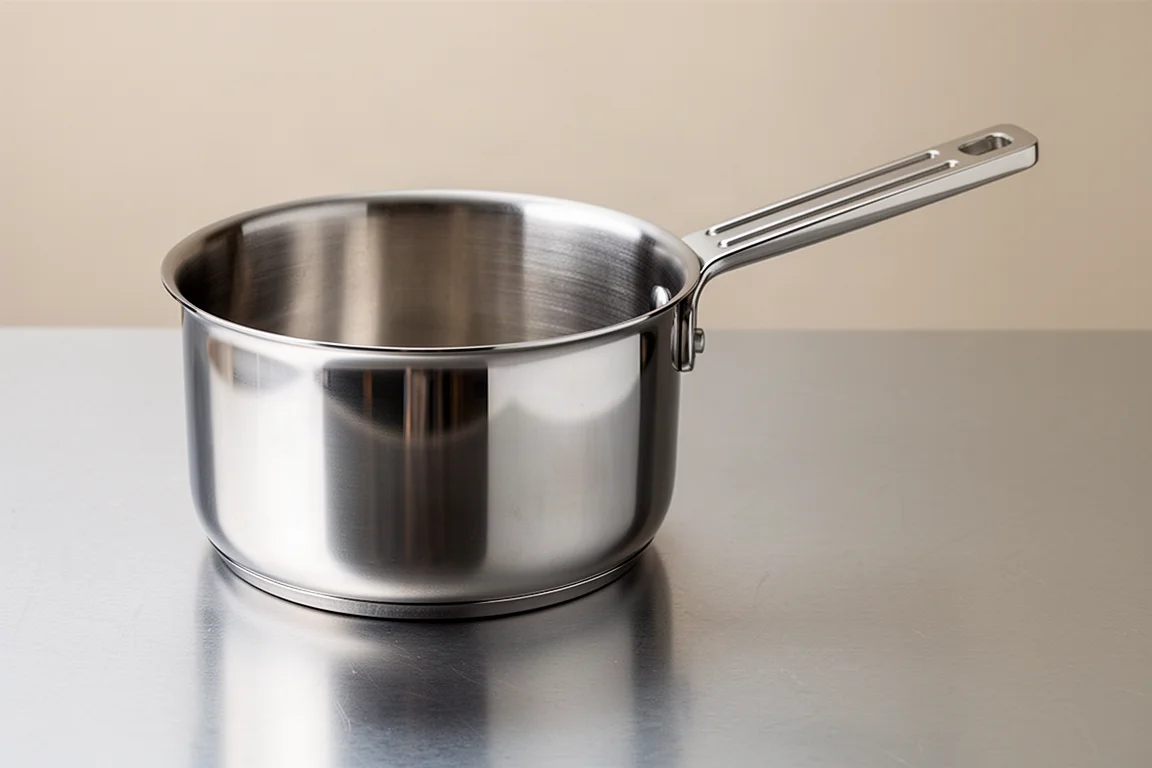
Look for handles that are flatter or have a groove on top to secure your hand. Made In and Viking are good examples. All-Clad takes it further with cup-shaped handles that almost guarantee your hand will not slip, though they are not as comfortable.
Mistake 5: Not Considering How Handles Are Attached
Handles are either riveted or welded. Riveted handles are durable and will never detach, but the area around the rivets collects food and grease and is difficult to clean. Welded handles give a smooth, uninterrupted cooking surface that is easier to clean, but they are not as secure. One welded handle on a Demeyere Atlantis fry pan, for example, broke off after a few months of use. That does not happen often, but it is a risk most buyers never consider.
Mistake 6: Ignoring the Finish
Polished stainless steel has a shiny, mirror-like finish with a traditional look, but smudges, fingerprints, and scratches are more noticeable. Brushed stainless steel has a duller, matte finish that requires less maintenance to keep looking new. Since stainless pans often go straight from stove to table, think about both the look you want and the cleaning effort you are willing to put in.
Mistake 7: Choosing the Wrong Rim Style
Pans with flared rims make drip-free pouring and sliding food onto a plate easier. Pans with straight rims contain ingredients better because the walls are slightly higher. If all else is equal, go with flared rims and avoid messes from liquid dripping down the sides.
Mistake 8: Assuming All Stainless Steel Works on Induction
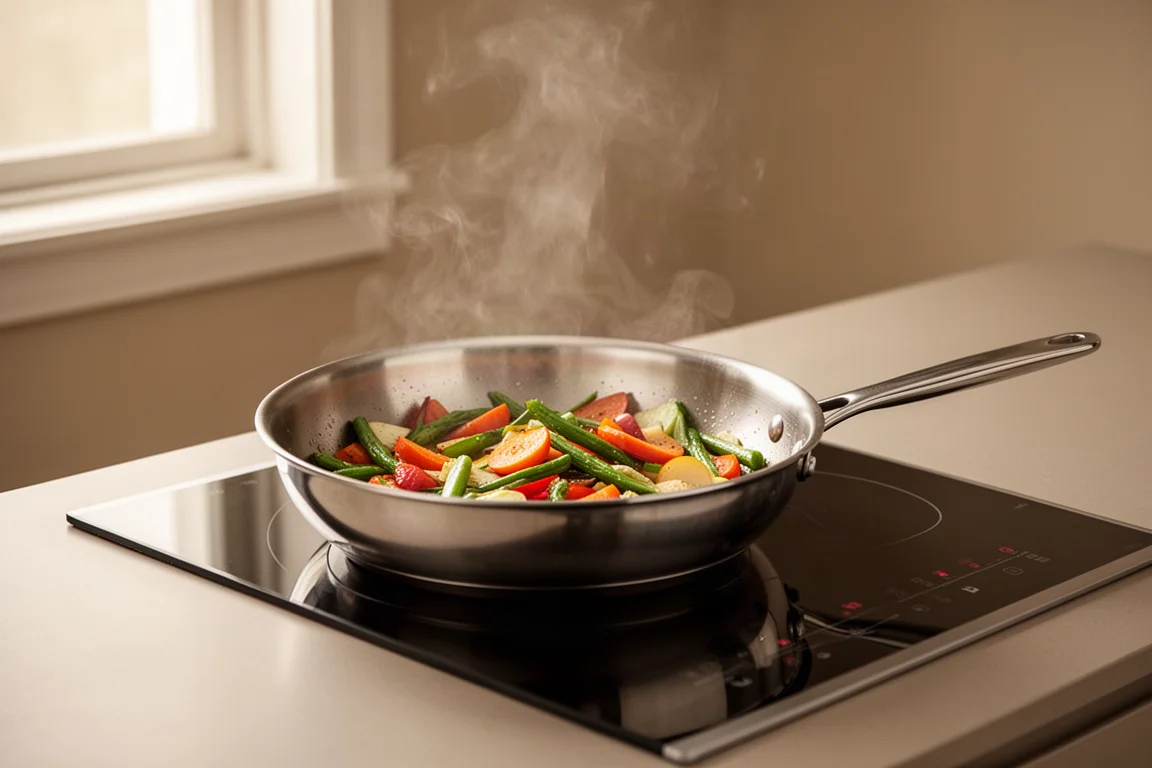
Not all stainless steel cookware is induction-compatible. The bottom needs to be magnetic, typically an 18/0 steel or another magnetic steel layer. A quick test: if a magnet sticks to the bottom, it will work on induction.
Mistake 9: Overpaying for Sets, and for Single Pans
Buying a complete set can seem like a good deal, but sets often include unnecessary sizes, extra lids, and pans you will never use. Buying individual pieces lets you pick the exact shapes and sizes you need and mix brands, investing in a daily frying pan while saving on a stock pot you rarely use. That said, sets with just the essentials, like a skillet, saucepan, and stock pot, can be a good deal if you are starting from scratch.
Two related pitfalls: do not buy cookware you do not love just to save money, since stainless steel lasts a lifetime and it makes sense to splurge a little on a design you enjoy. But do not overpay either. You do not need a $200 All-Clad or Demeyere pan to get great performance; brands that sell primarily online avoid retail markups and offer very similar materials and construction for significantly less.
Which Brands Stand Out
If the mistakes above are the framework, these five brands show how the trade-offs play out in practice.
All-Clad D3
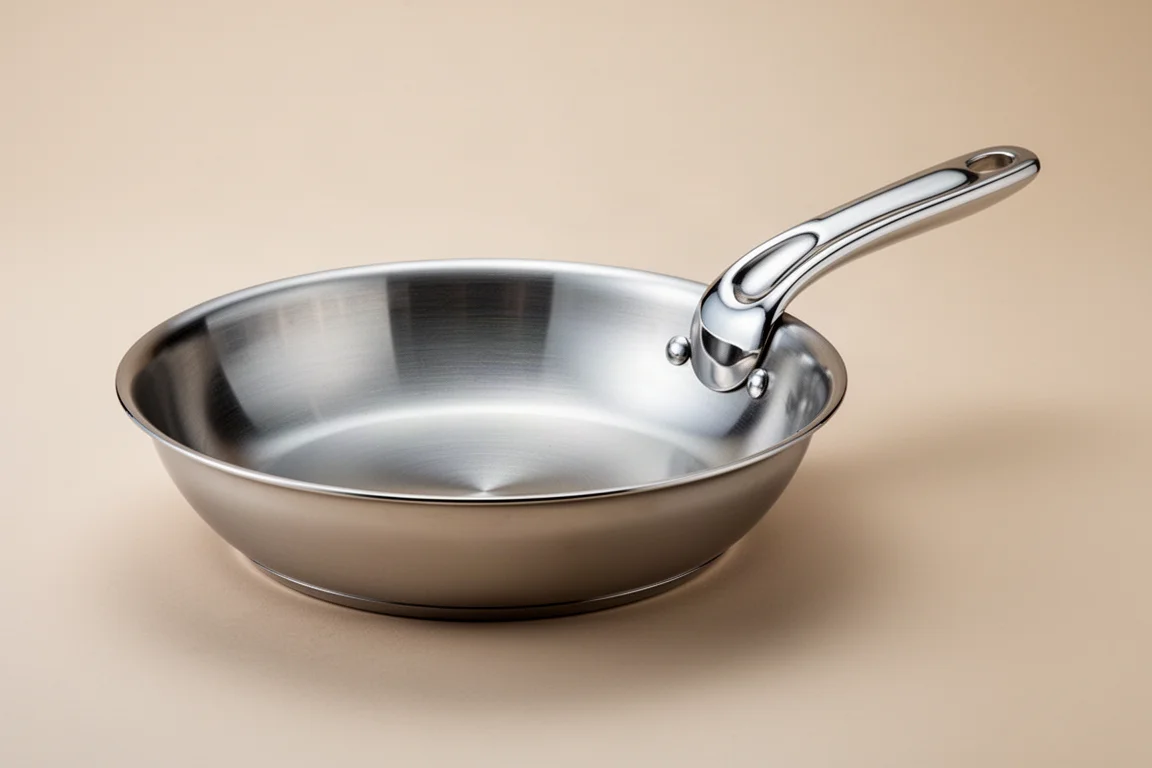
The All-Clad D3 is the benchmark 3-ply pan: the same materials and thickness as many 5-ply competitors, with cup-shaped handles that give an exceptionally secure, if less plush, grip. It sits at the premium end of the market, so it is worth watching for sales if you want the classic name without paying full price.
Made In Stainless Steel Cookware
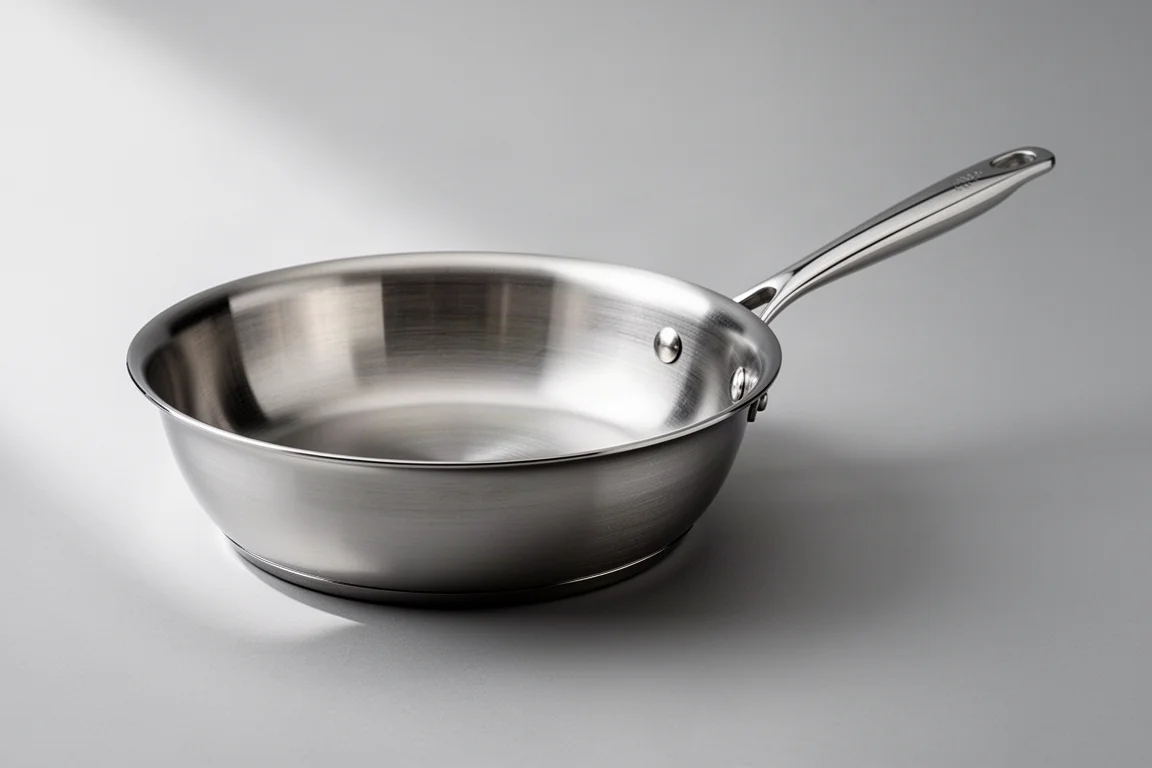
Made In uses the same composition as the All-Clad D3 but labels it 5-ply. In practice, the materials and thickness are the same, so function is not significantly different. Its handles are flatter with a groove for a secure grip, and its direct-to-consumer model keeps prices below traditional retail brands.
Demeyere ProLine
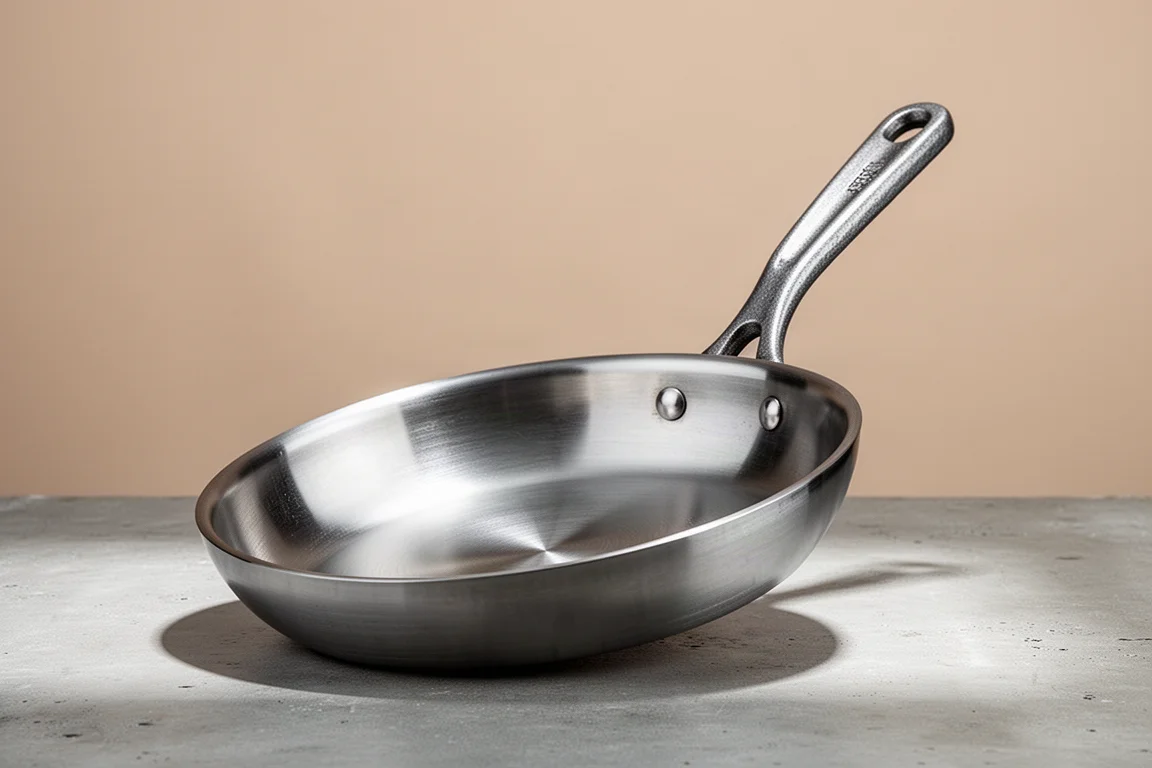
The Demeyere ProLine is one of the thickest pans available at 5.5 mm, delivering outstanding heat retention and even heating. The trade-off is weight: it is a heavy pan, so make sure you can handle it comfortably, especially for larger pieces.
Demeyere Atlantis
The Demeyere Atlantis features welded handles for a smooth, easy-to-clean cooking surface. That design is appealing, but welded handles are less secure than rivets, and one Atlantis fry pan handle is known to have broken off after a few months of use. A rare occurrence, but a risk to weigh.
Viking Stainless Steel Cookware
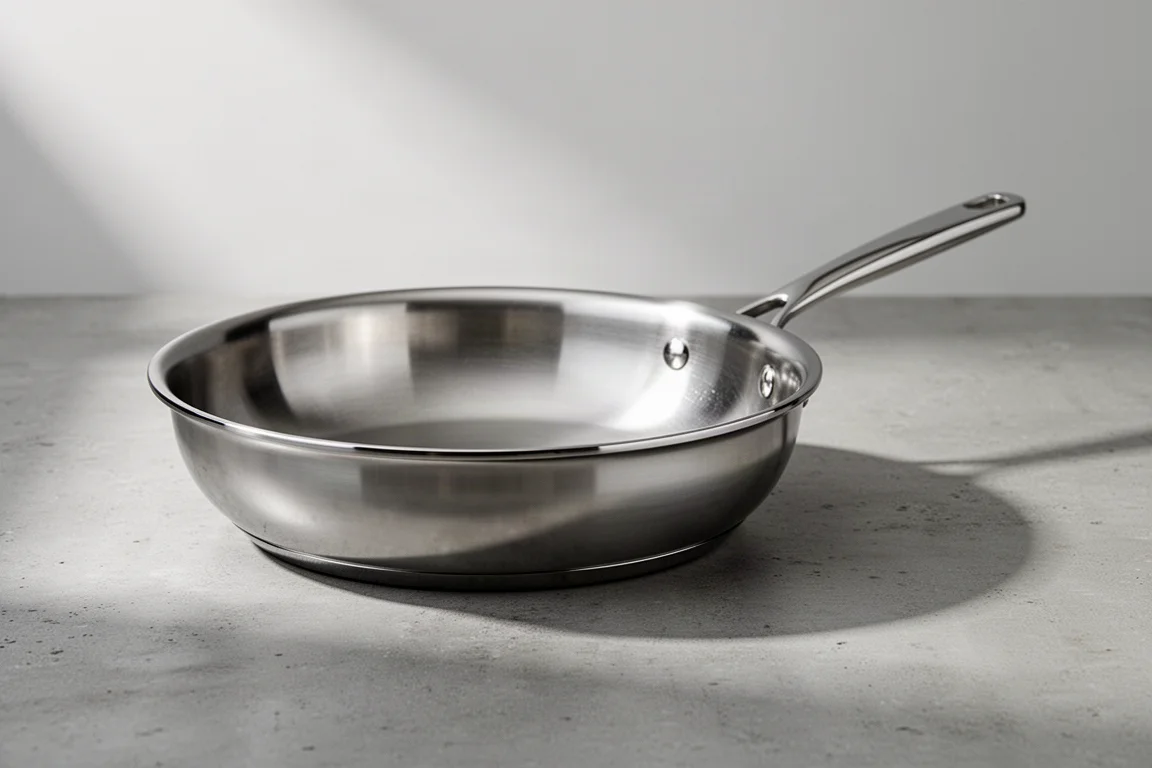
Viking stands out for its handle design, with flatter, grooved handles that keep your hand secure when wet or greasy. It is a practical choice for cooks who prioritize confident handling without paying premium-brand prices.
Buying Advice
If you take one thing away, make it this: prioritize fully-clad construction, roughly 3 mm thickness, a handle you can grip securely, and a finish you will enjoy maintaining. Buy individual pieces where it makes sense, splurge on the pans you use daily, and save where you will not notice the difference. And if a premium brand has your heart, waiting for a sale is a smarter move than overpaying today.
Conclusion
Stainless steel cookware rewards informed buyers. Skip the marketing around ply counts, check thickness and handle design, confirm induction compatibility if you need it, and choose pieces you genuinely enjoy using. Do that, and your pans can genuinely last a lifetime.
Further reading
Related Reviews
Kitchen
Best Nonstick Frying Pans Compared: 11 Skillets From $16 to $185, Tested
Eleven nonstick frying pans go head to head in pancakes, eggs, heat distribution, thermal efficiency, and scratch resistance to find out whether a cheap pan can really compete with a premium one.
Kitchen
Vivor Stainless Steel Kitchen Sink Review: A Solid Drop-In Upgrade With One Weak Spot
An all-stainless single-basin drop-in sink with easy-clean rounded corners and a drain-sloped base, at a roughly $200 price point.
Kitchen
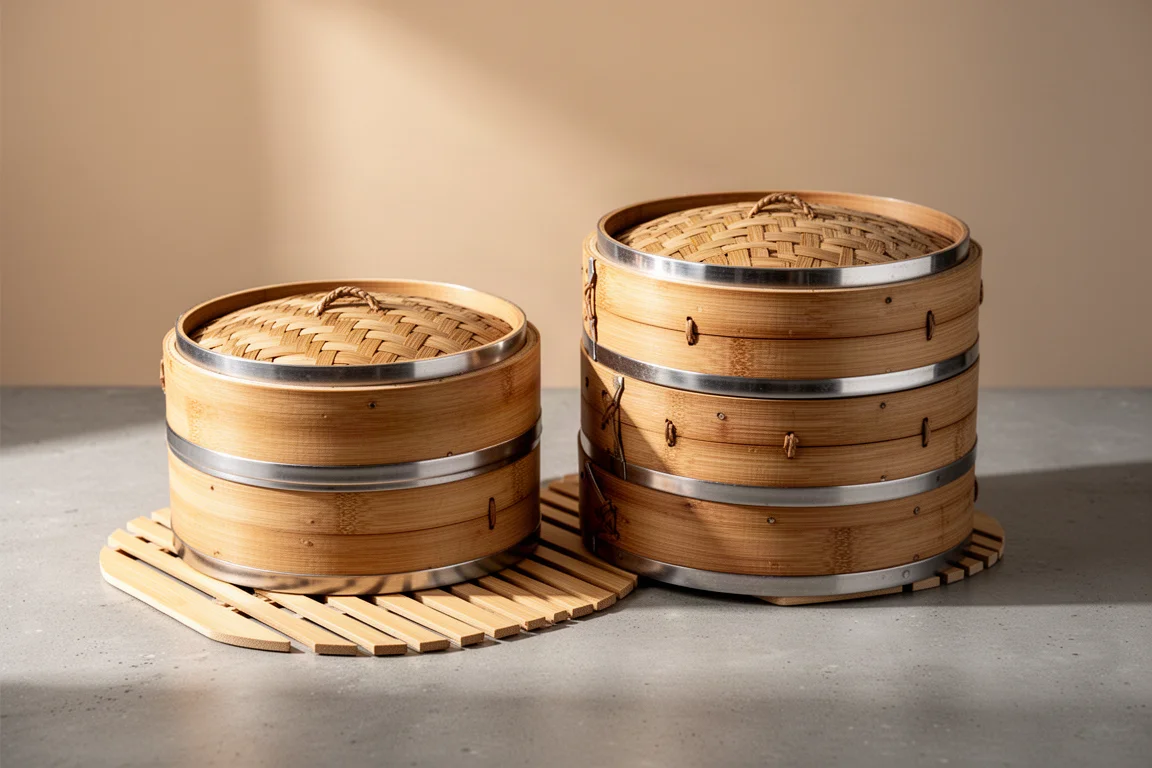
Best Bamboo Steamers: Two Tested Picks for Dumplings, Bao, and More
After hands-on steaming tests with dumplings and bao, two bamboo steamers stood out for build quality and staying in alignment.