Smart Bikes
Stages SB200 Smart Bike Review: A New Approach to Indoor Riding
Stages' new smart bike brings a dual stage flywheel, fully customizable controls, and one of the most natural ride feels we've tried indoors.
Introduction
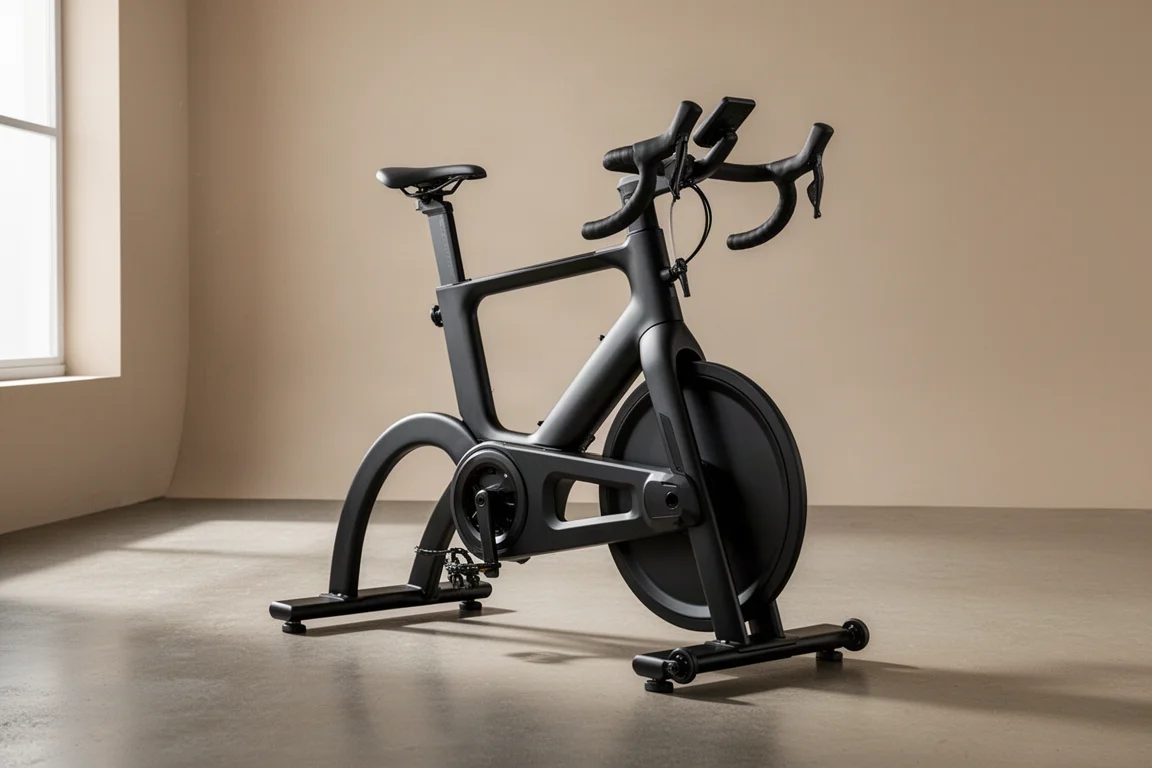
Stages has launched a brand new smart bike, the SB200, a follow-up to the long-standing SB20 that arrived around seven years ago. This is a completely new machine from the ground up: a new dual stage flywheel resistance system, extensive control customization, wide fit adjustability, and a new drivetrain system called Dream Drive. It also looks quite different, moving away from the SB20’s more commercial spin bike look and instead trying to replicate the experience of riding a real bike outdoors, while keeping modern training apps in mind.
Fit and Adjustability
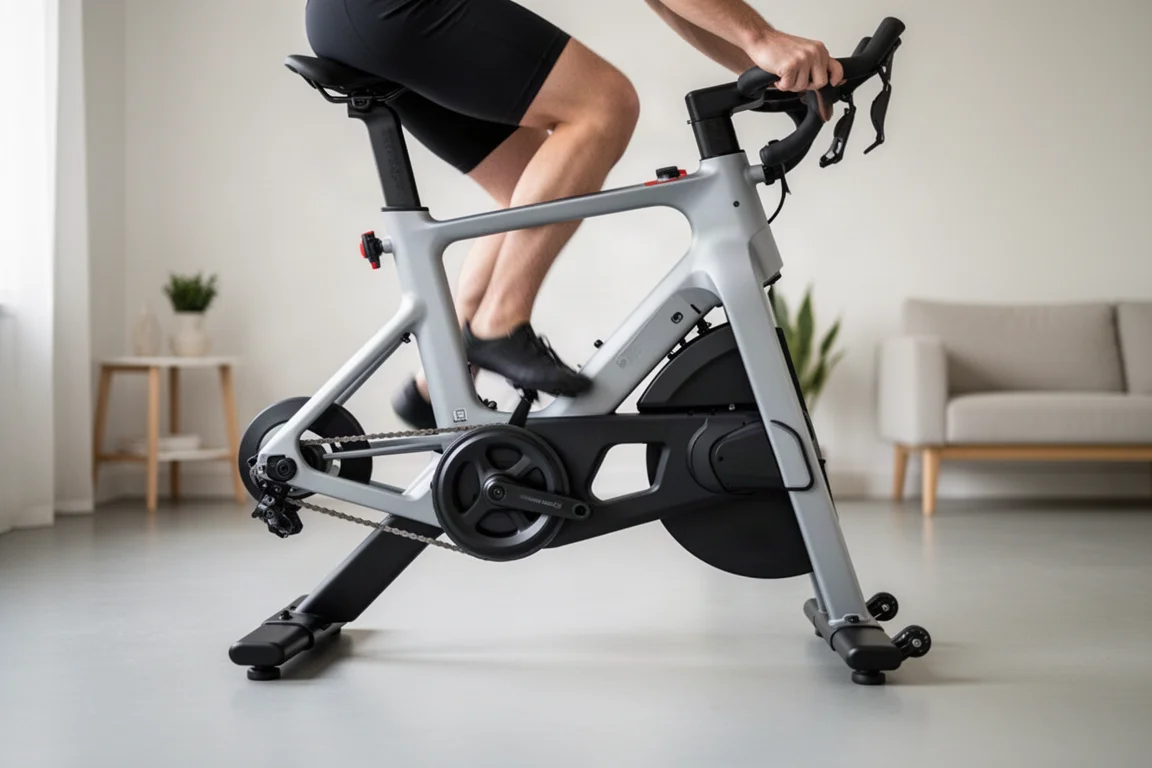
The SB200 fits riders from around 4’11” up to roughly 7 feet tall, with adjustment for stem height, reach, and seat height, nearly all done with an included 8 mm Allen wrench that tucks away in the seat stay. The seat post sits behind the bottom bracket by design, offsetting the saddle so the effective geometry feels more like a modern road bike. Four crank lengths are available: 165, 170, 172.5, and 175 mm, changed via small inserts. It works, though it is a bit finicky compared to the tool-free crank systems on some other smart bikes.
Standover clearance is excellent, which makes getting on and off easier and helps smaller riders. There is no fore/aft adjustment out of the box beyond the seat rails, but a aftermarket accessory will add more fore/aft positioning. The included saddle has a comfortable cutout, and the 40 cm bars with slight flare are standard 31.8 mm, so you can swap them for anything you prefer.
Customizable Controls
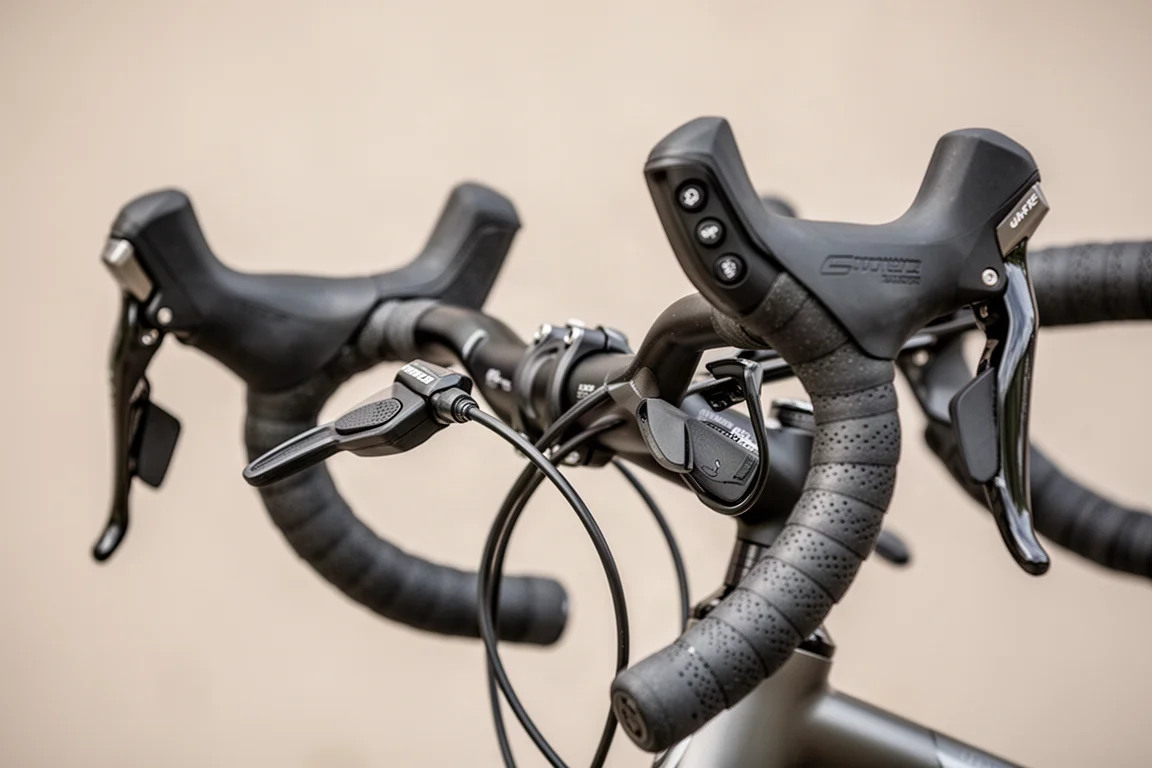
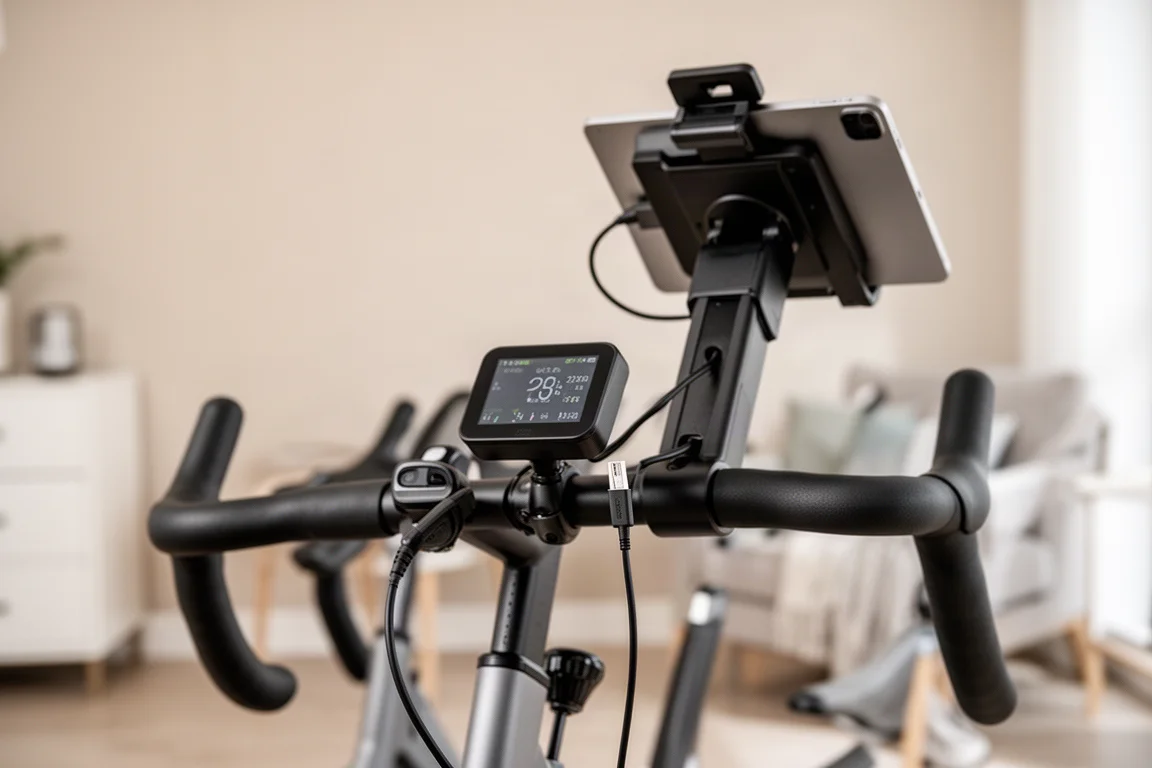
The cockpit is one of the biggest highlights. You get shift paddles, functional brake levers, and app controls inside the hoods, and nearly every button can be remapped to whatever you want. You can configure a Shimano- or SRAM-style drivetrain, set up modes for different training apps, and use the built-in display, which shows up to 10 metrics at once, including gear selection, power, and cadence.
There is also a built-in tablet holder (optional, so you can skip it if you ride in front of a TV), a phone holder with grippers in either orientation, USB-C charging ports, and a built-in quarter-turn computer mount with Garmin and Wahoo adapters included, plus a dummy insert if you do not use a head unit.
Ride Feel and the Dual Stage Flywheel
This is where the SB200 genuinely stands apart. Rather than relying on one massive flywheel, Stages uses a belt-driven dual stage system: a big-to-small stage followed by a small-to-big stage, spinning both up fast to generate inertia normally found only on larger, heavier flywheels. The result is around 10 times more inertia than the SB20 with a lower overall system weight.
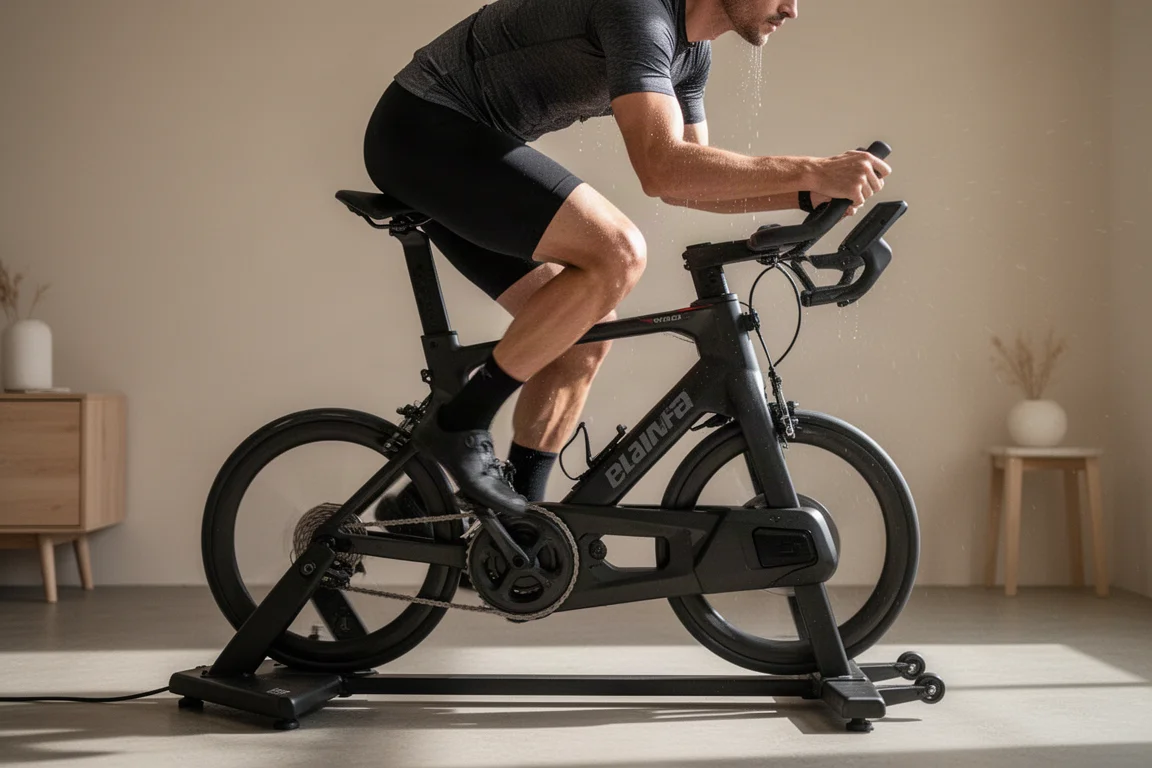
In practice, it is one of the smoothest, most natural ride feels of any indoor bike or trainer, particularly in simulation apps like Zwift or TrainingPeaks Virtual. Accelerating, decelerating, and coasting all feel remarkably close to riding outside. Comfort is also strong thanks to the soft feet, which add a bit of side-to-side give, and the single front contact point that lets the front end move slightly, taking the edge off your shoulders. Hard feet are available if you prefer a stiffer ride, plus an aftermarket tripod accessory for a fully rigid feel. There is no forward-backward rocking motion like some trainers offer, but long-ride comfort is still very good.
Power Accuracy and Specs
Stages claims plus or minus 1% accuracy. In testing against Garmin Rally RS210 and Favero Assioma Pro power meter pedals, all paired to the same computer and heart rate monitor, the SB200 tracked very closely through step tests and steady-state riding, with occasional small differences between the two pedal sets themselves. On sharp sprints, the SB200 tended to register about a second earlier than the pedals, which Stages attributes to the bike measuring faster than the pedals can report.
Specs are generous: around 2,500 watts max capacity, 400 watts at 40 RPM, and 1,500 watts at 120 RPM. Connectivity is Bluetooth at 4 Hz and Wi-Fi at 10 Hz, covering essentially any training app. There is no ANT+ support, which only matters for legacy devices. The bike is virtually silent thanks to the belt drive, with just a faint freewheel sound and a small cooling fan. No subscription is required to use it, and the companion app lets you customize controls, build ride profiles per app, and run diagnostics.
Dream Drive and ERG Mode
Dream Drive is a sequential drivetrain you can configure anywhere from 10 to 50 gears. Around 30 gears covers nearly any combination, and you can perform multi-shift jumps as well as single shifts. In simulation mode it works beautifully, with smooth automatic resistance changes on hills.
ERG mode is different. Resistance changes are buttery smooth over roughly 3 to 5 seconds, but holding a target feels more forgiving than most trainers, with a slightly wavy quality around the set point and some overshoot settling slowly after big jumps, a consequence of all that inertia. Stages plans an update offering three ERG mode feel options, from forgiving to firmer, which should address this well.
What It Doesn’t Have
There is no downhill drive simulation and no road surface simulation like some competitors offer. Two practical gripes: the front end is a little light, so it can lift slightly during hard sprints, and the brake levers slow the flywheel but do not stop it completely, so the cranks spin briefly until coasting to a halt. Assembly takes around 20 to 25 minutes, with cable routing slightly fiddly, likely due to the sweatproofing. The assembled weight is around 72 lb, robust but still movable, with rear feet that let you roll it around.
Buying Advice
At $2,399, the SB200 sits between Wahoo’s KICKR Bike Shift, which it undercuts on features and ride feel, and the pricier KICKR Bike Pro, which offers more features overall. If ride feel, comfort, and control customization are your priorities, the SB200 is a compelling middle path, and it is one of the few smart bikes you can ride like a normal bike with no subscription at all.
Conclusion
The Stages SB200 is a genuinely fresh take on the smart bike. The dual stage flywheel delivers one of the most natural indoor ride feelings available, fit adjustability is excellent, and the fully customizable controls are a real differentiator. ERG mode takes some getting used to, and the lack of downhill or road surface simulation may matter to some buyers, but for simulation riding and everyday training, it is a strong, well-rounded package.
Product link
View more details for Stages SB200
This product is mentioned in the review. Check the specifications, options, and compatibility before buying.
View more details for Stages SB200Further reading
Related Reviews
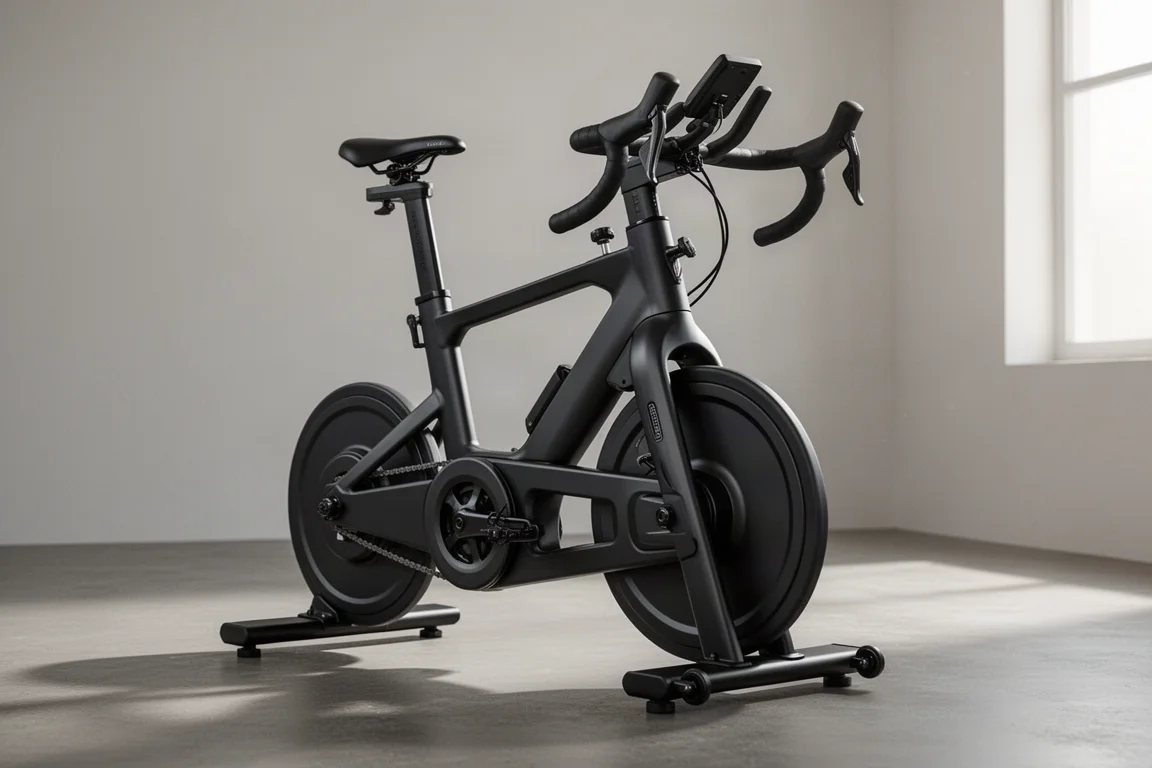
Smart Bikes
Wahoo KICKR Bike Pro Review: Smarter Controls, Premium Touches, and a Clearer Lineup
The new flagship Wahoo smart bike adds in-game controls to the shift levers, better soft goods, and a clearer lineup position above the KICKR Bike Shift.
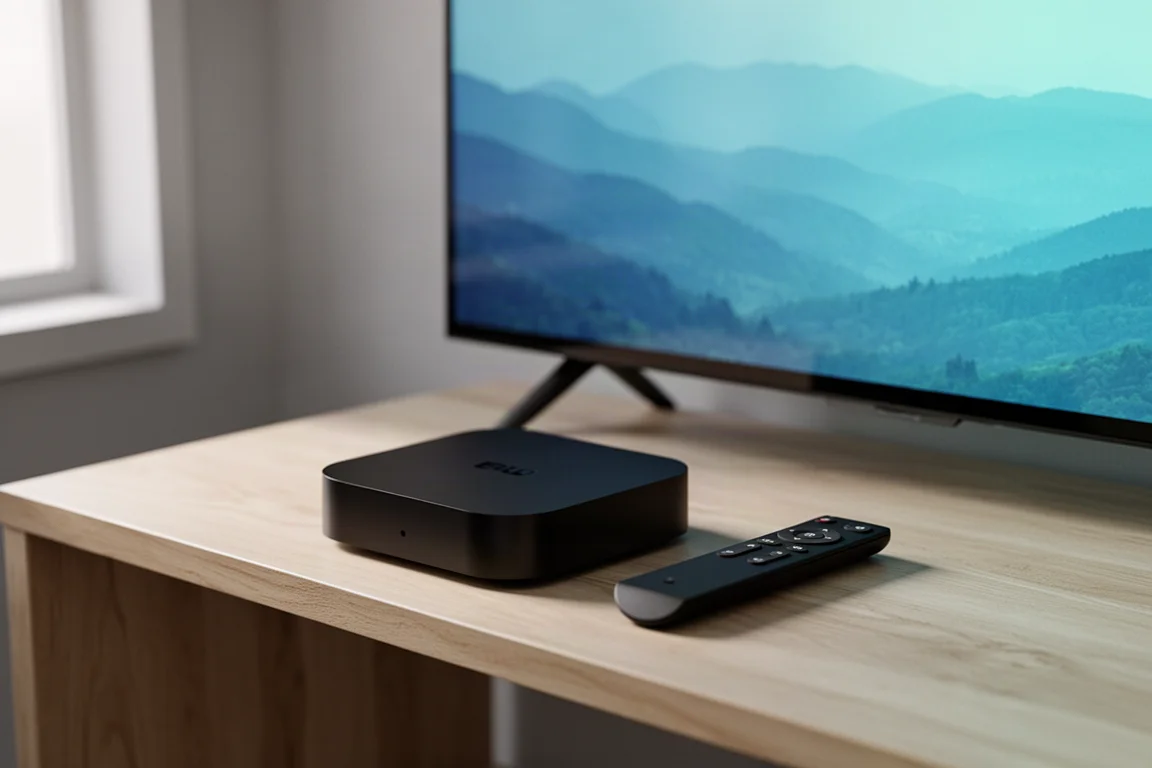
Indoor Cycling Tech
Apple TV 4K Review: A Simple Route to Big-Screen Zwift
A practical look at using the Apple TV 4K as the brain of an indoor cycling setup, what it does well, and what you still need around it.
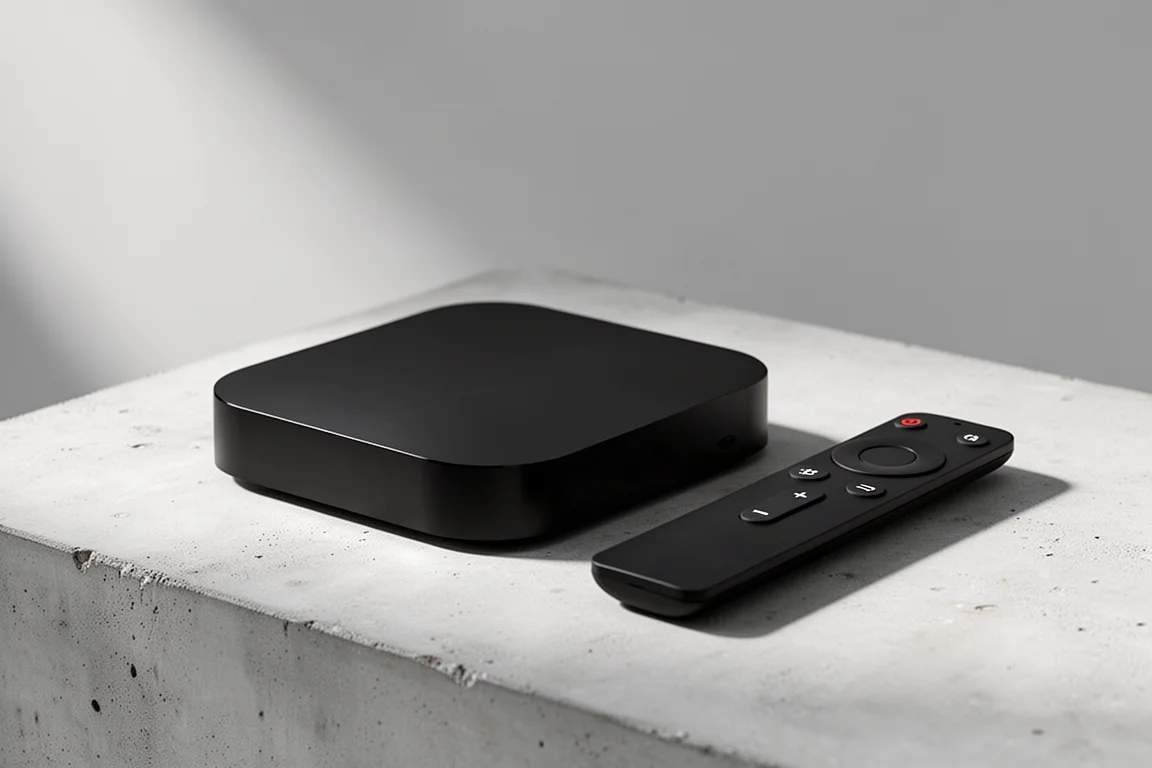
Indoor Cycling Tech
Apple TV 4K for Zwift: The Simplest Route to a Big-Screen Setup
A practical look at the Apple TV 4K as a Zwift device, covering what it does well, how it fits into an indoor cycling setup, and what to weigh before buying.