Running Shoes
Stable Racing Shoes: 8 Options for Runners Who Need More Balance at Speed
High-stack super shoes are not the most stable choice for everyone. Here are eight racing and fast-training options with more inherent stability.
Introduction
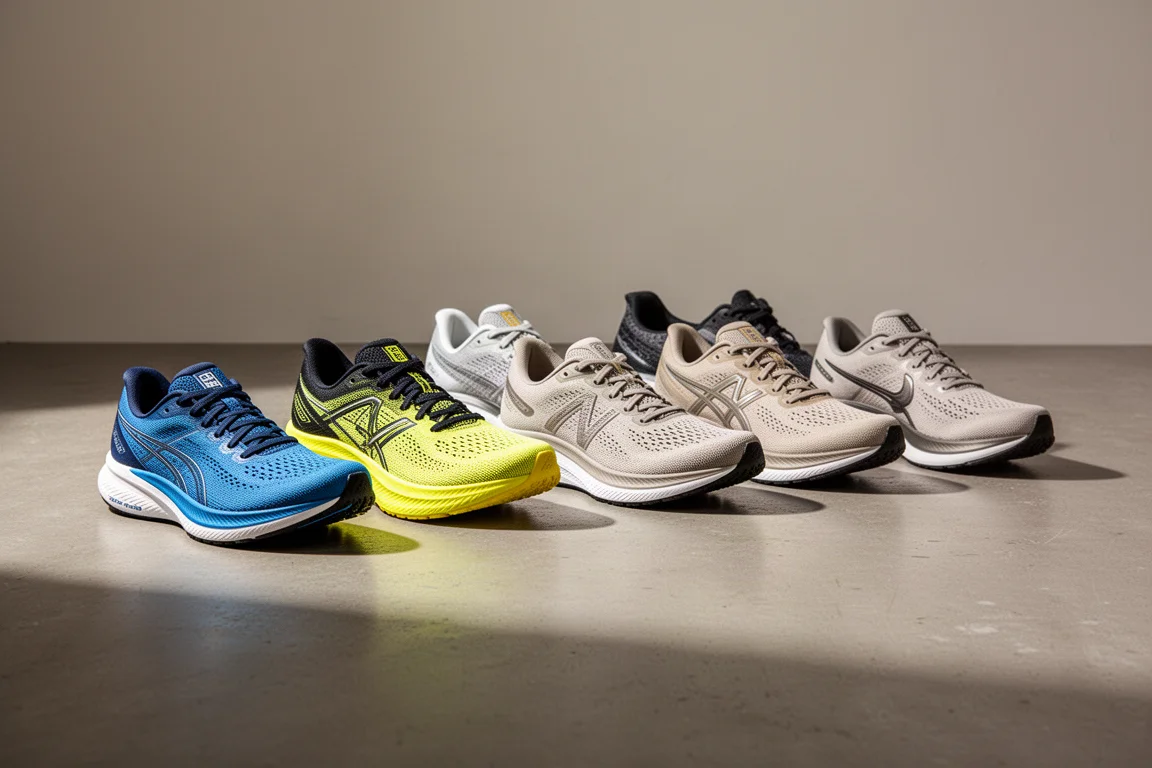
High-stack carbon-plated super shoes dominate conversations about racing, but they are not the most stable options on the market. Many of them are unstable through the midfoot and heel because of their tall stack heights, limited sole flare, and soft midsoles. They are genuinely fun for some runners, but the evidence suggests they do not work for everyone, especially when your goal is simply to run fast or finish a race without issues.
The good news is that you still have choices. Several current shoes are light, snappy, stiff, and quick while being more balanced underfoot. Some even carry a plate. Here are eight options worth considering if you need something more stable to race in.
Why Super Shoes Are Not Always the Stable Answer
Shoes are tools, and not every tool works for every person. True stability racing flats have largely disappeared from the market, and most runners today are conditioned to maximalist, high-cushion shoes, which makes the old minimal flats hard to use for anything beyond short distances. What remains is a middle ground: shoes with geometry, stiffness, or platform width that makes them inherently more stable, even if they are not posted stability shoes in the traditional sense.

If your body does not handle aggressive super shoes well, do not force it. Consistency, mileage, and finishing your races and workouts without injury matter far more than chasing the fastest plate on the shelf.
Brooks Hyperion Elite 2
The Brooks Hyperion Elite 2 is a solid pick if you want a stable racing shoe. It is not a super shoe, and its DNA Flash midsole is on the firmer end with a bouncy-but-controlled feel. The plate is very stiff, and the ride is a rolling one rather than a bouncy one. You will need to break it in, but once you do, the stiff rocker rolls you forward well.
The geometry is what makes it work: the outsole is very wide, the last stays wide through the midfoot without narrowing too much, and there is a solid guideline through the center of the shoe. Like the original version, it is inherently stable based on geometry alone. It is an expensive shoe at full price, though it can be found discounted, so it is worth shopping around if you are interested.
Hoka Carbon X3
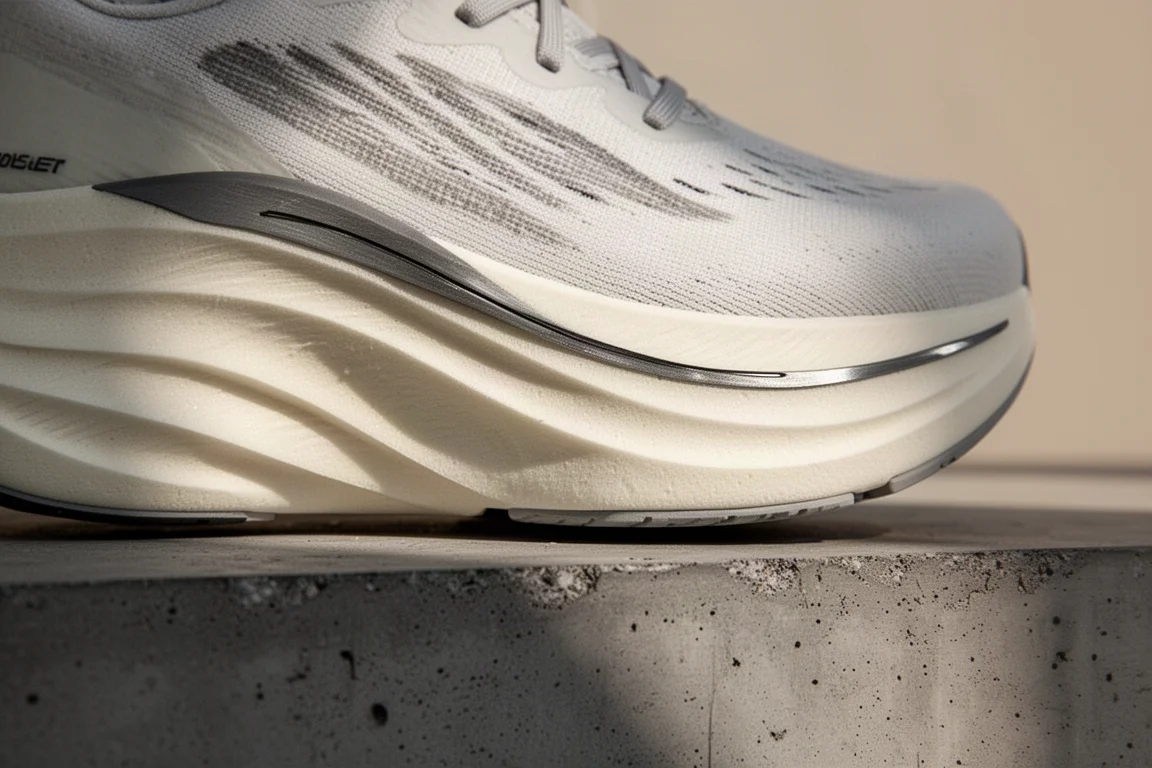
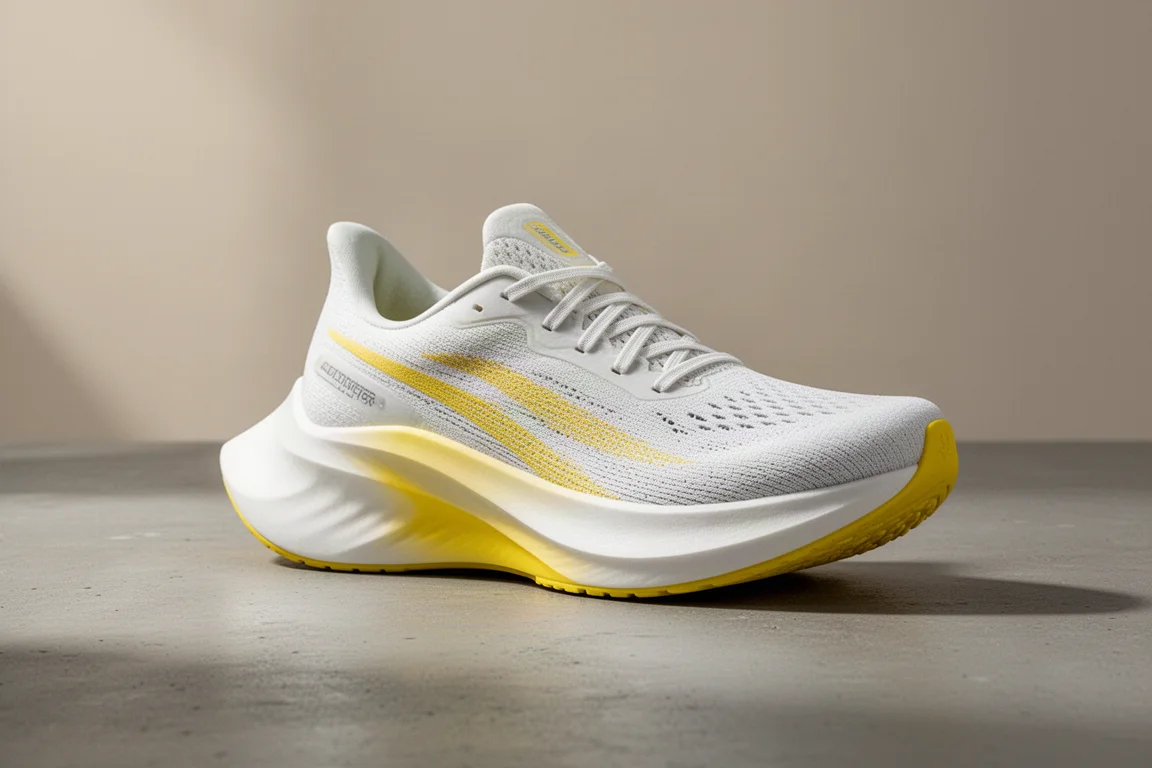
The Hoka Carbon X3 keeps the stable, long-distance formula of its predecessors while adding a knit upper and a slightly softer, still-EVA midsole. It is not a bouncy shoe; it is a roller. The plate is very stiff and the geometry is aggressively rockered, so it transitions you forward efficiently over long distances.
At roughly 7.8 ounces in a men’s size 9, it is lighter than before and works especially well as a long run shoe that can double as a half marathon, full marathon, or ultra marathon racer. It may not be the absolute fastest option on this list, but the sidewalls and the way it moves you forward give it real inherent stability over long efforts.
Mizuno Wave Rebellion
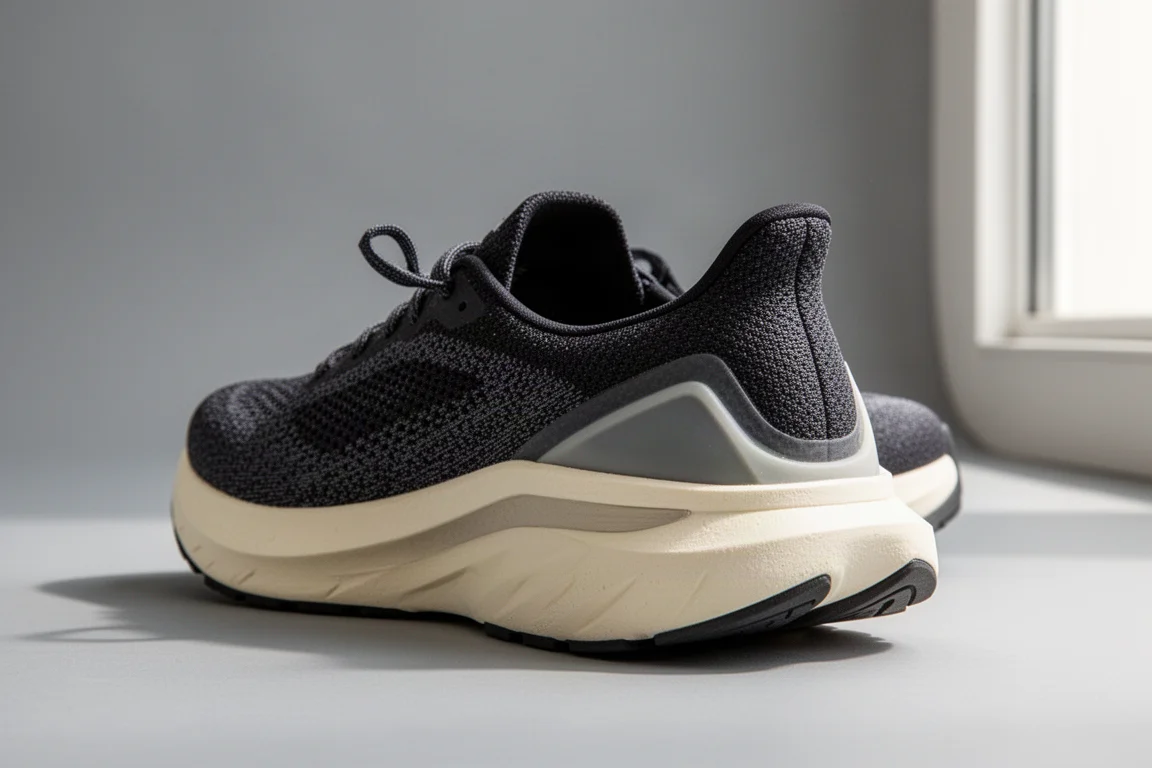
The Mizuno Wave Rebellion is technically a workout shoe, but it can absolutely hold its own in a race. It uses a fiberglass plate rather than carbon, which gives it a touch more flexibility, and its firm super foam feels closer to the Saucony Endorphin Pro than to softer foams.
What makes this shoe genuinely stable is the plate design: it comes up on both the medial and lateral sides, cupping the foot and guiding it through the midfoot without traditional posting. That midfoot support works very well in practice, and the shoe is still light and snappy. The upper fit was slightly off in early pairs, though the production model improved on it. It also proved durable, with many miles logged without issue. It is our preferred use as a lightweight trainer, but plenty of runners can race middle and long distances in it.
Asics DS Trainer 26
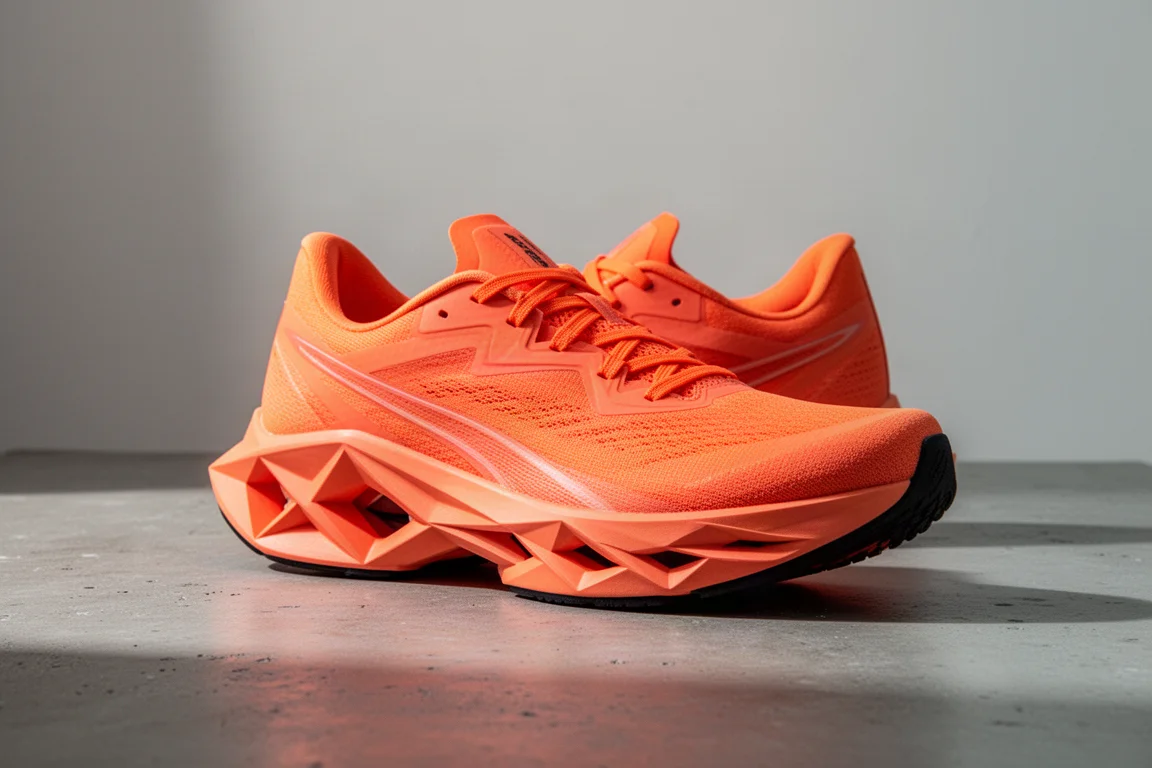
The Asics DS Trainer 26 finally delivers on a shoe we always wanted to love. The upper is excellent, comfortable, and chafe-free, and the whole package is around eight ounces or slightly under. There is an extended forefoot torsion system that makes it snappy, and the FlyteFoam midsole carries more cushioning than expected for such a light shoe.
There is a mild medial post, Asics’ traditional Duomax, running from the heel into the midfoot. The stability is mild, but it works. This makes the DS Trainer 26 a strong option for runners who want a more traditional, closer-to-the-ground shoe that still handles fast running and long miles comfortably.
Asics Noosa Tri and Evoride 2
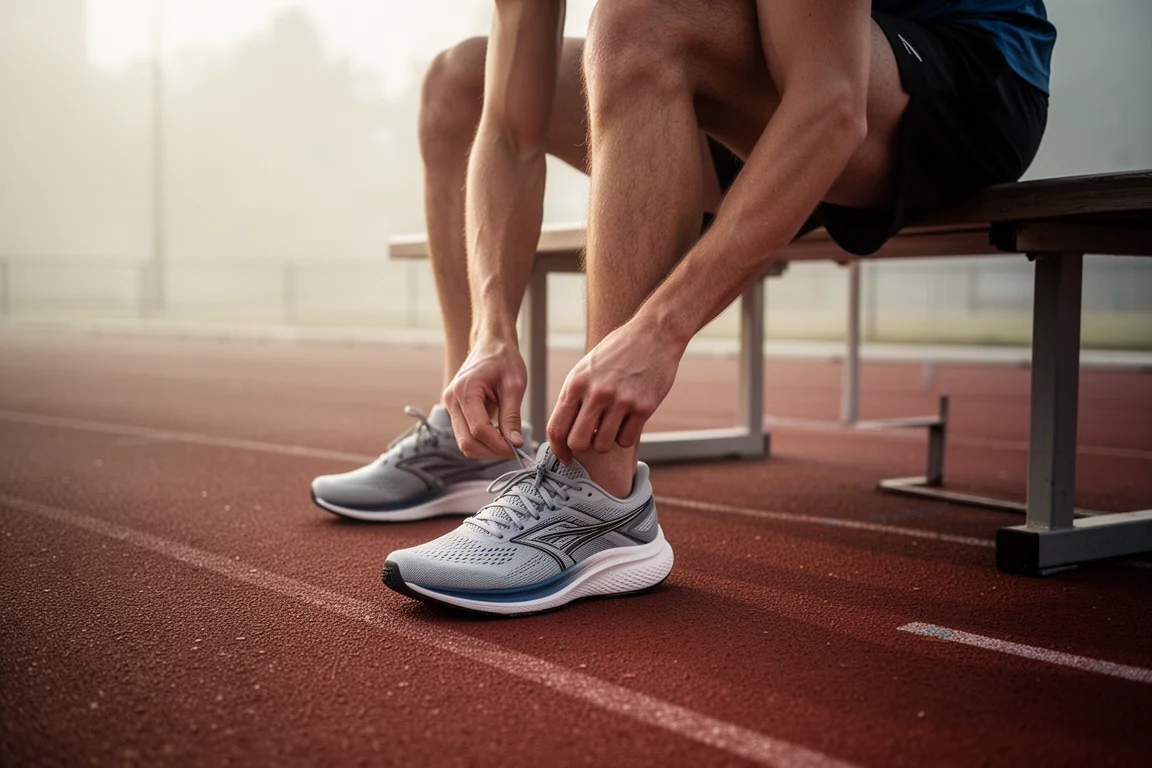
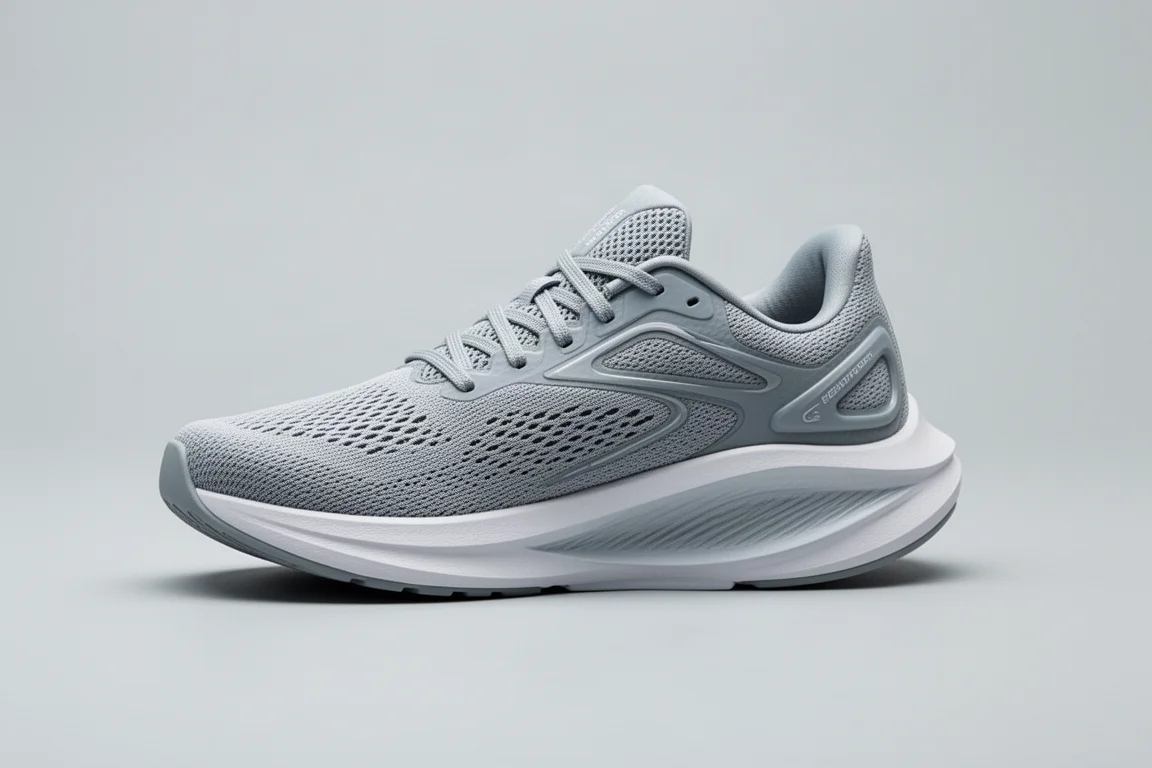
Two Asics options round out the brand’s case here. The Noosa Tri is a triathlon-focused shoe that is easy to slip on without socks, very rockered, and around eight ounces. The Evoride 2 is essentially the non-triathlon version of the same idea. Both share a significant rocker, responsive foam, and a lighter build.
Neither is plated, but both are stiff where it counts, and their wider platforms plus that aggressive toe spring make them inherently stable. The rocker is so efficient at rolling you forward that the geometry itself does the stabilizing. Runners who do not respond well to posting but simply want an inherently more balanced shoe have reported doing very well with both options, whether for workouts or longer efforts.
361 Flame
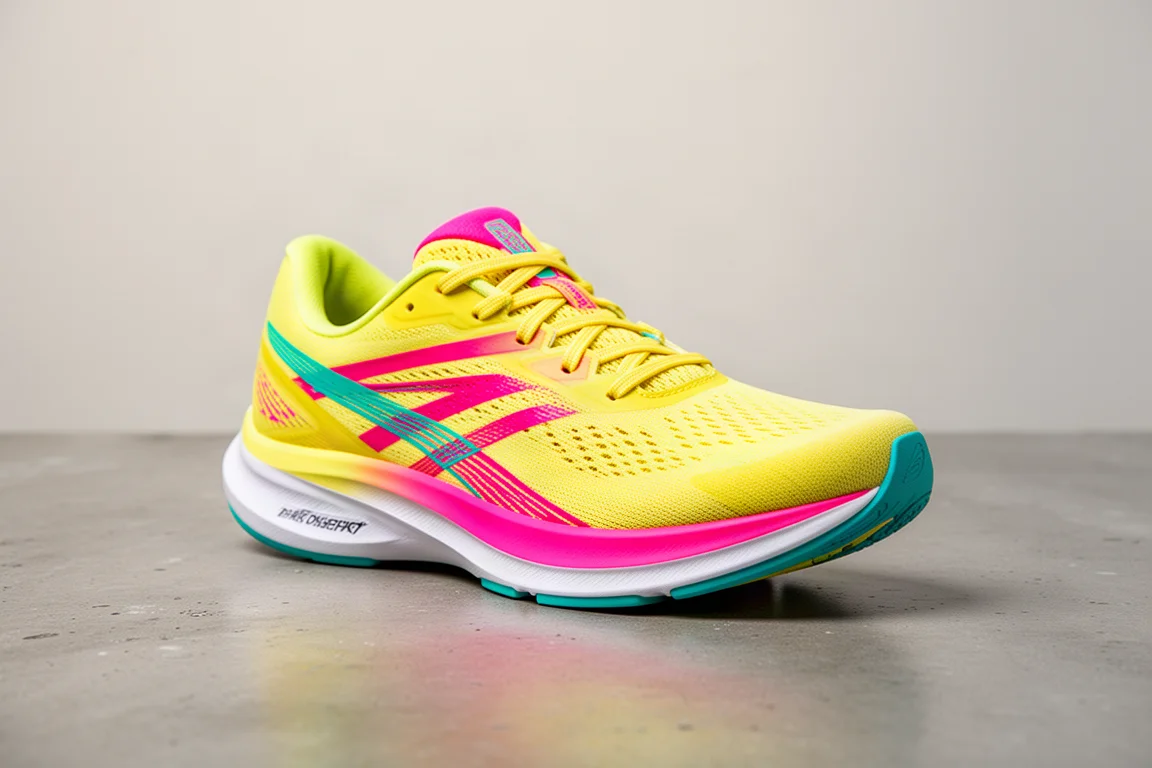
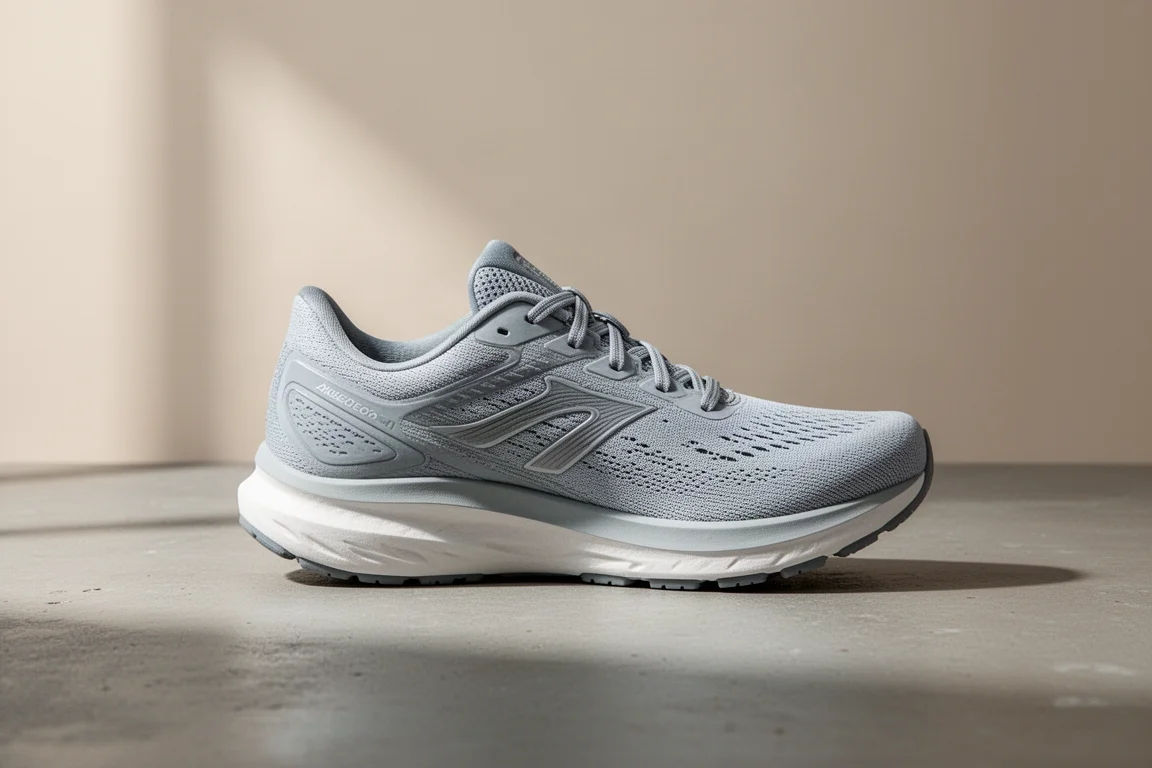
The 361 Flame is the one carbon-plated option here that many people overlook. It arrived firmer than its super foam billing suggested, but it breaks in with use and gains a bit of bounce over time. The plate sits very close to the foot, which, combined with the stiffness, makes the shoe surprisingly stable.
Stiffness is the defining trait: there is essentially no torsional flex, and you have to put real force into the shoe to get a ride out of it. That same stiffness makes it a candidate for 5K and 10K racing. The forefoot fits on the wider side, giving plenty of toe room, though some runners consider going a half size down. At $160, it is a relatively affordable plate option for those who want something stable and fast. It is modeled on the Saucony Endorphin Speed but rides faster because it is so much stiffer.
Saucony Fastwitch
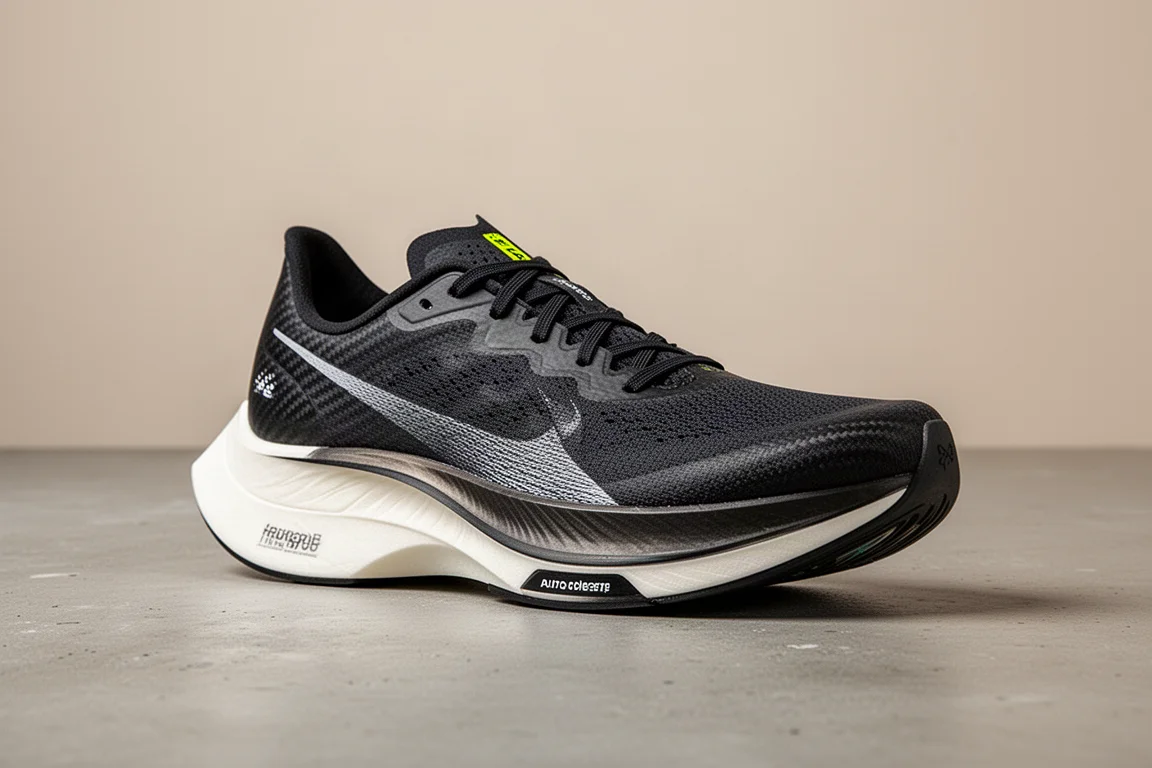
The Saucony Fastwitch is the closest thing left to a true stability racing flat, and it is worth mentioning precisely because so few people know about it. It is minimal by modern standards, which limits it to 5K and track duty for most runners who have grown accustomed to high-cushion shoes.
But as a short-distance flat, it is genuinely good: light, quick, and inherently more stable than most current racing shoes. If your fast days happen on the track or over 5K, it is a great pick, and one worth trying before the traditional stability racing flat disappears entirely.

Conclusion
Every shoe here lets you run fast or finish a race with more confidence than a tall, soft super shoe. The Brooks Hyperion Elite 2 and Hoka Carbon X3 bring plate-driven stability for long distances, the Mizuno Wave Rebellion and 361 Flame add plate support at lighter price points, the Asics DS Trainer 26 offers mild traditional posting, the Noosa Tri and Evoride 2 lean on rocker geometry, and the Saucony Fastwitch covers short-distance purists.
What works for you may not work for your training partner. Prioritize consistency, fit your mechanics, and pick the shoe that gets you to the finish line healthy.
Further reading
Related Reviews

Running Shoes
Best Road-to-Trail Running Shoes: Three Versatile Options for Mixed Terrain
A practical guide to three road-to-trail running shoes that handle both pavement and mild trails, with clear strengths and trade-offs for different runner types.

Running Shoes
Best Running Shoes for Achilles Tendonitis: Three Options Explained
Three running shoes with different heel drops and support features designed to help reduce Achilles tendon pain during walking and running.

Running Shoes
Best Running Shoes for Women: Five Top Choices Ranked
A ranked guide to five women's running shoes, from versatile daily trainers to high-performance racing options, with real strengths and trade-offs for each.