Running Shoes
Stability Running Shoes Compared: Saucony Guide 16 and Three Strong Alternatives
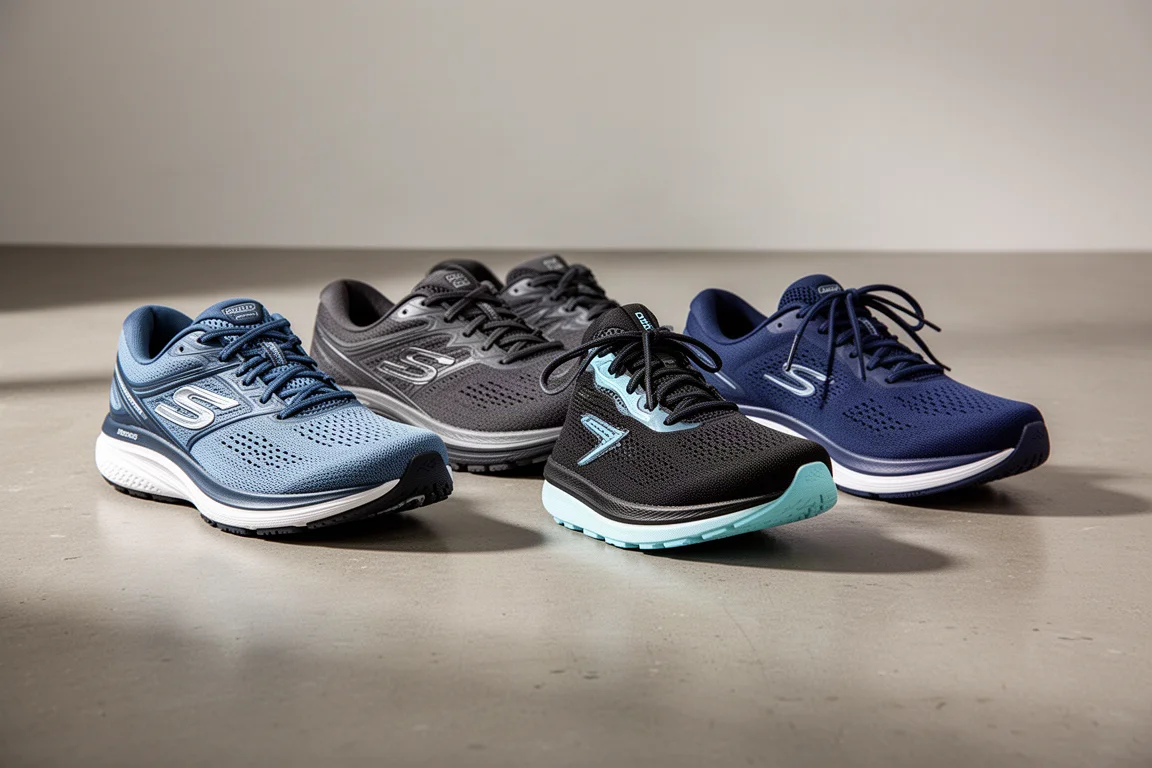
The Saucony Guide 16 is a solid workhorse trainer with subtle stability, but the Saucony Tempus, Asics Gel-Kayano 28 and New Balance 860 v12 each bring something different to the table.
Introduction
Stability running shoes have changed a lot in the last year or so. The old stereotype of a bulky, clunky support shoe that you could always feel underfoot is slowly giving way to options that behave more like everyday cushioned trainers, just with a little extra guidance built in.
The Saucony Guide 16 sits right in the middle of that shift. It is a legacy daily stability shoe with a subtle, understated level of support, and after around 70 kilometres of testing in runs between 10K and 20K, it proved itself a reliable, comfortable workhorse. But it is also a shoe that does one thing well and not much else, and there are now alternatives that offer a similar level of stability with more versatility. Below, we look at the Guide 16 alongside three of those alternatives.
How We Evaluated These Shoes
The testing in this comparison focused on the things that matter most in a daily stability trainer: how noticeable the stability elements are, how comfortable the shoe feels over easy and steady miles, whether it can handle faster running, and how the upper and outsole hold up in real conditions including wet weather.

Stability shoes live or die on that balance. Some runners need serious, unmistakable support and protection. Others just want a touch of stability in a shoe that otherwise feels like a normal cushioned daily trainer. The four shoes below cover that spectrum, so it is worth knowing which end you fall on before you buy.
Saucony Guide 16: The Subtle Workhorse
The Saucony Guide 16 costs £130 or £140 depending on the version, weighs 275 grams (9.7 ounces) for men in a size 8, and has an 8mm drop. The bulk of the updates in this version went into the upper, which is genuinely one of the best things about the shoe: soft and plush without being too thick, true to size, comfortable around the midfoot and forefoot, and noticeably breathable even as the weather got warmer. A wide version is also available.
The ride is where the Guide 16 shows its personality. The PWRRUN midsole is well balanced for a stability shoe, offering a good level of support without feeling thick or rigid, and it works alongside a subtle HOLLOW-TECH support frame to guide the foot into a reliable transition. A PWRRUN PLUS sockliner adds an extra layer of cushioning and makes this version feel slightly softer and more comfortable than older Guides. The XT-900 rubber outsole grips impressively well on varied road surfaces and in wet weather, covering most of the shoe and protecting the midsole foam.
Where the Guide 16 falls short is versatility. It is a solid workhorse for steady miles at around 4:45 to 5:00 per kilometre pace, ticking off the kilometres comfortably and with that reassuring bit of support. But it feels sluggish when you try to run faster, with no real heel-to-toe transition, bounce, or responsiveness, and it is not especially plush for easy or recovery runs either. It sits in the middle of everything as a balanced, no-frills option. If you are a longtime fan of the Guide range and want that familiar workhorse feel, you will not be disappointed, but there are newer stability shoes that do more.
Saucony Tempus: The More Versatile Support Shoe
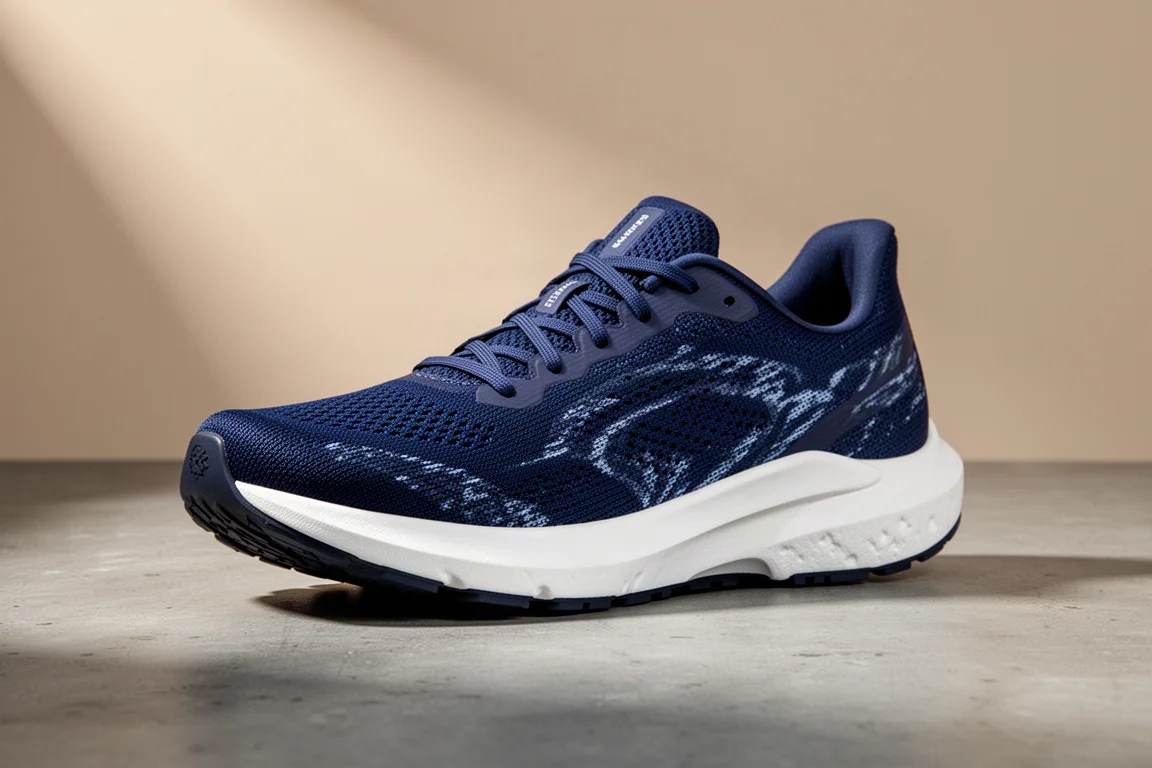
The Saucony Tempus, released the year before the Guide 16, is the standout alternative here. It delivers a level of stability very similar to the Guide 16, but it simply has more about it. The ride feels more versatile, more comfortable across a wider range of paces, and it has a nicer rolling motion through the stride.
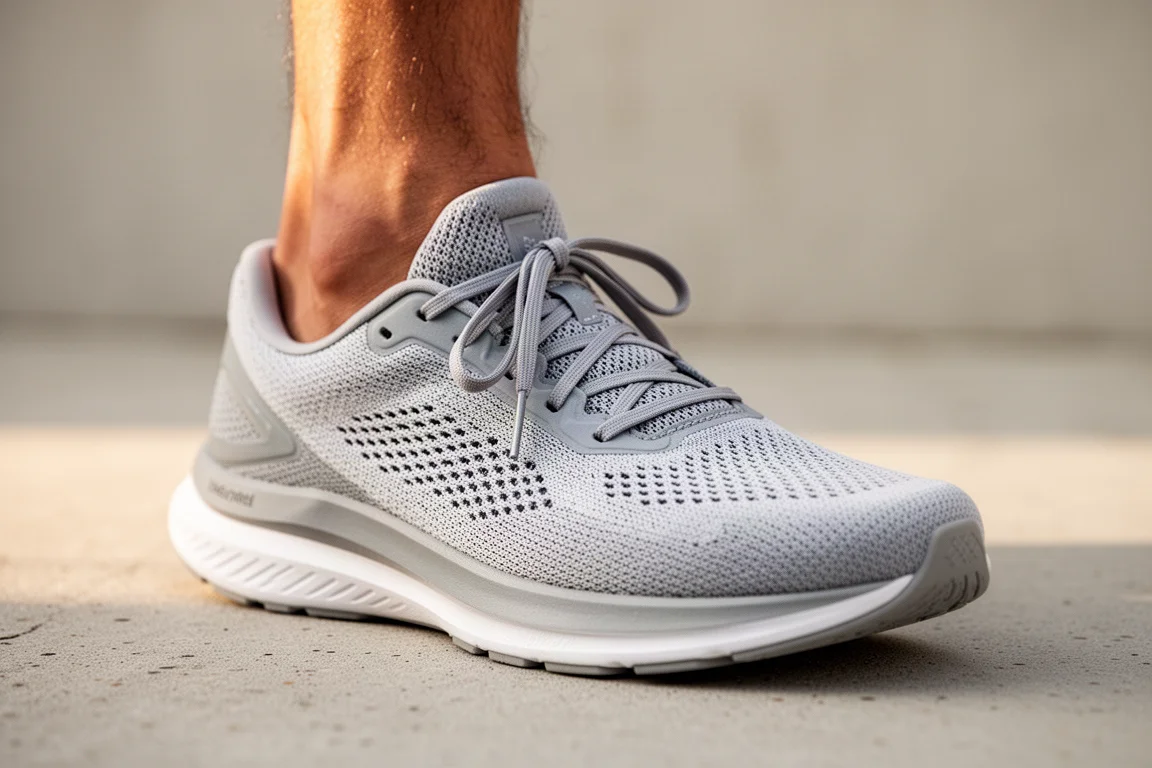
For anyone who wants just a touch of stability but still wants a shoe that can feel like a genuinely good daily cushioned trainer, the Tempus is a compelling pick. Even testers who do not need to run in stability shoes found themselves enjoying it, which is not something that could honestly be said about the Guide 16.
Asics Gel-Kayano 28: Maximum Support and Protection
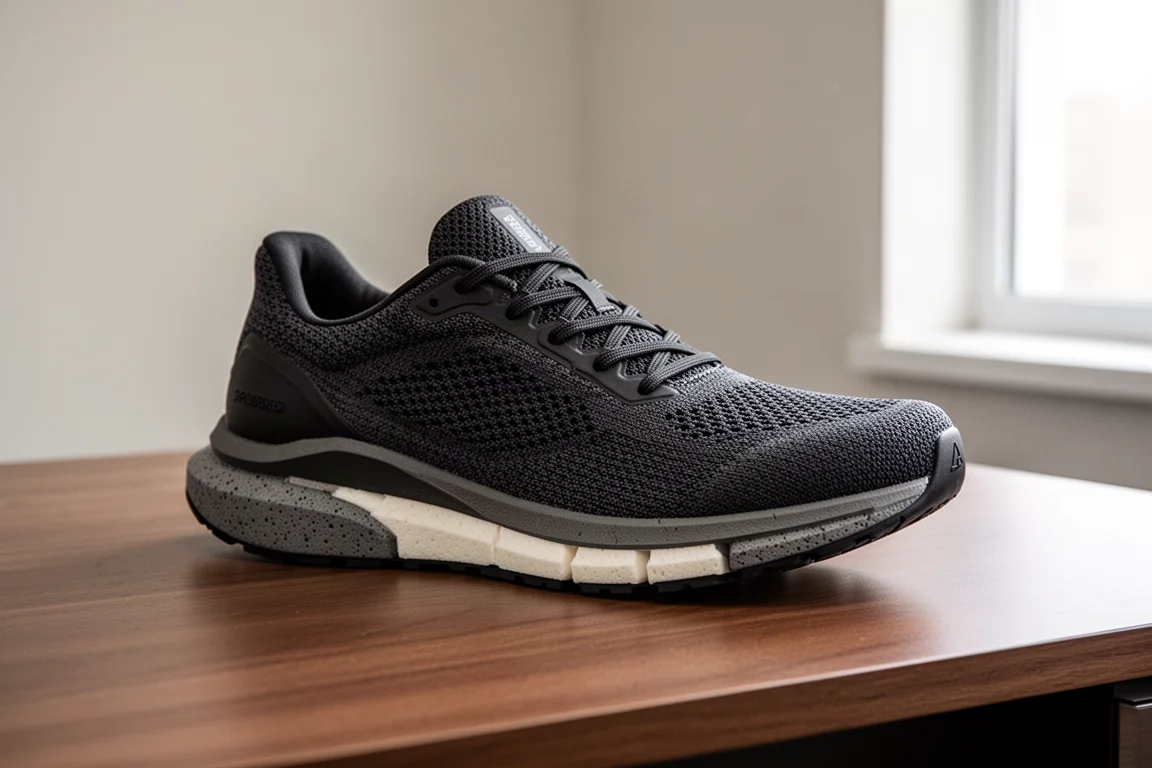
At the other end of the spectrum sits the Asics Gel-Kayano 28. Where the Guide line has always leaned subtle, the Gel-Kayano range is a full-on stability shoe. You really feel the stability in it, and it is the kind of shoe that can feel a bit clunky compared with newer, more streamlined options.
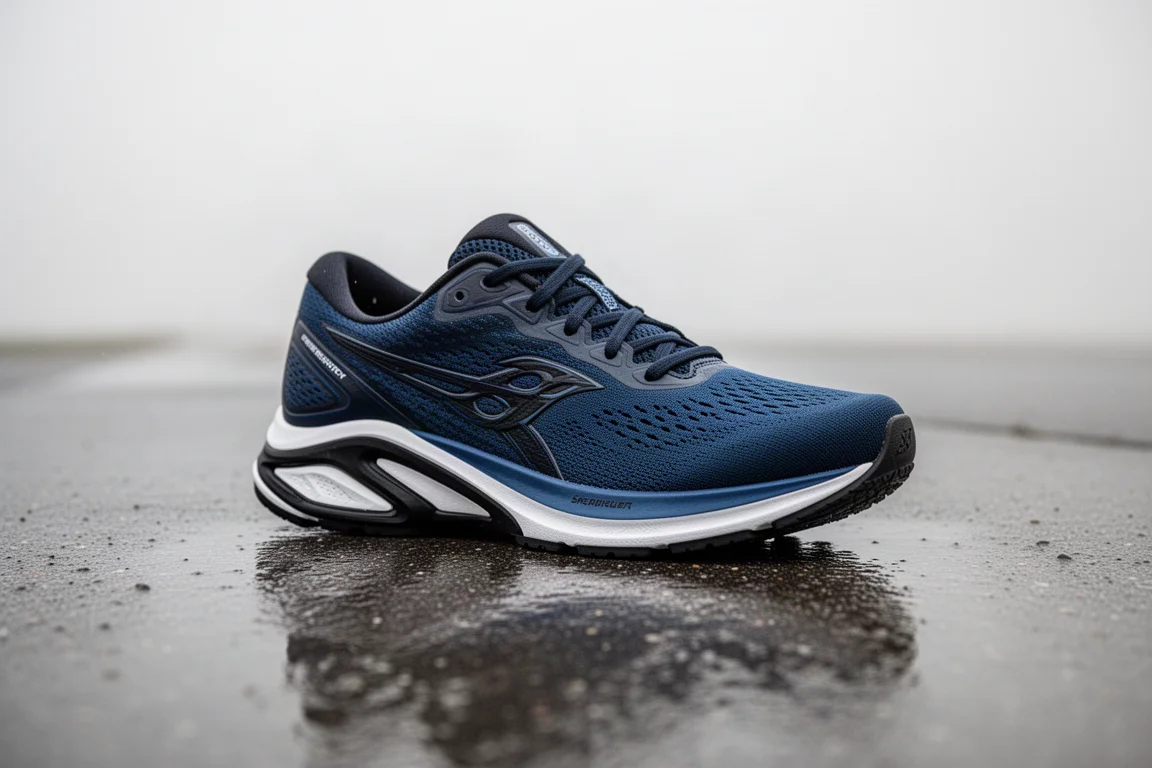
That said, if what you actually need is maximum support and protection because subtle stability is not enough for you, the Gel-Kayano 28 is the kind of harder-hitting option worth reaching for instead. It is the shoe to choose when you want to know the support is unmistakably there.
New Balance 860 v12: Subtle Stability With More Versatility
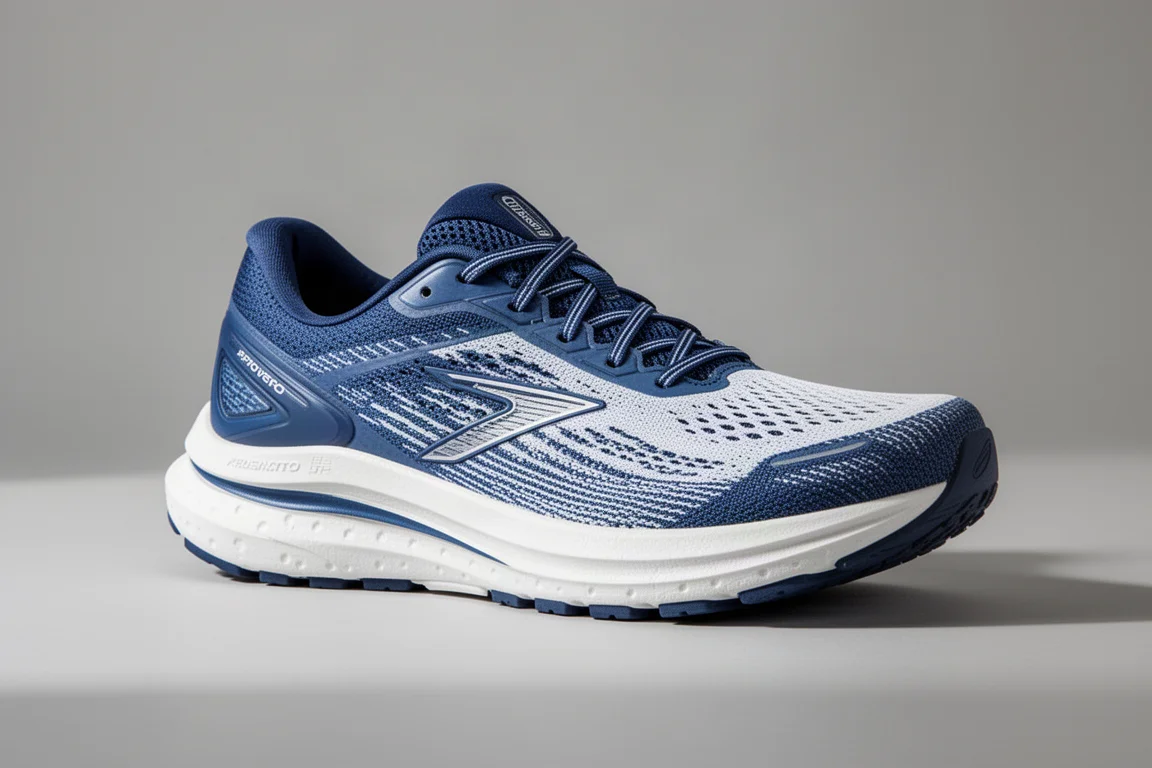
The New Balance 860 v12 is another shoe with a subtle level of stability, and like the Tempus, it brings more versatility to the table than the Guide 16. It has a bit more character in the ride and has earned genuine enthusiasm from runners who do not strictly need a stability shoe but simply like running in it.

If you like the idea of the Guide 16 but want a shoe that feels a little livelier and can stretch beyond plain steady miles, the 860 v12 is a sensible alternative to consider.
Which Stability Shoe Should You Buy?
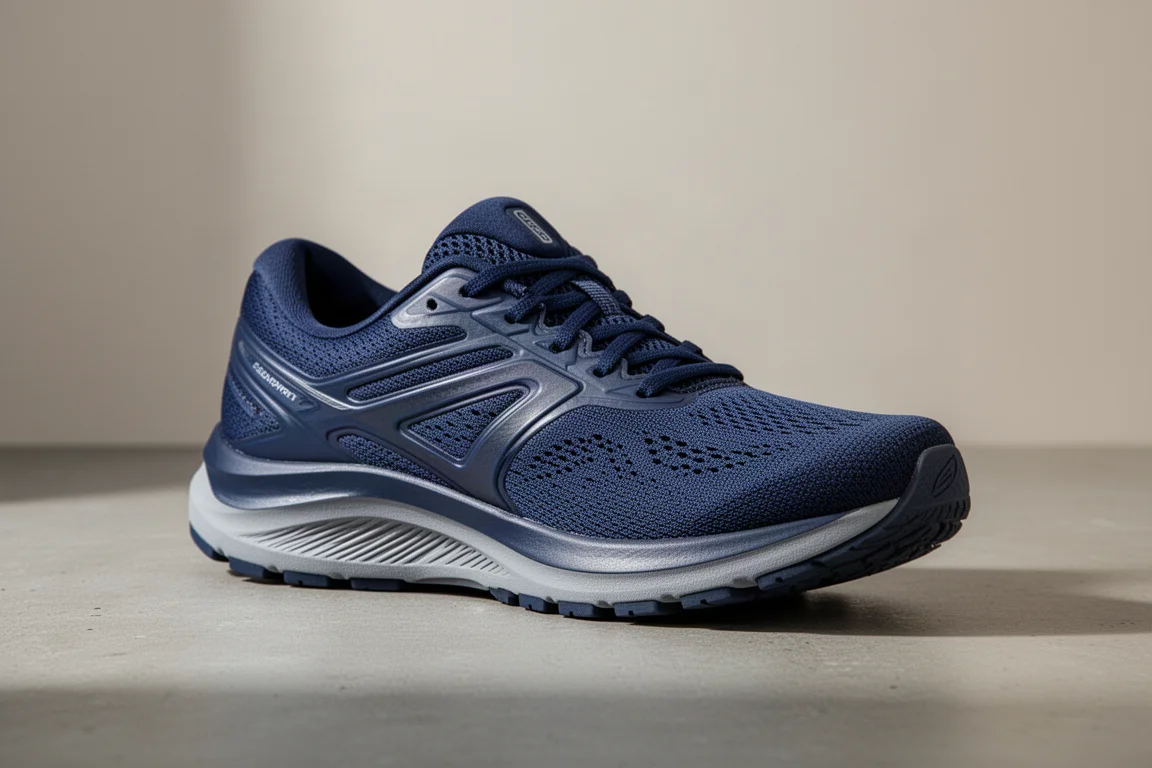
The right choice depends on how much support you actually need and what your running looks like. If you are logging lots of steady, comfortable miles and want a shoe with a bit of built-in support, the Guide 16 does the job with no fuss. If you want that same subtle stability but in a shoe that is more versatile and more enjoyable across paces, the Saucony Tempus or New Balance 860 v12 are both stronger picks. And if you genuinely need full-on stability and protection, the Asics Gel-Kayano 28 is the more appropriate option.
Conclusion
The Saucony Guide 16 is fine. It is a solid, reliable workhorse trainer with a comfortable upper, good grip, and a subtle layer of stability, and longtime Guide fans will get exactly what they expect. But in a market where stability shoes are becoming more versatile and more capable, it is hard to call it the most exciting choice. For a similar level of support with more range, look at the Tempus or 860 v12; for maximum support, look at the Gel-Kayano 28.
Further reading
Related Reviews

Running Shoes
Best Road-to-Trail Running Shoes: Three Versatile Options for Mixed Terrain
A practical guide to three road-to-trail running shoes that handle both pavement and mild trails, with clear strengths and trade-offs for different runner types.

Running Shoes
Best Running Shoes for Achilles Tendonitis: Three Options Explained
Three running shoes with different heel drops and support features designed to help reduce Achilles tendon pain during walking and running.

Running Shoes
Best Running Shoes for Women: Five Top Choices Ranked
A ranked guide to five women's running shoes, from versatile daily trainers to high-performance racing options, with real strengths and trade-offs for each.