Tools
Spyder Mach Blue Step Drill Bits: 19022 vs 19023 Tested in Real Metal
A head-to-head test against a budget black oxide step bit, plus which Spyder size range actually fits your projects.
Introduction
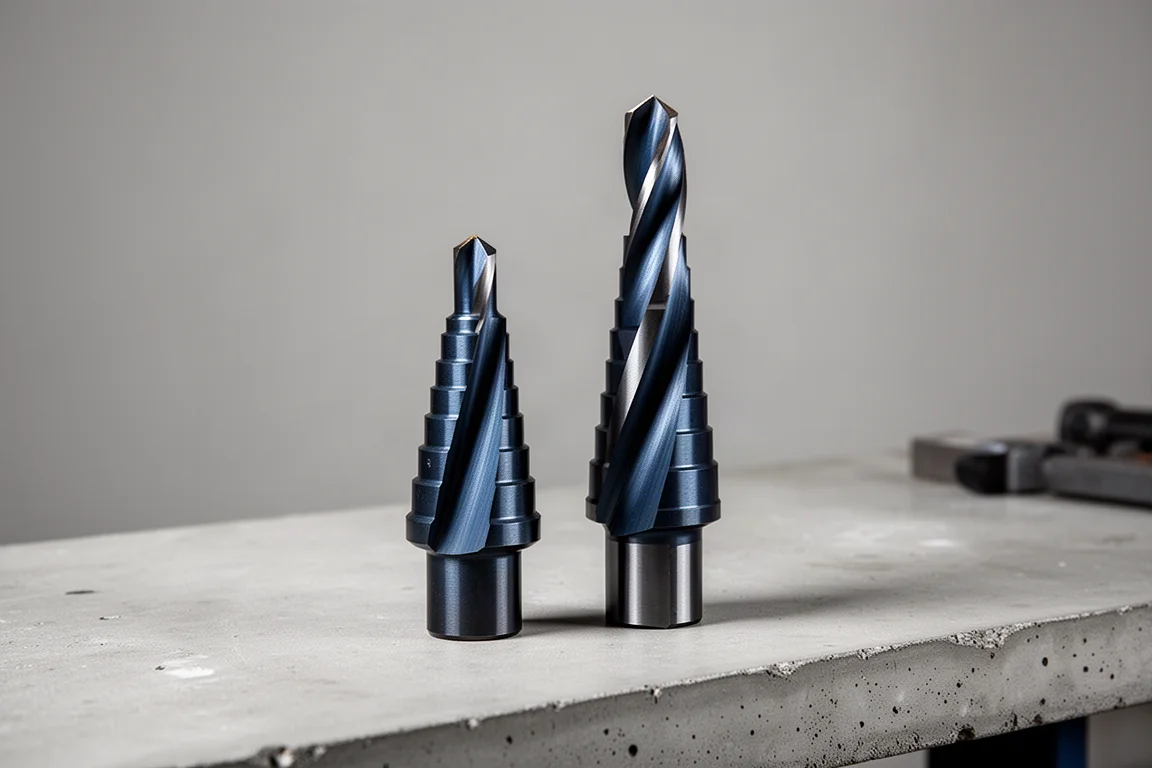
Spyder makes big claims about the speed and lifespan of its Mach Blue step drill bits, and its flagship bits cost about $70 while a basic black oxide step bit runs around $19. Claims are easy to make, so the interesting question is what happens in real metal. This comparison puts the Spyder Mach Blue against a $19 black oxide step bit through three tests: drilling speed, hole placement, and heat buildup under a fast, real-world style workload. The result is a genuinely useful story, especially for DIYers and contractors who drill metal on a regular basis.
How the Test Was Set Up
The head-to-head used two step bits that overlap at half inch, a size most people drill all the time. Three questions drove the testing: is the Spyder worth roughly $50 more than a basic bit, does it start where you want it, and what happens when you stop babying it and let heat build up?
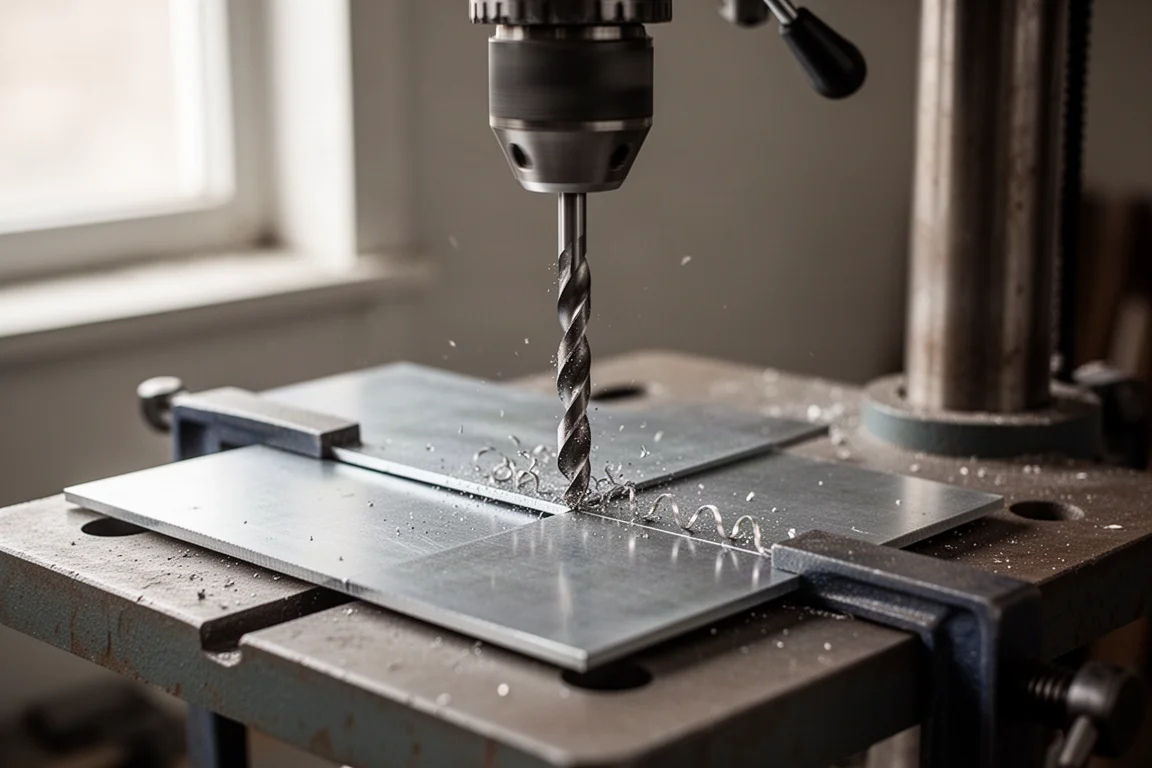
The drill press speed test drilled five half-inch holes with each bit. On the very first hole, the difference was already visible: the Spyder stayed around 79°F while the black oxide bit reached about 120°F while drilling a single half-inch hole.
Speed: 2.6x Faster on the Drill Press
On the stopwatch, the Spyder averaged 4.69 seconds per half-inch hole. The black oxide bit averaged 12.43 seconds. That works out to roughly 2.6 times faster for the Spyder, which lines up neatly with the temperature gap seen on the very first hole.
Hole Placement and the Walk Test
Speed means little if the hole lands in the wrong spot, so a walk test checked whether a punched witness mark keeps the bit from skating. The Spyder walked neither with a punched witness mark nor even without one. The black oxide bit walked without a punch, and it still walked even with one.
That matters more than people think for three reasons. Walking puts the hole in the wrong spot. It chews up coatings and finishes. And it forces you to push harder, and pushing harder generates heat.
Heat: Where the Cheap Bit Actually Lost
A drill press is controlled, almost too polite. Real work is rarely polite, so the rapid-fire test used an impact driver with 15 holes drilled back to back with each bit. On pure time, it was basically a tie: the black oxide finished in 2 minutes 1 second and the Spyder in 2 minutes 4 seconds.
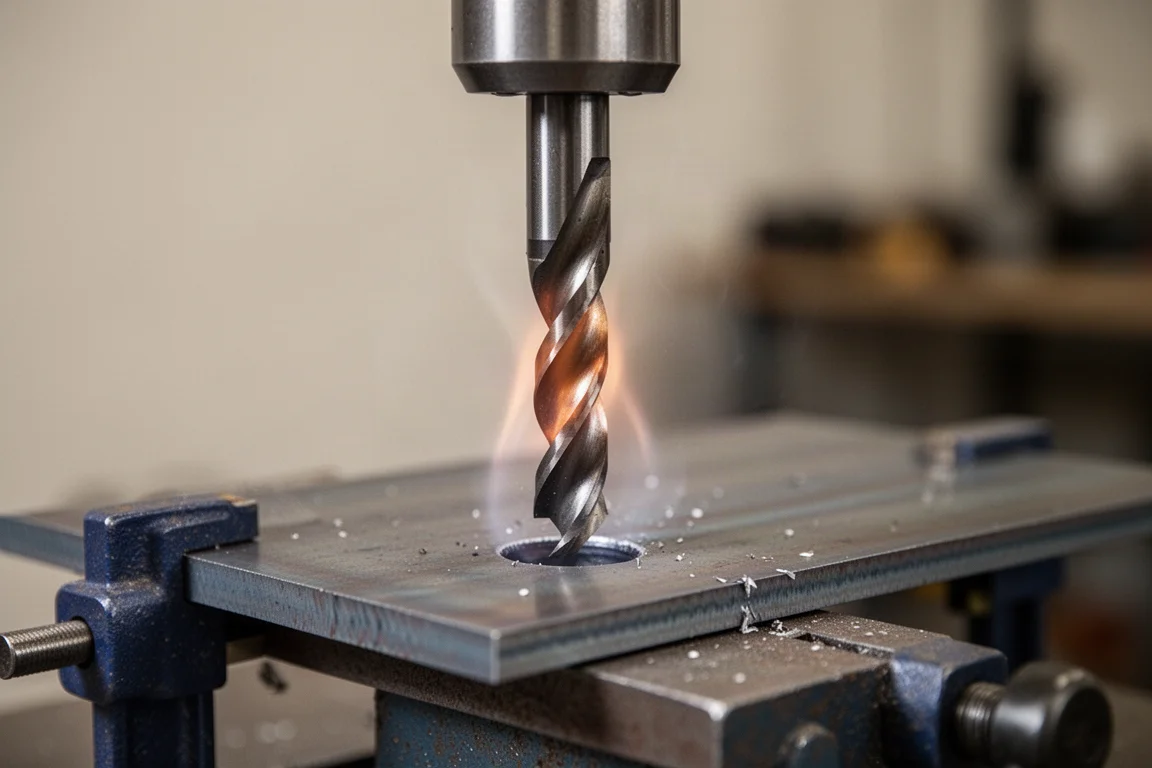
The heat told the real story. On the thermal camera, the black oxide bit hit 228°F while the Spyder hit 145°F, an 83-degree difference. The cheap bit did not lose because it could not spin fast enough. It lost because it got hot, and heat is what eats edges on drill bits.
19022 vs 19023: Which One Do You Need?
Spyder does not sell just one step bit, and picking between the two homeowner and construction-relevant sizes is the real decision. The 19022 tops out at 7/8 inch. The 19023 goes bigger, up to 1 and 1/8 inch, and it is also longer with more drilling depths.
Here is the detail that trips people up: many electrical hole sizes are trade sizes, not whole sizes. 7/8 inch is a very common hole size in electrical work, and 1 and 1/8 inch is another. If your projects are mostly smaller connectors and knockouts, the 19022 can be enough. If you ever need that bigger hole, that is 19023 territory.
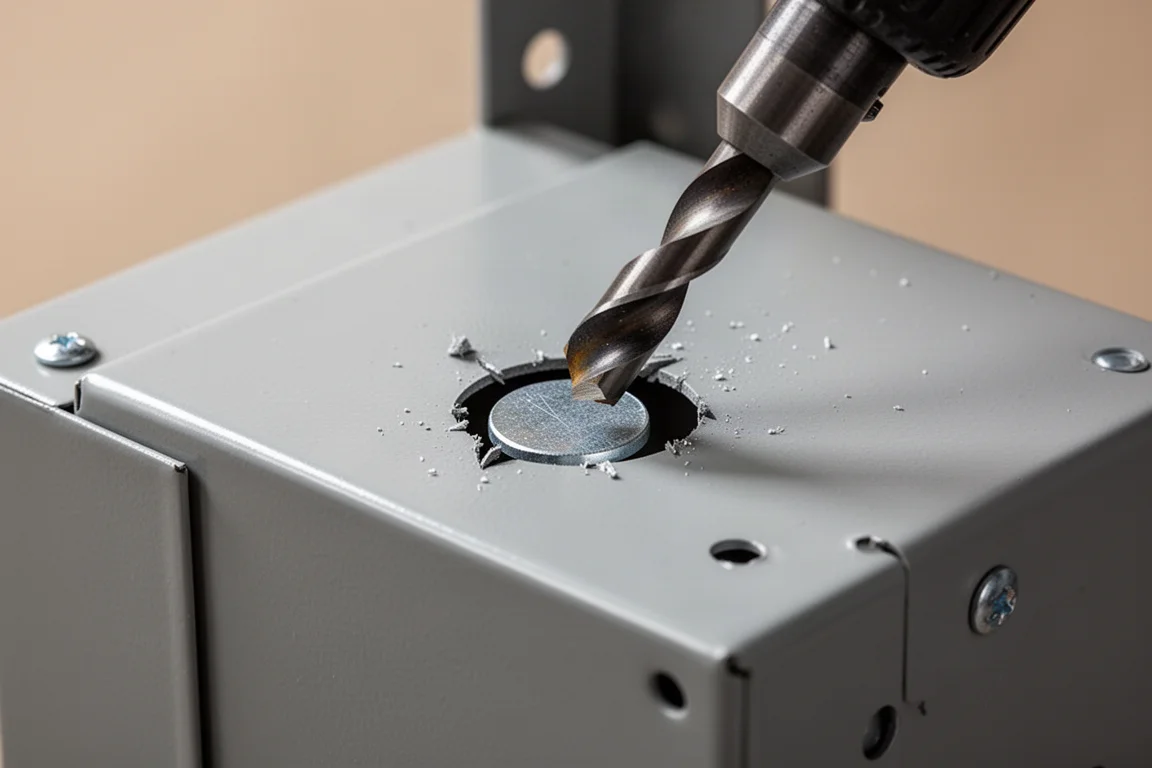
If you do a lot of electrical-style work or simply want to be covered without thinking about it, owning both is not a crazy move.
Stainless Steel and the Grab Test
Stainless steel is where step bits can get sketchy, so a grab test used 22 gauge stainless with Spyder Mach Blue Goo as cutting lube. This is the moment where many step bits either feel smooth or try to rip the drill out of your hand. Going slow, staying controlled, and watching temperatures, the test observed 69°F, and, more importantly, it felt controlled.
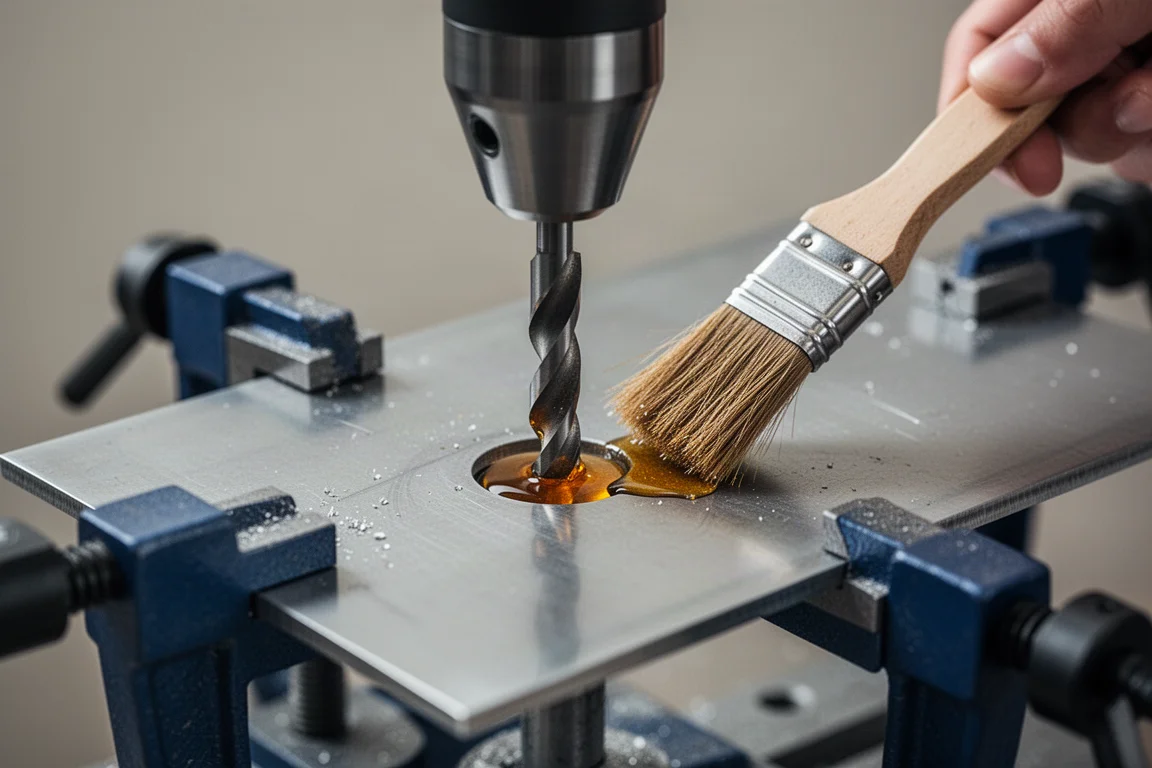
For DIYers who occasionally need stainless holes, the combination of clamping, going slow, and using lube is the difference between clean holes and learning a new swear word.
Verdict: Is the Spyder Worth $51 More?
Across the testing, the Spyder was faster, ran cooler, and started cleaner. If you drill metal once in a blue moon and do not care whether the hole is perfect, the $19 bit might feel fine. But if you care about speed, heat, and especially starting where you want without walking, the Spyder is doing something meaningfully different.
The simple buying advice: if your projects rarely need bigger than 7/8 inch, the 19022 is the move. If you ever need up to 1 and 1/8 inch, or want more drilling depth and flexibility, that is the 19023.
Conclusion
The Spyder Mach Blue step bits earn their premium where it counts: cleaner starts, dramatically less heat, and competitive speed even in a punishing rapid-fire test. Choose the 19022 for everyday electrical and knockout work up to 7/8 inch, step up to the 19023 when you need the full 1 and 1/8 inch range and extra drilling depth, and pair either with slow, lubricated technique for stainless.
Product link
View more details for Spyder Mach Blue 19022 Step Drill Bit
This product is mentioned in the review. Check the specifications, options, and compatibility before buying.
View more details for Spyder Mach Blue 19022 Step Drill BitFurther reading
Related Reviews

Tools
Best Contractor Grade Tape Measures 2026: Eight Models Tested Head to Head
We tested eight contractor grade tape measures from Milwaukee, DeWalt, Crescent Lufkin, Tajima, Stanley, Irwin, Gelan, and Craftsman to find the best value and performance.

Tools
Best Precision Screwdriver Sets 2026: Manual and Electric Options Compared
We compare 19 precision screwdriver sets, from budget manual kits to electric drivers, to find the strongest bits and best value.

Tools
Best Stud Finders 2026: Five Popular Models Put to the Test
We tested five popular stud finders on drywall, firewall, and lath and plaster surfaces to see which ones really find studs and avoid false readings.