Ski Gear
Spring Ski Deals Under $500: 14 Skis Worth Buying Before Sizes Sell Out
Fourteen skis at clearance pricing, spanning frontside carvers, park twins, and lightweight all-mountain shapes, with notes on who each one suits.
Introduction
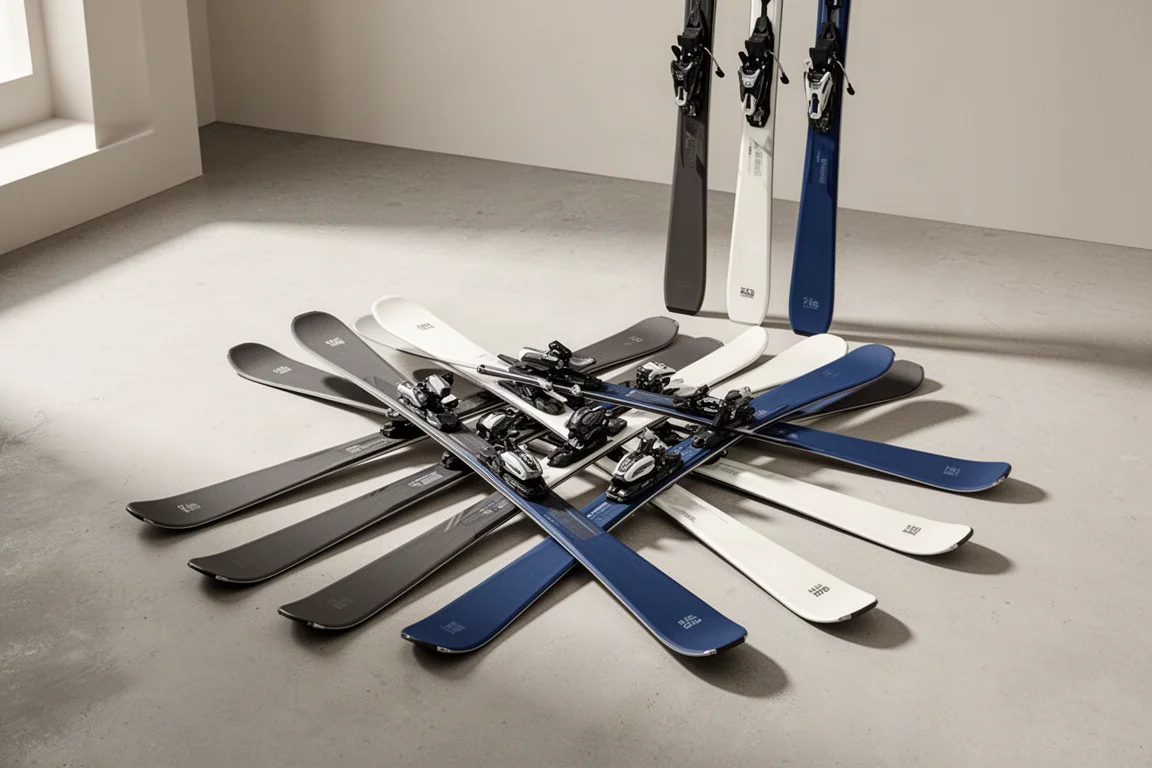
Spring is when the ski market gets interesting. Models that were selling at full retail in December start appearing at prices that make a second or third pair genuinely reasonable, and the gaps between categories get smaller. This list collects fourteen skis that all clear the same bar: under $500 for the flat ski, with enough sizes left that most skiers can find a fit.
Two picks include a system binding in the price, and those totals sit above $500, so they are worth reading closely before you assume they break the rule. Everything else is a flat ski price.
The mix is deliberately wide. There are frontside carvers, park twins, lightweight all-mountain shapes, and a few skis that will accept a hybrid touring binding. The common thread is value per dollar and a size run that is still worth shopping.
How These Picks Were Chosen
Three filters shaped the list. First, the flat ski had to come in under $500, excluding any binding you would need to add. Second, each model needed a reasonably full size run rather than a single leftover length, because a great price on the wrong size is not a great deal. Third, the selection had to cover different kinds of skiing, so a skier who mostly rides groomers and a skier who lives in the terrain park both find something here.
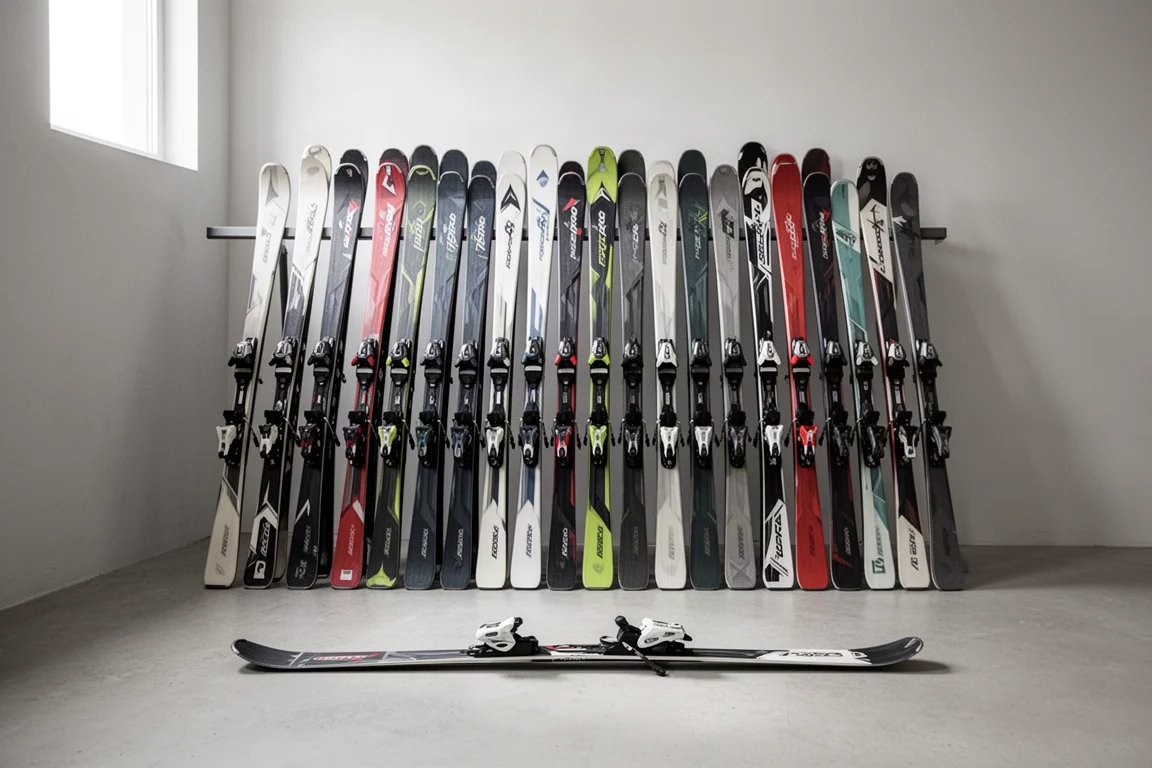
One thing to keep in mind with clearance pricing: these numbers tend to drift lower as the season progresses, but inventory moves in the same direction. Waiting can save a little more, though the lengths that go first are usually the most popular ones. If a size fits you well right now, that availability is part of the value.
Rossignol Forza 70
The Forza 70 is the most performance-focused ski on this list. It measures 77mm underfoot, which is wider than a dedicated frontside carver but narrow enough to feel quick edge to edge, and the flex is stiff enough that it wants to be driven rather than skidded. Skiers who have never owned a proper carving ski tend to find this category revelatory, and this is a good example of why.
At $649.97 with a system binding, down from $1,000 at full price, it is the priciest pick here. Subtract the roughly $200 the binding is worth and the flat ski lands near $449. The model returns for the 2026 season with only a topsheet graphic change, so nothing about the build is dated.
Rossignol Forza 60
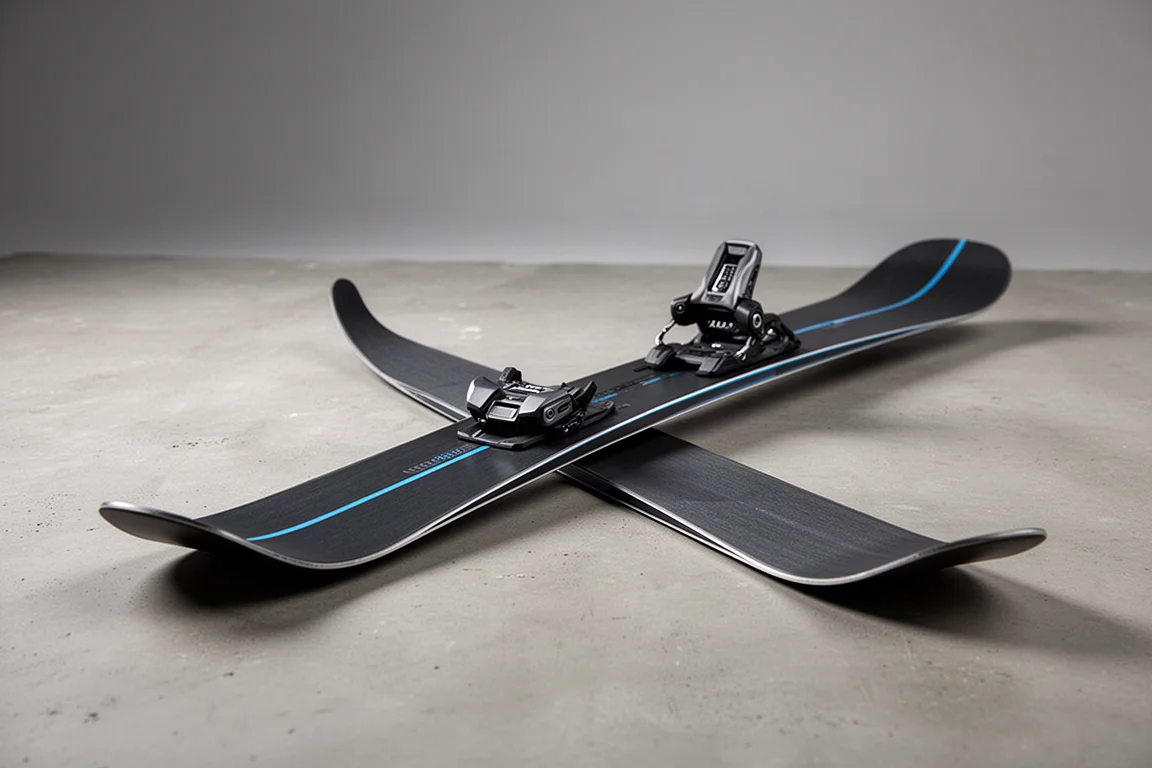
One step down in the line, the Forza 60 costs $584.99 with a system binding, down from $899.95. You are not getting less ski so much as a different one. The waist is slightly narrower, the turn radius is shorter at 13m in the 171cm length, and the tips and tails are rounder, which makes the ski noticeably easier to turn.
That accessibility is the point. Metal underfoot and a hard cap construction give it a solid, durable feel, and the system binding comes from the same family used on the 70. Progressing intermediates, advanced skiers, and experts who want a forgiving frontside ski will all get along with it, and it tolerates a wider range of styles than its stiffer sibling.
Dynastar M-Free 99
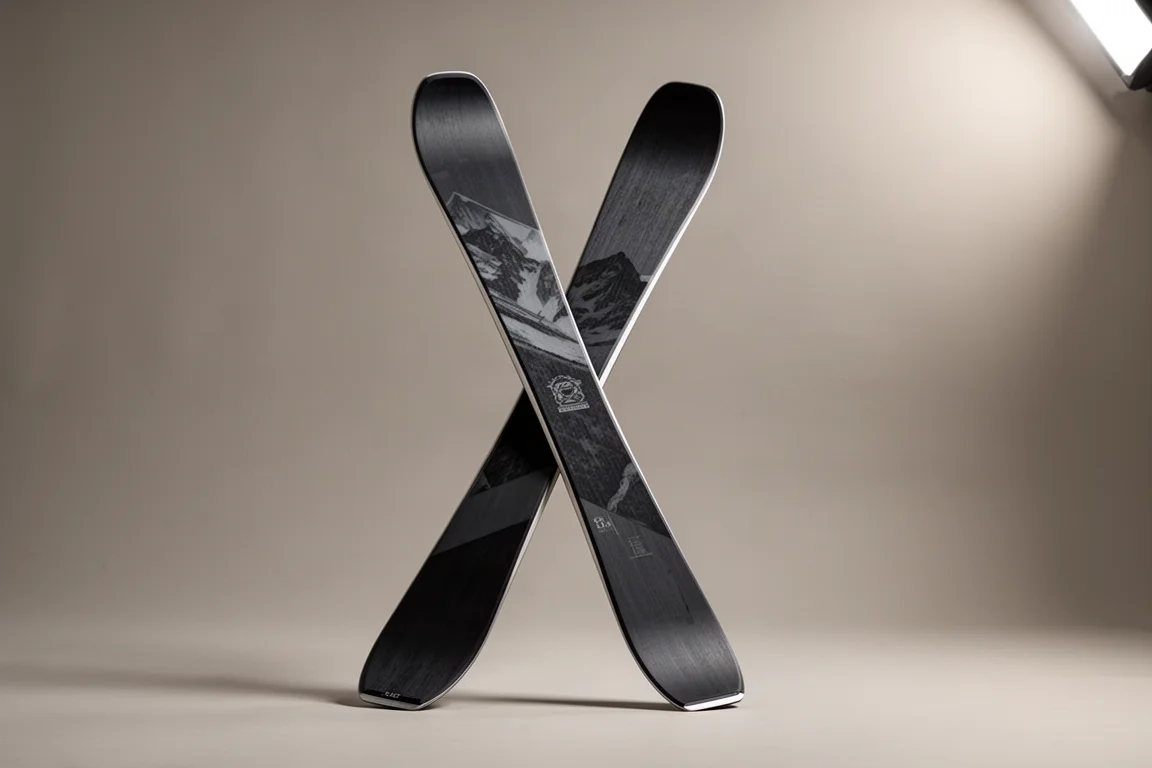
At $454.97, down from $699.95, the M-Free 99 is one of the strongest values in this group. The flex is supple and surfy rather than powerful, which makes it easy to pivot in tight terrain and forgiving when conditions get variable.
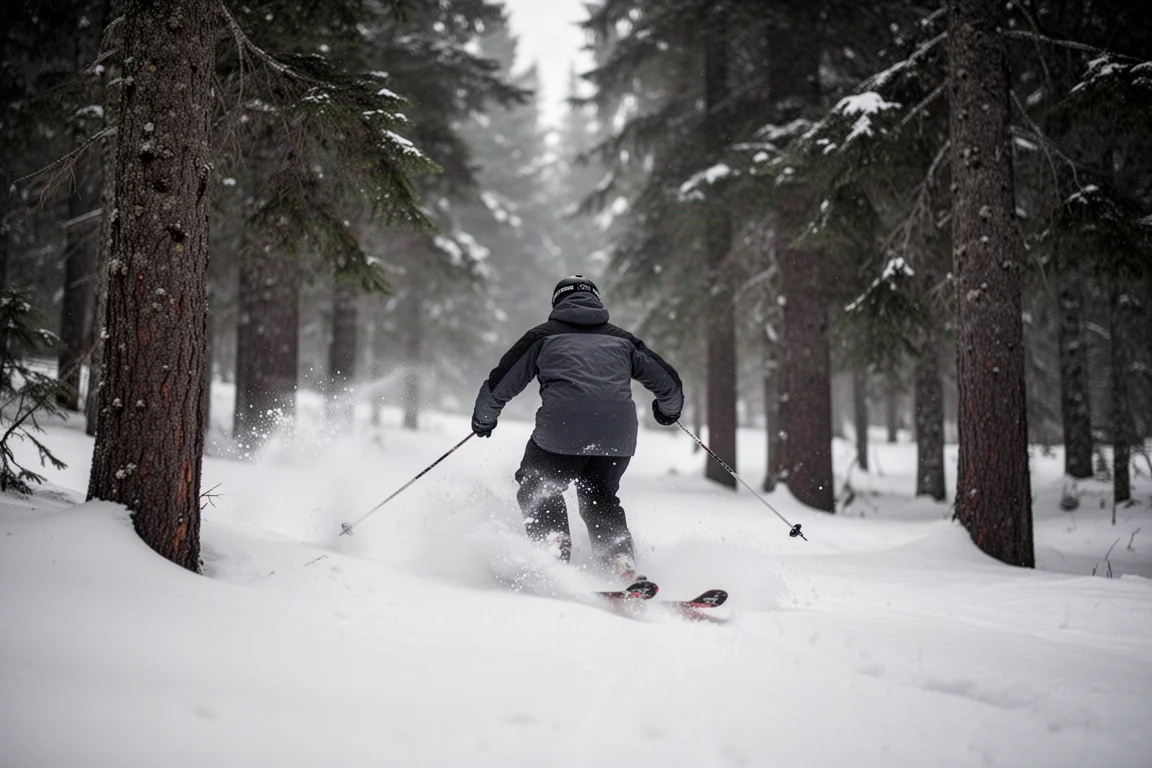
The build quality is high, and the ski has real range: mount it centered and it works in the park, mount it traditionally and it becomes a capable tree ski. Its stiffer, more powerful sibling gets more attention, but that does not diminish this one. If you want a playful roughly 100mm twin tip rather than a charging one, this is the better match. Add a binding and you can still stay under $700, which is what the ski alone costs at full price.
Volkl Revolt 86
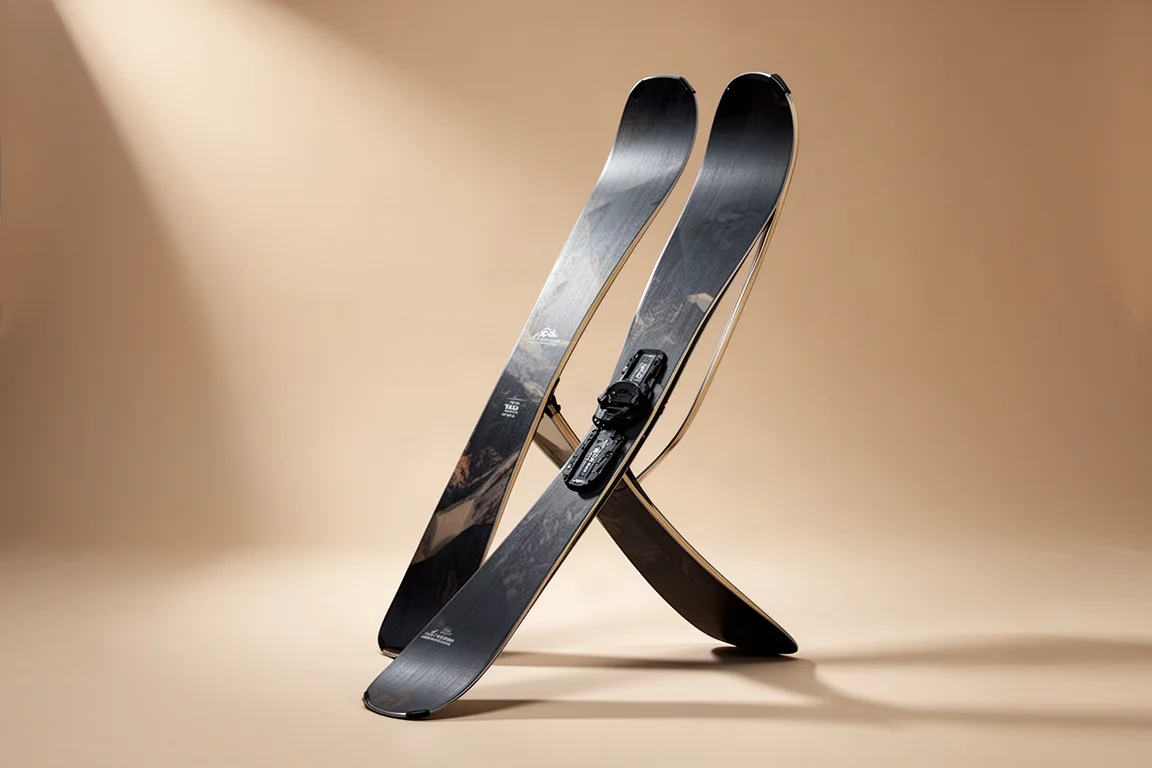
$314.99, down from $450, buys a ski that has been around long enough to prove itself. The Revolt 86 works as a rock ski, a park ski, a spring ski, or a bump ski, and the shape is consistent across a size run that reaches down to 144cm. That last part matters for families, since you can outfit a growing skier across several lengths without spending much.
The construction uses a full sidewall underfoot that tapers to a full cap in the tips and tails, which keeps swing weight down while preserving grip. Edge hold, rebound, and energy all feel like the brand’s bigger skis. The turn radius is long, roughly 23m at 180cm, so you shape turns with input rather than being locked into a single arc.
View more details for Volkl Revolt 86
Head Oblivion 94
$359, down from $599, for a full vertical sidewall sandwich construction twin tip is a lot of ski for the money. The Oblivion 94 is soft in flex but retains good torsional stiffness, which means you can still lay it over and carve even though it feels forgiving underfoot. The topsheet is durable, which matters if the ski spends time on rails.
Versatility is the real argument here. You can ski it in the park, or never take it near one and use it as an everyday all-mountain ski. It is one of those shapes that works for a wide range of skiers, and at this price adding a second pair as a backup is not unreasonable.
Volkl Blaze 94
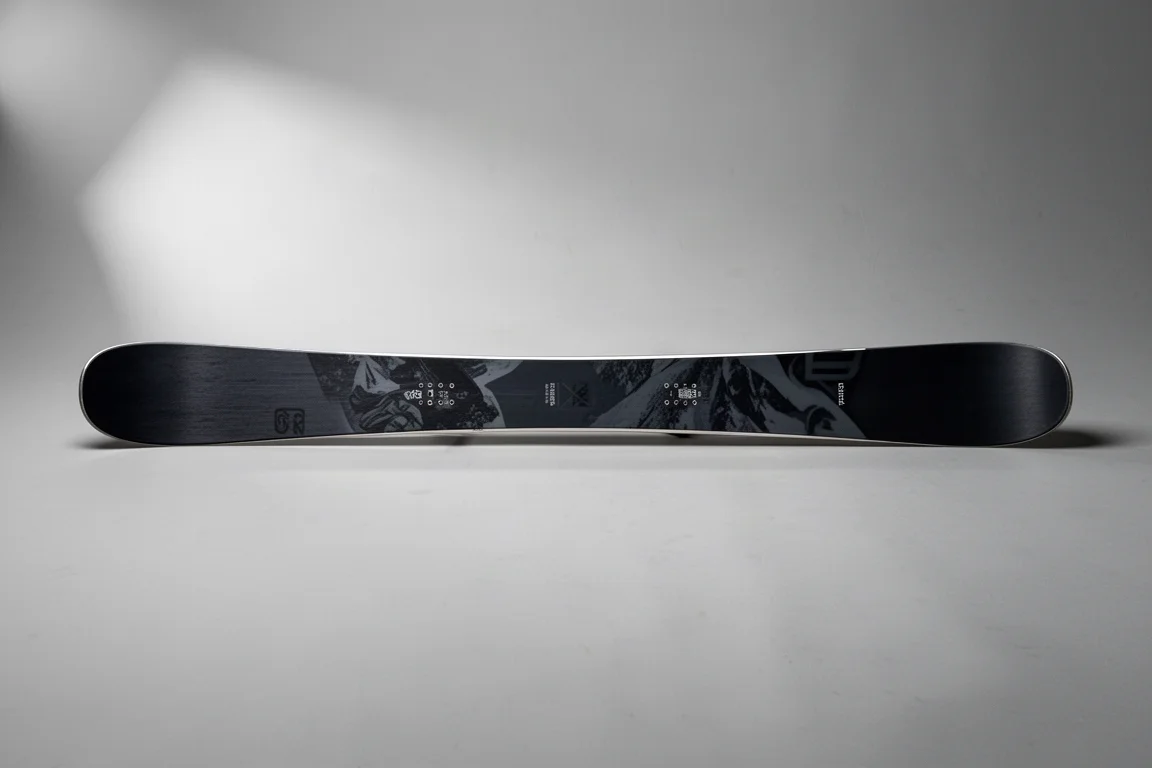
$489, down from $700, for a ski that was new this season and returns next year with only a graphic change. The Blaze 94 packs in Four Radius Drive, suspension tips and tails, a lightweight wood core, and metal underfoot. The result is a ski that works as a resort ski, a touring ski, or a hybrid of the two depending on which binding you mount.
The profile is noticeably flat compared with more curvaceous all-mountain skis, with long, low rocker in the tips and tails. That makes it easy to pivot and smear, and it lets you choose your own turn shape. It is energetic and rewarding in bumps, in trees, and on groomers alike, which is a rare combination at this price.
K2 Mindbender 96C
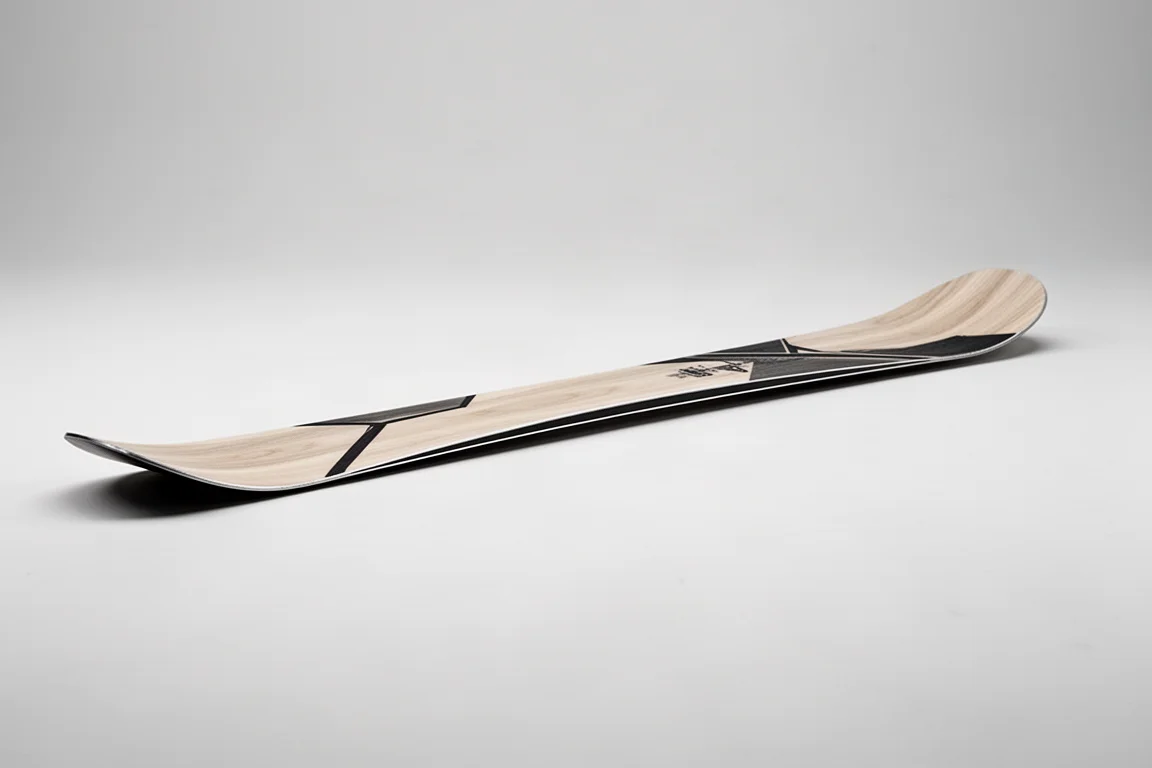
$363.97, down from $650, makes the Mindbender 96C one of the easiest recommendations here for anyone who is unsure what to buy. It measures 96mm underfoot and uses a carbon braid that is woven tighter in the shovel and looser in the tail, which keeps the ski predictable without making it dull.
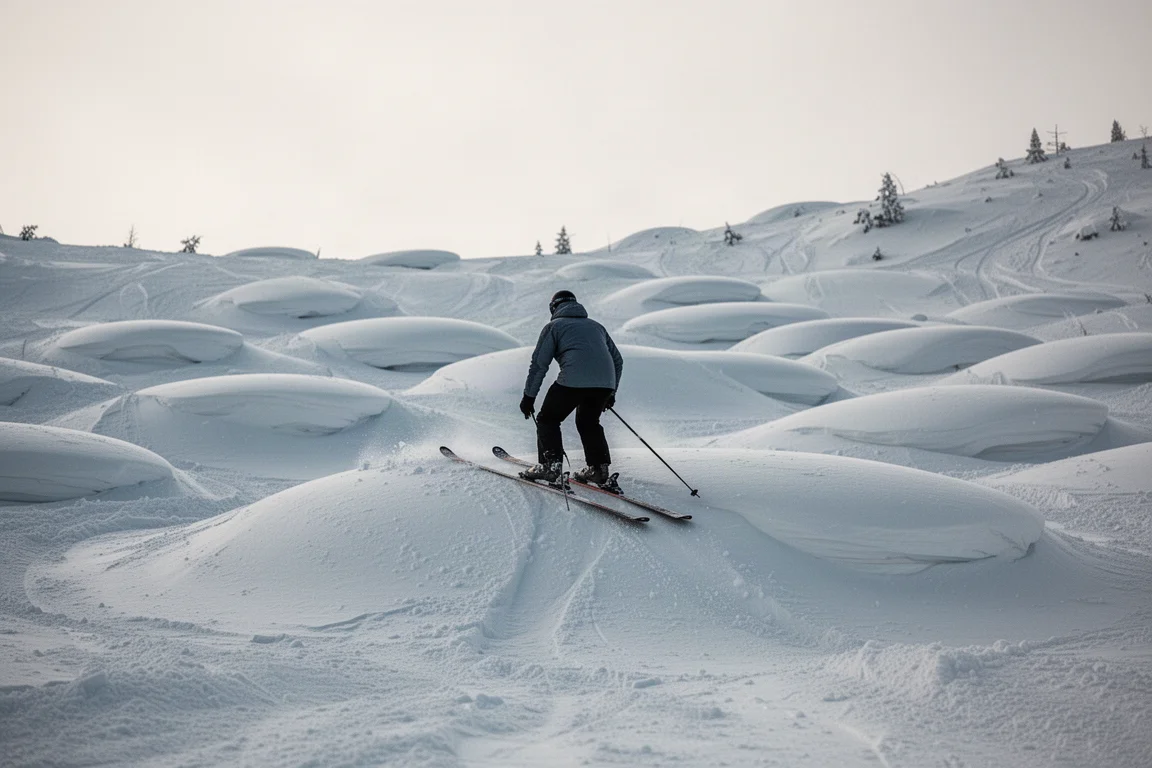
The shape is directional, so it favors skiers who want a stable platform for soft snow and off-piste terrain rather than a true twin tip. It is excellent in bumps and trees and easy to flick around, and it will accept a hybrid touring binding if you want to open that door. Skiers who chase soft snow will find a lot to like.
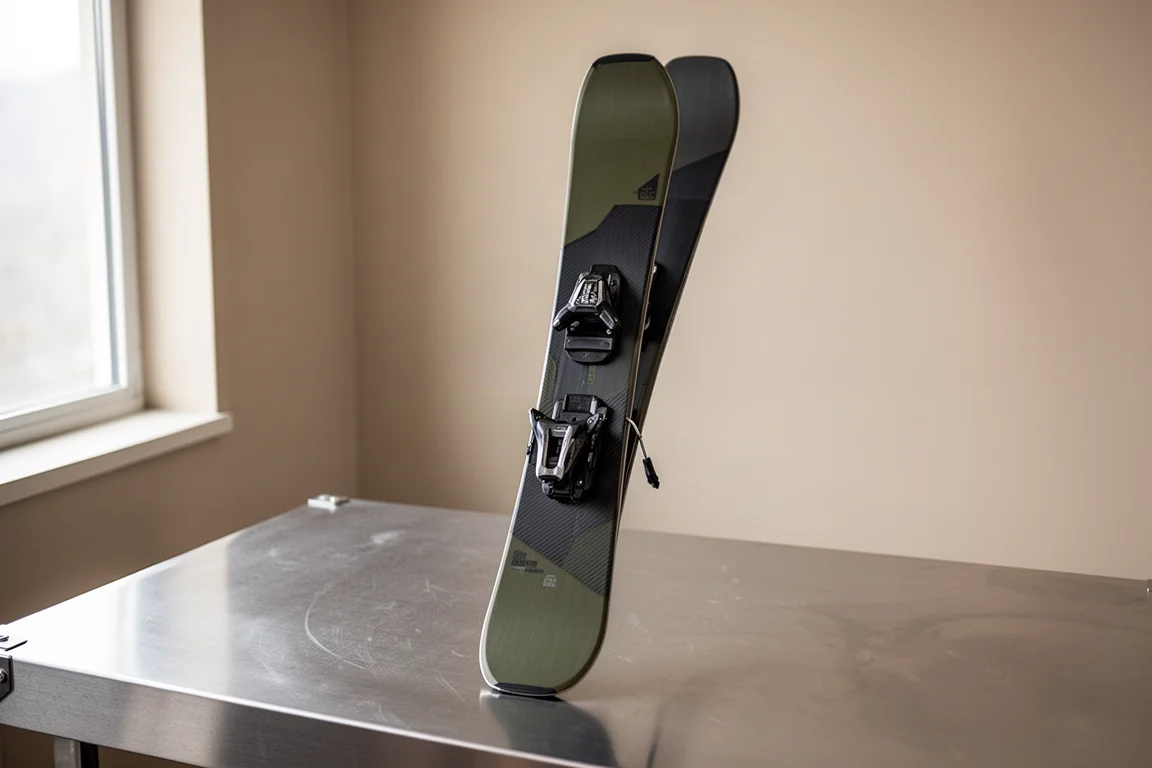
Armada Playmaker 91
$389.99, down from $599.99, for a lightweight and agile twin tip with a surfy feel. The Playmaker 91 skis short, so the 188cm length suits a taller or heavier skier, and the size run reaches down into the mid 150s. Carbon tubes run through the core to add rebound and energy without much weight.
The appeal is manipulation. It is easy to bend into different turn shapes, and it is one of the better choices here if your days include butters, manuals, and park laps alongside regular all-mountain skiing. A new graphic arrives for 2026, but the construction carries over unchanged.
Armada Wingman 82 Ti
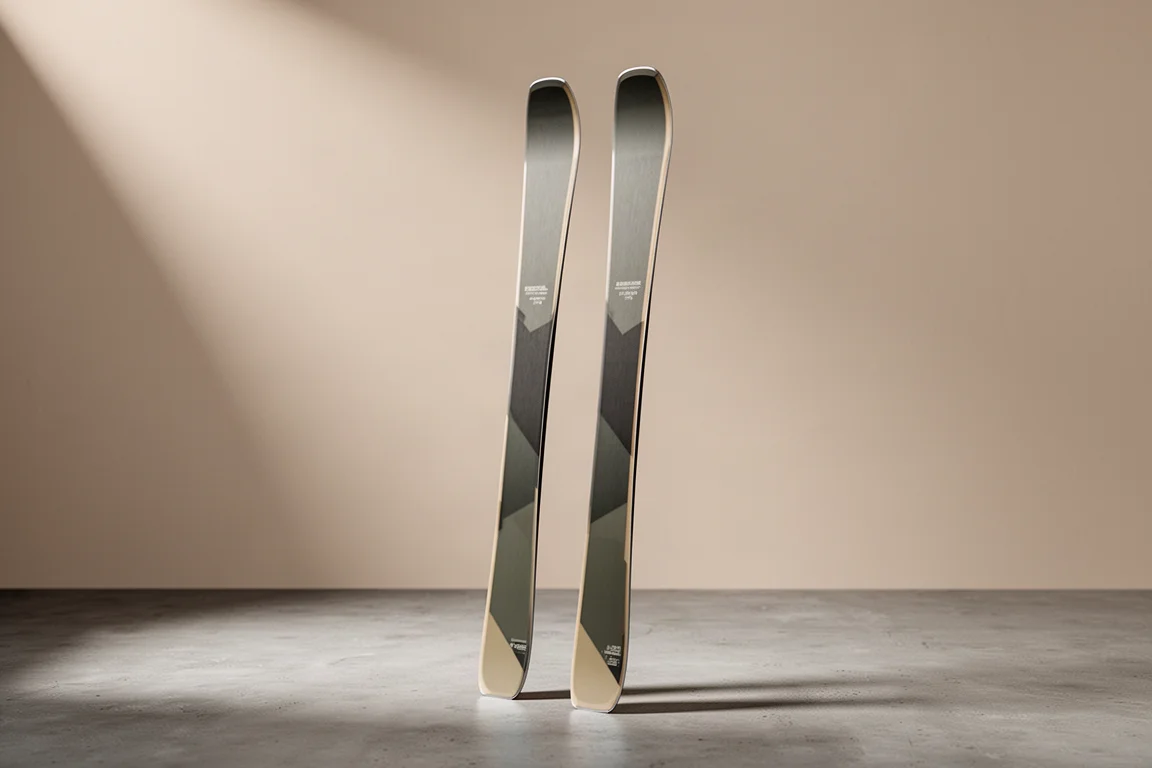
$325, down from $500, for a metal-laminate ski is an unusual price. The Wingman 82 Ti is built for the skier who spends the vast majority of their time on groomers and wants a smooth, intuitive ride. Vibration damping is good, the energy level is moderate rather than demanding, and the ski turns cleanly without asking much of the pilot.
Pair it with a binding and you are a little over $500 for a complete setup that will handle nearly everything a groomed resort run can offer. If you ski mostly on trail and do not want to overthink the purchase, this is one of the simplest answers on the list.
Line Optic 96
$489.97, down from $699.95, puts the Optic 96 in the same conversation as the metal-laminate all-mountain skis that usually sell for considerably more. The construction uses a full-length metal laminate with branches along the sides that increase torsional stiffness through the middle of the ski, layered over a lighter wood core. The result is strong edge grip with clean, round medium-radius turns.
There is a twin tip shape here too, so the ski can be pushed toward park use if that is part of your day. It stays playful in trees and does not feel heavy. Structurally it carries over unchanged for next season with a new graphic, so this is not a ski that becomes outdated the moment you buy it.
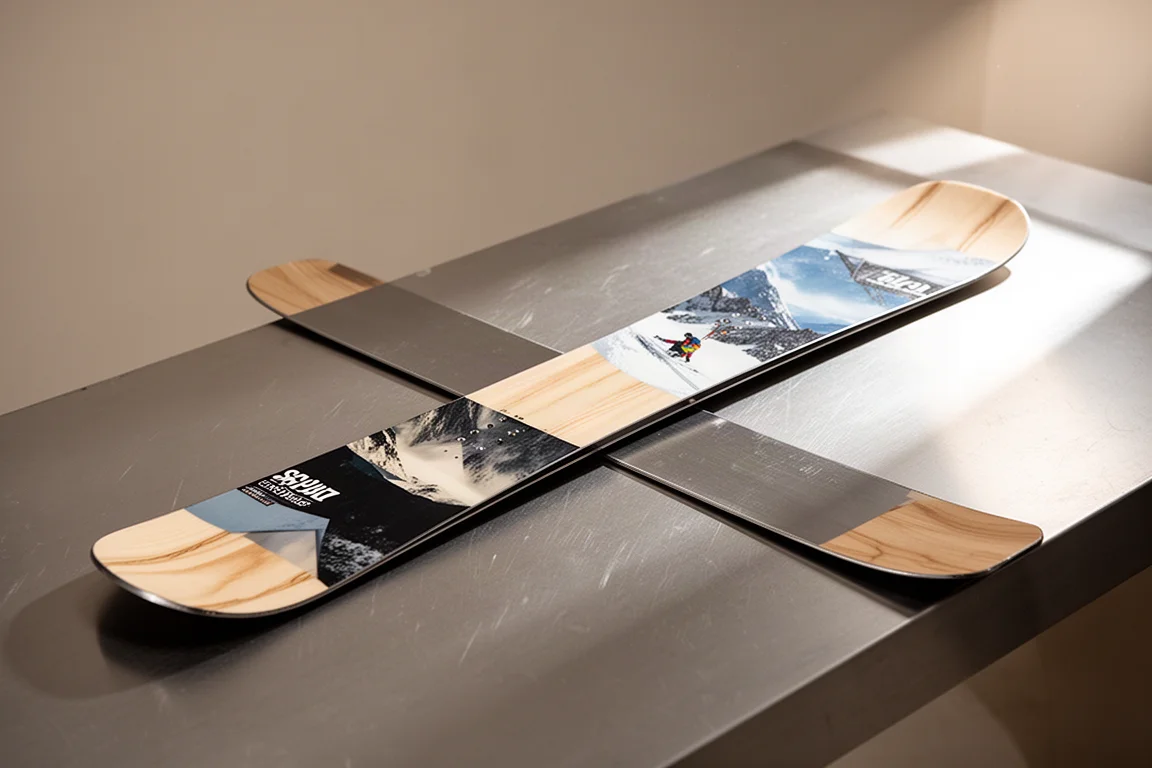
Fischer Nightstick 90
$357.49, down from $549, for a nearly symmetrical park twin tip measuring 117-90-115. What sets it apart in the 90mm twin tip class is the titanal underfoot, which is there mainly for durability, stiffening and protecting the area that takes impacts from rails and rocks. That is unusual in this width.
Construction is a full vertical sidewall wrapped around the tips and tails with a sandwich build and high quality materials throughout. The ski is park oriented by shape, and it shares its metal construction with the wider models in the line. If your skiing is mostly park and you want a ski that will survive it, this is a strong pick.
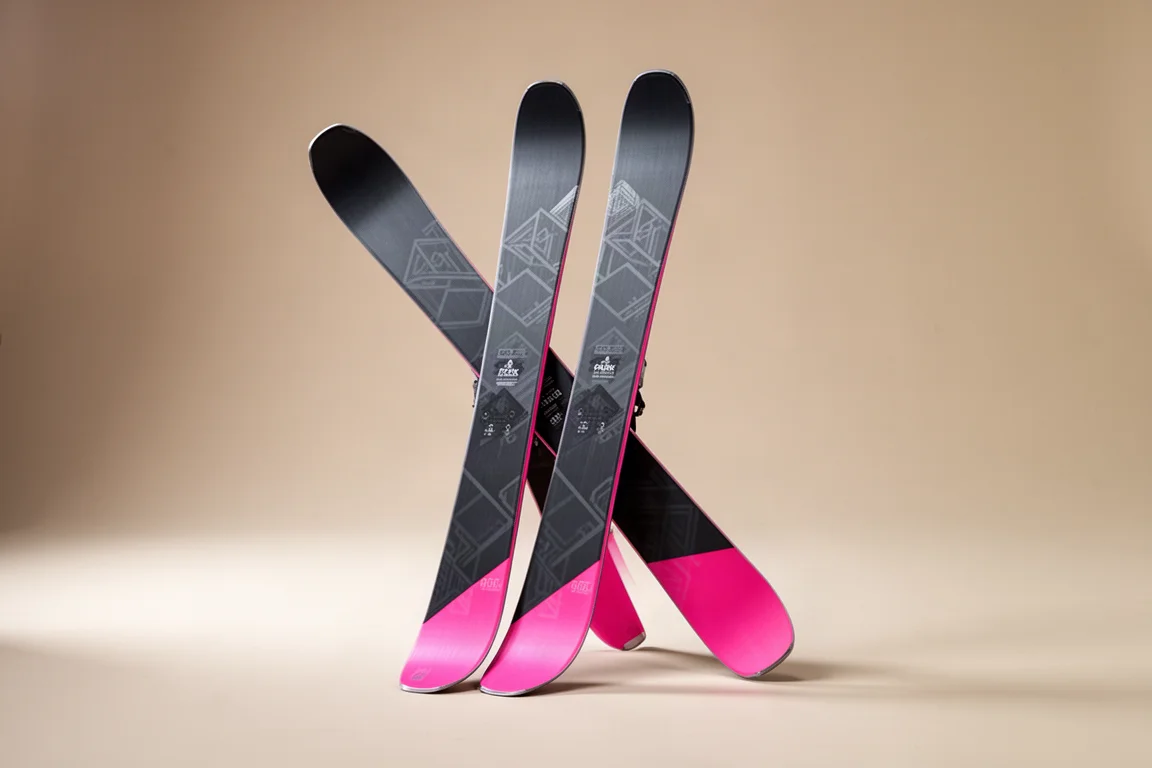
Line Chronic 94
$384.99 for a ski that uses symmetrical rocker and symmetrical flex is an interesting proposition. The Chronic 94 is nominally a directional all-mountain twin tip, but there is a lot of symmetry built in. Thicker, burlier material sits underfoot while the tips and tails stay more flexible, which makes for a ski that holds an edge when you stand on the middle and stays loose when you do not.
Short, grippy turns come easily, and the ski opens up as long as you are not driving hard into the shovel. Thick bases, sidewalls, and edges are there for park durability, but the ski works just as well as an all-mountain and tree ski. It is a shape that rewards a creative, playful approach.
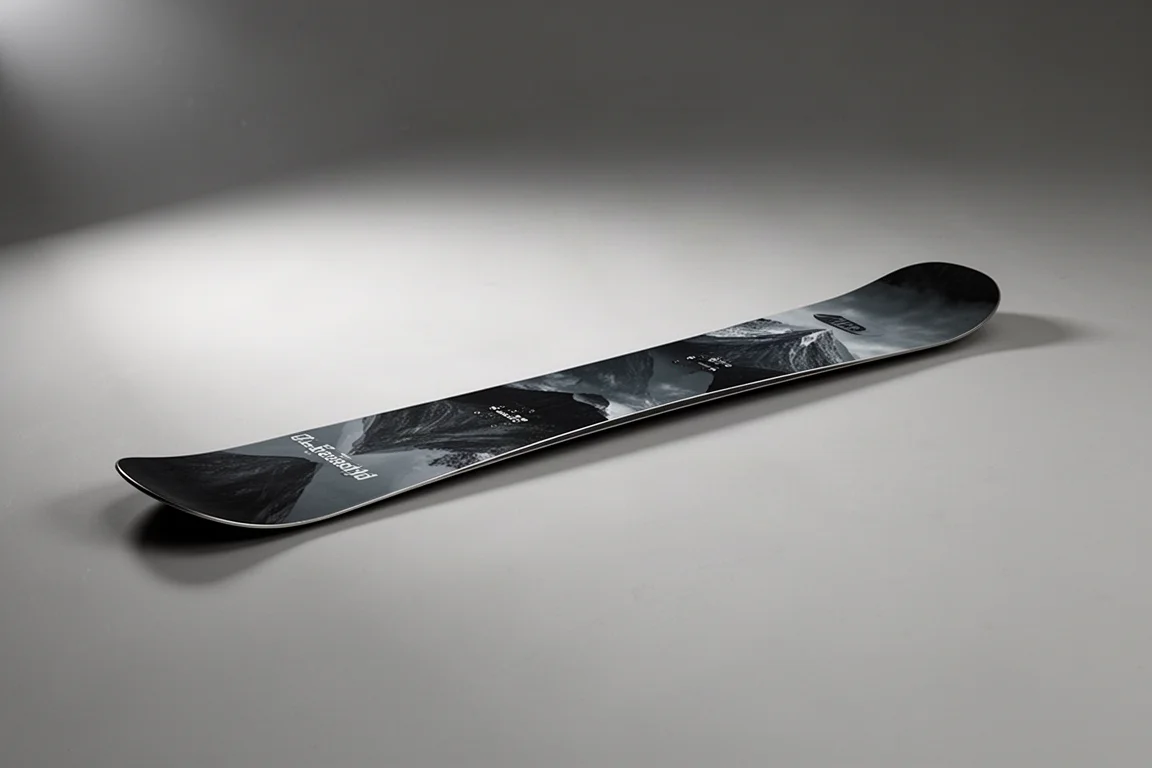
Atomic Maverick 86C
$439.96, down from $549.95, is a smaller discount than most of the list, but the Maverick 86C earns its place. It measures 86mm underfoot with a wood core supported by carbon, which keeps it light, quick, and agile. The tail is supportive without being punishing, and the ski handles bumps, trees, and groomed terrain without complaint.
This is the middle ground between a soft-snow oriented ski and a pure groomer ski. It is not the strongest option for high-speed aggressive skiing, but for skiers who want to explore whatever the mountain offers, it is a natural fit. It changes for next year, which makes the current version a reasonable value.
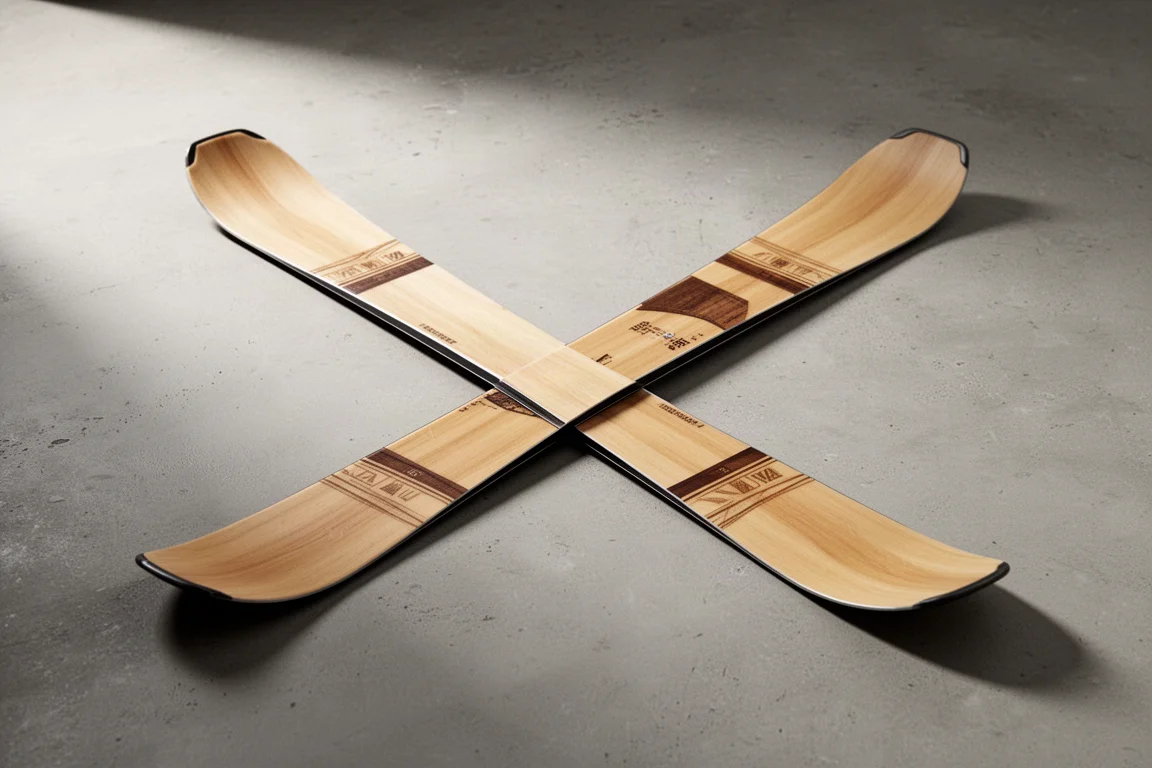
Nordica Unleashed 90
$360 for a full wood core, full sidewall twin tip with a light wood core and no unnecessary frills. The Unleashed 90 delivers good energy, edge grip, and rebound, and its size run reaches down into the 140s, which makes it a natural fit for younger park skiers and smaller adults who want an easy all-mountain twin.
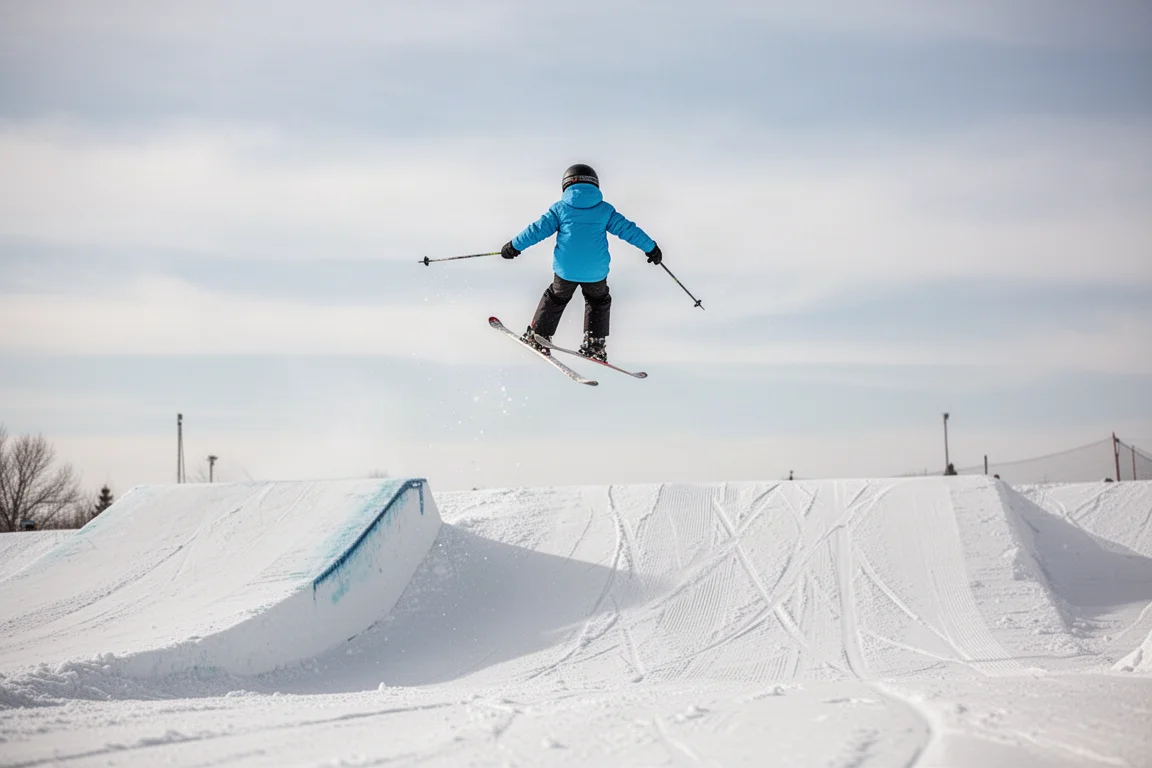
Nothing about it is exotic, and that is the point. The combination of performance, price, and available lengths makes it a viable option for a large group of skiers, and it is the kind of ski that a lighter or less aggressive rider can grow into rather than out of.
Buying Advice
Match the ski to the terrain you actually ski, not the terrain you imagine skiing. If most of your days are on groomers, the frontside carvers and the 82mm metal ski here will be more rewarding than a wider twin tip. If you split time between groomers, bumps, and trees, the 86mm to 96mm all-mountain shapes are the safer bet. If your days revolve around the park, the symmetrical and near-symmetrical twins are the ones to look at.
On bindings, the two Rossignol models include a system binding in the price, and everything else is a flat ski. Budget for a binding that matches the ski’s intent, and remember that a hybrid touring binding is a reasonable choice on the lighter all-mountain shapes if you want that option later.
Finally, timing. Clearance prices on these models are more likely to fall than rise, but size runs shrink as that happens, and popular lengths go first. If your size is available now at a price you are happy with, the difference between buying today and waiting a month is usually small compared with the risk of losing the size.
Conclusion
Fourteen skis, one price ceiling, and a wide spread of intentions. The frontside carvers reward strong skiers, the lightweight all-mountain shapes suit anyone who wants to explore, and the park twins are built to take a beating. None of these are compromises at their current prices.
The practical advice is simple. Pick the category that matches your skiing, check that your length is in stock, and buy when the number looks right. Sizes are the part of the deal that disappears first.
Further reading
Related Reviews

Ski Gear
2023 Blizzard Hustle vs Rustler: Six Freeride Skis Compared
Blizzard's 2023 Hustle collection rebuilds the Rustler shape with a lighter core and no metal. Here is how all six skis differ, and which one suits your riding.

Ski Gear
2023 Skis of the Year: Atomic Maverick 88 TI, Salomon QST 106, and Look SPX 12 Pro
Three standout ski picks for all-mountain carving, powder days, and reliable binding performance, with practical buying notes for 2023 models.

Ski Gear
2025 Nordica Enforcer 104 Review: A Directional Charger Replaces the 104 Free
The 2025 Nordica Enforcer 104 drops the Free name and the twin-tip personality, gaining weight, stiffness and composure in rough snow. Here is what changed and who it suits.