Snowboards
Spring Break Slush Slasher Review: A Playful Slush Board With a New Ride Character
A close look at the redesigned Spring Break Slush Slasher, covering its surf camber profile, playful flex, carving limits, and sizing advice before you buy.
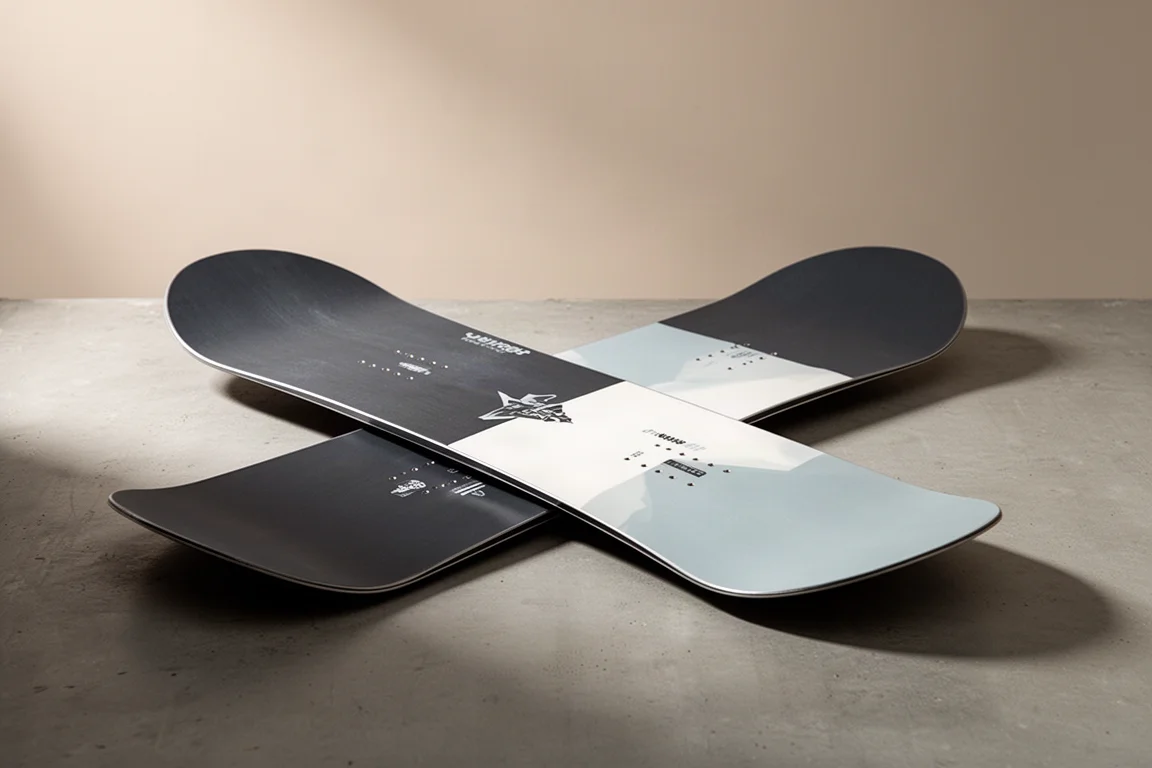
Introduction
The Spring Break Slush Slasher has been overhauled for this season, and the changes go deeper than graphics. The board now runs Spring Break’s surf camber profile, a directional cam rocker layout with rocker in the nose and tail and camber through the middle. The nose rocker is the longer of the two sections, camber sits through the insert pack, and the tail carries a shorter rocker zone.
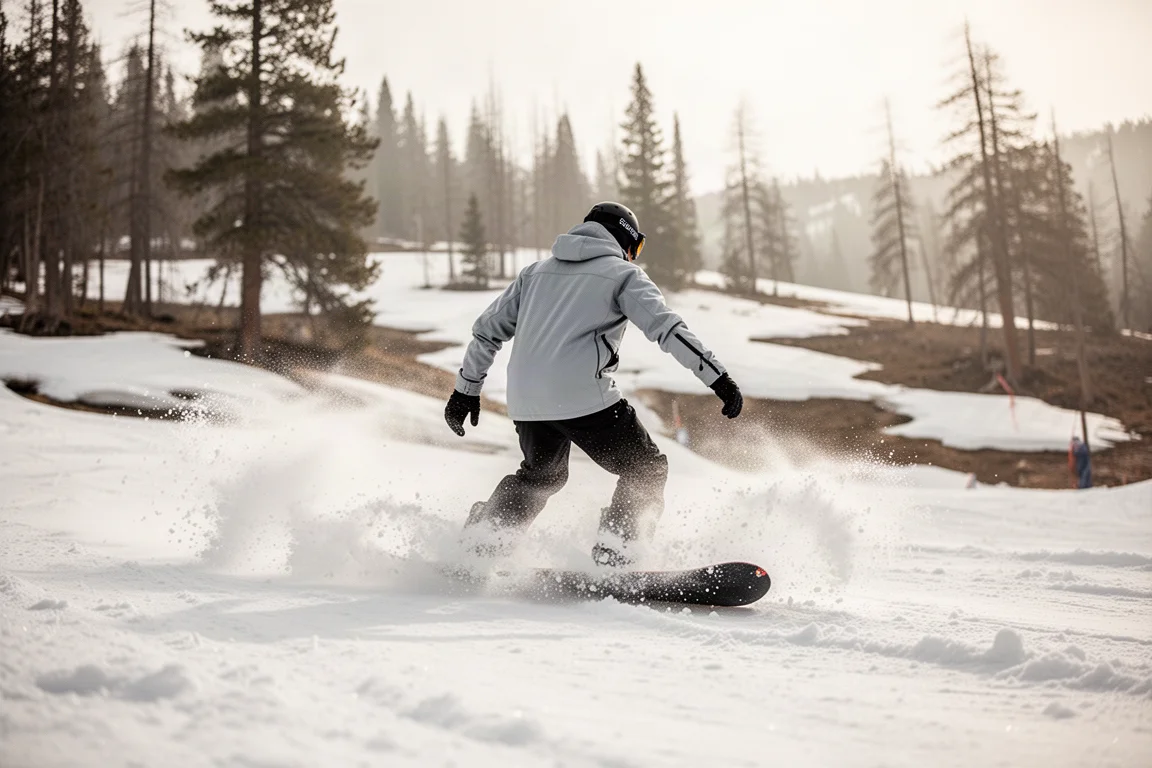
That profile is designed to deliver pop, snap, and drive from the camber directly underfoot, while the rocker in the nose and tail adds float in soft snow and makes turn entry and exit easier. The Slush Slasher comes in 139, 143, 147, and 151.
Who This Board Is For
The Slush Slasher is aimed at riders who treat spring snow as a playground. Slush, chop, chunder, and the occasional stretch of hero snow on groomers are its natural habitat, and it is happiest when riding is loose and social rather than precise and technical.
The narrower waist and softer overall flex also make it a strong candidate for lighter riders, including women, smaller riders, and anyone riding in smaller boots. If you have been considering a party board that butters easily and stays playful in the tips, this is the category it belongs to.
Main Strengths
The most noticeable quality is torsional flex. Losing width makes the board easier to twist, and combined with a directional flex pattern it feels lively underfoot. The nose is the softest zone, the middle is the stiffest thanks to the camber, and the tail sits between the two, softer than the middle but stiffer than the nose.
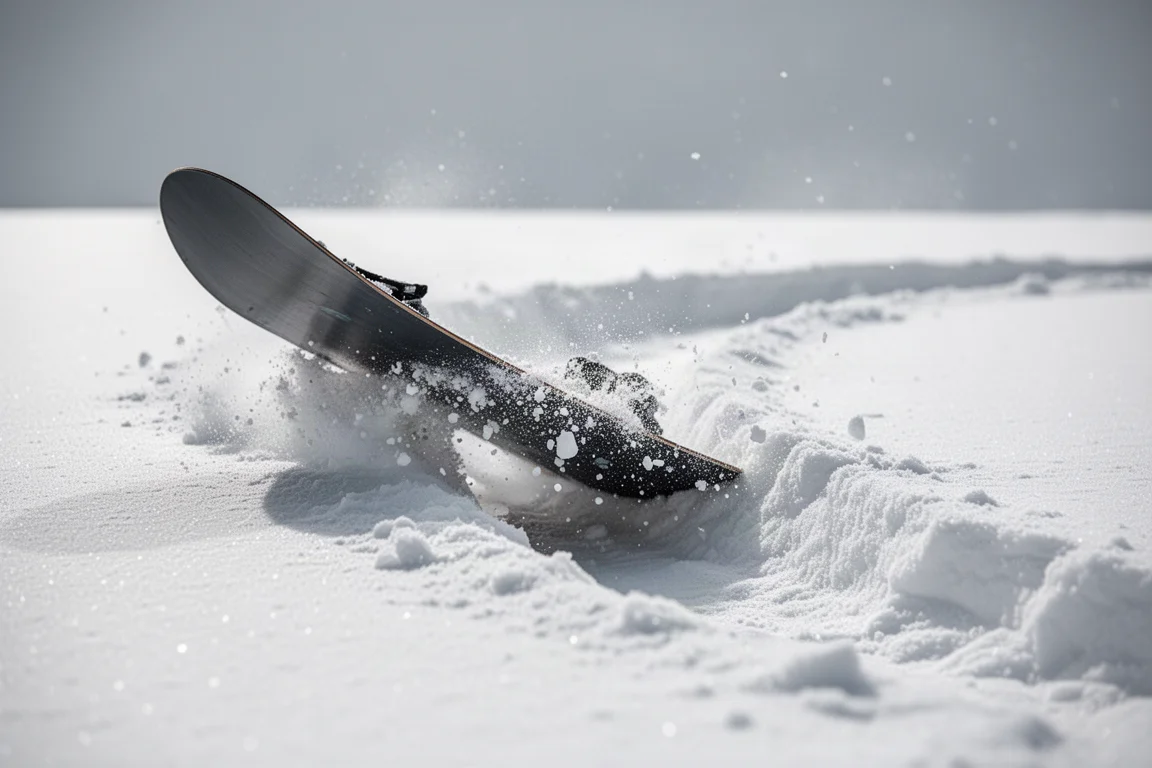
Overall the flex lands below the middle of the road, which is what makes the board so playful. Buttering is where it shines: with rocker in both the nose and the tail, you can press, get sideways, and stay locked in without the board fighting back. The larger nose rocker presses through soft snow almost like a spatula, and the tail is easy to sit on. Very aggressive riders can overpress the tail, but a lighter touch keeps everything predictable.
Things to Consider Before Buying
Stability is the trade-off. On a groomer the nose flaps, and that chatter resonates back under the front foot. The camber section underfoot is more settled, but the narrower platform means the board gets bucked around more in rutted terrain, where the nose tends to slap across whatever it meets.
Pop is decent rather than exceptional. There is a skate-like snap, but you have to load the camber section in the middle and roll back onto the tail to get it. Drive comes from directly underfoot, so heavy input can overflex the tail. Riders who stay light on their feet should have no trouble sending a side hit, launching a cat track gap, or popping off a roller.
Carving and Stability
The redesign makes the board quicker to get on edge and faster from edge to edge, thanks to the narrower shape, the camber underfoot, and a softer overall feel.
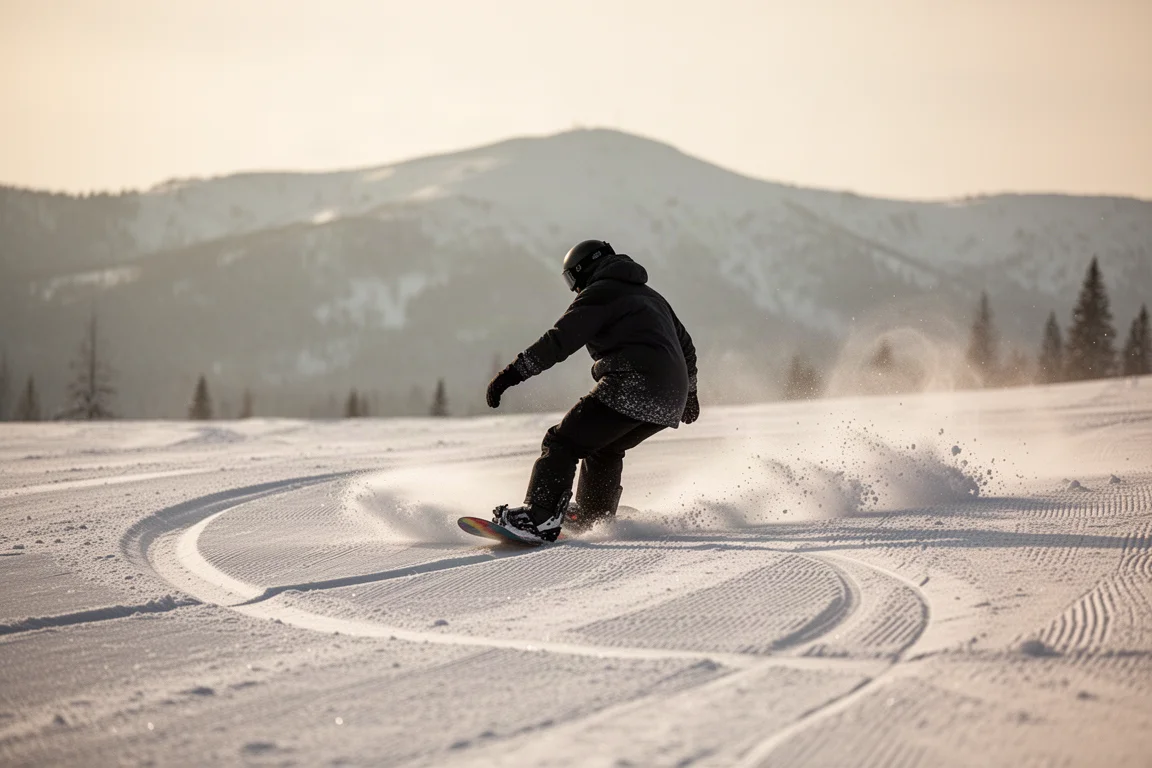
Push it hard through a carve and you can overpower it. Driving from the camber back through the tail lays the board over to a point, but an overzealous input buckles the tail and washes the turn out. On edge it stays locked in for the most part, and ankle steering works far better than driving the knee to hammer the camber zone for a slingshot exit.
The practical takeaway is that this is a slashy board rather than a precision carver. Skidding the apex of a turn and staying laid back gets more out of it than trying to hold a clean, heavily loaded carve. That is a real shift from the previous version, which rewarded a more precision-based approach.
Size, Setup, and Comparable Boards
Sizing deserves attention. Because the waist is narrower, riders who previously rode a 147 should consider moving up a size in the current lineup.
For bindings, pairings that suit the board’s playful character include the Union Ultra, the K2 Lien AT, and the Bent Metal Joint. If you are cross-shopping, the Rome Service Dog, the Salomon Dancehall, and the Rossignol Sashimi occupy similar territory.
Buying Advice
Buy the Slush Slasher if you want a lively, freestyle-leaning board for soft spring snow, you like to butter and slash rather than hold a locked-in carve, and you are a lighter or smaller rider who will benefit from the narrower waist. Bumping up a size is a sensible move if you are coming from an older Slush Slasher in the same length.
Look elsewhere if your priority is a stable platform in rutted, choppy terrain or a board that holds up to aggressive, precision carving. The Slush Slasher is more turny and more playful than before, but it is also less stable underfoot, and that trade-off should drive the decision more than anything else.
Conclusion
The redesigned Spring Break Slush Slasher is a genuinely different ride from the version it replaces. It is more playful in the tips, more lively, and easier to twist, with a buttering feel that is hard to beat in slush. The cost is stability and carving composure, and the narrower waist pushes the board toward smaller, lighter riders. If that describes you and your riding, it is a very easy board to enjoy.
Product link
View more details for Spring Break Slush Slasher
This product is mentioned in the review. Check the specifications, options, and compatibility before buying.
View more details for Spring Break Slush SlasherFurther reading
Related Reviews

Snowboards
32 Middle Earth Scott Stevens Pro Model Snowboard Review: A Park Board With a Reversed Flex
A medium traditional camber park board with carbon V reinforcement that is stiffer in the tips and more playful between the feet. Here is how it rides and who it suits.

Snowboards
32 Snafu Review: A Directional All-Mountain Freestyle Board with Serious Pop
The 32 Snafu pairs a directional camber-rocker profile with a stiffening tail for powerful carves, big ollies, and a surprisingly damp ride.

Snowboards
32 XXX Pat Fava Pro Snowboard Review: A Stiff Camber Beast for Hard-Charging Riders
A full-width traditional camber deck that rewards aggression with stability and edge power, but demands effort everywhere else.