Running Shoes
The Spookiest Running Shoes of 2023: Seven Shoes and Trends That Scare Us
From $275 super shoes to disappearing outsoles, seven running shoes and design trends that genuinely worry runners heading into 2024.
Introduction
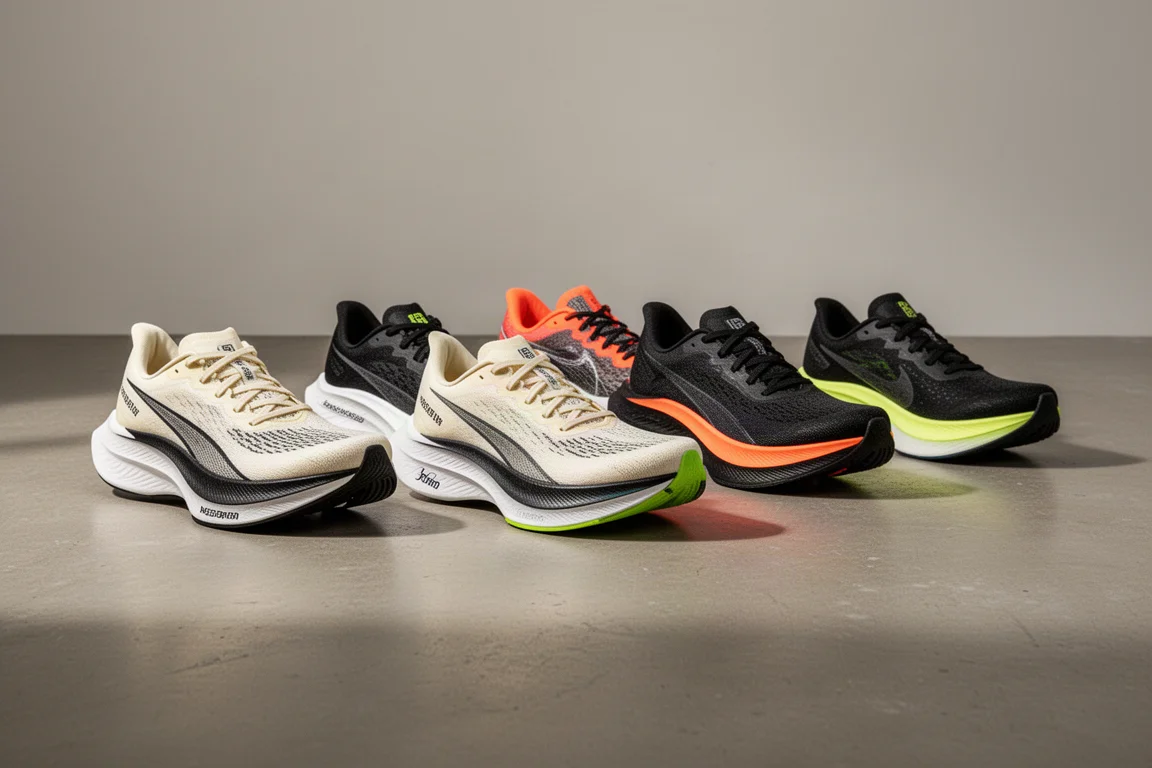
Plenty of great running shoes are out there right now. But for every standout, there is also a shoe or an industry trend that makes experienced runners genuinely nervous. This roundup takes a slightly different angle: instead of a conventional best-of list, it highlights seven shoes and design decisions worth knowing about before you spend your money.
Some of these shoes are excellent performers with questionable pricing. Others are design choices that could shape how much you pay for your next pair. A few are simply hard to recommend. Here is what to watch out for.
Saucony Endorphin Elite: The $275 Price Spike
The Endorphin Elite earns its place here not because it is a bad shoe, but because of its launch price. At an MSRP of $275, it is the first non-Nike race day shoe to debut above the $250 mark, and that sets a worrying precedent. If Saucony can position its top race day shoe at $275, other brands with a new super foam to showcase have little reason to price lower.
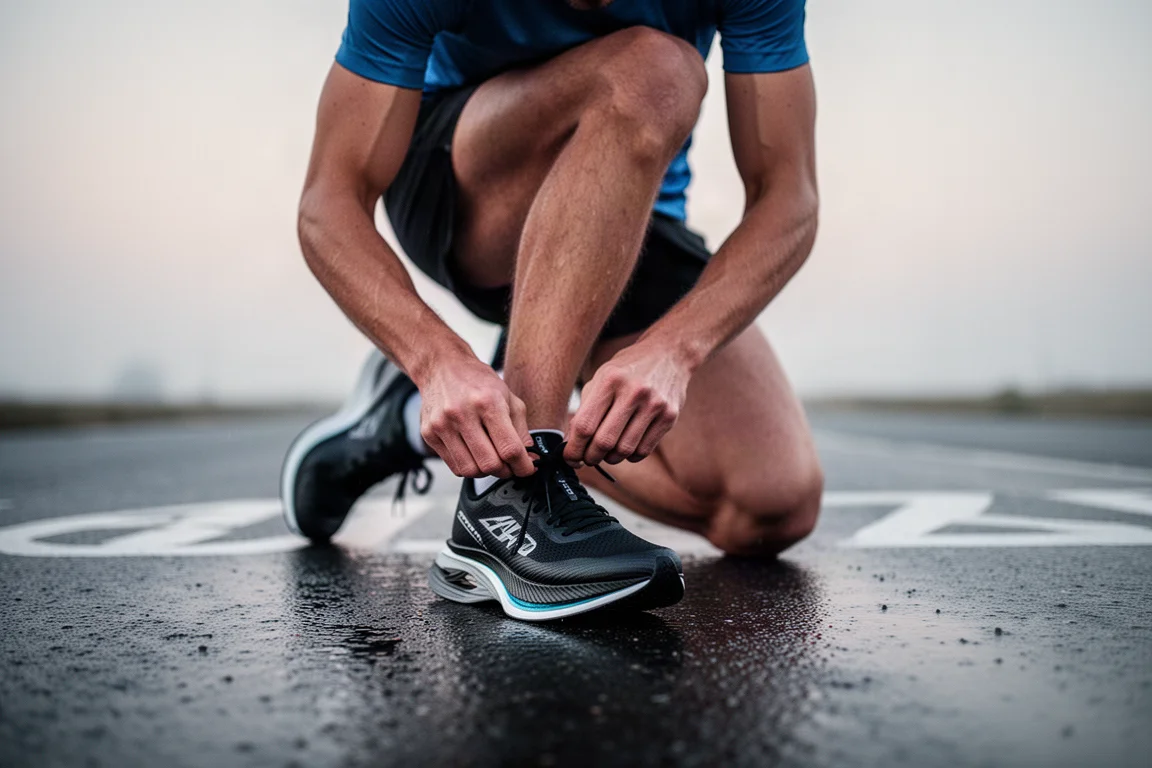
For recreational runners who might race a marathon once, a shoe at this price is a big ask. The concern is not this specific shoe but the signal it sends about where race shoe pricing is heading.
Nike Alphafly: The Next to Hit $300?
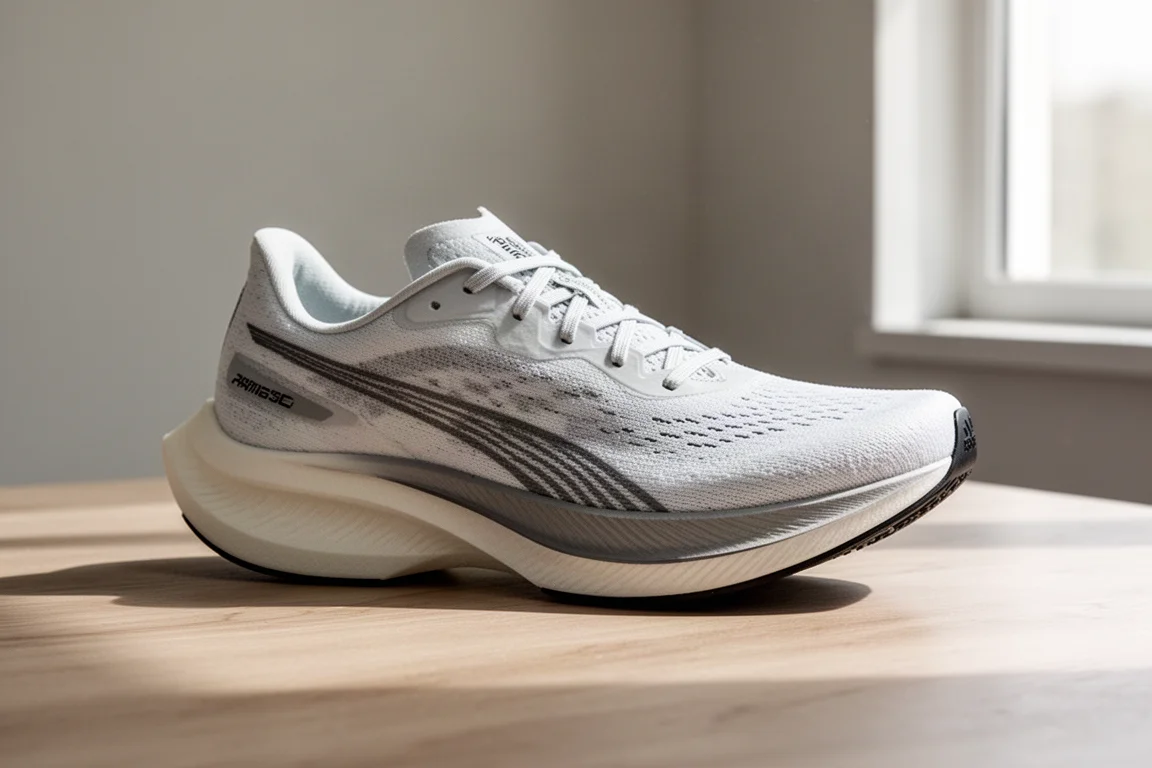
The Alphafly is already priced at $275, matching the Endorphin Elite at the top of the market. With both brands now anchored at that level, it is easy to imagine the next Alphafly iteration pushing past $300 as brands compete to signal that theirs is the fastest shoe available.
The Vaporfly has already received a price increase to $265, which supports that trajectory. For a marathon shoe most amateur runners will use only a handful of times, a $300 standard is a genuinely scary thought. Hopefully the market gives runners a few more years before that becomes normal.
Asics Gel Nimbus 26: A Design Head-Scratcher
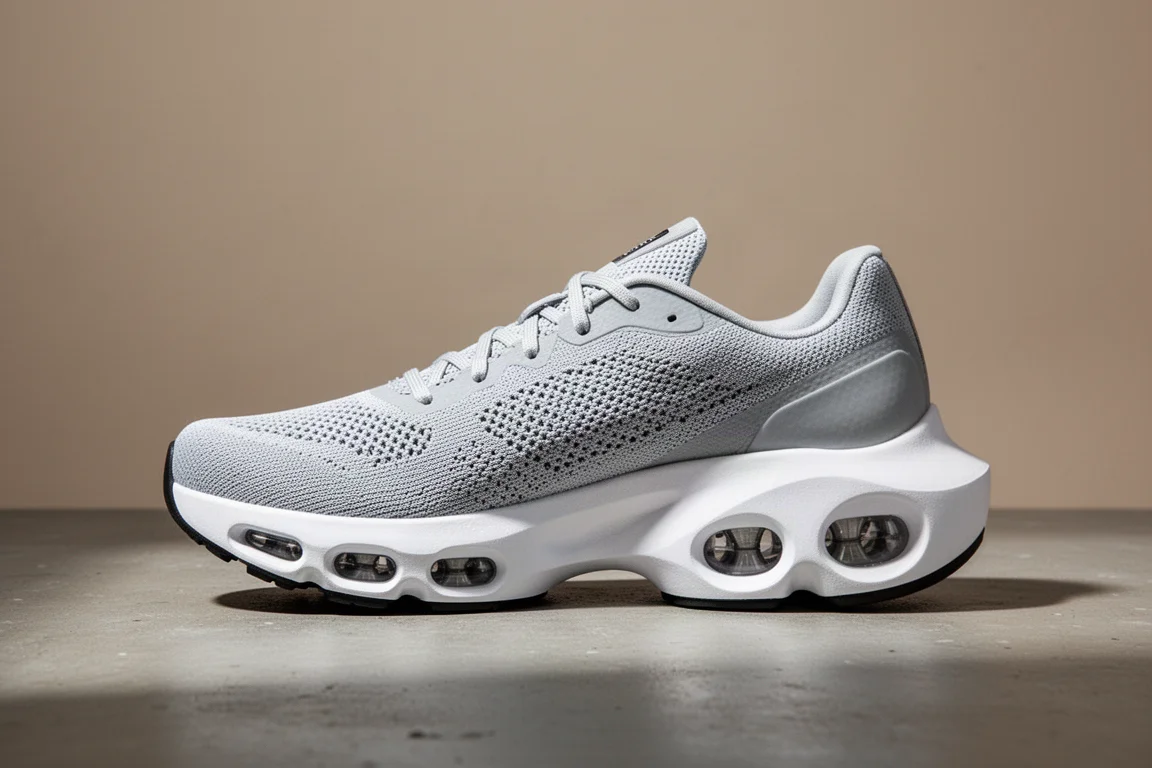
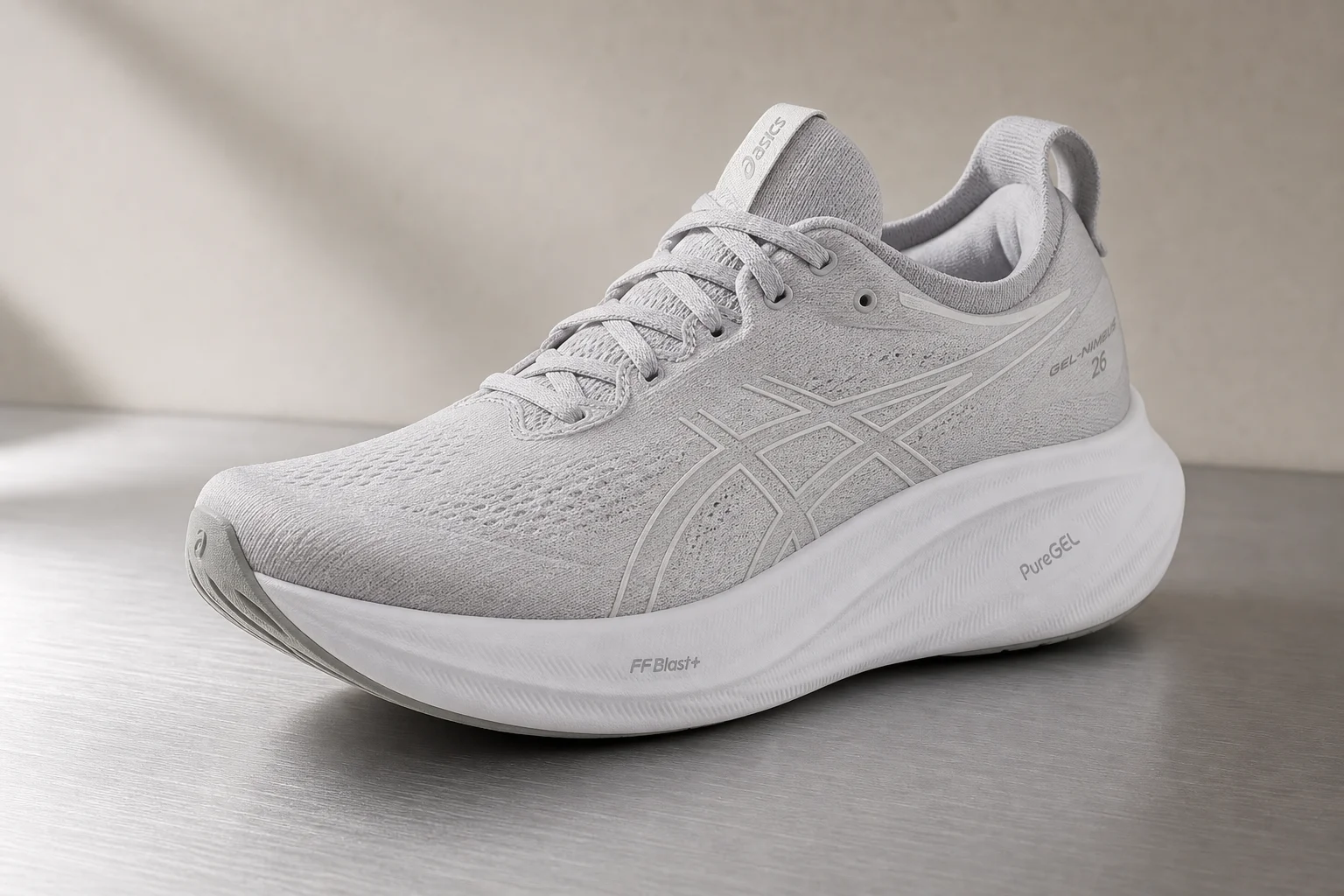
The Gel Nimbus 25 was a beautiful shoe, with a sleek cream colorway and a clean green midsole. Early looks at the Nimbus 26 tell a different story. The design shows odd lines across the midsole and unusual colorways, and the overall result is far less attractive than its predecessor.
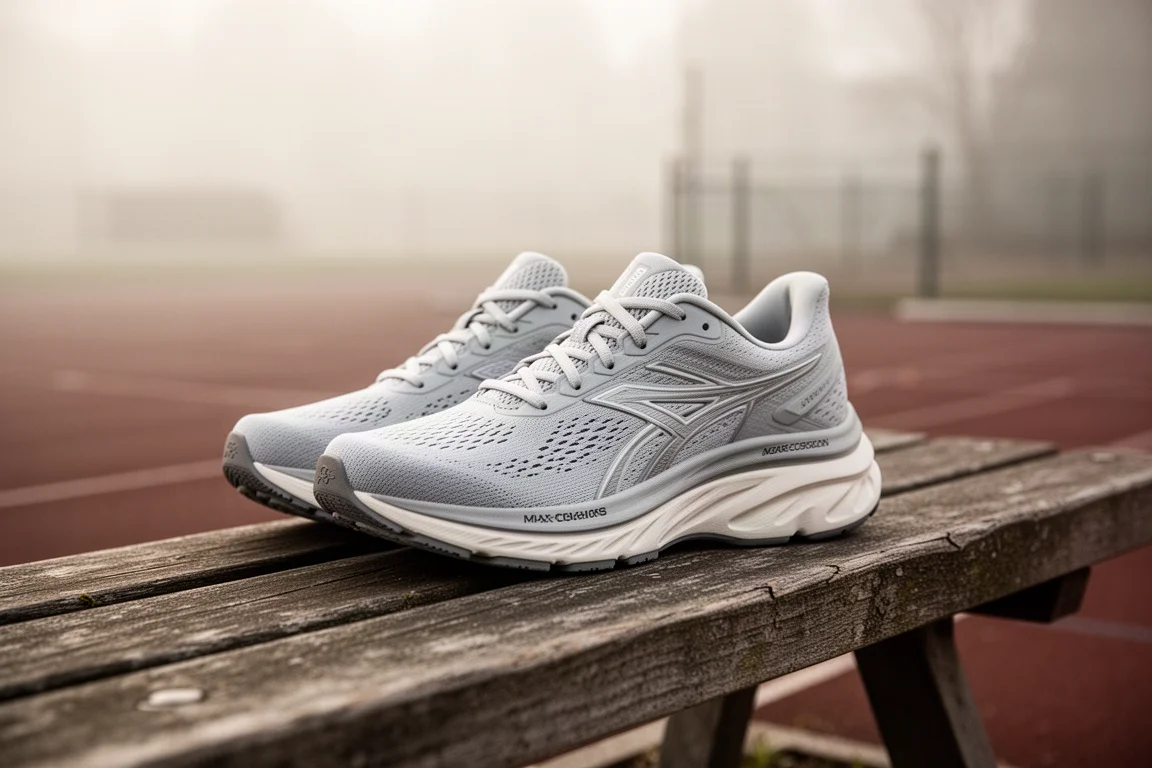
There is chatter online that Asics may be intentionally leaning back into a bulkier aesthetic to court the classic max-cushion crowd. Either way, it feels like a step in the wrong direction for a brand that has produced some genuinely good-looking shoes recently, including the Magic Speed and the Cumulus.
Nike Infinity Run: A Glorified Marshmallow Brick
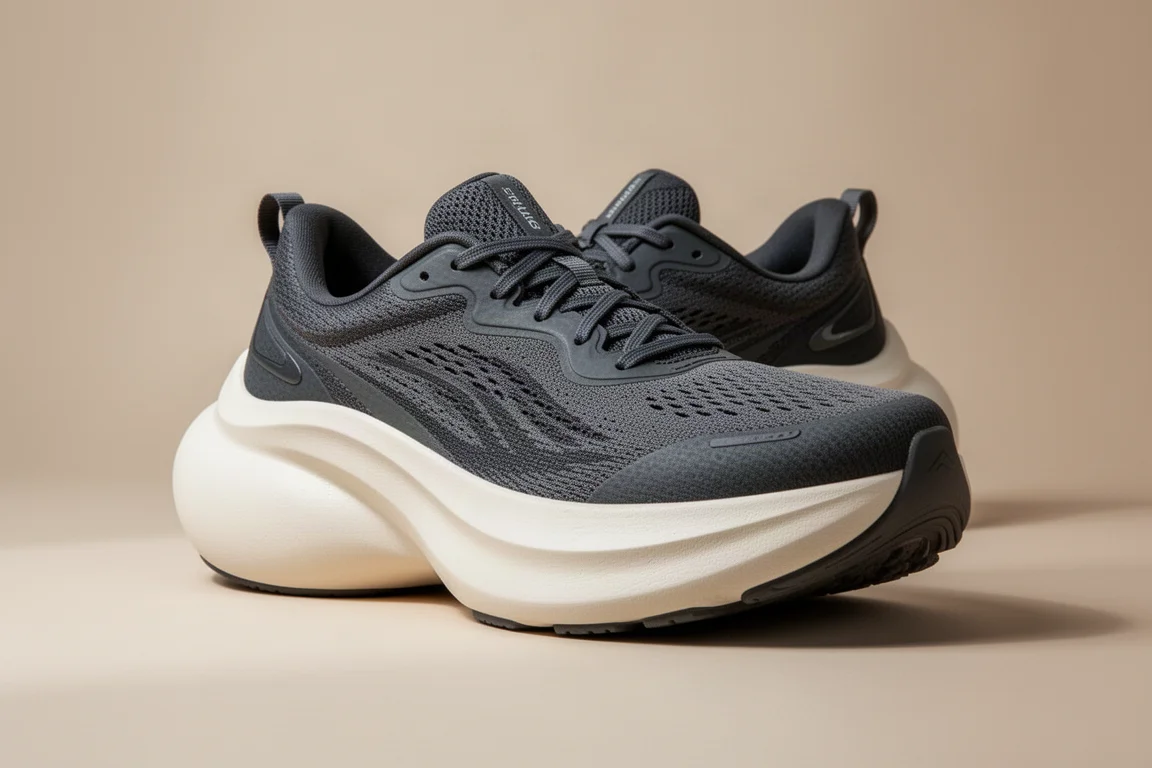
The Infinity Run raises a simple question: why is a so-called max cushion running shoe weighing above 11 ounces in 2023? This is not the direction the running market is going, and the shoe arguably is not a legitimate running shoe at all. The real problem is how it gets positioned. Walk into a big sporting goods store and it will be on the shelf as a running product, which means less knowledgeable buyers looking for a proper trainer end up running in what amounts to a marshmallowy brick.
Nike does have better options for real runners. The Vomero 17 is lighter, uses ZoomX and ReactX foam, and delivers a more cushioned ride than the Pegasus while weighing less than the Infinity Run. If you want a genuine max cushion trainer from Nike, that is the one to look at.
Brooks Hyperion Max: The Heel Cutout Problem
The Hyperion Max is a shoe that is genuinely hard to get along with, and the culprit is the aggressive cutout at the back of the heel. For heel strikers, that cutout acts as a braking force. Instead of a gentle roll through the stride, the shoe almost catches and stops your progress when you land.
Combined with a firmer foam, the result is a ride that is clunky at slower paces and, in the worst cases, painful when your footstrike lands exactly on the wrong part of the shoe. It is a shame, because the intention was clearly good, but runners needing a firmer long run shoe are better served elsewhere.
Hoka Mach 5: Where Did the Outsole Go?
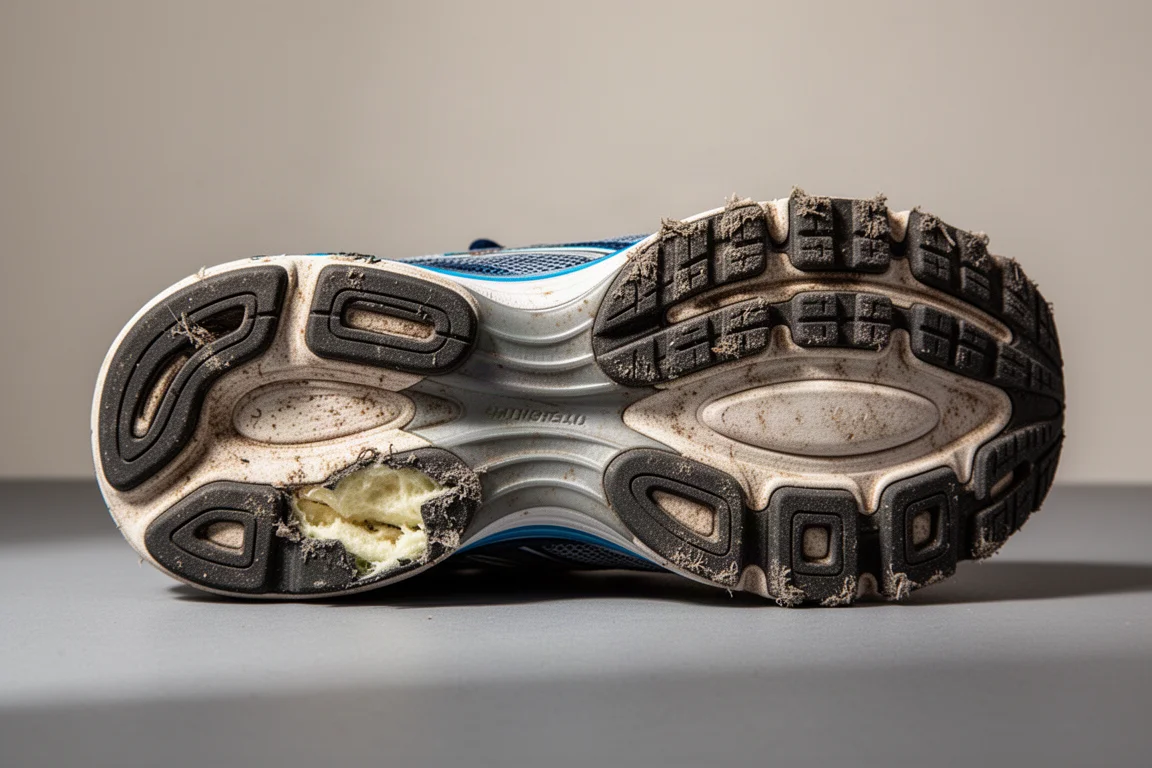
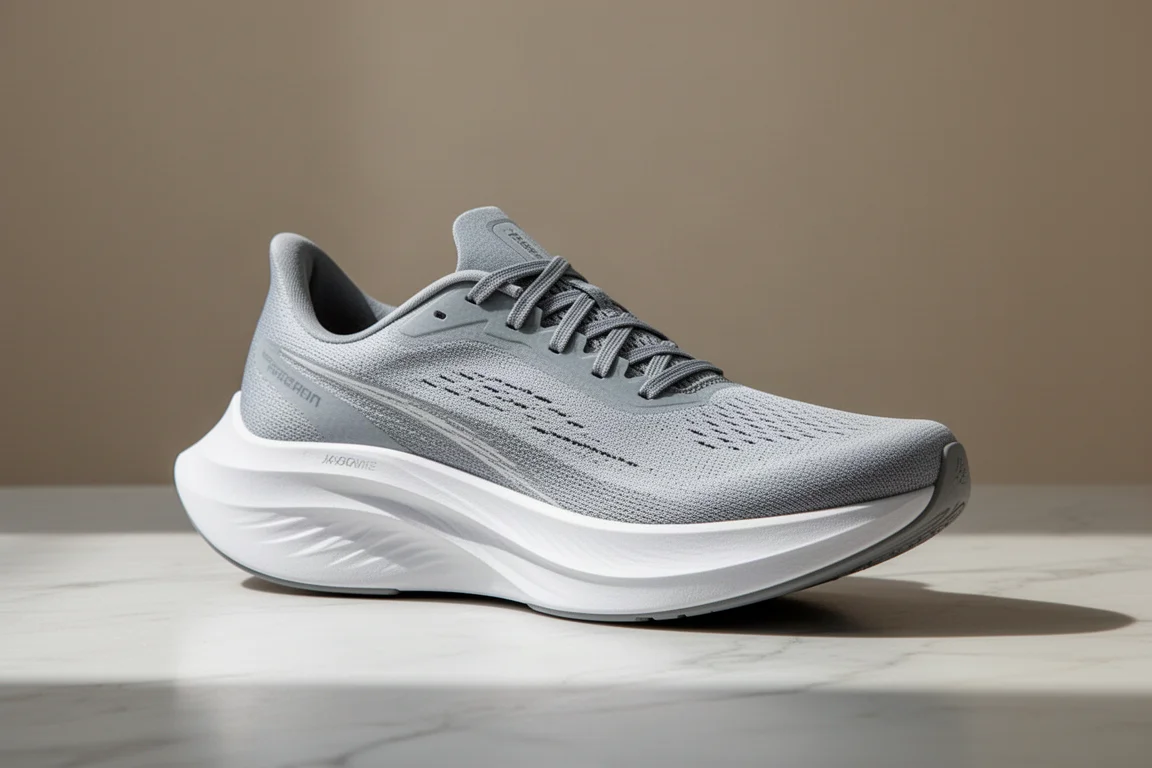
The Mach 5 represents a trend that keeps showing up: barely any outsole rubber. A thinner outsole may offer a slightly more connected feel to the ground, but it also slashes durability. One pair with roughly 250 miles on it already shows the heel worn completely through the outsole rubber and into the foam.
That matters beyond grip. Once you wear deep into the outsole or the foam, the structure of the shoe changes. The geometry no longer rolls the way it did out of the factory, and you lose the protection the design was meant to provide. Running on a shoe that degraded this much is not advisable, which means pulling it from rotation around the 300 mile mark. The hope is that the Mach 6 corrects this.
Nike Vaporfly and the Narrow Heel Trend
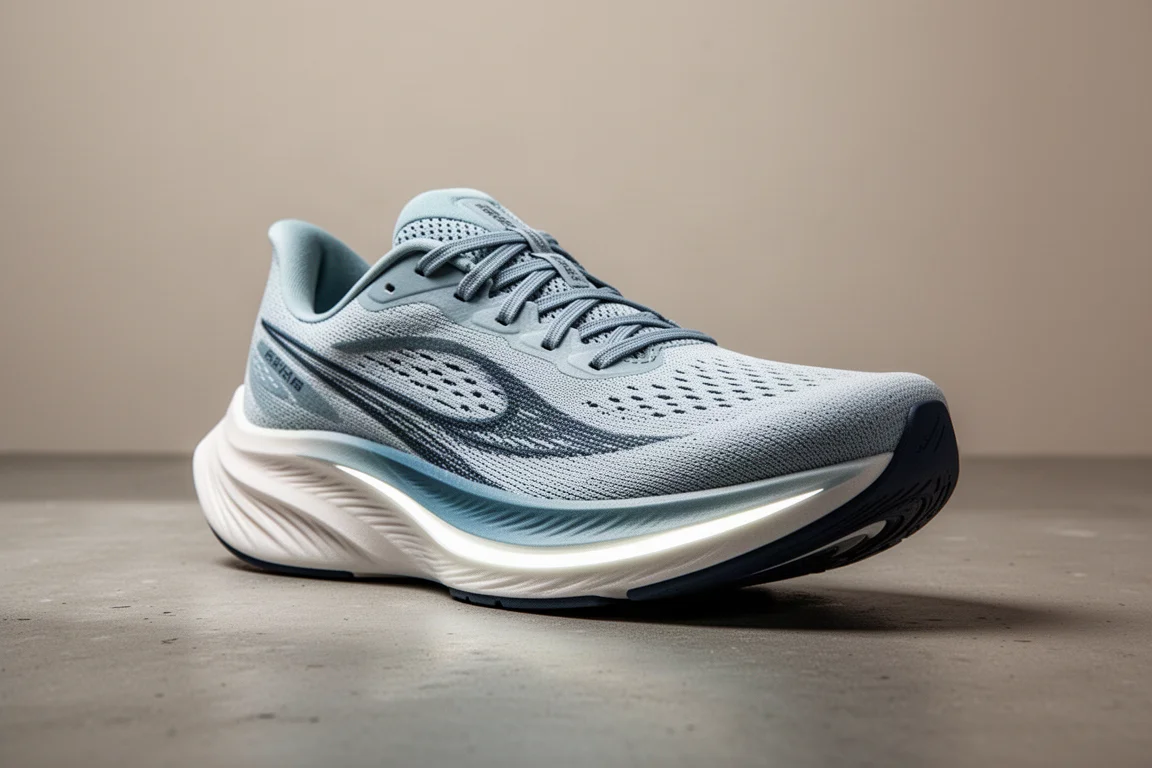
The final spooky entry is not just the Vaporfly but an entire category of fast shoes with extremely narrow heels. Running in these shoes can feel like trying to land on a pin head whenever you are not striking midfoot or forefoot. Yes, these are shoes designed to make you run fast, but a slightly wider heel at the cost of half an ounce of extra weight seems like a trade most runners would happily make.

The same complaint applied to the Strun X1, and while the Strun X2 corrected it somewhat, it did so by adding weight. For runners without perfect forefoot form, shoes that feel like an ankle twist waiting to happen are genuinely terrifying.
Buying Advice
If you are shopping right now, there are better places to spend. Older daily trainers often drop sharply in price as new versions arrive, and that is where the real value sits. A firmer recovery-style daily trainer with a unique ride and no real equivalent on the market can be an excellent pickup when discounted, and a well-cushioned premium trainer from the previous generation often rides nearly identically to its successor.
When considering any of the shoes above, match the shoe to your actual needs. Race day super shoes make sense only if you will genuinely use their performance. Max cushion trainers should be checked for weight and intended use before assuming they are running shoes. And always inspect outsole durability expectations if you run high mileage, because minimal rubber coverage will shorten the lifespan of any trainer considerably.
Conclusion
Not every shoe here is a bad purchase, but each one highlights a trend worth resisting: racing prices creeping toward $300, bulky redesigns, mislabeled max cushion shoes, disruptive heel geometry, vanishing outsoles, and unstable narrow heels. Knowing what to avoid is often just as valuable as knowing what to buy, and on that front, this list should keep your wallet safe this season.
Further reading
Related Reviews

Running Shoes
Best Road-to-Trail Running Shoes: Three Versatile Options for Mixed Terrain
A practical guide to three road-to-trail running shoes that handle both pavement and mild trails, with clear strengths and trade-offs for different runner types.

Running Shoes
Best Running Shoes for Achilles Tendonitis: Three Options Explained
Three running shoes with different heel drops and support features designed to help reduce Achilles tendon pain during walking and running.

Running Shoes
Best Running Shoes for Women: Five Top Choices Ranked
A ranked guide to five women's running shoes, from versatile daily trainers to high-performance racing options, with real strengths and trade-offs for each.