Tools
Splitting Hatchets Compared: Gransfors Bruk vs Stihl
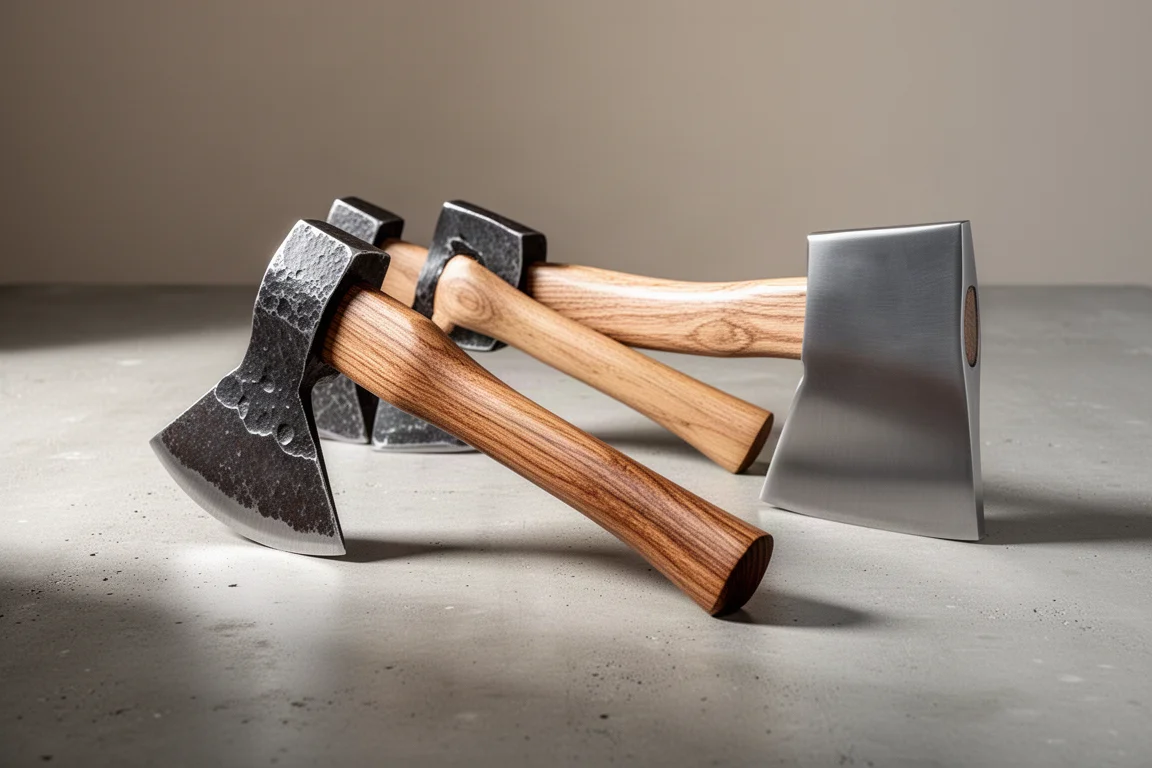
Two short-handle splitting hatchets take on kindling duty, with very different head designs and very different price tags.
Introduction
Splitting hatchets are a niche tool, and that is exactly their point. They are not general-purpose hand hatchets and not full splitting mauls. They pack a powerful, wide head into a short handle, built for one job: turning rounds into kindling fast. Two models worth a close look are the Gransfors Bruk Splitting Hatchet, a hand-forged Swedish axe, and the Stihl Splitting Hatchet, a German-made design with a wider head profile.
Why a Short Handle Works
With striking tools, the shorter the handle, the safer it is. A longer handle gives you a bigger swing radius and more speed, which also means more trouble regaining control when a strike goes wrong. A splitting hatchet solves this by putting a heavy head into a compact package. The technique is closer to letting gravity drop the tool than swinging it hard. With a sharp bit, that motion makes short work of kindling.
These tools shine near a campsite too. Pull down a small round, split a few pieces for the fire, and move on. Just remember the limits: you cannot chop or de-limb with one. It behaves more like a sledgehammer with a blade.
Stihl Splitting Hatchet
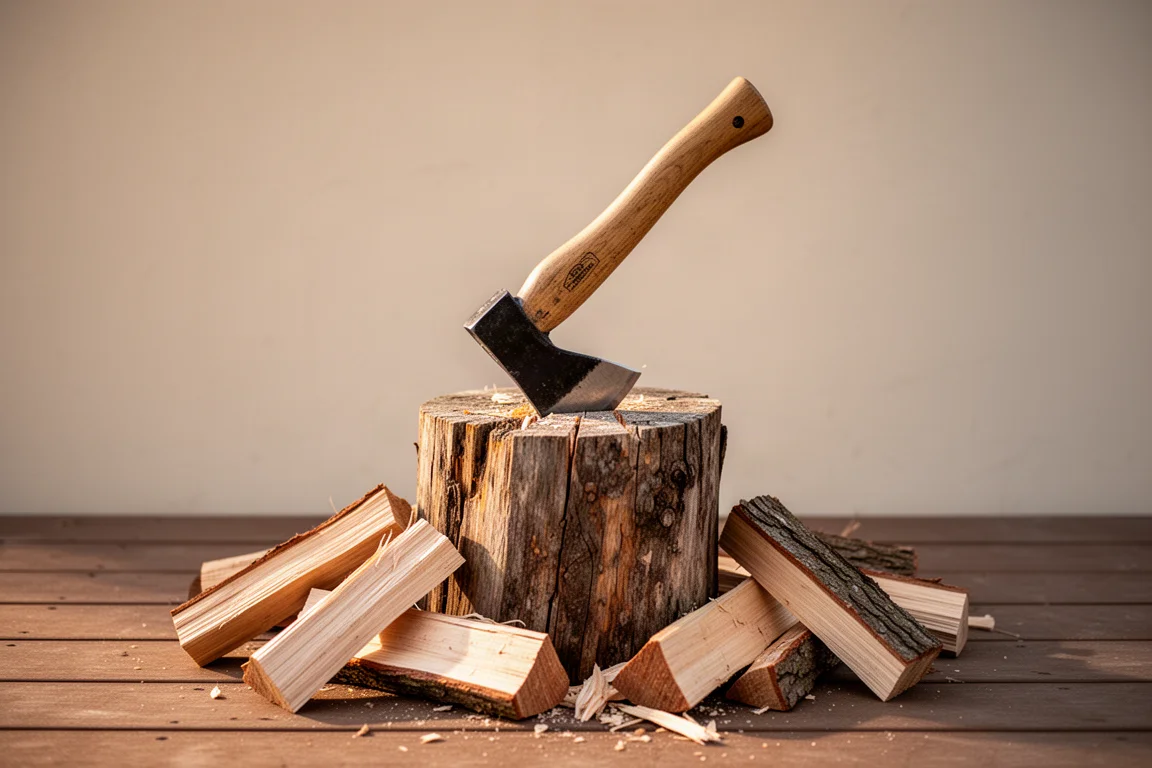
The Stihl takes a German approach to the head shape: a fairly wide head with more of a linear expansion from the eye to the bit. In practice, that wide geometry starts prying the wood apart almost immediately on impact. The trade-off is that it often takes extra force to get the initial plunge into the wood, and on tough pieces it can bounce off until it bites deep enough to stick.
Once it does stick, you can work through the split with follow-up strikes. If you split mostly well-dried, cooperative wood, that immediate prying action can be an advantage.
Gransfors Bruk Splitting Hatchet
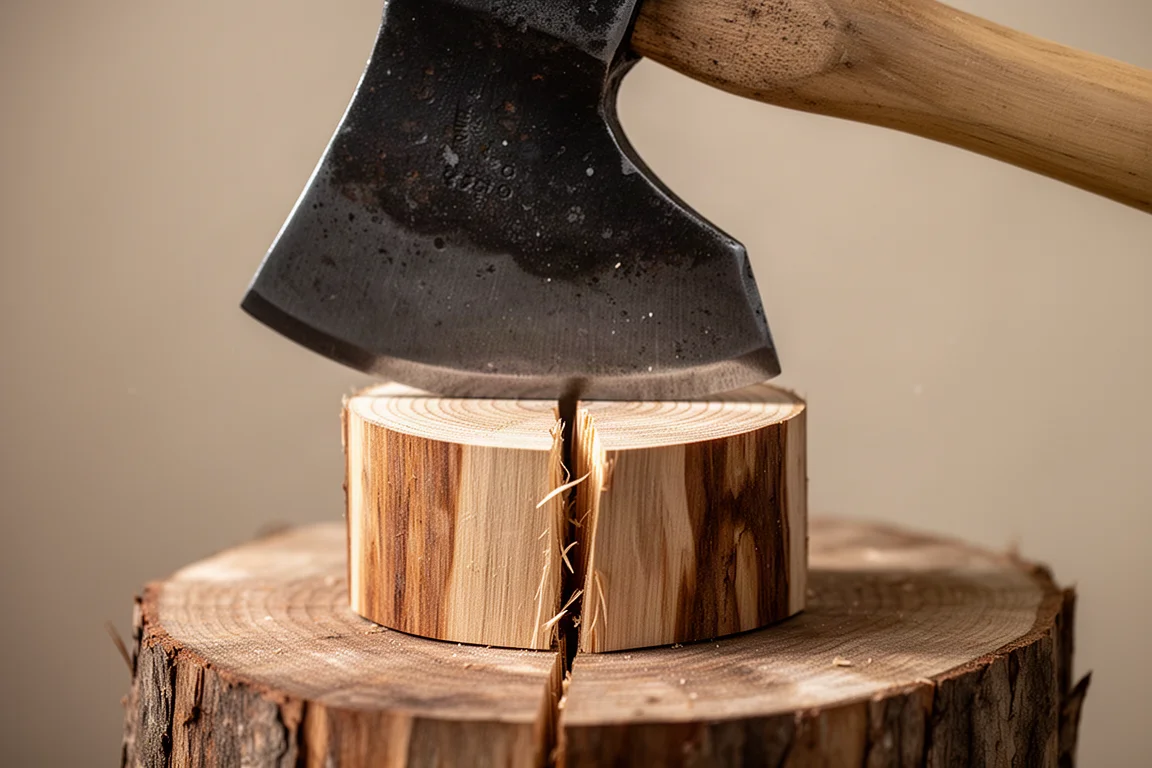
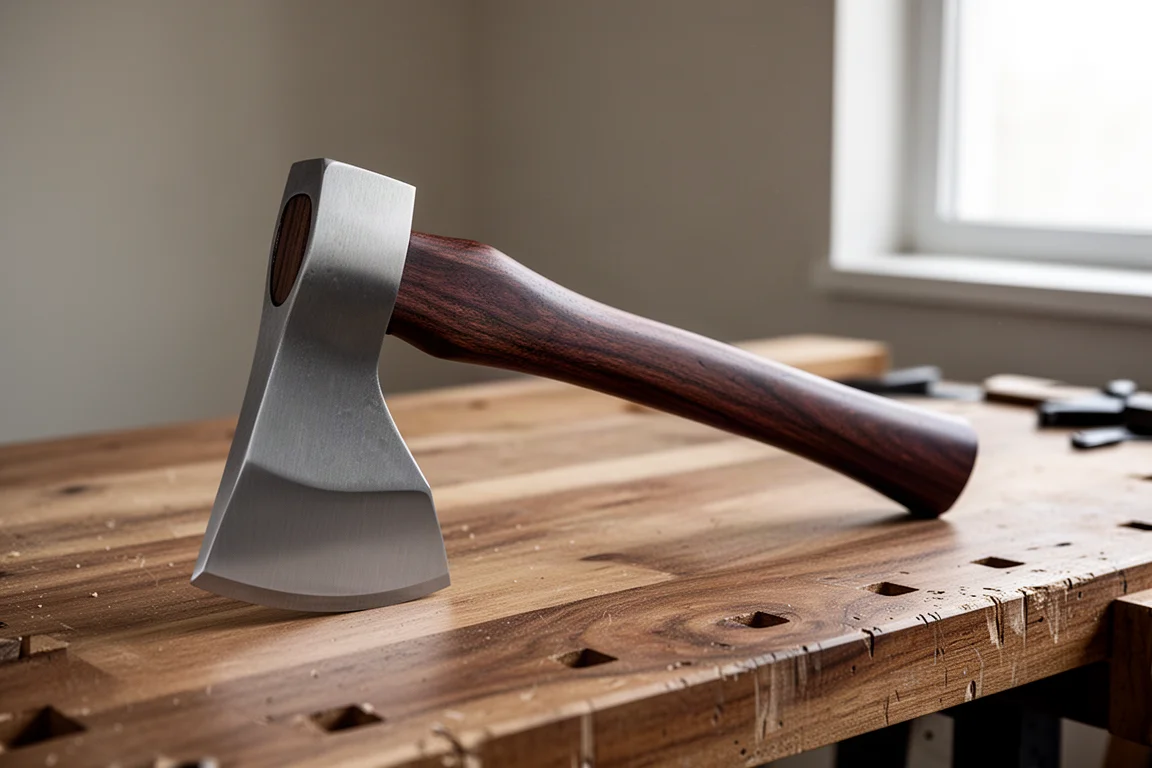
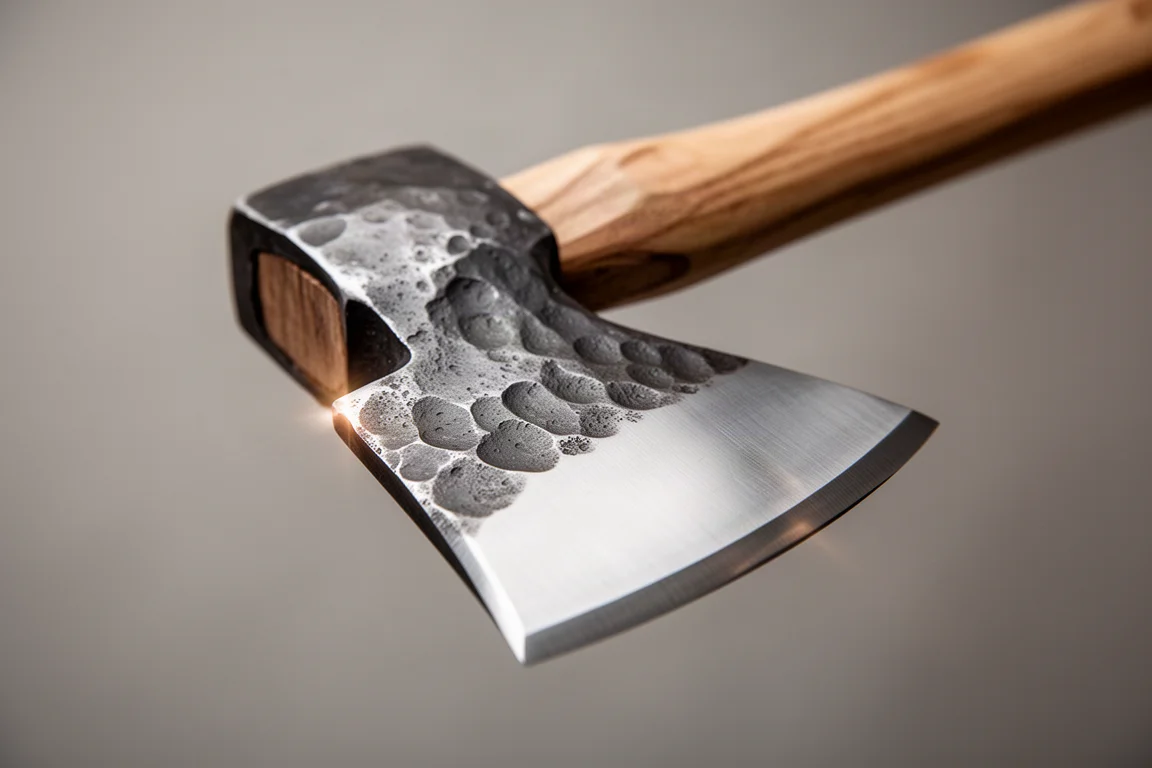
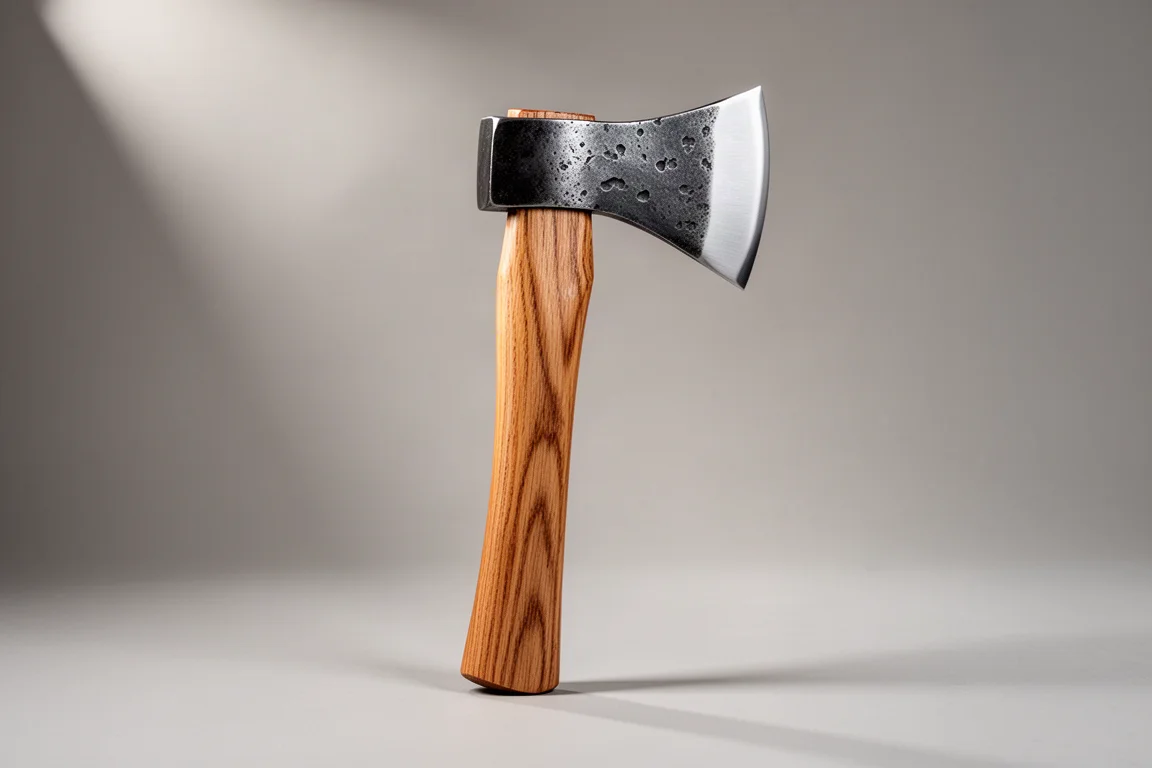
The Gransfors Bruk is a handmade, hand-forged Swedish axe, complete with the initials of the smith who forged it on the head. Unlike the Stihl, it keeps a near-traditional hatchet width and then expands rapidly toward the bit. That shape makes it stick into the wood almost immediately on contact, after which follow-up strikes finish the split. Many people prefer that behavior because the initial plunge requires less effort.
Fit and finish is a highlight: the handle grain on a good example is straight and symmetrical, and the whole tool feels like an overbuilt hatchet with a very heavy handle. Because these are hand forged, grain alignment can vary from piece to piece, which is one reason it helps to handle one in person before buying. The technique takes a little getting used to, but once it clicks, they perform impressively.
Which One Should You Buy?
Both tools fill the same narrow niche, so the choice comes down to head behavior and budget. The Gransfors Bruk currently sells for around $220, a price that has climbed sharply, and it can be hard to find online. Buying in a store lets you check the grain and feel the balance, which matters for a hand-forged tool. The Stihl is the more approachable option if you want the immediate wedging action of a wider head.
If your needs are narrowed down to kindling prep, either one is a strong pick, and one of these near the campsite is genuinely useful. Just pair it with a regular hatchet or maul for chopping and de-limbing, because a splitting hatchet will not do those jobs.

Conclusion
Splitting hatchets reward a specific kind of use: short, controlled strikes with gravity doing most of the work. The Gransfors Bruk sticks in immediately and suits riders of patience who value hand-forged quality, while the Stihl wedges wide from the first hit. Match the head behavior to your wood and your budget, and either tool will blow right through kindling.
Further reading
Related Reviews

Tools
Best Contractor Grade Tape Measures 2026: Eight Models Tested Head to Head
We tested eight contractor grade tape measures from Milwaukee, DeWalt, Crescent Lufkin, Tajima, Stanley, Irwin, Gelan, and Craftsman to find the best value and performance.

Tools
Best Precision Screwdriver Sets 2026: Manual and Electric Options Compared
We compare 19 precision screwdriver sets, from budget manual kits to electric drivers, to find the strongest bits and best value.

Tools
Best Stud Finders 2026: Five Popular Models Put to the Test
We tested five popular stud finders on drywall, firewall, and lath and plaster surfaces to see which ones really find studs and avoid false readings.