Trail Running Shoes
Speedland x Saysky RX Sky Review: A Removable Carbon Plate Trail Shoe With Quirks
A high-performance trail shoe with an ATPU midsole, a removable carbon plate, and an unusual BOA-and-Velcro fit system. Tested over mixed road-to-trail miles.
Introduction
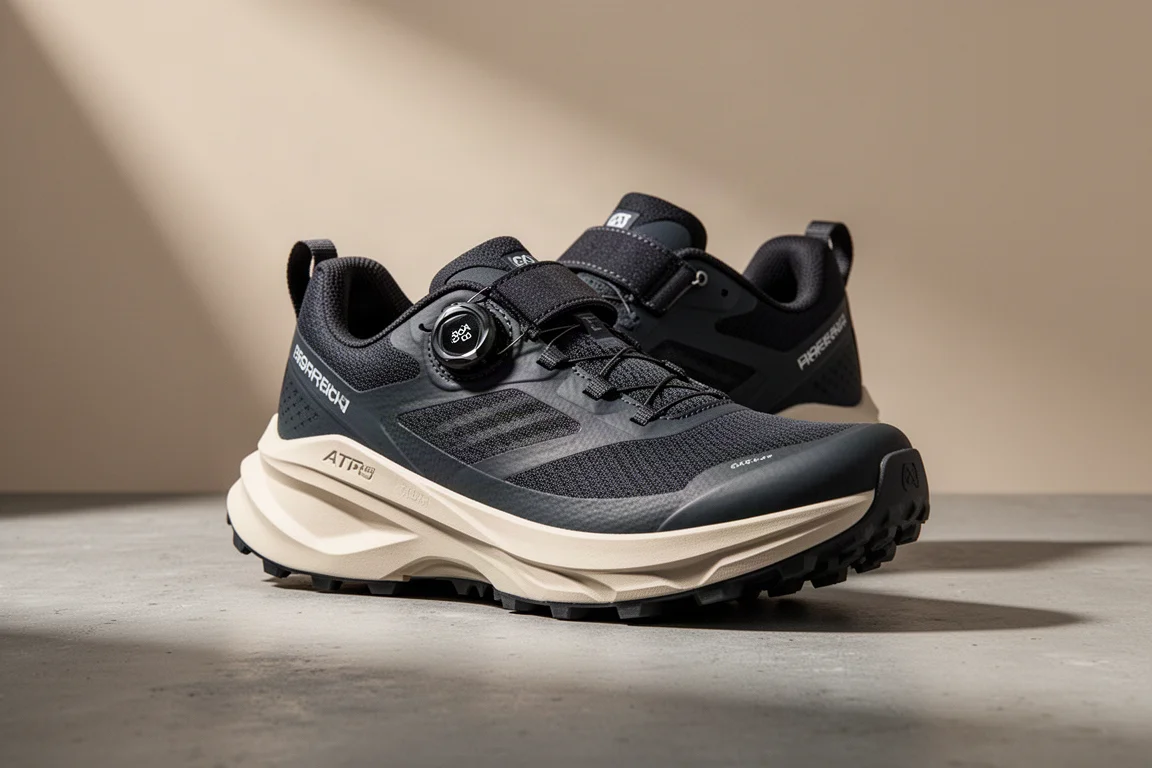
The Speedland x Saysky RX Sky is what the makers call a high-performance trail shoe built for both training and race day. It is a collaboration with Copenhagen running clothing brand Saysky, and it packs a genuinely unusual combination: a supercritical ATPU midsole, a removable carbon plate, and a fit system that swaps traditional laces for a forefoot BOA dial plus a Velcro strap at the top of the foot.
The idea is that one shoe can flex between everyday training and ultra-distance racing. After around 25 test miles on mixed road-to-trail terrain, we came away impressed by how well that concept works in practice, even if a few design choices give us pause.
Quick Specs and Design Overview
The stack lands at 42mm in the heel and 34mm in the forefoot for an 8mm drop. In our UK 8.5 / US 9 test shoe, it weighs 9.7 oz (275g). Pricing is not insignificant: £240 in the UK and $299 in the US.
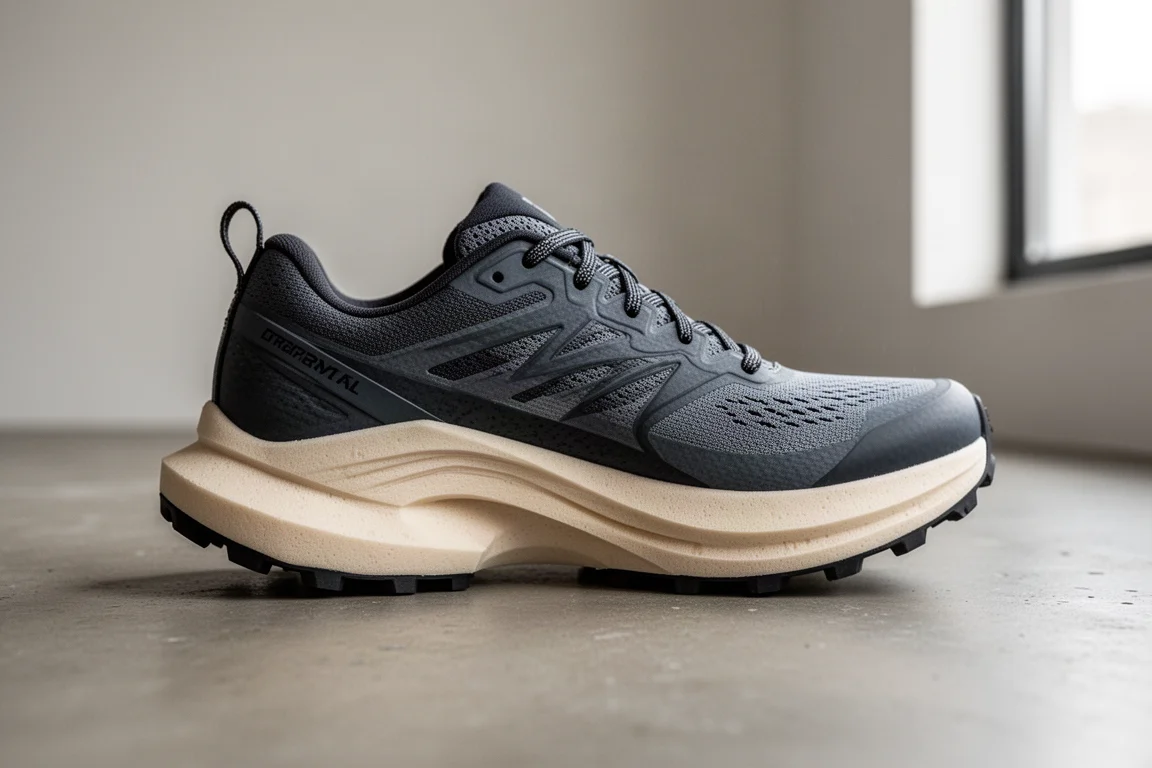
The midsole is a big stack of ATPU foam with a significant forefoot rocker, and the carbon plate can be popped in to transform the ride on race day or when you want to go faster. Up top there is a Perform Fit wrap mesh upper with an integrated tongue, a Velcro strap to lock down the rear of the top of the foot, and a forefoot BOA fit system to dial in the front. The toe box has medium-level reinforcement overlays, the heel collar is well padded at the back and slimmer at the sides, and there is a substantial heel counter.
The Saysky collab takes design cues from the brand, including glow-in-the-dark detailing: the sole illuminates and some of the upper details light up under light. Underneath, a generous covering of outsole rubber sits on 3.5mm lugs.
Fit and the BOA-plus-Velcro System
We ran a UK 9 / US 9, which is our regular shoe size, and the sizing worked nicely. There is decent toe clearance, good room across the sweep of the forefoot, and enough volume to avoid toes butting up on steep ups and downs. It feels ultra-friendly out of the box, and we would be happy running in our regular size.
The rear fit system is where we are genuinely in two minds. When the BOA and Velcro are at their loosest, there is plenty of flex; dial them in and the shoe is very securely held, sometimes almost too secure. The Velcro straps can be yanked tighter for more lockdown, which helps if you have high insteps. The heel collar holds the heel really nicely with good long-haul comfort, and the integrated setup adds flex without irritation.
The trade-off is attention. Getting the setup right takes more fiddling than a regular lacing system, and when landing unevenly or tilting the foot to the side over rocks, the BOA can create pressure points. Over the course of an ultra, that could become irritating.
The Ride Without the Plate
Without the plate, this is a big, rockered, cushioned trail shoe. The forward tip feels accentuated in the early miles compared with other recent trail shoes, but once you settle in, the roll-through feels assisted and easy. On runnable terrain it feels light for such a big stack, with plenty of cushion for long miles, and after a two-hour mixed run there were no comfort problems at all beyond the occasional BOA pressure.
The supercritical ATPU foam gives strong response, but the ride is smooth and assured rather than aggressive. It is energized without being wild, which is exactly what we want on a mixed-terrain ultra. Pebble beach sections full of tiny rocks got smoothed out, with nothing unwanted pushing up into the foot, and the wider platform helped the shoe feel fairly stable across everything we ran on.

The Ride With the Plate
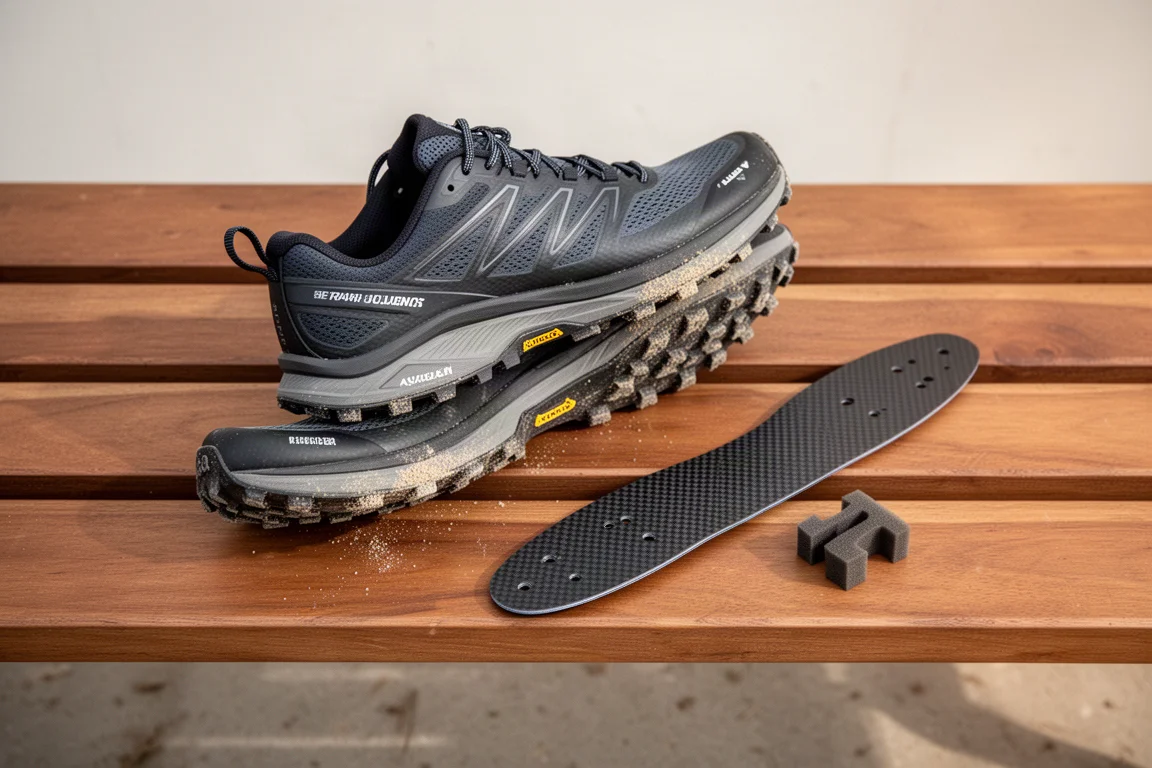
With the plate in, the shoe gets noticeably stiffer and the ride sharpens up, though some cushion is dialled down. The plate adds a little extra protection from lumps and bumps, not quite a rock plate, but a useful layer between you and the ground. The roll-through becomes poppier, and there is more impetus coming out of the toe-off.
We personally prefer the slight softness of the plate-free setup for longer efforts, but for shorter, faster running the plate genuinely adds energy. The shift is subtle, and the shoe works well in both configurations, which makes the removable design more than a gimmick.
Grip, Terrain Handling, and Durability
Most of our test miles came on runnable, hard-packed, rolling terrain, the kind you would meet at many UK ultras, rather than anything steep or highly technical. On tarmac the shoe feels like a cushioned daily trainer rather than a sticky trail shoe, which makes it a genuinely good road-to-trail option. Weight-wise, it is lighter than a Hoka Speedgoat 7, which adds to the long-haul clip without making it a light and sprightly shoe.
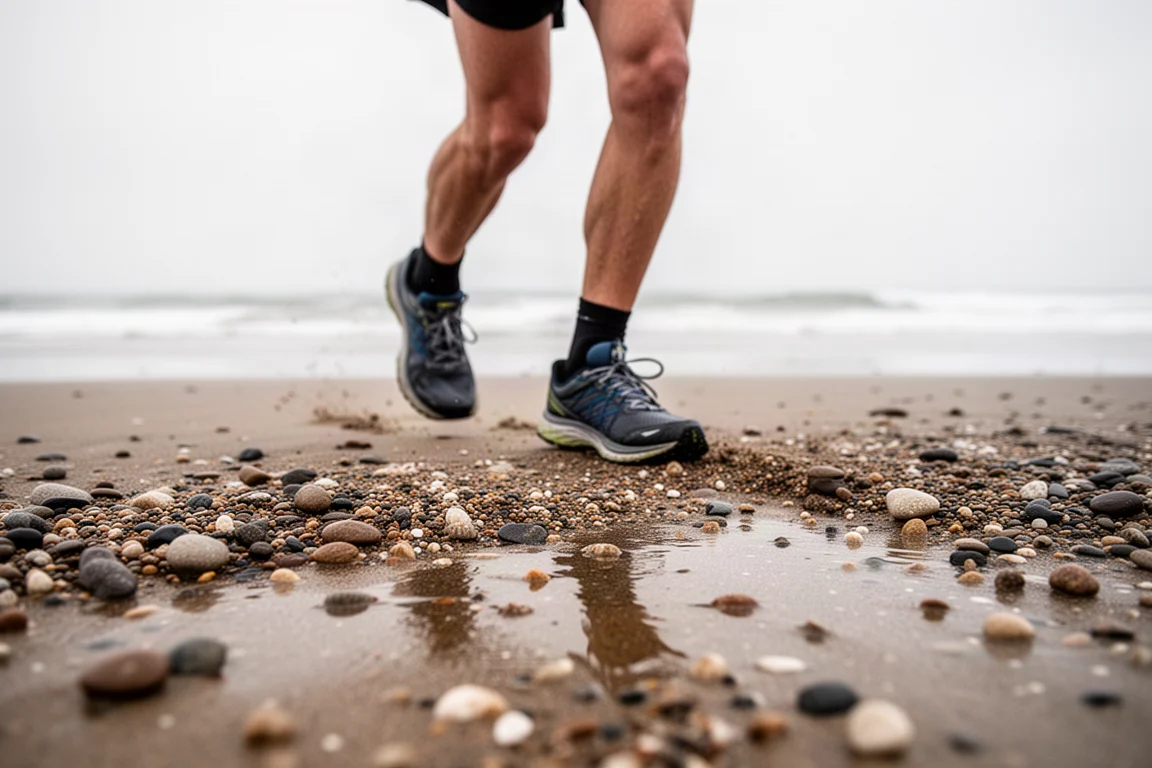
Grip is the open question. The 3.5mm lugs are relatively shallow gravel-shoe depth, and clambering over wet rocks on the beach produced some wheel-spinning on the really slippery bits. We would not expect these to cope with the trickiest conditions, and we simply have not tested enough miles in dry weather to judge that fully.
After around 25 miles, the uppers look solid and the outsole seems substantial. The concerns are the Velcro and BOA hardware, which are simply riskier long-term than plain laces, and the foam clip on the sock liner that holds the plate. Twisting the plate into place takes some effort, and we would worry about that foam struggling if the plate goes in and out frequently.
Verdict: Who Should Buy the RX Sky
We went in expecting an over-engineered, try-hard shoe and came out genuinely impressed. The comfort for long hauling is excellent across upper, fit, and cushioning, the midsole puts out lively but controlled energy, and the shoe is as happy on easy tarmac miles as on firm, hard-packed trails. We would put it in the same mix as shoes like the Salomon AeroGlide 4 as an excellent all-rounder, and the ability to flex the ride between easy days and faster race-day efforts is a genuinely interesting idea.
The biggest problem is the price. At £240 or $299, you are almost getting a two-for-one shoe, but we are not convinced that with the plate it rivals the fast performance of more agile carbon trail shoes like the Asics Metaspeed Fuji or the Adidas Terrex Speed Ultra 2. For a trail ultra plodder, cheaper road-to-trail or gravel shoes may deliver the needed performance. Still, if you want a joyful, unique, runnable mixed-terrain ultra shoe and the budget allows, the RX Sky is a very clever and likeable option.
Conclusion
The Speedland x Saysky RX Sky is one of the more interesting trail shoes we have run in recently. It pairs a big, smooth, cushioned ride with a removable carbon plate and a fit system that rewards a little patience. The BOA setup and premium price are the main reservations, but for runnable ultras and long mixed-terrain training, it does something genuinely unique and does it well.
Product link
View more details for Speedland x Saysky RX Sky
This product is mentioned in the review. Check the specifications, options, and compatibility before buying.
View more details for Speedland x Saysky RX SkyFurther reading
Related Reviews
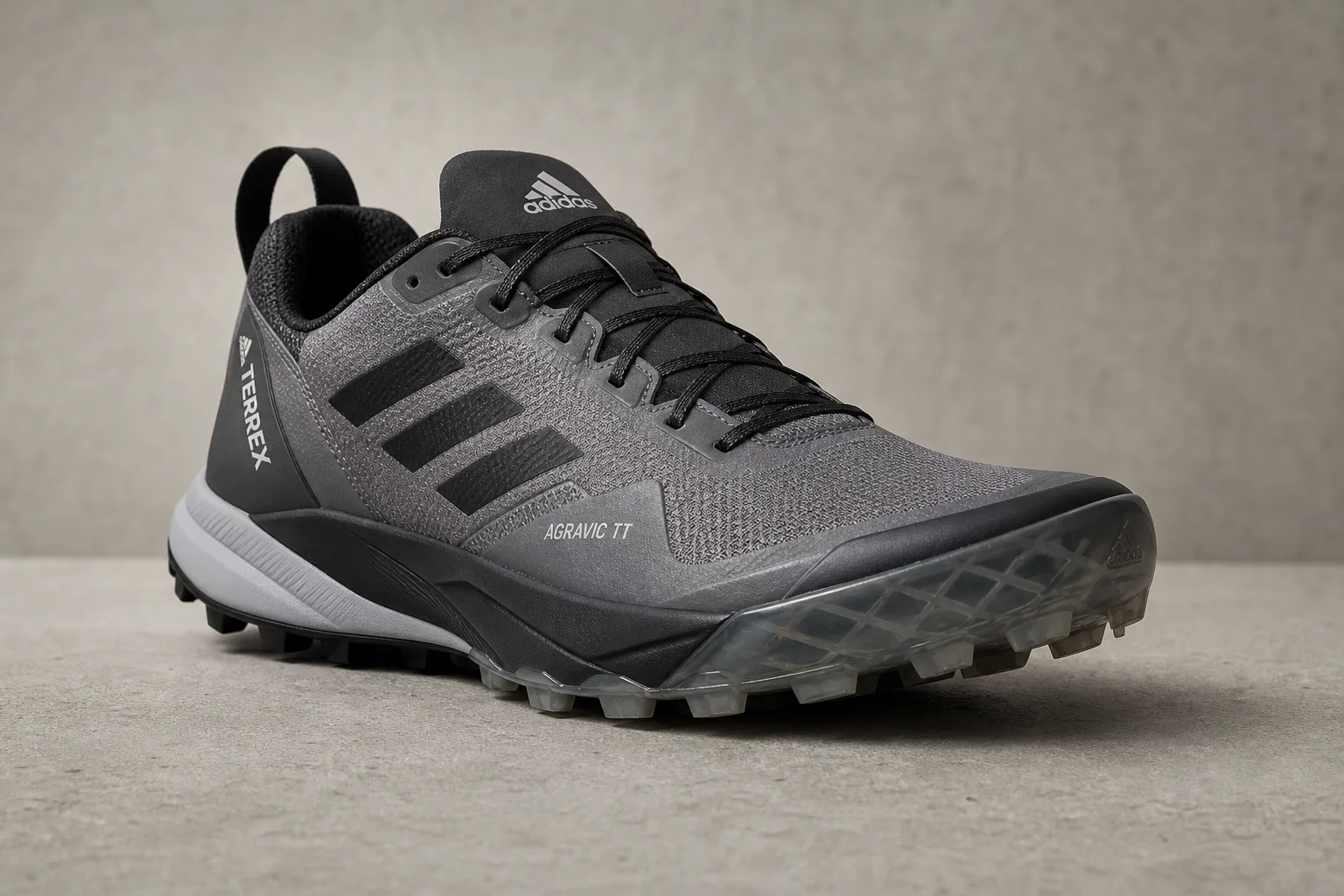
Trail Running Shoes
Adidas Terrex Agravic TT Review: A Technical Trail Shoe Built for Rocky Terrain
The Adidas Terrex Agravic TT combines a full-coverage rock plate with a firmer midsole to deliver protection and stability on technical, rocky trails. A capable choice for runners who prioritize underfoot defense over lightweight cushioning.
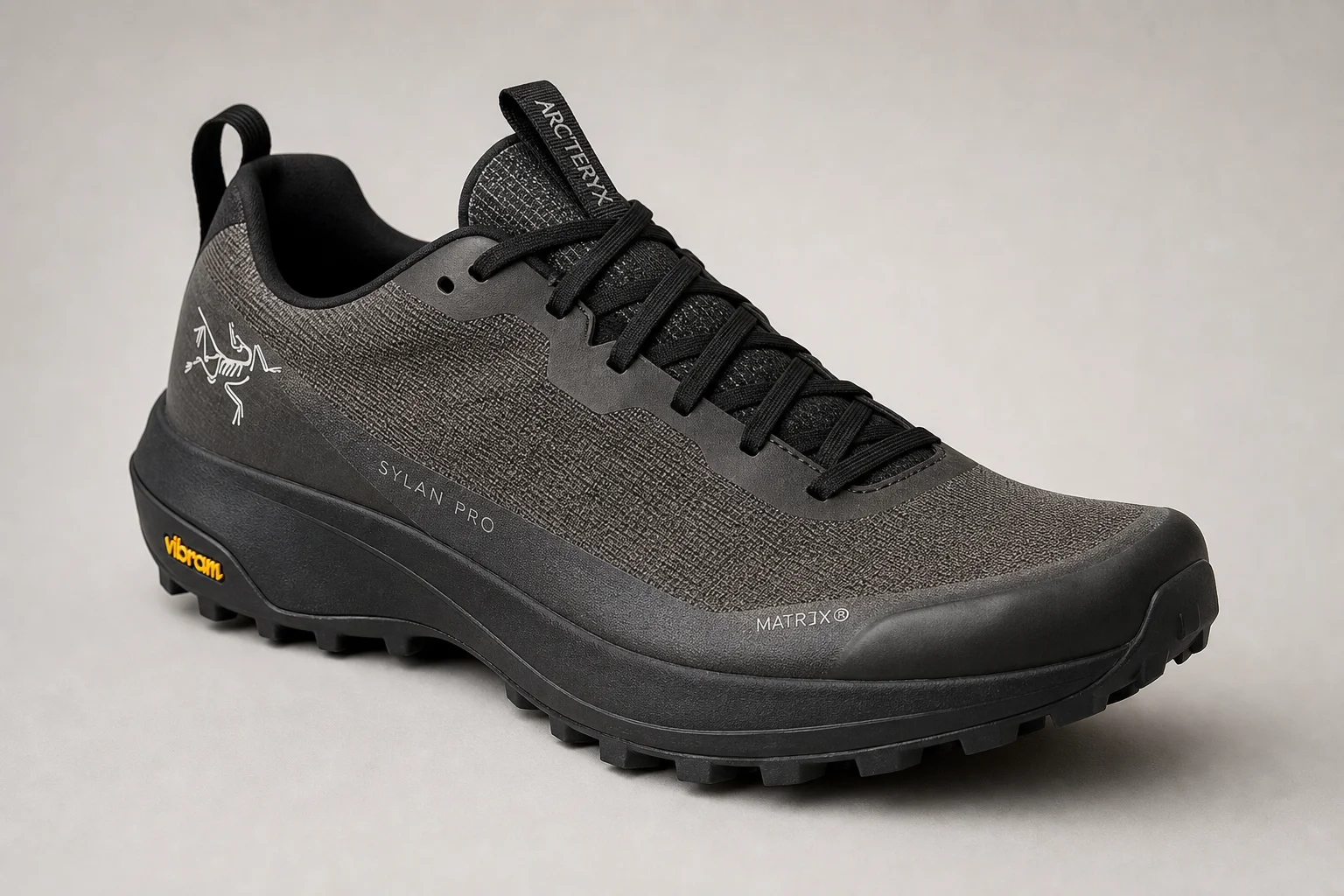
Trail Running Shoes
Arc'teryx Sylan Pro Review: A Rocker-Focused Mountain Running Shoe Tested on 20 Miles
The Arc'teryx Sylan Pro brings a pronounced rocker geometry and secure fit to mountain terrain. We tested it on a 20-mile Sawtooth loop to evaluate its climbing efficiency, protection, and handling of technical descents.
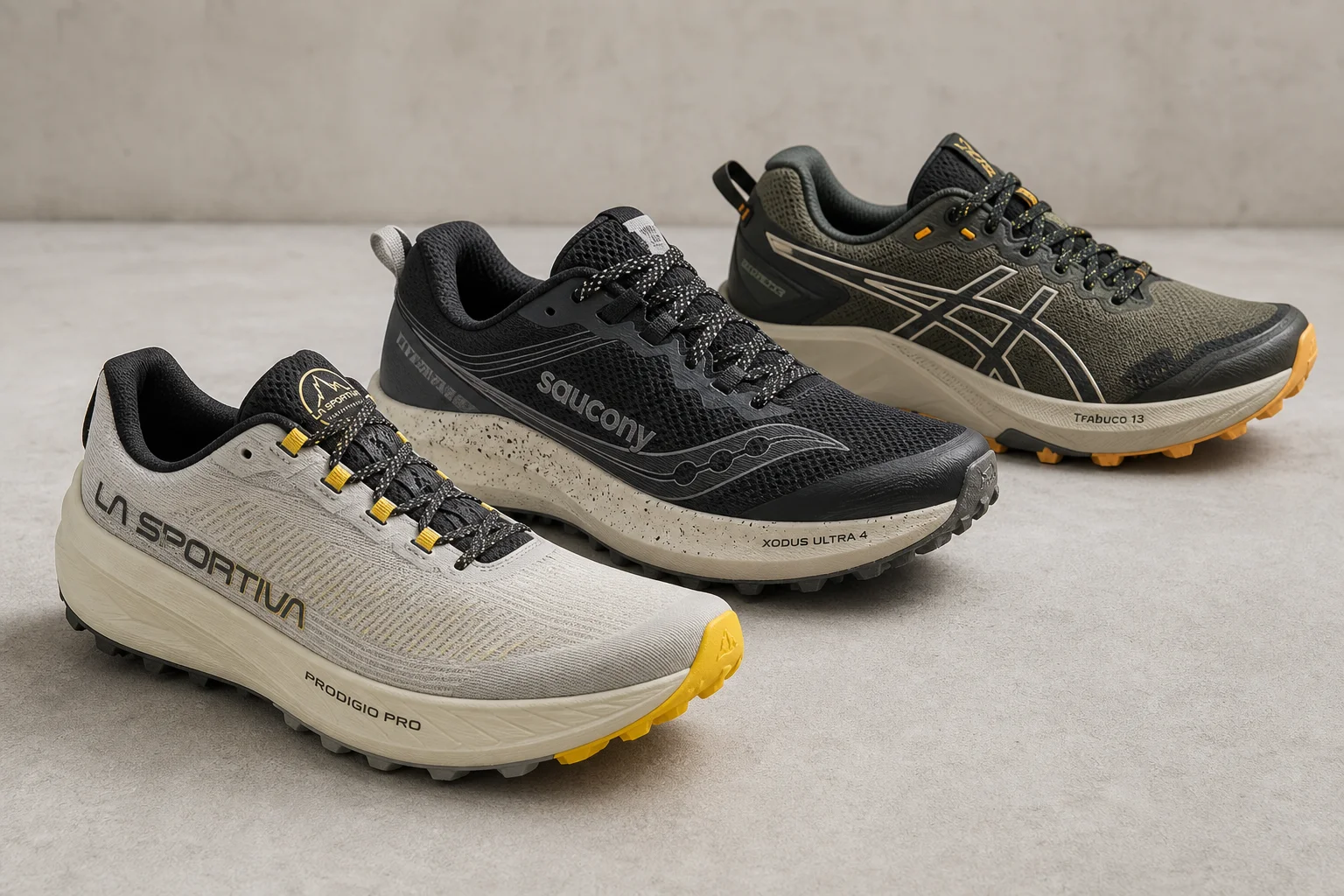
Trail Running Shoes
Best All-Mountain Trail Running Shoes: Three Versatile Options for Any Trail
A focused roundup of three all-mountain trail running shoes that handle technical terrain, long distances, and variable conditions with real strengths and practical trade-offs.