Trail Running Shoes
Speedland GS:R Review: A Trail Racing Weapon With One Big Trade-Off
A max-cushion, carbon-plated trail racer built on beaded TPU foam, BOA dial fit, and Michelin rubber. Brilliant in mud, risky on anything smooth and wet.
Introduction
Speedland is a small brand that arrived with a clear idea: build a racing shoe specifically for the trails, with no compromises borrowed from road racing. The GS:R is the result, and it makes an impression before you even get it on your feet. The packaging is custom, the branding is stamped on the box, and there are physical instruction cards rather than just a QR code. It is a niche, enthusiast-focused product and it feels like one in a good way.
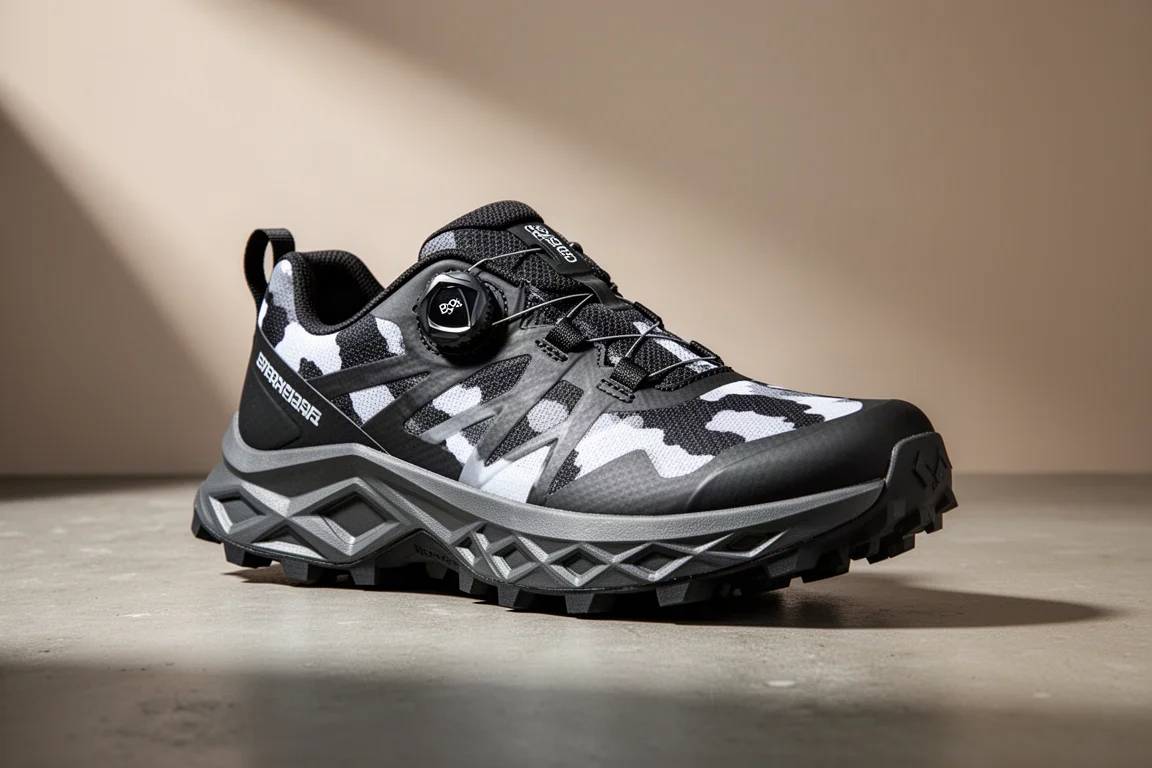
The shoe reviewed here is the Cameron Haynes edition in black, white, and grey camo, which replaced the earlier bright orange GS:T colorway. It is a distinctive look, aggressive but still a bit friendly, and it is unlike anything else in most running shoe rotations.
Who This Shoe Is For
Speedland calls this a racing weapon for all-terrain trail use, specialized for the trails with a thick stack of race foam and a removable carbon fiber plate. That positioning matters. This is a shoe built for trail racing and long days in the backcountry, not for the pavement.
It suits runners who want maximum cushioning and protection underfoot for ultras and long trail races, particularly heavier or more forceful runners who put a lot of power down. If your trail running is mostly short, fast, and non-technical, there are lighter and cheaper options, and this may not be the right tool.
Main Strengths
The headline feature is the midsole: 100% race foam, described by the brand as a beaded htpu compound. The earlier GS:T used a PEBA midsole, so this is an updated material. htpu belongs to the TPU family, similar in spirit to the durable TPU foams used in classic training shoes, and TPU compounds tend to hold up extremely well over hundreds of miles. That suggests strong durability for a $300 shoe, backed by a thick rubber outsole.
The ride is the real story. This is not a soft, plush bounce; it is an explosive, stable bounce that rewards power. On the trail it felt bouncy, robust, and comfortable enough to cruise in for hours, with a highly protective max-cushion stack that measures around 50mm in the heel in a tested size 10.5. It is not as soft as some max-cushion trail rivals, but it is bouncier than most, and it sits in a genuinely appealing middle ground: stable, beefy, cushioned, and fast.
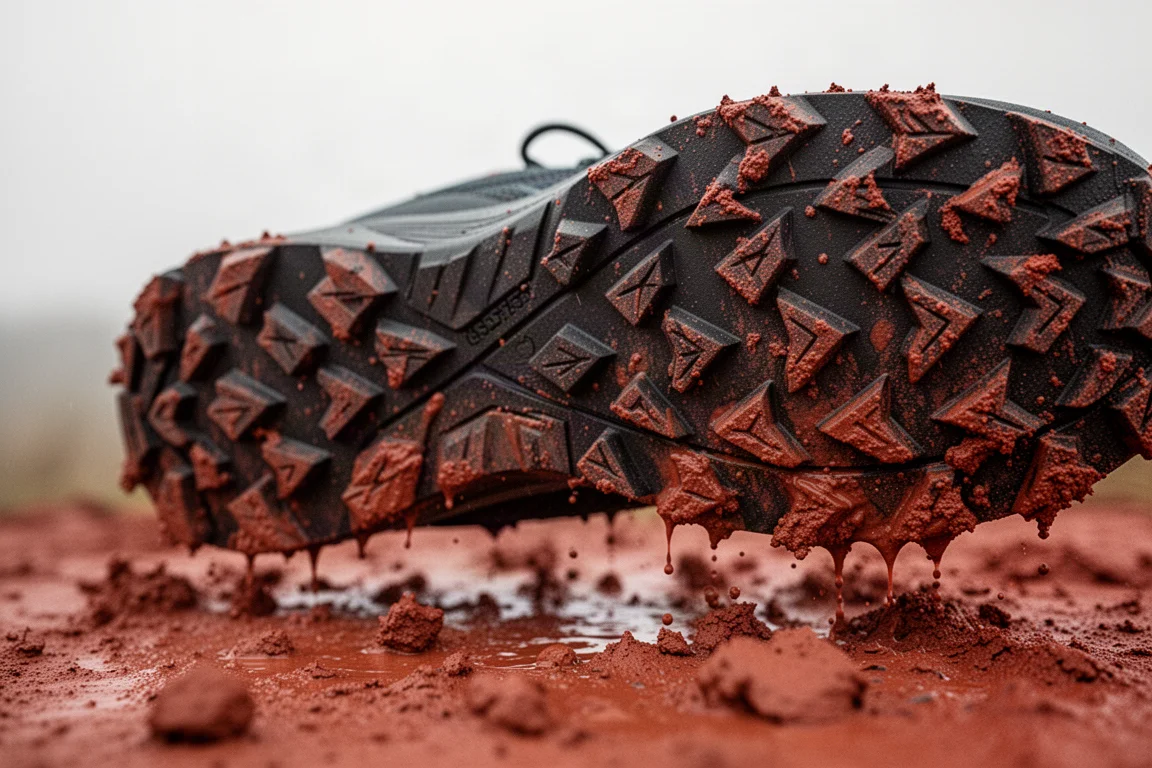
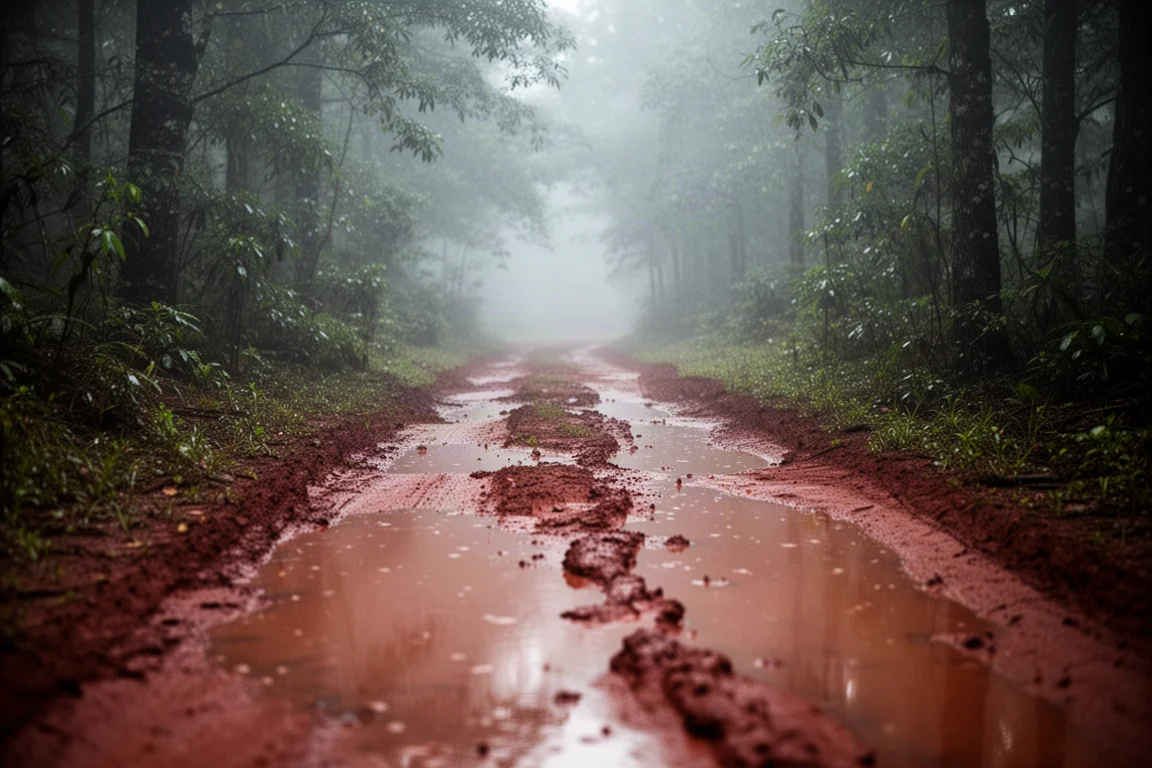
Traction in the mud was excellent. On notoriously slick Carolina red clay, it held its own against some of the best grippy trail shoes on the market, and the lug pattern sheds mud impressively well, staying free of gunk rather than building up a heavy sole. The outsole is Michelin rubber, and the upper is another highlight: a snug sock-like fit with BOA dial closures instead of traditional laces. The dials are genuinely fun and precise to use; pop them out to fully unlock, dial in to tighten, push them back in to lock.
Things to Consider Before Buying
The biggest issue is wet-weather grip on smooth surfaces. On slick pavement, wet roots, rocks, and especially a wet wooden bridge, this shoe was noticeably worse than road shoes and even a poorly regarded road rubber compound. On the wet bridge, the pace slowed nearly to a walk. Grip never improved over the course of the run. For a $300 trail shoe, this is the glaring weakness.
There is a plausible explanation: like a mud-terrain tire, the widely spaced, aggressive lug design trades smooth-surface siping for mud-shedding ability. That makes it excellent in mud and red clay but poor on anything wet and slick. The same design logic means icy or wet rock sections should be treated with caution.
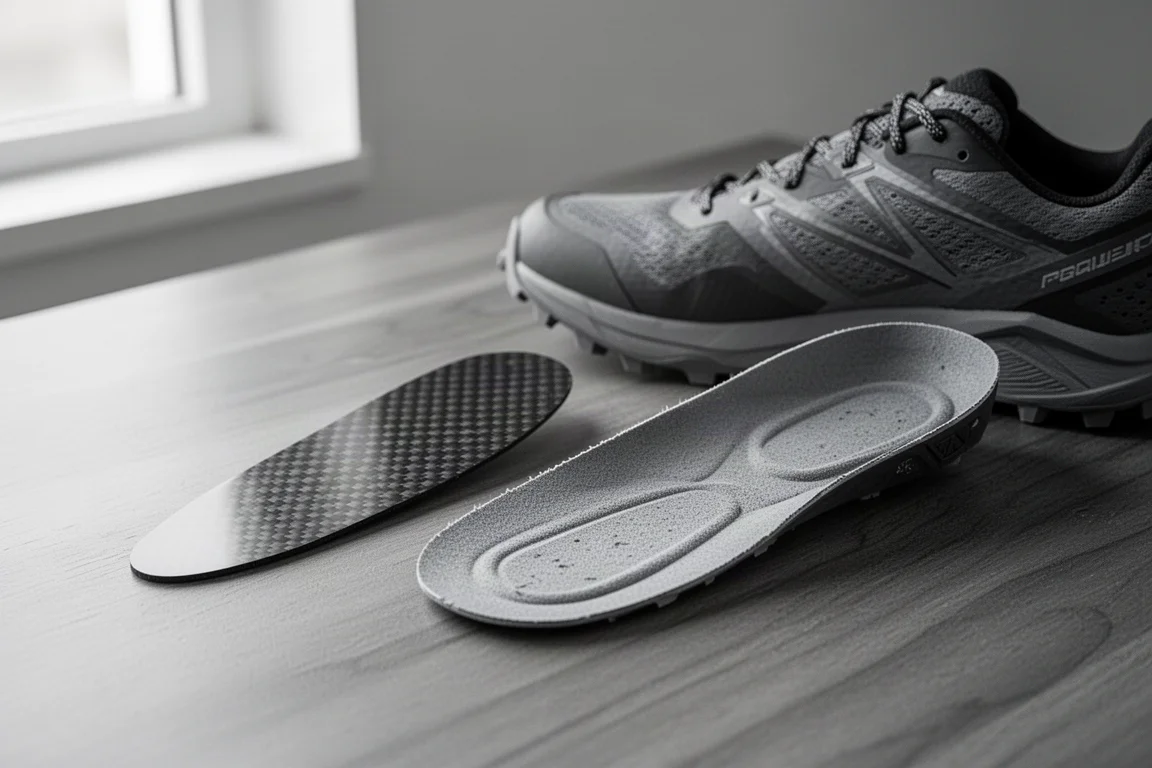
The second consideration is weight. With the plate installed, the shoe weighed 365.5g in a size 10.5, making it heavier than essentially every other performance trail racer on hand, including rivals around 280g to 340g. The carbon plate itself weighs about 20g. It is a max-cushion tank, and that is part of its character, but it will not feel light.
Third, the plate system requires assembly. The Carbitex carbon plate is sold and shipped separately and must be inserted under the insole, sliding the mounting hole under the lip of the mounting edge until everything sits flush in the recess. The instructions come as a four-step card, and while it is a straightforward job once you have done it, it is more involved than any ordinary running shoe. The plate can be removed for maximum flexibility and feel, and the insole even includes a marked drainage hole you can cut open for wet races.
At around $300 including the plate, this is one of the most expensive trail shoes available, sitting alongside other premium trail racers in the $275 to $300 range. The small-batch release strategy and the engineering hours from a small team are part of what you are paying for.
Buying Advice
Buy the GS:R if you are racing ultras or long trail events on soft, muddy, or technical terrain and you want maximum cushioning, an explosive ride, and top-tier durability. It would be an excellent pick for something like a 50-miler across dirt, and the TPU-based foam suggests it will outlast many rivals. Its fit and finish, from the BOA dials to the packaging, justify the premium for buyers who want a hyper-performance niche product.
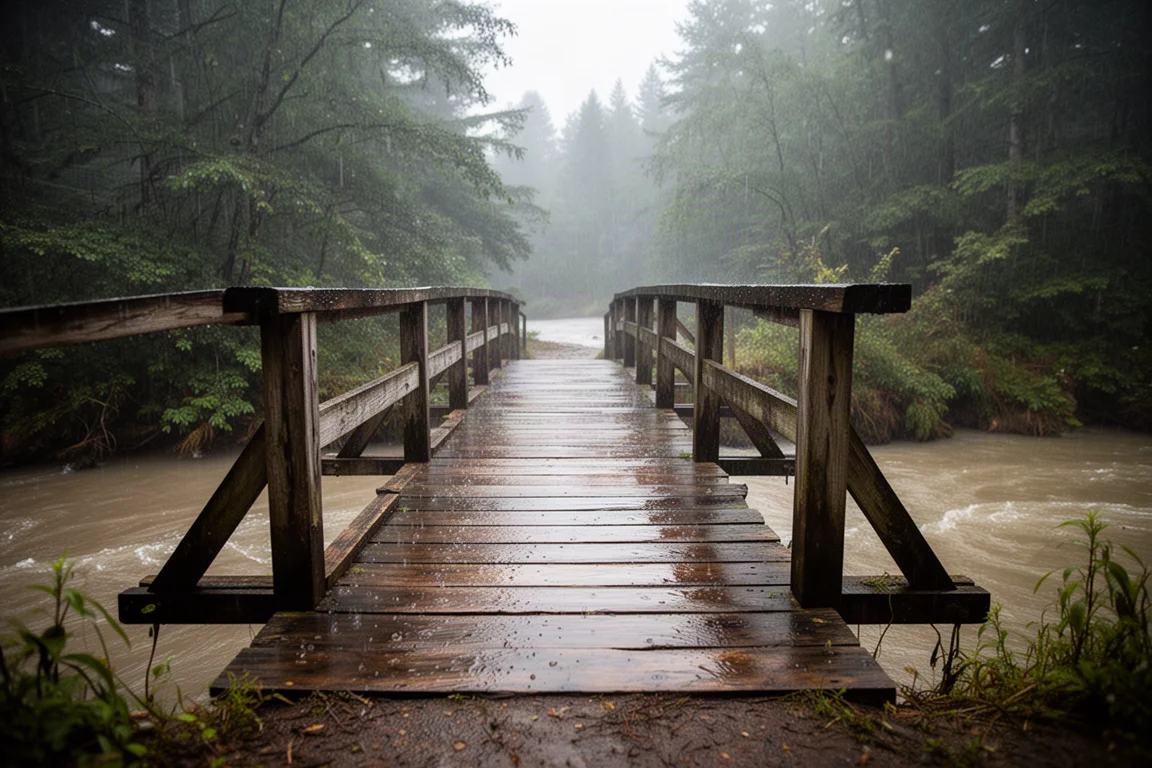
Skip it, or size your expectations carefully, if your routes regularly include smooth wet surfaces: paved connectors, wooden bridges, wet rock, or ice. On those, it is genuinely compromised, and there are cheaper, lighter trail racers that handle mixed conditions better. Plenty of strong options exist at lower price points, including cushioned trail tanks on discount from bigger brands, and you do not need a $300 shoe to run an ultra comfortably. But for the specific buyer it targets, the GS:R earns its price.
Conclusion
The Speedland GS:R is a bold, distinctive trail racing shoe with an explosive max-cushion ride, an innovative removable carbon plate, excellent mud traction, and a premium BOA-dialed upper. Its fatal flaw is wet grip on smooth surfaces, which is a serious trade-off in a shoe at this price. If your racing happens where it is soft and dirty, it is a banger; if your races cross pavement and slick rock in the rain, think twice before committing.
Product link
View more details for Speedland GS:R
This product is mentioned in the review. Check the specifications, options, and compatibility before buying.
View more details for Speedland GS:RFurther reading
Related Reviews
Trail Running Shoes
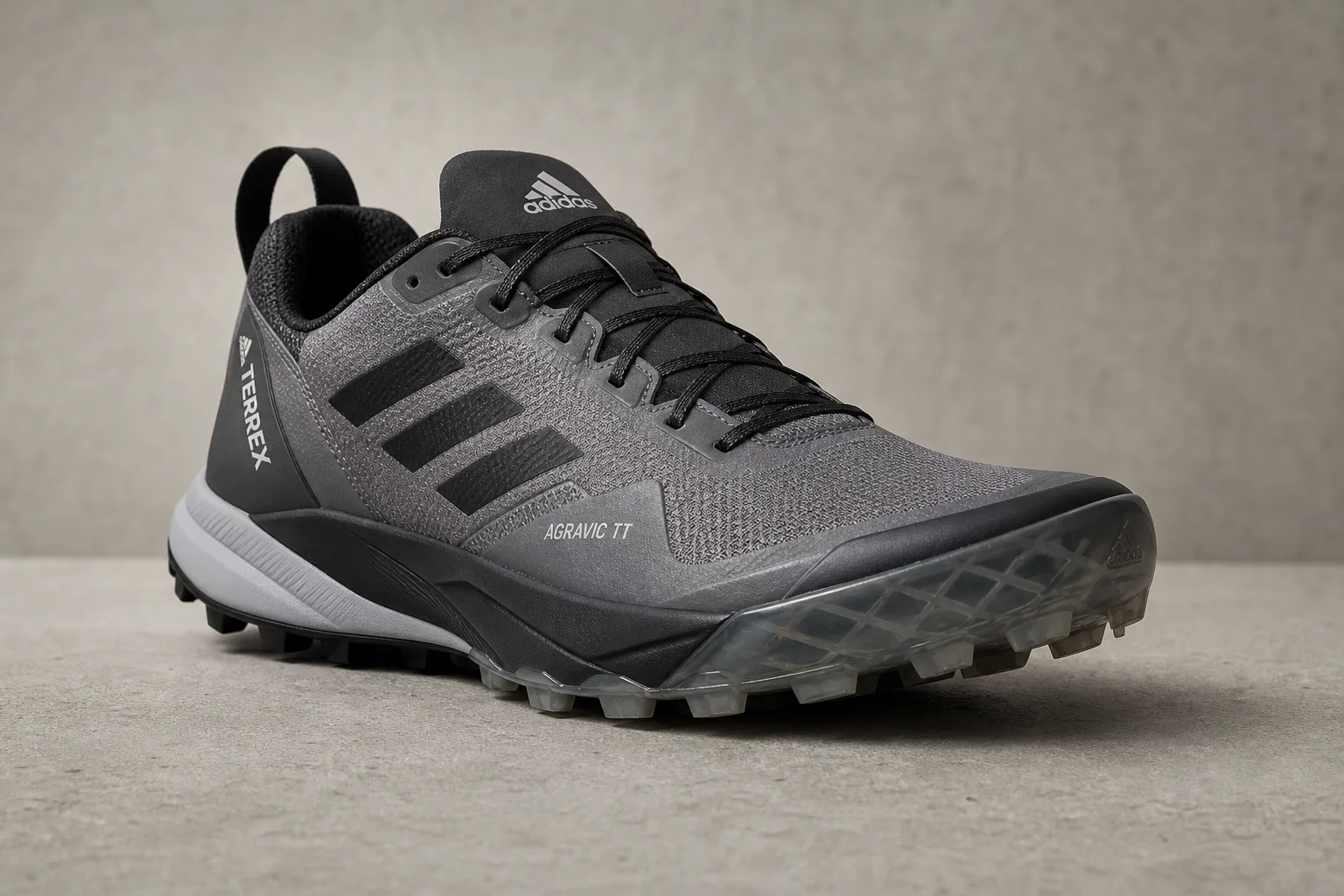
Adidas Terrex Agravic TT Review: A Technical Trail Shoe Built for Rocky Terrain
The Adidas Terrex Agravic TT combines a full-coverage rock plate with a firmer midsole to deliver protection and stability on technical, rocky trails. A capable choice for runners who prioritize underfoot defense over lightweight cushioning.
Trail Running Shoes
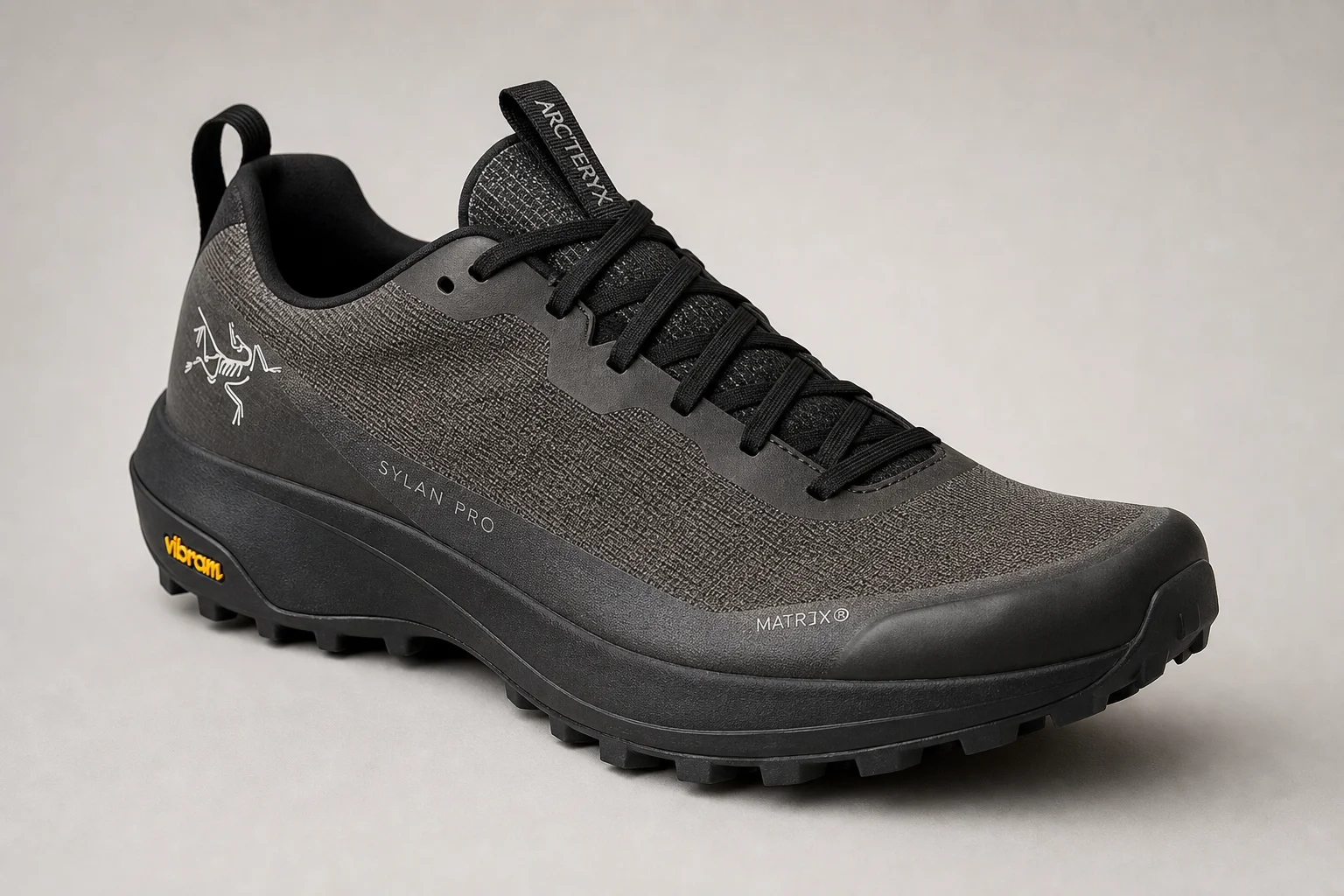
Arc'teryx Sylan Pro Review: A Rocker-Focused Mountain Running Shoe Tested on 20 Miles
The Arc'teryx Sylan Pro brings a pronounced rocker geometry and secure fit to mountain terrain. We tested it on a 20-mile Sawtooth loop to evaluate its climbing efficiency, protection, and handling of technical descents.
Trail Running Shoes
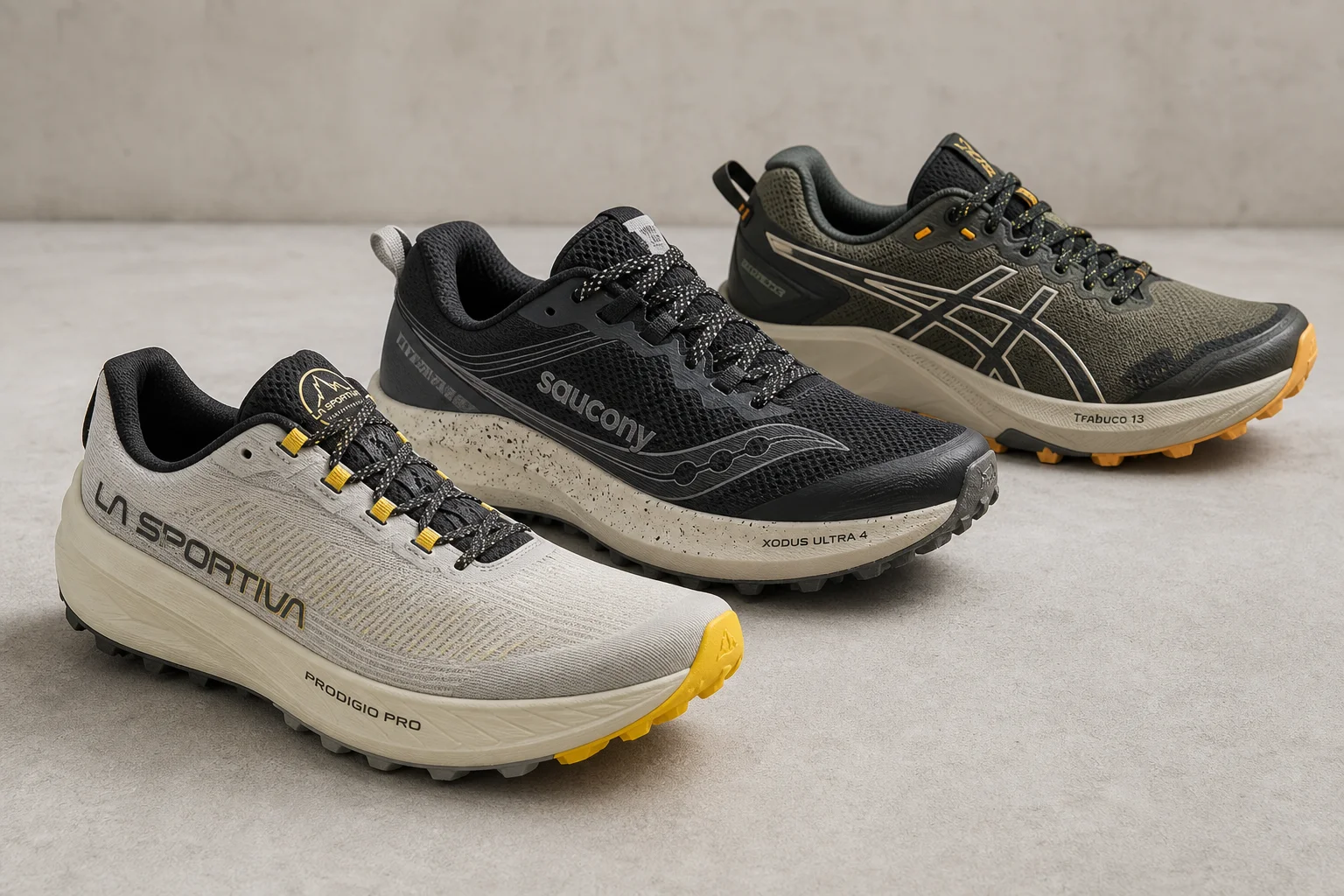
Best All-Mountain Trail Running Shoes: Three Versatile Options for Any Trail
A focused roundup of three all-mountain trail running shoes that handle technical terrain, long distances, and variable conditions with real strengths and practical trade-offs.