Trail Running Shoes
Speedland GS:PDX Trail Shoe Review: Premium Comfort for Soft Forest Trails
A $275 trail shoe built around a BOA fit system, HTPU midsole, Michelin outsole, and an optional $35 Carbitex GearFlex plate. Here is how it performs after real trail miles.
Introduction
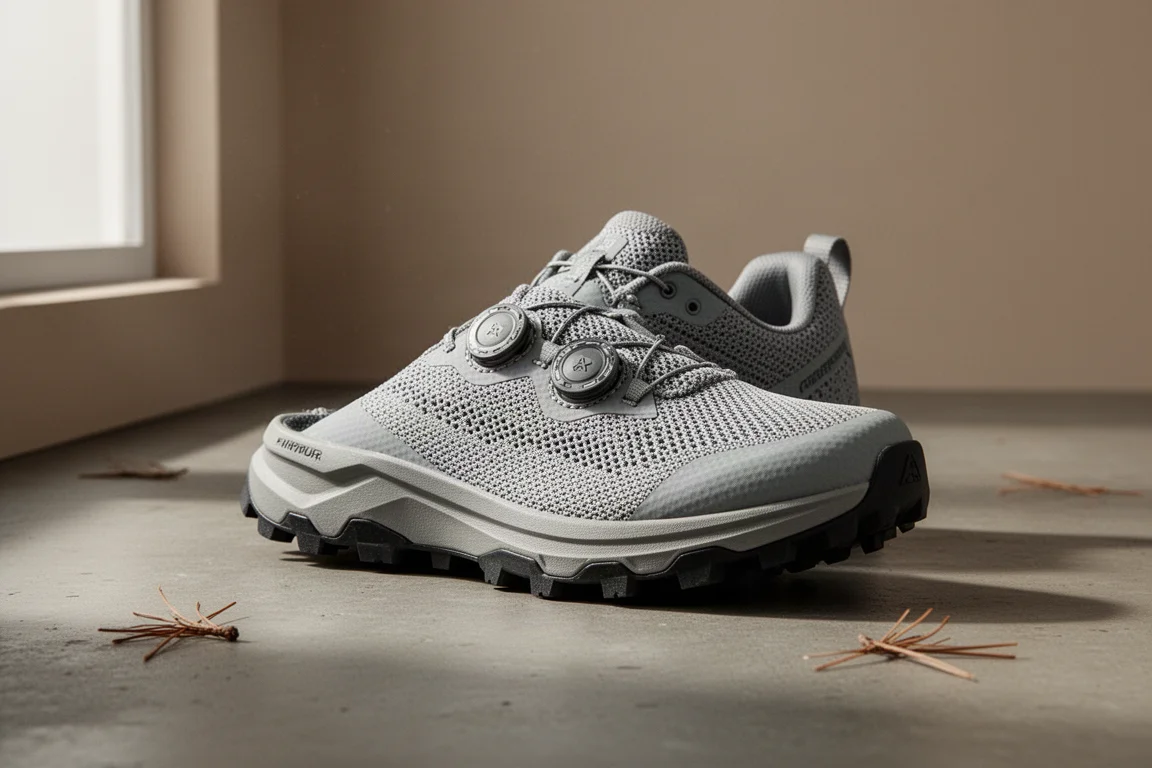
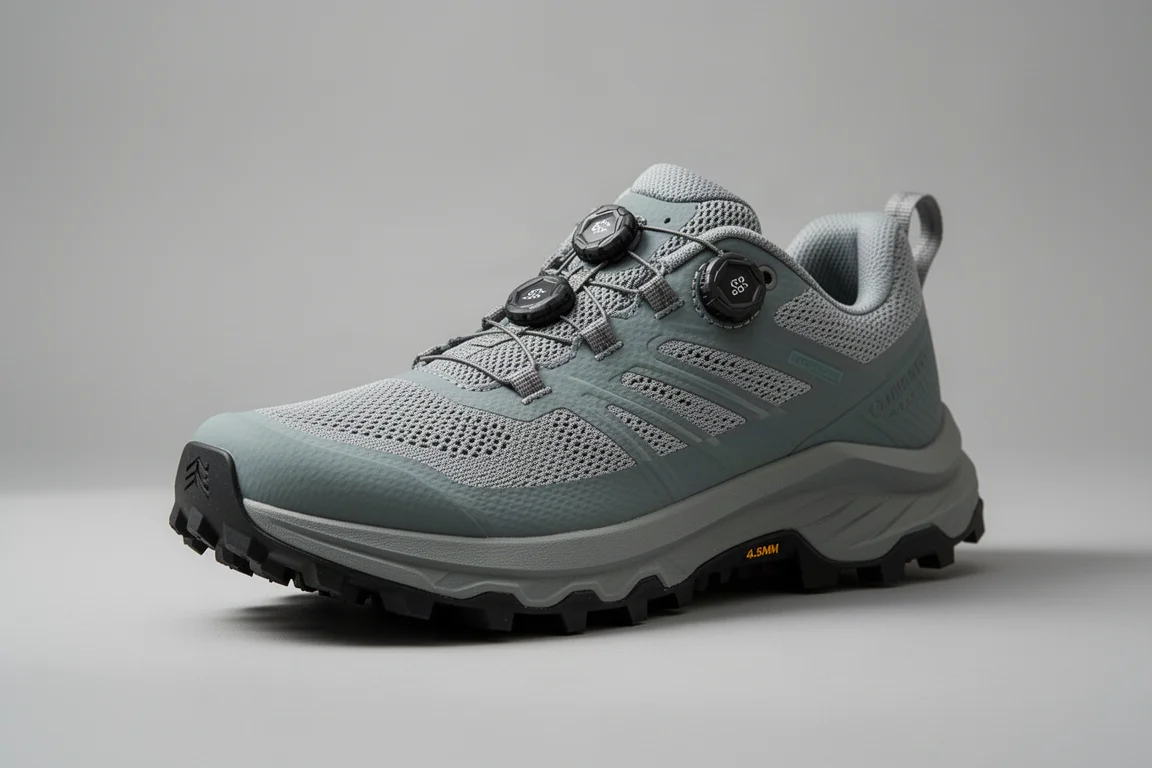
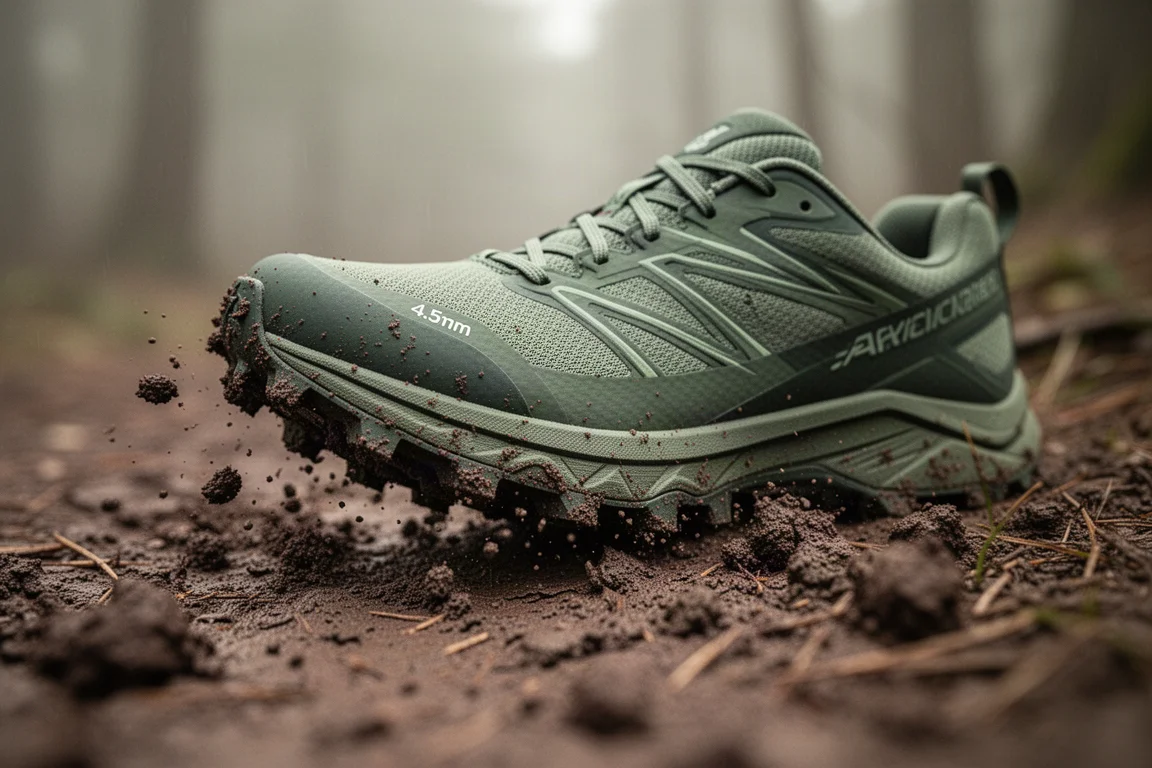
The Speedland GS:PDX is a trail shoe designed for long-distance training that aims to combine comfort with a good level of responsiveness for faster sessions. It costs $275, weighs 300g or 10.6 oz for men’s size 8.5, and has a 7mm drop. The design combines a 100% beaded HTPU external midsole with a drop-in Pabax-spined insole, a lightweight and breathable mesh upper with two multi-directional BOA fit system dials, and a generous layer of Michelin Fiberlight outsole with 4.5mm lugs.
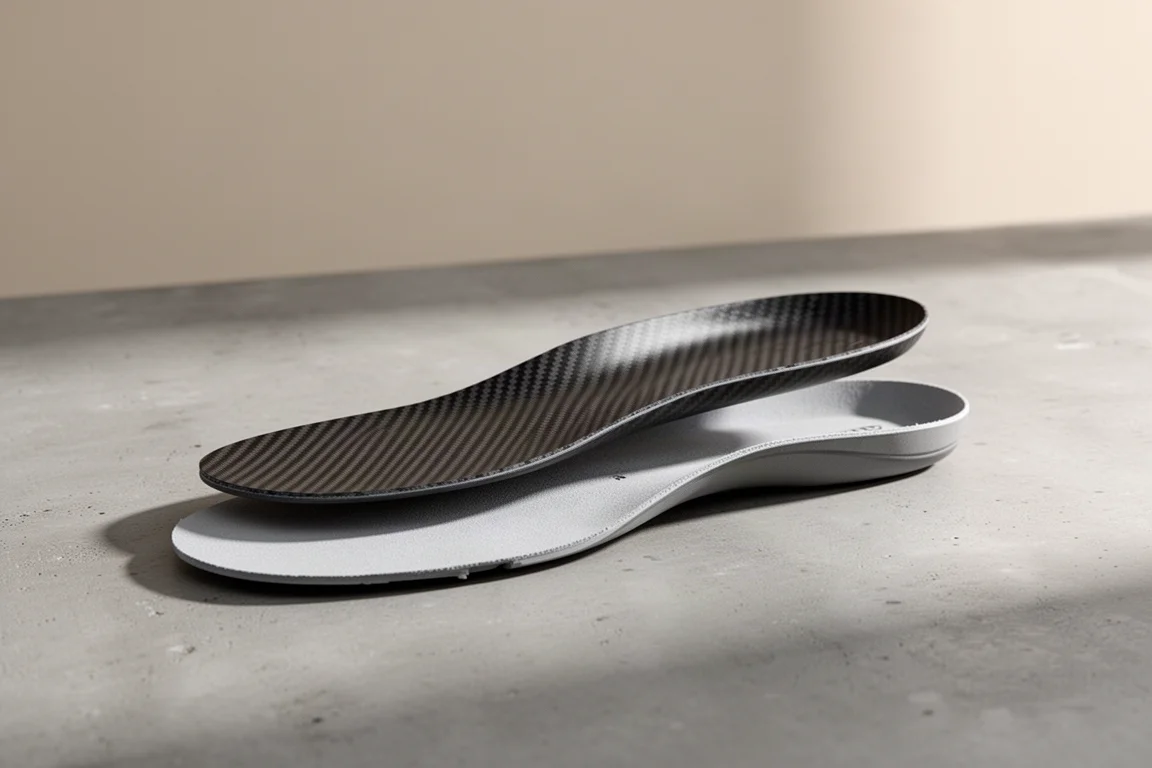
Within the insole is space for a Carbitex GearFlex plate to improve performance, but that plate is sold separately, which makes this a two-part purchase worth examining carefully.
Fit, Sizing, and the BOA Perform Fit Wrap
This is a roomy shoe. There is a lot of space in the forefoot and along its sides, approaching the generous fit you might expect from a dedicated ultra shoe. The extra volume is deliberate: it is designed to let your toes move around when your feet swell on long trail days. Speedland recommends sizing up half a size in this shoe, and that advice is worth following, especially if you plan to use the optional plate.
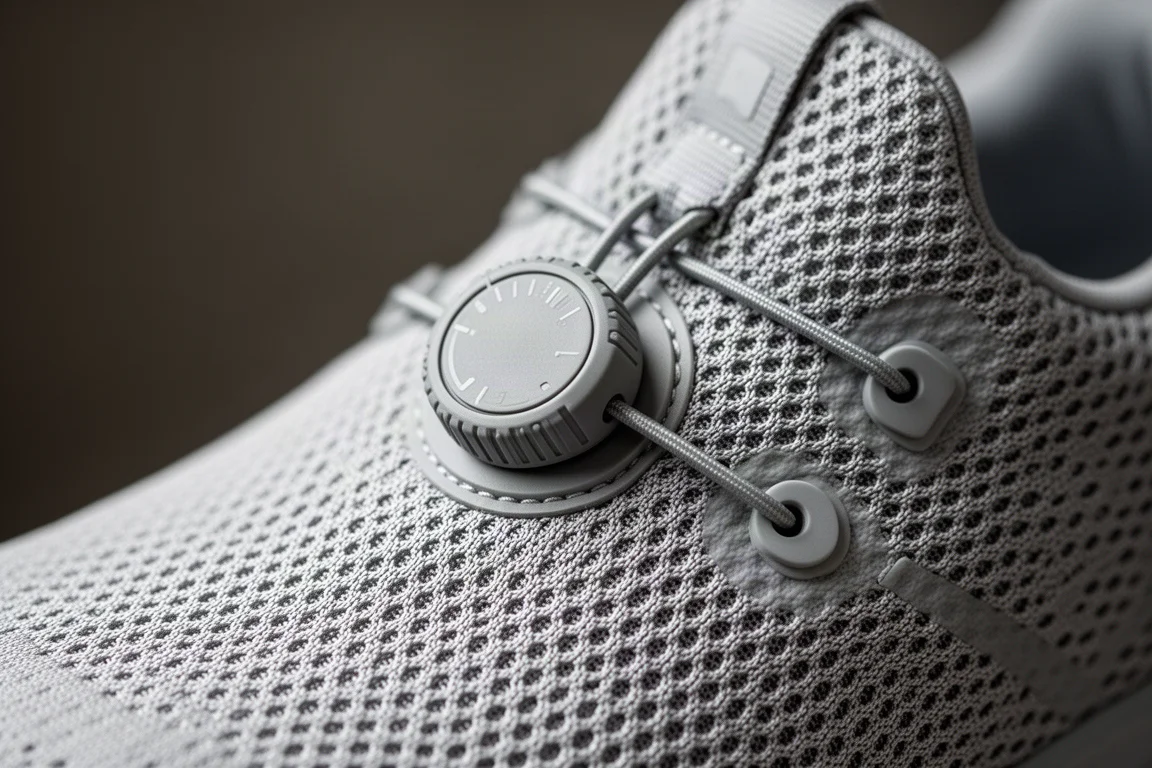
The fit system is one of the shoe’s standout features. Two multi-directional BOA dials work alongside a Perform Fit wrap made of straps positioned at various points across the top of the shoe. Rather than tightening the whole shoe uniformly, the straps pull the foot in across different areas, giving a genuinely secure lockdown fit. If you are not used to BOA dials, common in snowboarding boots, there is a learning curve: the temptation is to crank them all the way tight, which can be uncomfortable. Ease them back a bit and you get an excellent, dialed-in fit that can be released and tightened quickly, which is ideal for long efforts.
Ride Feel: Firm at First, Better with Miles
Out of the box, this shoe is firm. On hard ground, road sections, and rocky terrain, the early runs felt harsh and uncomfortable. The good news is that it softens up noticeably after roughly 40 to 50km of use. Even then it remains on the firm side, so if you want a plush ride, this is not the softest trail shoe available. A shoe like the Hoka Speedgoat offers a definitively softer ride.
Where the GS:PDX excels is on softer trails: compacted mud, fields, and forest paths where the ground already has some give. On that terrain the ride suddenly kicks into gear and feels comfortable and stable. The shoe is apparently inspired by the Forest Park trail system in Portland, Oregon, and that character carries through: firm, protective, and confidence-inspiring on soft, varied woodland ground rather than dry, hard mountain trails.
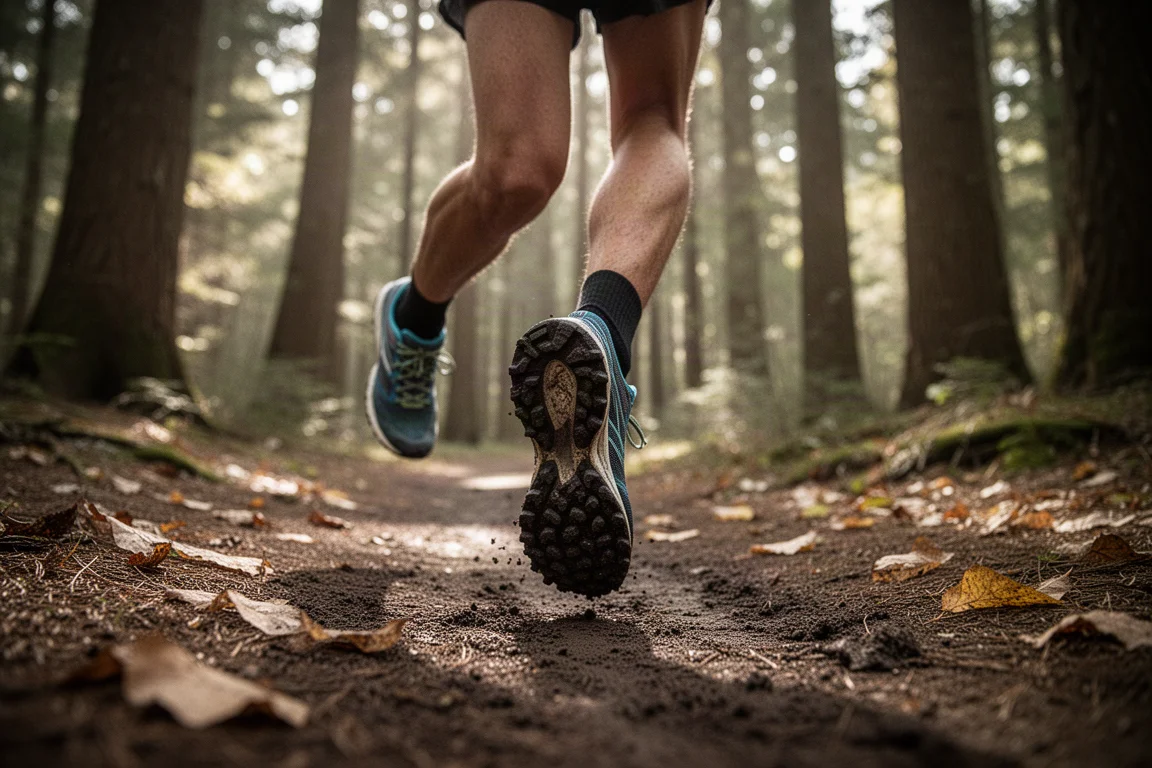
The Michelin Fiberlight outsole with 4.5mm lugs is genuinely grippy on soft ground. On smooth, hard, wet rocky surfaces, however, the relatively smooth outsole can slip, so it is clearly not built for that kind of terrain. The firmer midsole also makes this a very solid and stable shoe overall.
View more details for Speedland GS:PDX
The Carbitex GearFlex Plate: Worth the Extra $35?
The Carbitex GearFlex plate sits inside the removable insole and is sold separately for $35, presumably to make the shoe more customizable for different uses. Adding it does change the ride. Once the shoe had softened up, inserting the plate hardened the feel back up noticeably, closer to how the shoe felt on day one.
For comfortable trail running at moderate paces around 5:00 to 5:30 per km, the plate added nothing noticeable, and on one 20K run with the plate in place it caused blisters on both feet. The plate seems to add a little extra depth under the insole, pushing the toes up slightly, which reinforces the sizing-up advice if you intend to run with it. The plate is probably aimed at runners going genuinely long distances through forest terrain who want a bit more propulsion and stability. For everything else, the shoe feels fine without it.
Buying Advice: Who Should (and Shouldn’t) Buy It
After around 60km of testing, the verdict is straightforward. This is a solid, thoughtfully designed trail shoe for a specific purpose: long-distance running on soft forest trails and paths. If you want stability in a trail shoe and you cover that kind of terrain, it works very well, and the BOA and Perform Fit system is a genuine highlight for runners who need a secure, adjustable fit over long hours.

If you want one trail shoe to cover all types of terrain, this is probably too specialized. It is uncomfortable on harder surfaces and can slip on smooth wet rock. Alternatives in a similar long-distance vein include the Hoka Tecton X and X2, which feel a bit more natural and softer underfoot and are usable across more types of runs. The GS:PDX is also expensive, at $275, and availability in the UK is currently limited, so check your local market before committing.
View more details for Speedland GS:PDX
Conclusion
The Speedland GS:PDX is a well-made, cleverly designed shoe for a narrow use case. The HTPU midsole, Michelin outsole, and dual-BOA Perform Fit wrap all show clear intent, and on soft forest trails it is comfortable, stable, and enjoyable to run in. For runners who match its terrain, especially those who value fit customization, it is a good option. For most people looking for a do-everything trail shoe, it is a little too specific and a little too expensive.
Further reading
Related Reviews
Trail Running Shoes
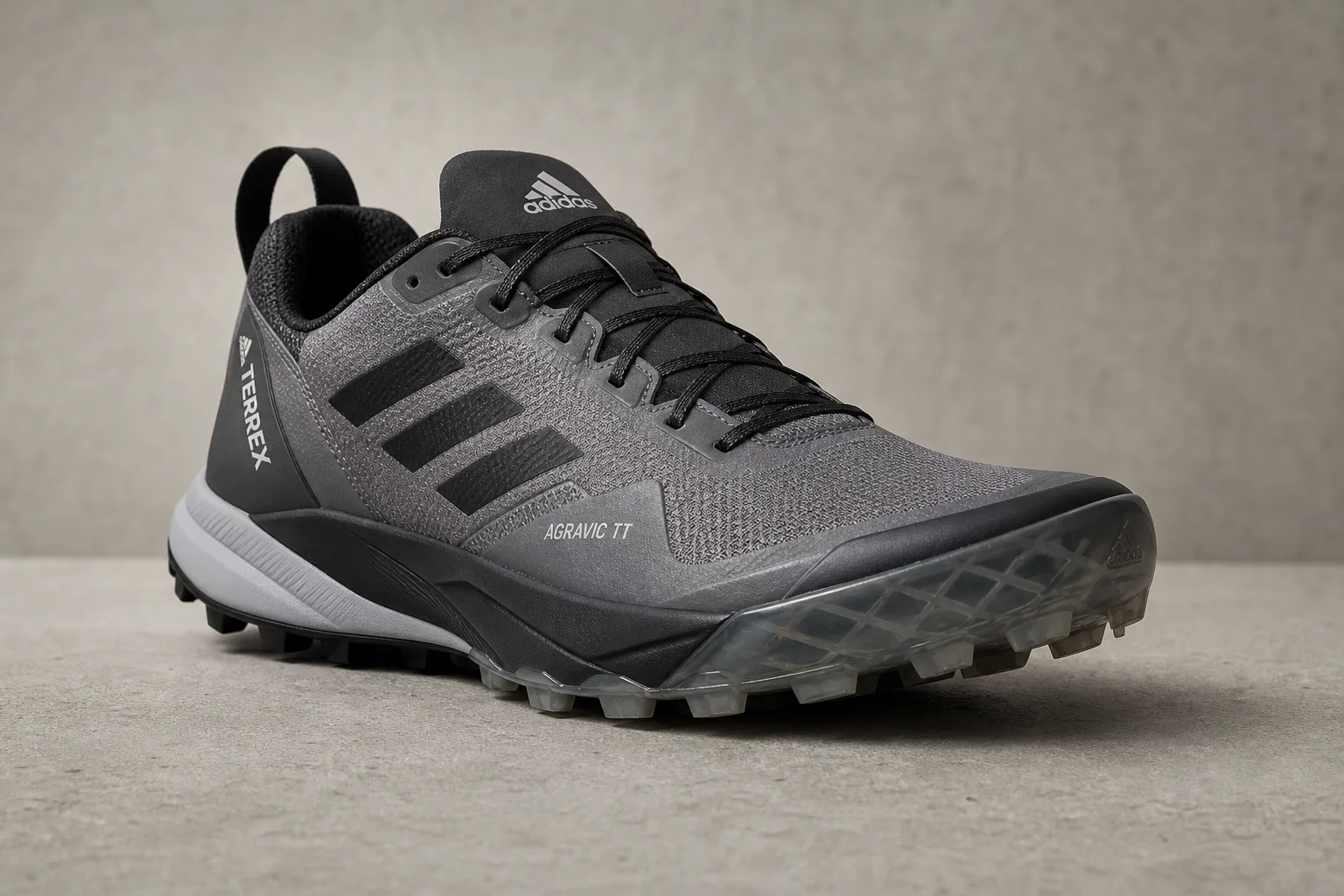
Adidas Terrex Agravic TT Review: A Technical Trail Shoe Built for Rocky Terrain
The Adidas Terrex Agravic TT combines a full-coverage rock plate with a firmer midsole to deliver protection and stability on technical, rocky trails. A capable choice for runners who prioritize underfoot defense over lightweight cushioning.
Trail Running Shoes
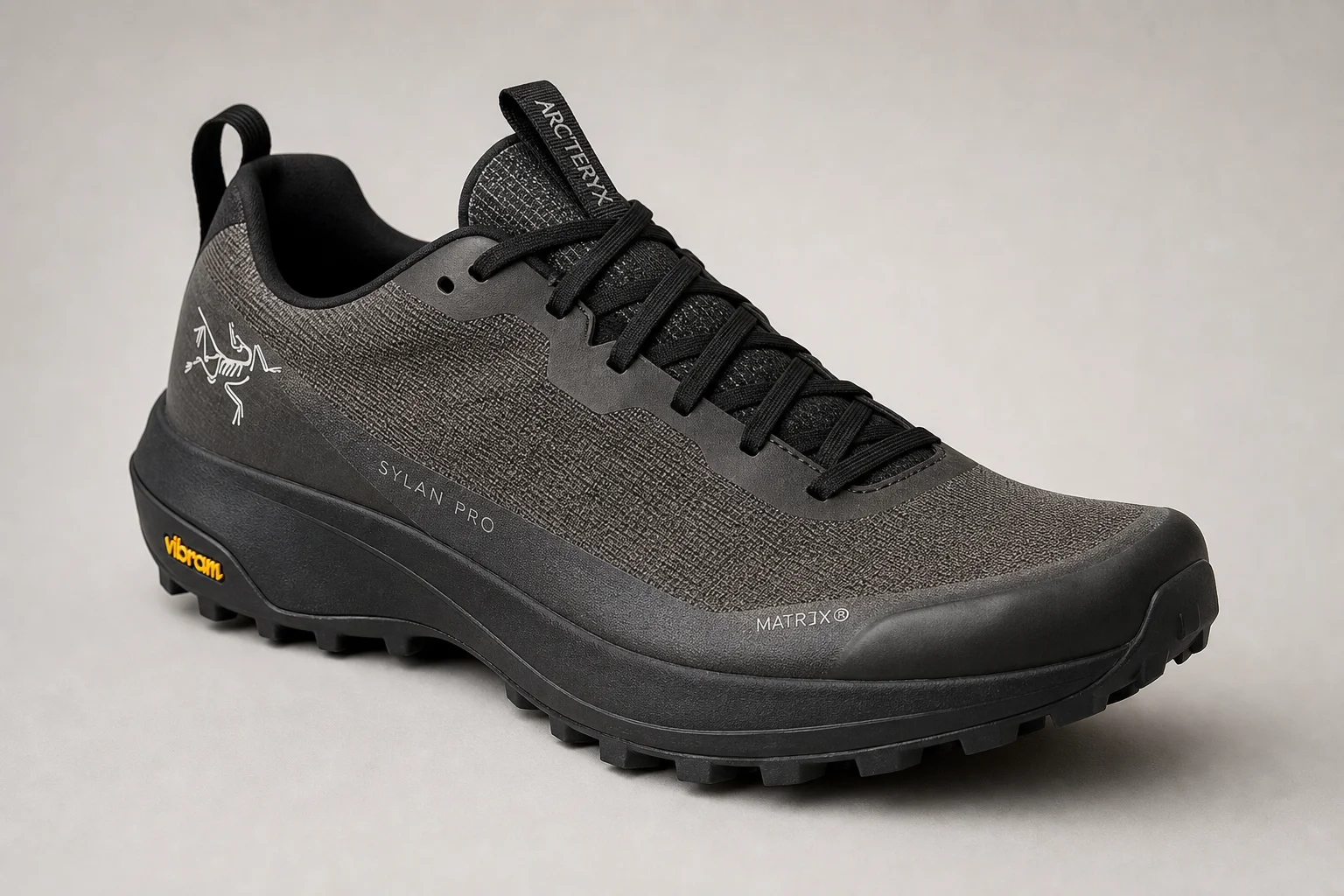
Arc'teryx Sylan Pro Review: A Rocker-Focused Mountain Running Shoe Tested on 20 Miles
The Arc'teryx Sylan Pro brings a pronounced rocker geometry and secure fit to mountain terrain. We tested it on a 20-mile Sawtooth loop to evaluate its climbing efficiency, protection, and handling of technical descents.
Trail Running Shoes
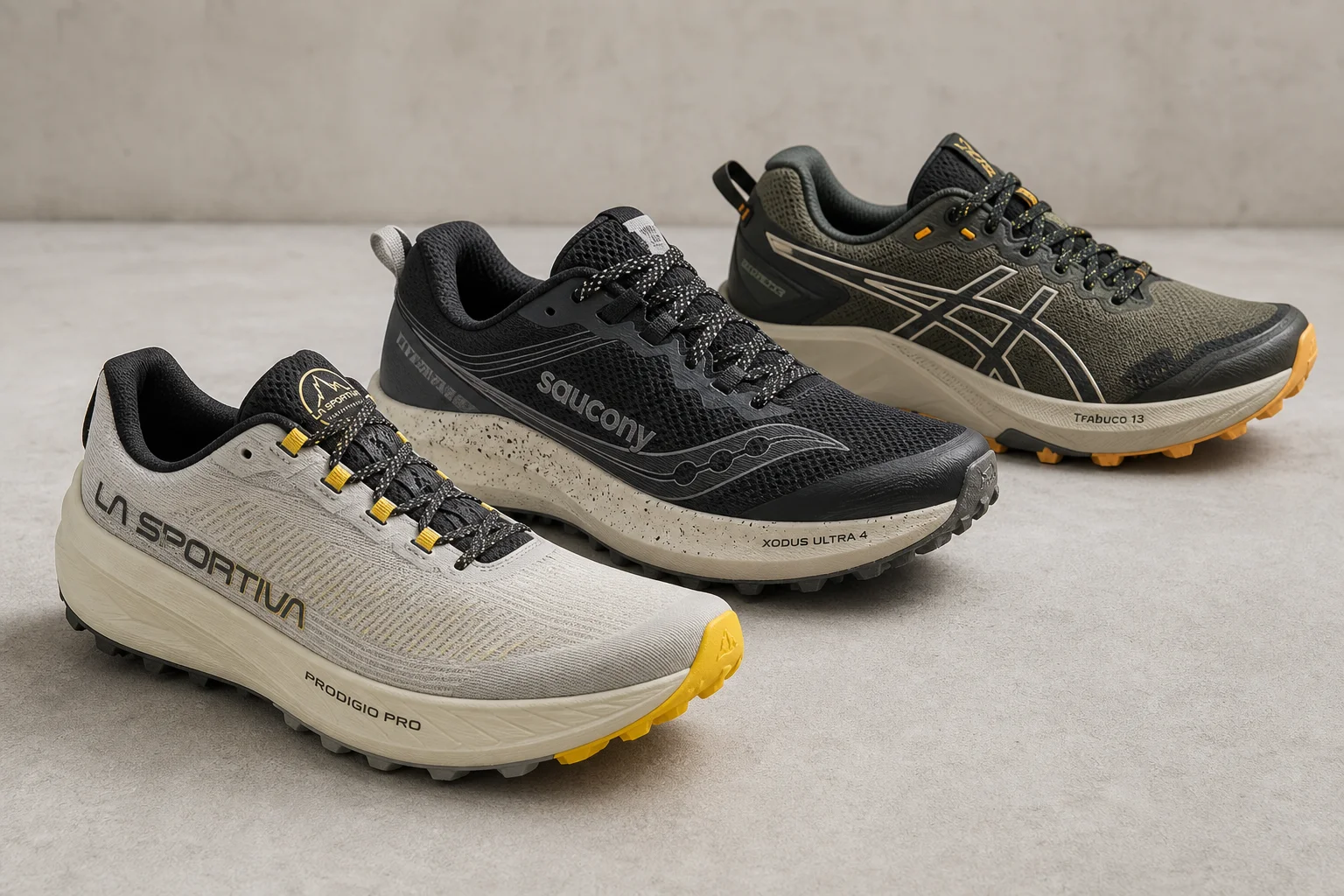
Best All-Mountain Trail Running Shoes: Three Versatile Options for Any Trail
A focused roundup of three all-mountain trail running shoes that handle technical terrain, long distances, and variable conditions with real strengths and practical trade-offs.