Trail Running Shoes
Speedland GS:PDX First Run Review: A Firm, Stable Trail Shoe for Long Distances
A first-run look at the $275 Speedland GS:PDX: BOA fit, Michelin grip, and a firmer ride than its chunky looks suggest.
Introduction
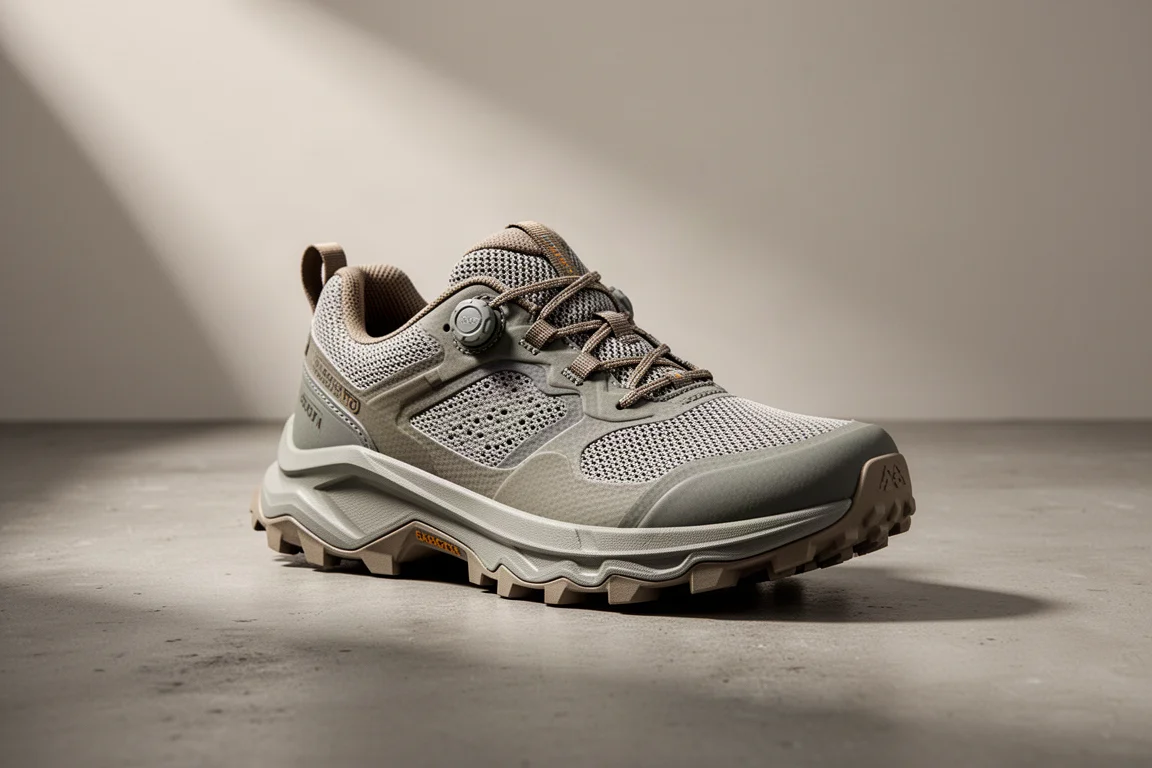
The Speedland GS:PDX is a trail running shoe built for long-distance training, aiming to pair comfort with enough responsiveness for faster sessions. On paper it reads like a max-cushion ultra shoe: $275, 300g (10.6 oz) for a men’s US 8.5, a 7mm drop, a 100% beaded HTPU external midsole, a PEBAX insole, and a Michelin Fiber Light outsole with 4.5mm lugs.
In practice, this first run revealed a shoe that behaves quite differently from its chunky appearance.
First Run Impressions
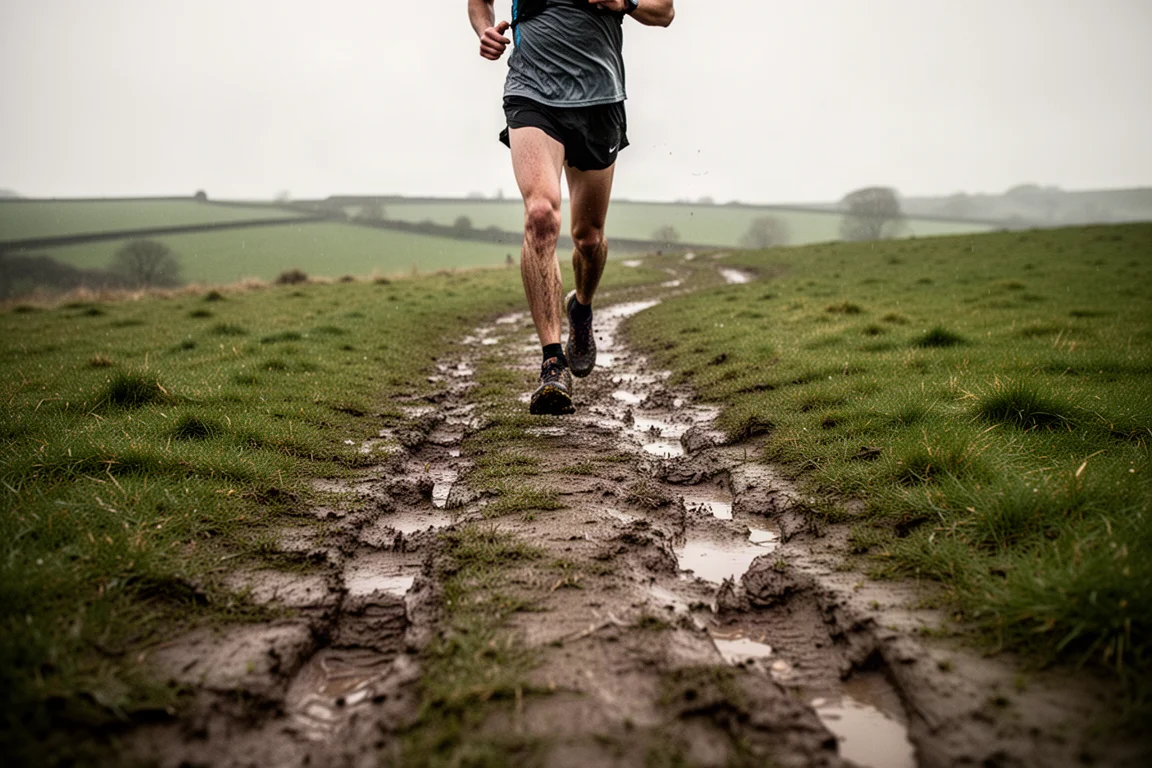
The first outing was a 10K mixing road, hills, rocky and muddy sections, grass, and both climbs and descents. On the road, the midsole felt noticeably firm and the ride was not especially comfortable. This is not a road shoe, but if your route includes stretches of tarmac or hard, rocky ground, expect a firmer feel than the looks suggest.
Once onto softer terrain, the shoe clicked into gear. Over muddy, grassy, and rocky soft-ground sections it felt genuinely comfortable, and the platform felt like it was working with the terrain rather than against it. Softer paths are clearly where this shoe is happiest.
Fit and the BOA System
The GS:PDX uses two multi-directional BOA dials instead of laces. If you snowboard, you already know the drill: turn the dial, the straps tighten. The test pair, a US 8.5 worn by a UK size 8 runner, fit perfectly with plenty of forefoot room. The shoe runs fairly wide, which is good news for wider feet.
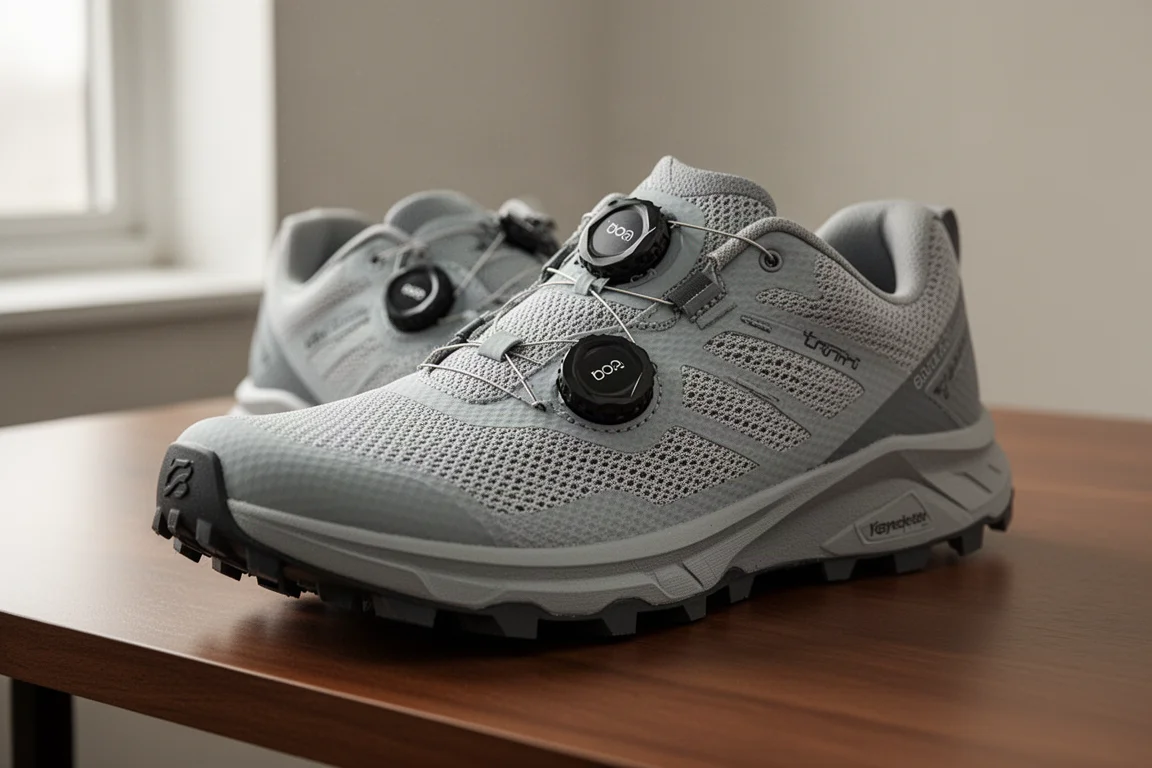
One caution: the BOA system is easy to over-tighten. The natural instinct is to turn until it stops, which tends to be a touch too far. Expect to loosen it a couple of times on early runs before you dial in the right tension. Once locked down properly, the fit was very comfortable, and the lightweight mesh upper stayed breathable and never felt hot.
Outsole and Grip
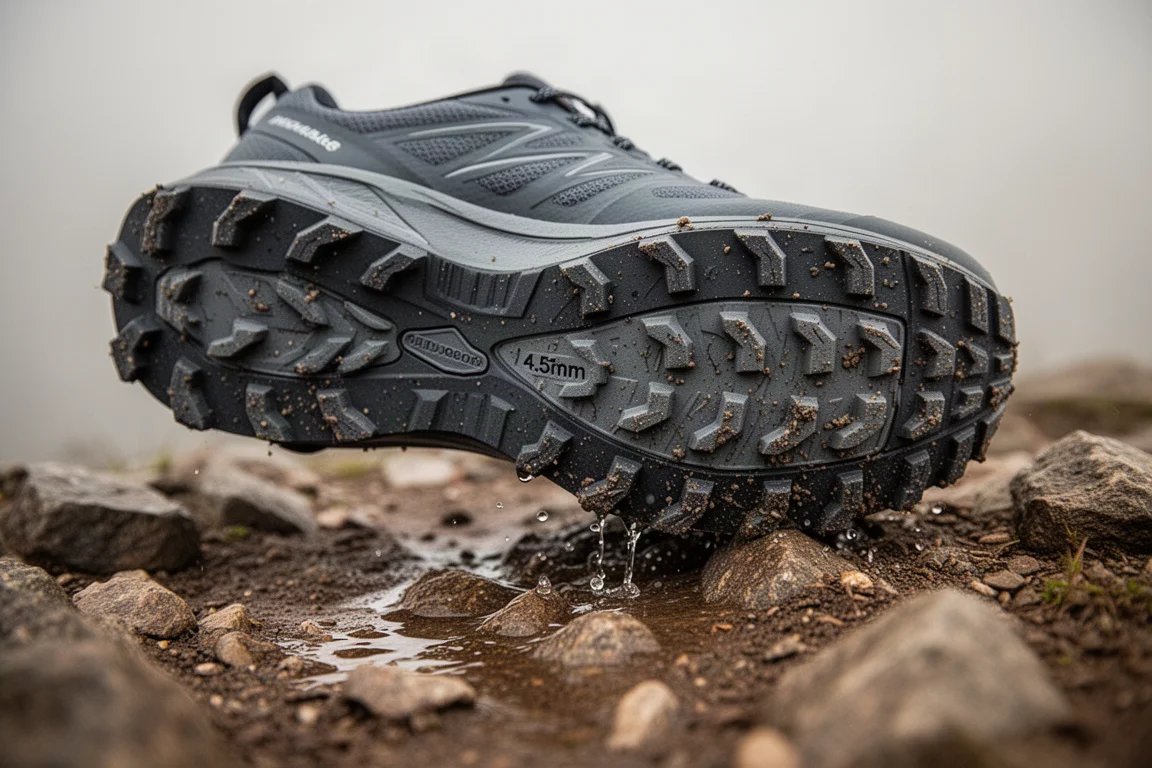
Covering the midsole is a generous layer of Michelin Fiber Light rubber with 4.5mm lugs. The lugs are not deep enough for really deep mud, but for long-distance running on softer paths, grass, and moderate mud, grip was excellent with no issues at all.
The rubber is hard, though, and combined with the firm midsole it makes road sections feel even less forgiving.
Cushioning, Insole, and the Extra Plate
The midsole is firm; the softness in this shoe comes mainly from the thick drop-in PEBAX insole, which adds a welcome layer of comfort underfoot.
There is also space inside the insole for a Carbotex Gear Flex plate, designed to improve performance. Be aware that this plate is sold separately for an extra $35 on top of the $275 shoe price. It was not tested here, but given how firm the shoe already is, the plate may push the ride even further toward the firm end.
Verdict: Stability Is the Big Win
The biggest surprise is firmness. A shoe this chunky, aimed at ultra distances, would normally be expected to feel soft and roll you forward. The GS:PDX does not. If you want plush cushioning for an ultra, this may not be the right pick, at least until it possibly softens up over more miles.
The flip side is stability. The firmer midsole makes this a very stable, well-planted shoe. At no point did the feet feel like they were losing grip with the ground; every landing felt solid. For tired legs late in an ultra, that kind of dependable footing can be exactly what you want, and it may explain why many runners like this shoe.
Things to Consider Before Buying
- It costs $275, and the Carbotex plate is another $35, which makes the full package very expensive.
- It is clearly best on softer off-road terrain: trails, grass, mud, and rocky soft ground. It is not a road shoe.
- The BOA system takes a little experimenting before the fit feels right.
- The shoe runs wide with generous forefoot room; the US 8.5 fit a UK size 8 perfectly.
Buying Advice
If your long runs stay off-road, on softer paths where grip and a stable platform matter more than plush cushioning, the GS:PDX makes a lot of sense. If you want a soft, max-cushion ultra shoe, or you regularly cover hard ground and tarmac, look elsewhere.
Conclusion
The Speedland GS:PDX is a comfortable, very stable, impressively grippy trail shoe that is firmer than it looks. On soft terrain it performs beautifully; on hard surfaces the firmness becomes hard to ignore. The high price and the separately sold plate are real drawbacks, but for runners who value rock-solid footing over softness on long trail days, it is a compelling option.
Product link
View more details for Speedland GS:PDX
This product is mentioned in the review. Check the specifications, options, and compatibility before buying.
View more details for Speedland GS:PDXFurther reading
Related Reviews
Trail Running Shoes
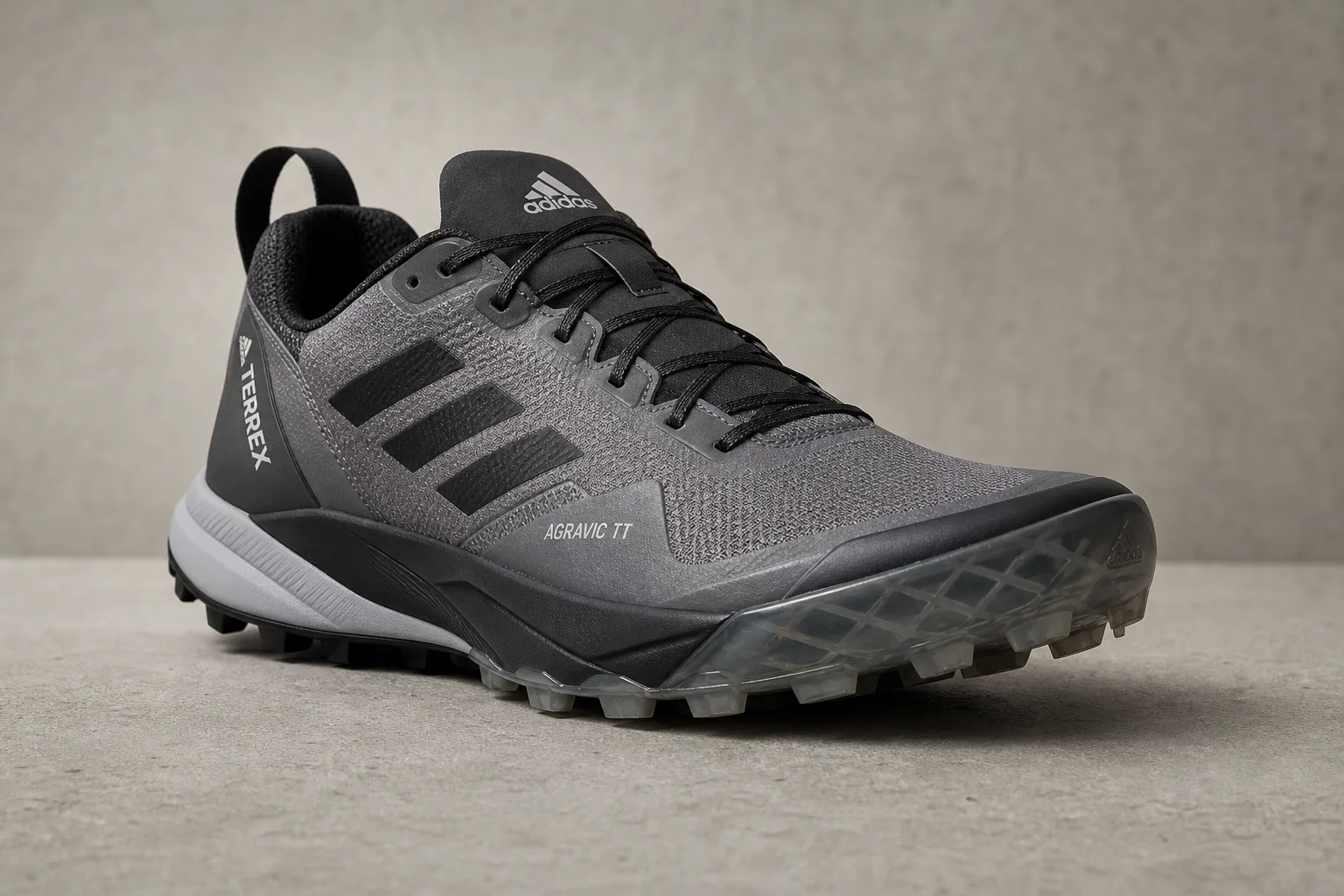
Adidas Terrex Agravic TT Review: A Technical Trail Shoe Built for Rocky Terrain
The Adidas Terrex Agravic TT combines a full-coverage rock plate with a firmer midsole to deliver protection and stability on technical, rocky trails. A capable choice for runners who prioritize underfoot defense over lightweight cushioning.
Trail Running Shoes
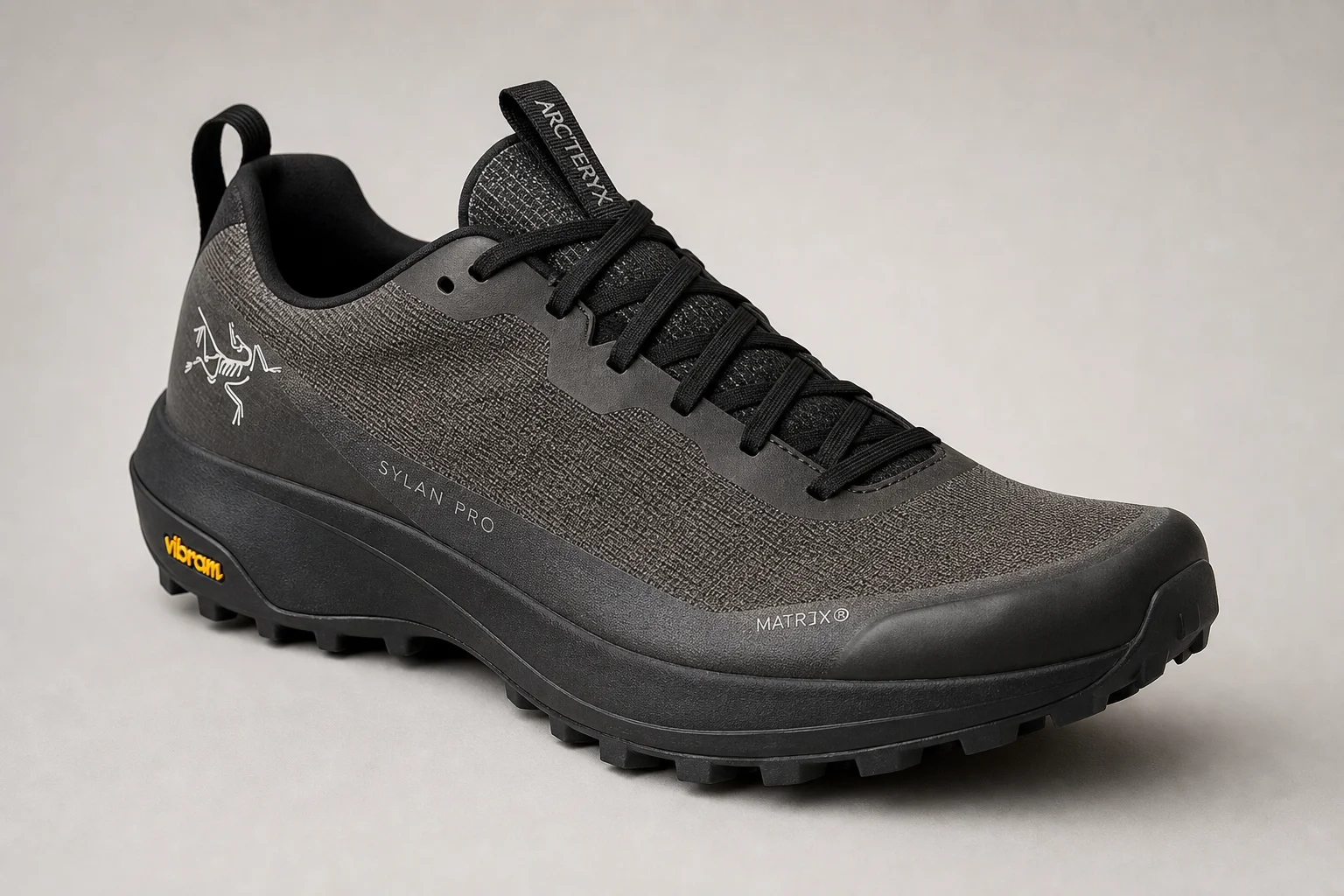
Arc'teryx Sylan Pro Review: A Rocker-Focused Mountain Running Shoe Tested on 20 Miles
The Arc'teryx Sylan Pro brings a pronounced rocker geometry and secure fit to mountain terrain. We tested it on a 20-mile Sawtooth loop to evaluate its climbing efficiency, protection, and handling of technical descents.
Trail Running Shoes
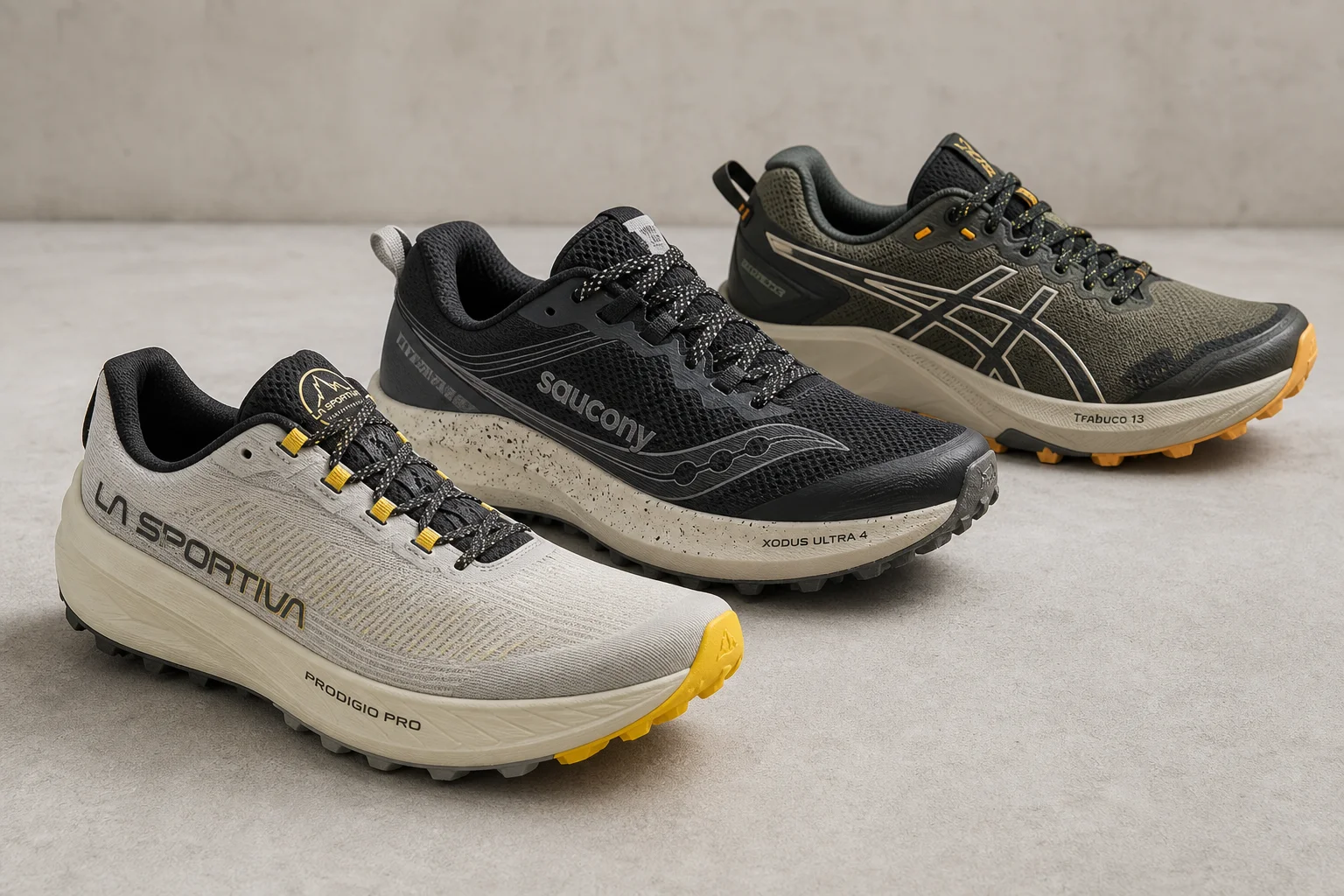
Best All-Mountain Trail Running Shoes: Three Versatile Options for Any Trail
A focused roundup of three all-mountain trail running shoes that handle technical terrain, long distances, and variable conditions with real strengths and practical trade-offs.