Snowboard Bindings
SP SLAB Fastec Rear Entry Binding Review: A Surfy, Soft-Flex Ride
A practical look at the SP SLAB Fastec rear entry binding, covering its fold-down highback, cable tension system, flex character, and who it actually suits.
Introduction
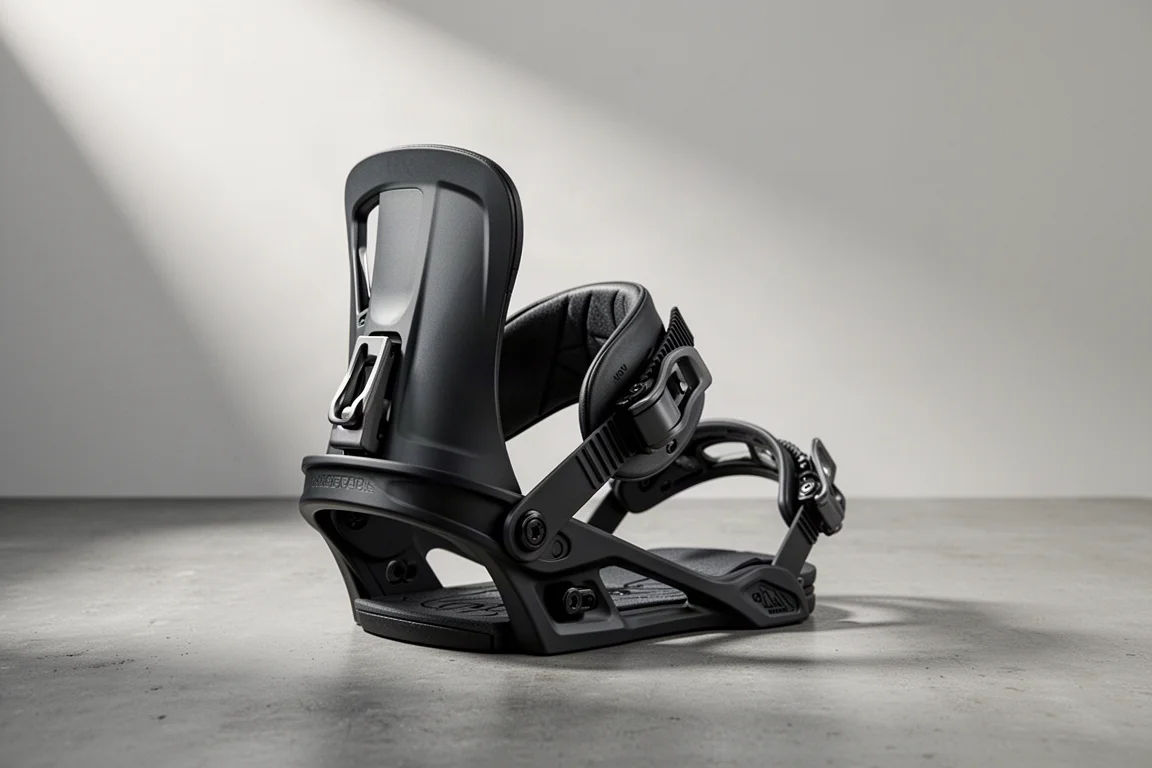
The SP SLAB Fastec is a rear entry snowboard binding, which means you step in from the back rather than strapping in over the top. The highback folds down, the ankle strap kicks out of the way, and the whole assembly relies on cable tension to snap back into place once you push the highback upright again.
That mechanism is the entire point of the design, and it shapes everything else about how this binding rides. The SLAB sits at the softer end of the SP range, described as the brand’s softest or second softest model, so it is aimed at riders who value a loose, surfy feel over a locked-in, powerful one.
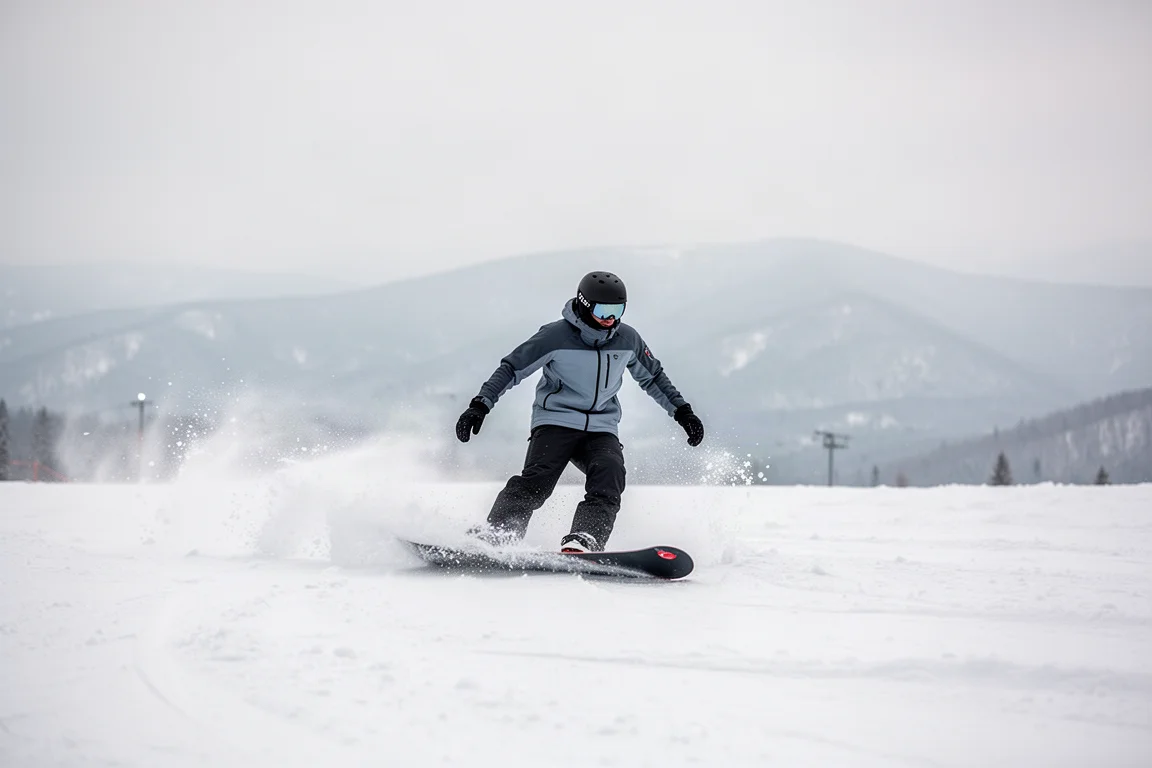
It was ridden in spring conditions at a resort with four inches of heavy powder in places turning to lighter powder, creamy groomers, chunder, and ice all mixed together. That is a useful test window for a binding like this, because variable snow exposes how much feedback actually reaches your feet. It was paired with a K2 Cool Bean board and K2 Thraxis boots.
Who This Binding Is For
This is a binding for the laid back rider and the surfy jib rider. If your days revolve around park laps, playful side hits, and a relaxed, loose style, the soft flex and lateral give here line up with that approach. It is not a binding for someone chasing maximum drive and edge-to-edge power.
The rear entry format also appeals to riders who simply want to get in and out faster. Rather than re-strapping every lap, you fold the highback down, step in, and push it back up. The mechanism locks in from the tension rather than from a latch you have to fiddle with.
Ride Feel and Flex
The overall ride is consistent. You feel locked in, and there is no sense that the binding is going to release or that you might come out of it mid-run. That reliability matters more than anything else with a rear entry design, and it delivers here.
Where the character shows through is in the flex. The highback is soft, and because it folds down on a cable system, there is a noticeable amount of play in it. Push into it and the response feels surfy rather than direct. The straps are soft as well, and the cable itself has give, so there is a lot of lateral movement through the heel. It has been compared to the feel of a Salomon Shadow Fit in that respect, though it is not as dialled in.
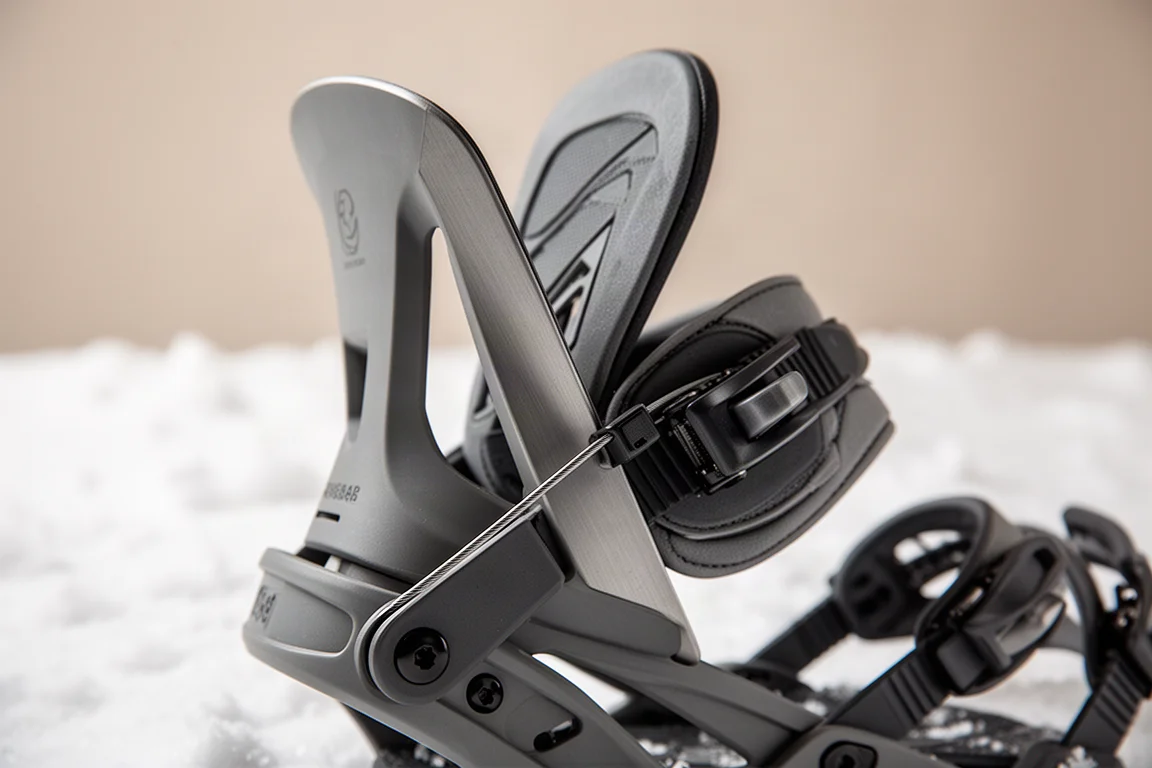
Underfoot is a different story. There is an aluminium disc, and it is large, which creates a bigger dead spot beneath the boot. That makes the base feel more rigid than the rest of the binding, and it is the main reason the SLAB still transmits a bit more power through the sole than the soft highback would suggest. So the ride is split: soft and loose above the foot, firmer underneath it.
Main Strengths
The headline strength is the entry system. The highback folds down, the strap pops out and unlocks, and when you kick in and push the highback back up, it locks in again from the cable tension. It works, and it works without fuss.
Dialling it in was quicker than expected. Setup time was shorter than a comparable set of traditional bindings, and once on snow the only follow-up needed was re-centering the strap in line with the ratchets. That is a short list of chores for a binding with this much going on.
The ratchets are built for micro adjustments rather than constant use, which suits the rear entry format. They climb relatively easily and hold a lot of tension. They do stick a little when you release them, which is acceptable here precisely because you are not opening and closing them every lap.
Overall this is described as one of the better rear entry bindings around. It is easier to dial in than a Flow and it works more easily than a K2 Cinch, even if it is not as refined as a Flow.
Things to Consider Before Buying
The straps are the clearest weak point. They use EVA foam with a little harder plastic and rubber around the edges, plus stitching, and they look like high-end straps from roughly 2005 rather than current hardware. They will stretch a little as they break in. They do their job for this style of binding, but some riders will need to tweak them to avoid pinch points.
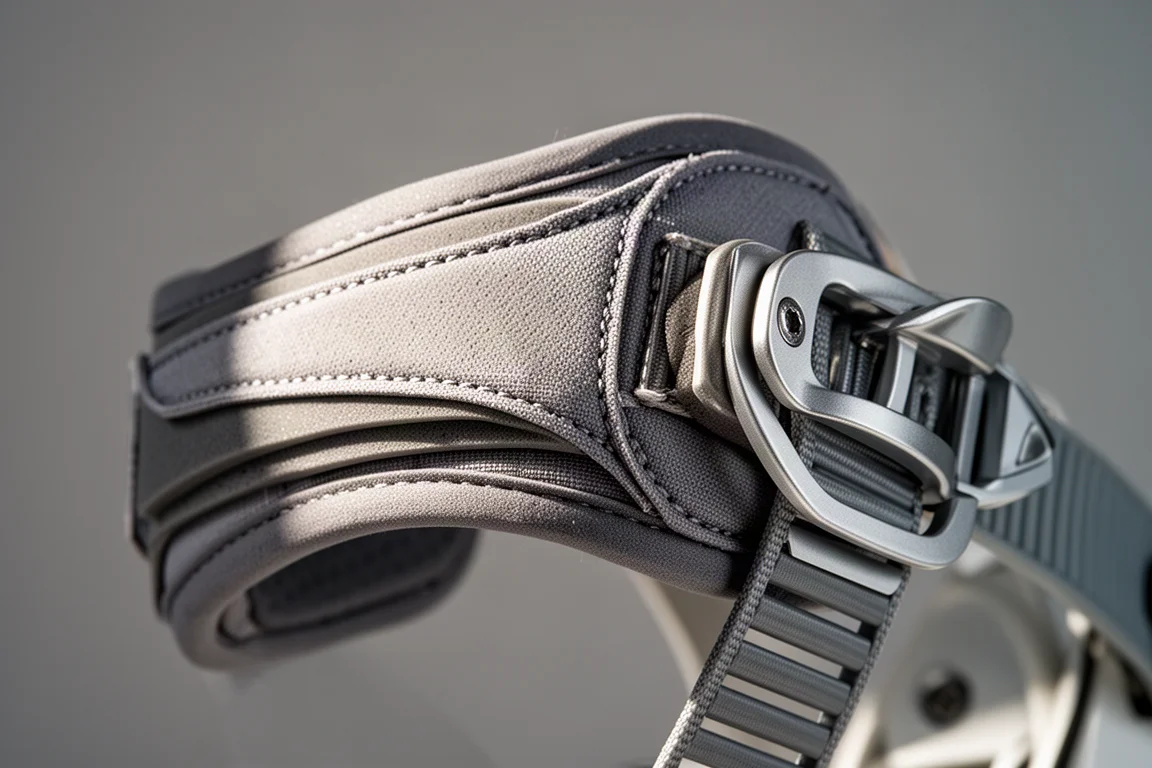
The toe strap cutout is small. It fitted a more snub-nosed boot shape without trouble and felt secure, but a blunter, rounder boot shape may not sit as cleanly. Worth checking against your own boots before committing.
Adjustability is more limited than the spec sheet suggests. There is plenty to work with, including flip cams on the toe and heel, two screw positions for the toe strap, three cable placements for tension, a dial on the forward lean that also tunes heel strap tension, and a slide track on the heel cuff. But the centering adjustments feel old fashioned, and the whole package reads as less refined than the mechanism deserves. Aesthetically it also looks dated, closer to a binding from 2005 than a modern one.
Finally, the soft flex is a genuine limit rather than a quirk. Riders who want a stiffer, more all-mountain freestyle platform with more power on tap will find this too soft.
Adjustability and Setup
Most of the setup follows familiar patterns. The flip cams on the toe and heel let you slide the straps forward and back to centre them over the boot. The toe strap has two screw placements, and the cable has three positions that change tension.
The more unusual adjustments are specific to the SP platform. The dial on the forward lean changes tension on the heel strap, and the heel cuff sits on a small slide track so it can be pushed out or pulled back to help centre everything. Combined with the fold-down highback, there is more to get dialled in than on a conventional binding, but the process is straightforward rather than fiddly.
Buying Advice
Buy this if you want a relaxed, surfy ride and you value fast, repeatable entry over maximum power transfer. The mechanism is genuinely well executed for what it is, and the locked-in feel means you are not trading confidence for convenience.
Think carefully if you are a heavier or more aggressive rider, or if your boot has a blunter toe profile. The soft highback, soft straps, and large aluminium disc all push the ride toward loose and jibby rather than precise and powerful.
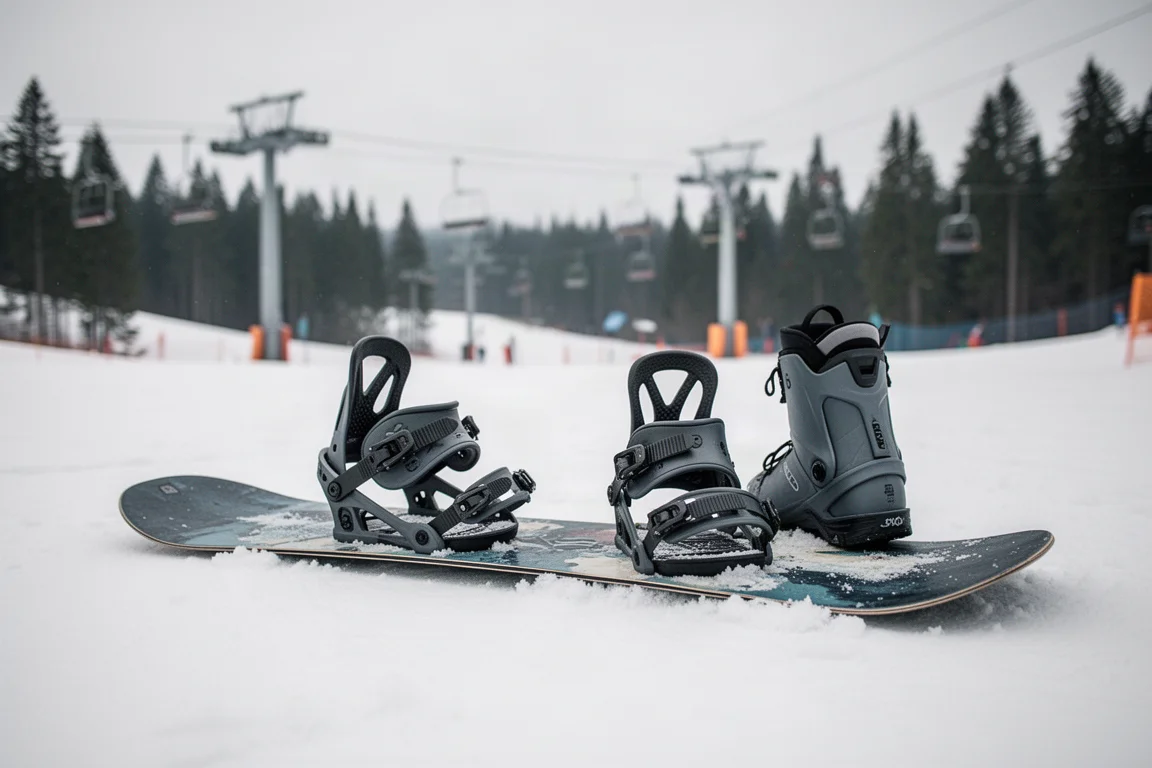
It is also worth setting expectations around refinement. This is not the most polished rear entry binding on the market, and the strap materials and centering adjustments show their age. Comparable options in the same space include the Flow Fuse Hybrid, the Salomon Hologram, and the Flux TT, all of which sit in a similar performance conversation. If you can live with the dated hardware, the Fastec entry system itself is the reason to choose this one.
Conclusion
The SP SLAB Fastec does the thing it set out to do. The highback folds down, the strap unlocks, you step in, and the tension locks everything back up again. It is one of the better executed rear entry designs around, and it is easier to live with than a Flow or a K2 Cinch in day-to-day use.
It is not a powerful binding, and it does not pretend to be. The soft highback, soft straps, and cable give produce a surfy, loose feel with plenty of lateral play, while the large aluminium disc firms things up underfoot. For the laid back rider or the jib-focused snowboarder, that combination makes sense. For anyone chasing stiffness and drive, it will feel like a compromise.
Product link
View more details for SP SLAB Fastec Rear Entry Binding
This product is mentioned in the review. Check the specifications, options, and compatibility before buying.
View more details for SP SLAB Fastec Rear Entry BindingFurther reading
Related Reviews

Snowboard Bindings
2024 Union Ultra Snowboard Bindings Review: A Cushy, Freestyle-Focused Favorite
Two seasons on the 2024 Union Ultra: a lightweight, tweakable freestyle binding with standout comfort, a damp molecular bushing, and thoughtful hardware fixes.

Snowboard Bindings
32 Team Phase Binding Review: A Fast Entry Binding Built for Freestyle Laps
The first binding from 32 uses the Phase chassis for quick step-in entry with a softer, freestyle-leaning flex. Here's how it performed on the snow.

Snowboard Bindings
Arbor Cypress Snowboard Binding Review: A Laid-Back Cruiser That Can Charge
A closer look at the Arbor Cypress binding's adjustability, strap feel, and that oddly tall highback before you decide to buy.