Outdoor Gear
Soto Pocket Torch XT vs UCO Torch Lighter: Two Butane Torch Lighters Compared
A practical comparison of the Soto Pocket Torch XT and the UCO Torch Lighter, covering flame output, safety switches, fuel capacity, cold weather behavior, and price.
Introduction
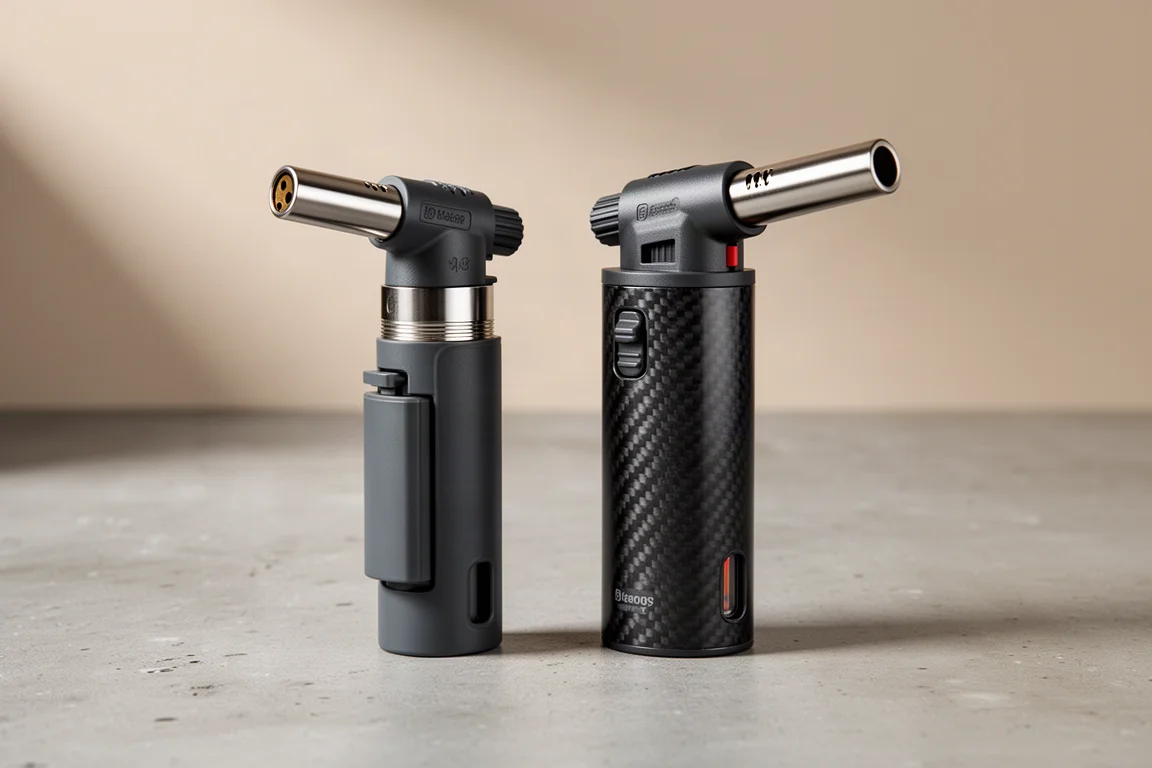
A butane torch lighter is a small piece of gear that quietly earns its place in a pack. It lights a camping stove in weather that would defeat a paper match, reaches into a fire pit without burning your knuckles, and keeps working after months in a lid pocket. The Soto Pocket Torch XT has long been one of the most trusted options in that category: a compact Japanese-made torch with an extending barrel, a fine centralized flame, and a reputation for reliability.
The catch is availability. For years the Soto Pocket Torch XT was simple to buy on Amazon. That changed, and the lighter has since been listed through Soto Outdoors rather than Amazon. Plenty of shoppers prefer to buy imported products through Amazon so that returns and warranty claims stay straightforward, which is a reasonable position. That shift has driven a steady search for a close substitute.
The UCO Torch Lighter is the closest match so far. It shares the same basic design language, the same flame output, and the same materials, but it costs noticeably less and adds a few usability touches that make it easier to live with. This comparison looks at how the two differ, what they share, and which one makes more sense depending on how you plan to use it.
What to Look For in a Butane Torch Lighter
Both lighters follow the same recipe. Each one runs on butane, uses an ignition switch to light a burner at the top, and carries a flame adjuster plus small air intake slits near the burner head. Each has a fill window and a fueling port at the base, and both accept a standard 75 ml butane canister, such as a Zippo canister, directly at the port without any adapter. Fuel is inexpensive and widely available.
The specifications line up closely too. Both produce the same 2,300°F flame output, both use the same burner diameter, and both create the same fine, tightly centralized flame shape rather than a broad soft flame. Construction is identical in material terms as well: plastic bodies with zinc alloy components.
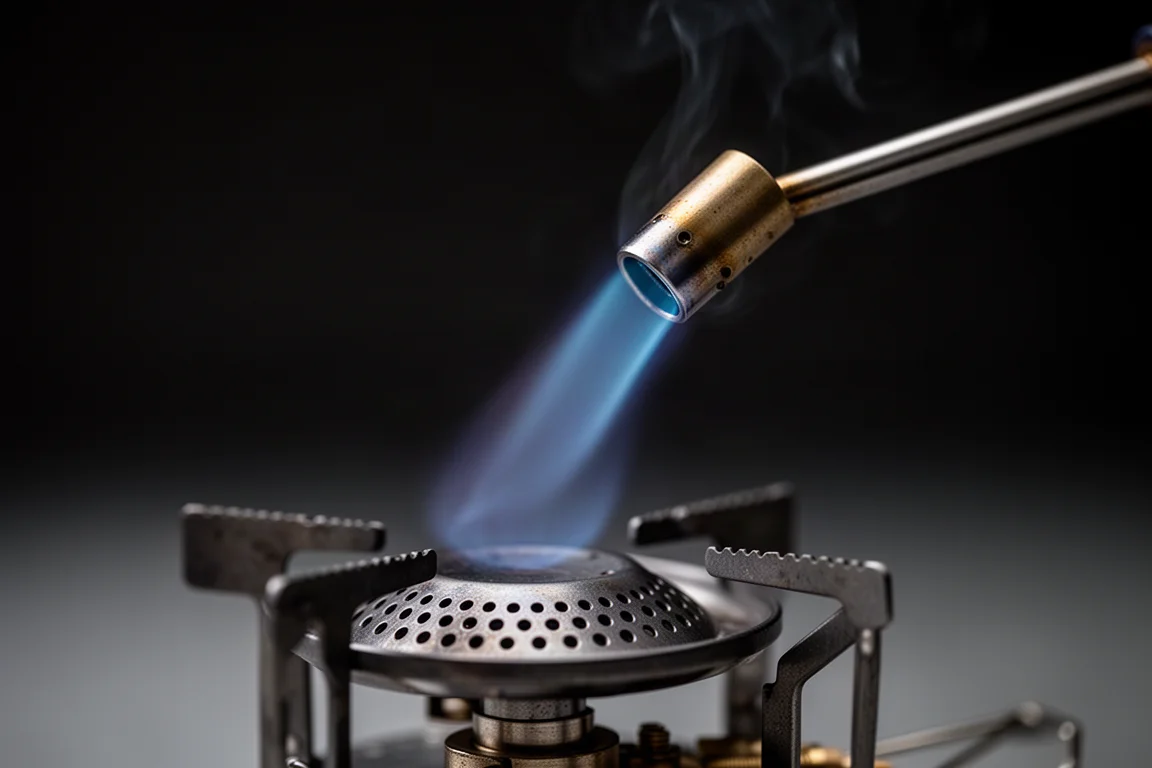
Where they diverge is in the details that show up in daily use. The safety switch design, the size of the fuel chamber, the position of the ignition switch, and the overall dimensions all change how the lighter feels in the hand and how often it needs refilling. Those differences matter more than the headline numbers.
Soto Pocket Torch XT: The Established Choice
The Soto Pocket Torch XT puts its ignition switch at the top and builds the safety mechanism into the igniter itself. Lighting it means pushing in and then pushing down. It is straightforward with bare hands, though it becomes awkward with gloves on, which is exactly when a torch lighter tends to be most useful.
The fuel chamber is on the smaller side, so refills come around more often. When fully extended, the barrel reaches roughly half an inch longer than the UCO equivalent, which gives it a slight reach advantage over a stove or a fire. The brand has a strong reputation for well-made gear, which is part of why this lighter has held its following, and it sells for around $27.
UCO Torch Lighter: The Value Alternative
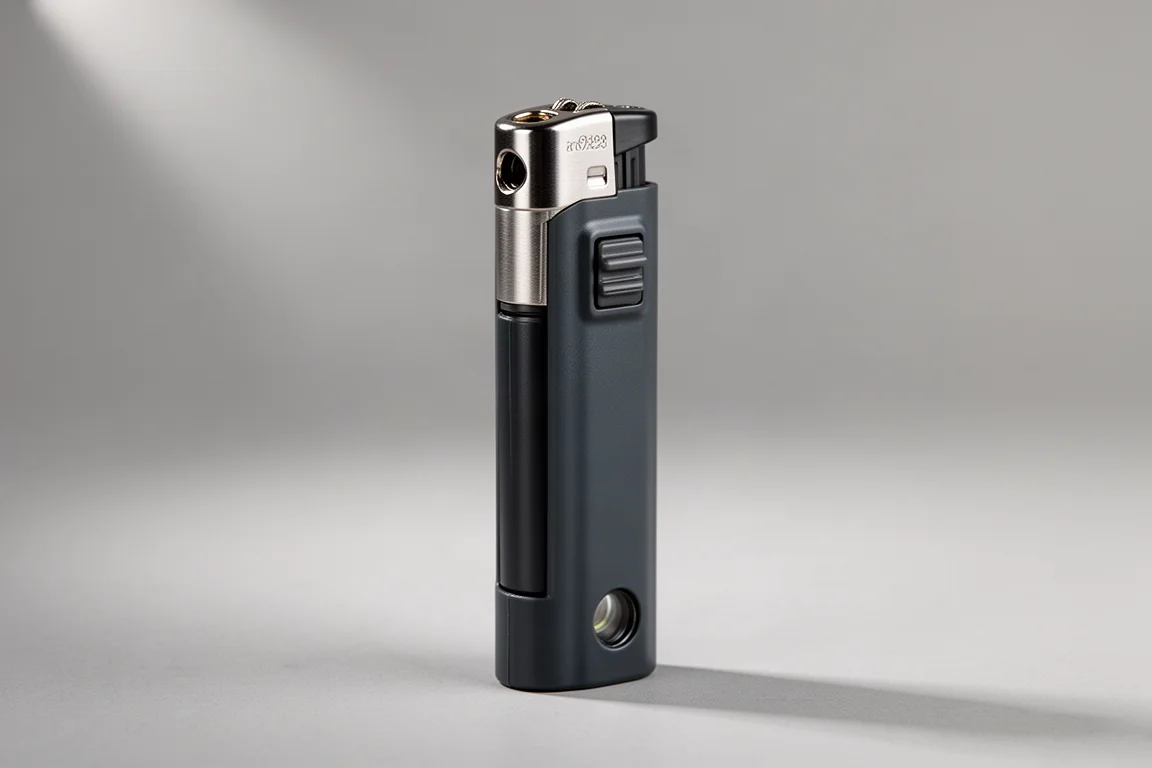
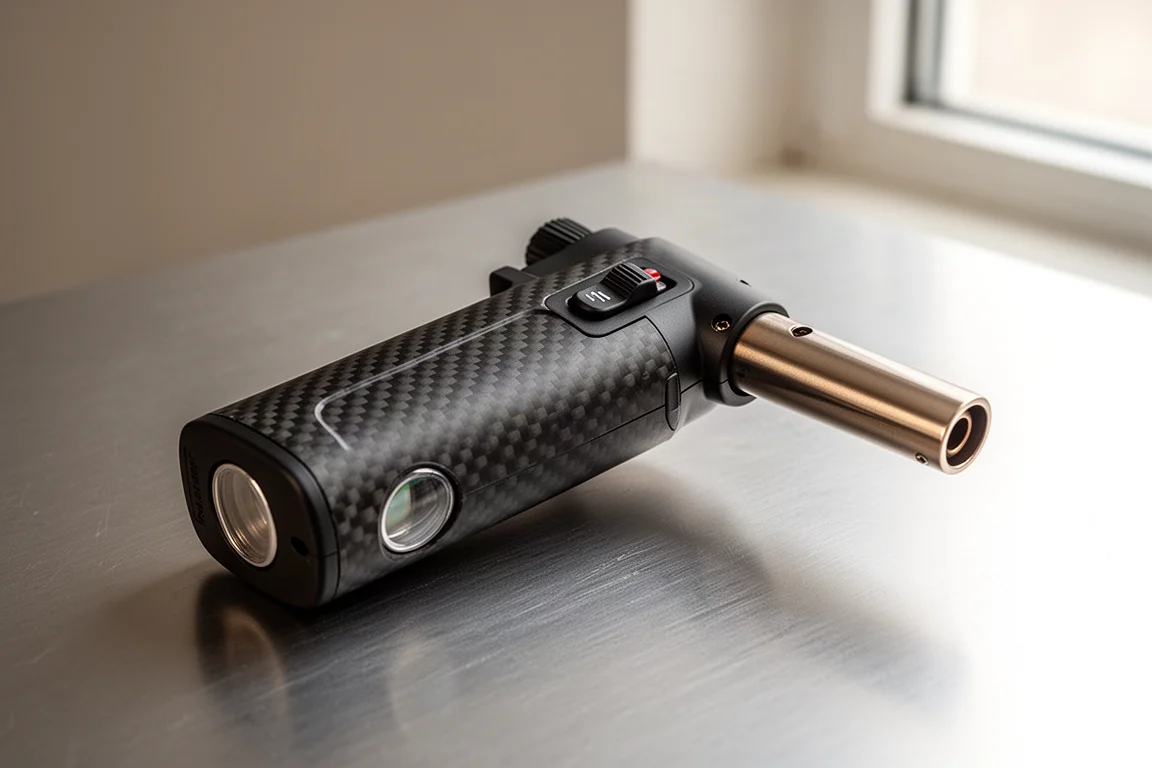
The UCO Torch Lighter is a little longer, a little wider, and a little thicker than the Soto, yet it weighs about the same at roughly 2 oz. It measures 4.5 inches long and 1.5 inches wide when closed, and about 6.5 inches when the barrel is fully extended. The body has a carbon-fibre look, though the material is plastic with zinc alloy parts, the same combination used on the Soto.
The design changes are the interesting part. The ignition switch sits on the side rather than the top, and there is a dedicated safety switch that can be locked so the ignition button cannot be pressed. That is a meaningful improvement over a safety mechanism built into the igniter, particularly with gloves on. The flame adjuster also protrudes enough to be turned easily by hand.
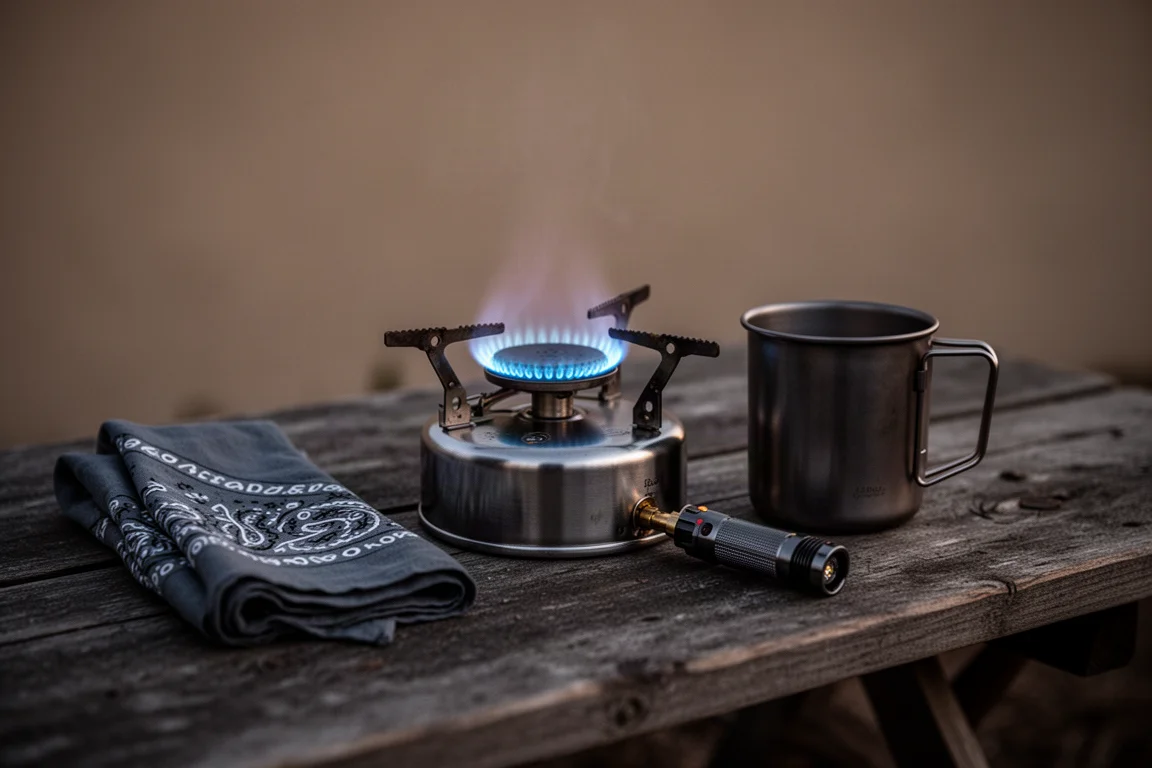
The fuel chamber is noticeably larger than the Soto’s, which means fewer refills over a season. On the flame side, the two are effectively identical. Early field use in cool, wet, windy conditions, with lows near 40°F and most of the day under 50°F, saw it light a stove reliably across roughly two dozen firings without a failure. It sometimes takes more than one click to ignite, but it has lit every time. The flame also holds steady when the lighter is shaken, and wind resistance is good, clearly better than an ordinary lighter, though it is not windproof. At $17 on Amazon, it undercuts the Soto by roughly ten dollars.
Shared Strengths and Shared Limits
Both lighters are compact, light enough to disappear into a pocket, and built from the same plastic and zinc alloy combination. Both run on cheap, widely available butane, both refill directly from a standard canister without an adapter, and both use a fuel window so you can see how much is left before a trip. Neither one is windproof, and it is worth being clear about that, because marketing language sometimes overstates it. They are wind resistant, which is a real advantage over a disposable lighter but not immunity to a stiff breeze.
Fuel efficiency is a shared strength. A 75 ml canister runs about $4, or two for roughly $8, and lasts a long time. With the larger chamber on the UCO, a single fill can go months between top-ups for occasional use.
Cold Weather, Elevation, and Wind: What to Expect
These lighters have two known weak points, and both apply to the Soto and the UCO. The first is serious cold. Below roughly 30°F, performance can suffer. The practical workaround is simple: keep the lighter in an inside pocket to warm it before use, and it will light normally.
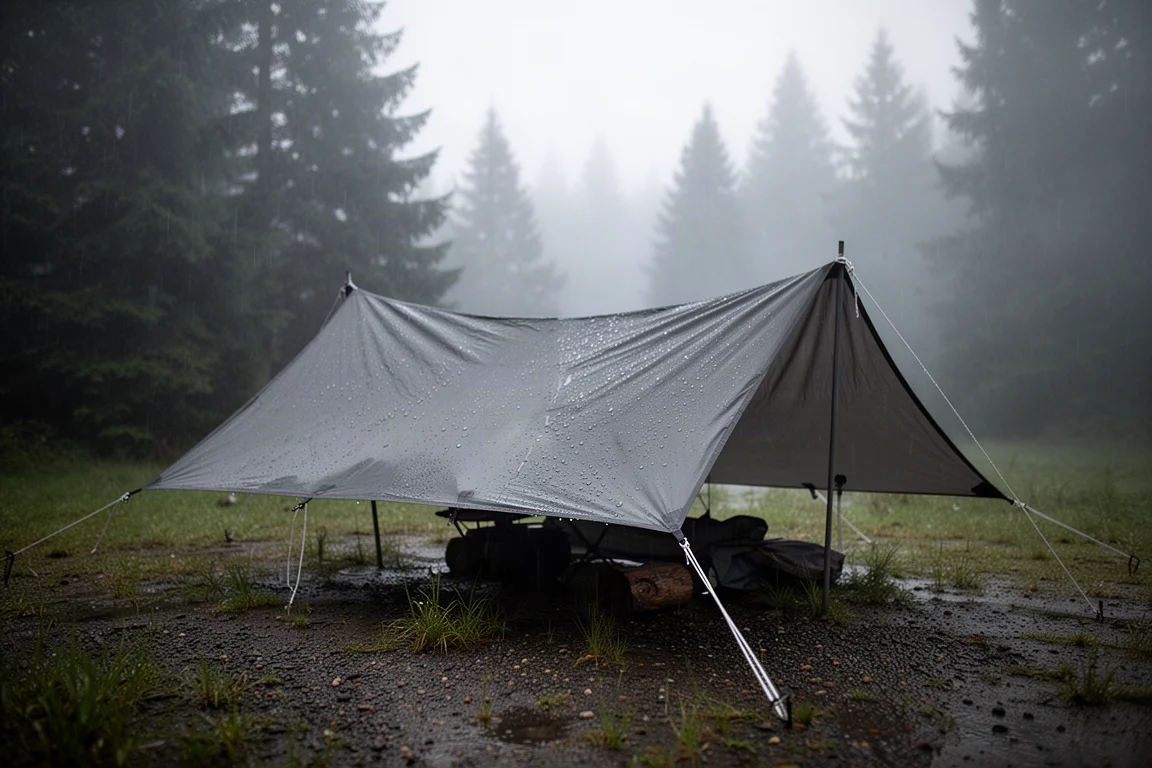
The second is elevation. As a general rule these torches become less cooperative above about 5,000 feet, though both have been used at 6,000 feet without trouble. The higher you go, the more likely you are to notice it. Wind sits somewhere in between: a strong gust can affect the flame, but the resistance is good enough for typical camp conditions.
Fuel, Refilling, and Running Costs
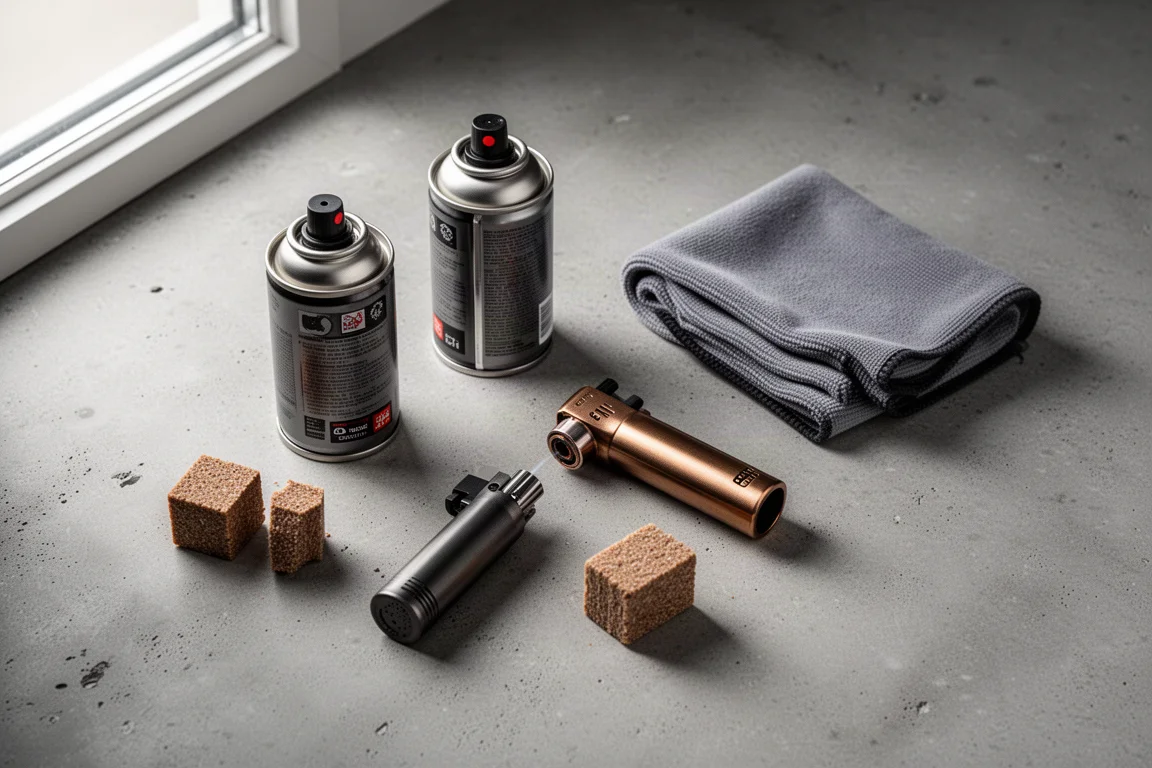
Refilling either lighter is a two-step job. Turn the lighter upside down, seat a butane canister on the port at the base, press down, and watch the fill window until the chamber is full. No adapter is required, and a 75 ml canister, such as the Zippo type, fits both ports cleanly.
Running costs are low enough to be almost irrelevant. Canisters are inexpensive and last through many fills, and the larger chamber on the UCO stretches each fill further. Over a season of camping, the fuel bill is likely to be smaller than the cost of the lighter itself.
Buying Advice: Which Torch Lighter Makes Sense
Start with availability. If buying through Amazon matters to you for returns and warranty handling, the UCO Torch Lighter is the easier purchase, and it is also the cheaper one at $17. It matches the Soto on flame output, burner size, and materials, and it improves on it in a few practical ways: a dedicated lockable safety switch, a side-mounted ignition, an easier flame adjuster, and a bigger fuel chamber. On paper and in early use, it is the better value.
The Soto Pocket Torch XT still has a case. It comes from a company with a long-standing reputation for well-made gear, it is slightly more compact, and its barrel extends about half an inch further when fully deployed. If you already trust the brand, are comfortable buying through Soto Outdoors, and value the smaller body, around $27 is a reasonable spend.
Either way, plan around the two limits. Keep the lighter warm in cold conditions, expect some fussiness at higher elevations, and treat wind resistance as helpful rather than absolute.
Conclusion
The Soto Pocket Torch XT remains a well-regarded torch lighter with a compact body and a trusted name behind it, but its retail situation has become less convenient and it costs about ten dollars more. The UCO Torch Lighter matches it where it counts, on flame output, burner diameter, and construction, while adding a lockable safety switch, a larger fuel chamber, and a lower price.
For most buyers looking for a substitute, the UCO is the more sensible pick right now, with the caveat that the impressions here are based on limited field use rather than a long-term verdict. If you want the established option and can source it comfortably, the Soto is still a solid choice.
Further reading
Related Reviews
Outdoor Gear
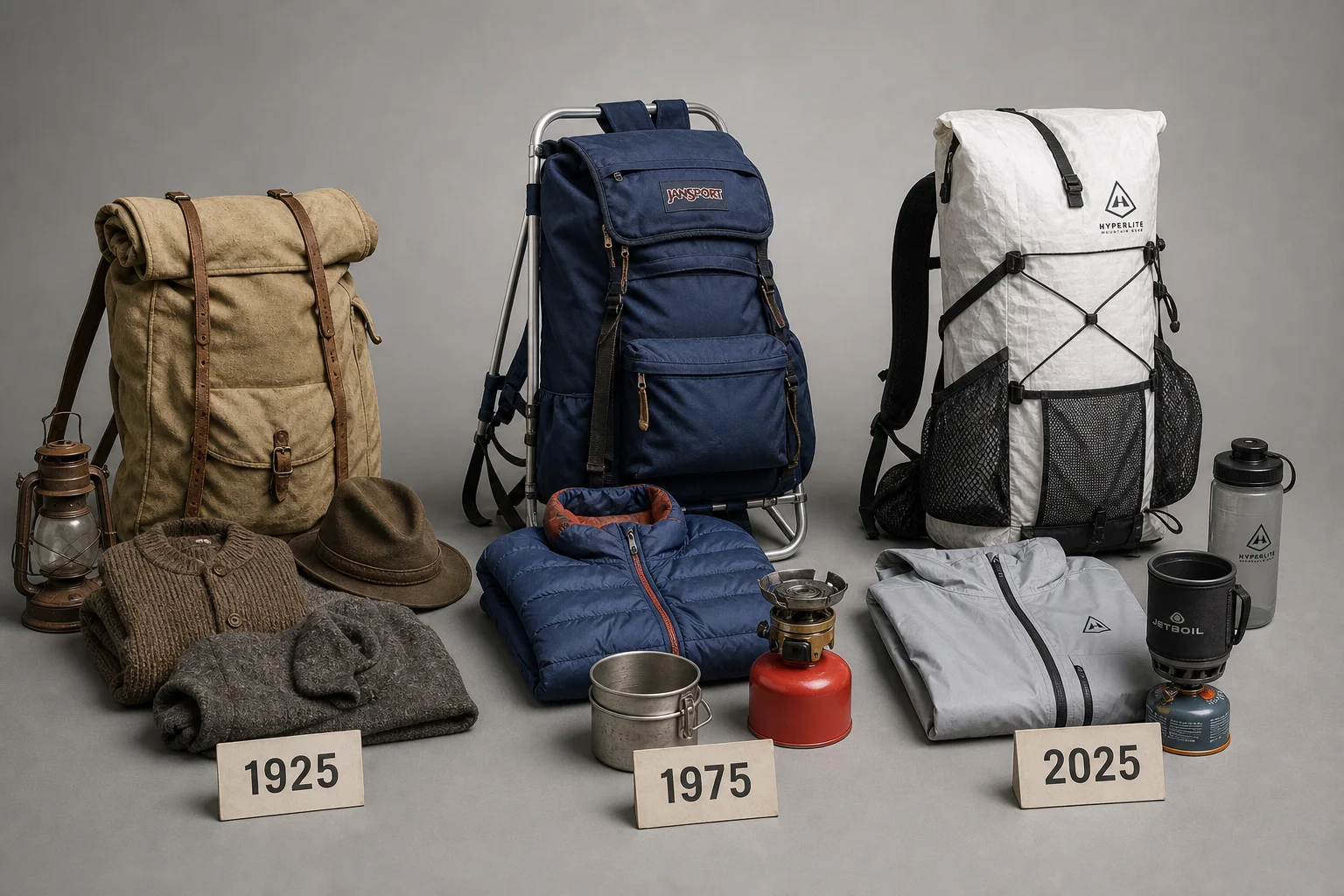
Backpacking Gear Evolution: 100 Years of Technology Compared
We tested backpacking gear from 1925, 1975, and 2025 across a three-day hike in Yosemite. Here's how technology has transformed comfort, weight, and the outdoor experience.
Outdoor Gear
Best Affordable Hiking Watches: Five Rugged Options for Outdoor Adventures
Five durable hiking watches that balance ruggedness, functionality, and value for outdoor enthusiasts who need reliable GPS tracking and weather resistance.
Outdoor Gear
Best Backpack Coolers 2026: Five Practical Options for Outdoor Adventures
Five backpack coolers with distinct cooling capabilities, storage features, and design trade-offs to help you choose the right one for your outdoor needs.