Camping Gear
Soto Pocket Torch XT Extended Review: A Compact Telescoping Torch for Campers
A close look at the Soto Pocket Torch XT Extended, a telescoping butane and isobutane torch that shines in warm weather and asks for a little patience in the cold.
Introduction
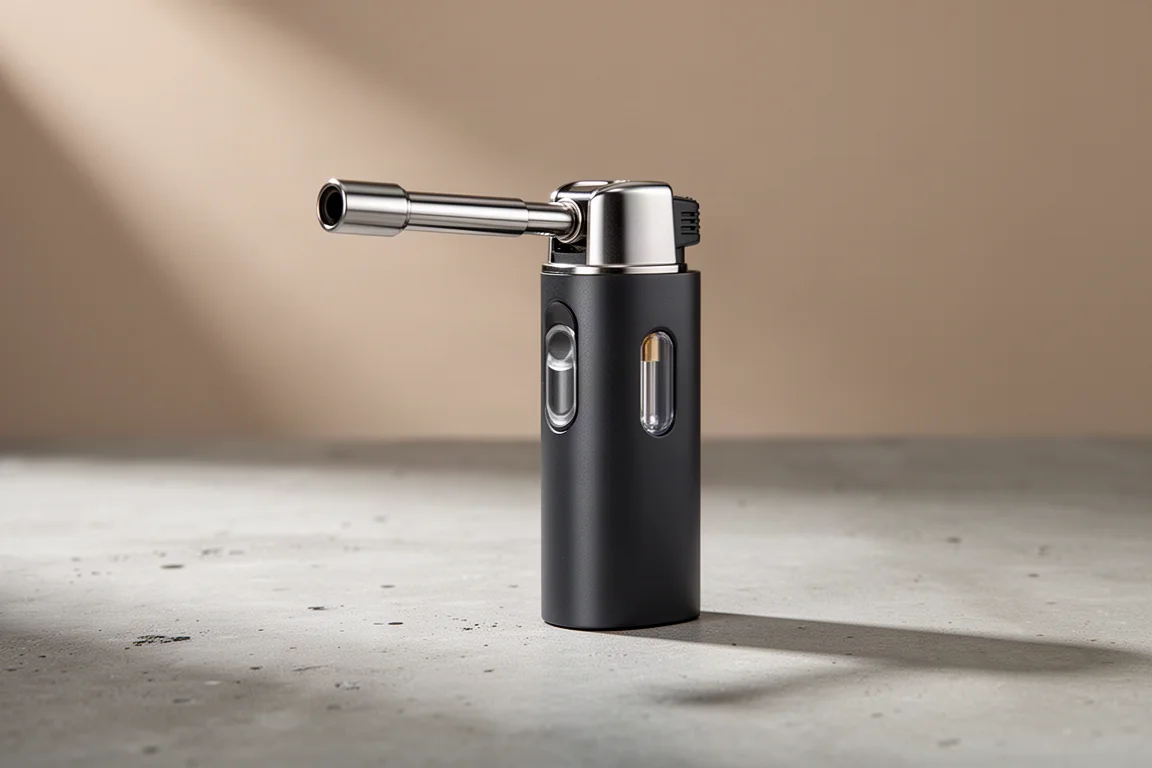
The Soto Pocket Torch XT Extended is a compact, telescoping torch lighter from a Japanese outdoor company best known for its stoves and cook kits. It runs on butane or isobutane, folds down small enough to disappear into a jacket pocket, and then extends to reach into a stove, a fire pit, or a pile of kindling.
That telescoping action is the main reason to pick this model over the fixed version of the same torch. It keeps fingers and gloves well clear of the burner, which matters more than it sounds when a pot is already balanced on a stove.
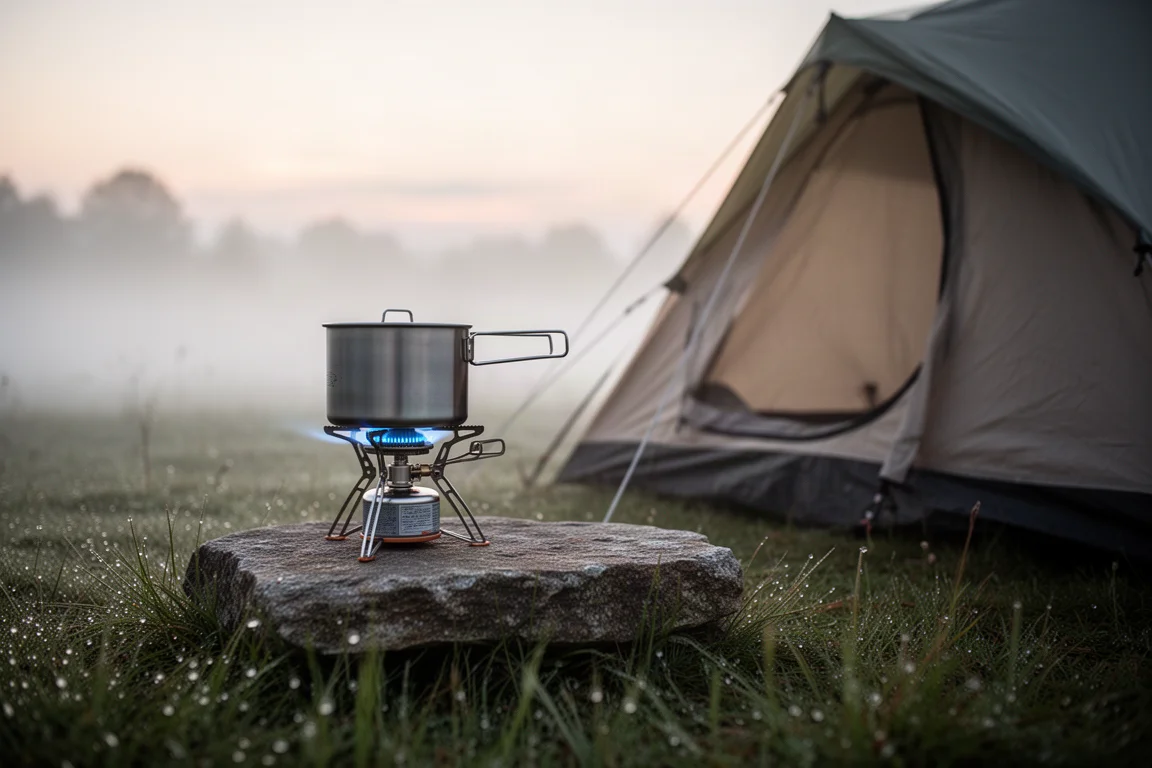
In warm conditions this is a genuinely capable piece of kit, and the fuel it burns is remarkably cheap to run. In cold weather and at higher elevations it turns fussier, and there are two handling habits worth learning before you buy.
Who This Lighter Is For
This torch suits campers, backpackers, and anyone who lights stoves, solid fuel, or campfires on a regular basis. At 1.8 oz when full of fuel it adds almost nothing to a pack, and at 4.3 in closed it takes up less room than most multitools. Extended, it measures 7.2 in long, with a body 1.3 in wide and a burner diameter of half an inch.
The reach is the selling point. If you cook on a stove with a pot in place, or you want to start a fire without crouching over the kindling, the extra length keeps your hands out of the heat.
Main Strengths: Compact Size and Telescoping Reach
The torch is small, light, and genuinely pocketable, and the telescoping neck slides out smoothly to whatever length you need rather than locking into a single position. That flexibility makes it easy to angle the flame exactly where you want it.
Heat output is strong for the size. Soto states the flame approaches 2,300 degrees Fahrenheit, and while there is no practical way to verify that figure in the field, the burner puts out more than enough heat to get a fire going or bring a stove to life. The flame itself is a fine, centralised jet rather than a soft, spread-out one, and an adjustment lever on the side controls its intensity.
Refuelling is straightforward. A standard butane canister connects to the port on the base and fills the lighter without any adapter, and a small window on the body shows the liquid fuel level inside, so you always know where you stand before a trip.
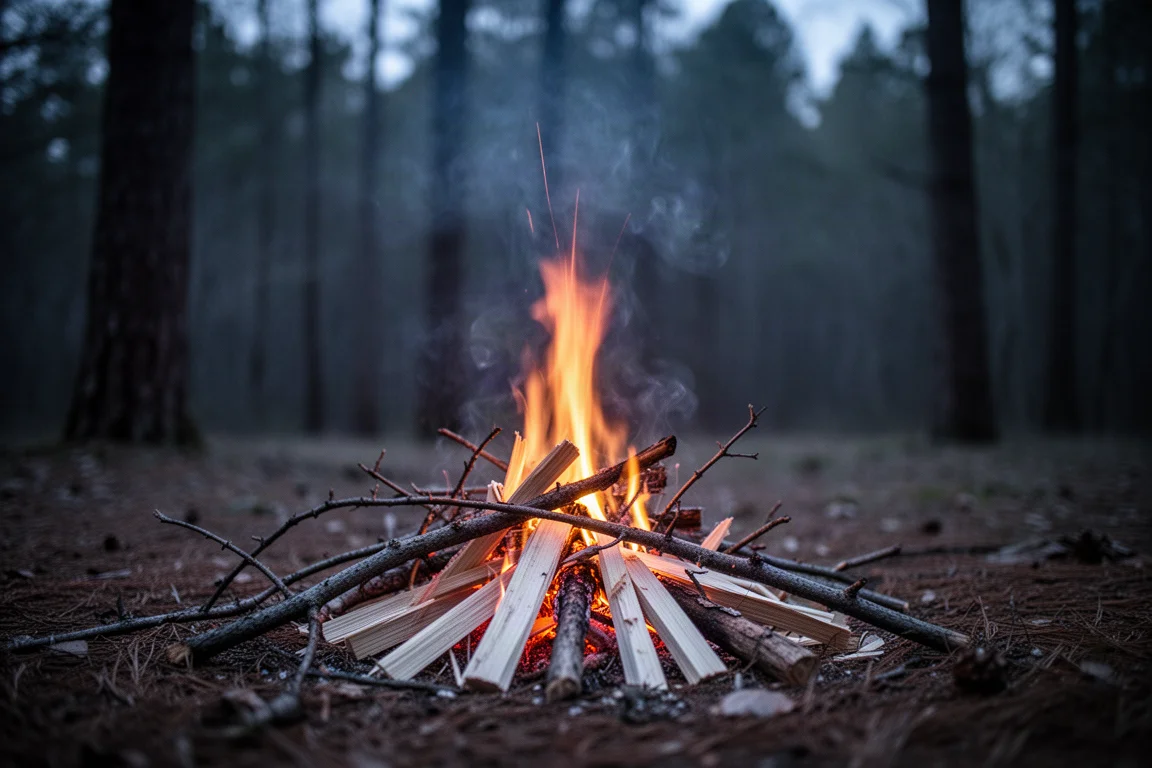
The cost of running it is another quiet advantage. Butane is inexpensive and widely available, and one small canister goes an extremely long way. A single fill covered hundreds of uses over roughly seven months before the fuel level in the window visibly dropped.
Flame, Fuel, and Cold-Weather Behavior
Fuel choice matters more than most buyers expect. Pure butane and isobutane both work; propane is explicitly warned against by the manufacturer, since filling with it risks an explosion. Isobutane performs better in cold conditions but is harder to find and considerably more expensive when bought in bulk, while standard butane is cheap and easy to source almost anywhere.
The manufacturer’s own guidance warns about cold conditions and elevations above 5,000 ft. In practice the torch has been used successfully at around 6,000 ft, and at roughly 19 degrees Fahrenheit it did struggle at first before warming up and working normally. The practical fix is simple: warm the lighter against your body for a few minutes before you need it, and it lights without complaint.
Wind resistance is where expectations should be tempered. The manufacturer describes a strong wind resistant burner, but real world performance is closer to mildly wind resistant. It is clearly better than a disposable lighter or a match, but it is not a torch to rely on in exposed, gusty conditions, and cold weather makes it worse.
Expect to click the ignition more than once. In warm weather it usually catches on the second click, and after a few minutes of use it lights readily. Cold weather pushes that number up considerably.
Things to Consider Before Buying
The ignition is the torch’s weakest point. It is best described as finicky: sometimes it fires on the first attempt, often it takes two clicks, and in the cold it can take several. It has never failed outright, but it asks for patience every time.
It also will not stay lit when you turn it upside down and point the burner downward. That limitation makes some fire layouts and stove configurations harder to light than they would be with a torch that runs inverted.
There is a safety detail worth repeating. Once you release the ignition trigger, residual fuel continues to burn off briefly. Watch the burner until the flame is visibly out before putting the torch in a pocket, pack, or gear bag.
Finally, the trigger includes a built in safety that must be pressed in before the ignition will travel. With bare hands that is simple. With gloves on, finding and pressing that safety while squeezing the trigger at the same time can be a real chore, and it is the most likely source of frustration in winter.
Buying Advice
At around $25 at the time of publication, the value is fair, and even at $30 it holds up for what it does. Fuel cost reinforces that: a small butane canister runs about $4 and lasts an extremely long time, so the ongoing expense is negligible.
Two separate units performed identically in use, which suggests the quirks described here are characteristic of the design rather than one bad sample. The decision therefore comes down to conditions and priorities. If you mostly camp in mild weather, cook on stoves, and want a compact lighter that keeps your hands clear of the flame, this is an easy recommendation. If you regularly head out in deep cold, at high altitude, or into exposed and windy terrain, go in expecting to warm the fuel and to click the ignition more than once.
It is not a perfect product, and it does not pretend to be. In the right conditions it is a light, fuel-efficient, genuinely useful tool that earns its place in a pack.
Conclusion
The Soto Pocket Torch XT Extended gets the fundamentals right: it is small, light, cheap to run, and the telescoping neck makes lighting stoves and fires noticeably safer and more comfortable. Its weaknesses are equally clear. Ignition is finicky, cold weather demands preparation, wind resistance is modest, and it will not run inverted.
Buy it for warm weather camping, stove lighting, and everyday fire starting, and treat cold weather performance as something to manage rather than something to rely on.
Product link
View more details for Soto Pocket Torch XT Extended
This product is mentioned in the review. Check the specifications, options, and compatibility before buying.
View more details for Soto Pocket Torch XT ExtendedFurther reading
Related Reviews
Camping Gear
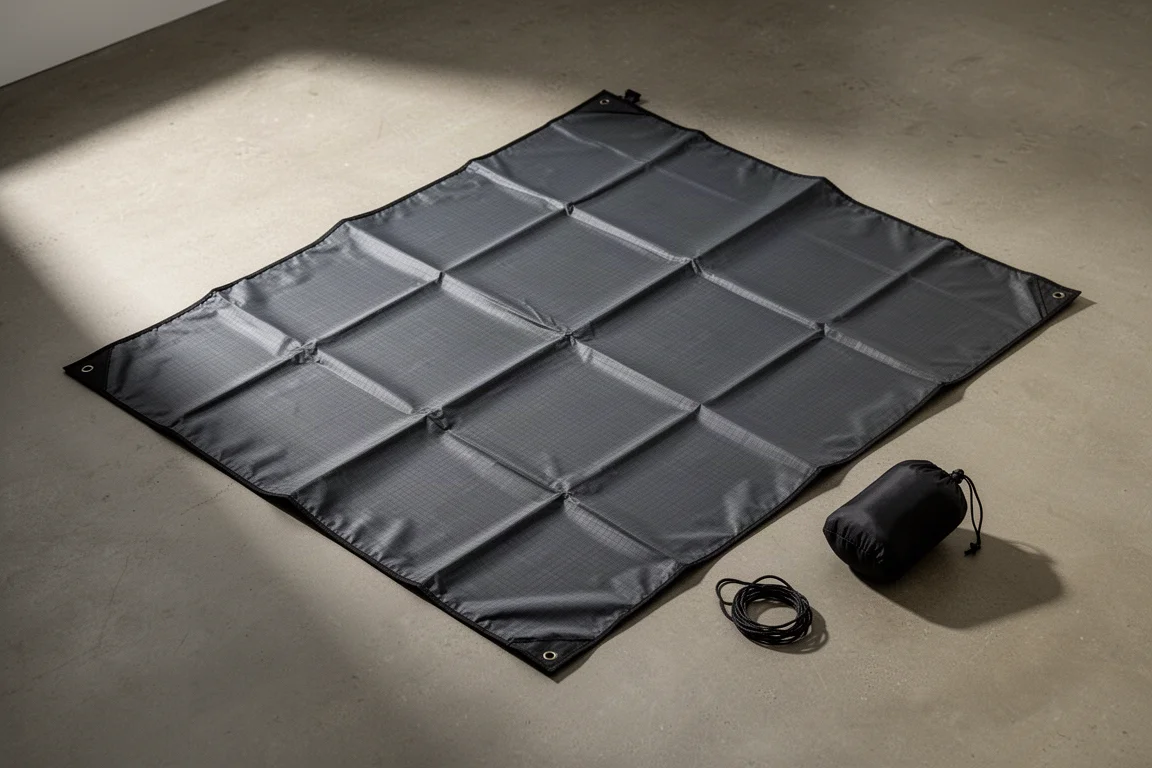
3FUL Ultralight Ground Sheet Review: A Two-Person Footprint Worth Packing
A 6.7 oz two-person ground sheet in ripstop silnylon, priced around $30. Here is what it protects, what it does not do, and who should pack it.
Camping Gear
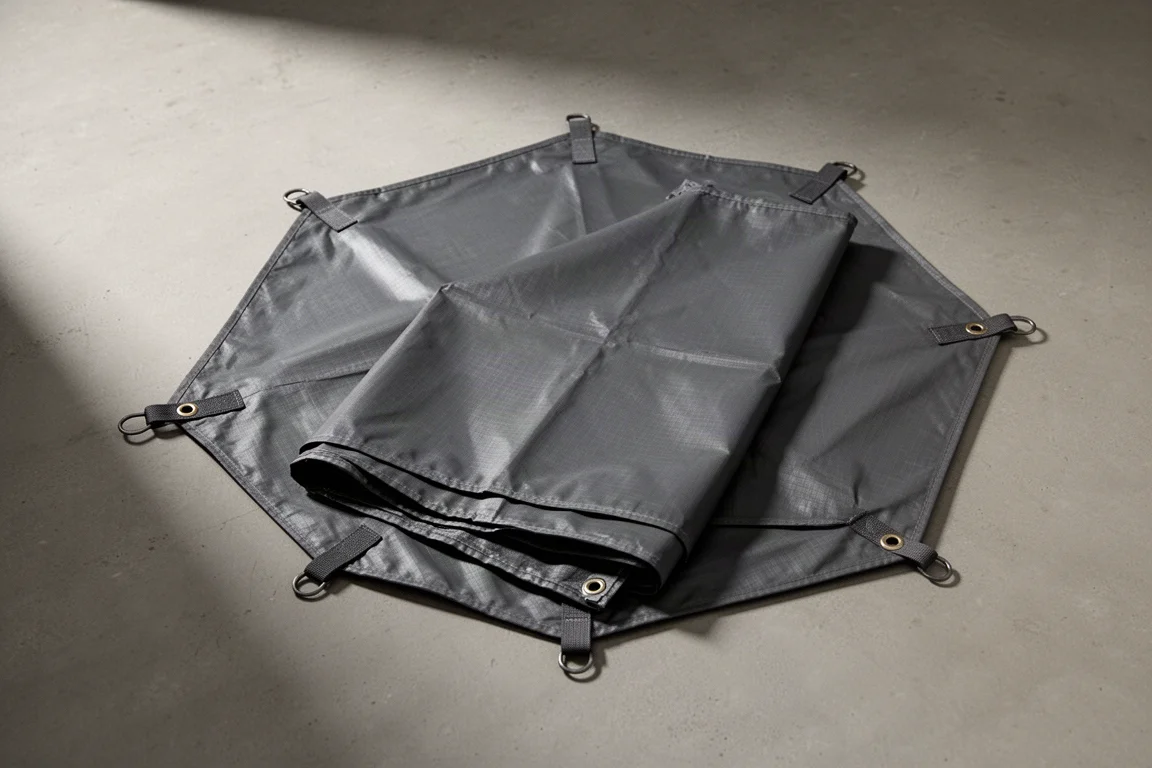
Backcountry Light Dual-Function Tarp and Floor Review: A Footprint First
A dual-purpose tent floor and tarp that keeps falling rain off you, but cannot block wind. Here is where it works and where it does not.
Camping Gear
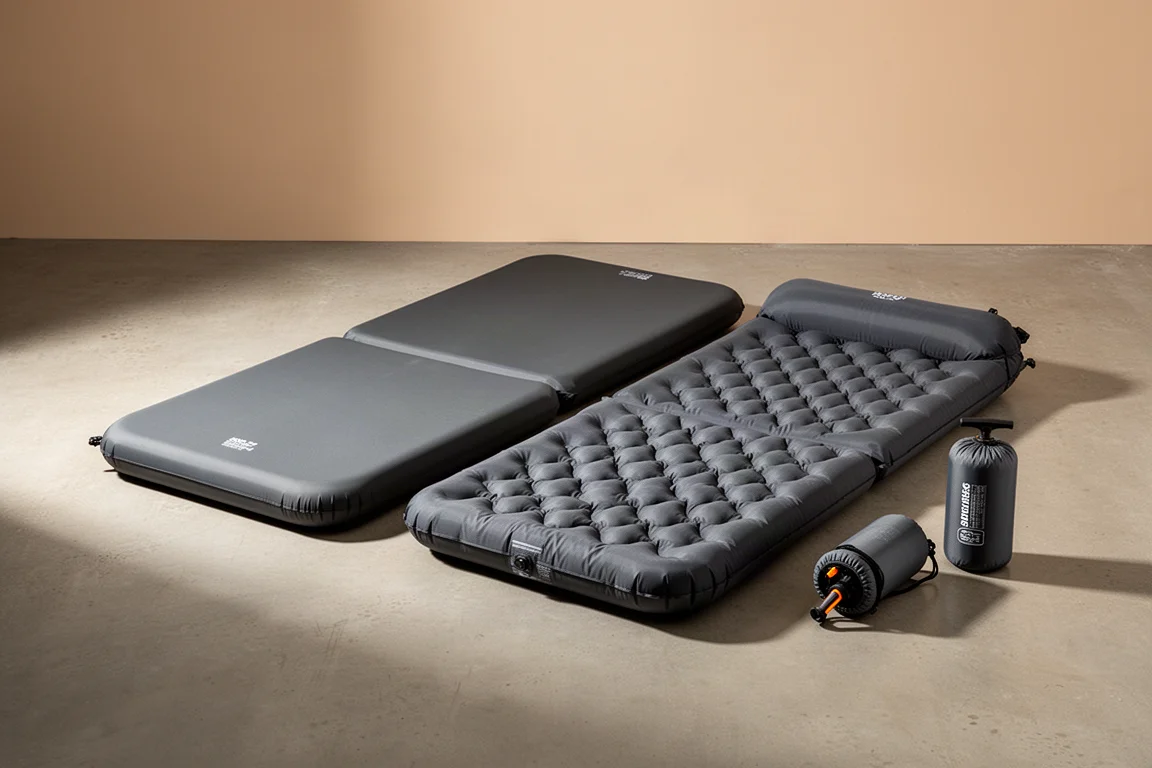
Best 2-Person Camping Mattresses for Couples: 10 Options Compared
A practical comparison of ten two-person camping mattresses, covering self-inflating pads, air pads and air mattresses for couples.