Cameras
Sony ZV E10 Review: Is It the Right First Camera for Creators?
A practical look at the Sony ZV E10, the compact 26MP APS-C camera many creators start with, including its strengths in good light and the low light limits worth knowing before buying.
Introduction
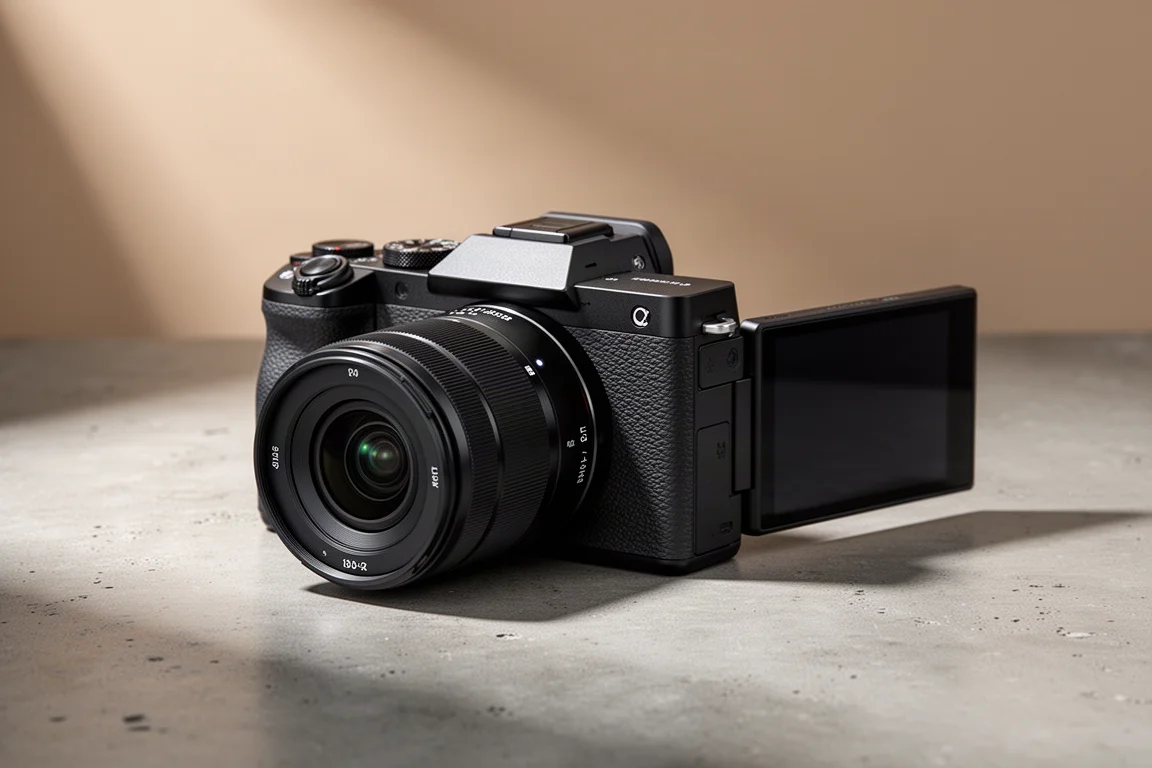
When people ask which first real camera to buy, the Sony ZV E10 comes up more often than almost anything else. Now in its second edition, it remains the camera most frequently recommended to small businesses that handle their own marketing and social media, and to creators who want to lift the quality of their footage above what a phone can deliver.
At around $1,100, it is affordable for what it offers, capable in the right conditions, and far more flexible than shooting everything on a phone. It is also not the right answer for everyone, and the limits are worth understanding before you spend the money.
Sony markets the ZV E10 as a vlogging camera, and the design shows it. The flip-out screen, the hot shoe, and the quick switching between photo and video all point to the same user. The real question is whether that user is you.
Who the Sony ZV E10 Is For
This camera makes the most sense for creators who shoot during the day, work indoors with controlled light, or spend most of their time talking to camera. It is a natural step up for anyone producing their own marketing and social media content, where the goal is a cleaner image than a phone without moving into flagship camera territory.
It is also a sensible choice for anyone who wants a first camera with room to grow. The body is small and light enough to carry regularly, and it accepts the full Sony E-mount lens system, so later upgrades do not mean replacing every lens you own.
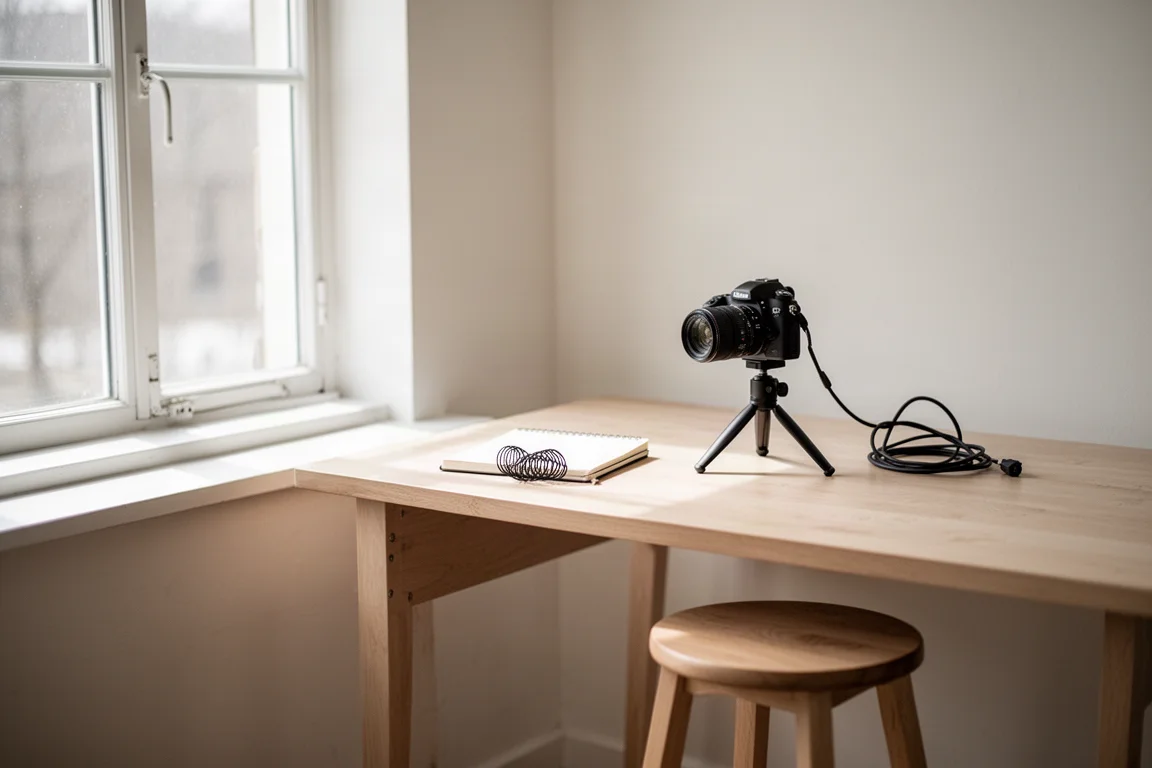
If you are not ready to spend around $1,100 on a first camera, the honest advice is to stay with your phone. The ZV E10 earns its price in the right conditions, but it is not a small purchase, and it will not flatter footage that was already struggling.
Main Strengths
Image Quality in Good Light
The ZV E10 uses a 26 megapixel APS-C sensor, and with good light the footage and stills it produces can stand alongside cameras that cost considerably more. That is the core of its appeal: a compact, relatively affordable body that can deliver a genuinely polished result when the light cooperates.
The catch is that it is not forgiving. Miss your exposure, let the camera move, or lose the light, and the image will show it. The ZV E10 rewards attention to the basics, which makes it a useful camera to learn on as long as you accept that feedback.
Creator-Friendly Controls and the E-Mount System
The controls are laid out for people who switch constantly between stills and video. The screen flips out for framing yourself, the hot shoe gives you a place to mount a microphone or a light, and moving between photo and video modes is quick. These are small conveniences that add up over a long shooting day.
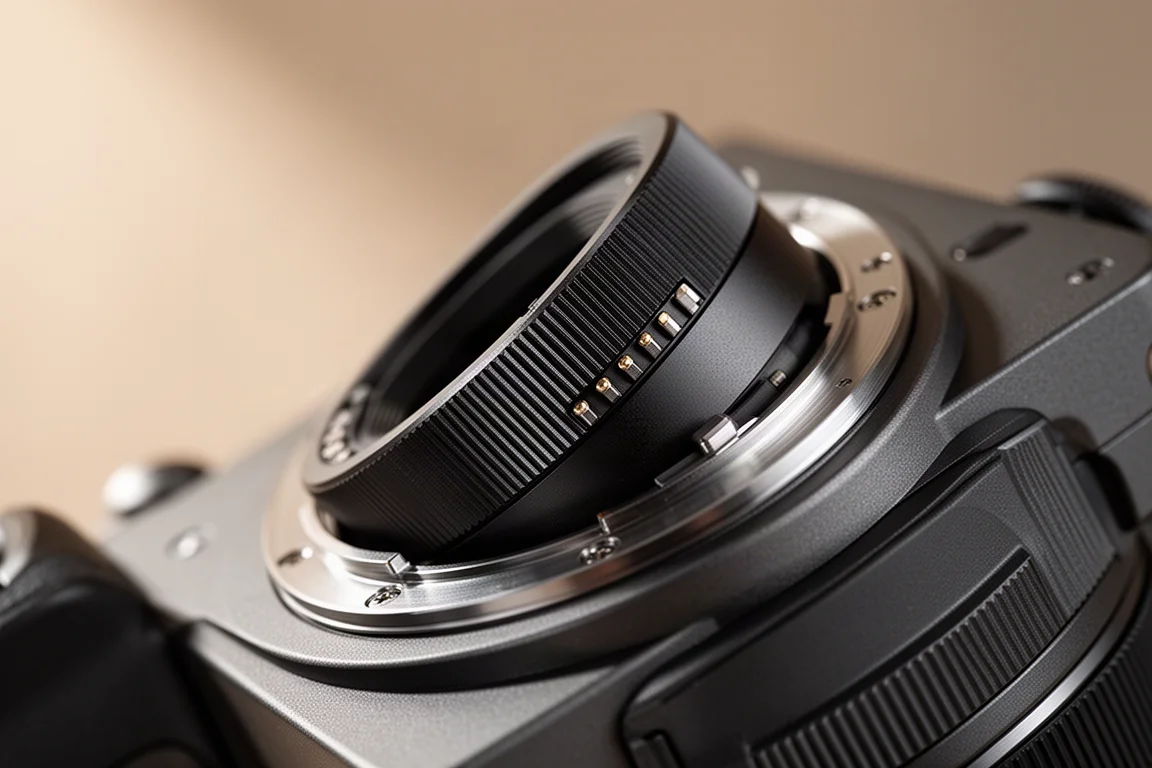
Access to the Sony E-mount lens system matters more than many buyers realise. It means the lenses you buy now stay useful if you upgrade the body later, which lowers the real cost of growing into better gear.
Size and Portability for Travel
The body is small and light, which is the trait that makes it interesting well beyond vlogging. On backcountry trips where every ounce counts, a camera this compact can save pounds compared with a full kit, and it is far easier to keep within reach while you are moving.
Things to Consider Before Buying
The Crop Sensor and Focal Length
APS-C means a crop sensor, and that changes how your lenses behave. A 14 mm lens does not deliver a true 14 mm field of view here, closer to 21 mm in practice.

It is still a strong image, but when you are working with huge mountains and wide open landscapes, that missing width makes a noticeable difference. Every millimetre matters in that kind of shooting.
Stabilization Limits
The ZV E10 uses optical stabilization rather than the in-body stabilization found on Sony’s flagship bodies. The difference is easy to feel. Slow pans and small camera movements that would normally be smoothed out are no longer corrected to the same degree, so handheld technique matters more than it would on a higher-tier body.
Low Light Performance
Low light is where this camera struggles most. Astrophotography is not realistic, and anything dimly lit is a challenge. The rear screen also becomes difficult to use in the dark, which makes framing night shots frustrating rather than merely slow.
This is not a camera built for night shooting or low light wilderness work, and it does not pretend to be. With real lighting and the right setup, it can produce an image on par with far more expensive equipment. Take the light away and that advantage disappears.
Buying Advice
The decision comes down to the conditions you actually shoot in. If you are a creator working mostly during the day, indoors with controlled light, or talking to camera, the ZV E10 is an easy recommendation. It is compact, capable, and backed by a lens system you can grow into over time.
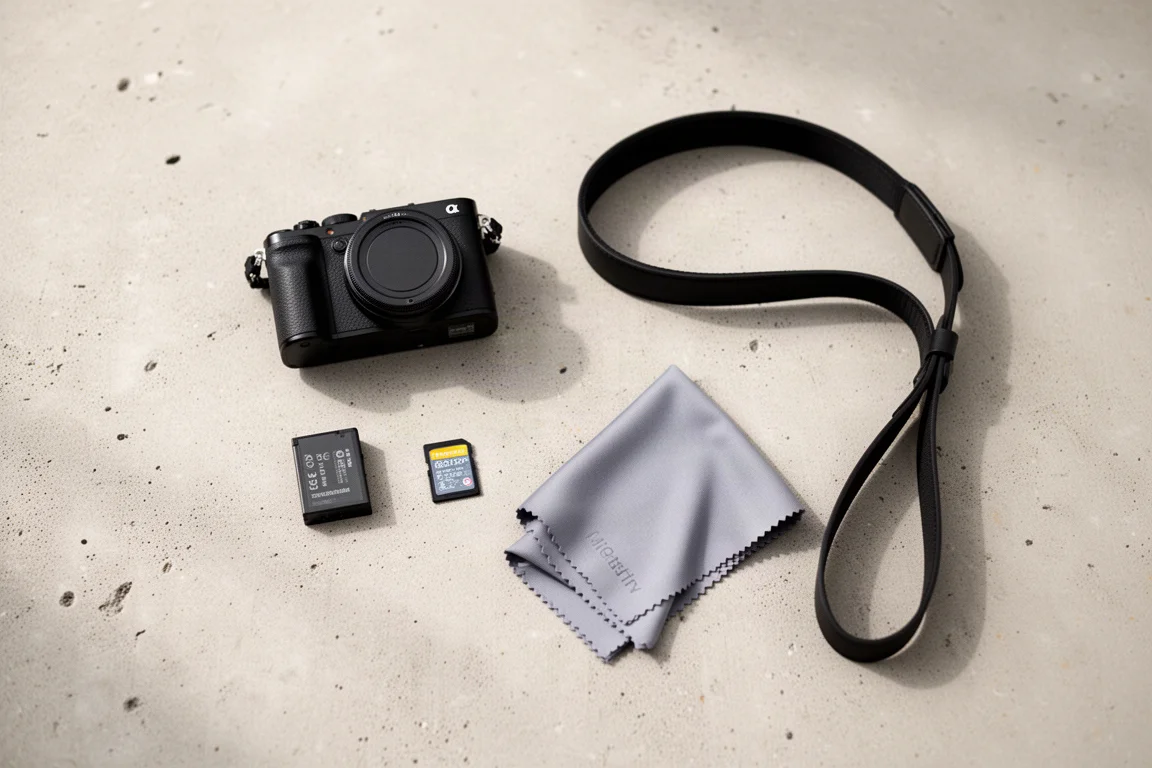
If your work leans toward wilderness travel, low light, or night shooting, look elsewhere. The crop sensor, the optical-only stabilization, and the weak low light performance all work against that kind of shooting, and no amount of technique fully closes the gap.
Either way, the price deserves an honest weighing. Around $1,100 buys a camera that can match far more expensive gear in good light, but only if good light is where you spend your time.
Conclusion
The Sony ZV E10 remains one of the most straightforward answers to the question of which camera a creator should buy first. It is small, flexible, and capable of excellent results in the conditions it was designed for. Go in knowing what it is not: a low light or night shooting tool. Match it to daytime, controlled-light, talking-to-camera work and it will serve you well.
Product link
View more details for Sony ZV-E10
This product is mentioned in the review. Check the specifications, options, and compatibility before buying.
View more details for Sony ZV-E10Further reading
Related Reviews
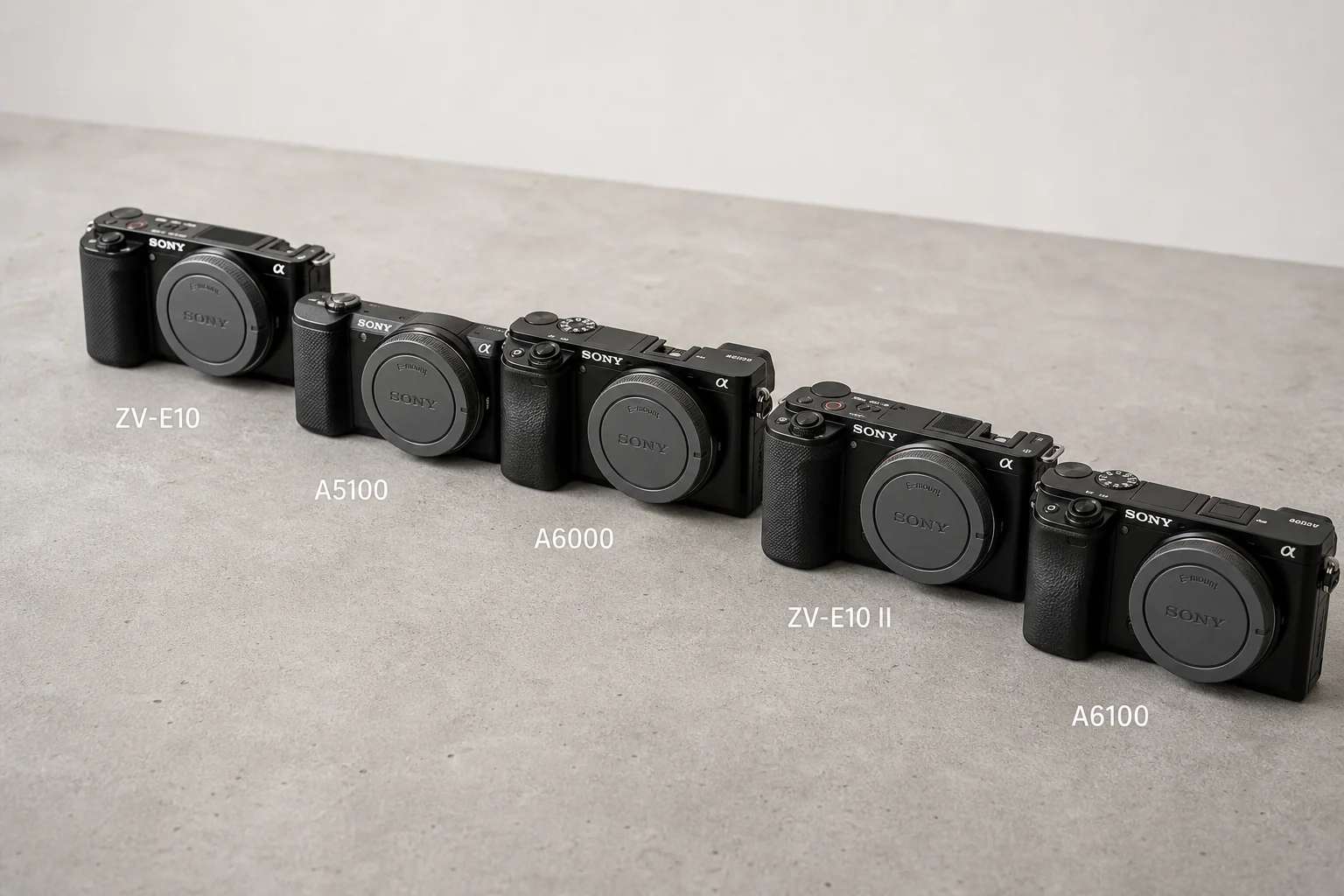
Cameras
Best Budget APS-C Cameras: Five Sony Options for Photography and Video
Five compact Sony APS-C cameras ranging from $250 used to $1,000 new, each suited to different creative needs and budgets.
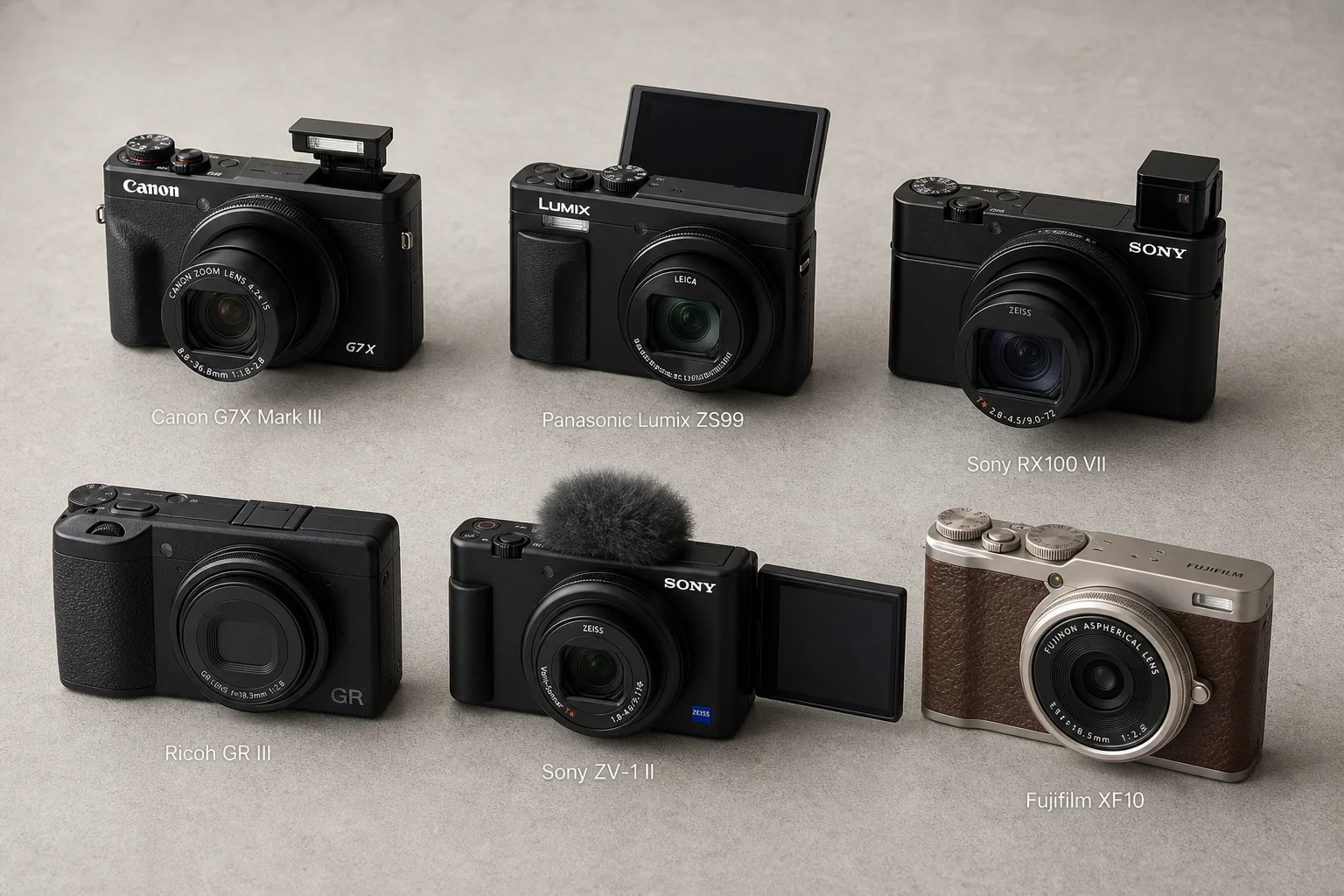
Cameras
Best Compact Cameras 2026: Six Models Tested Side by Side
A practical comparison of six popular compact cameras, from the Canon G7X Mark III to the Fujifilm XF10, tested in real-world conditions to help you choose the right one.
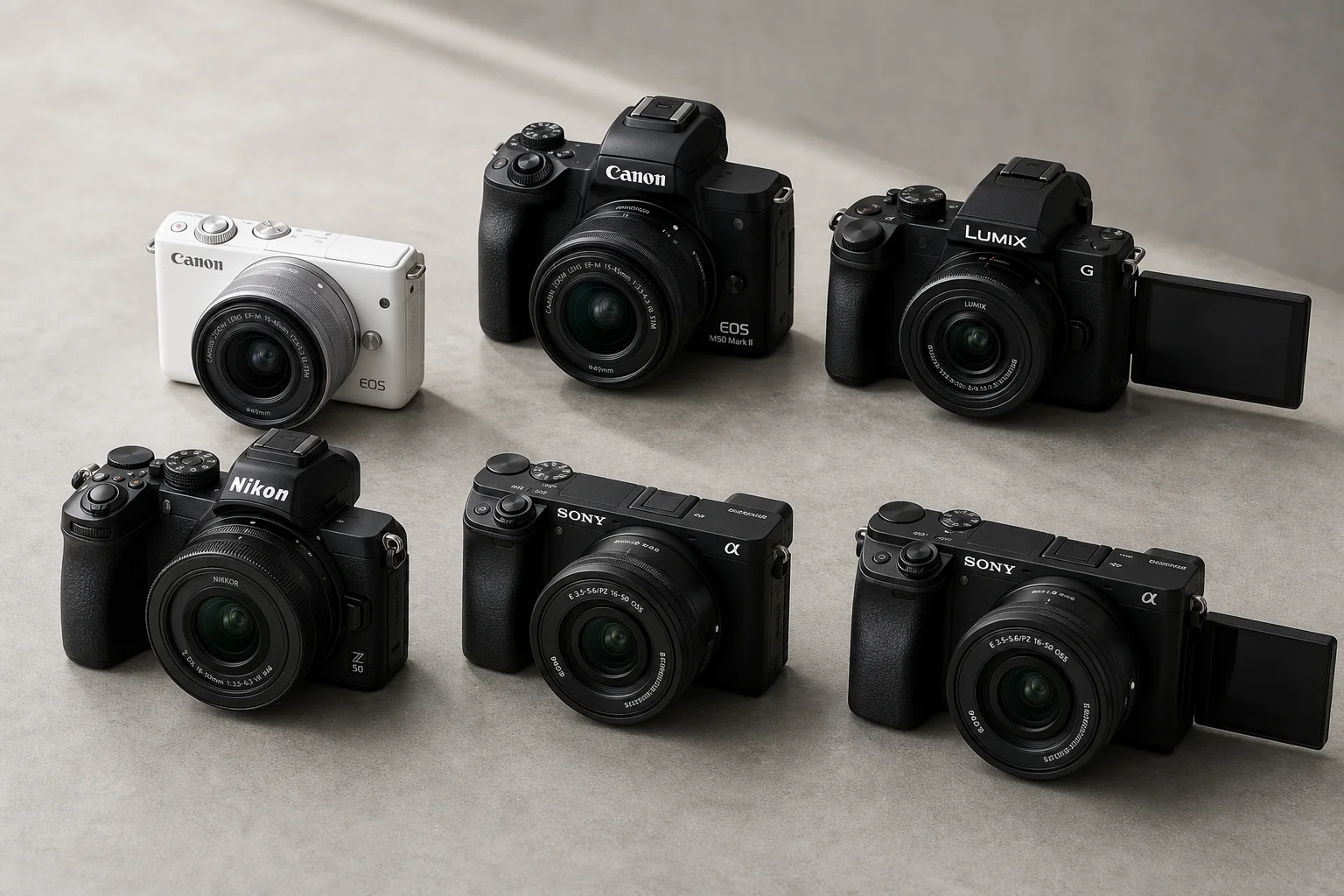
Cameras
Best Mirrorless Cameras Under $1000: Six Practical Options for Different Needs
A detailed comparison of six mirrorless cameras under $1000, ranked by value, performance, and suitability for vlogging, stills, and beginner use.