Cameras
Best Compact Cameras 2026: Six Models Tested Side by Side
A practical comparison of six popular compact cameras, from the Canon G7X Mark III to the Fujifilm XF10, tested in real-world conditions to help you choose the right one.
Introduction
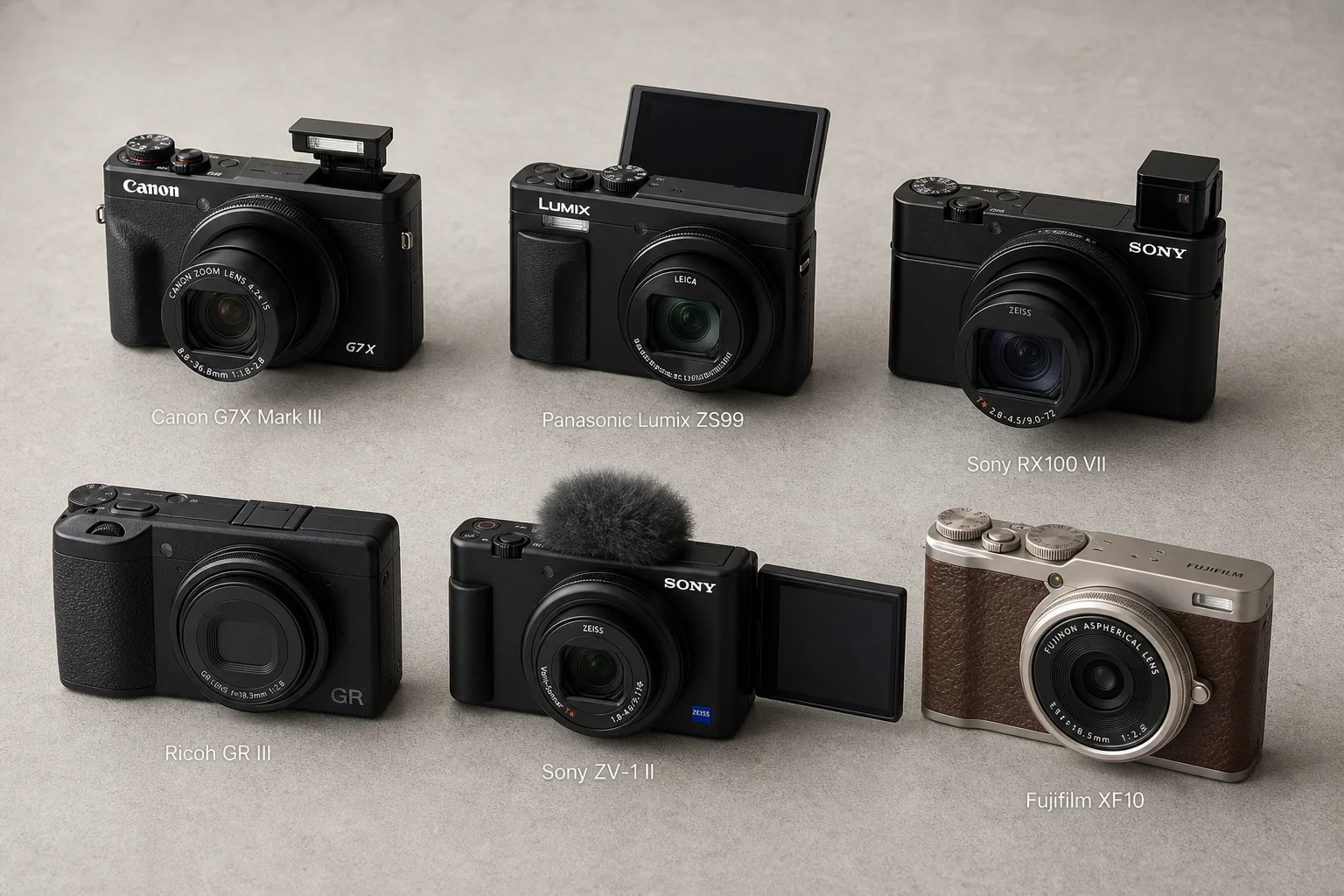
Compact cameras remain popular for travel, vlogging, and everyday photography. Six models stand out in the current market, each with distinct strengths and trade-offs. This comparison tests them side by side to help you understand which might suit your needs.
Canon G7X Mark III: The Popular Choice
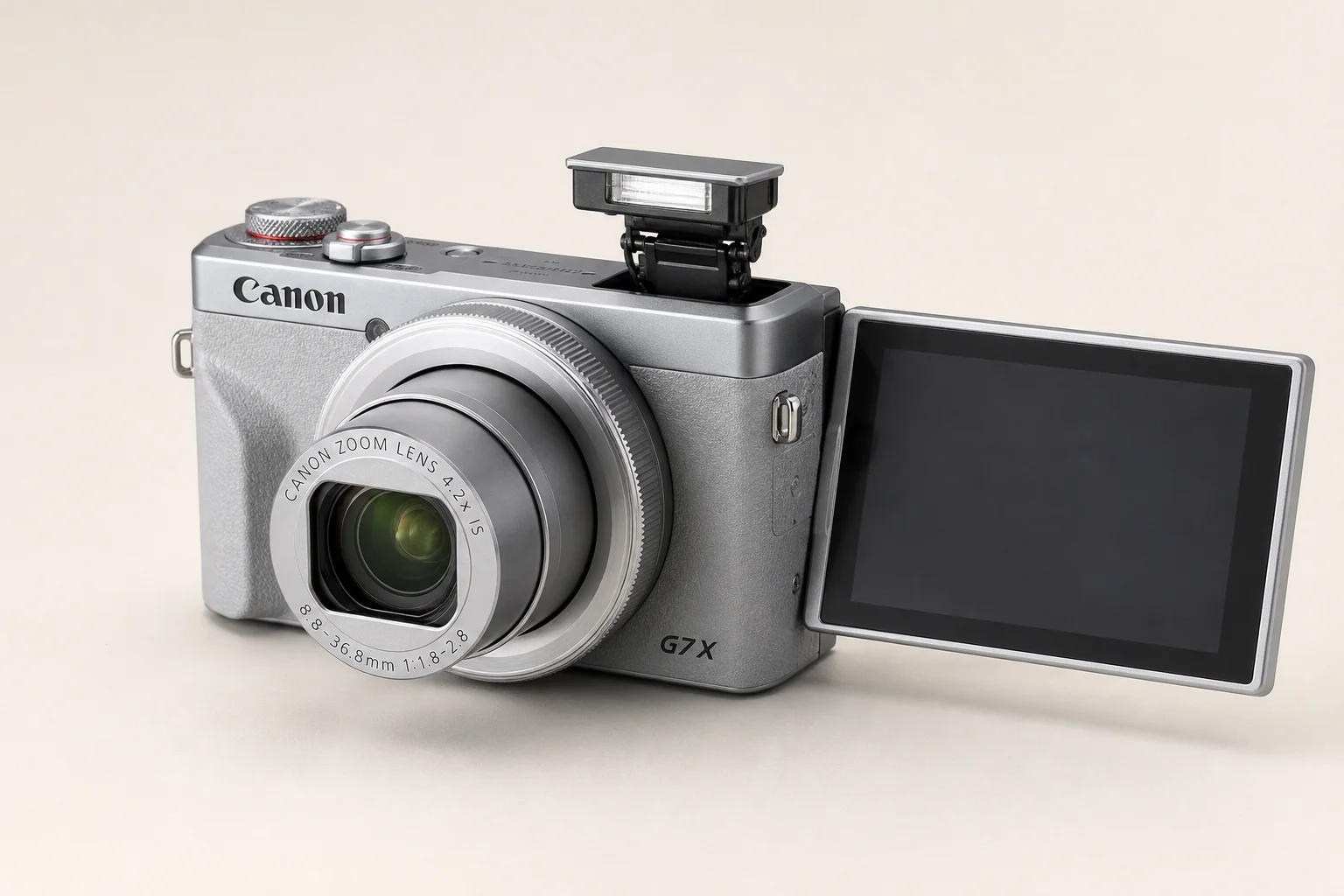
The Canon G7X Mark III has maintained strong popularity despite being six years old. Its appeal stems partly from aesthetic preference for early 2000s digital camera styling, but the camera offers genuine practical strengths.
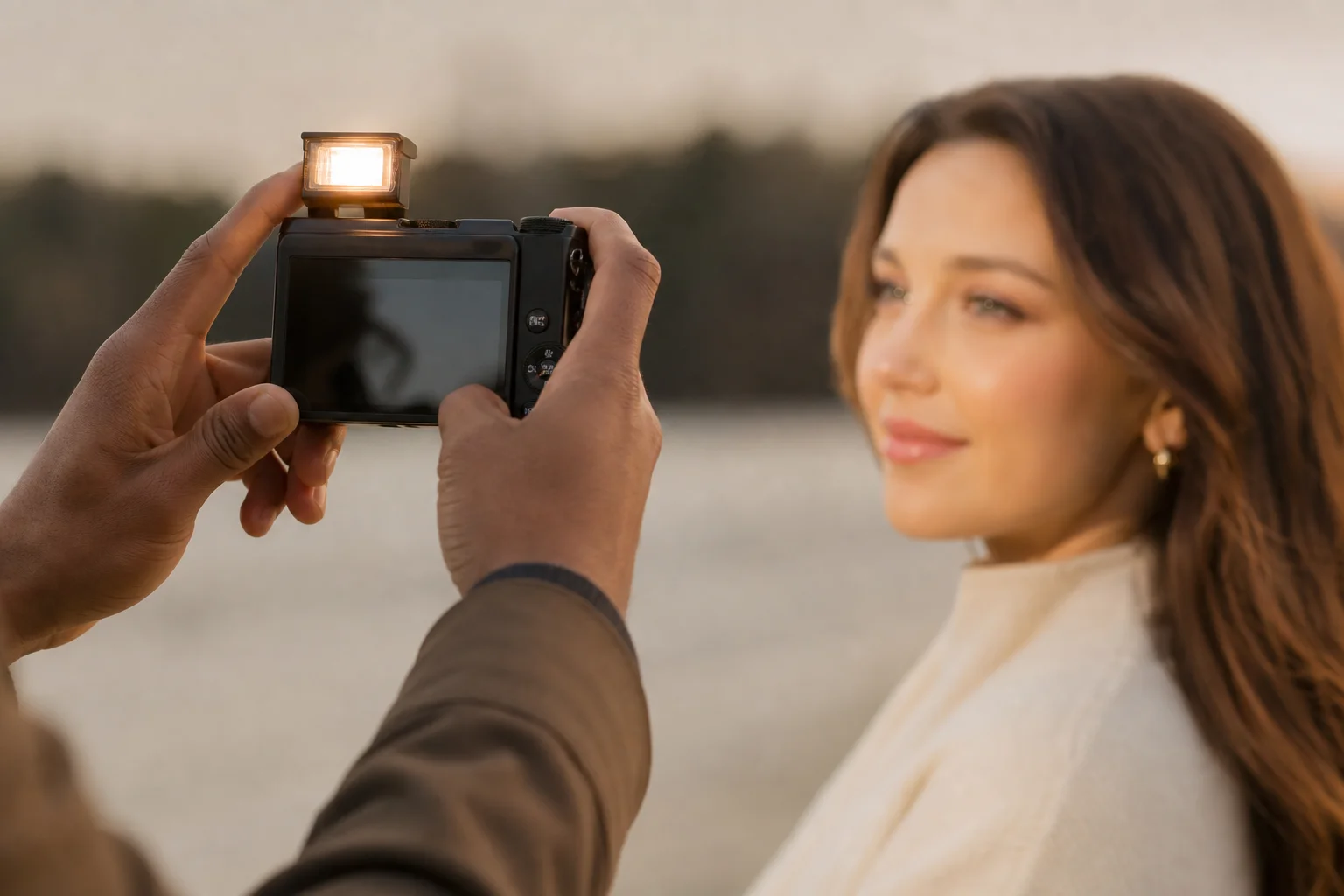
The lens delivers a 1.8 to 2.8 aperture range, which performs well in low light and produces sharp images. The pop-up flash and flip-out screen make it versatile for selfies and vlogging. The camera balances exposure effectively and produces images with good contrast and color depth.

Real-world testing shows the G7X Mark III delivers consistent results across varied lighting conditions. The flash output is strong, and the overall handling feels intuitive to users.
Panasonic Lumix ZS99: The Affordable Alternative
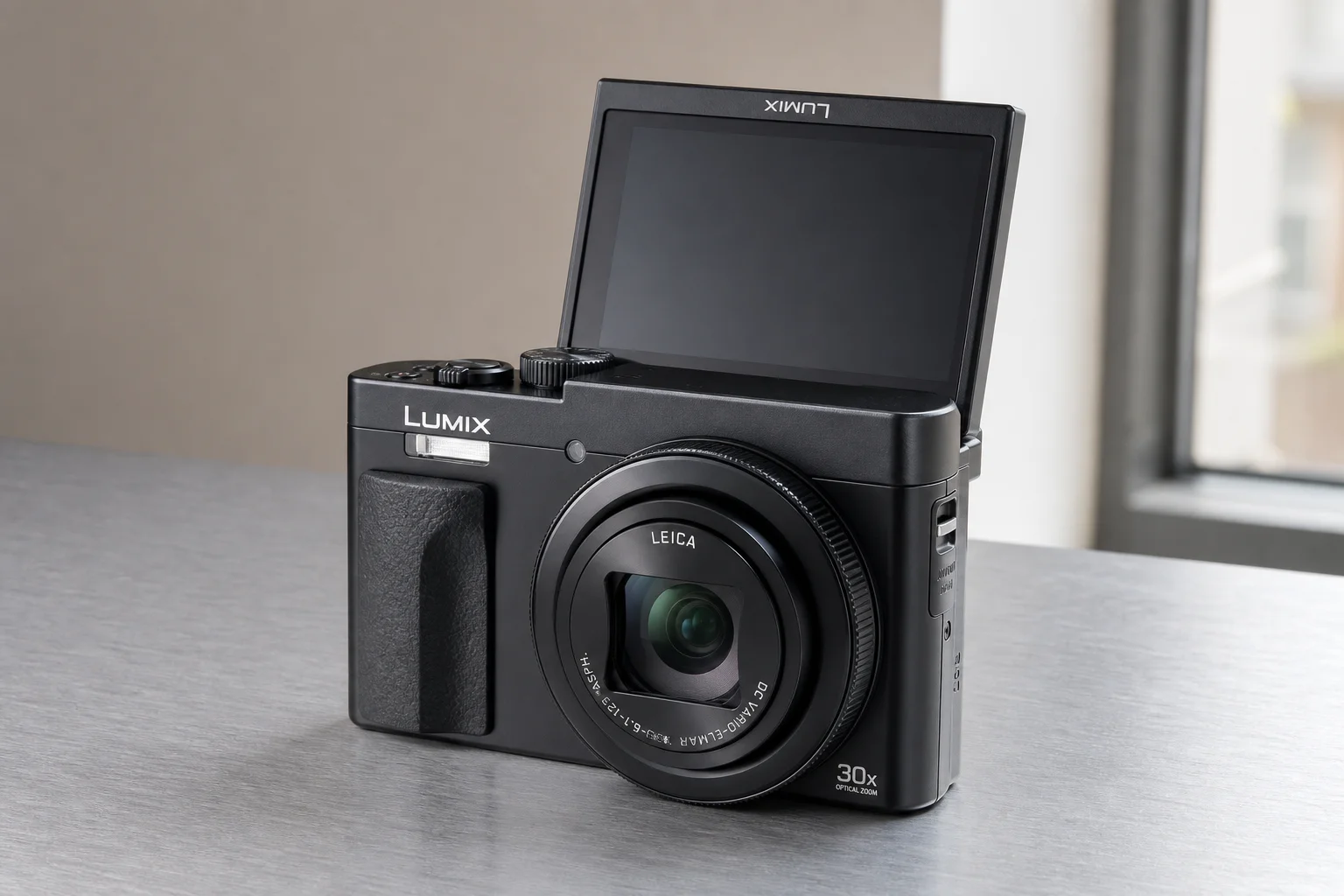
The Panasonic Lumix ZS99 offers significant practical advantages over the Canon. It is available immediately without the long wait times that affect the G7X Mark III, and it costs considerably less.
The ZS99 includes a flip-up screen and built-in flash like the Canon, but adds superior zoom capability. The camera produces warm color tones and clear images. Users report that the Lumix feels like a more old-school digital camera aesthetic, which appeals to those seeking that particular look.
One downside is that the ZS99 is slightly larger than the G7X Mark III, though it remains lightweight and portable. The flash placement is less convenient than the Canon’s, positioned where your hand naturally holds the camera, requiring care not to block it. The sensor is also smaller than the Canon’s, though this difference is minimal for images shared online.
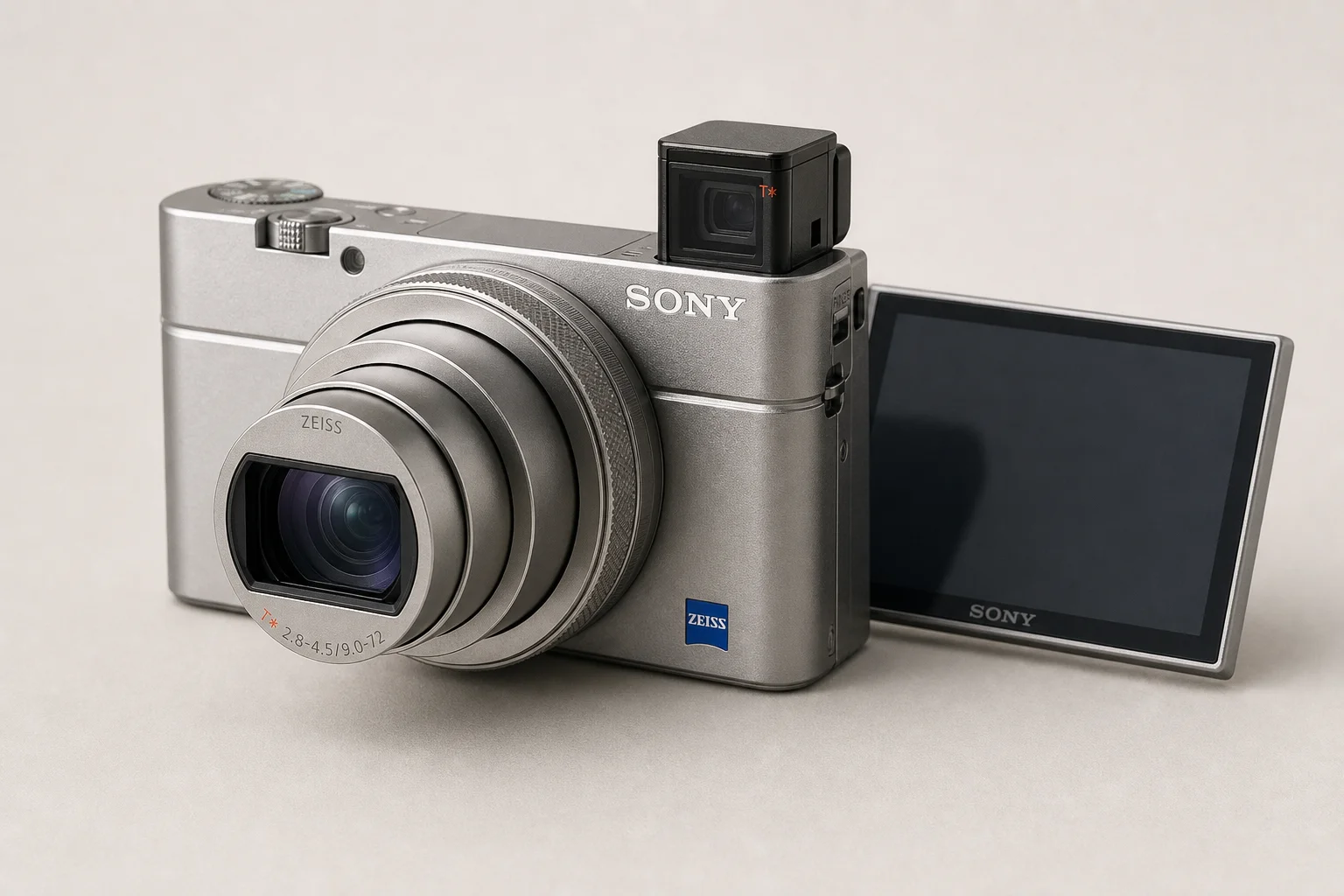
Sony RX100 VII: The Sharp Competitor
The Sony RX100 VII is the second most popular compact camera on the market. It shares many features with the Canon: flip-out screen, pop-up flash, and similar overall size. The lens offers slightly more zoom than the G7X Mark III.
A distinctive feature is the pop-up electronic viewfinder, which many users appreciate. The lens is considered sharper than the Canon’s. The camera produces clear, bright colors and handles focus reliably, though the flash does not project as far as the Canon’s, requiring closer proximity for strong flash effects.
Ricoh GR III: The Compact Powerhouse
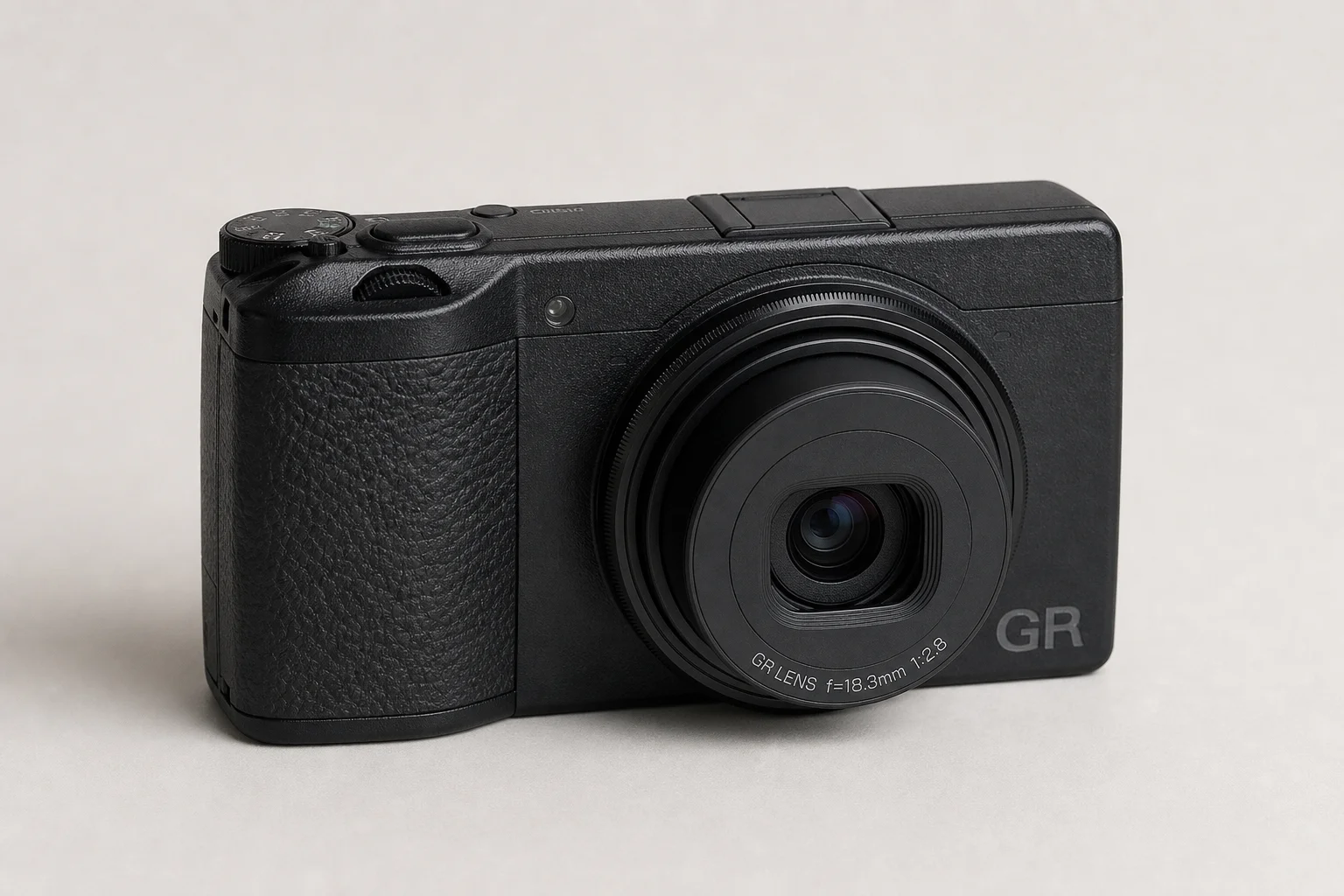
The Ricoh GR III houses an APS-C sensor, the largest among these six cameras, delivering the most detail and resolution. Despite this, it is the smallest camera in the lineup, making it exceptionally portable for its sensor size.
Battery life has improved significantly from the previous model due to a larger battery, though this reduces space for the SD card slot, which now accepts only microSD cards. The camera lacks a zoom lens and built-in flash, but the fixed lens is sharp and well-suited to street and travel photography. This camera appeals to photographers with existing knowledge who prioritize image quality and portability over convenience features.
The GR III produces excellent color and detail, making it ideal for those who plan to print or edit images extensively. The lack of zoom is intentional, targeting a specific photographic approach rather than representing a limitation for its intended audience.
Sony ZV-1 II: Built for Vlogging
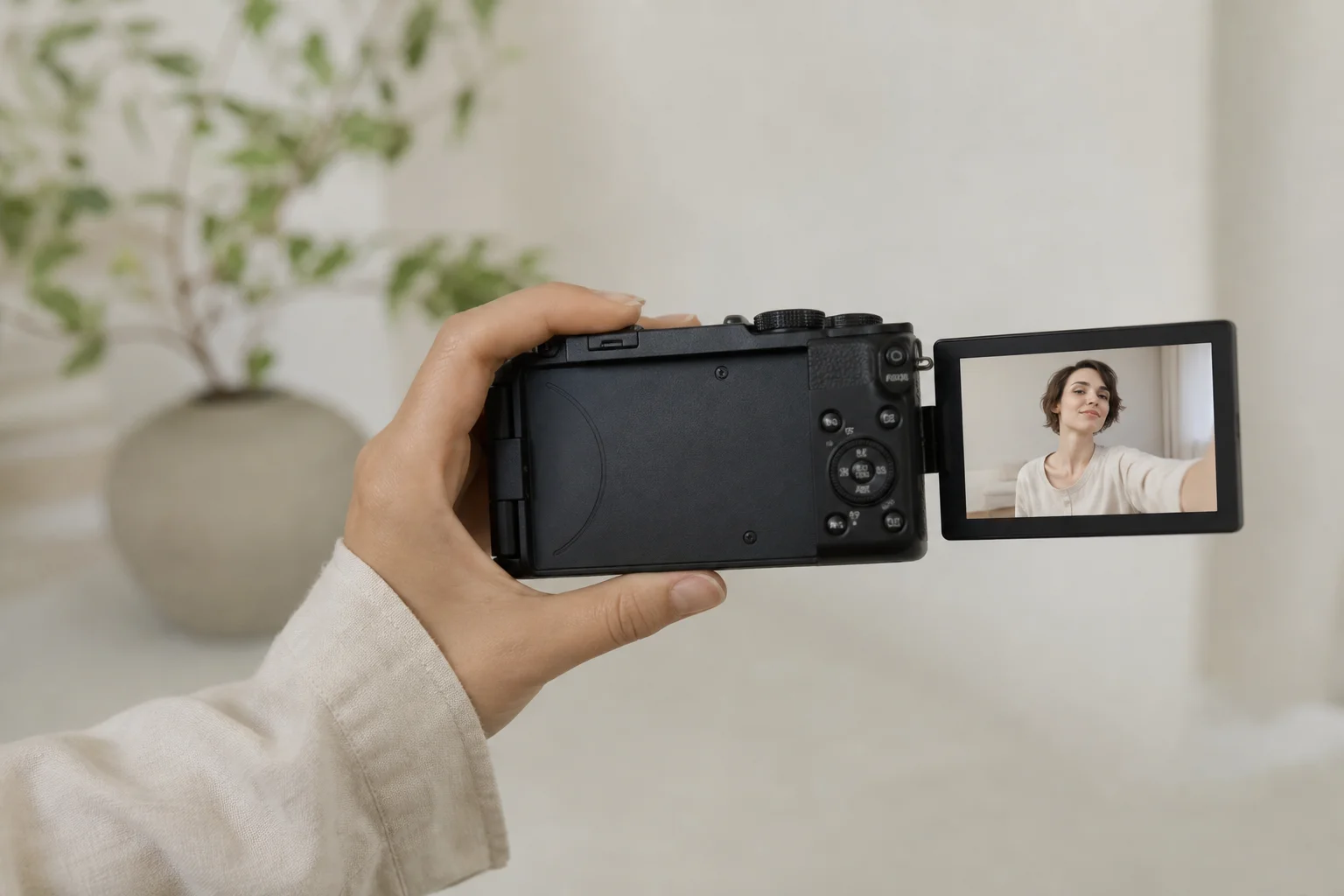
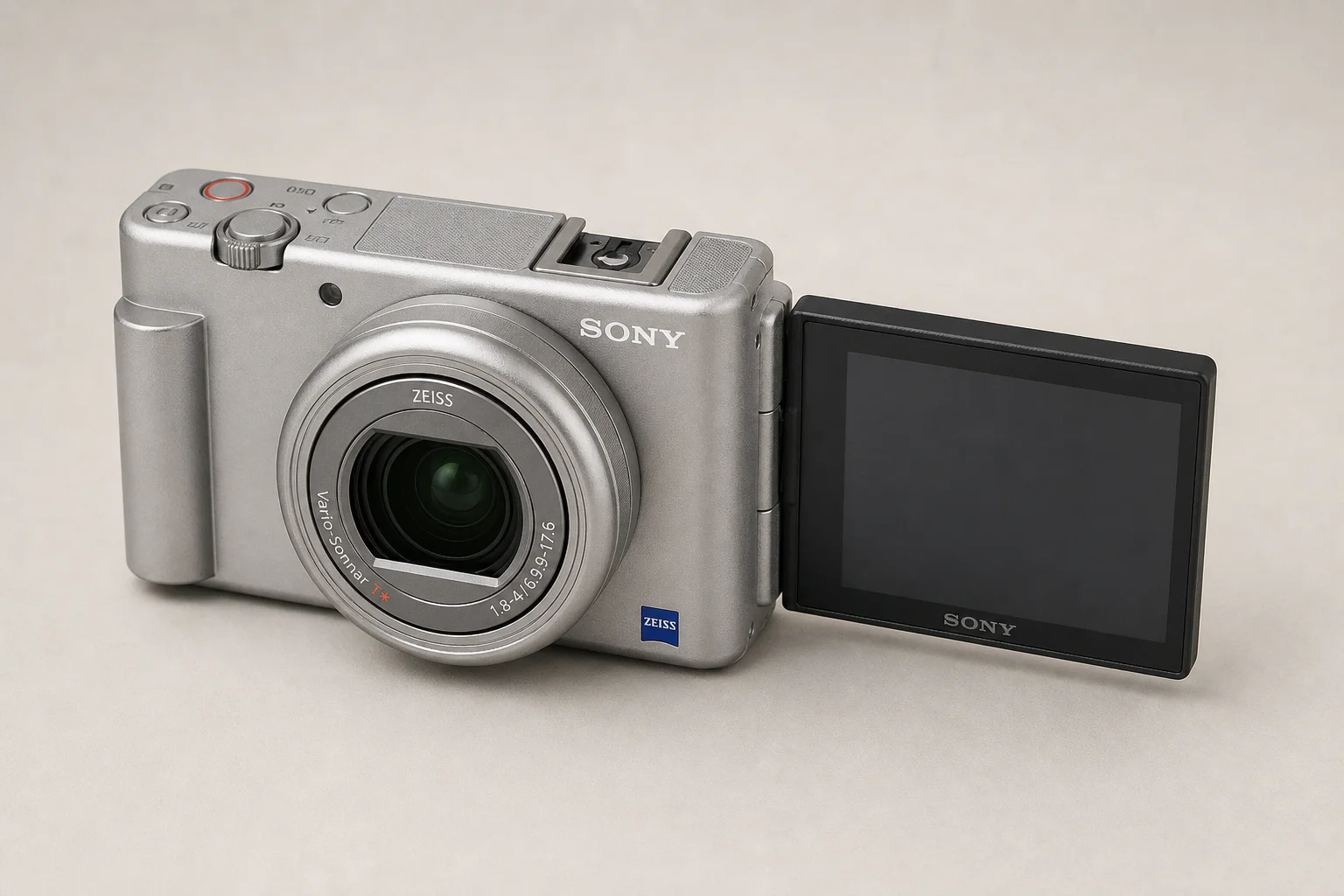
The Sony ZV-1 II is designed specifically for video content creation. Its fully articulating screen allows shooting at various angles, essential for vlogging and selfie work. A hot shoe enables attachment of external flashes and microphones, expanding creative options.
The lens is wider than most competitors in this lineup, beneficial for vlogging and selfie framing. The camera is quick and responsive, with a touch screen for focus control. The interface is straightforward for video work, though some users find it less intuitive than the Canon or Sony RX100 VII for still photography.
Fujifilm XF10: The Film Simulation Camera
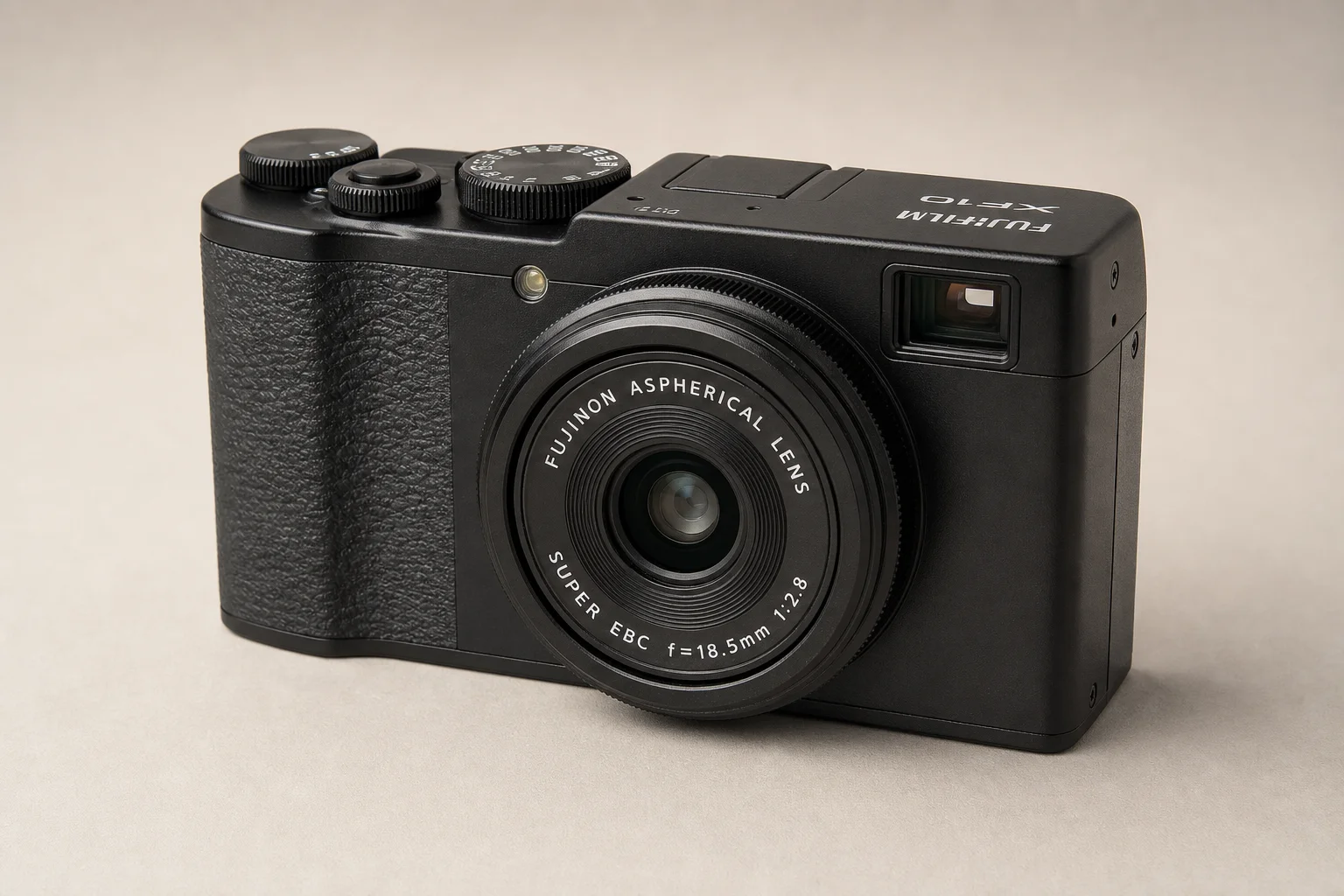
The Fujifilm XF10 stands out visually and functionally through its built-in film simulations, a signature Fujifilm feature. The camera has a distinctive retro design and includes a small optical viewfinder on the side.
It includes a built-in flash similar to the G7X Mark III. The film simulations allow creative color grading in-camera without post-processing. However, the camera lacks zoom capability, has a small fixed screen that makes reviewing images difficult, and the built-in flash is weaker than the Canon’s. Like the Ricoh, it targets photographers seeking a specific aesthetic and creative approach rather than maximum versatility.
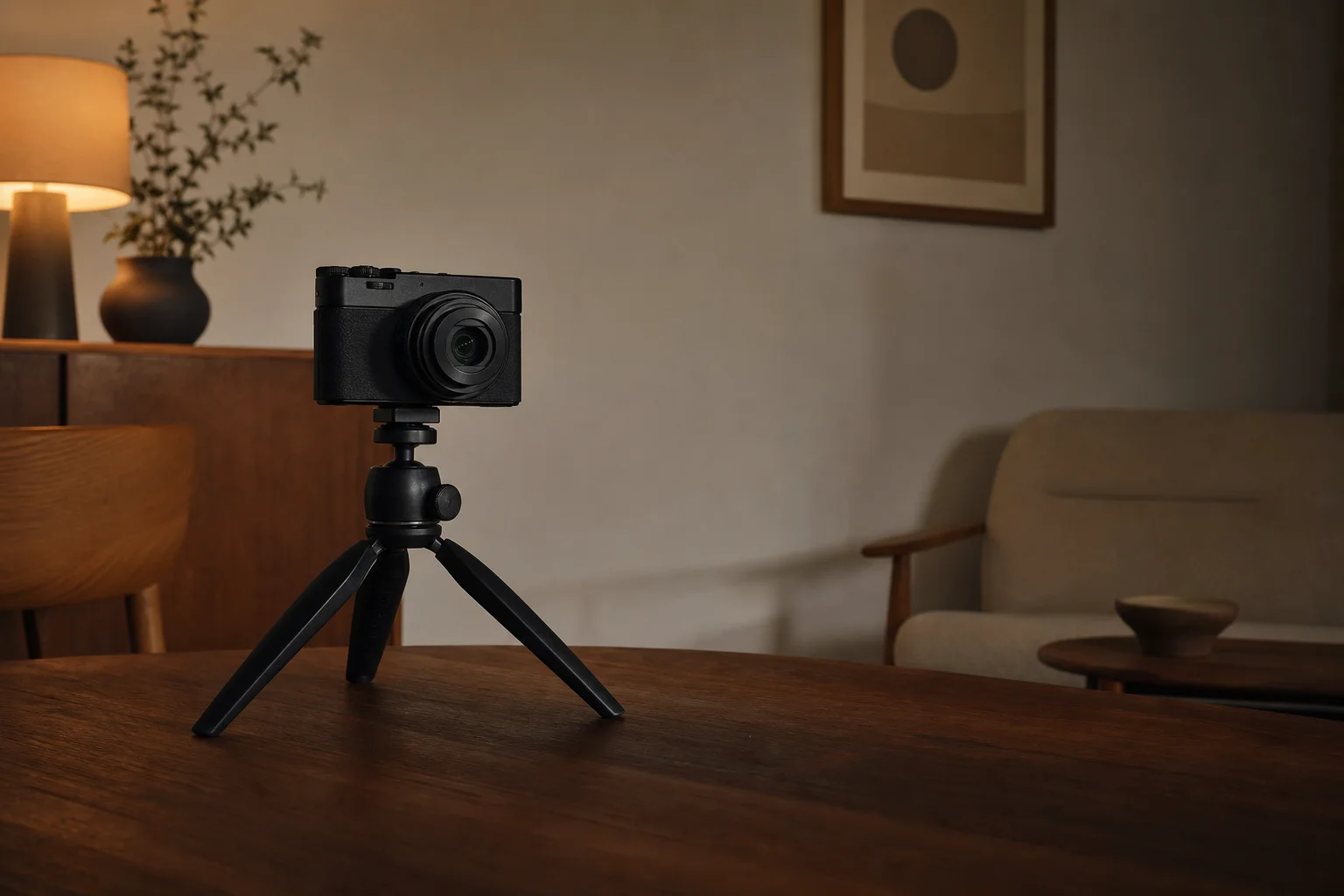
Overall Recommendations
The Canon G7X Mark III remains the most well-rounded choice for general compact camera use, offering strong performance across all categories. If the Canon is unavailable or you need immediate purchase, the Panasonic Lumix ZS99 provides excellent value with comparable features at a lower price.
For those prioritizing video content, the Sony ZV-1 II delivers the features vlogging requires. Street photographers and travel enthusiasts seeking maximum image quality in minimal size should consider the Ricoh GR III. The Fujifilm XF10 appeals to those who value in-camera film simulations and retro aesthetics.
Conclusion
Each of these six cameras serves a distinct purpose in the compact camera market. The choice depends on your primary use case, budget, and whether you prioritize convenience features or image quality and portability. Testing them in real conditions reveals that while the Canon G7X Mark III remains the most popular choice, several alternatives offer compelling advantages for specific photography styles and needs.
Further reading
Related Reviews
Cameras
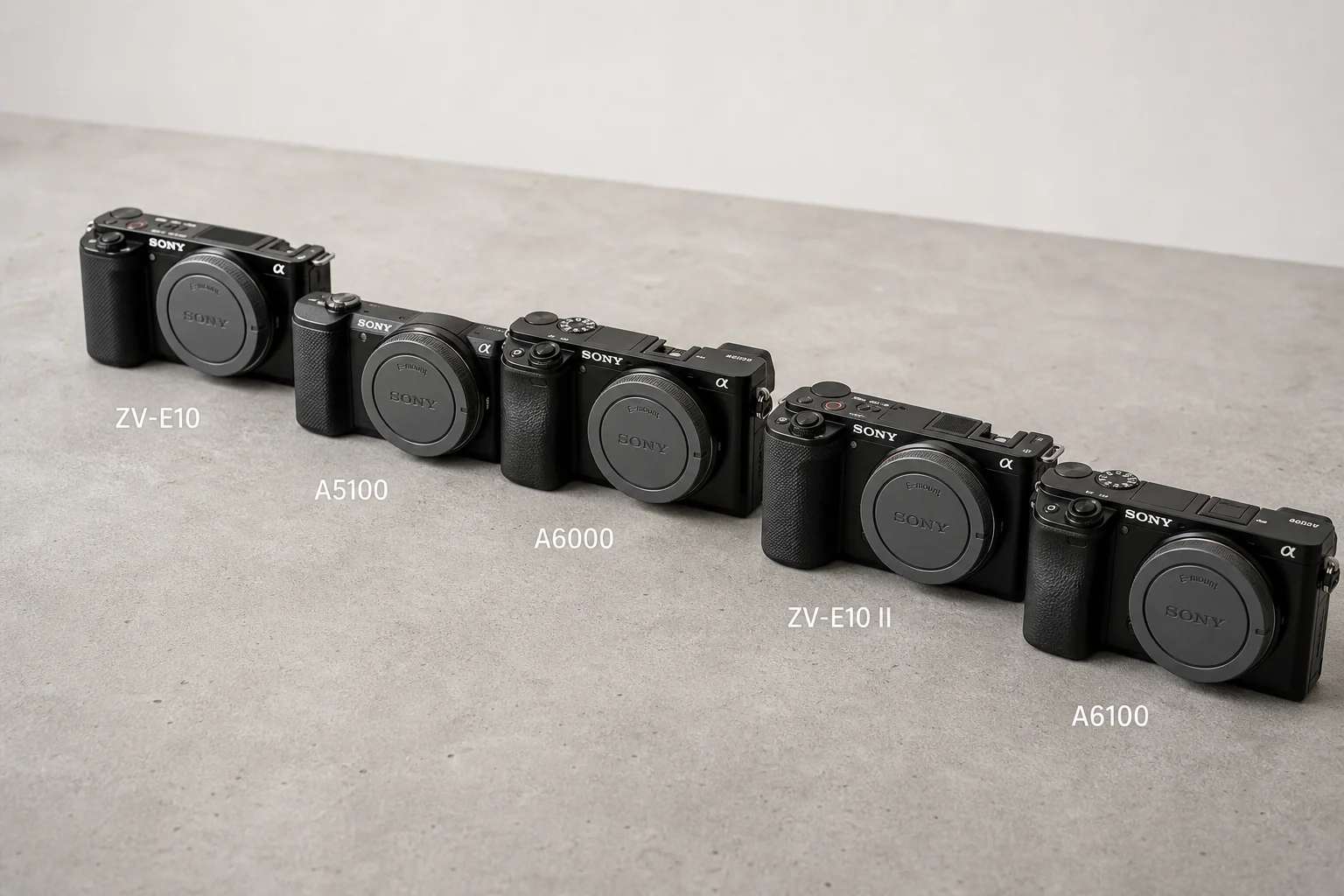
Best Budget APS-C Cameras: Five Sony Options for Photography and Video
Five compact Sony APS-C cameras ranging from $250 used to $1,000 new, each suited to different creative needs and budgets.
Cameras
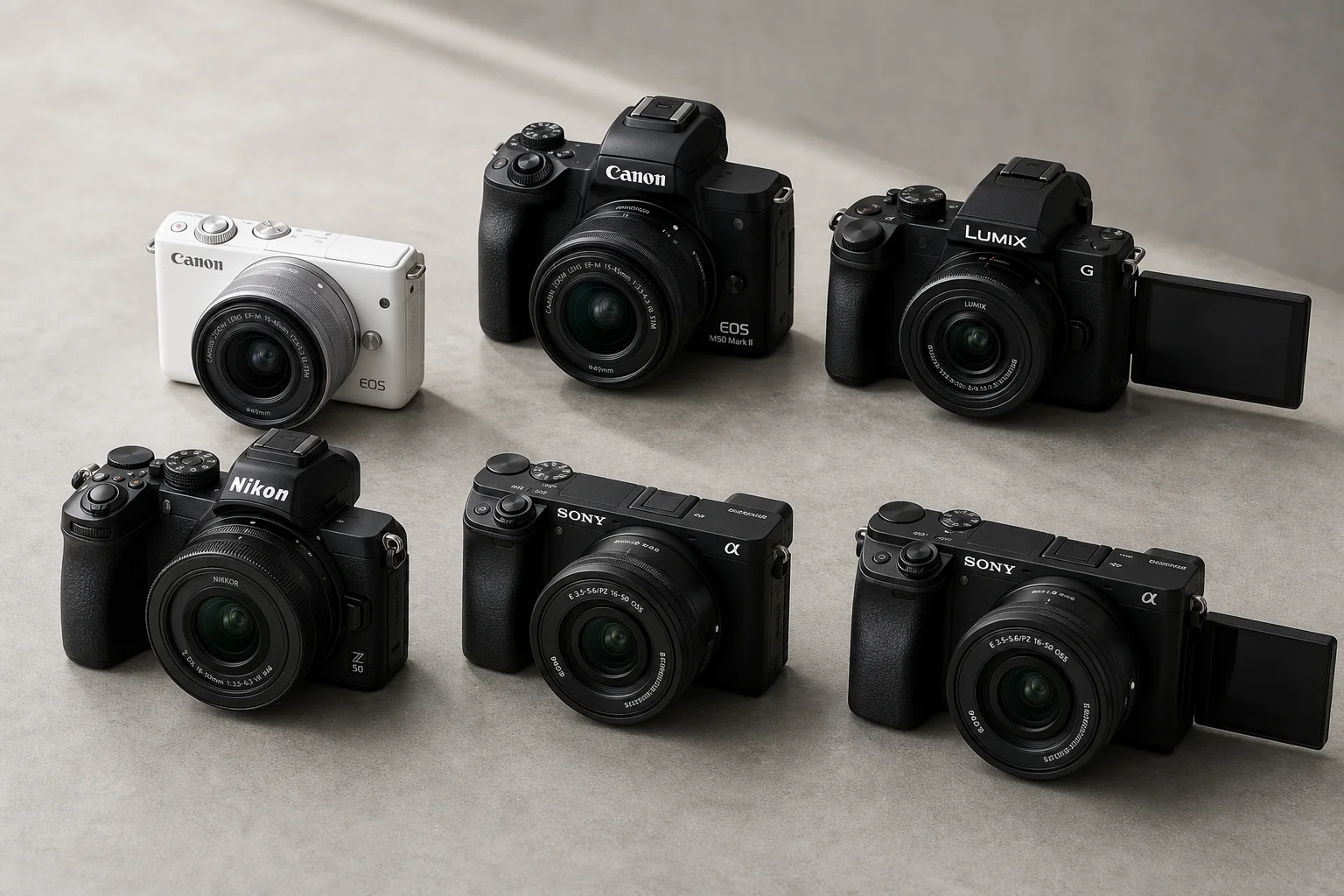
Best Mirrorless Cameras Under $1000: Six Practical Options for Different Needs
A detailed comparison of six mirrorless cameras under $1000, ranked by value, performance, and suitability for vlogging, stills, and beginner use.
Action Cameras
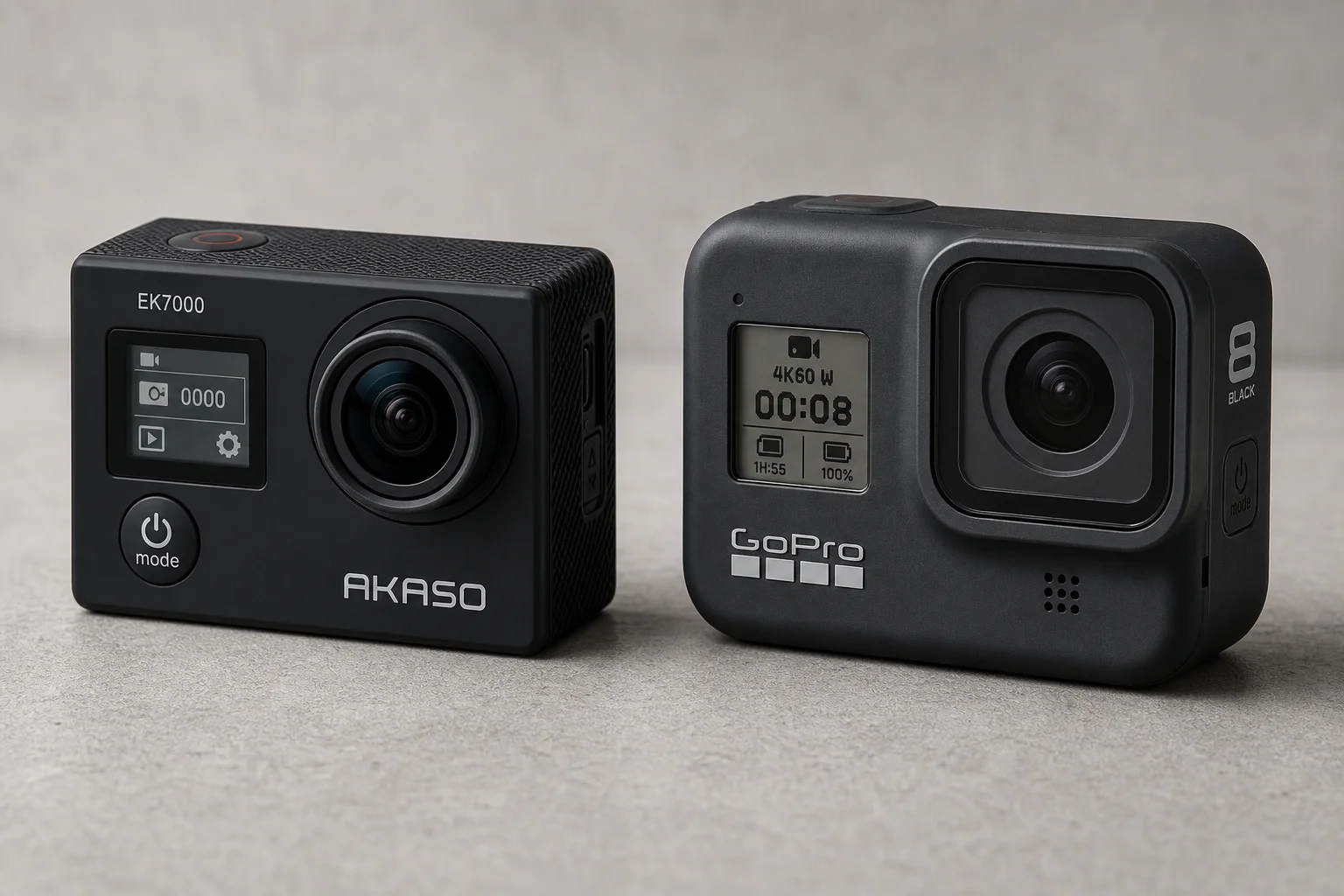
Akaso EK7000 vs GoPro Hero 8 Black: Budget Action Camera Tested
A $50 budget action camera faces off against the GoPro Hero 8 Black. Here's how the Akaso EK7000 really performs in video, audio, and photo quality.