Audio
Sony WF-1000XM6 First Impressions: Smaller Design, Stronger ANC Stack
Sony's latest flagship noise-cancelling earbuds bring a redesigned form factor, upgraded microphone array, and dual-chip processing. Early impressions suggest a meaningful step forward after two years.
Introduction
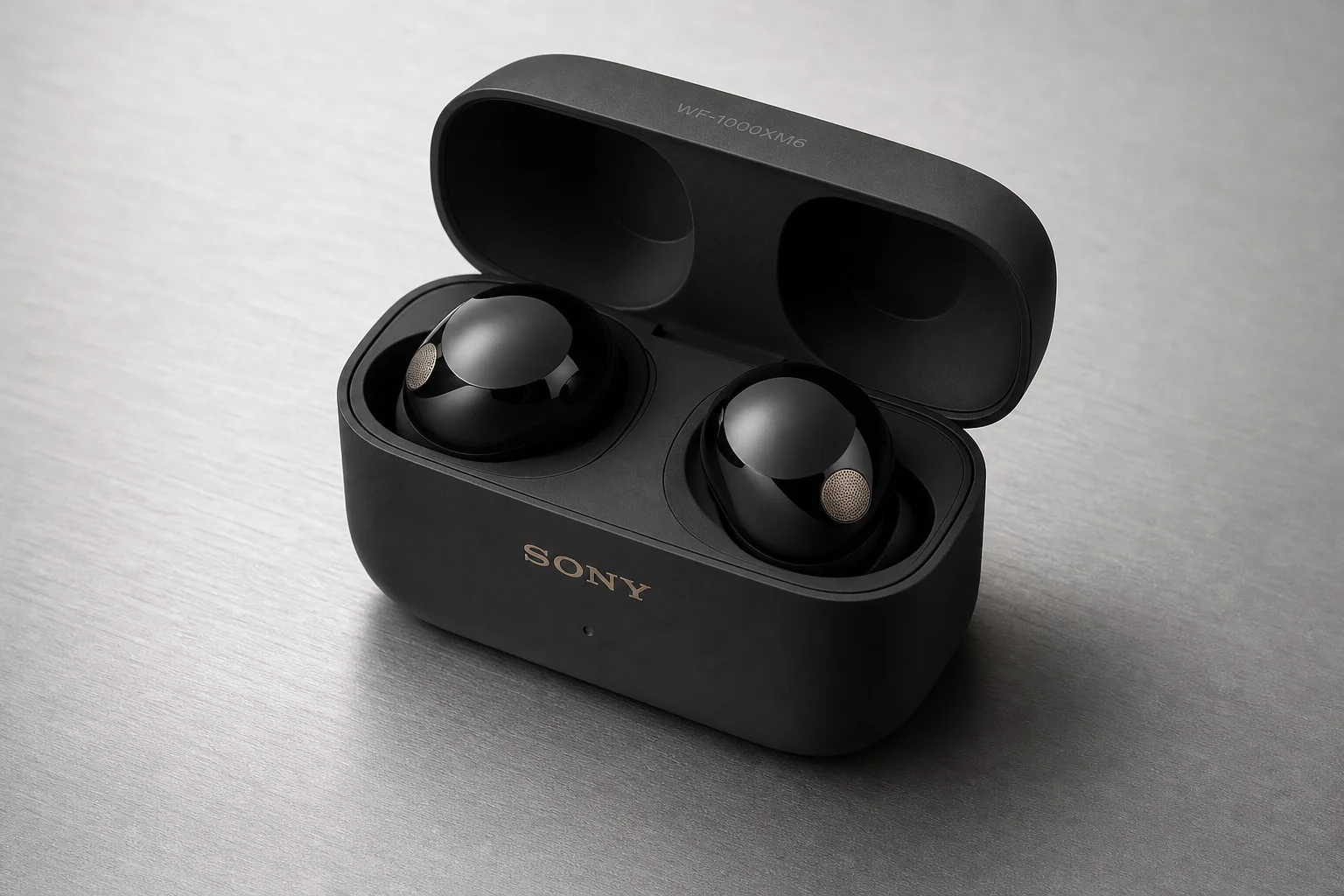
Sony has released the WF-1000XM6, the next generation of its flagship noise-cancelling true wireless earbuds. After a two-year gap since the M5, this new model carries significant pressure to reclaim Sony’s position as the leader in active noise cancellation. Early hands-on time suggests the company has made a genuine effort to address past shortcomings and push the category forward.
Design and Comfort
The most visible change is the earbud form factor. Sony has moved away from the bulky bean-shaped design of the M4 and M5 toward a noticeably smaller, more refined profile. The new shape aligns better with mainstream earbud sizing and human ear ergonomics.

For users with smaller ears, this is a meaningful improvement. The M4 and M5 were genuinely uncomfortable for extended wear, creating pressure and discomfort over time. The M6 feels lighter and less intrusive, with a shallower insertion depth that makes them easier to put in and remove without forcing them deep into the ear canal. The trade-off is that the fit feels less secure than previous generations, which may require an adjustment period.
Sony continues to include only foam ear tips rather than silicone alternatives. This is a missed opportunity, as many users prefer the customization and comfort of silicone options.
The charging case has also been redesigned. It maintains roughly the same footprint but adopts a flatter, more rectangular shape that feels more premium and pocket-friendly than before.
Noise Cancellation Improvements
The ANC system has received a comprehensive upgrade across the entire stack. Each earbud now features four microphones, up from three on the M5. Two microphones capture external environmental noise for processing, while two feedback microphones measure in-ear sound to maximize cancellation effectiveness.
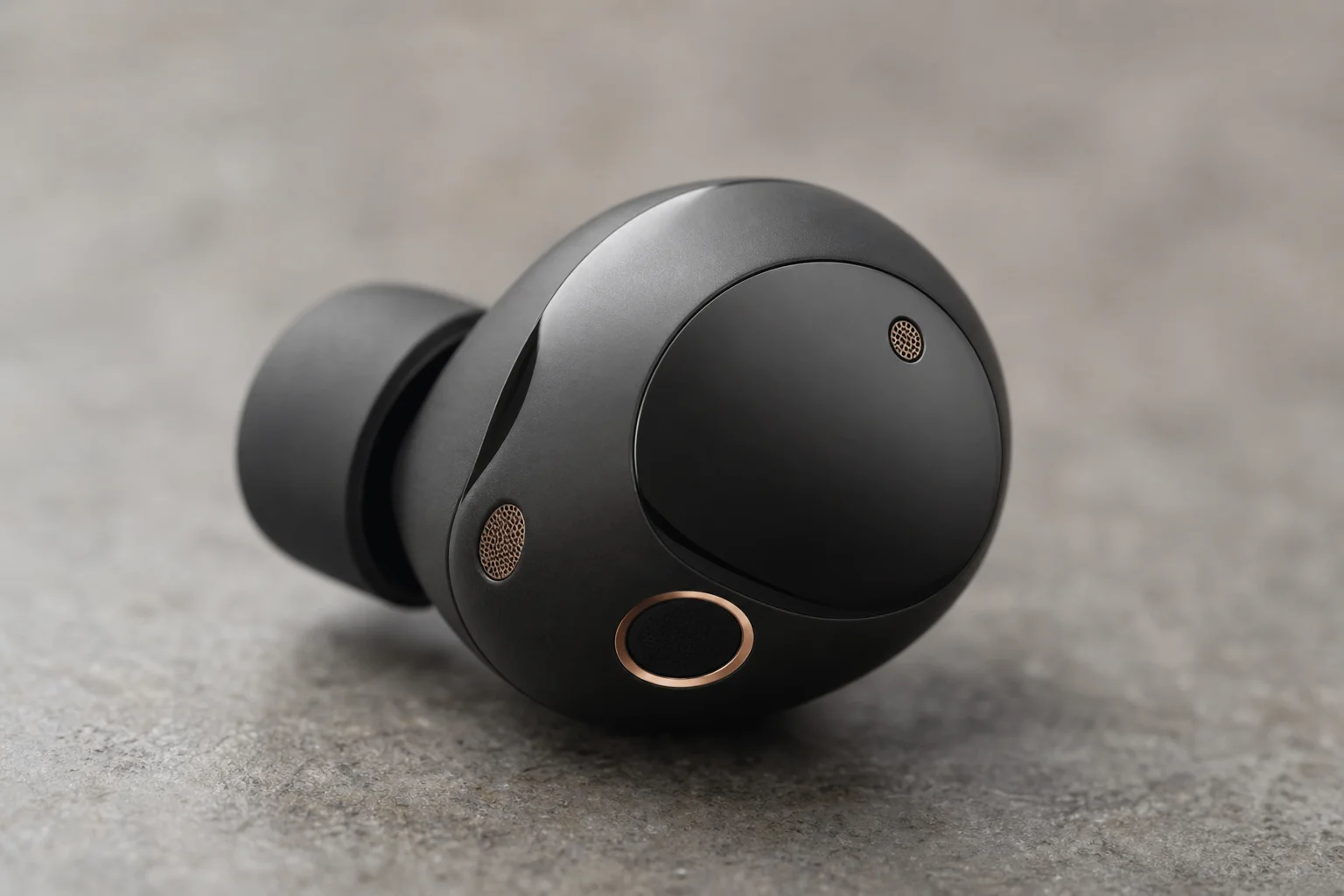
Sony has also upgraded the processing hardware. The M6 retains the V2 chip from the M5 but adds a new QN3E chip with faster processing speed. This dual-chip setup allows the system to detect and cancel noise more quickly, resulting in a more natural and seamless ANC experience. The new earbud shape and venting design also help reduce wind noise and ear pressure sensations when ANC is active.
Initial impressions in a controlled office environment were positive, though a full assessment of real-world performance in loud environments will require extended testing. Comparisons with competitors like the Apple AirPods Pro 3 will be particularly interesting once a full review is possible.
Sound Quality and Tuning
The M6 uses a new 8.4mm driver and maintains Sony’s characteristic warm, bass-forward tuning. The sound signature is distinctly V-shaped, with prominent low frequencies and a warm overall character. This will appeal to listeners who enjoy punchy bass and energetic presentation.

What stands out is improved clarity in the midrange and treble compared to earlier generations. The M5 tended toward muddiness in these frequencies, but the M6 demonstrates unexpected clarity and separation. While the tuning is not neutral or balanced, it strikes a more refined EQ curve that should satisfy most listeners.
Sony has also introduced a new 10-band EQ in the companion app, allowing users to adjust the sound profile to their preference. This flexibility is welcome for those who want to reduce the bass emphasis or fine-tune other aspects of the signature.
Battery Life and Connectivity
The M6 delivers eight hours of playback with ANC enabled, or an additional 16 hours from the case for a total of 24 hours. Fast charging and wireless charging are both supported.

Connectivity has been refined through a redesigned antenna layout and AI-assisted signal processing, which should provide more stable connections than previous generations. The codec support remains unchanged, with AAC, SBC, and LDAC all available.
The microphone array upgrade also benefits call quality. With two microphones dedicated to beamforming and a bone conduction sensor integrated into the earbud, voice capture should be noticeably clearer than before.
Conclusion
The Sony WF-1000XM6 represents a meaningful evolution rather than a revolutionary leap. The smaller, more comfortable design addresses a genuine pain point from earlier models, while the upgraded ANC stack and improved sound clarity suggest Sony has listened to feedback. At an MSRP of 2,599 (a modest increase from the M5), the earbuds are competitively positioned, though the full picture will emerge once extended testing is complete. For users who prioritize comfort and ANC performance, the M6 merits serious consideration.
Product link
View more details for Sony WF-1000XM6
This product is mentioned in the review. Check the specifications, options, and compatibility before buying.
View more details for Sony WF-1000XM6Further reading
Related Reviews

Audio
Apos x Geshelli Merlin DAC Review: A Natural Match for the Gremlin Amp
The Apos x Geshelli Merlin DAC pairs balanced and single-ended outputs with a smooth, natural sound that complements the Gremlin tube amp.
Audio
Audio Gear That Beats Pricier Rivals: Nine Value Picks for 2026
Nine turntables, streamers, speakers, and amplifiers that deliver far more than their price suggests, plus the trade-offs worth checking before you buy.
Audio
Best Amplifiers Under $200: Four Compact Stereo Amps Worth Considering
Four compact amplifiers under $200, from a class AB design with a headphone section to a DAC-equipped integrated amp and a low-cost pick from a US-based brand.