Gaming Headsets
Sony Inzone H6 Air vs ASUS ROG Delta S: Which Open-Back Gaming Headset Fits You?
Two open-back wired gaming headsets with very different sound signatures, comfort approaches, and price points. Here is how they compare.
Introduction
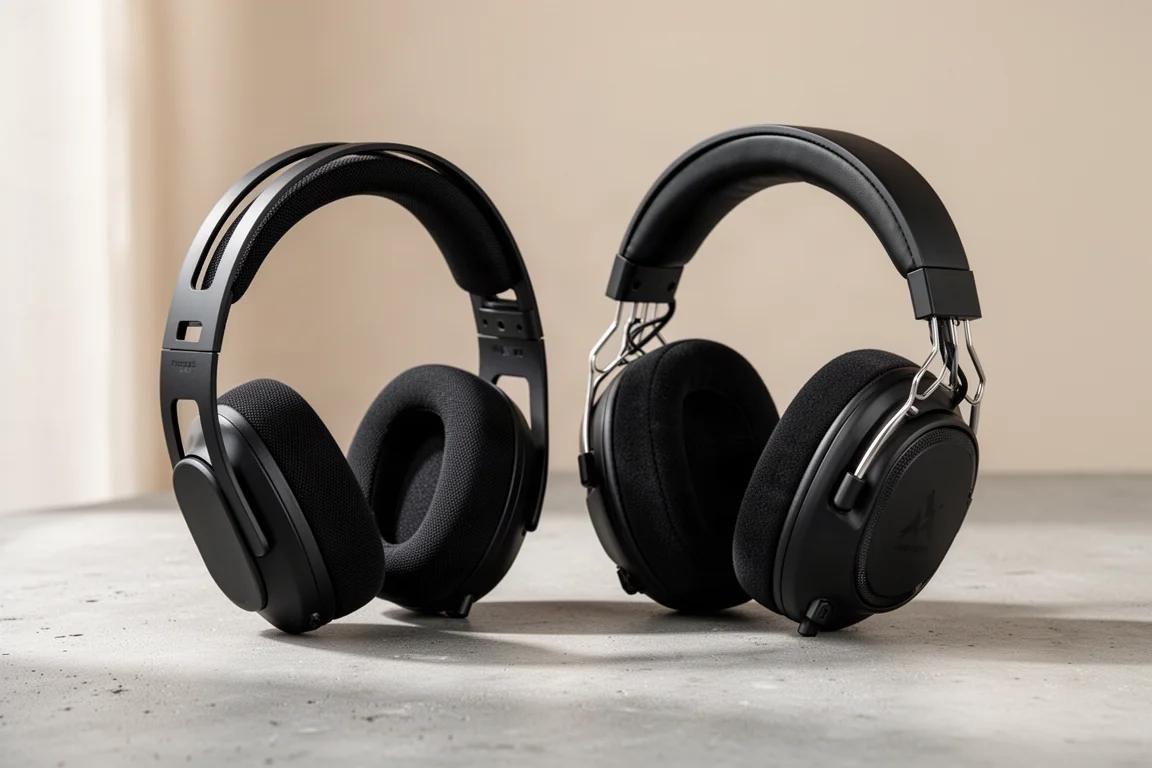
Open-back headsets are not for everyone, but two wired models have made a strong case for themselves: the Sony Inzone H6 Air and the ASUS ROG Delta S. Both are open-back designs, which means sound flows in and out of the ear cups naturally. That design choice brings a more spacious soundstage, but it also lets background noise in and lets your game audio out.
These two headsets take very different approaches to weight, materials, sound tuning, and price. The Sony comes in at around 200 dollars, while the ASUS sits closer to 300 dollars. That 100 dollar gap matters, especially when you consider what each headset delivers.
Comfort and Build
The Sony Inzone H6 Air is remarkably light at 195 grams. Picking it up, it feels almost insubstantial, but that weight pays off during long sessions. The ear pads are plush and covered mostly in a silky cloth material with a small amount of pleather inside. Being open-back, sound passes through these pads freely.
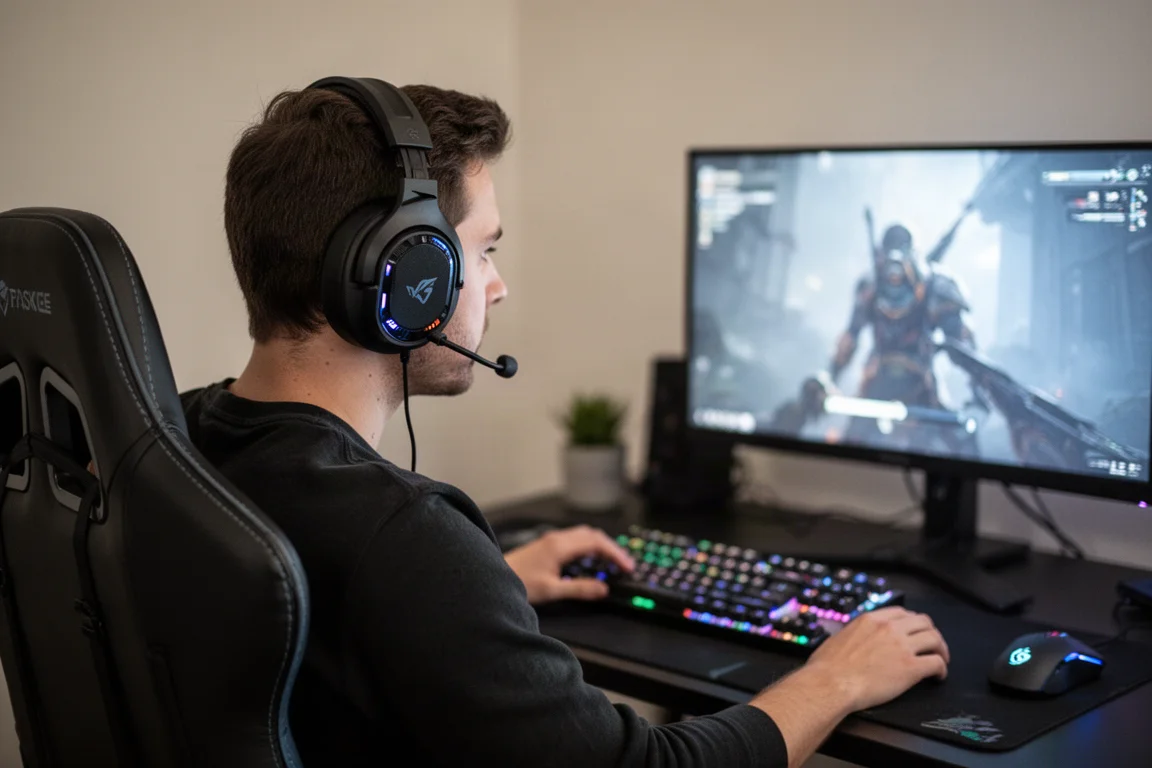
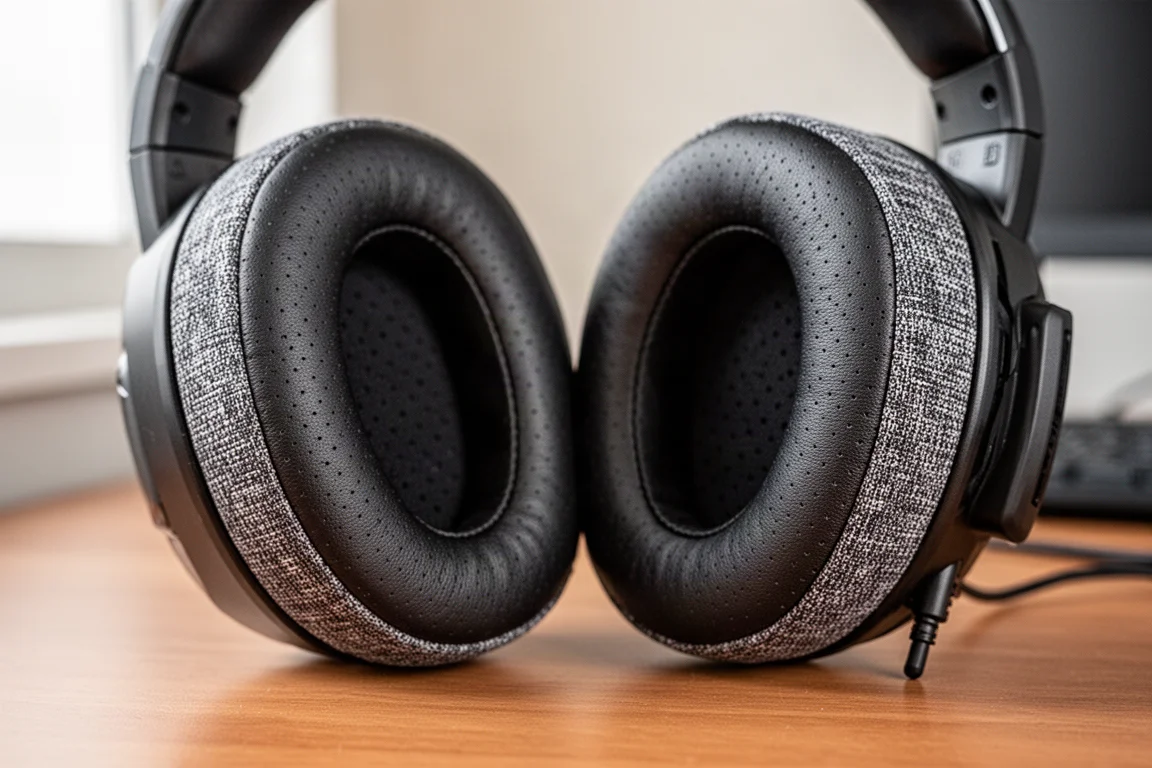
The ASUS ROG Delta S is significantly heavier at 417 grams. You feel that difference immediately in your hands. The ear pads are massive, wide, long, and deep, with a soft and plush feel. They use a sports weave material on the outside, pleather on the outside edges, and perforated pleather inside to keep your ears from getting too warm. These pads lock in sound a little more than the Sony’s cloth pads.
ASUS also includes a second set of swappable ear pads that are fully cloth. If you prefer a feel closer to the Sony, those are available, though sound will bleed in and out more with the cloth option.
Both headsets offer similar adjustability. The Sony has a full swivel on the ear cups and a pinch-style adjustment on the headband that holds its position once you let go. The ASUS uses a floating headband design with a metal band up top, swiveling ear cups, and clicky adjustments on the headband. The Sony has a bit more range for in-and-out adjustment.
Build quality is where the weight difference shows. The ASUS uses metal forks, metal brackets within the swivel, and a metal-reinforced headband. It feels robust and premium in hand, and twisting or stretching it does not inspire any worry. The Sony is almost entirely plastic with a cloth headband. It feels minimalistic and light, and while it flexes and bends without issue, it does not feel as substantial as the ASUS.
Connections and Cables
Both headsets are wired, but their connection approaches differ. The Sony keeps things simple with a single 3.5mm cable that plugs into the bottom of the headset. The cable is rubber-coated, flexible, and quiet. The microphone is detachable and includes a windscreen. A microphone mute switch sits on top of the headset.
The ASUS is more like a traditional pair of high-end headphones. It has left and right connections, a 3.5mm input, and a swappable balanced connection. The included cable is a heavy-duty rubber-coated braided design. It feels more premium, but it also rests on you more and can get tangled. The microphone setup on the ASUS is more complex, with a detachable mic, an inline mute, and a USB-C adapter. It works, but it is not as clean as the Sony’s approach.
Microphone Performance
Neither headset has a standout microphone, and a standalone microphone remains the better choice for PC users. But between the two, the Sony is the better option.
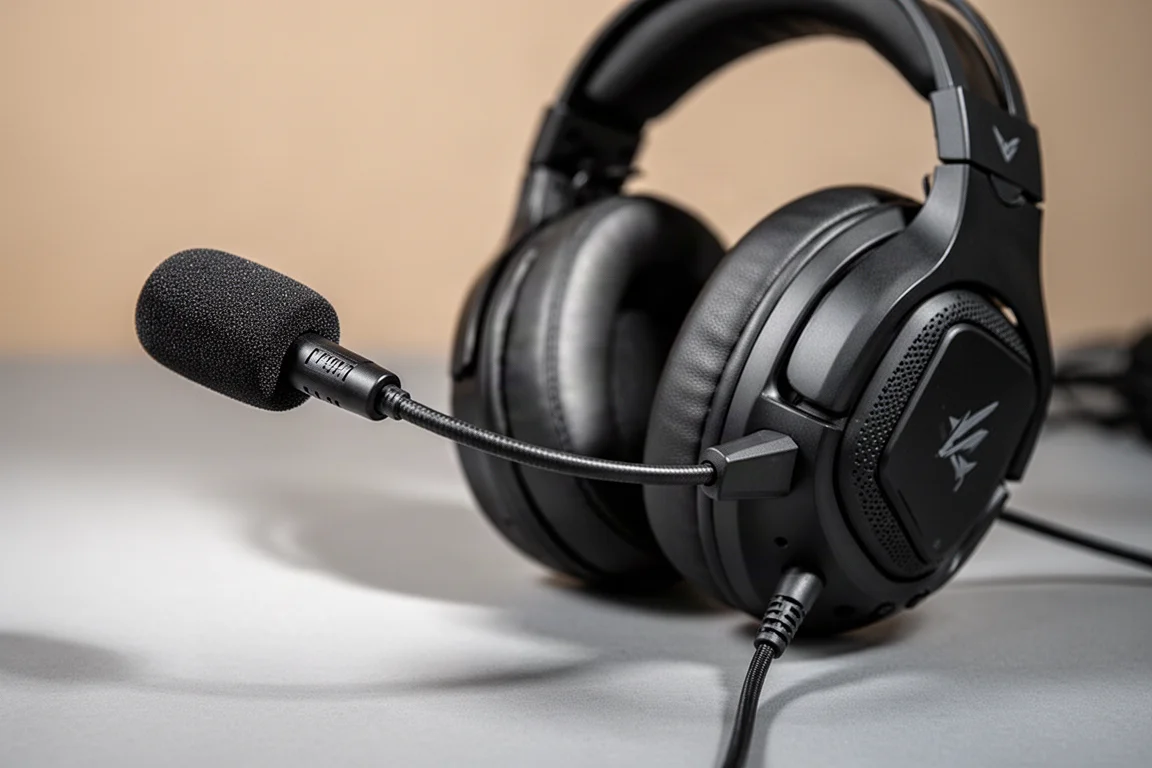
Tested with no software adjustments, the Sony’s 3.5mm connection delivers a louder, more standard microphone sound. The ASUS, running through its USB-C adapter, compresses the signal a bit. It still picks up some crackles and plosives on P’s and T’s, and it does not sound noticeably clearer despite the digital connection. If you have to choose one built-in mic, the Sony is the one to pick.
Sound Quality
Sound is where these two headsets truly separate themselves. The ASUS ROG Delta S uses planar magnetic drivers, built by Hi-Fi Man. The Sony uses 40mm dynamic drivers borrowed from their studio open-back headphones.
The ASUS has more body and a fuller, more immersive sound. It is not necessarily more bass, but the sound feels thicker and more rounded. Explosions and gunshots have weight and stick around a little longer. This makes it a strong choice for story-driven games where atmosphere matters. Despite being open-back, it retains impactful sound and good separation. The pleather ear pads are the better match for this headset, as the cloth pads let that warmth escape.
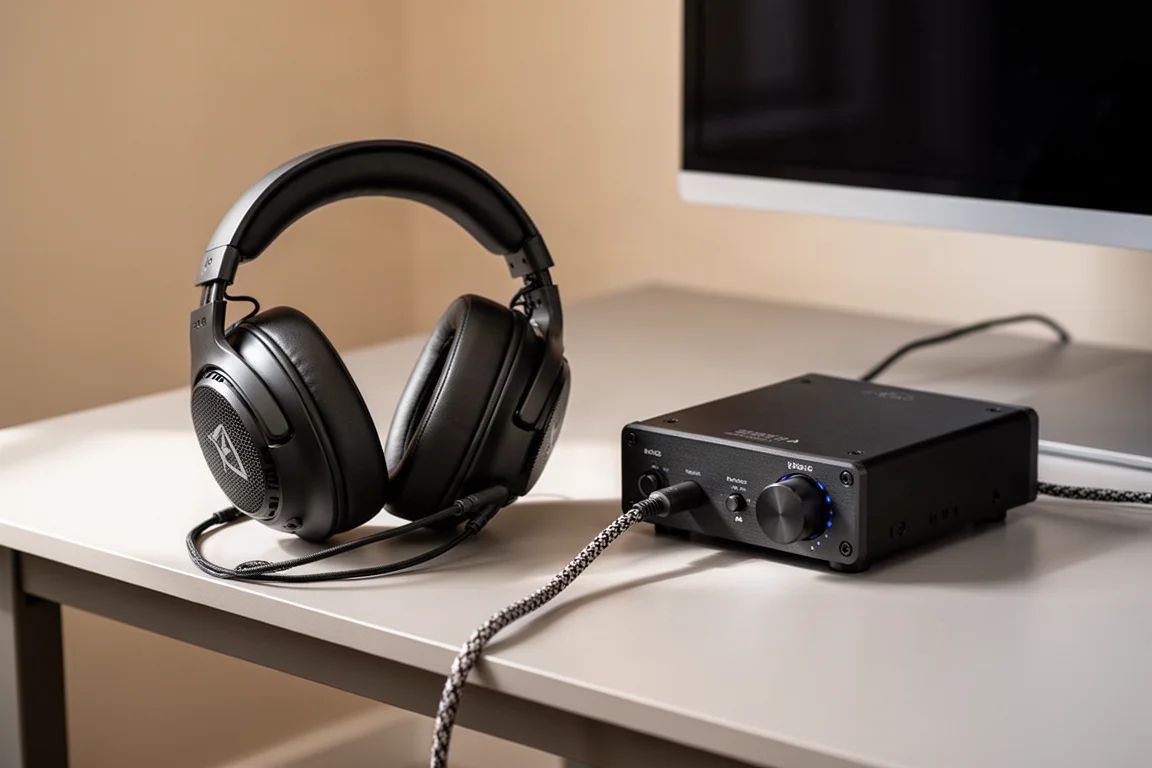
The Sony is the opposite. It is crisp, sharp, and detailed, with highs that are more prominent than bass. Gunshots feel like they zip past you, and footsteps are phenomenal. Bass hits land with impact when they need to, but they are not constant. This tuning leans toward competitive play, though open-back designs are not ideal for competitive settings because background noise can interfere.
On console, the difference is significant. Running both headsets straight into a PlayStation 5 Pro controller via 3.5mm, the Sony wins hands down. The ASUS needs more power to drive properly and sounds lackluster without an amplifier. If you are console-only and plugging straight into the controller, the Sony is the clear choice. Both headsets perform poorly when connected to console via their USB-C adapters, so that is not a recommended route.
Buying Advice
Comfort and build quality are not deciding factors here, as both headsets are comfortable and well-made. The real differences are sound signature and price.
The ASUS ROG Delta S costs around 300 dollars and delivers a warmer, fuller sound with more immersion. It also feels more premium in hand. However, it needs more power to perform well, so a desktop amplifier or DAC is recommended. That adds to the total cost.
The Sony Inzone H6 Air costs around 200 dollars. It is lighter, simpler, and sounds sharper and more detailed. It works well straight out of a console controller and is the better value for most people.
If you play story-driven games and already have an amplifier, the ASUS is worth the extra money. If you want a lighter, more affordable headset that works everywhere, the Sony is the smarter pick.
Conclusion
Both the Sony Inzone H6 Air and the ASUS ROG Delta S are excellent open-back gaming headsets, just in different ways. The Sony is light, affordable, and detailed, with a microphone that sounds better out of the box. The ASUS is heavier, more robust, and delivers a fuller, more immersive sound, but it needs proper amplification to shine.
For most players, the Sony Inzone H6 Air is the easier recommendation. It saves you 100 dollars, works well on console and PC, and still delivers a very good open-back experience.
Product link
View more details for Sony Inzone H6 Air
This product is mentioned in the review. Check the specifications, options, and compatibility before buying.
View more details for Sony Inzone H6 AirFurther reading
Related Reviews

Gaming Headsets
ASUS ROG Cathara Review: Planar Magnetic Sound With a Few Caveats
The ASUS ROG Cathara brings planar magnetic drivers and audiophile-grade tuning to a gaming headset, but volume sensitivity and mic quirks mean it is not for everyone.

Gaming Headsets
Asus ROG Kithara Review: A Cozy Open-Back Headset With Audiophile Sound
The Asus ROG Kithara blends HiFi Man planar magnetic drivers with ROG gaming features. We test comfort, microphone quality, and sound across games and music.
Gaming Headsets
Audio Technica ATH-M50x STS Review: Music Headphones Meet Gaming Headset
Audio Technica combined their respected M50x headphones with an integrated microphone to create a hybrid gaming headset. We tested both the USB and XLR versions to see if the formula works.