Car Camping Gear
Solo Car Camping Gear Loadout 2026: 12 Pieces That Earn Their Space
A practical solo car camping build for a compact SUV, covering roof storage, lighting, fridge and power, water, camp kitchen, table, and chair.
Introduction
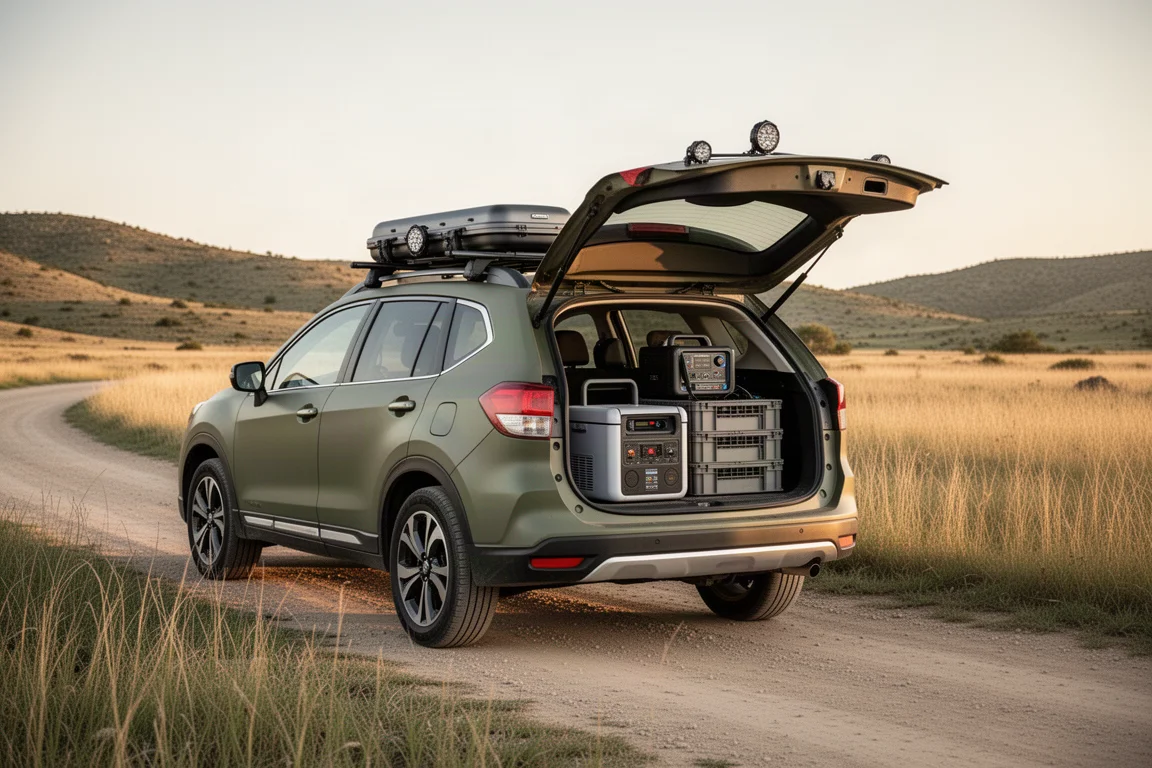
A solo car camping setup has to do two jobs well: stay easy to live with day to day, and unpack into a comfortable camp quickly. This build is organized around a compact SUV, the Ford Bronco Sport, picked for everyday utility and straightforward dirt-road access rather than hardcore off-road capability.
Every piece here belongs to one of three zones: gear bolted to the roof, gear stacked in the cargo area, or gear packed into a single crate for the kitchen and small items. That structure keeps weight low, keeps the cabin usable, and means nothing has to be hunted for once camp is set.
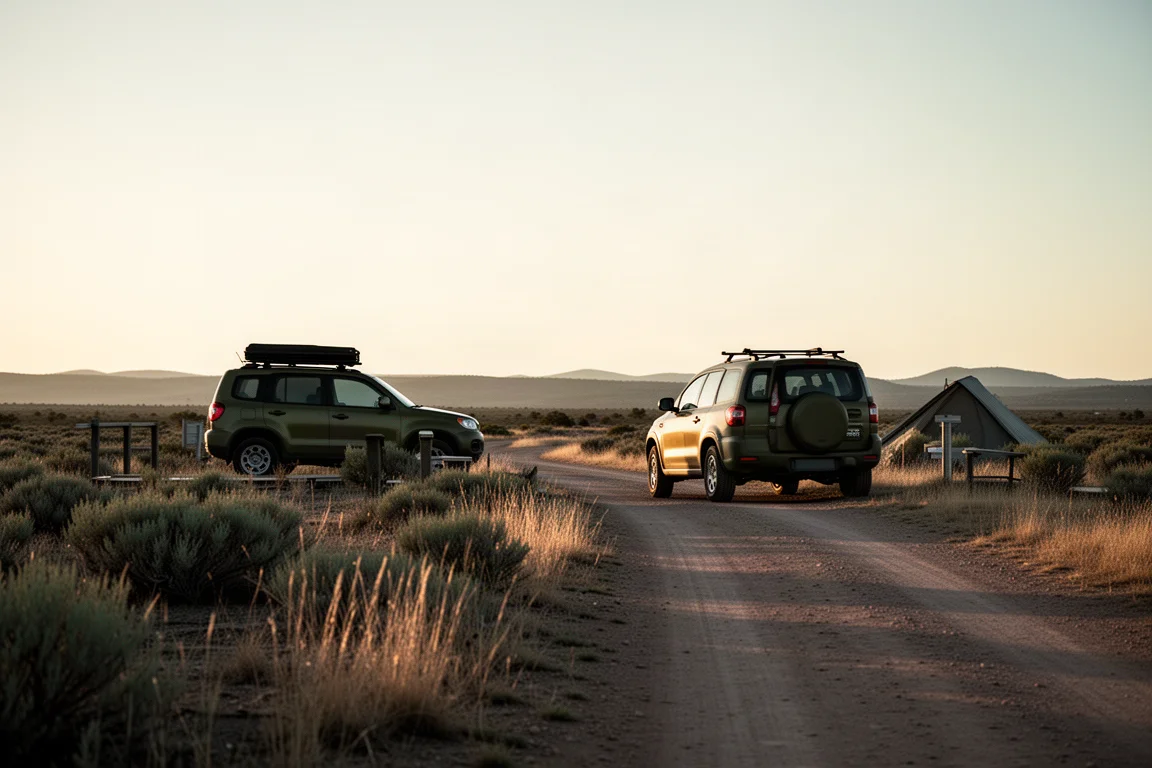
The twelve items below make that system work, from the roof rack that anchors the exterior accessories to the table and chair that turn a dirt pull-off into somewhere worth staying.
How This Loadout Is Organized
Each zone solves a different problem, and the separation is what keeps the vehicle practical between trips.
The roof carries the bulky, weatherproof items: the rack, the awning, a sealed storage case, and auxiliary lighting. Keeping those outside frees up the cabin, and it means the camp table and the awning panels travel with the vehicle at all times.
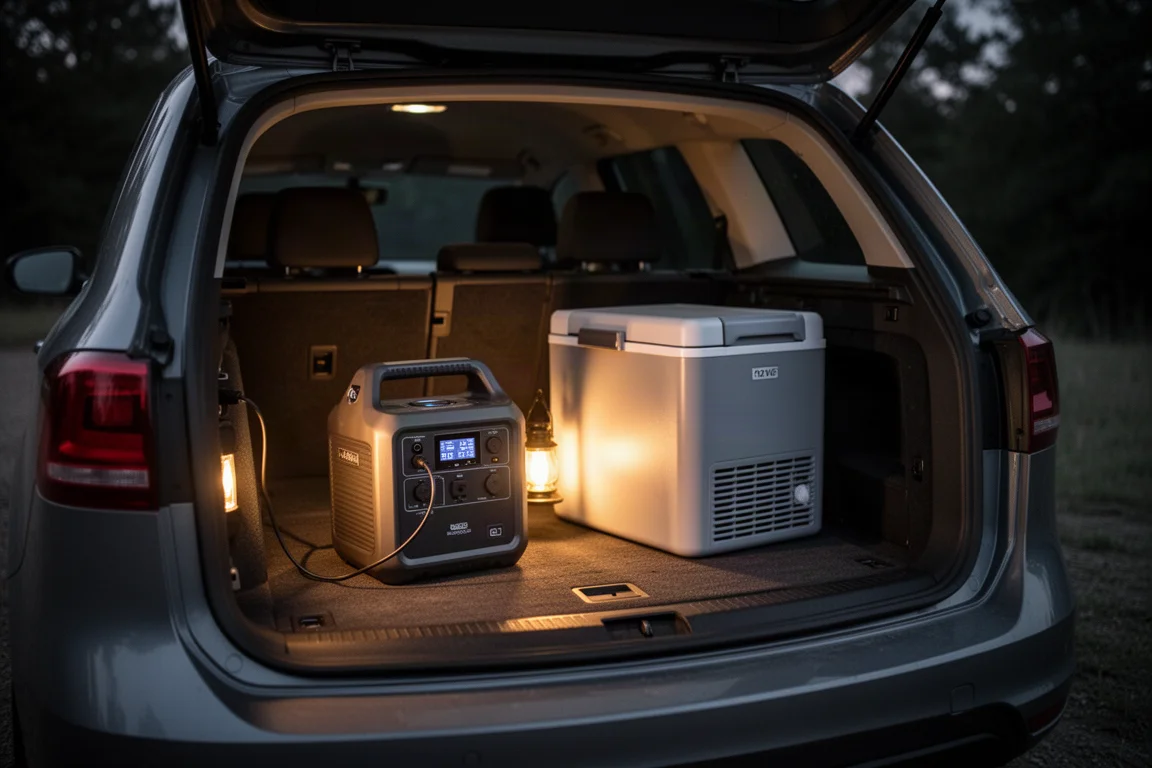
The cargo area is built around a rack platform. A fridge and a power station sit below it, a small propane tank and a water jug are strapped to tie-down points beside it, and a gear tote with sleeping kit sits above. Roughly nine inches of floor space at the bottom swallows the tent, the chair, and a hammock bag.
The last zone is a single crate that carries both the camp kitchen and the small gear, split across two sides so chargers, a lantern, cordage, wipes, and first aid all have a fixed home.
Roof Rack: Yucca Manufacturing
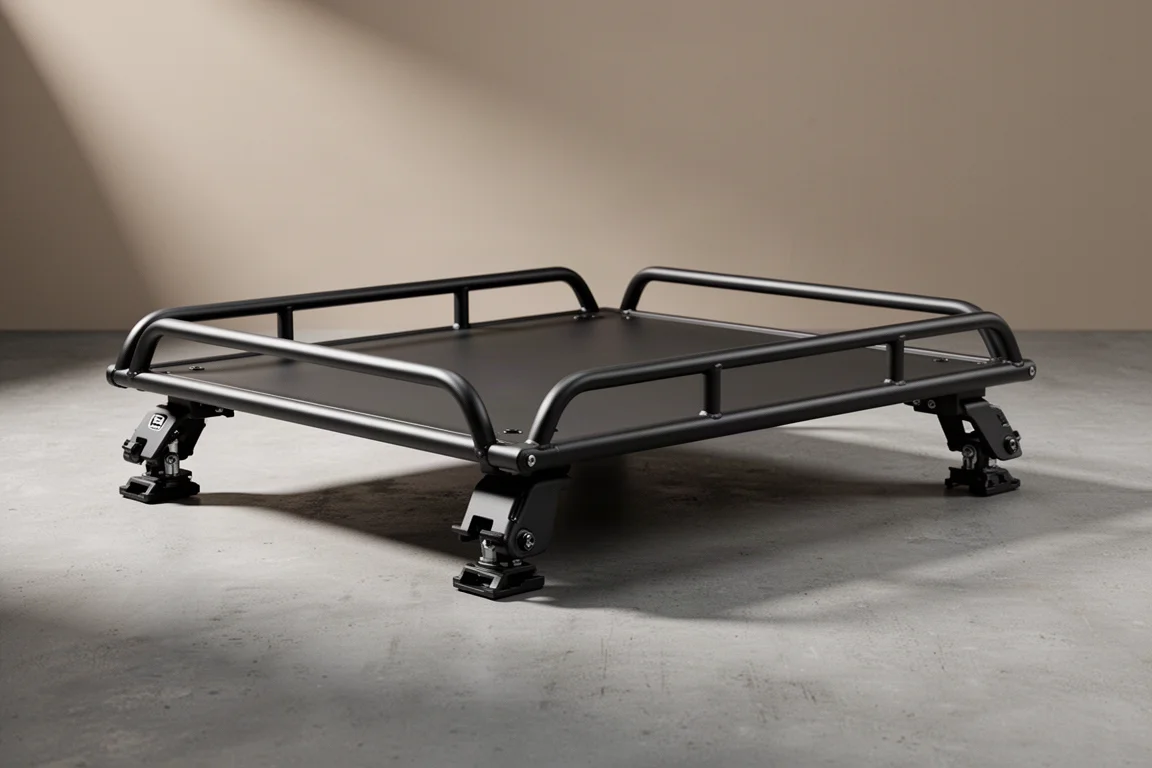
The rack bolts directly onto the vehicle’s factory roof rails, which means no fabrication is needed before mounting lights, an awning, recovery boards, or a storage case up top. It comes from a small, USA-based manufacturer, and the detailing shows it: the accessory range includes add-ons such as a grab handle that makes stepping up to reach roof gear easier.
The honest trade-off is cost. This is one of the pricier pieces in the build, and the case for it rests on build quality plus the fact that it unlocks everything else mounted on the roof.
Awning: VEVOR
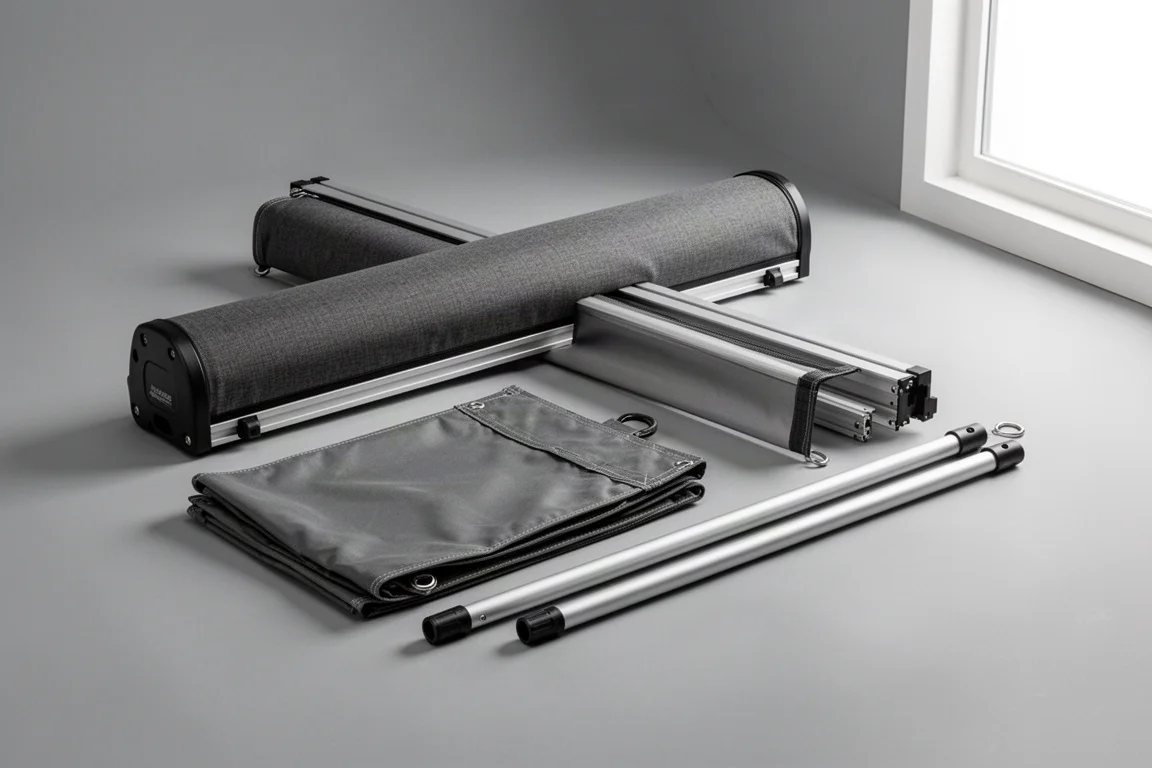
The awning is a budget-friendly unit measuring 4.5 feet wide by 6.5 feet long, mounted on the rack for shade and light rain cover. Coverage can be extended with two wall panels that attach to the awning’s metal extrusion: one reaches out about 8.5 feet when supported by tarp poles, and the second can drop to the ground or be raised on a second set of poles.
The caveat is worth stating plainly. An awning is not usable at every campsite, and one that stays mounted permanently adds wind resistance and weight. This setup is intentionally modular, so it can stay home when the site or the bugs make it pointless.
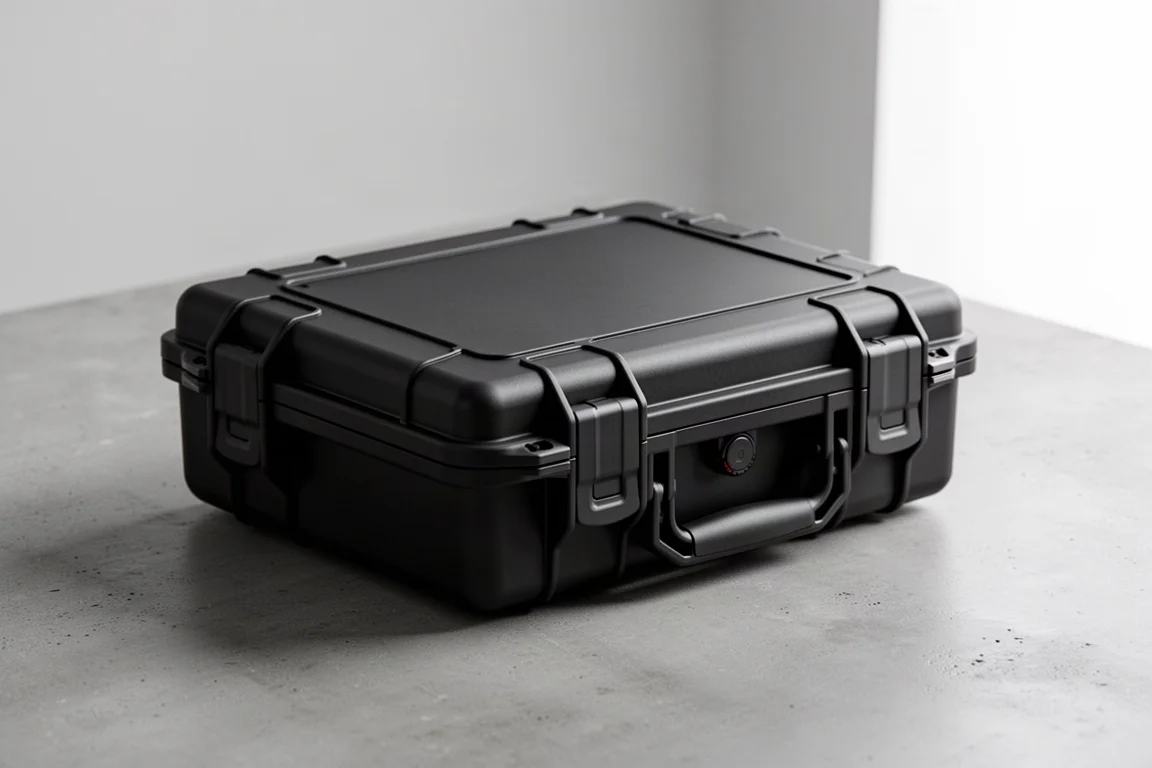
Roof Storage: Pelican 1700 Protector
The roof case is a low-profile, watertight, and dustproof hard shell mounted with the manufacturer’s own roof brackets, which wrap around the case handles so nothing has to be drilled through the lid. It keeps the camp table, the awning wall panels, and the tarp poles permanently on the roof, available without unpacking the cargo area, and it can be repurposed for recovery gear when needed.
One sizing note: it is slightly smaller inside than ideal for the gear it holds, and a longer case from the same series may eventually take its place.
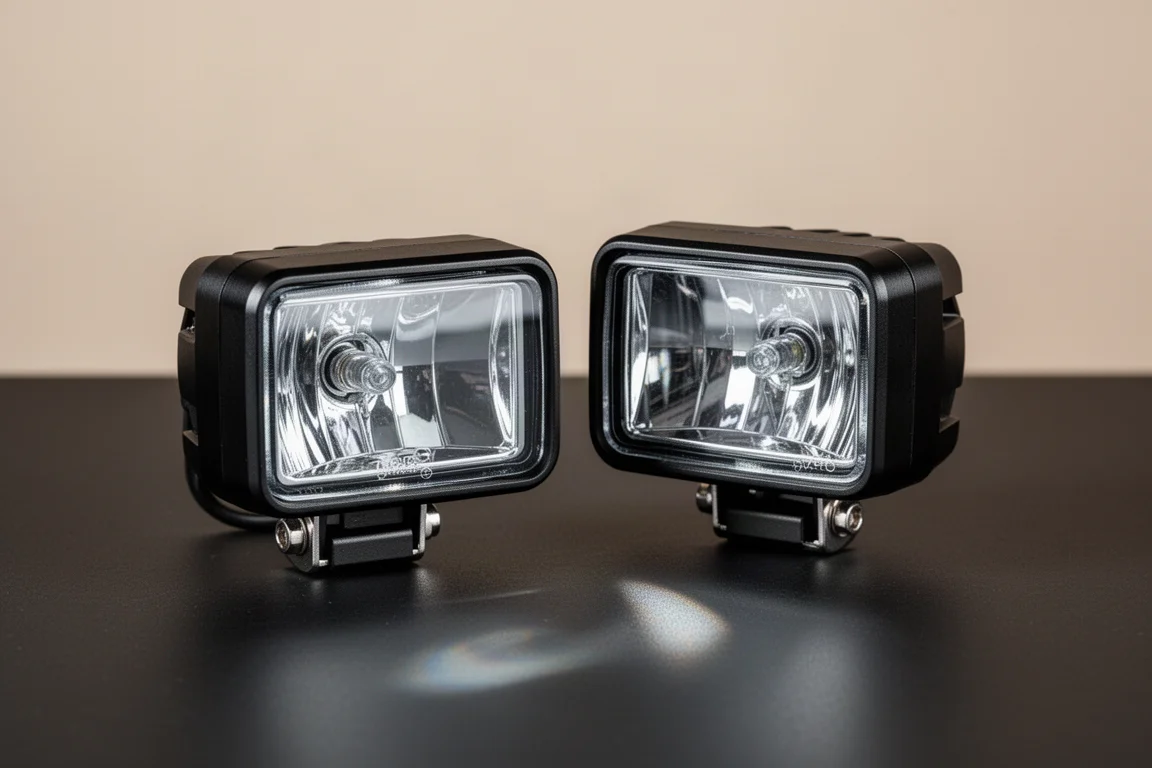
Auxiliary Lighting: Baja Designs Squadron
These ditch lights are mounted out toward the sides of the vehicle, and that is the point. Instead of pushing light further down the road, they illuminate the shoulders, which is where deer, rabbits, and other animals appear at night, and where ruts and divots wait to catch a wheel. A 40-inch light bar on the roof rack adds distance beyond what high beams reach.
For anyone driving unlit dirt roads after dark, side-aimed lighting is one of the most effective upgrades available, because it covers the area headlights simply do not.
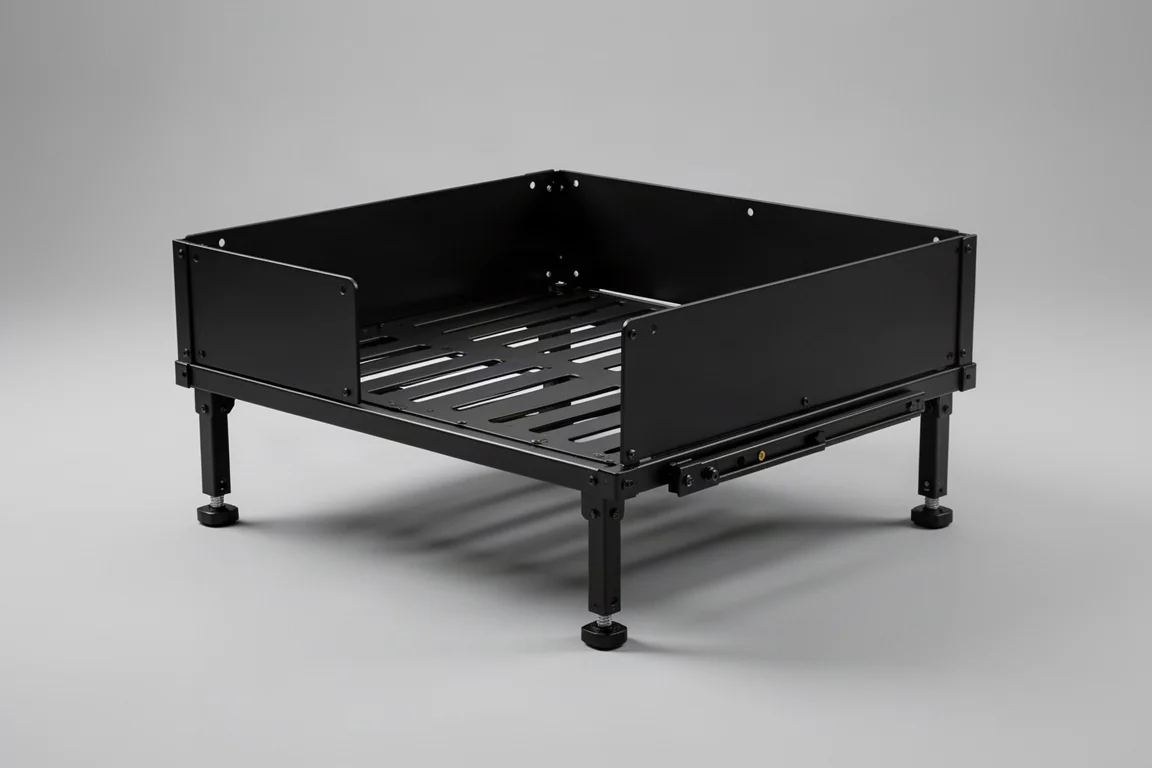
Cargo Rack: NoCo Gear Mini Rack
The core of the cargo area is a modular rack with over 200 pounds of capacity, height that adjusts, and sliders that let the whole platform shift side to side. The top panels are held with Velcro, so the surface can be reconfigured as the load changes. A solo loadout will never come close to the weight limit, which means the rack is really about separation: gear above, gear below, and a stable base for a fridge.
It was picked up at 50 percent off, which softened a price that is otherwise on the higher side.
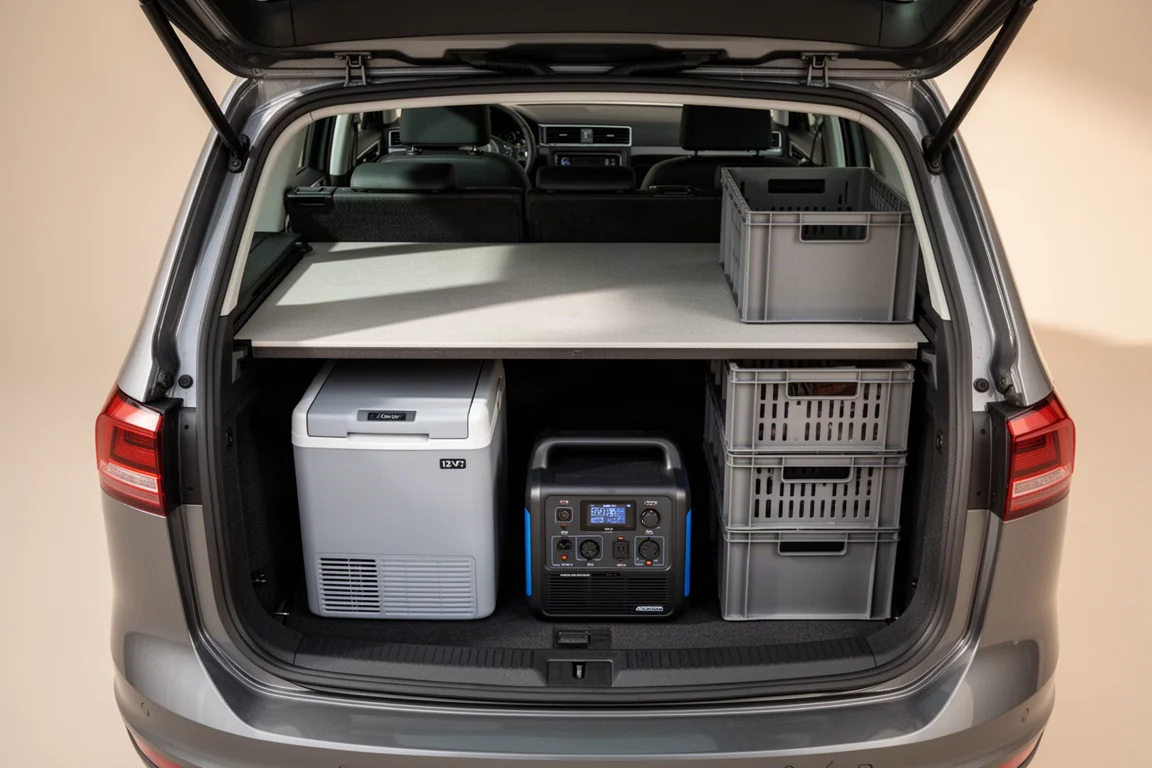
Lifting the fridge off the floor also leaves air moving on both sides of the compressor, which matters for a unit that lives in the vehicle full time.
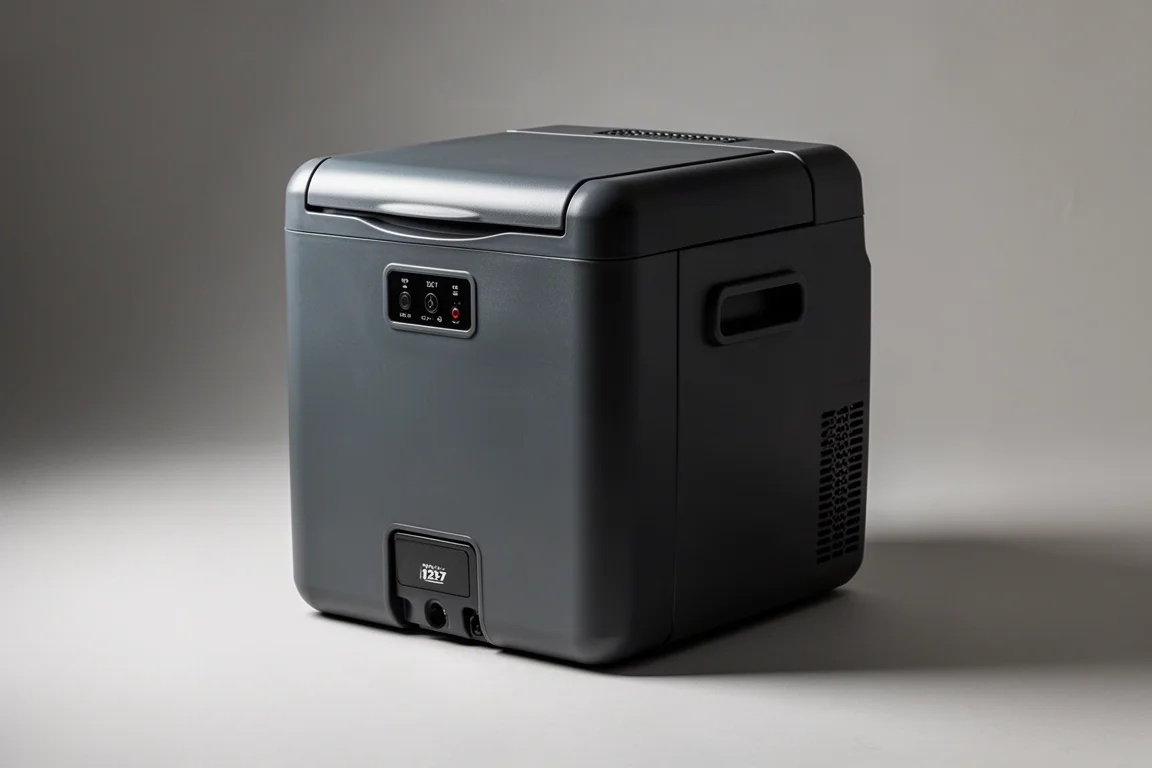
Portable Fridge: ICECO APL20
This compact 12-volt fridge was chosen specifically for this vehicle and is sized for one or two people. It is meant to stay in the car rather than be loaded and unloaded, so the layout around it is built to give it ventilation and a dedicated spot.
For a solo trip or a one-parent weekend, a fridge of this size takes cooler ice off the packing list entirely.
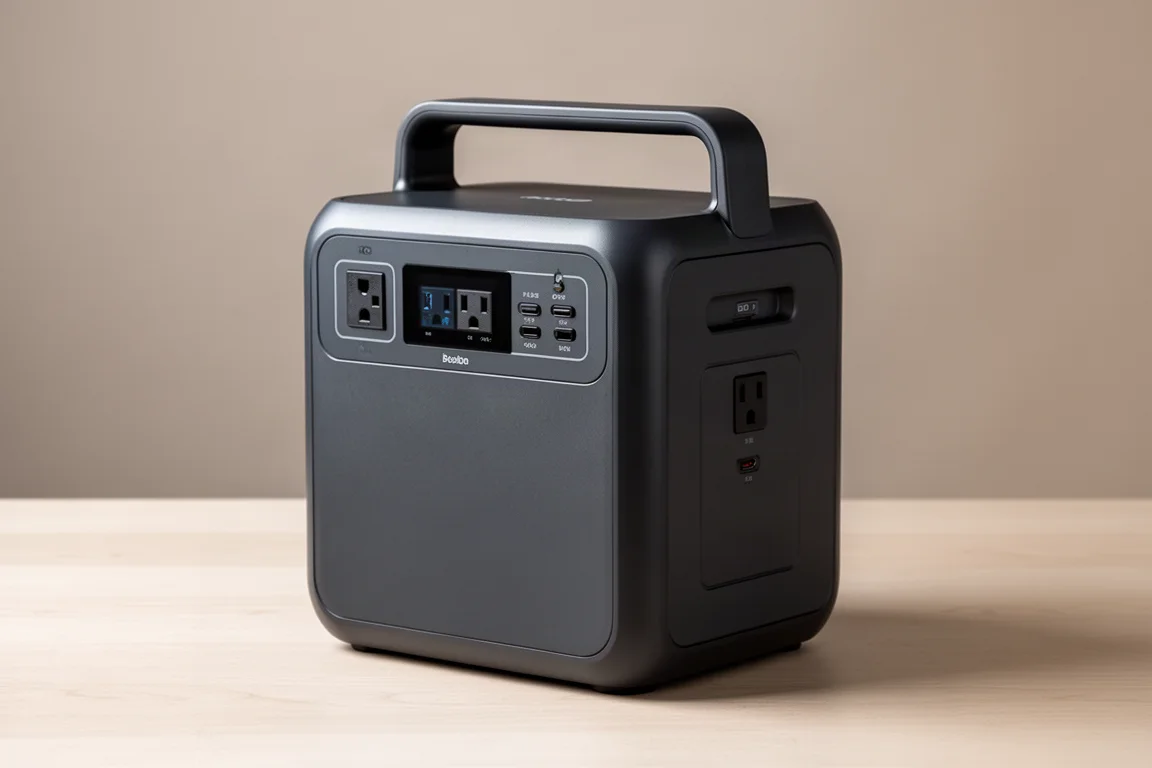
Power Station: Bluetti Elite 100
The power station delivers 1,024 Wh and fits beneath the fridge on the rack. That capacity is a good match for a fridge of this size, plus camera batteries, phones, and other devices on a solo trip. A 12-volt outlet in the cargo area runs down to the unit so it can recharge while driving.
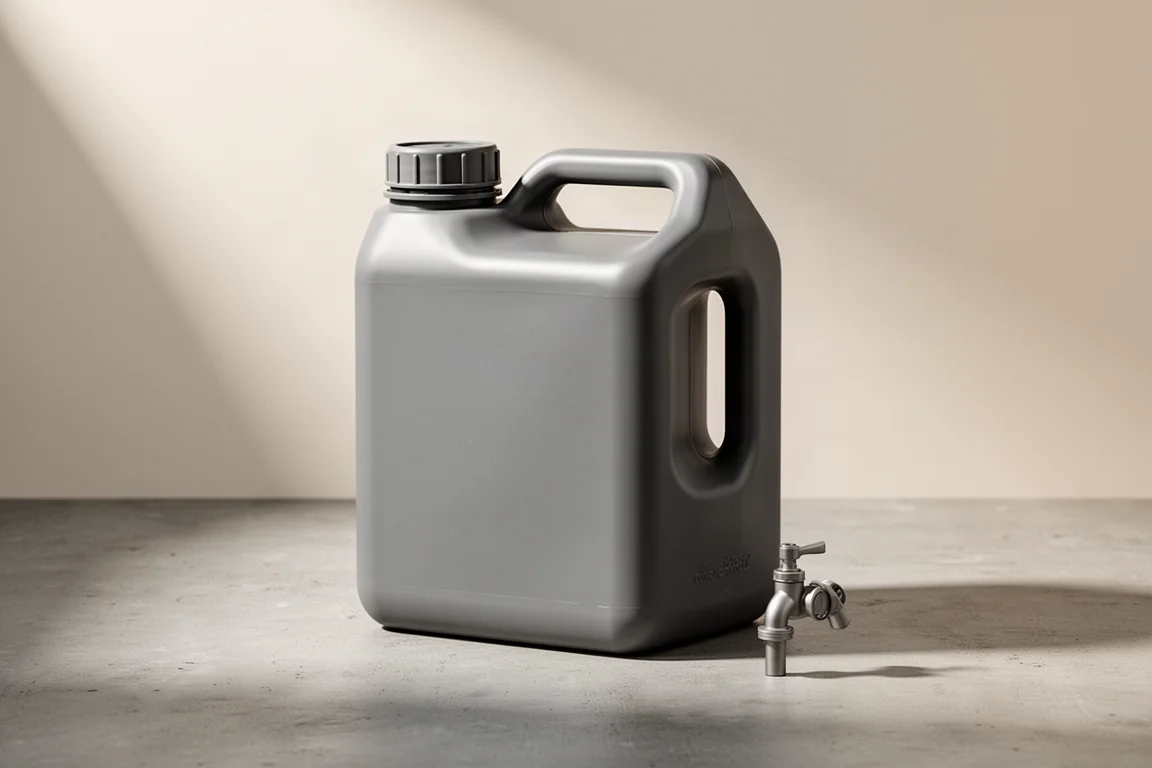
Water Storage: Dometic Water Jug
The jug makes water access simple at camp, and the matching faucet accessory is what turns it from useful into genuinely convenient, since nothing has to be lifted or poured. It is strapped to the vehicle’s tie-down points so it stays put while driving.
Both the jug and the faucet are worth the investment, particularly when the faucet can be found on sale.
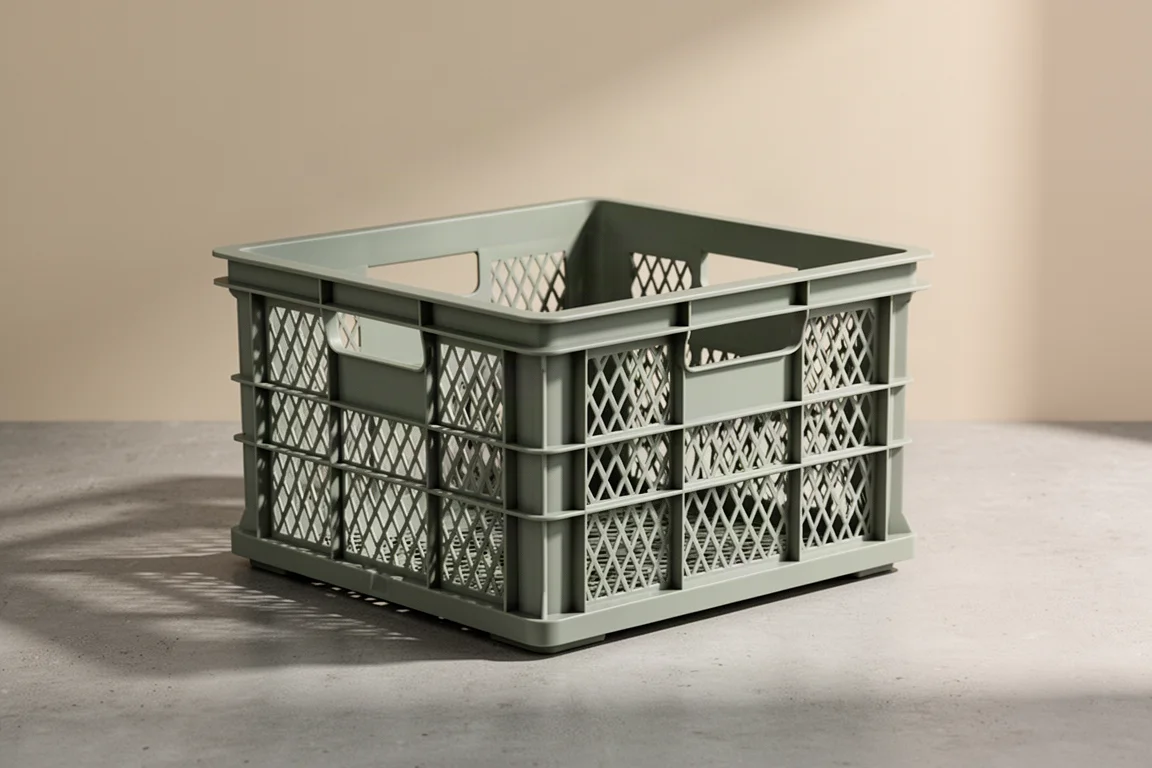
Gear Crate: Sijo Crate
The half-size crate holds the entire camp kitchen plus small gear: charging cords, a battery bank, a lantern, extra cordage, wipes, and first aid. The crates are durable, stack well, and fit the cargo area neatly. They are a little expensive, but the durability and the way they work in the back of a car make them worth it.
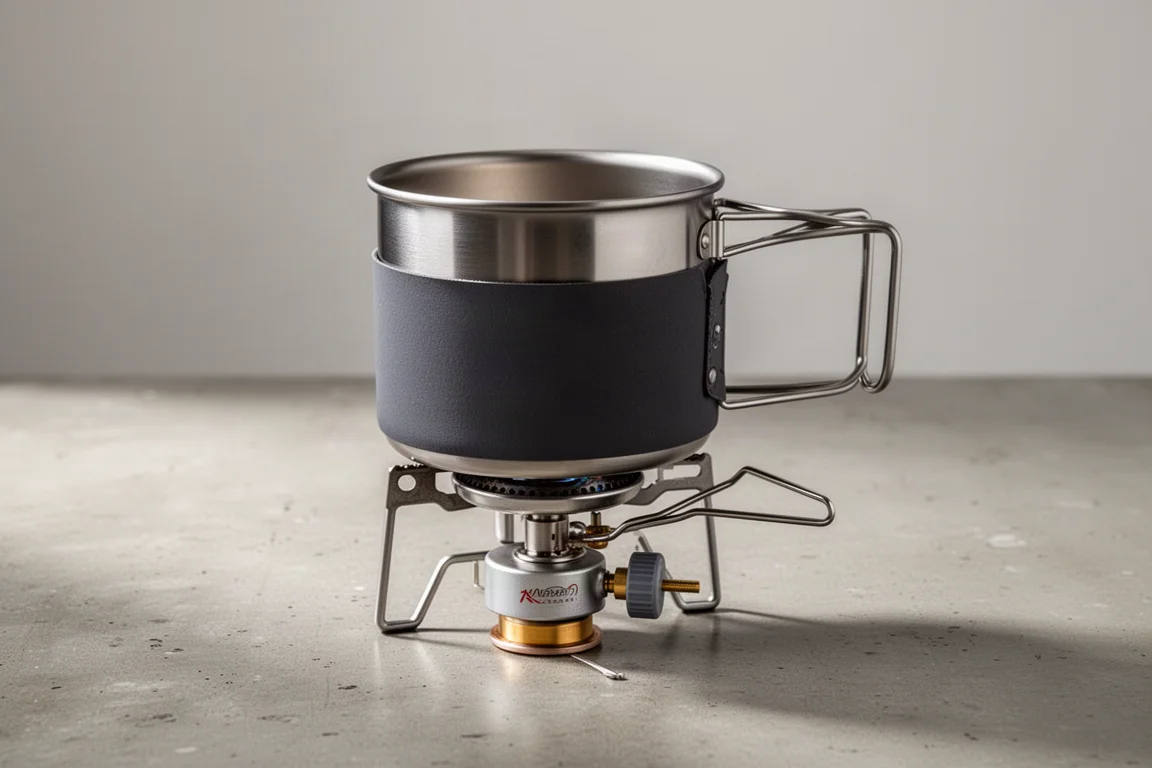
Camp Stove: Jetboil MicroMo
The MicroMo is the smaller stove in the range and includes a regulator, which makes it a consistent and simple way to boil water on car camping trips. It also has an extra base, so a lightweight fry pan can sit on top for pancakes, quesadillas, or something more ambitious.
Paired with a larger pot for extra water and a few collapsible pieces of drinkware, it covers most of what a solo trip actually asks for.
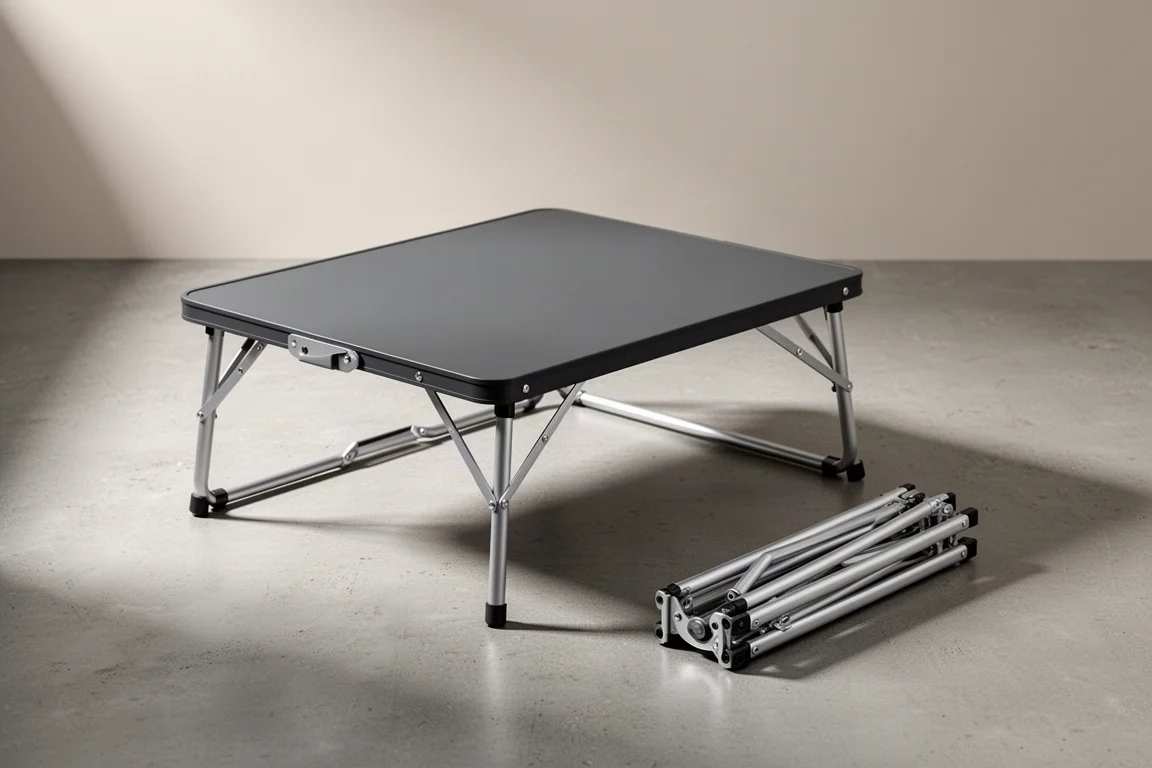
Camp Table: Naturehike
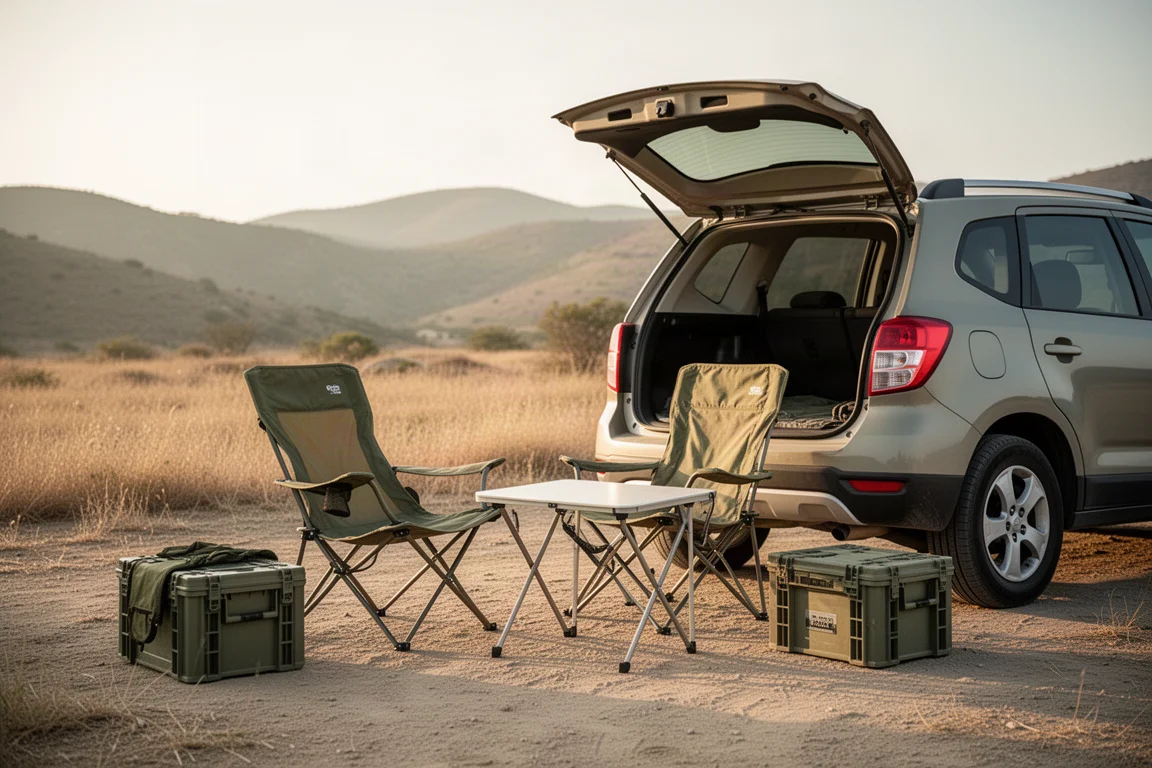
This table made the cut for a practical reason: it fits inside the roof case alongside the awning panels, which means a table is always with the car and never has to be found or packed around. The solid surface is stable for a meal or a card game, and there is room for two people to sit at opposite ends. It is a low table, so it pairs best with camp chairs that sit closer to the ground.
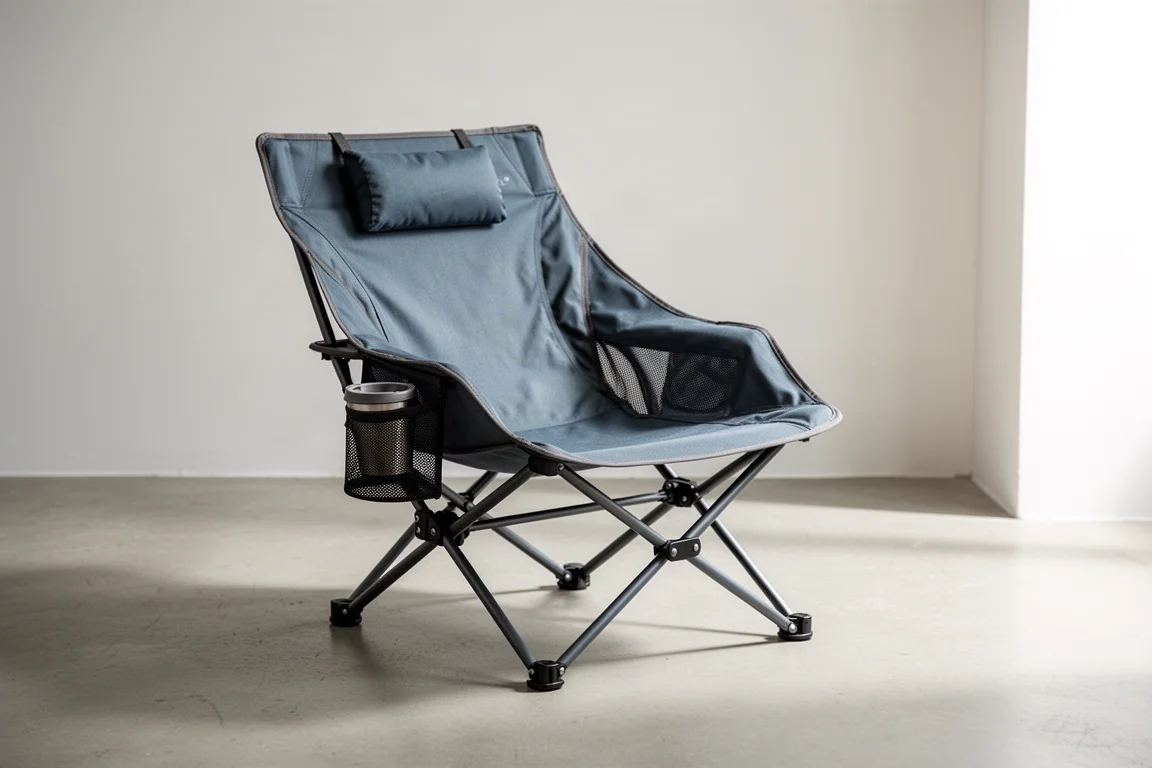
Camp Chair: Nemo Satellite
The Satellite borrows from the Moonlight line, including an adjustable recline: sit upright for a meal or a game at the table, then lean back for the evening. A cup holder on the side and a small headrest pillow round it out, and the result is a chair that stays comfortable across a long evening at camp.
Overall Buying Advice
Start with the roof rack if the goal is keeping gear out of the cabin, since every exterior accessory depends on it. From there, the cargo rack, fridge, and power station work best as a matched set: the fridge needs ventilation, and the power station needs to be sized to run it. Kitchen, table, and chair are where comfort lives, and they are the easiest place to begin if the vehicle side is already sorted.
Two things to keep in mind before ordering anything. First, weight and space limits are real: a 200-pound rack capacity is generous for a solo loadout, but a roof case and a mounted awning still add height and wind resistance. Second, some gear only pays off in the right conditions. An awning that cannot be deployed at a wooded or buggy campsite becomes dead weight, which is why modular beats permanent for most solo setups.
Conclusion
A solo car camping build does not need to be complicated, but it does need zones: exterior storage on the roof, a stable cargo platform for the fridge and power, and one crate for the kitchen and small gear. The twelve pieces here fit that structure, keep the vehicle livable between trips, and turn a remote dirt-road campsite into a comfortable place to spend the night.
Further reading
Related Reviews
Car Camping Gear
Car Camping Gear for Comfort: 9 Picks Worth Packing
A practical roundup of car camping gear that solves real comfort problems, from an insulated loveseat and a propane fire pit to a stand-up tent, a modular sleep system and collapsible cookware.
Car Camping Gear
Comfortable Car Camping Gear: A Practical Setup for Cooking, Sleeping, and Lounging
A car camping gear list built around shelter, cold storage, water, cooking, and sleep, with the practical strengths and trade-offs of each piece.
Car Camping Gear
Best Car Camping Gear for Families: Four Upgrades That Change the Trip
Four car camping upgrades that make cooking, shade, and sleep noticeably better on family drive-up trips.