Car Camping Gear
Comfortable Car Camping Gear: A Practical Setup for Cooking, Sleeping, and Lounging
A car camping gear list built around shelter, cold storage, water, cooking, and sleep, with the practical strengths and trade-offs of each piece.
Introduction
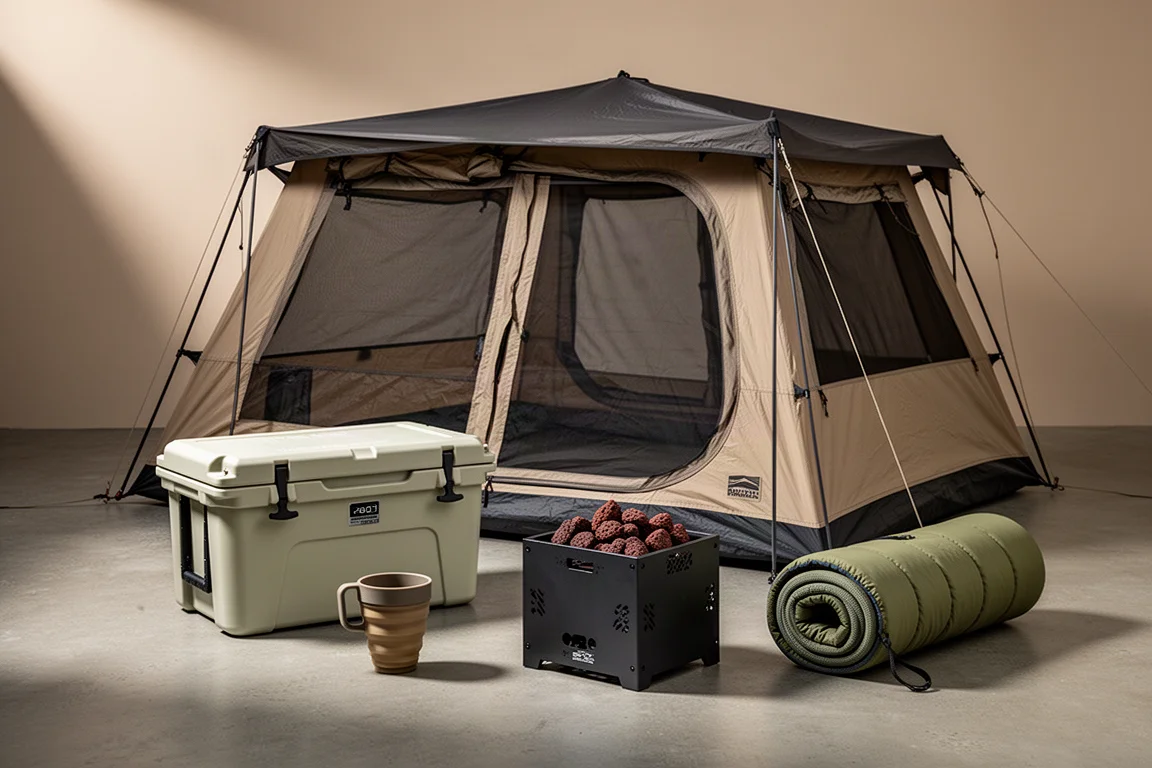
Car camping is the one kind of camping where you can bring real comfort along with you. Because the car carries the load, the gear list can stretch to a full sleep system, proper cold storage, and a cooking setup that behaves like a small kitchen. The items below are the ones that made a recent car camping trip feel genuinely comfortable rather than merely manageable.
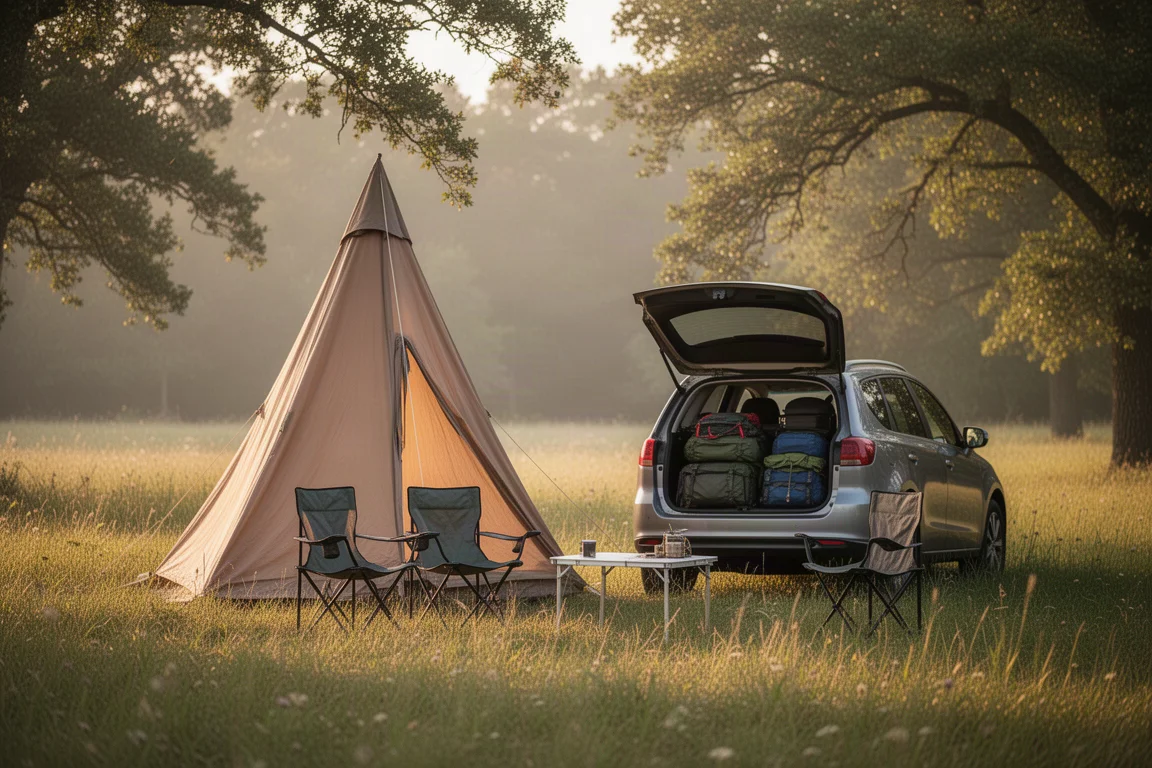
One theme runs through the whole list: most of it packs down smaller than its size suggests. That matters if you store your camping gear in a closet or the corner of a garage rather than on a dedicated shelf, and compact designs do not automatically cost more than bulky alternatives.
Nemo Aurora High Rise: A Walk-In Tent That Pitches Fast
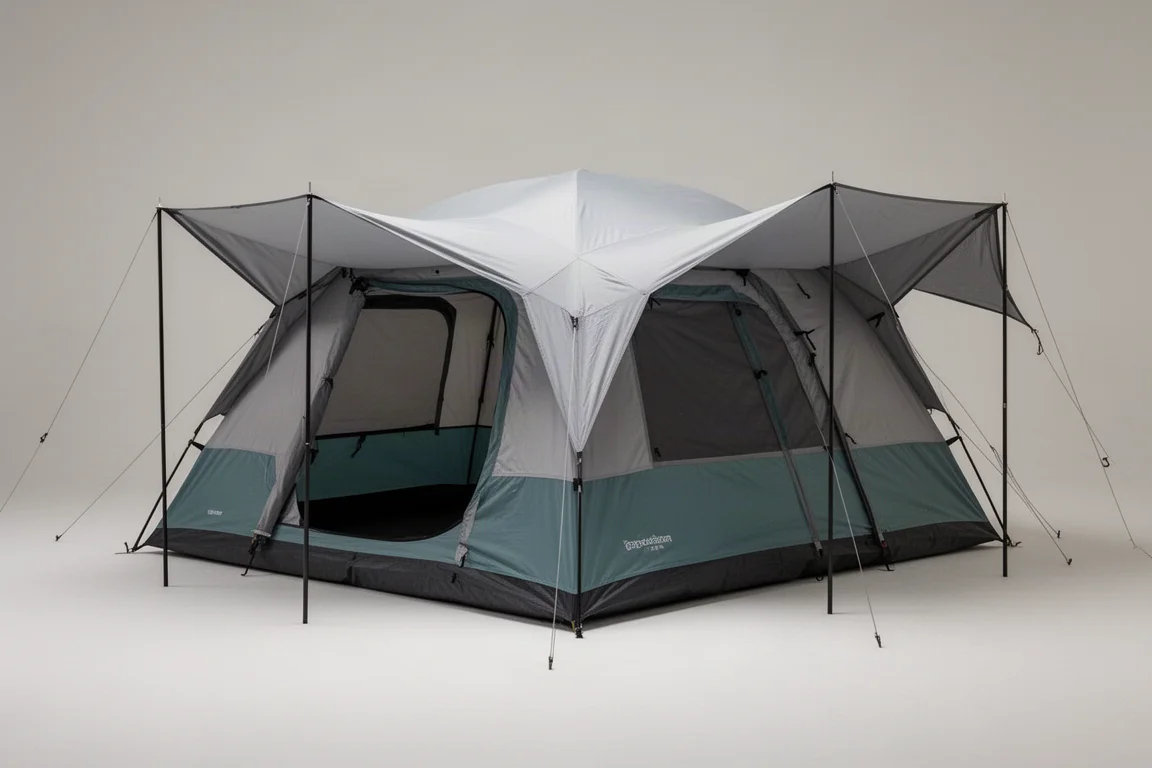
The Nemo Aurora High Rise is a car camping tent that packs and pitches more like a smaller tent. The four-person version weighs 15 pounds, and a six-person version is also available. Setup is a solo job that takes only a few minutes, which is unusual for a tent in this category.
The interior is the main reason to consider it. You can walk straight in and stand up, so changing clothes or simply moving around is far easier than in a low tent. Even the four-person version is roomy enough for a queen-size inflatable mattress with space left over for a pet bed or a couple of children.
Ventilation is handled well too. Large windows and two oversized doors open up a strong cross draft, and the fly overlaps above the windows. That means the windows can stay open in the rain while still venting, which helps keep condensation down.
It remains a large item to store between trips, and the 15-pound weight is light only in the context of car camping tents.
Yeti Tundra 45: Cold Storage That Lasts the Weekend
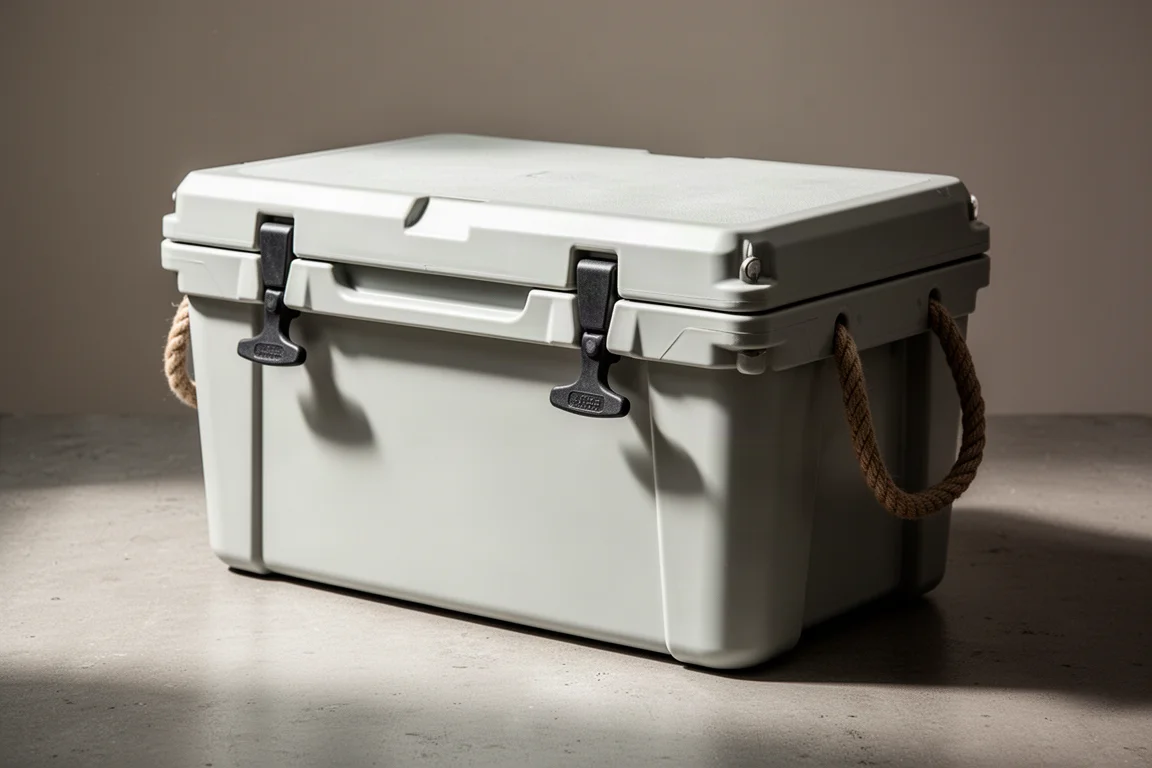
The Tundra 45 is the piece that keeps a weekend of food and drinks cold. On a hot day, a typical cooler can lose its ice within about 24 hours. This one sat outside for an extended stretch with no water collecting in the bottom at all, which is the difference you are paying for.
Capacity is realistic for a small group: enough for about four people on a weekend trip, or roughly 28 beers with ice. Plan the ice volume around what you actually intend to pack.
Sea to Summit Watercell X: Water That Pours Where You Need It
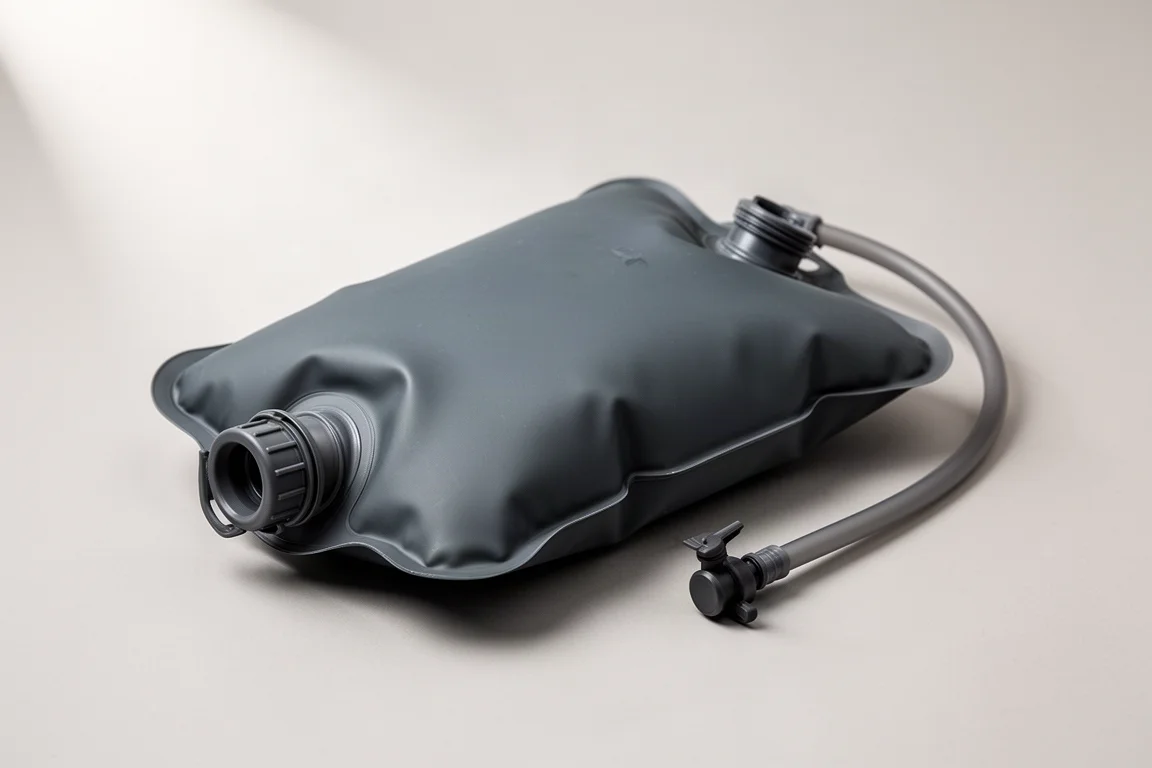
The Watercell X is the water carrier for the trip. This is the 4-liter version, and the range extends up to 10 liters. The detail that matters most is the spout at the top: open it and pour directly into a pot without lifting the container off the table.
For camp cooking, that is the entire job. Fill it at a tap or a water point, set it down on the table, and pour as needed.
Because it collapses as it empties, it takes up less room in the car on the way home than it did on the way out.
Sea to Summit X Mug: A Collapsible Mug for Hot Drinks
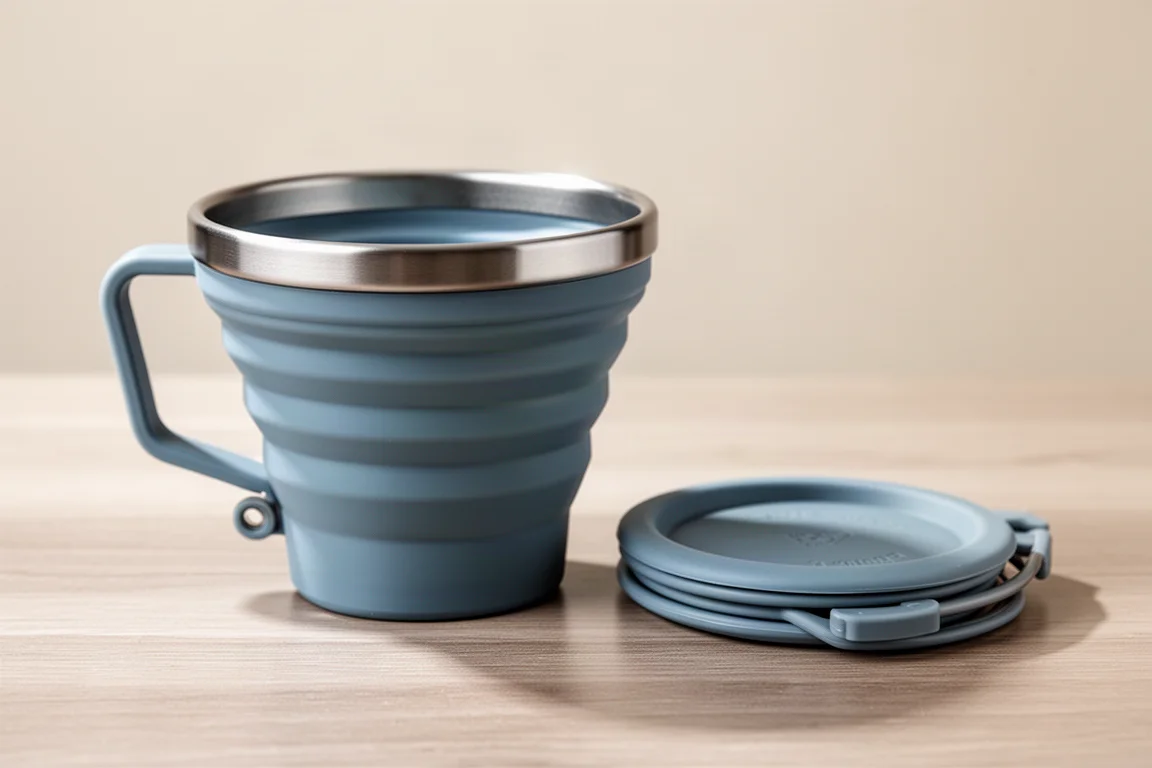
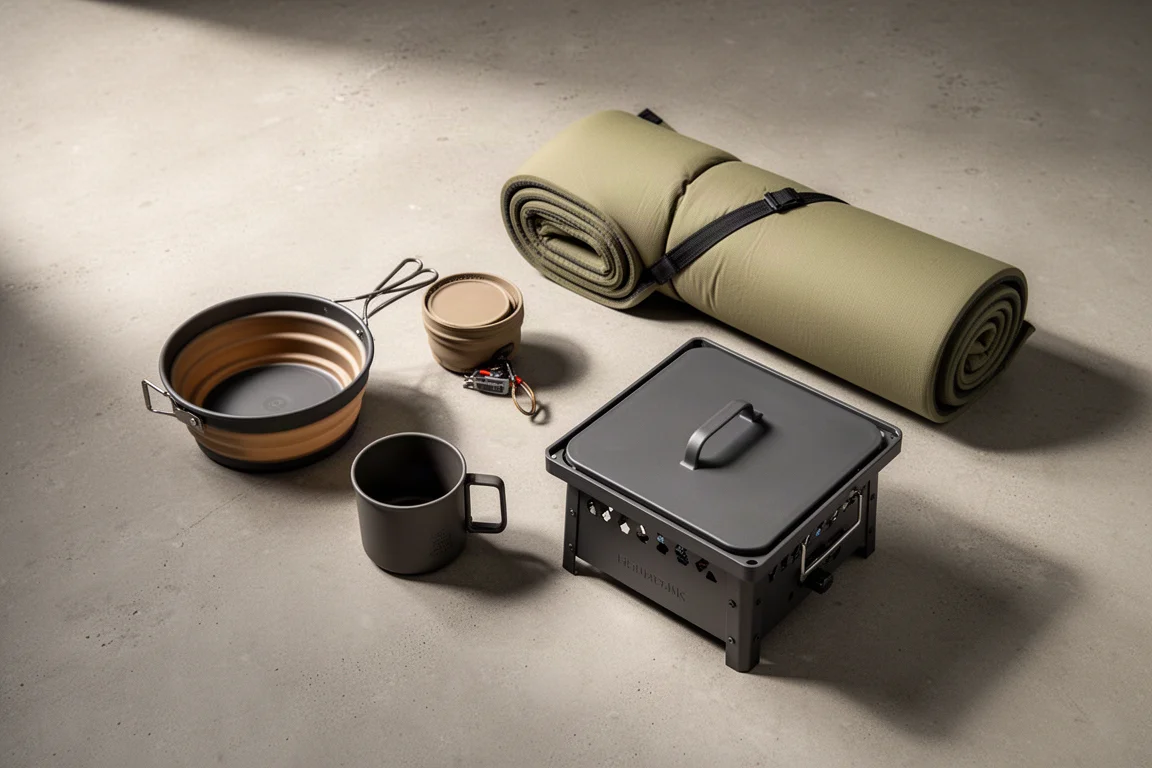
The X Mug is a collapsible mug, so it flattens down for storage and pops back into shape at camp. Ridges around the body keep your hand a little cooler when the drink inside is hot. It works equally well for morning coffee and for hot apple cider in the evening.
Outland Firecube: A Propane Fire Pit for Fire Bans
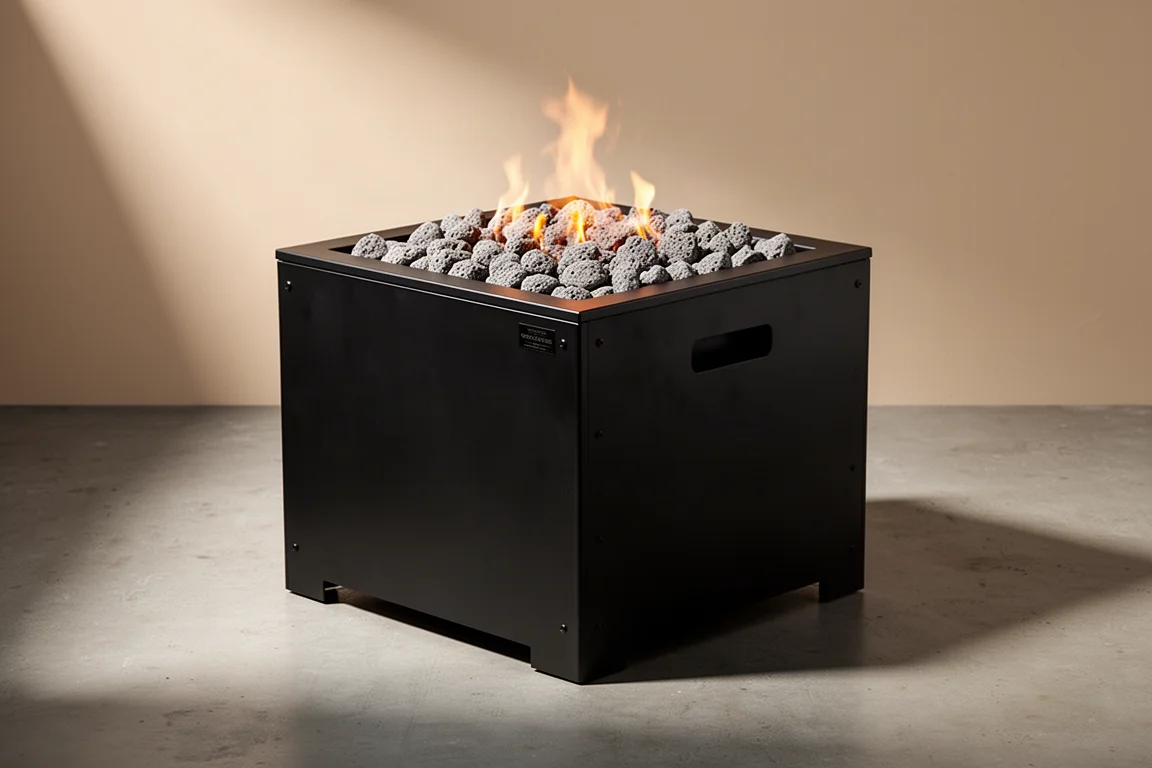
The Firecube is a propane fire pit, and its main advantage is timing. It does not throw sparks, so it can be used even when a fire ban is in place. It also puts out a surprising amount of heat for its size.
Because propane does not produce toxic chemicals as it burns, marshmallows or food can be roasted over it without a problem. That makes it a fire pit and a cooking surface in one.
Wildland Coffee: Steeped Coffee for Camp Mornings
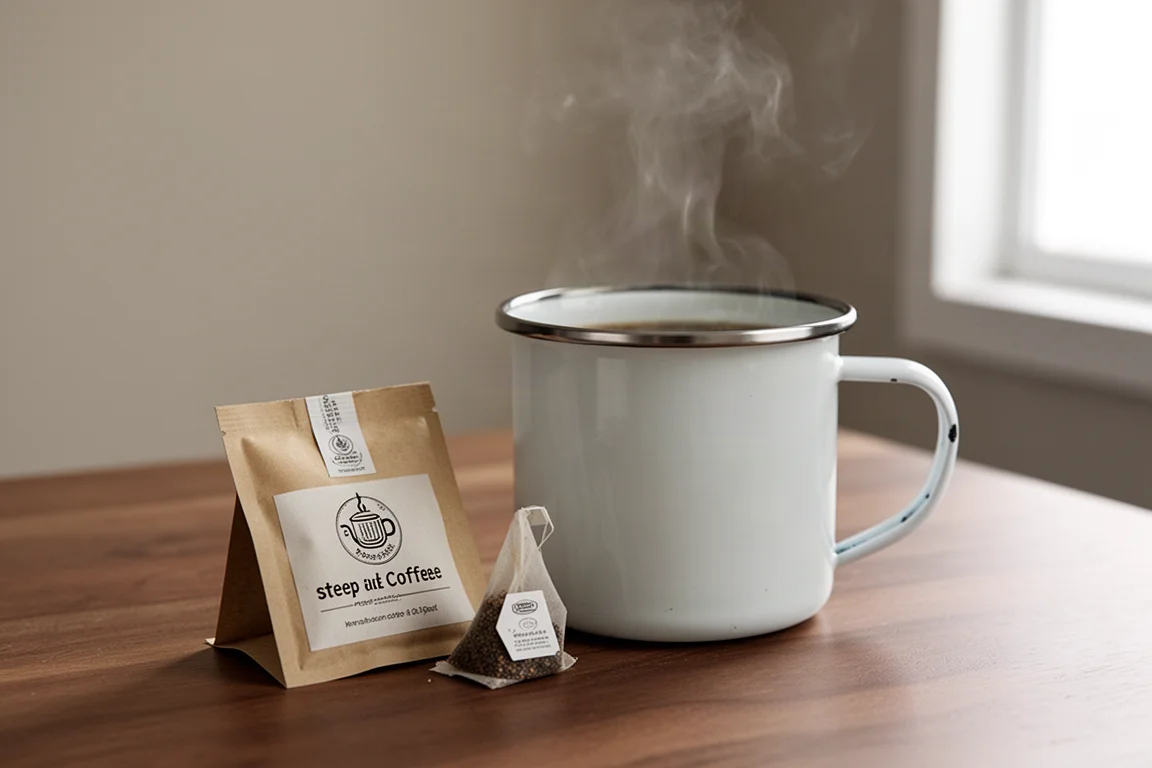
Wildland Coffee comes as coffee in a tea bag. You steep it in hot water the same way you would steep tea, and coffee is what you get at the end. For a camp morning it is about as simple as the process gets: heat the water, drop the bag in, wait a few minutes.
It also means no grounds to deal with and nothing to rinse out afterward.
Nemo Roamer: A Sleeping Pad With Foam and Air
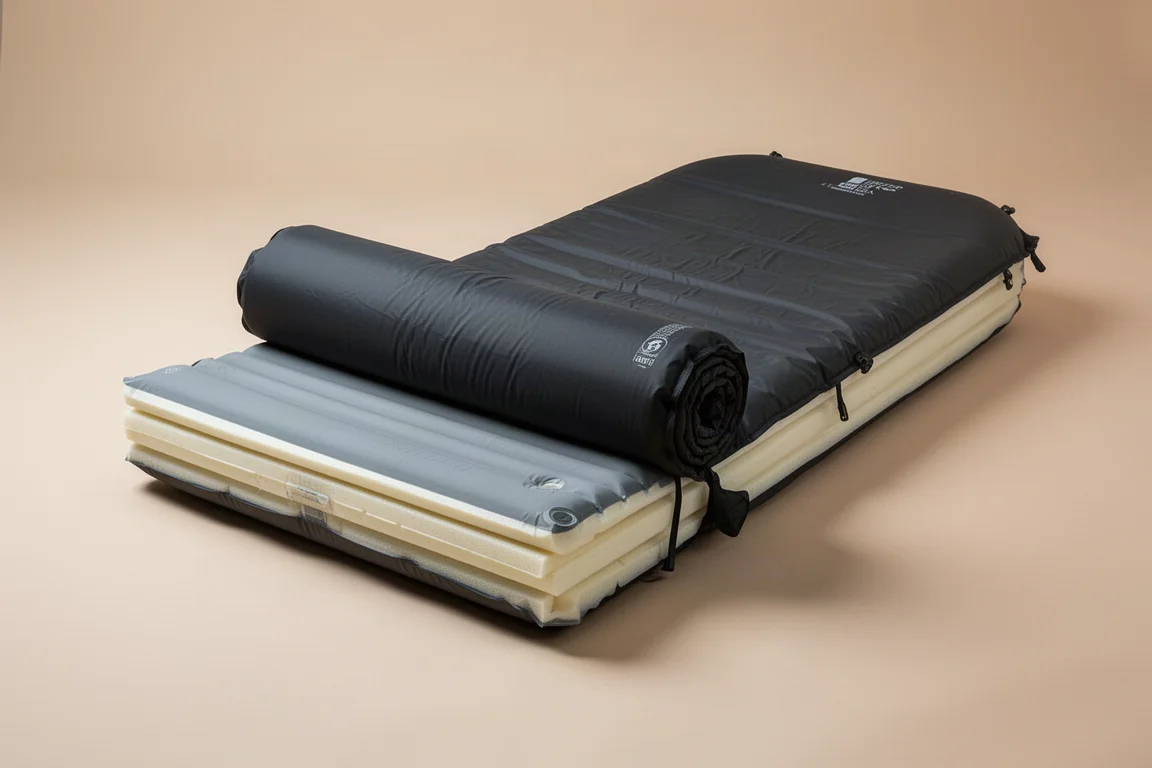
The Roamer is a large sleeping pad: 70 inches long, 30 inches wide, and 4 inches thick, with an R-value of 6 for cold nights. It combines foam and air. The foam provides a supportive surface, and the air lets you tune how soft or firm the pad feels.
That combination also means it compresses small when it is time to pack up. Toggles along the sides let two pads lock together, which is useful if you later want a shared setup.
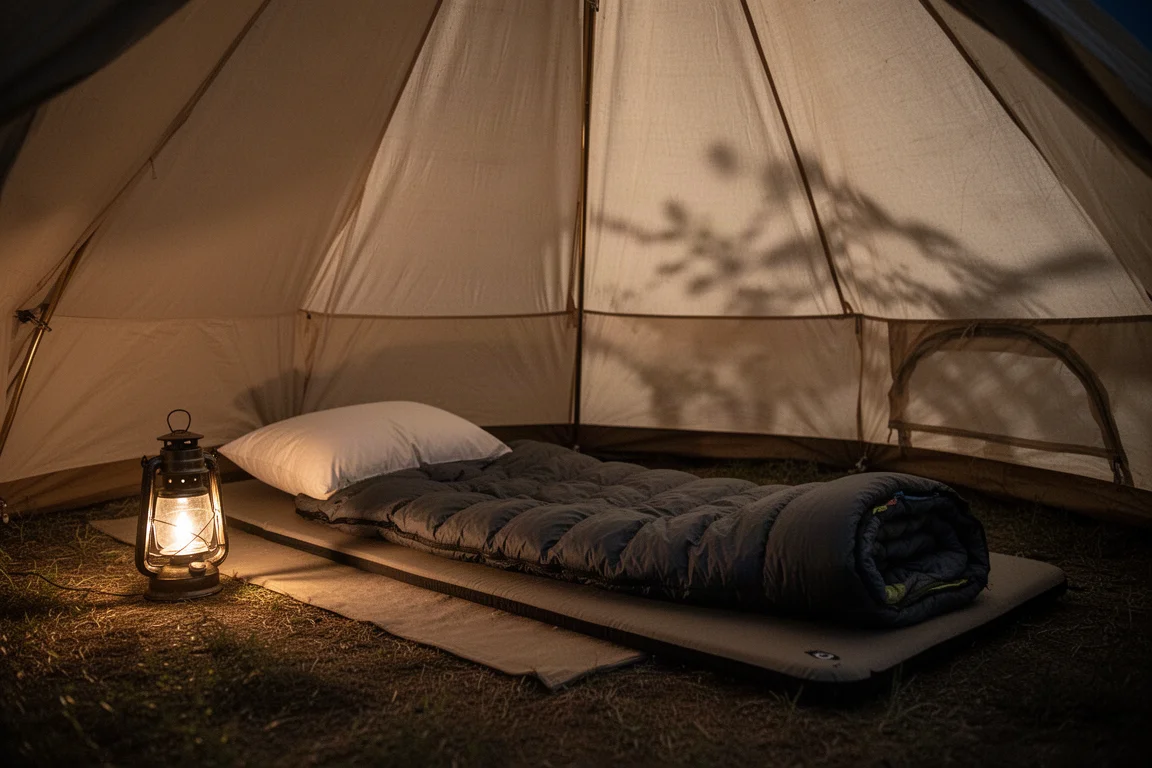
The result is a pad that behaves more like a mattress than a camping accessory, while still packing down to a manageable size.
Nemo Jazz 30: A Sleeping Bag That Feels Like Home
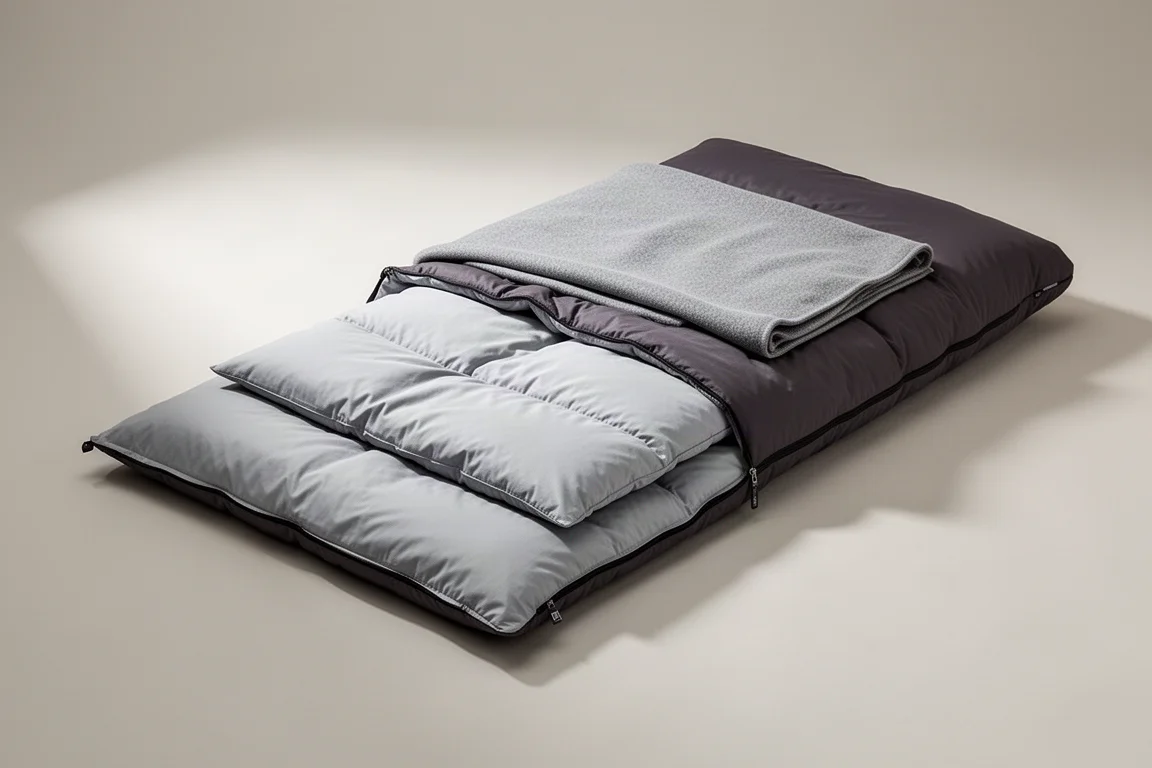
The Jazz 30 is rated for temperatures down to about freezing, and it stayed warm and comfortable on a night that reached that mark. It pairs with the Roamer: pockets at the head and foot ends lock the bag onto the pad, though using only the head-end attachment makes it easier to toss and turn.
The feature list is what separates it from a standard bag. There is a sheet that snaps into the side of the bag so it does not tangle overnight, plus a top blanket that can be closed up fully or left open when the night is warmer.
Single and double versions are available. Two single setups can be joined by attaching the pads with their toggles and zipping the bags together, so the same system works for one person or two. When the trip is over, the pad and bag roll up together and fit into the bag Nemo provides.
Buying Advice: Matching Gear to the Trip You Are Taking
Start with sleep. If you sleep badly outdoors, the pad and bag combination is the part of this list that changes a trip the most, and the modular single versions let you add a second setup later rather than replacing what you already own.
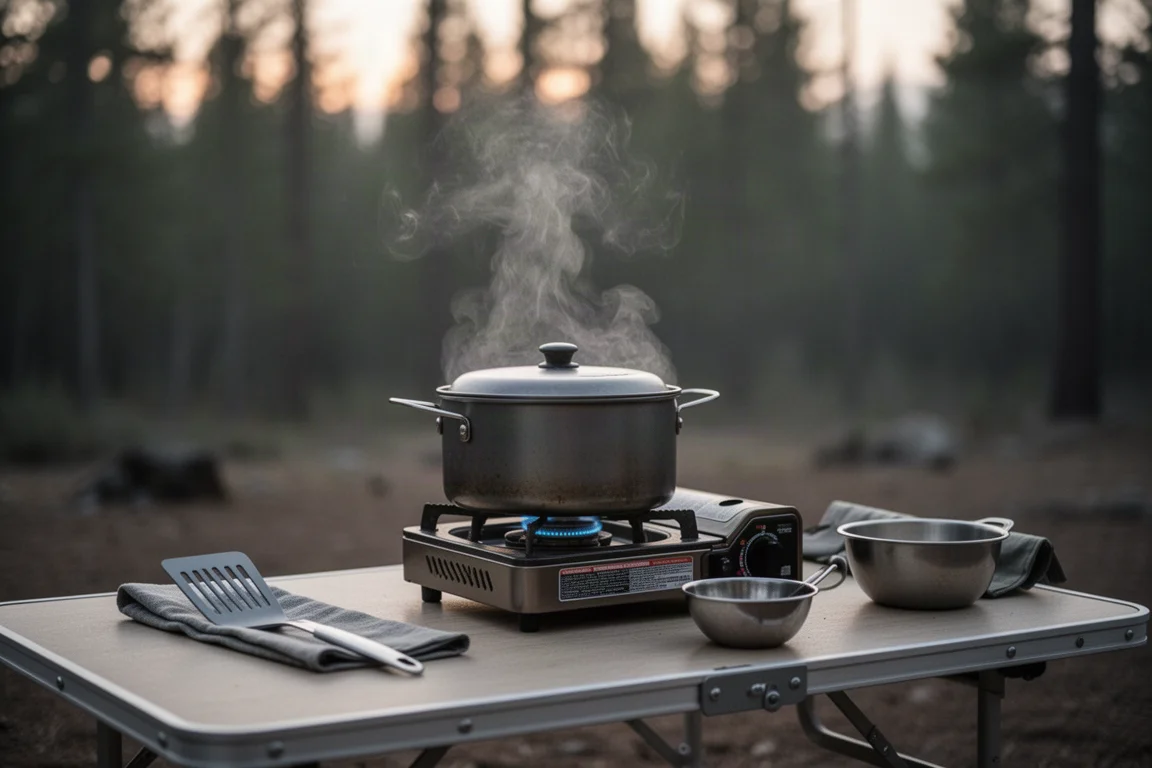
Shelter and storage come next. A tent you can stand up in and a cooler that holds ice for a weekend remove two of the most common frustrations of car camping. A water carrier with a spout, a collapsible mug, and folding cookware keep the cooking area small enough to fit on a single camp table.
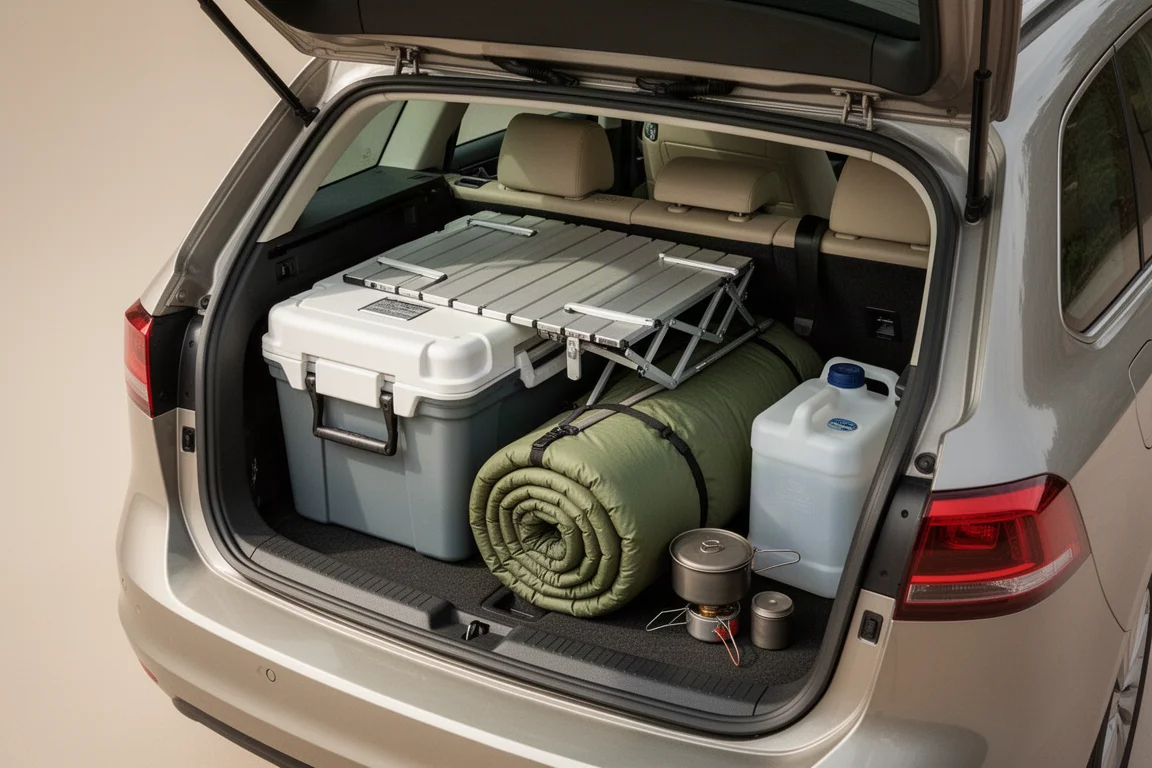
For fire bans, a propane fire pit is the piece that keeps an evening fire on the schedule. Beyond this list, a two-burner propane stove with a grill burner on one side covers most camp meals, and folding pots, pans, spatula, and tongs plus a collapsible dishwashing bowl handle the rest. If storage space at home is limited, favor gear that collapses; compact designs do not cost more than bulky ones.
Conclusion
A comfortable car camping setup is less about volume than about picking gear that solves a specific problem: a tent you can stand in, a cooler that holds ice, water that pours where you need it, and a sleep system that behaves like a bed. Each item here earns its place for a clear reason, and together they turn a car camping trip into something genuinely restful.
Further reading
Related Reviews
Car Camping Gear
Car Camping Gear for Comfort: 9 Picks Worth Packing
A practical roundup of car camping gear that solves real comfort problems, from an insulated loveseat and a propane fire pit to a stand-up tent, a modular sleep system and collapsible cookware.

Backpacking Gear
Building a 10 lb Base Weight: An Ultralight Backpacking Gear List
A practical walkthrough of the ultralight pieces behind a 10 lb base weight, from a 765 g pack and a roomy one-person tent to a full camp chair and a dependable water filter.

Road Bikes
10 New Road Bikes Worth Watching: Aero, Titanium, Steel and Endurance Standouts
A practical roundup of 10 new road bikes, from aero flagships chasing single-watt gains to titanium, steel and endurance platforms built for real roads.