Camping Gear
Solo Car Camping Gear: 13 Comfort-First Picks for Self-Sufficient Trips
A practical solo car camping gear list covering shelter, sleep, cooking, cold storage, power, and the comfort items that make a weekend trip feel genuinely easy.
Introduction
Packing for a solo car camping trip is a different exercise from loading up for a family weekend. Without a group to share the load, every item has to justify the space it takes up, and the priority shifts from covering everyone’s needs to being genuinely self-sufficient on your own.
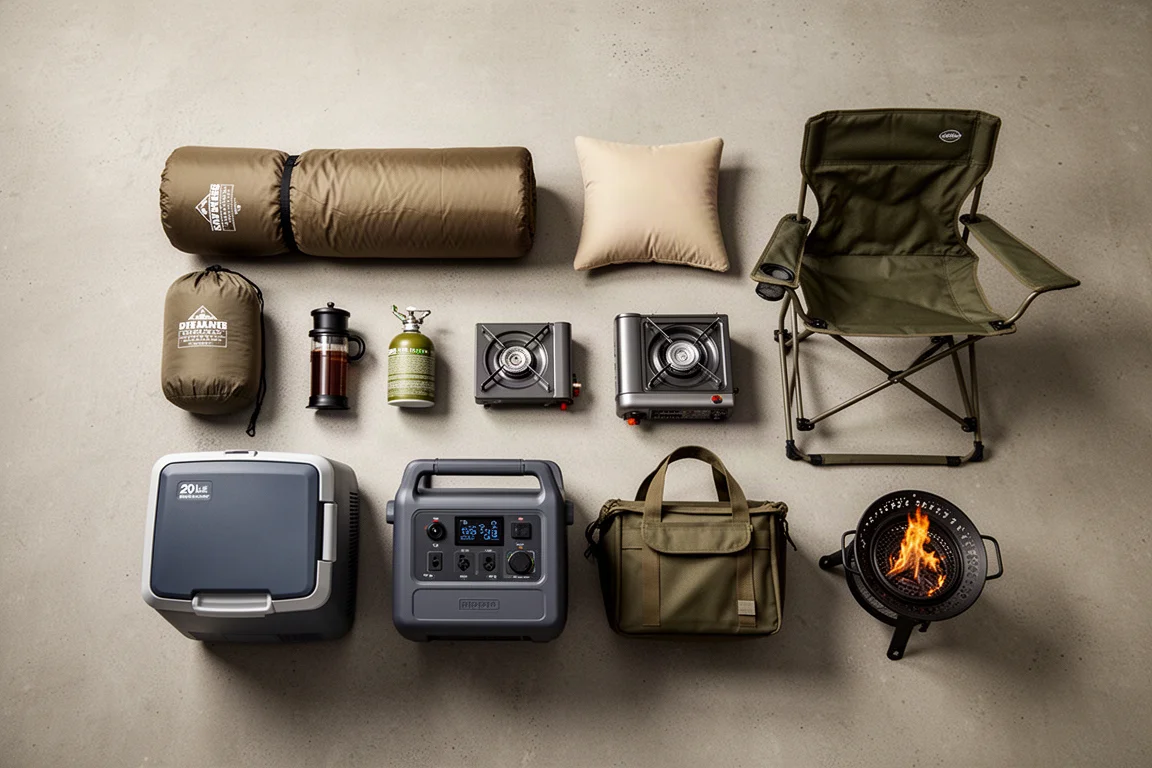
The upside is that a solo setup can be built entirely around comfort and convenience. This list covers thirteen pieces of gear that make that possible: a shelter that suits one person, a sleep system that stays comfortable when the temperature drops, a kitchen that can actually cook, and the power and cold storage that turn a car into a workable base camp.
How This Gear List Was Put Together
The first filter is self-sufficiency. Everything here works on its own, without borrowing a stove, a light, or a power source from whoever you are camping with. Car camping gives you room to bring more than a backpacker would, but the gear still has to function independently.
Comfort in cold conditions comes next. Memory foam that stays soft overnight, a chair with real back support, and a fire that lights without smoke all matter more on a solo trip, because there is no one else to distract you from a bad night’s sleep.
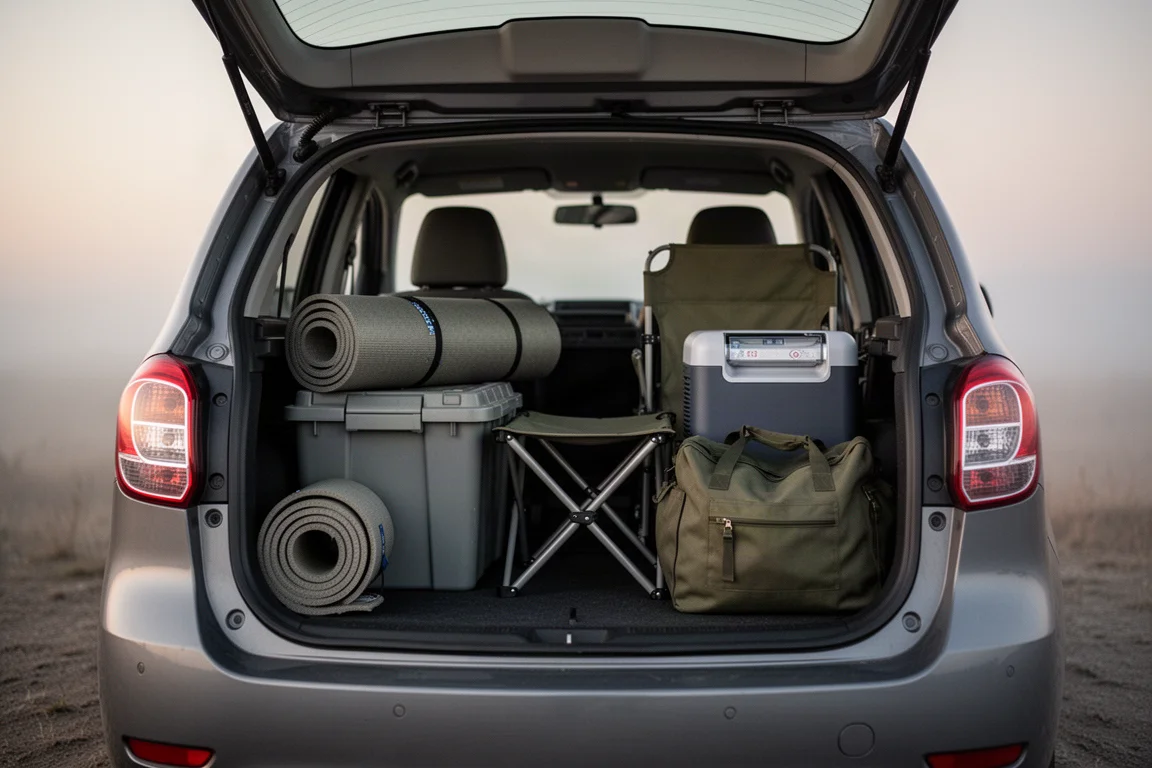
Practicality inside the car is the third consideration. Car camping gear has to pack into a sensible footprint, tolerate being stacked and shuffled, and survive being loaded and unloaded more than once. The final vote goes to cooking and convenience: the pieces that make a trip feel easy rather than like an endurance test.
NEMO Dragonfly Tent
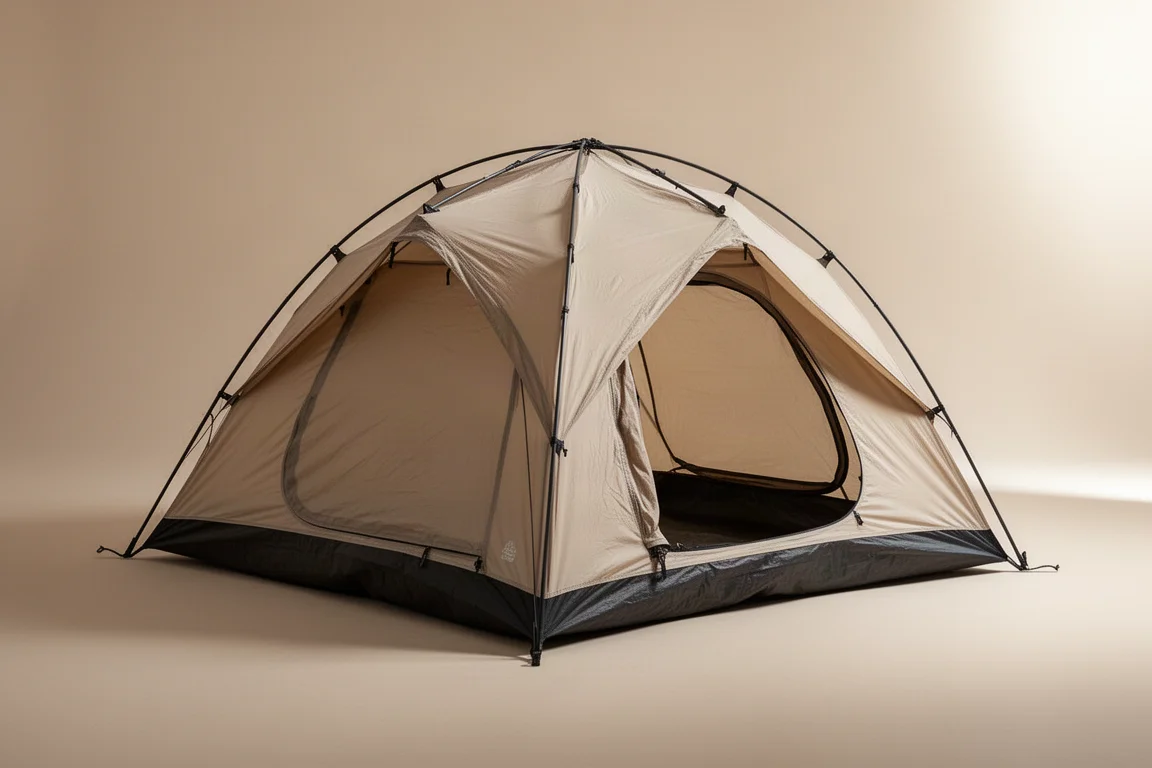
The NEMO Dragonfly is the shelter packed for this kind of solo trip. Its value here is scale. A tent sized for one person is simpler to manage alone, leaves more room in the car for the comforts that make car camping enjoyable, and keeps the whole setup feeling light rather than cumbersome.
If you are used to travelling with a large family tent, moving to something in this class is the single biggest change to how a solo trip feels. It sets the tone for the rest of the kit, because everything else you bring is measured against the space it leaves behind.
Hest Foamy Sleeping Pad
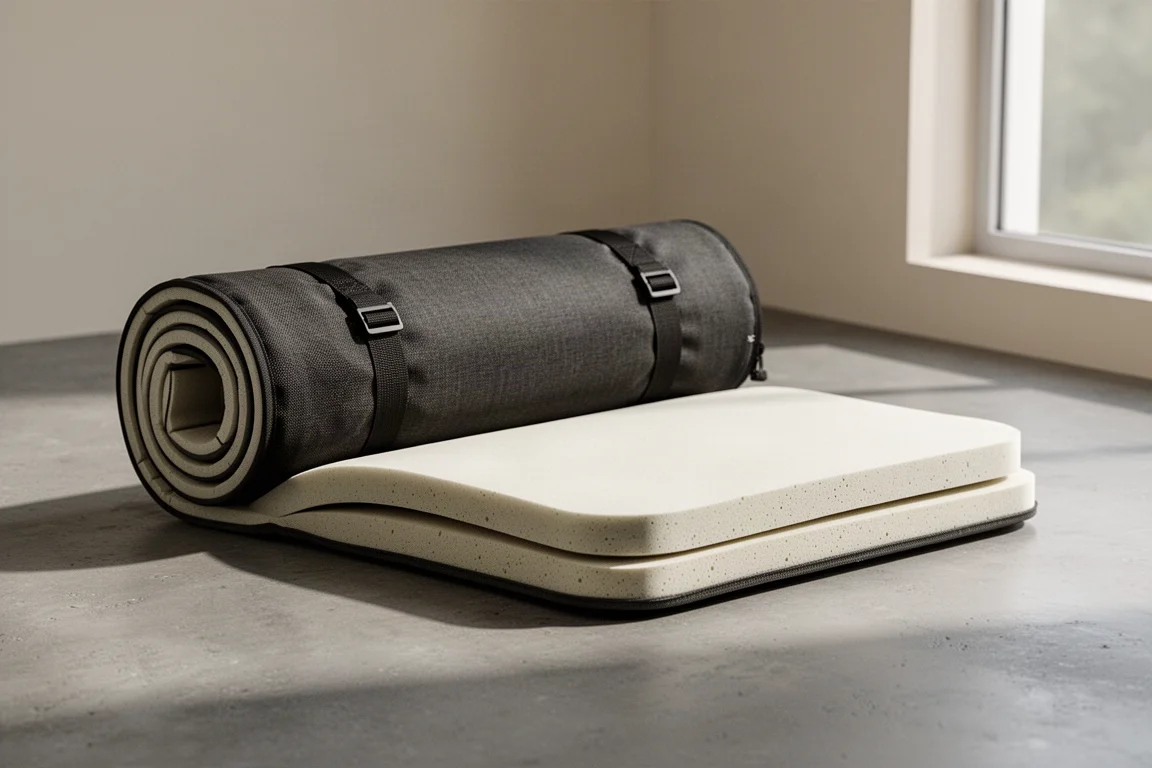
The Hest Foamy is a roll-up bed roll rather than an inflatable pad. Two different types of memory foam are layered inside, and the practical payoff is how the foam behaves in cold air: it does not turn rock hard when temperatures drop, so the pad stays usable through a cold night instead of becoming a hard slab.
Setup is about as simple as it gets. The clips hold the roll together in transit, and once you unroll it the pad is ready. The 25-inch wide version is the one worth choosing if you run a Zenbivy sleep system, because that width pairs directly with the bed.
One honest note: the feel is on the softer side. Sleepers who prefer a firm, highly supportive surface may want to try one before committing.
Hest Camp Pillow
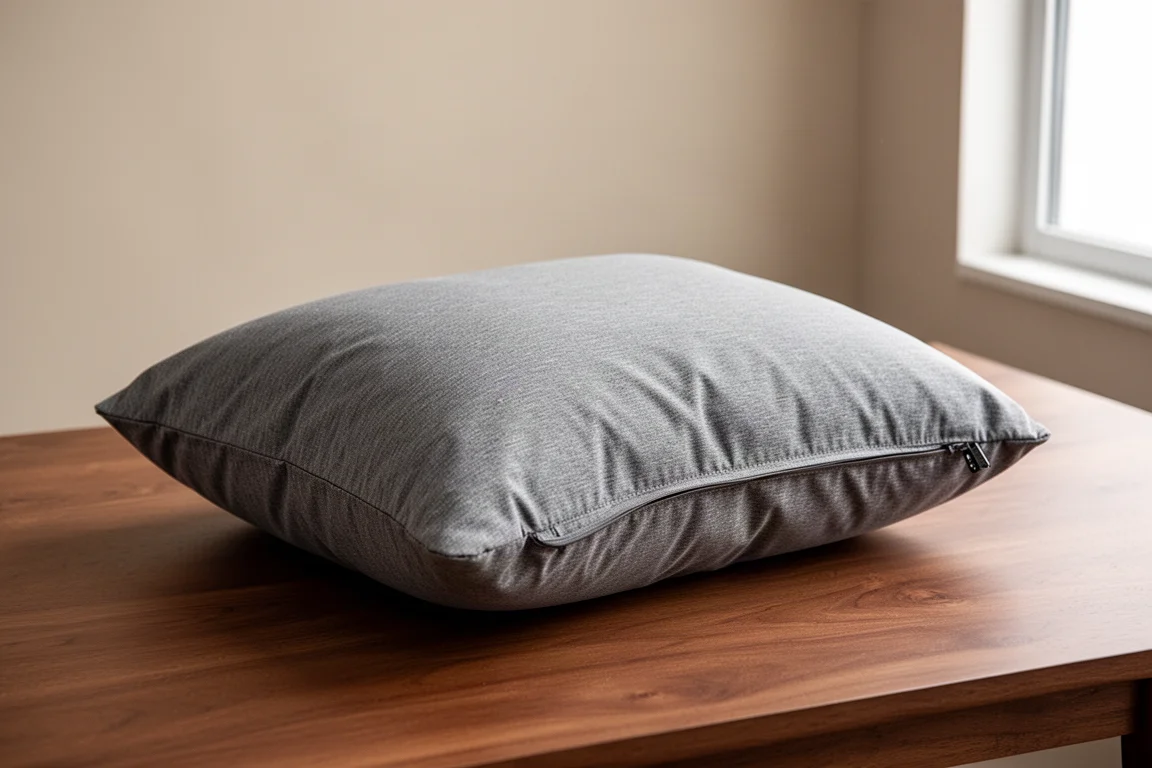
The Hest Camp Pillow pairs with the Foamy and uses the same memory foam approach, which means it keeps its shape and stays comfortable rather than stiffening up overnight in cold conditions. A pillowcase is included, which is a small detail that makes a real difference over several nights.
In practice, this is the piece of the sleep kit that stands out most. A good pillow is often the difference between waking up rested and waking up stiff, and the temperature-stable foam is what makes this one worth the space.
The trade-off is bulk. It is not an ultralight inflatable pillow, so it takes up more room in the car than a packable alternative would.
Zenbivy Light Bed
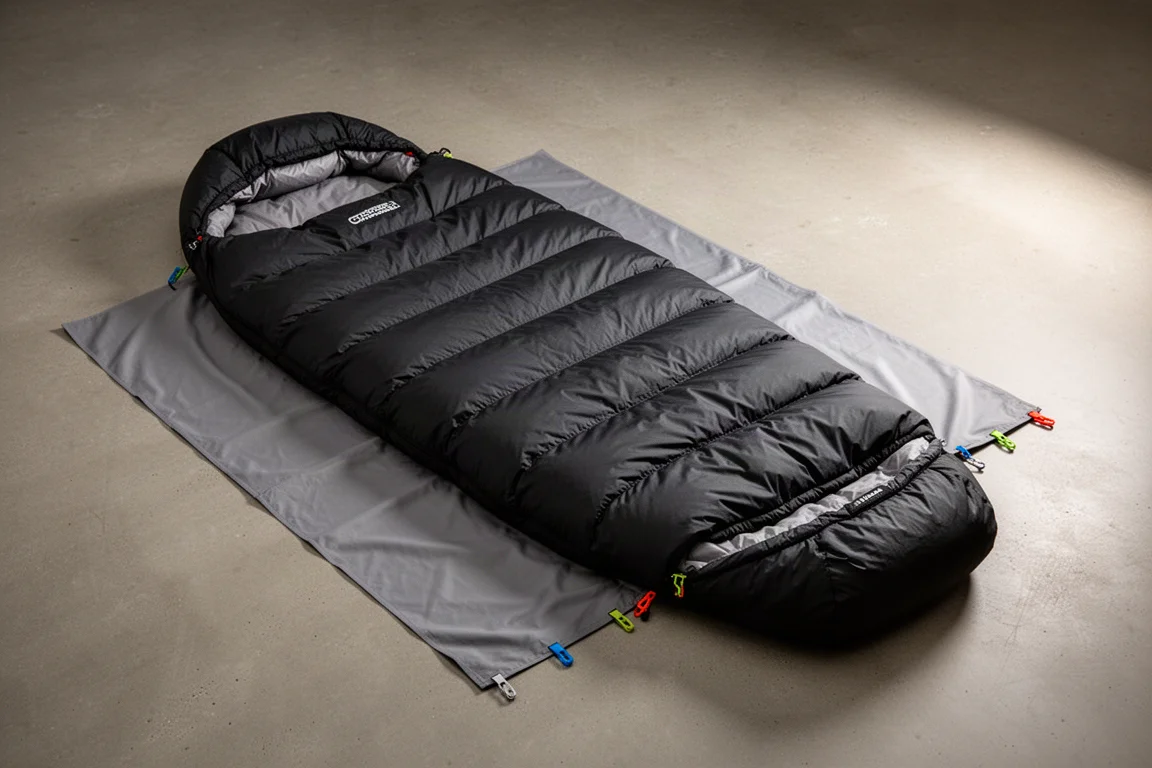
The Zenbivy Light Bed is the sleeping bag side of the setup, and the Hest Foamy was chosen in the 25-inch wide version specifically so the two work together. That compatibility point is the main thing to remember: if you already own a Zenbivy system, match your pad width to it rather than buying a pad first and hoping it lines up.
Together, the pad and the bed form a sleep system rather than two separate purchases. It is the kind of setup that rewards buying as a pair, because the comfort comes from how the layers sit on top of each other.
AeroPress Go
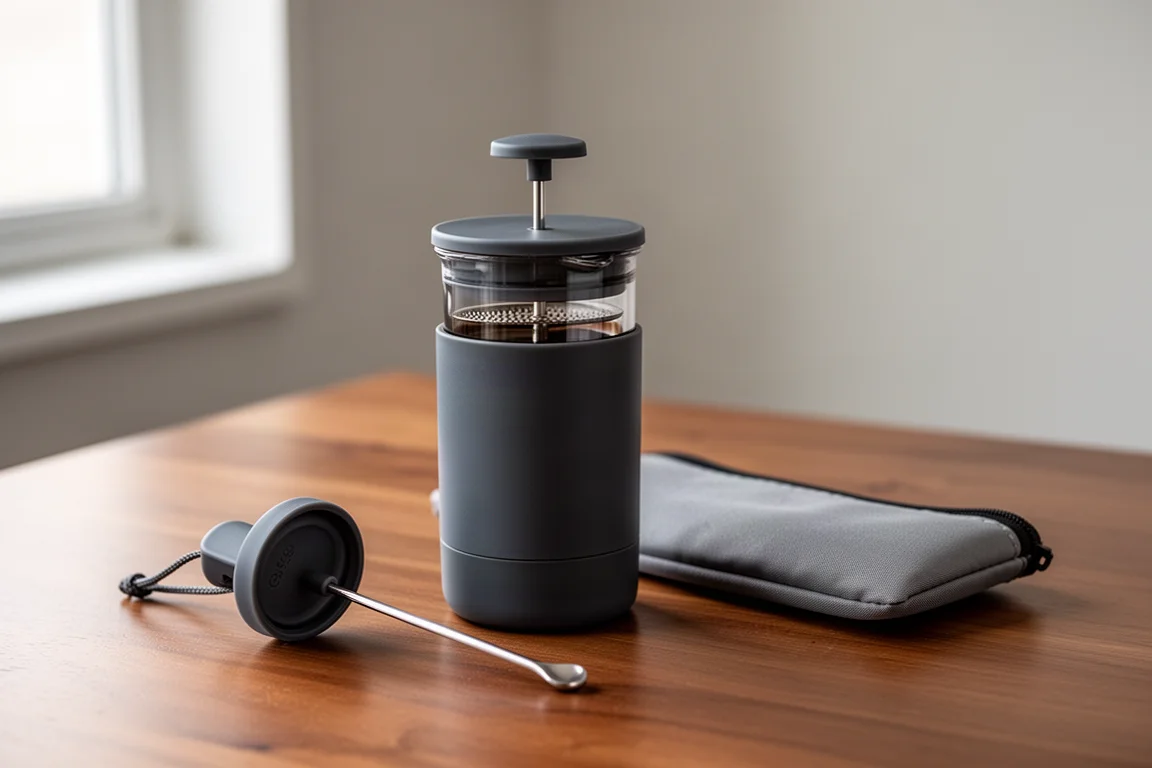
The AeroPress Go is built for travel. It is lightweight, compact, and shatterproof, which makes it equally at home on a car camping table or in a backpack. It uses a three-in-one brew method combining air pressure, immersion, and micro-filtration, and that versatility is what separates it from a basic camp coffee setup.
The real appeal on a trip like this is choice. You can brew different styles depending on what you feel like, and a cold vanilla latte with an espresso roast is genuinely achievable at a campsite. It is a small luxury that makes a cold morning considerably better.
Ignik Growler 5 lb Propane Tank
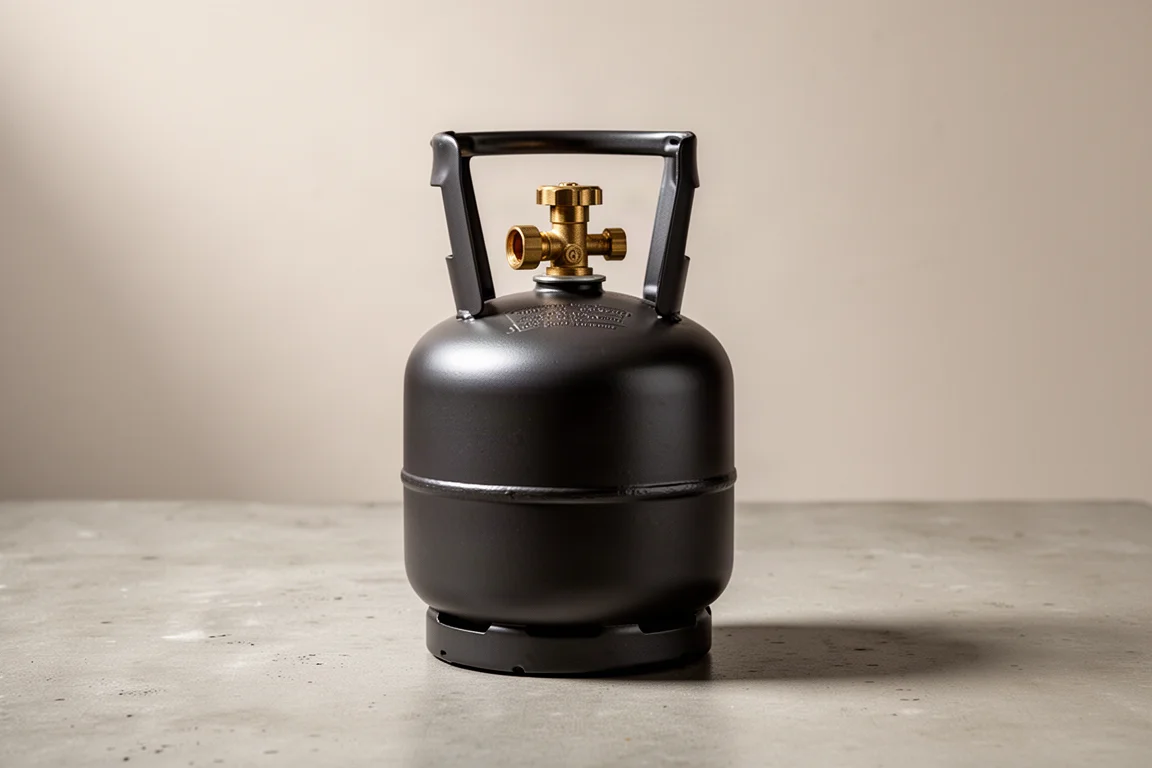
The Ignik Growler is a 5 lb refillable propane tank, and its main advantage is how long it lasts. A single fill can carry a stove and a fire pit through an entire spring and summer season without a refill, which removes the constant juggling of small disposable canisters.
It feeds both the cooking setup and the fire pit, so one fuel source covers two jobs. The trade-off is size: a 5 lb tank is bulkier than a handful of small canisters, though for car camping that is a fair exchange for not running out mid-trip.
Jetboil HalfGen
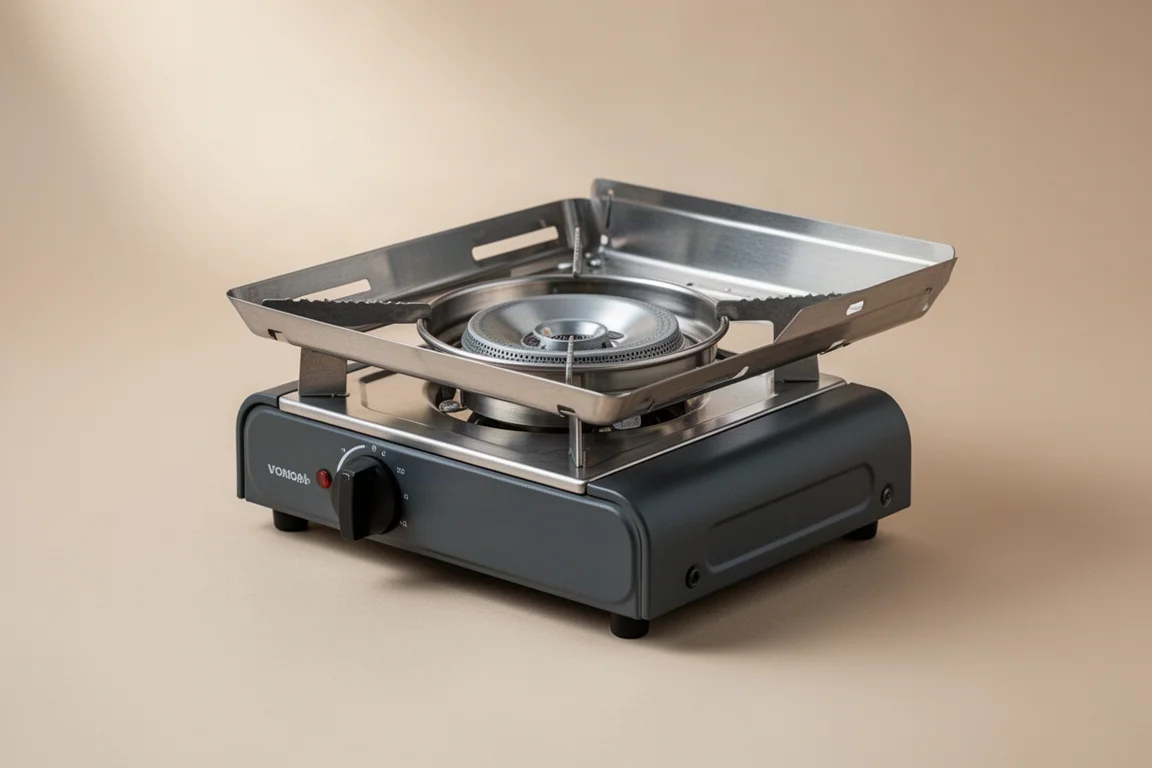
The Jetboil HalfGen is the stove that anchors the camp kitchen. It is efficient and runs off the same propane supply as the fire pit, which keeps the fuel plan simple. It also comes with a fry pan that is the standout part of the package, the piece that turns a camp stove from a water boiler into something you can actually cook dinner on.
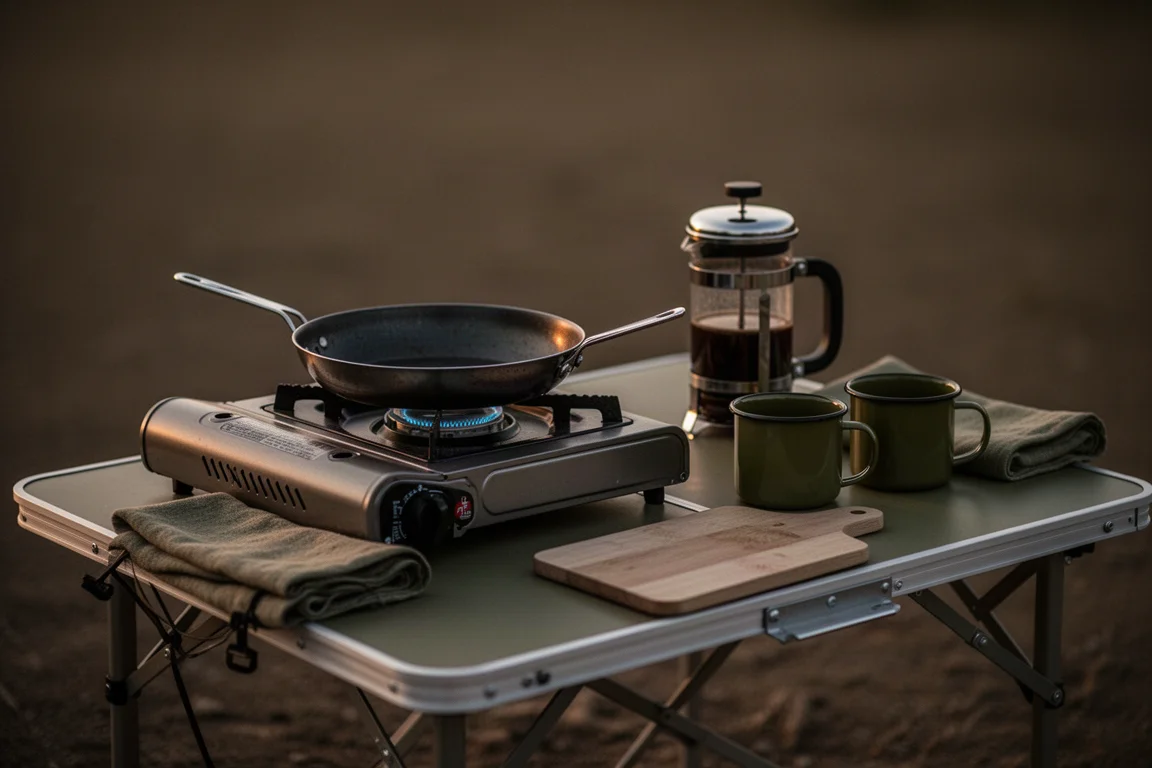
That cooking capability is the reason this stove earns its place on a solo trip. Being able to make a proper meal, rather than rehydrating something in a bag, changes the character of an evening at camp.
The catch is price. The HalfGen sits well above basic canister stoves, and it is worth being clear-eyed about that before buying. If you mostly boil water, a simpler stove will do the job for less.
ICECO GO20 20L Fridge
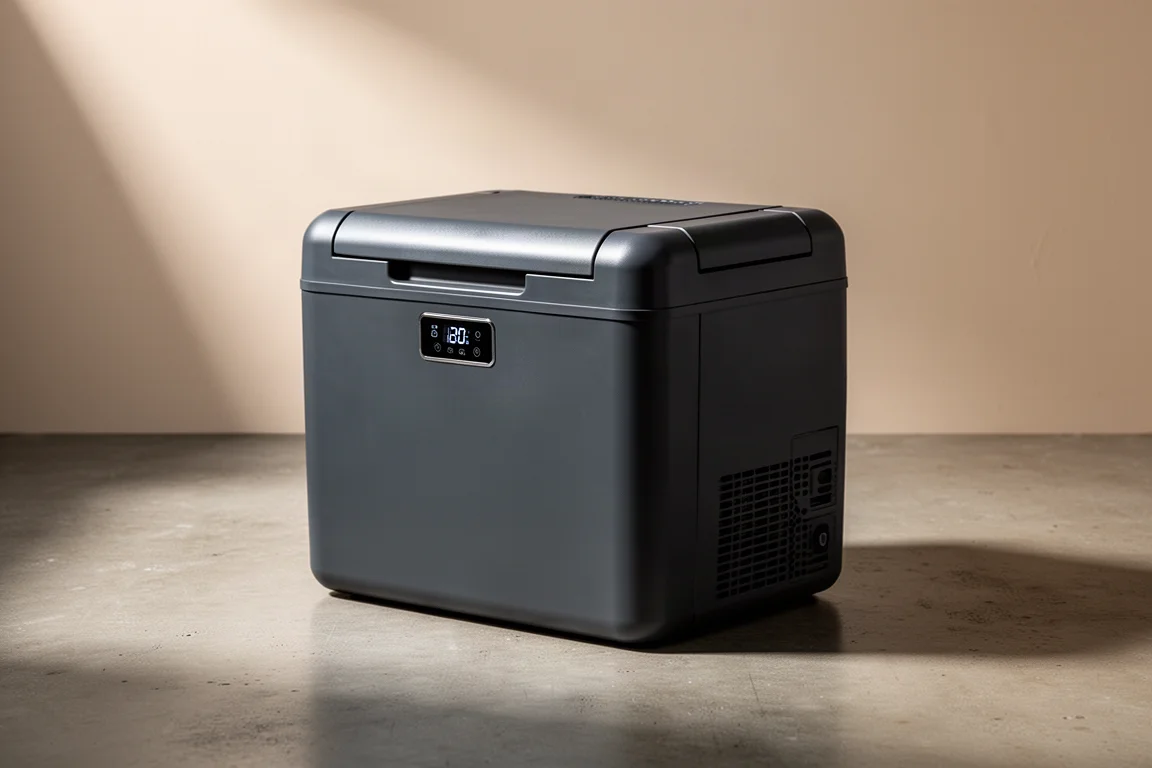
The ICECO GO20 is a 20-litre portable fridge, and it solves the one problem a cooler never really solves: ice management. There is no draining, no topping up, and no food sitting in meltwater by day two. For simple weekend trips, 20 litres is enough without swallowing a large share of the cargo space.
Its small form factor is what makes it work in a packed car. It slots into the back and leaves the rest of the layout intact, and it runs from a portable power station rather than the vehicle’s battery.
Anker SOLIX C1000
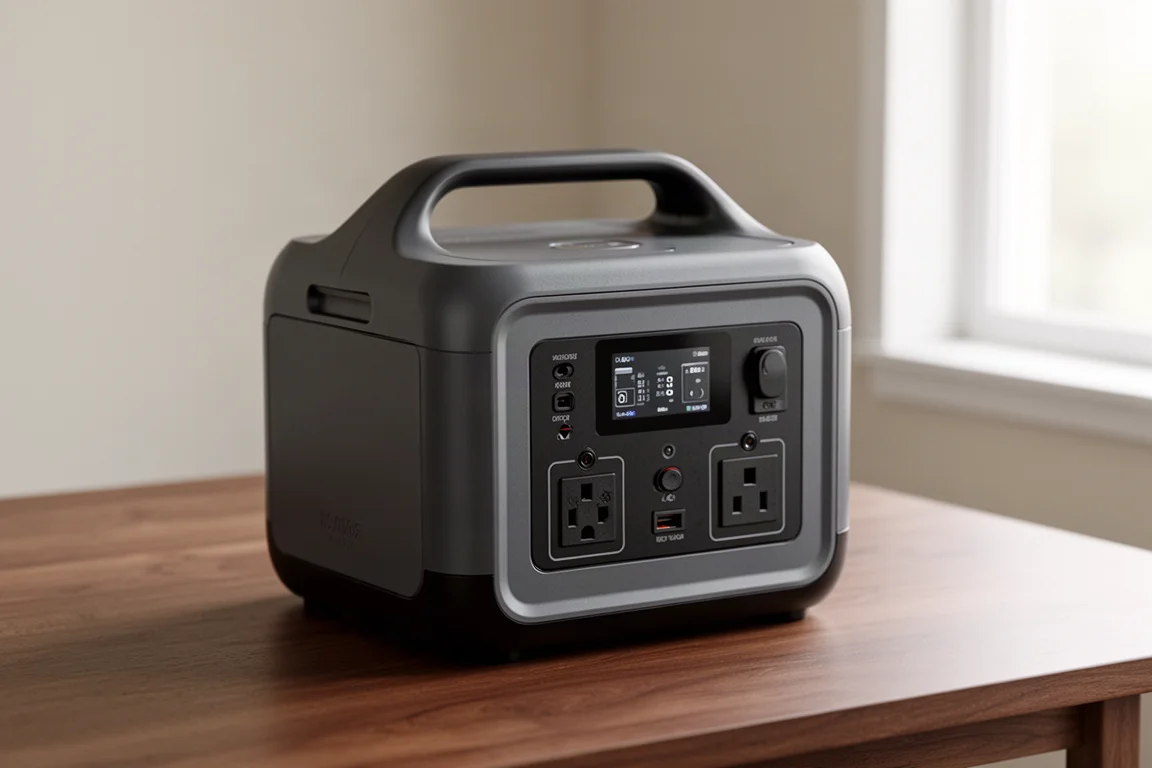
The Anker SOLIX C1000 is the power source that makes the fridge practical. It is compact for its output, delivering over 1,000 Wh while staying small enough to move around without effort. In use, it has run a compact fridge for a full 24 hours while also topping up phones and other devices, and still held most of its charge afterward.
That combination of capacity and size is what makes it the centrepiece of the electrical setup. It keeps the fridge running, keeps devices charged, and does it without demanding a permanent installation in the car.
Gregory Alpaca 45L Gearbox
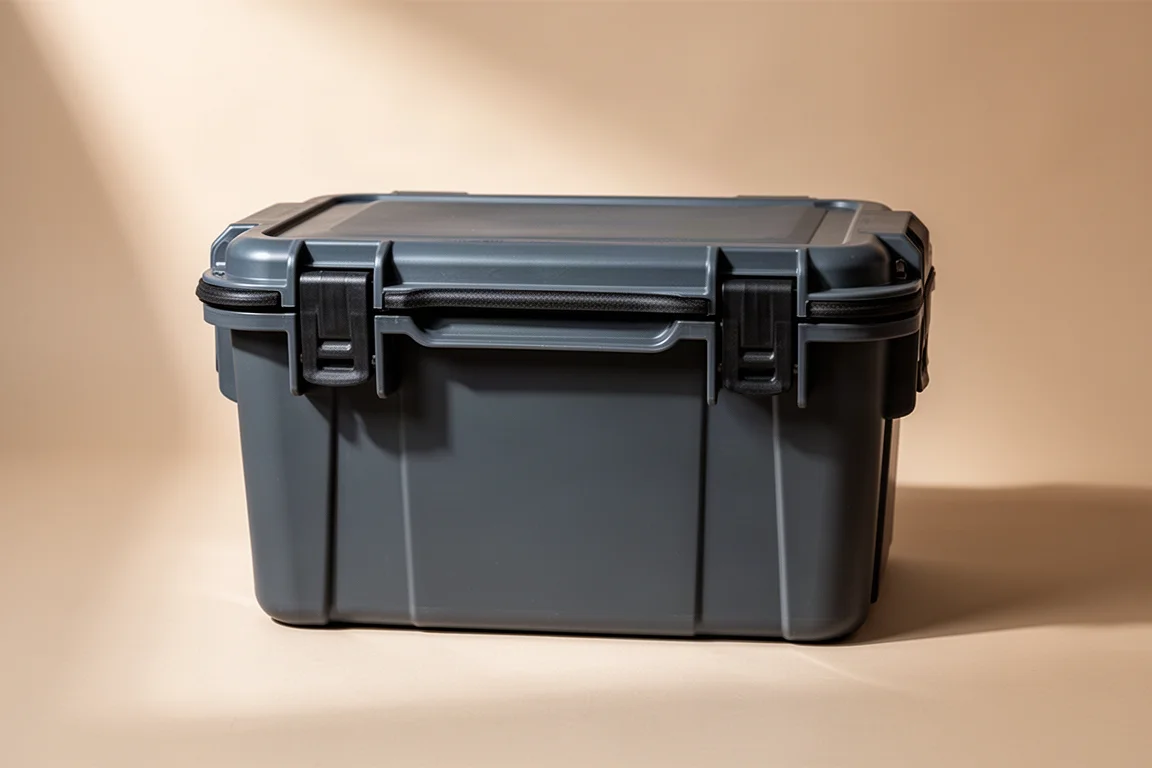
The Gregory Alpaca 45L Gearbox is a rigid gear tote with a feature list that is unusually serious for a plastic box. It is waterproof and dustproof, which means the contents stay protected from rain, road spray, and the fine grit that finds its way into every car camping load. The lid is crushproof, hinges from either side, and can be removed completely, and a gasket seals around the rim.
That design makes it easy to carry gear in, keep it organised, and protect it at the same time. The lid arrangement is the clever part: open from the left, the right, or take it off entirely depending on what you are reaching for.
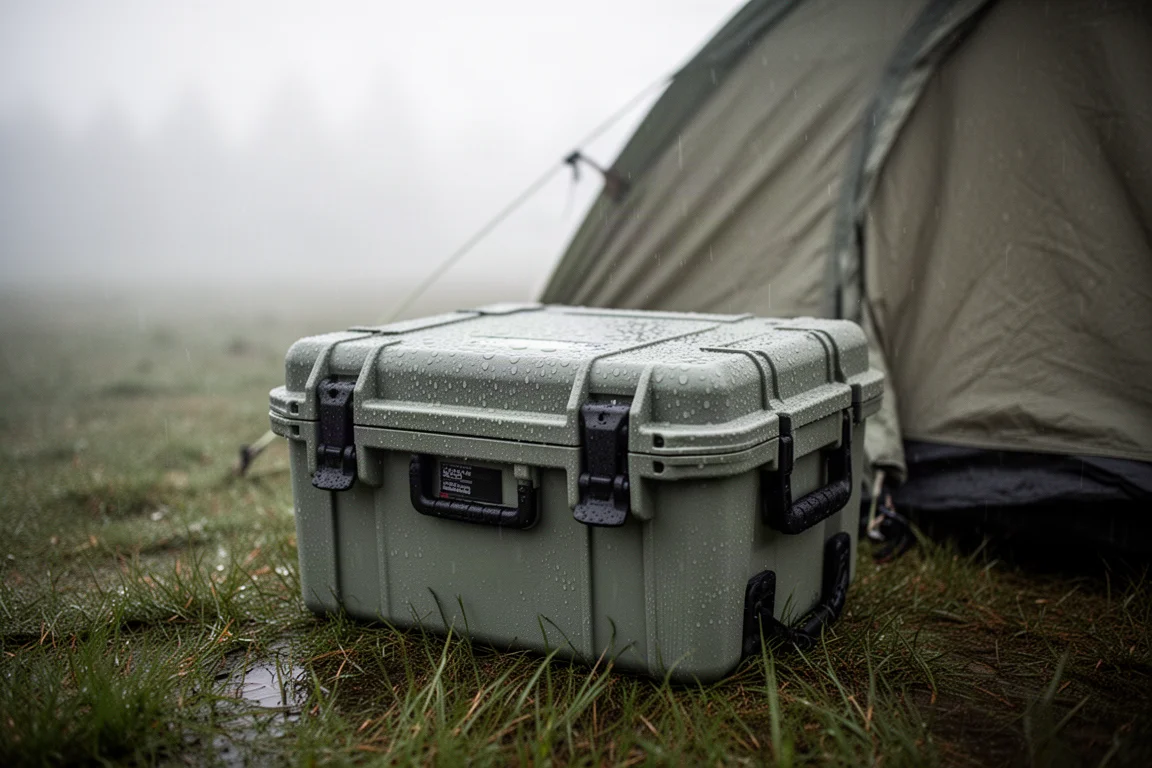
The obvious question is price. At around $60, it costs more than a basic plastic tote, and that only makes sense if you genuinely want gear sealed off from water and dust. For dry food, tools, or anything you would rather not find damp, the protection is the point.
Kilos Gear Grand Peak Camp Chair
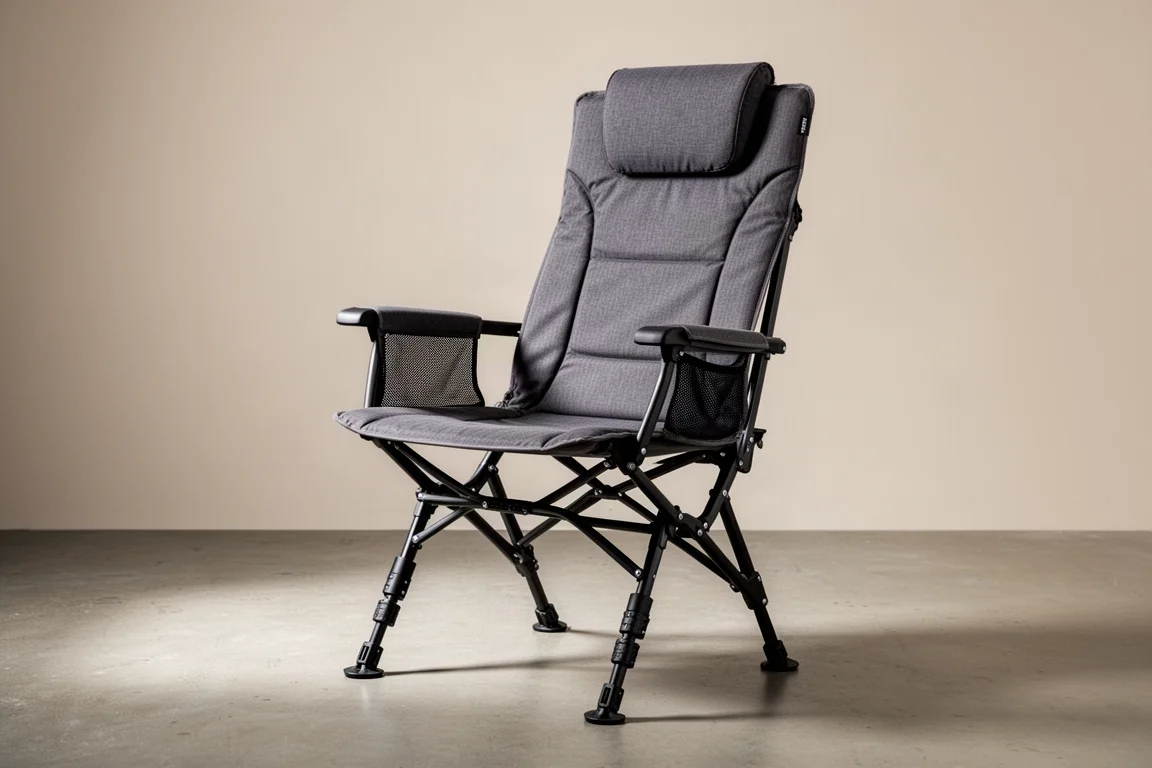
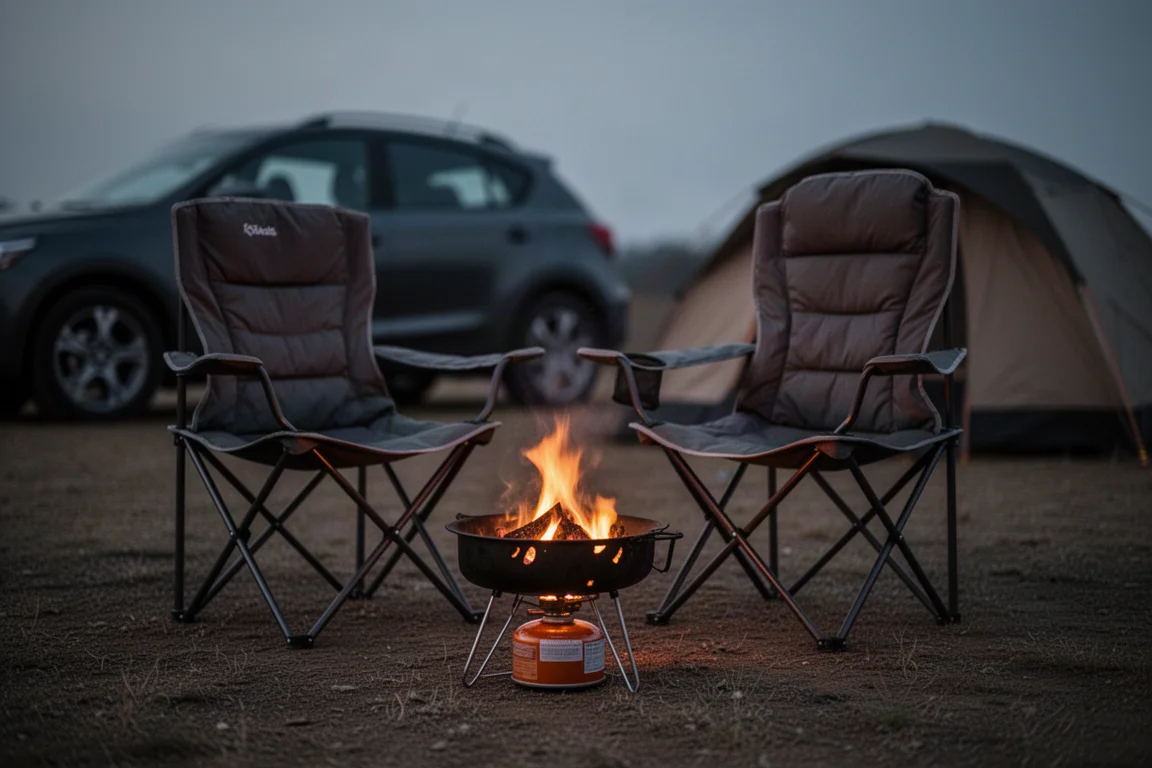
A good camp chair is not a luxury on a solo trip, it is the thing you sit in for hours. The Kilos Gear Grand Peak is a high-backed folding chair with a head pillow, padded armrests, and pockets on both sides, including one sized for a drink.
Its best feature is the adjustable legs. They offer multiple positions, so you can recline further back, sit more upright, or lower the seat for a shorter person. The high back and generous sitting height make it comfortable for long evenings, and it still packs down small enough to disappear into the back of the car.
Ignik FireCan Deluxe
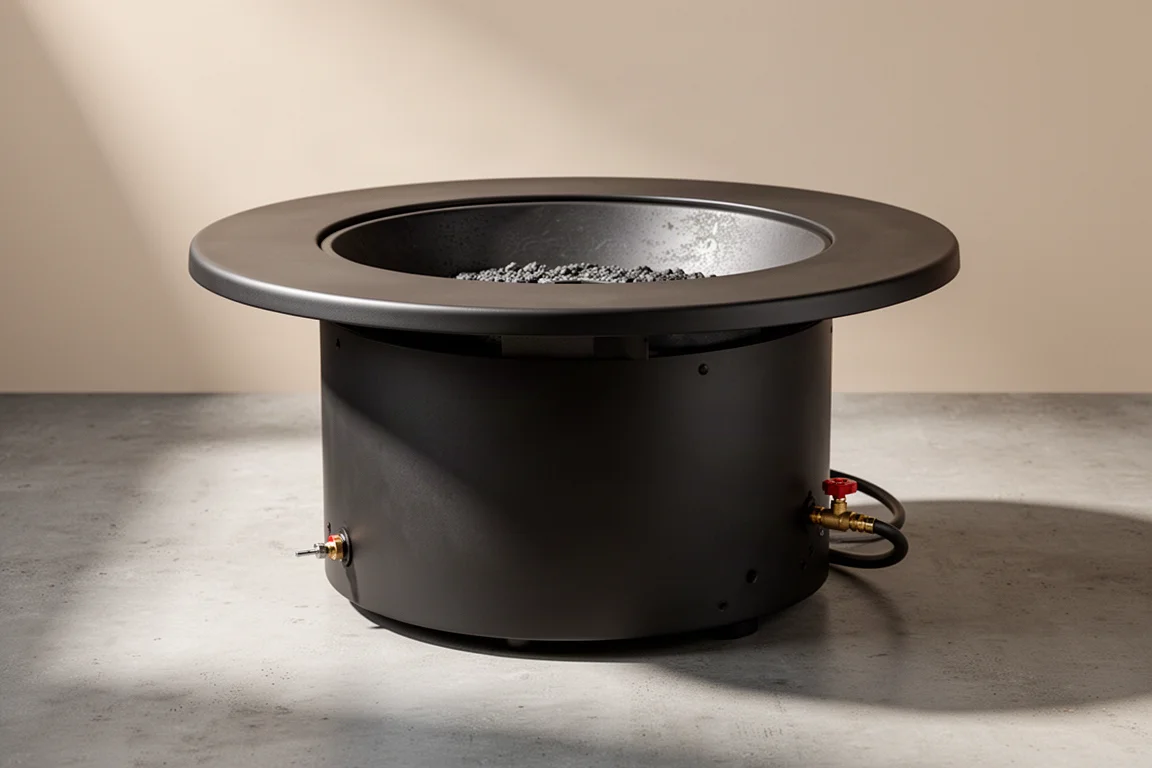
The Ignik FireCan Deluxe is a propane fire pit, and its appeal is immediacy. Attach it to a propane tank, light it, and you have a fire with no prep, no gathering, and no smoke. On a cold morning it gets a fire going in seconds without leaving you smelling of it for the rest of the day, and it is equally useful when the site has no fire pit of its own.
It is not the biggest or the warmest fire you will ever sit next to, and it will not replace a roaring wood fire for sheer presence. What it does well is deliver ambiance and a little extra warmth with none of the hassle, which is exactly what a relaxed solo trip calls for.
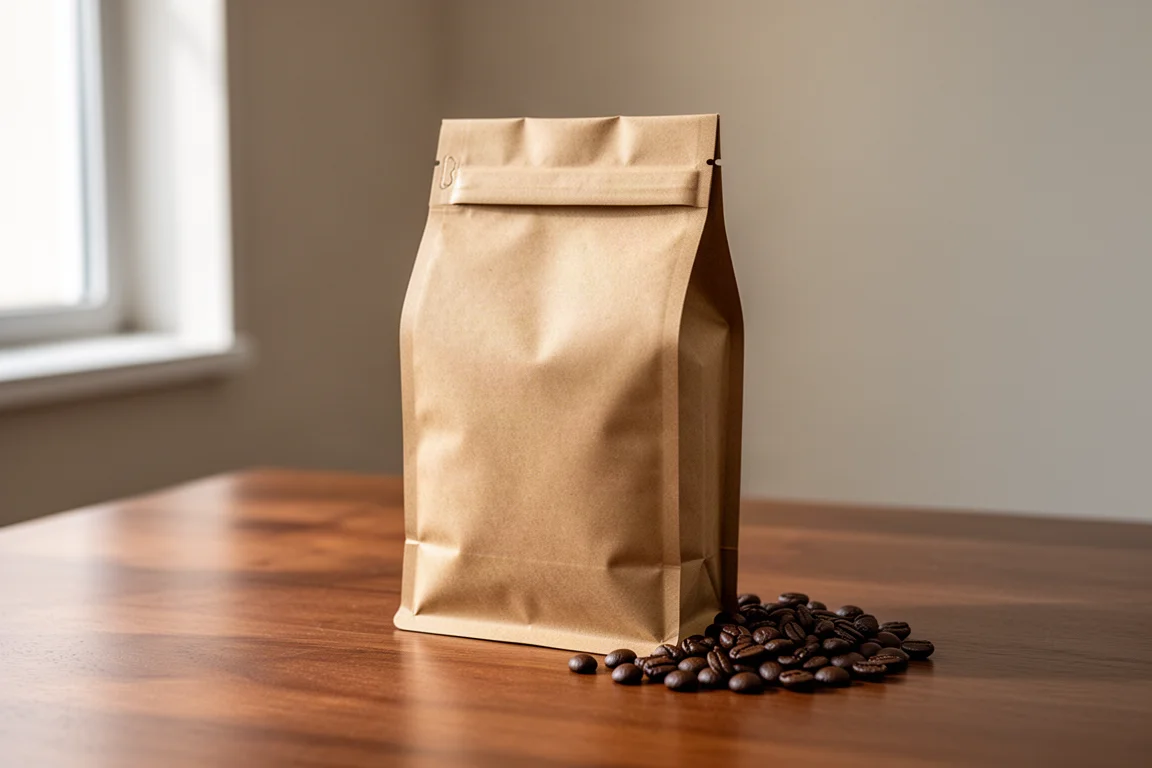
Hilltop Packs Espresso Roast
The Hilltop Packs Espresso Roast is the coffee that makes the AeroPress worth packing. It is an espresso-style roast, and it works well as a cold vanilla latte at camp, which is a considerably better start to a day than instant coffee in a tin mug.
Buying Advice for Solo Car Camping Gear
It is worth building this kit in layers rather than buying all thirteen items at once. Shelter and sleep come first, because a bad night undoes everything else: a tent sized for one person, a pad that stays soft in the cold, a pillow, and a sleep system that fits together properly.
The kitchen is the second layer. A stove, a fuel source, and a way to make decent coffee cover most of what a solo trip requires, and the 5 lb propane tank is what makes the whole setup feel effortless over a full season.
Power and cold storage are the biggest convenience jump, and also the biggest investment. A 20-litre fridge and a compact power station together remove ice management and keep food properly cold, which is the single change that most improves a weekend trip.
Comfort items come last. A high-backed chair with adjustable legs and a propane fire pit are not strictly necessary, but they are the pieces that make a campsite feel like somewhere you want to spend an evening. If you are buying gradually, start with sleep, then cooking, then power, then comfort.
Conclusion
A solo car camping setup works best when it is built around a few clear priorities: sleep well, cook properly, keep food cold, and make the campsite comfortable enough that you want to stay. The gear here covers each of those in turn, from a one-person shelter and a temperature-stable sleep system to a real camp kitchen and a power station that keeps a fridge running for a full day.
None of it is mandatory for every trip, and a first overnight can be done with far less. But if you camp regularly on your own and want the experience to feel easy rather than effortful, this is a sensible order to build the kit in: shelter and sleep first, kitchen second, power third, and comfort whenever the budget allows.
Further reading
Related Reviews
Camping Gear
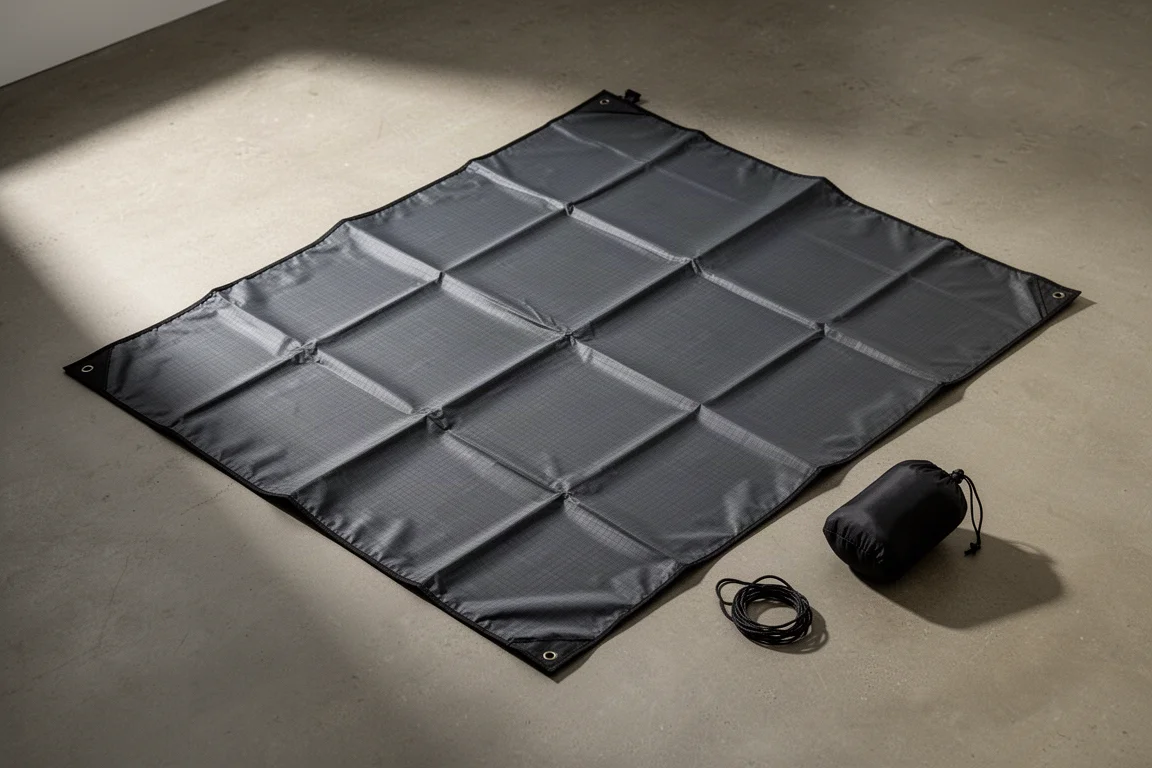
3FUL Ultralight Ground Sheet Review: A Two-Person Footprint Worth Packing
A 6.7 oz two-person ground sheet in ripstop silnylon, priced around $30. Here is what it protects, what it does not do, and who should pack it.
Camping Gear
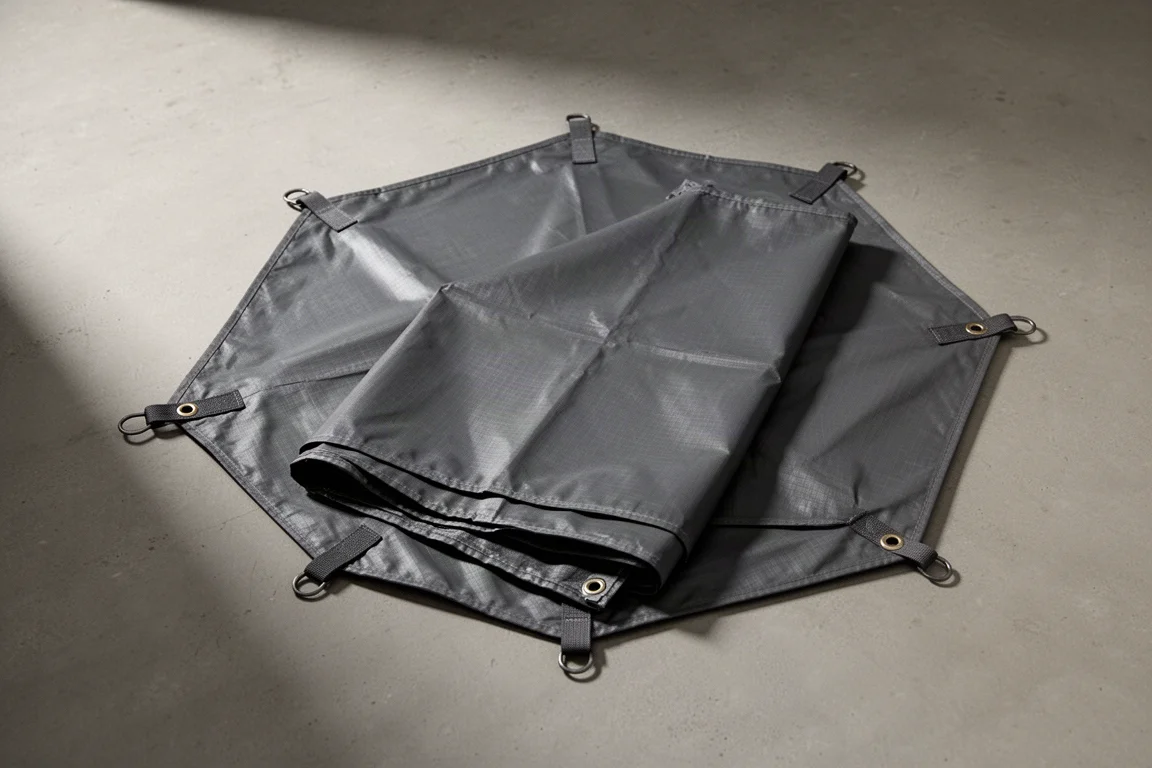
Backcountry Light Dual-Function Tarp and Floor Review: A Footprint First
A dual-purpose tent floor and tarp that keeps falling rain off you, but cannot block wind. Here is where it works and where it does not.
Camping Gear
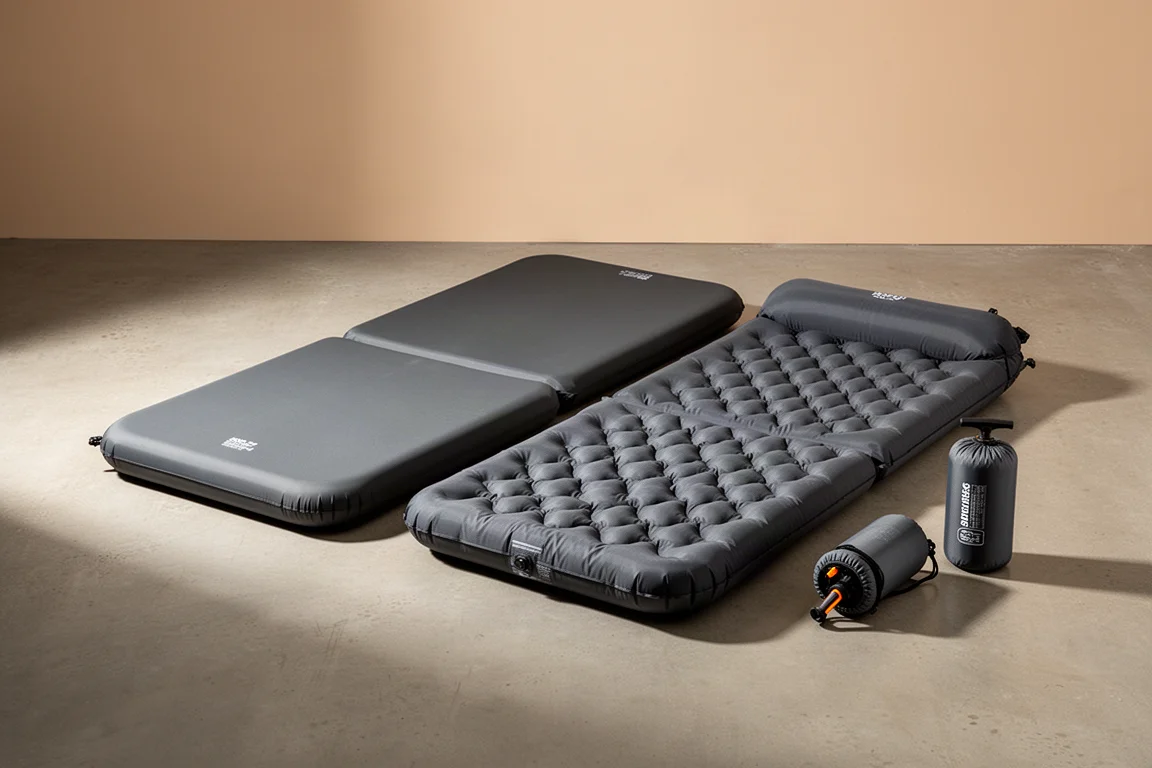
Best 2-Person Camping Mattresses for Couples: 10 Options Compared
A practical comparison of ten two-person camping mattresses, covering self-inflating pads, air pads and air mattresses for couples.