Camping Gear
Solo Car Camping Gear: A Comfort-First Checklist for One-Person Trips
A practical solo car camping gear list covering shelter, sleep, coffee, cooking, power, and storage, with notes on what each piece does well.
Introduction
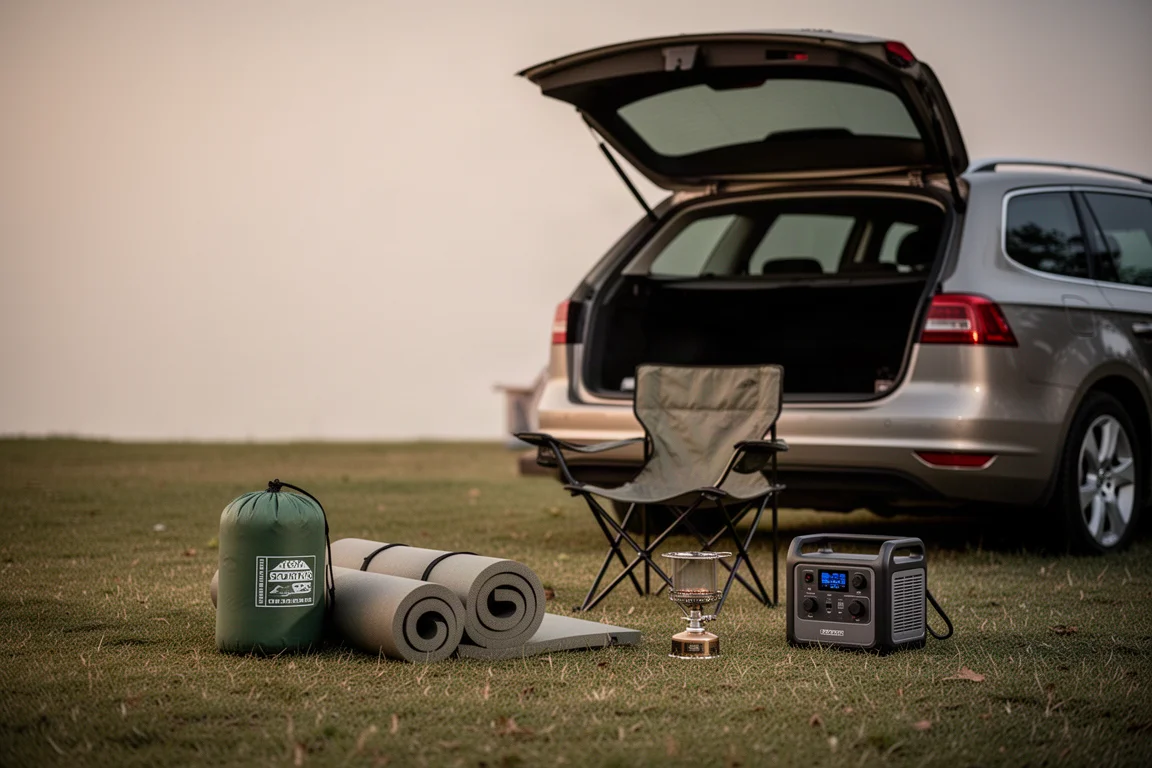
A solo car camping trip changes what matters in a gear list. Without a family along, every item has to earn the space it takes up in the trunk, but you also stop compromising on comfort, because there is nobody else to pack around. The setup below is built on that idea: a shelter that pitches quickly, a sleep system that stays comfortable when the temperature drops, a proper coffee routine, real cooking gear, and enough power and storage to keep everything organized for a weekend.
Everything here is chosen to make one person genuinely self-sufficient, so the only things you need to rely on are your own car and your own kit.
How This Solo Car Camping Setup Comes Together
The pieces in this list were selected around four priorities: comfort at camp, self-sufficiency, a packing footprint that still leaves room in the car, and the ability to cook and make coffee properly rather than settling for the bare minimum.
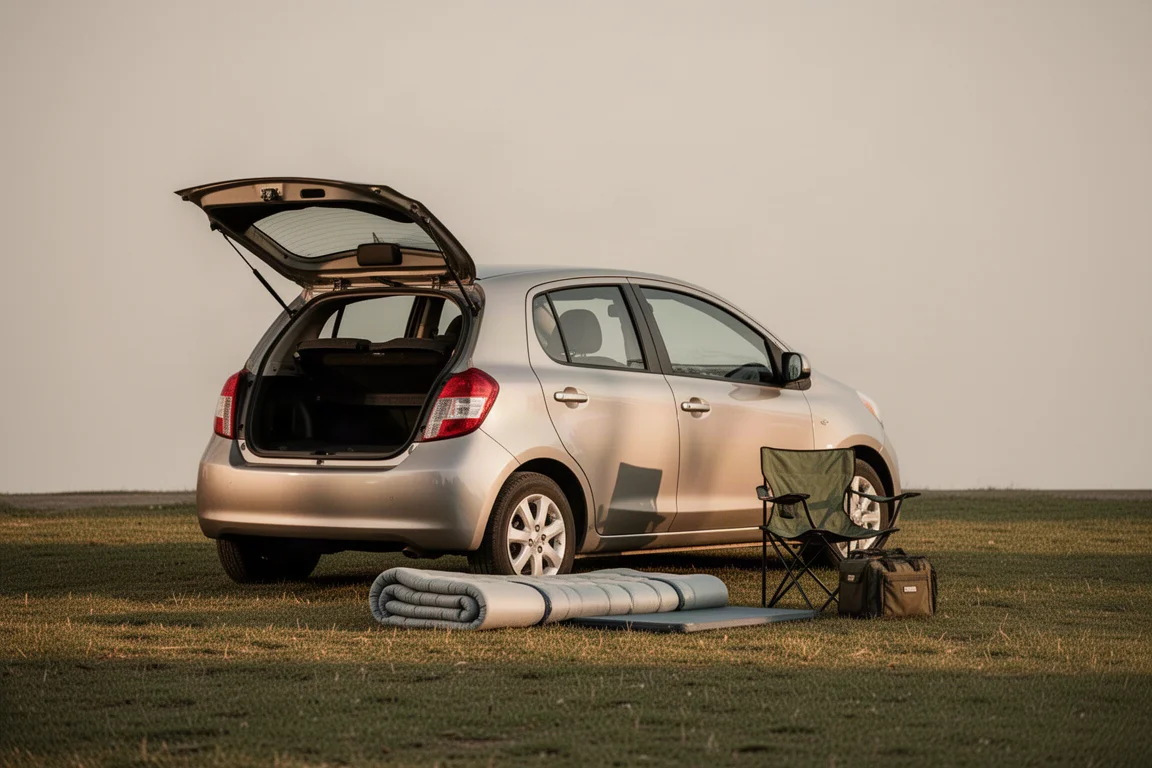
Cold-weather performance also mattered. Several items here were picked specifically because their materials stay soft and usable in low temperatures instead of stiffening overnight, which is often the difference between a good night’s sleep and a restless one.
Storage and power get the same treatment. A sealed gear box, a compact fridge, and a portable power station are the kind of unglamorous items that quietly make a solo trip easier, because they remove the small daily chores that add up over a weekend.
Nemo Dragonfly 2P: A Solo Shelter That Sets Up Fast
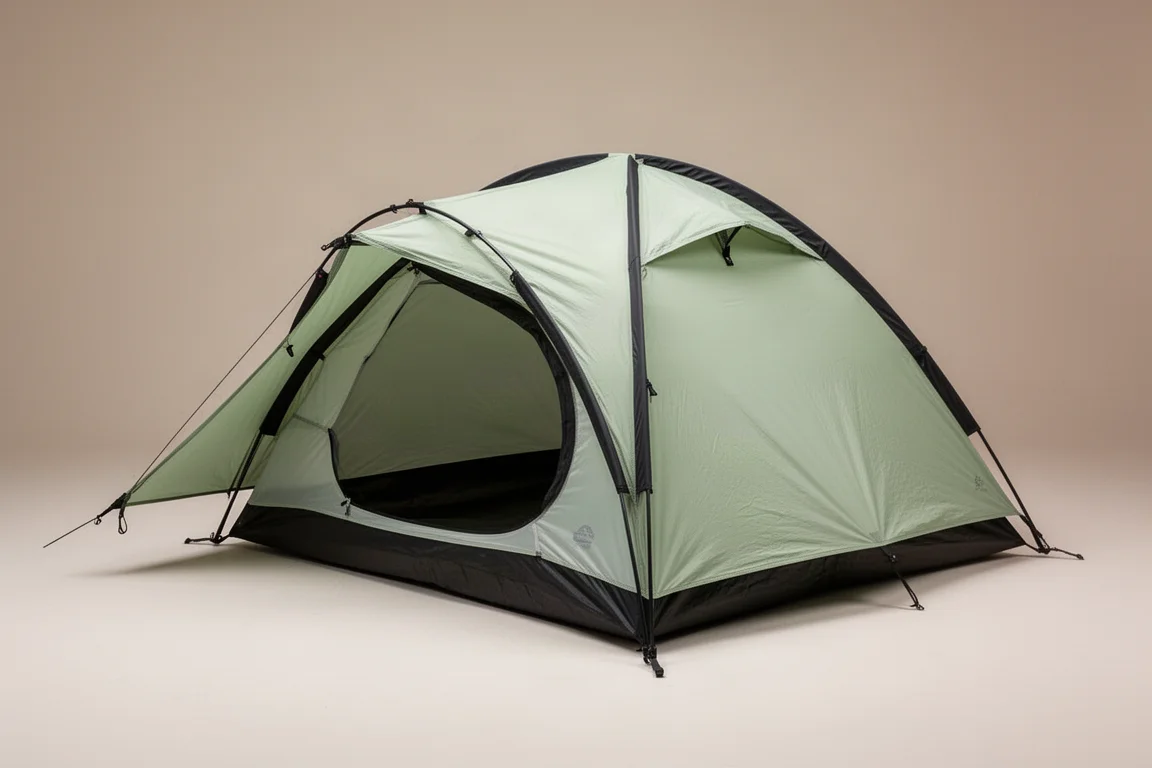
A two-person tent is a deliberate choice for a solo trip. It leaves enough floor space for a wide sleeping pad and a bag, plus a little room to move around while you are changing layers or organizing gear, which a tight one-person tent rarely allows. The Nemo Dragonfly 2P is the shelter used here, and for a single camper it sits in a useful middle ground between packability and living space.
If you are travelling alone and do not want the trip to feel cramped by the second night, a 2P model is worth the extra packed volume. It also gives you somewhere to stash a duffel or a gear box out of the weather.
Hest Foamy: A Roll-Up Bed That Stays Supportive
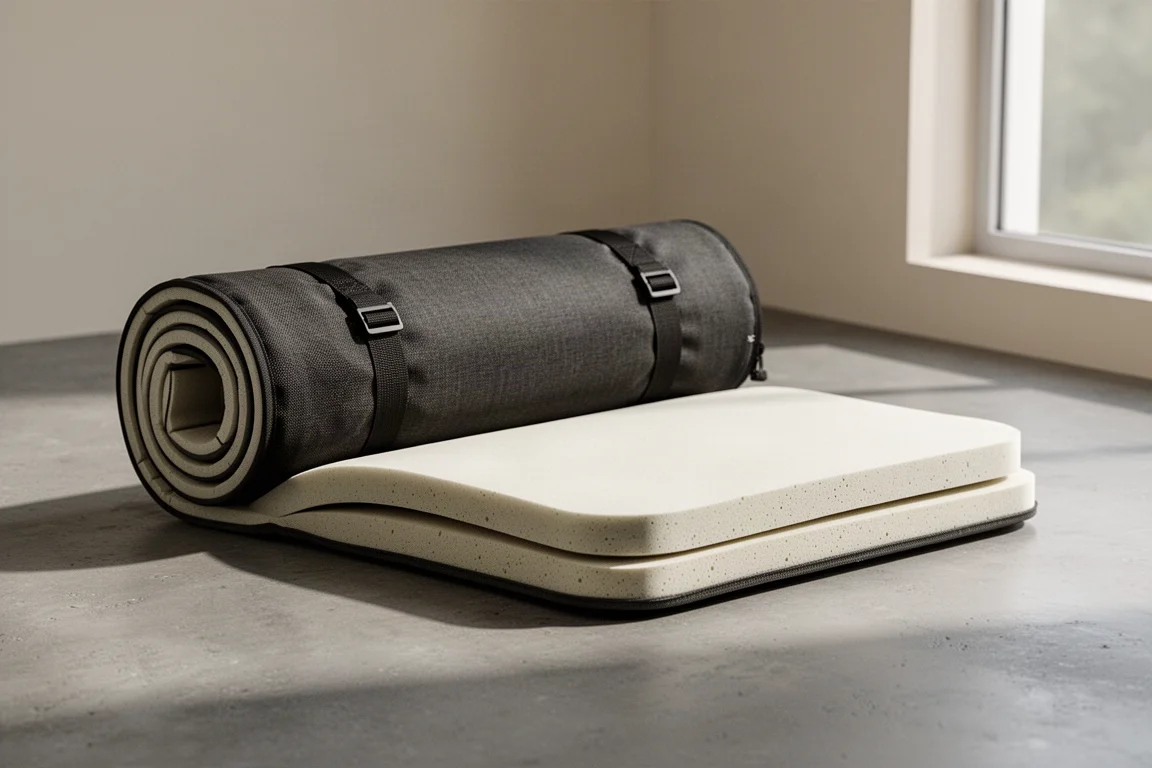
The Hest Foamy is a roll-up bed roll rather than a conventional inflatable pad, and it sets up in seconds: unroll it, clip it shut, and you are finished. It uses two different types of memory foam, and the density is the detail that matters most on cold trips, because it does not turn rock hard when the temperature drops.
For car camping in particular, that combination of instant setup and cold-weather consistency removes two of the usual annoyances of sleeping outdoors. A 25-inch wide version pairs neatly with a sleep system, which is exactly how it is used in this setup.
Hest Camp Pillow: Small Comfort, Big Difference
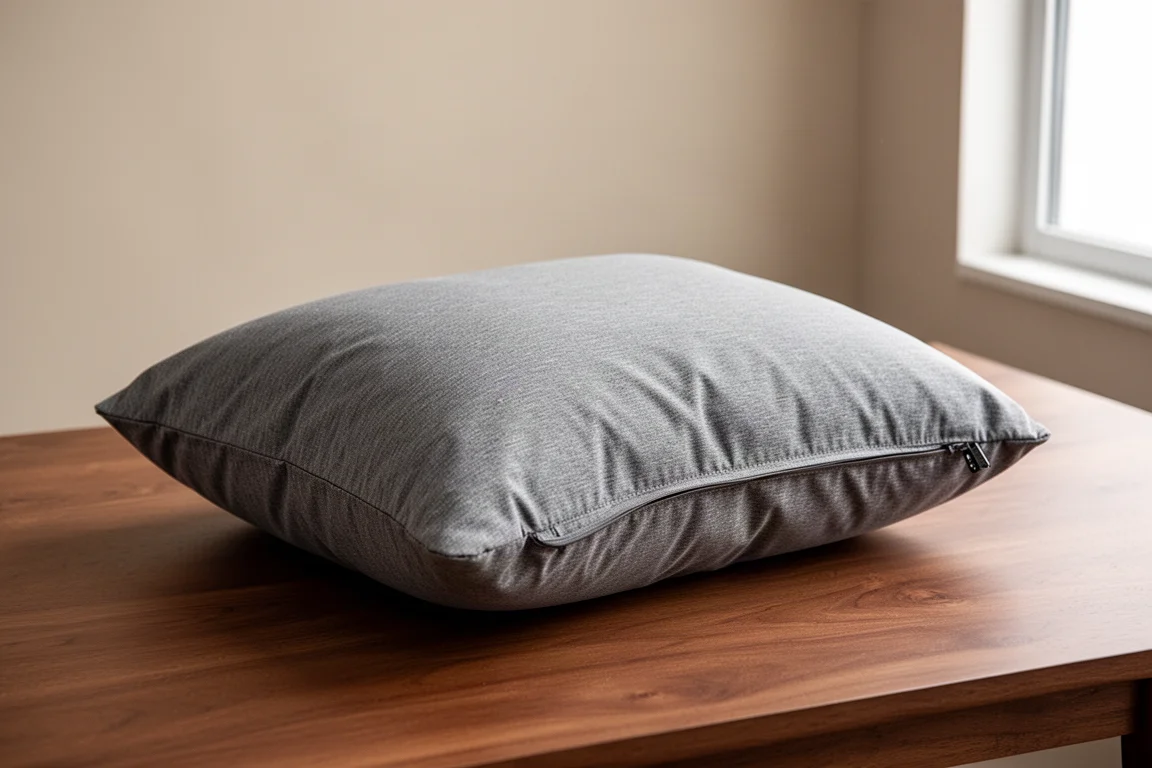
The Hest Camp Pillow uses memory foam with the same cold-temperature behaviour as the bed roll, so it stays soft instead of stiffening overnight. It comes with a pillowcase and packs down small enough to disappear into the rest of the sleep kit.
It is a small item, but it is often the one that decides whether a night at camp feels like rest or just time spent lying down. If you are upgrading a sleep setup piece by piece, this is an easy place to start.
Zenbivy Light Bed: A Sleep System That Pairs Well
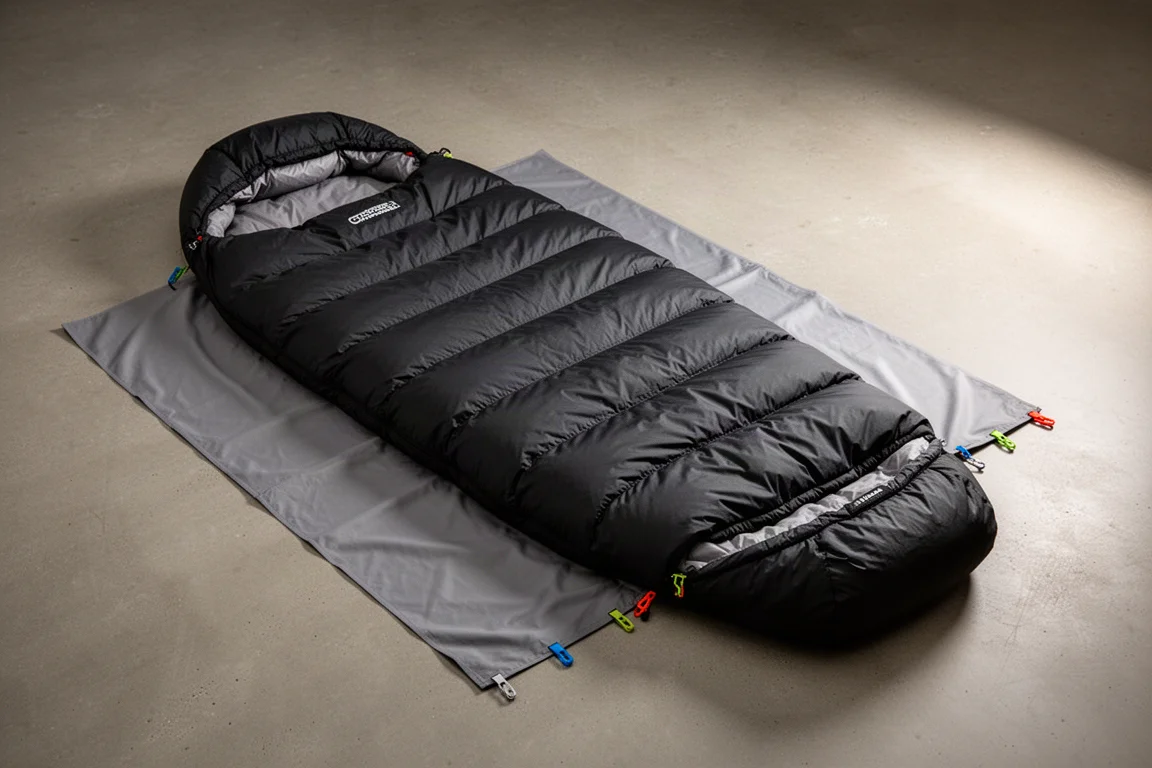
The Zenbivy Light Bed is a sleep system rather than a single bag, and it pairs naturally with a wide roll-up pad. The combination is what makes the setup comfortable: the pad provides the flat, supportive base and the sleep system handles warmth and coverage. Choosing the 25-inch wide pad specifically so the two work together is the detail that makes the pairing feel intentional.
On colder nights, adding a quilt layer on top makes a noticeable difference to how warm the setup feels. If you mostly camp in mild conditions, the system alone is comfortable; if you push into shoulder seasons, plan for that extra layer.
AeroPress Go: Real Coffee Without the Bulk
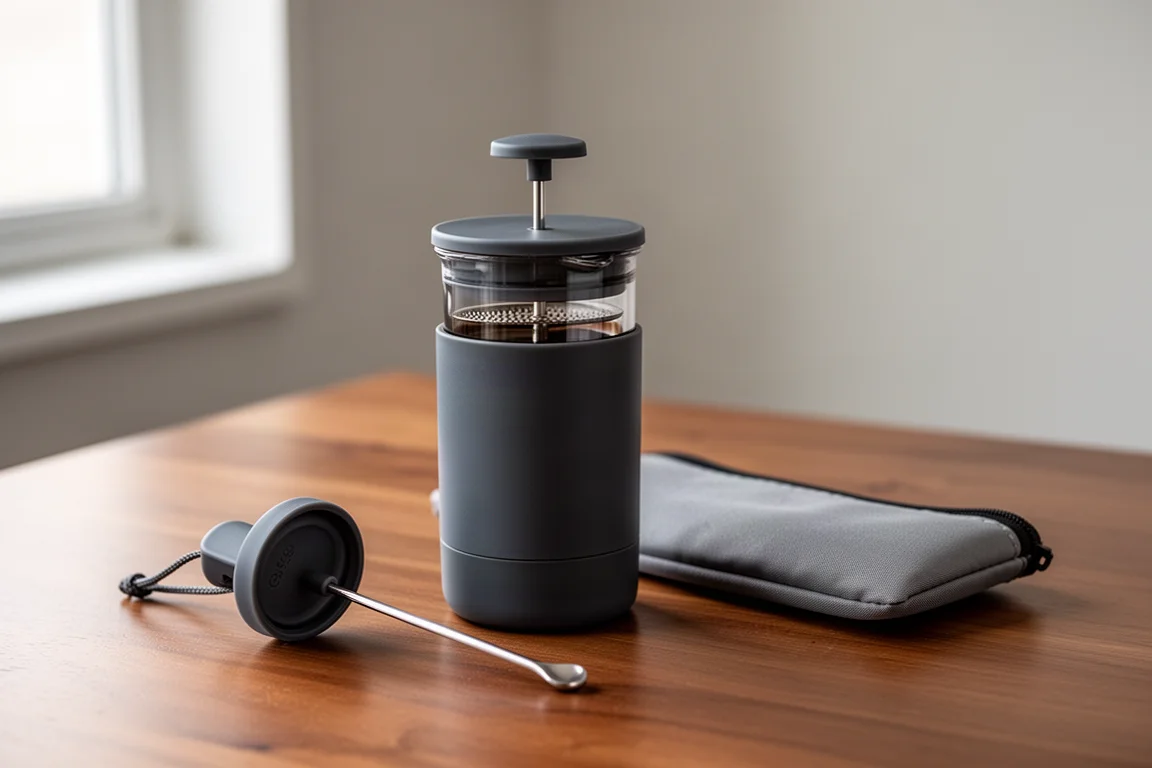
The AeroPress Go is built for travel: lightweight, compact, and shatterproof. It uses a three-in-one brew method that combines air pressure, immersion, and micro-filtration, which is why the same device can produce very different styles of coffee depending on how you use it.
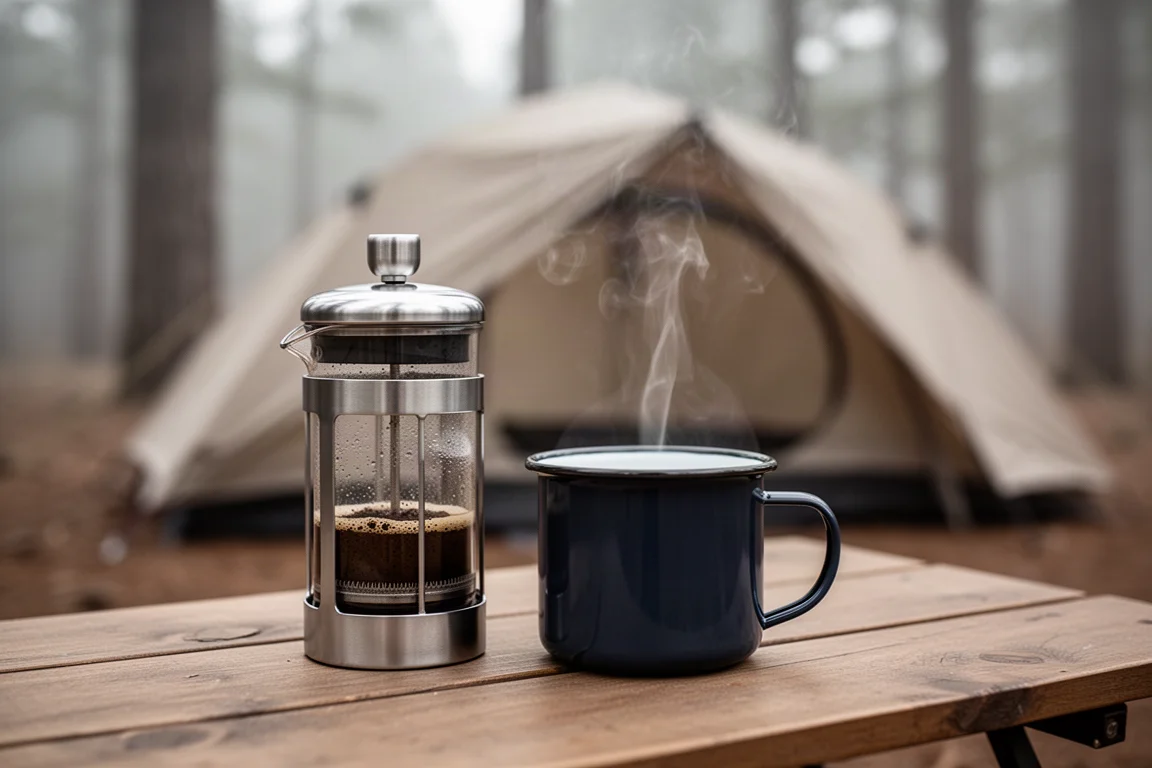
At camp, that flexibility is the real appeal. You can brew a straightforward cup in the morning or build something closer to a latte, which is a significant upgrade over instant coffee when the air is cold and you are still waking up. The whole kit takes up very little room in a camp kitchen crate.
Hilltop Packs Espresso Roast: Beans Worth Packing
The coffee that goes with the brewer matters just as much. Hilltop Packs Coffee Espresso Roast is an espresso-oriented roast that works well in a travel press, including in the cold vanilla latte made on this trip.
Packing a roast you actually enjoy is one of the cheapest ways to improve a car camping morning, and it takes up almost no room. For a solo kit where space is tight, that makes it an easy item to justify.
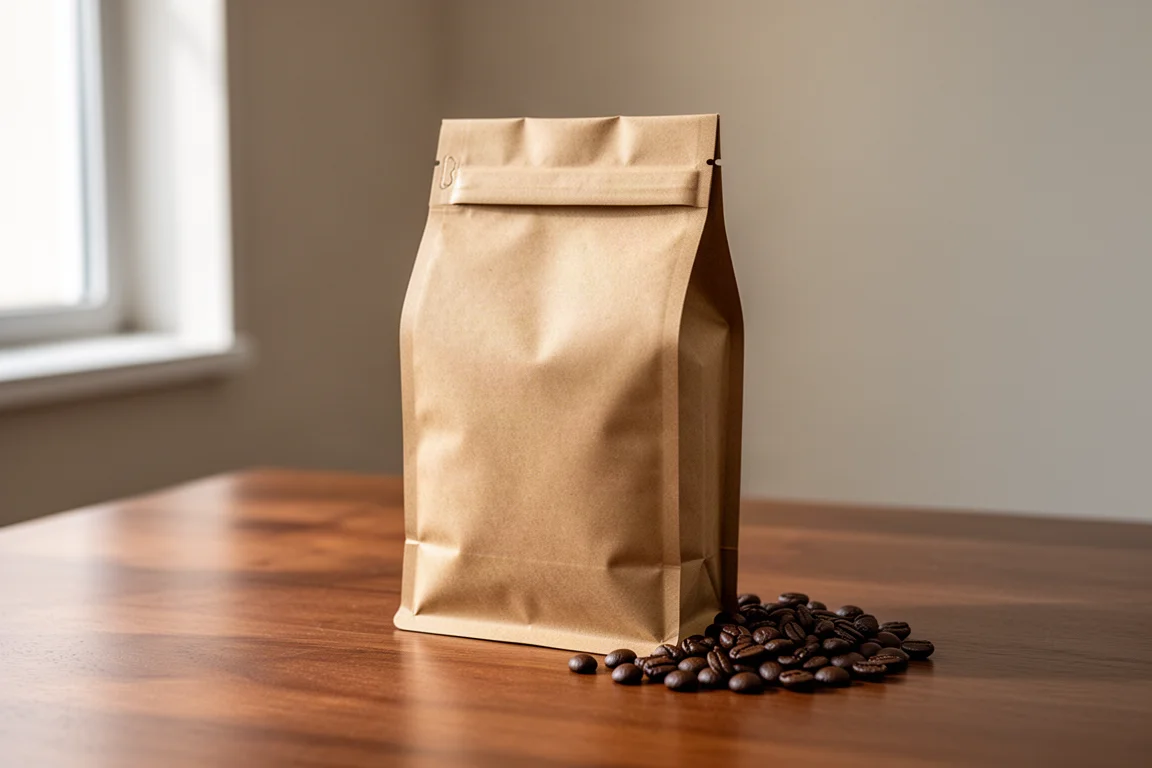
Ignik Growler 5 lb: Propane That Lasts the Season
The Ignik Growler is a 5 lb propane tank, and the practical advantage is duration: one fill can cover a full spring and summer season of camping without a refill. That removes the guesswork of disposable canisters and the mid-trip run to a store.
It also pairs with both the stove and the fire pit in this setup, so a single fuel source covers cooking and evening ambience. For a solo car camper, that consolidation is worth more than it sounds.
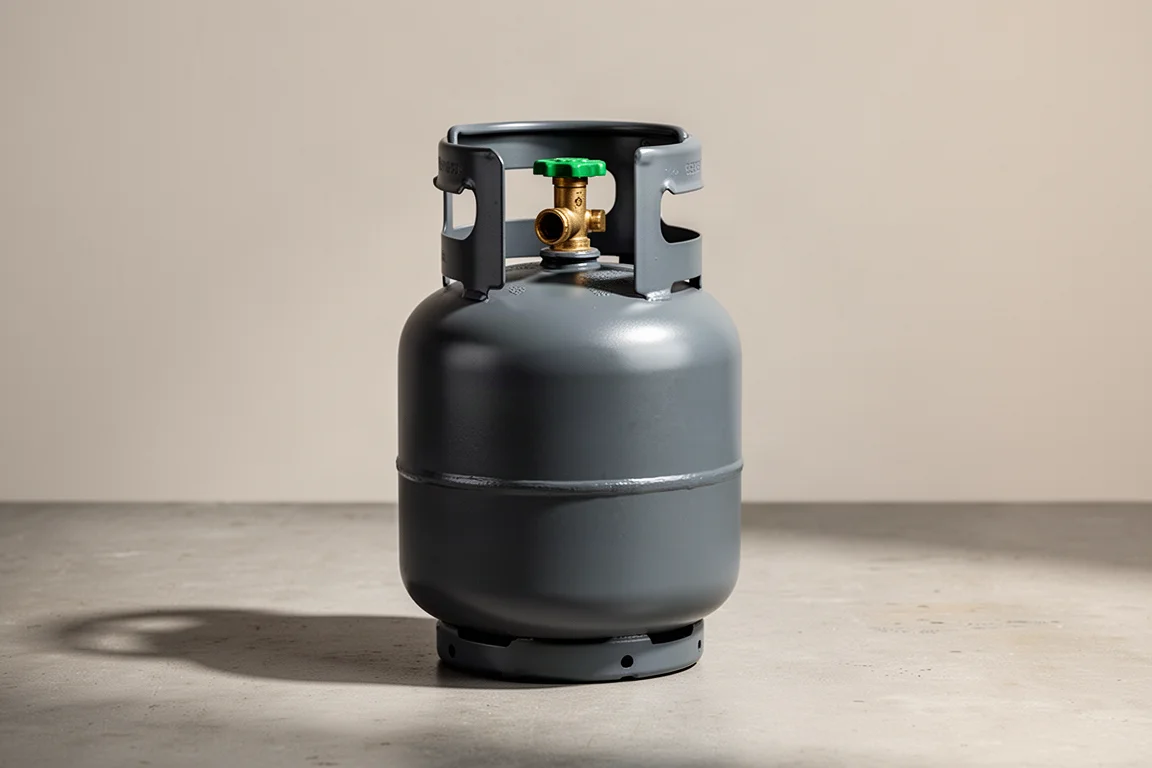
Jetboil HalfGen: A Stove Worth the Counter Space
The Jetboil HalfGen runs on propane and is seriously efficient in use, which is why it earns its place in this kit even though it sits at the higher end of the price range for camp stoves. That price is the main trade-off to weigh before committing.
What you get for it is a stove that behaves more like a home hob than a backpacking burner, and the fry pan that comes with it stands out as one of the best parts of the package. If cooking is part of why you go camping at all, this is the piece that changes the experience most.
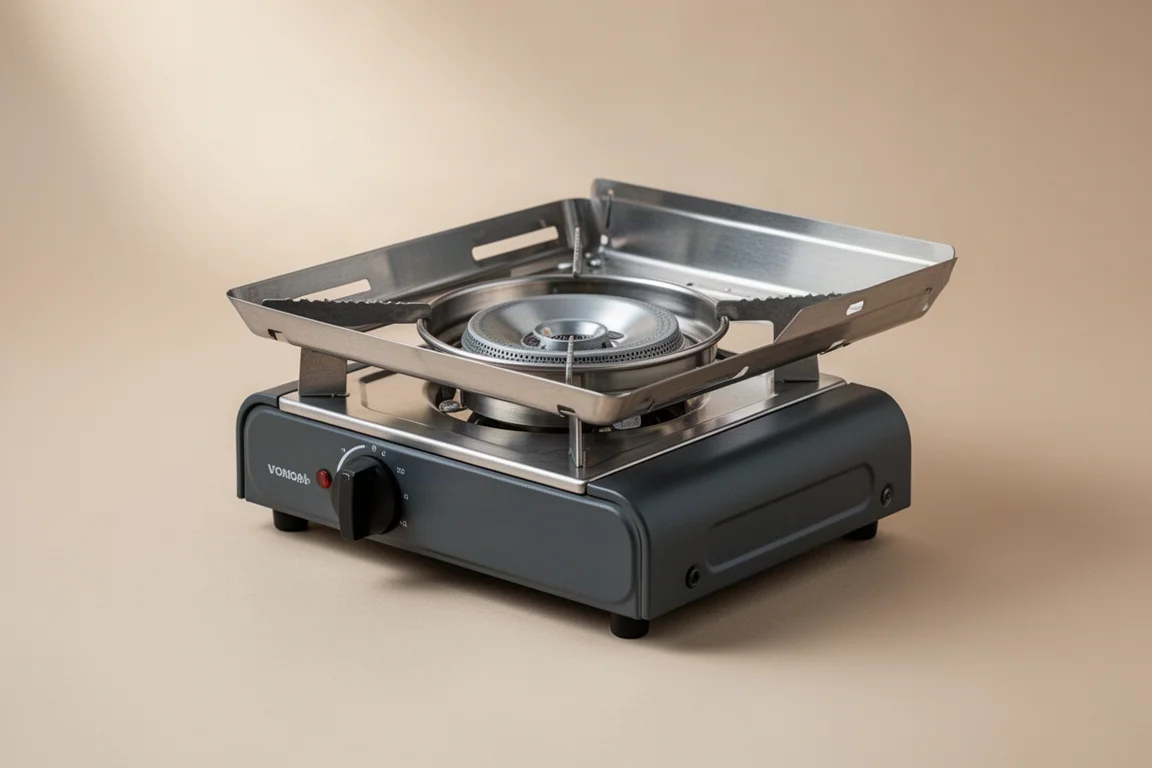
ICECO GO20: A 20L Fridge Instead of a Cooler
The ICECO GO20 is a 20 litre portable fridge, sized for simple weekend trips where you only need a modest amount of food kept cold. The bigger advantage is that you never manage ice: no draining, no topping up, and no soggy packaging by day two.
Its small form factor matters just as much in a car camping setup, where every litre of trunk space competes with something else. Paired with a portable power station, it runs quietly in the back of the car without needing attention.
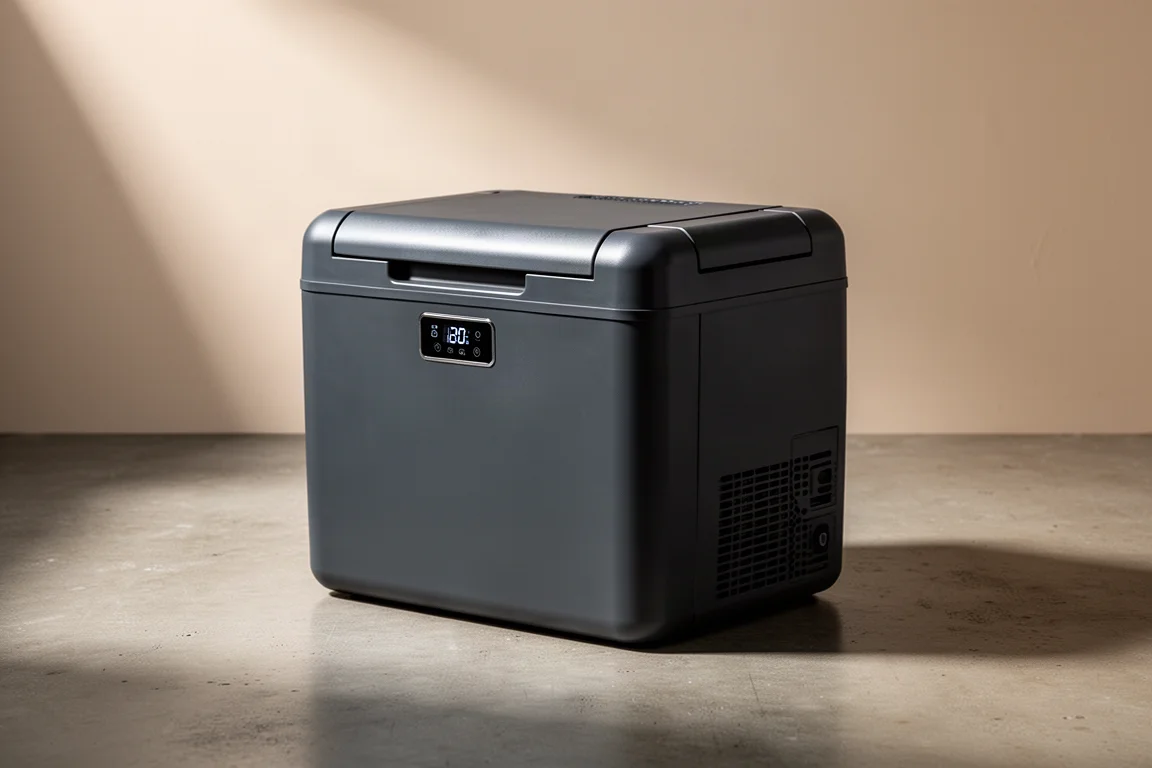
Anker SOLIX C1000: Quiet Power for the Fridge
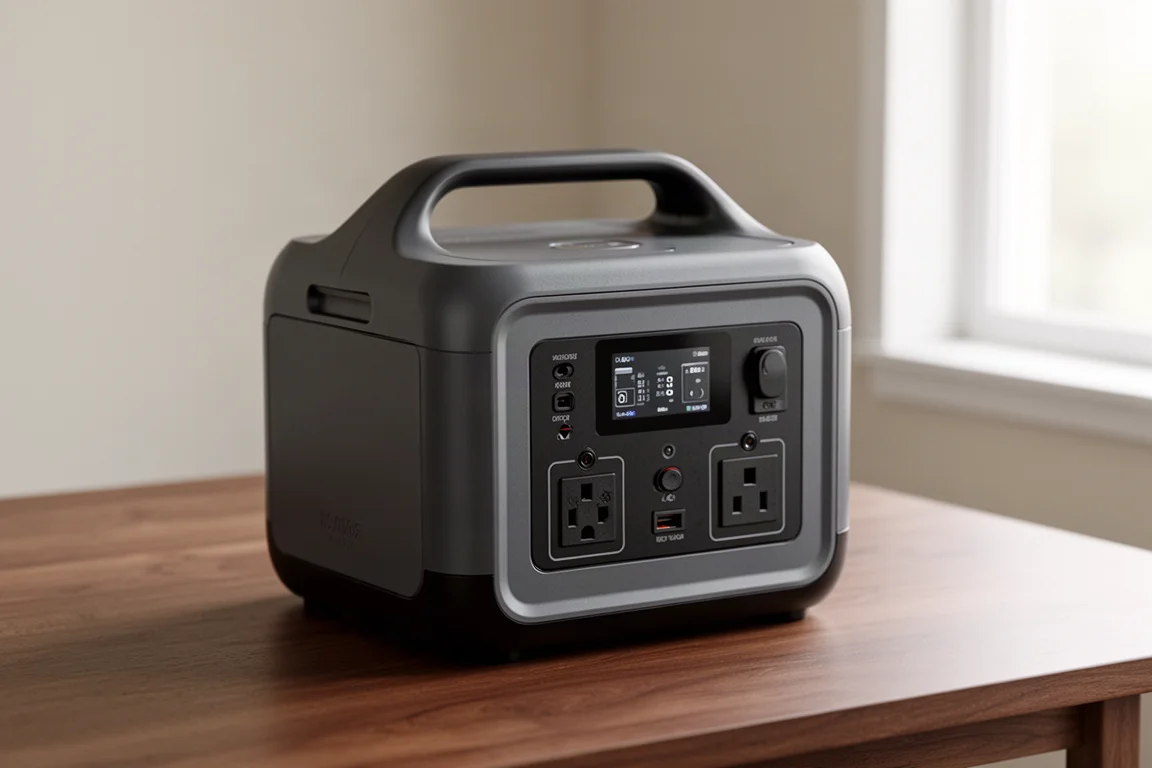
The Anker SOLIX C1000 is a compact portable power station with over 1,000 watt hours of capacity, and it has become the go-to power source in this setup. Its size is the surprising part: it delivers a lot of stored energy for how little space it takes up in the car.
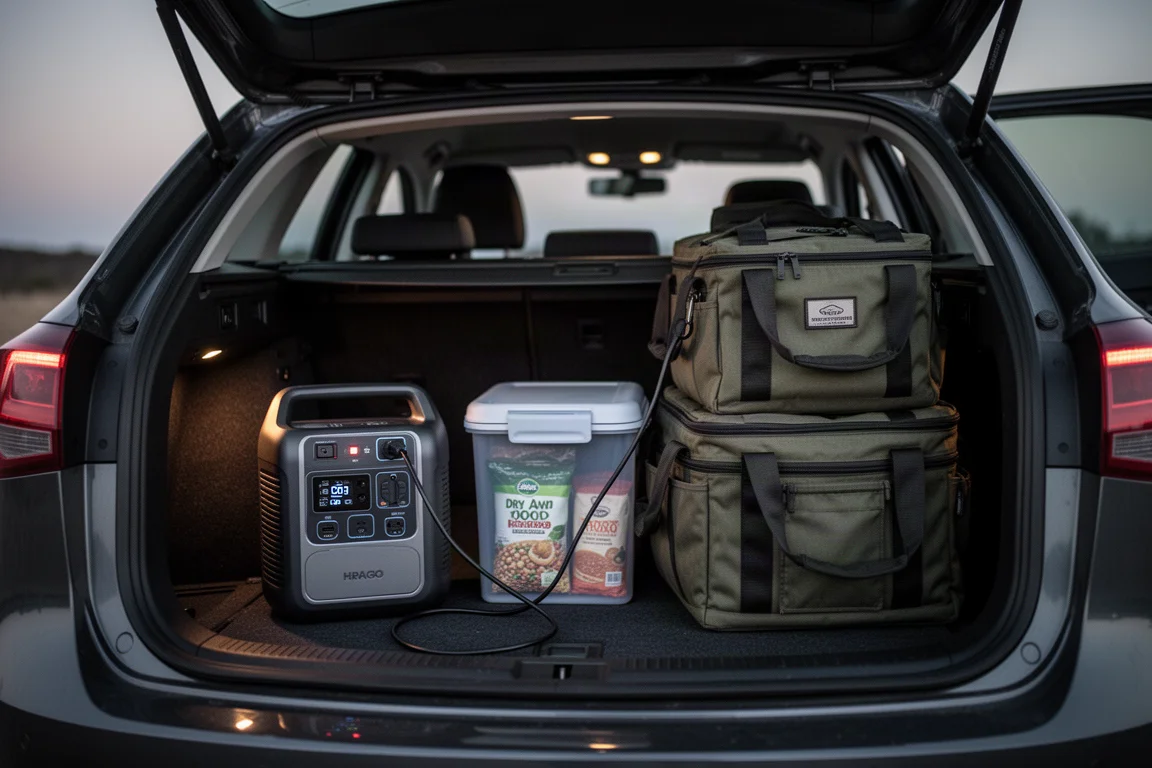
Running a 20 litre fridge for a full 24 hours while also charging other devices left it at roughly 76 percent, which says a lot about how far a single charge stretches across a weekend. For a solo camper, that margin is the difference between checking the battery constantly and forgetting about it entirely.
Gregory Alpaca 45L Gearbox: Organized, Sealed, Protected
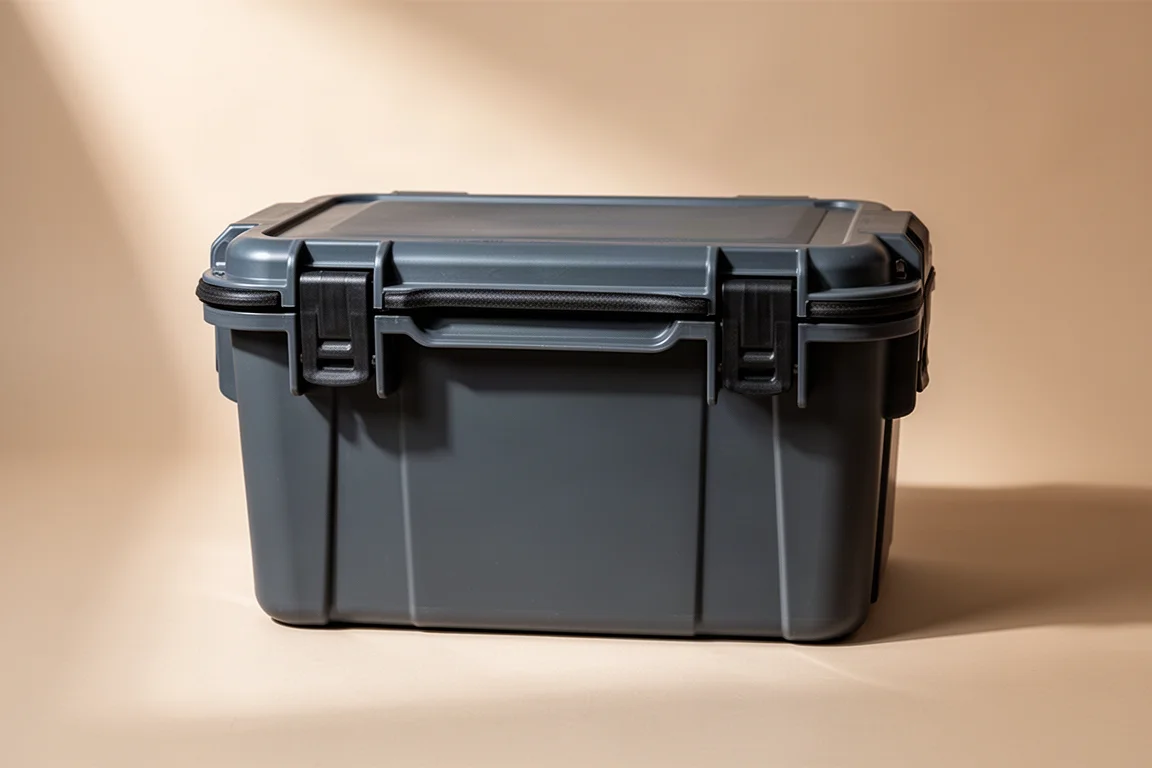
The Gregory Alpaca 45L Gearbox is a 45 litre gear tote that is waterproof and dust proof, so the contents stay protected from rain, road grit, and camp dust. The lid is crush proof, hinges from either side depending on which way you open it, or comes off completely, and a gasket seals around the lip when it is closed.
That combination makes packing by category genuinely simple, and it keeps the trunk from turning into a pile of loose items. At around $60 for a plastic tote, it is not the cheapest storage option, so it is worth deciding whether the sealing and the hinged lid are features you will actually use.
Kilos Gear Grand Peak: A Camp Chair That Reclines
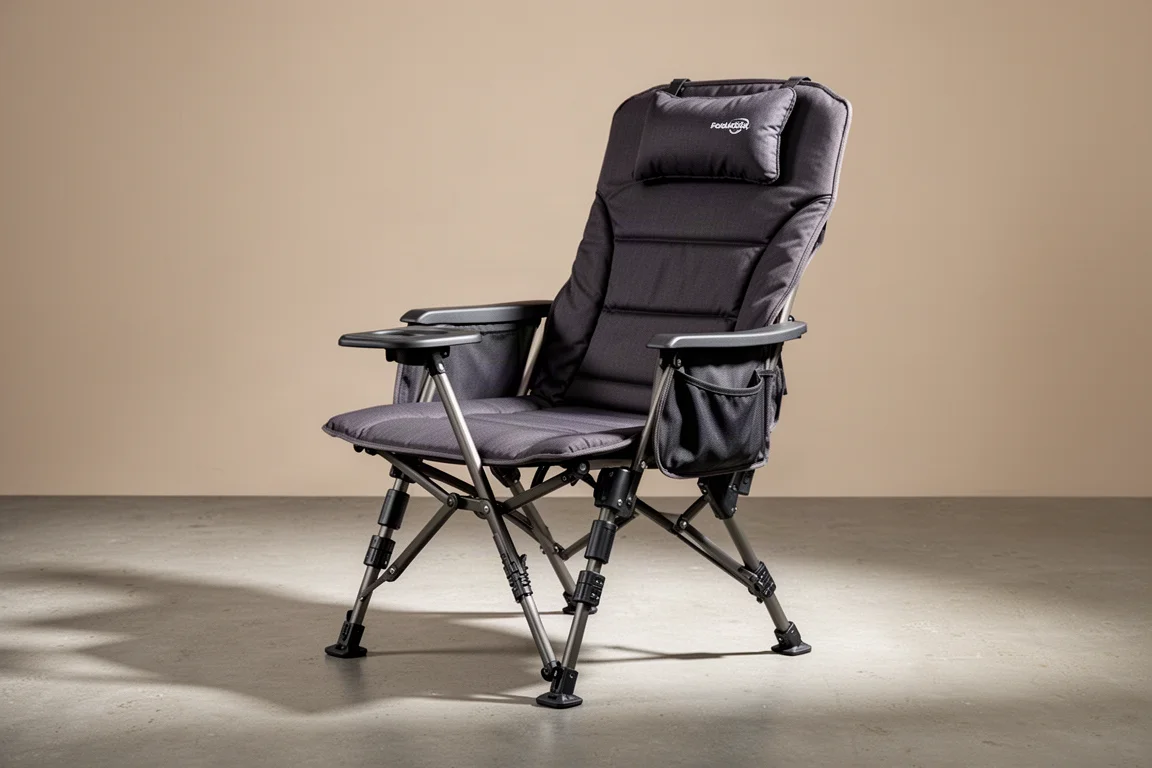
The Kilos Gear Grand Peak is a high-back camp chair with adjustable legs, which lets you recline it or lower the seat height for a shorter person. It has a small head pillow, an armrest pocket for a drink, and an additional pocket on the other side for odds and ends.
It packs down small enough to fit in the back of a car without dominating the cargo area, and the sitting height is comfortable for long evenings. If you spend a lot of time in your chair rather than just using it for dinner, the adjustability is the feature that justifies it.
Ignik FireCan Deluxe: Instant Fire, No Smoke
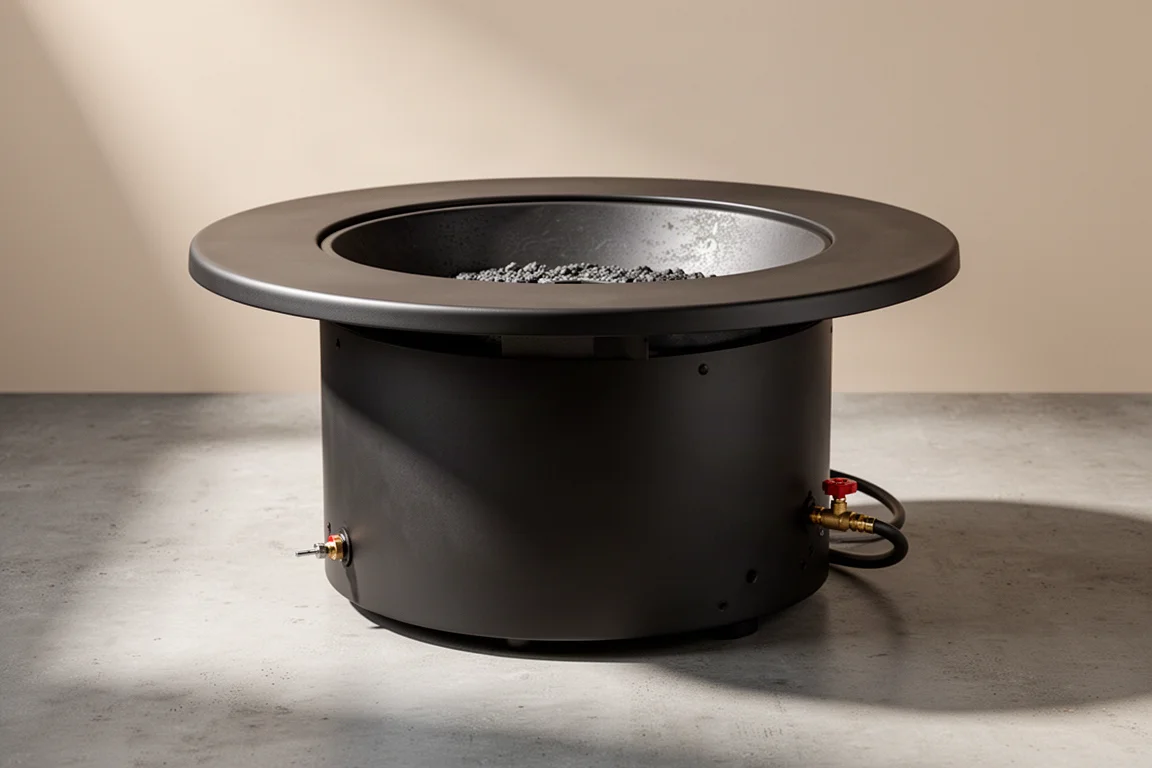
The Ignik FireCan Deluxe is a propane fire pit, and the appeal is how little effort it takes: connect it to a propane tank, light it, and you have fire immediately. There is no wood to gather, no prep, and no smoke to dodge or wash out of your clothes the next morning.
It will not match a large wood fire for raw heat or size, and it needs a propane supply to run, but as ambience and a bit of extra warmth at a campsite it works well. Being able to light it on a cold morning without dealing with a smoky, reluctant fire is the part that makes it worth carrying.
Overall Buying Advice
If you are building a solo car camping kit from scratch, start with the two things that determine whether the trip is enjoyable at all: shelter and sleep. A roomy two-person tent and a roll-up foam bed that stays supportive in the cold will do more for your experience than any accessory on this list.
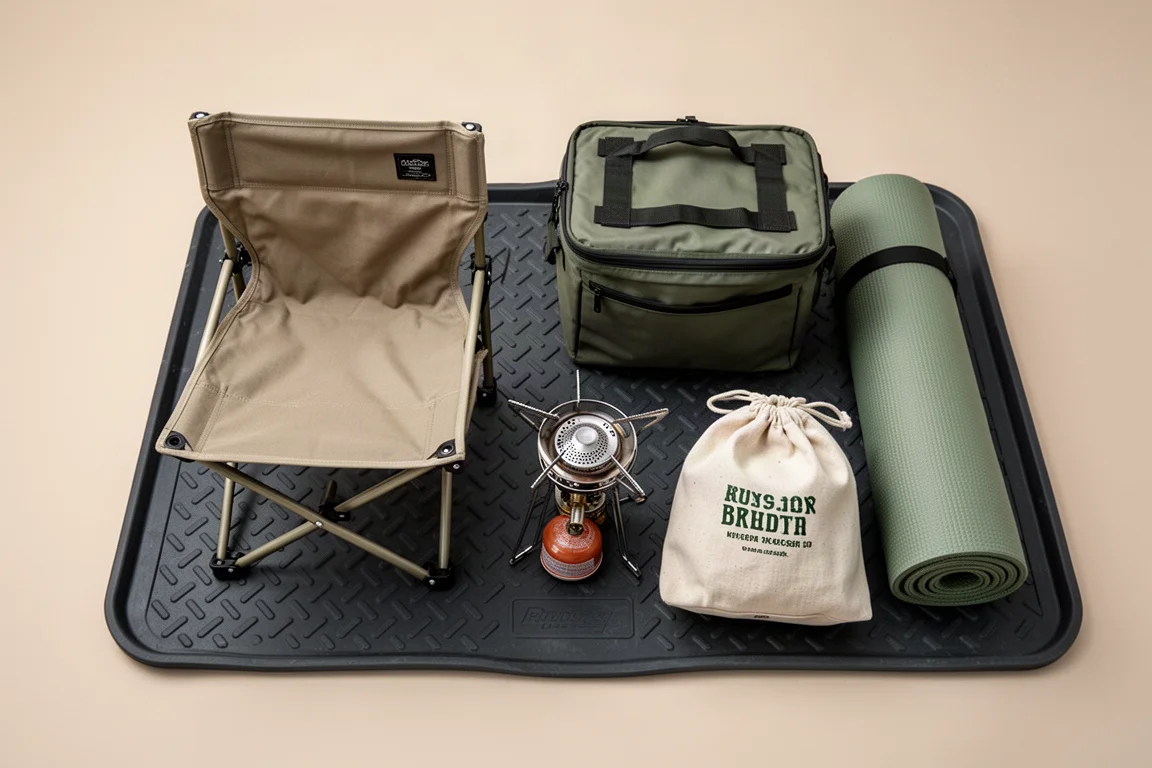
From there, add in the order you will actually notice. Coffee and cooking gear come next, because a proper morning routine and a real dinner make a short trip feel considered rather than tolerated. Power and storage follow, and they are the items that quietly remove daily friction once the basics are in place.
Two pieces deserve a closer look before you commit. The camp stove sits at the higher end of camp stove pricing, and the sealed gear tote is a premium way to solve a problem a cheaper bin could partly solve. Both are worth it if you use them often, and neither is essential if you camp once or twice a year.
Conclusion
A solo car camping setup does not have to be minimal to be practical. The list above leans toward comfort and self-sufficiency, which is exactly the point: one person, one car, and everything needed to sleep well, eat properly, and stay organized for a weekend. Pick the pieces that match how you actually camp, and the trip takes care of itself.
Further reading
Related Reviews
Camping Gear
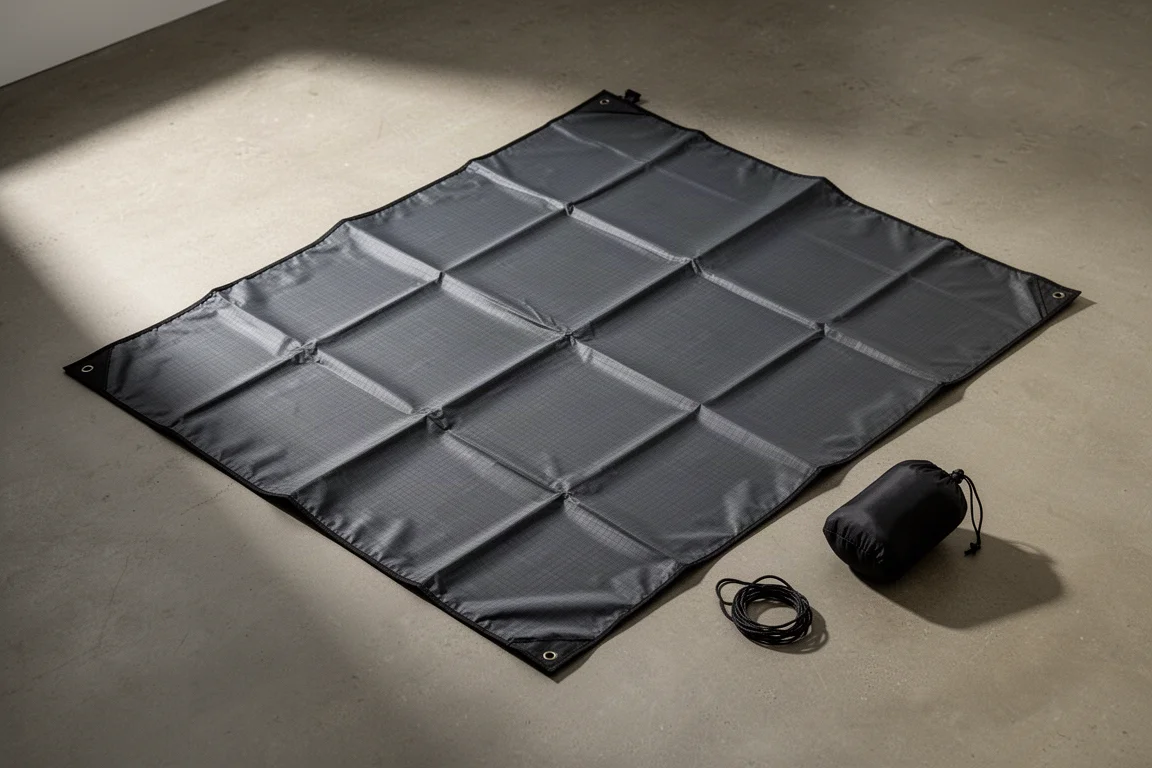
3FUL Ultralight Ground Sheet Review: A Two-Person Footprint Worth Packing
A 6.7 oz two-person ground sheet in ripstop silnylon, priced around $30. Here is what it protects, what it does not do, and who should pack it.
Camping Gear
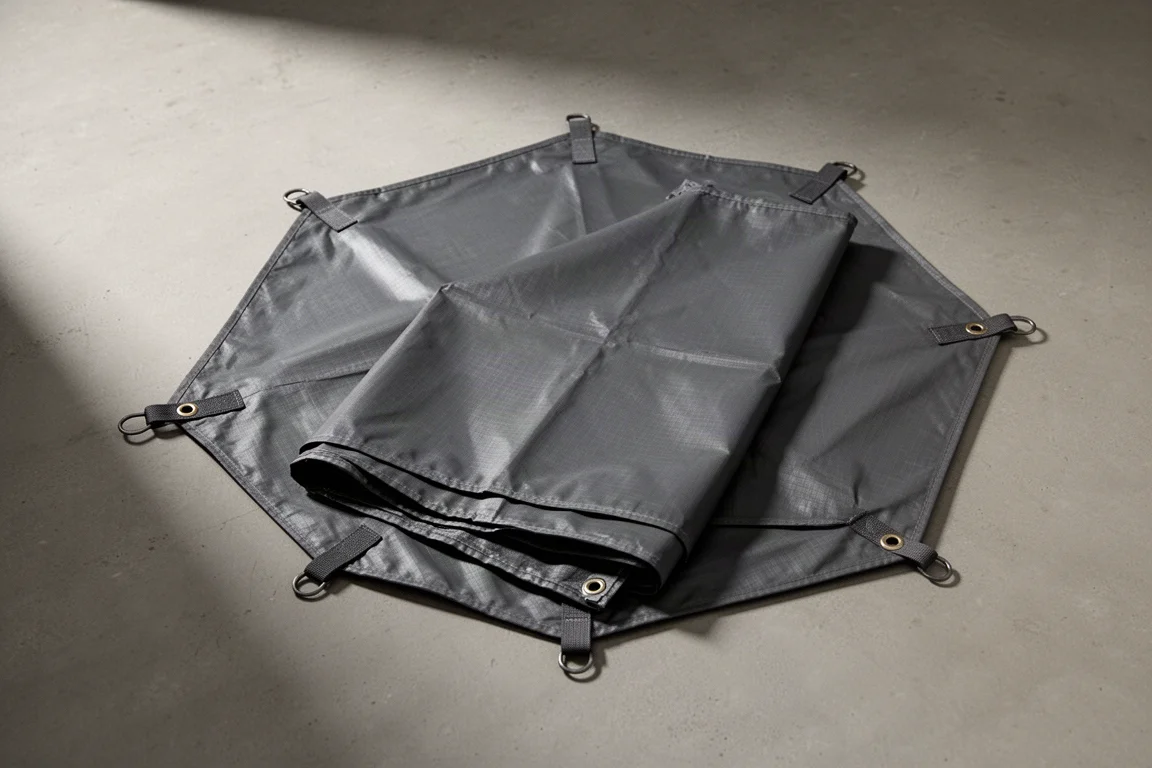
Backcountry Light Dual-Function Tarp and Floor Review: A Footprint First
A dual-purpose tent floor and tarp that keeps falling rain off you, but cannot block wind. Here is where it works and where it does not.
Camping Gear
Best 2-Person Camping Mattresses for Couples: 10 Options Compared
A practical comparison of ten two-person camping mattresses, covering self-inflating pads, air pads and air mattresses for couples.